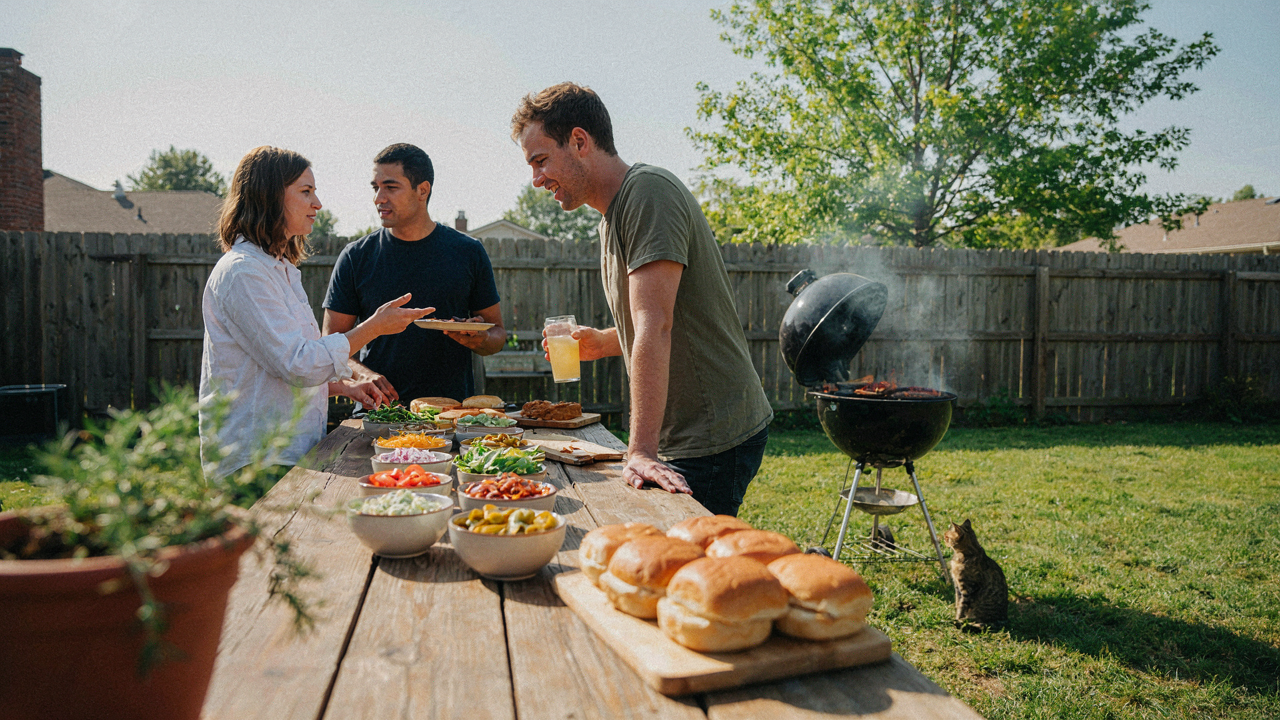
The “More Is Better” Fallacy Of Burger Bar Ideas
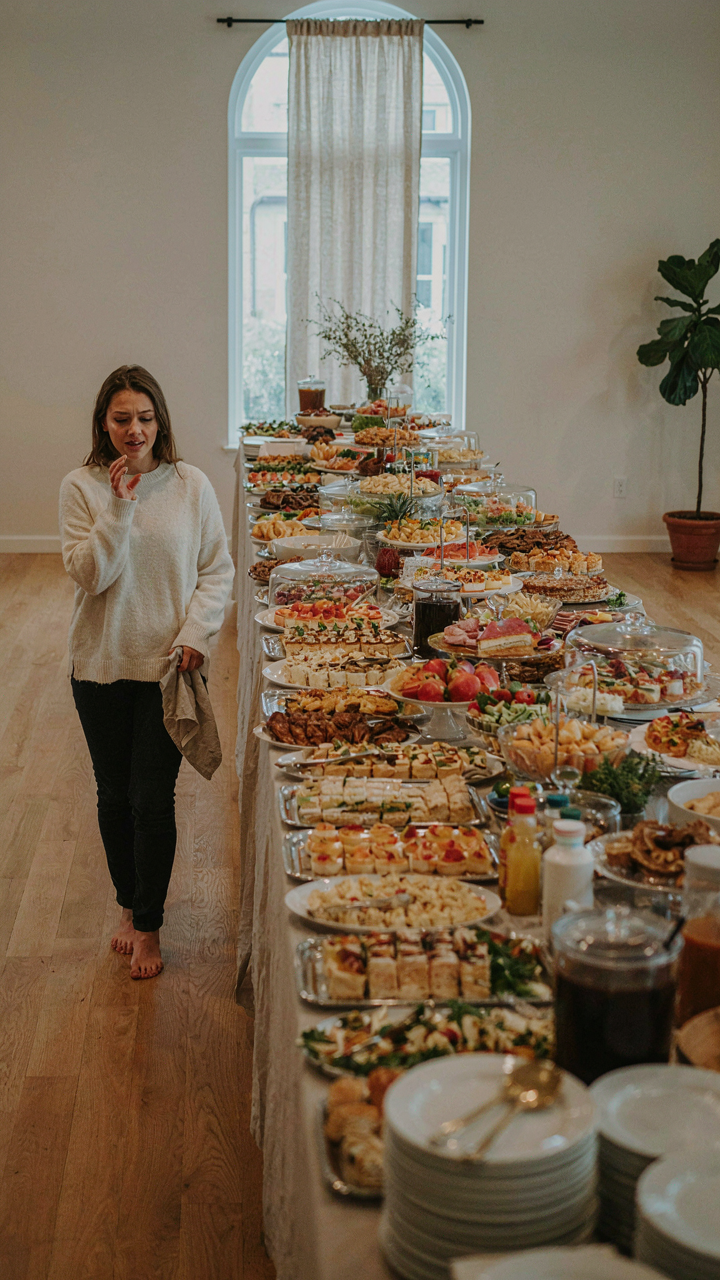
When Choice Becomes Paralysis
You want your guests to think you’re thoughtful and generous. The real mechanism at work here comes from economics: the paradox of choice. Add too many toppings and guests don’t feel liberated. They feel responsible for their decision, which triggers decision fatigue. A guest standing in front of thirty topping options takes longer to build a burger and enjoys it less than someone choosing from eight.
The math is brutal. Every topping beyond the optimal range doesn’t add value—it subtracts enjoyment and extends your serving time. Most hosts misjudge this because they confuse abundance with generosity. You’re actually creating friction. The guest leaves your party thinking about how overwhelming the toppings were, not how good the burger tasted.
The Real Cost Of Cognitive Load
Nobody talks about this part because it’s invisible until it happens. When a guest faces too many choices, two things occur: decision paralysis slows the line, and buyer’s remorse ruins their meal. They second-guess their topping selections, wondering if they should have chosen differently. This regret is the hidden cost.
Your job isn’t to maximize topping count. Your job is to create the conditions where guests build a burger confidently in under ninety seconds and enjoy eating it. Limit your toppings to what fits on one small table section. This forces intentionality in your selection and keeps the serving line moving. The faster people move through, the more social time they reclaim at your party.
The Culinary Cartel Method: Curating Your Burger Topping Arsenal
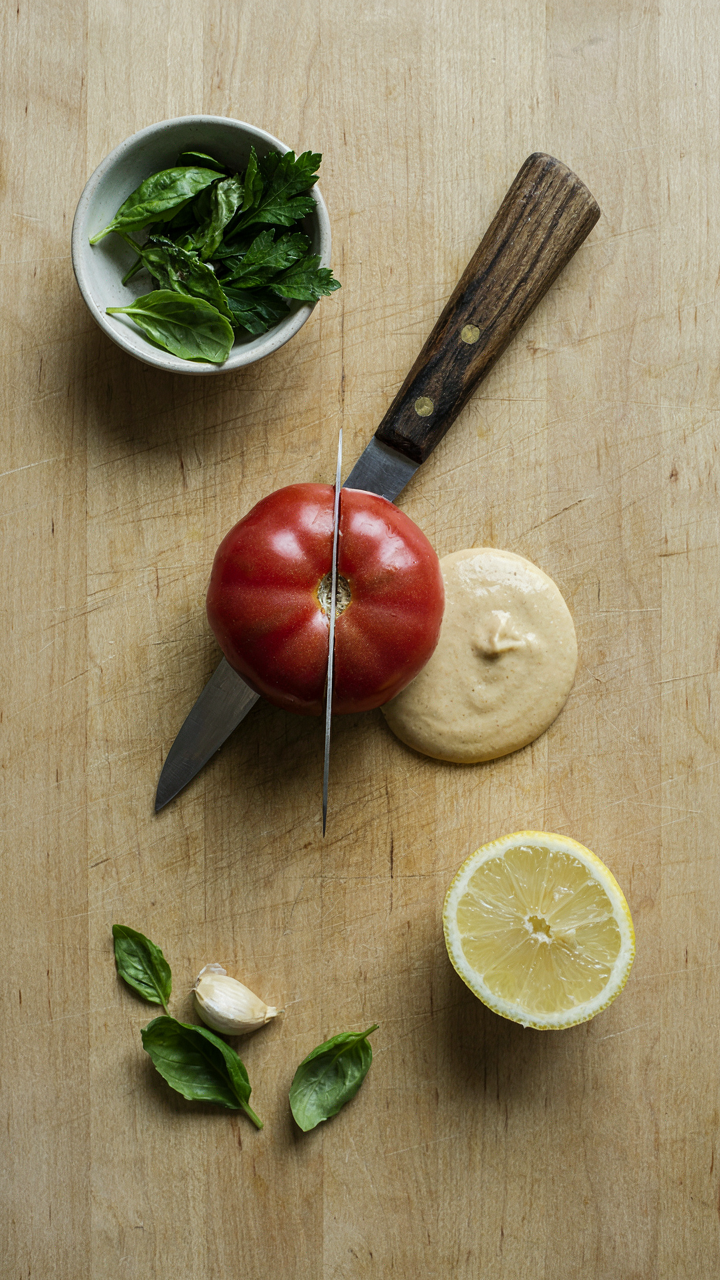
Flavor Profiles That Actually Work Together

You want your guests to think you’re sophisticated without having to think about it yourself. The real mechanism here is contrast and balance, borrowed from basic cooking chemistry: acid cuts fat, texture breaks monotony, and temperature variance triggers attention. A burger’s beef is rich and umami-forward. Everything else either amplifies that or interrupts it deliberately. Pickles interrupt. Cheese amplifies. Tomato both cuts and adds sweetness. The cartel isn’t about having every topping available. It’s about stocking only toppings that either enhance the core experience or create a planned departure from it.
Most people treat burger toppings as a democratic lineup where everything gets equal real estate. That’s how you end up with wilted lettuce next to a jarred onion nobody touches. The actual framework: onions, pickles, and tomato are the acid players that counterbalance fat and salt. Cheese, bacon, and mayo intensify umami and richness. Greens provide textural contrast and nothing else flavor-wise. Condiments should never outnumber protein-adjacent toppings. Build your arsenal around the beef first, then add contrast, then add amplification. That order matters because it prevents flavor chaos.
The Pairing Protocol That Prevents Mediocrity
Topping pairing isn’t subjective. It follows basic flavor mechanics: fat seeks acid, salt seeks sweetness, and texture always wins when the other elements are equal. This is why caramelized onions pair with sharp cheddar but not with Swiss. This is why crispy bacon demands acidic components nearby, not more richness. The mistake everyone makes is assuming popularity equals compatibility. A topping might be trendy but destructive when positioned next to certain other toppings. Grilled pineapple can work, but only if you’ve removed competing sweet elements and ensured enough acid stays present on the board.
Build your topping station by testing pairs before the party, not during it. Start with the beef’s natural partners: salt, acid, and char. Add one amplifier per position on the bar. Then add one textural element. Greens go last because they’re the least decisive. If a topping doesn’t enhance the beef or create intentional contrast, remove it from the rotation entirely. Your job is curation, not accumulation. Test caramelized onions with sharp cheddar and dill pickle. Test crispy bacon with fresh tomato and spicy mayo. Test these combinations on your own palate first, then stock only what passes. The protocol is simple: pair, taste, decide, stock accordingly.
Beyond The Bun: Elevating Your Hamburger Bar Experience

The Right Bread Changes Everything

You want the bun to signal that you didn’t just phone this in. The bun is load-bearing infrastructure masquerading as a side detail, and most people treat it like packaging instead of a structural component that either holds the burger together or falls apart under pressure.
A brioche bun absorbs meat juices and condiments without disintegrating. A pretzel bun carries salt and density that competes with toppings instead of disappearing into them. A potato bun sits between those two, offering neutral stability with subtle sweetness. Toasting the bun creates a moisture barrier that prevents the bottom from turning to paste within five minutes. Toast it face-down on a flat griddle for thirty seconds before assembly. That single step determines whether your burger stays intact or becomes a fork-and-knife situation by the third bite.
When Texture Trumps Tradition
The consensus move is adding lettuce and tomato. That’s wrong because crunch and juice fight each other mechanically. Crispy elements need to stay crisp, which means they go on top where they contact air, not buried where they steam into mush against hot meat.
Crispy onion strings, toasted breadcrumbs mixed with herb oil, and roasted sunflower seeds deliver crunch that survives moisture. A fried egg adds richness and structure. Charred scallions or grilled mushrooms provide depth without competing with the meat’s flavor profile. Layer raw items last, on the very top, so they stay raw. Build from meat outward: condiments first, then cooked additions, then cool crisp elements on top where oxygen keeps them from surrendering to steam.
The Presentation Protocol: Visual Psychology Of Your Hamburger Party Ideas
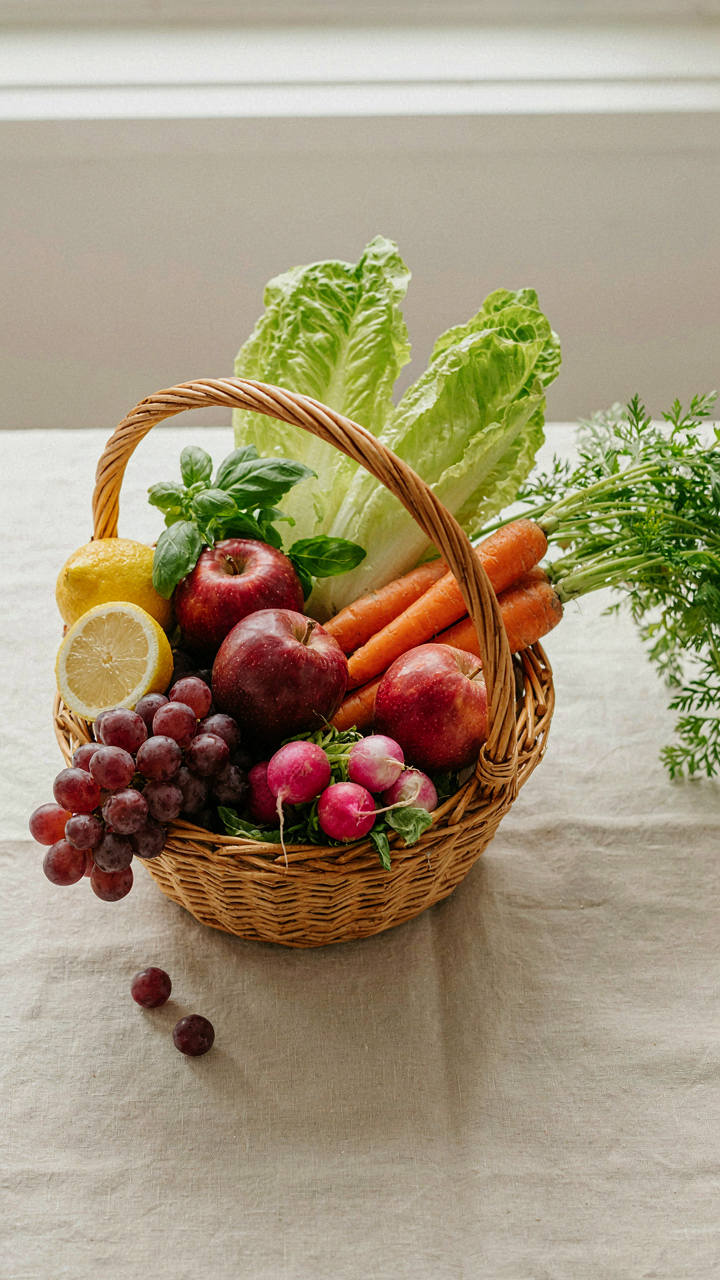
How Groups See What You’re Showing Them

You want people to think your setup is effortless and abundant. That’s the real driver here. Gestalt psychology explains how humans perceive grouped objects as unified wholes rather than isolated pieces. Apply this to burger bar toppings by clustering similar items together, not scattering them randomly. Onions group with onions. Cheeses group with cheeses. Your brain processes this as organized abundance, not chaos.
The proximity principle matters most. When toppings sit close together in their category, guests see a complete option set instantly. They don’t hunt. They don’t question if something is missing. They see fullness. Space your containers three to four inches apart within categories, but leave eight to twelve inches between category clusters. This creates visual rhythm and forces the eye to process each group as intentional.
Light And Container Strategy Changes Perception
Most people default to clear containers and assume natural daylight handles the rest. Wrong. Container choice directly controls how much visual weight each topping carries. Opaque white containers make contents pop against any background. Transparent containers flatten everything into sameness unless what’s inside has strong color contrast. Use white ceramic bowls for lighter toppings like sour cream and mayo. Use clear glass for pickles, jalapeños, and anything with vivid color. Darker containers work for darker toppings because they eliminate color bleeding.
Lighting isn’t decoration. It’s a functional tool. Position your bar where afternoon sun hits it from a forty-five-degree angle, never directly overhead. Overhead light creates shadow inside containers and makes contents look depleted. Side lighting clarifies texture and color depth. If your party runs into evening, string warm white LEDs above the bar at chest height, angled downward at sixty degrees. This replicates the angle that makes food look fresh and abundant, not tired and picked over. Test your setup two hours before guests arrive.
The Efficiency Engine: Optimizing Your Burger Bar Toppings Flow
The Layout That Stops The Jam

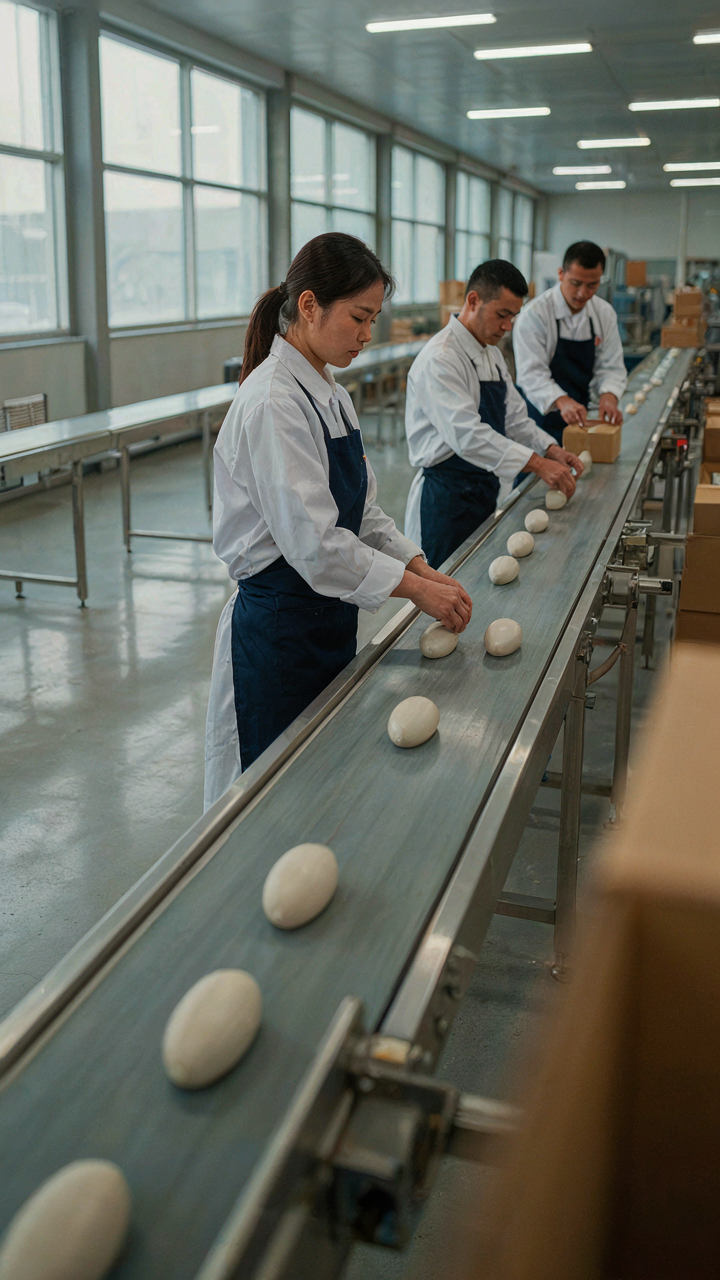
You’re worried people will spend twenty minutes assembling a burger while everyone else gets cold food. That fear is rational, and it exposes the real mechanism: industrial design calls this “task flow,” and your burger bar toppings station lives or dies by it. Position the bun first, then proteins, then cold toppings left to right in the exact order guests assemble. This mirrors assembly line logic, not restaurant aesthetics. The bun goes on the left edge where people enter. Condiments and garnishes anchor the right. Proteins sit in the middle. This removes decision-making friction and cuts assembly time from five minutes to ninety seconds.
Height matters more than most people admit. Condiment containers should sit at elbow height, not waist height or shoulder height. Reach across a table kills momentum. Bend down to grab a topping and you’ve created a bottleneck. Use risers and tiered stands to normalize everything at one consistent plane. Guests shouldn’t hunt vertically. The muscle memory of moving left to right at a fixed height is what turns a burger bar into a functional system instead of a chaotic free-for-all.
Separation Prevents Collapse
Everyone says “keep raw and cooked apart.” That’s incomplete advice that misses the real problem: cross-contamination spreads through shared serving utensils, not just physical proximity. Use dedicated spoons for each topping. Lettuce gets its own spoon. Onions get theirs. Sauces get squeeze bottles or dedicated spreaders. A single spoon moving between mayo and raw tomatoes to raw cheese is where pathogens transfer and where flavor profiles get muddied. Guests don’t notice they’re doing it wrong. You prevent it structurally.
Station burger bar toppings in separate zones with physical barriers between them. Raw vegetables occupy one third of the table. Condiments and sauces occupy another third. Proteins sit on a separate warming surface entirely, never on the same counter. The barrier itself becomes the instruction. Guests naturally won’t cross a physical line. Supply small plates or napkin pads under each topping container to catch drips and prevent sauce migration. This single protocol stops cross-contamination before it starts.
Ingredient Sourcing: The Unspoken Secret Of Amazing Hamburger Bar Ideas

Where Your Toppings Actually Come From

You want people to notice the difference at your burger bar. That’s the real reason you’re reading this. The mechanism is simple: sourcing determines flavor density, and flavor density determines whether guests remember your party or forget it by Tuesday. Local suppliers and commercial distributors operate on completely different timelines and quality thresholds. Local farms pick produce hours before delivery. Commercial chains pick days or weeks early to survive transport and shelf life. The flavor compounds that make lettuce crisp or tomatoes actually taste like tomatoes degrade during that lag time. You can’t serve exceptional toppings from a supply chain optimized for shelf stability.
The ethics question matters too, but not for the reason you think. When you source locally, your supplier has reputation risk if the product fails. A farmer selling tomatoes to your event knows you’ll see them again at the farmer’s market. A distribution center selling the same tomato couldn’t care less because the transaction is anonymous. That accountability drives quality. Ask your local supplier what they harvested yesterday, not what they have “available.” Yesterday’s harvest means peak nutrient density and flavor. If they can’t answer that question, they’re not actually local, and your burger bar toppings will taste like everyone else’s.
Timing Your Toppings To Peak Season
Peak season isn’t about availability. It’s about price efficiency meeting nutritional density. Tomatoes in July cost less and taste measurably better than tomatoes in March because the plant expended energy naturally instead of under artificial light. Economics intersect with biology here: when demand for a crop matches natural growing conditions, the farmer spends less on inputs, passes savings to you, and the plant allocates more resources to flavor development. That’s not ideology. That’s resource allocation. Seasonal produce for your burger bar means lettuce in spring and early summer, tomatoes mid-summer through fall, mushrooms in fall, cucumbers in high summer. Build your topping rotation around when each ingredient peaks, not around what your local store stocks year-round.
The decision rule is direct: source your burger bar toppings two weeks before peak season ends, not after it ends. By the time restaurants start using a topping heavily, you’re already buying inferior stock. Farmers are already ramping down production on that crop. Talk to your supplier about when they plan to stop harvesting. Buy in bulk at the tail end of that window, not at the tail end of the calendar. Freeze what you can, pickle what makes sense, use the rest immediately. This isn’t waste reduction. This is flavor optimization on a timeline that matches agricultural reality, not retail convenience.
The Temperature Tug Of War: Keeping Burger Bar Toppings Optimal
Cold Holding Without The Collapse

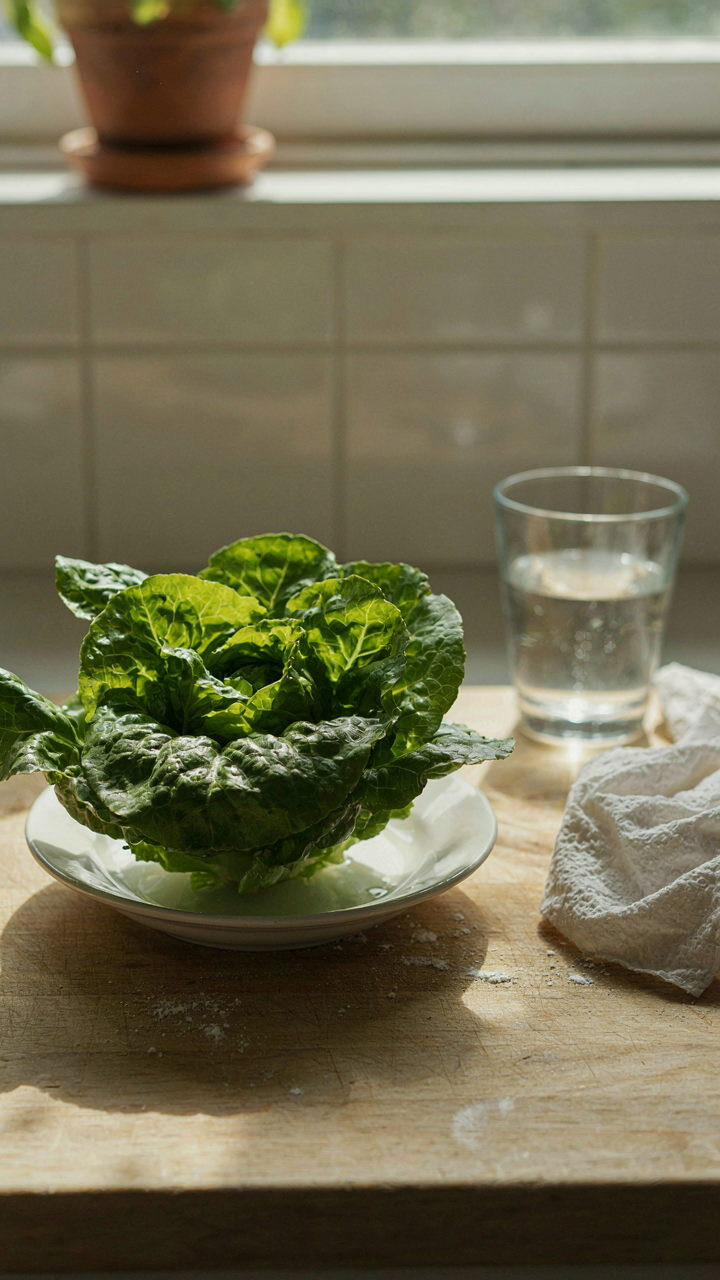
You’re worried guests will judge you if lettuce wilts or cheese sweats. Here’s the mechanism: cold toppings lose structural integrity when ambient temperature rises above their holding point, and most backyard setups don’t account for this lag. Use shallow hotel pans nested in larger pans filled with ice. The shallow pan prevents pooling water from soaking your toppings while ice underneath maintains a steady 32-41 degrees Fahrenheit. Refresh ice every 45 minutes during warm months.
The common advice to “just put it in a cooler” is incomplete. You need active cooling contact, not passive insulation. Wet ice melts faster than dry ice, but wet ice doesn’t damage toppings on contact. Place a thin barrier between ice and pan to prevent direct freezing of delicate items like tomato slices. Most people skip this step and end up with rock-hard toppings nobody will eat.
Warm Toppings Stay Warm Through Containment
Heat retention works like a thermal battery—the container matters more than the starting temperature. Chafing dishes with fuel canisters maintain warm toppings at 140 degrees Fahrenheit, the safe holding threshold for cooked items like crispy bacon or sautéed onions. Never use direct flame under raw toppings. Position chafing dishes in shade and away from direct wind, which accelerates heat loss by 30 percent in outdoor settings.
Cover warm topping pans with fitted lids between service intervals. Every time someone removes a lid, you lose accumulated heat and moisture escapes. If toppings sit above 140 degrees for more than four hours, discard them. The USDA food safety standard on this isn’t negotiable, and a single foodborne illness incident erases your reputation faster than any topping melts.
Build Your Own Burger Bar Ideas: Beyond The Basics With Homemade Sauces
Sauces That Actually Taste Like Something

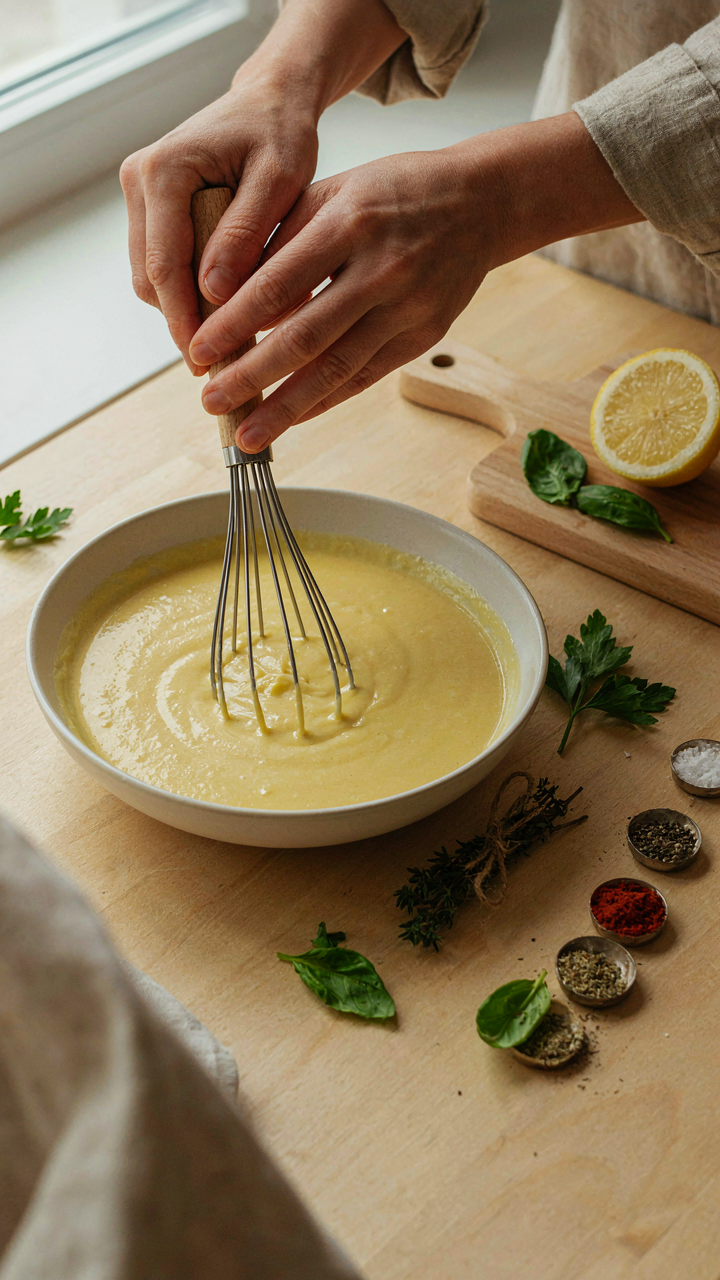
You want guests to think you’re the type of person who makes things from scratch. The real mechanism is simpler: store-bought condiments taste flat because they’re formulated for shelf stability, not flavor. Homemade sauces have texture, acid balance, and actual fat content that coats your mouth. The difference isn’t subtle.
- Chipotle Mayo: Blend mayo with chipotle peppers in adobo, lime juice, and salt. The smoke cuts through rich beef without overpowering the meat. Takes four minutes to make and lasts a week in the fridge.
- Garlic Aioli: Whisk egg yolk with minced raw garlic, neutral oil added slowly, then lemon juice. This emulsion works on every burger because garlic is a flavor anchor that doesn’t compete.
- Bourbon Caramelized Onion Base: Cook diced onions low and slow for thirty minutes until brown, deglaze with bourbon or vinegar, finish with butter. The depth makes standard toppings feel intentional.
- Herb Compound Butter: Mix softened butter with fresh parsley, thyme, and minced garlic. Place a pat on the patty while hot so it melts into the meat. Tastes like a steakhouse prepared it.
- Hot Honey: Warm honey with red pepper flakes and a pinch of salt. The sweetness tempers heat while the viscosity clings to the burger. Works as both sauce and finishing drizzle.
Make sauces the night before your party. This removes a bottleneck when guests arrive and prevents you from scrambling to finish basics while people stand around waiting. Transfer each into its own small bowl, cover it, and label it with a fork stuck in the lid so people know what they’re grabbing.
Feeding People Who Actually Have Restrictions
Most advice on dietary accommodations is patronizing nonsense that treats restricted diets like minor inconveniences rather than real constraints. The mechanism that matters: separation. Cross contamination and assumption kill the meal for people with allergies or religious restrictions. One shared spoon ruins a vegan’s burger bar experience.
Set up one dedicated small station with its own utensils and serving spoons for restricted options. This means separate gluten free buns stored in their own bag, dairy free sauces in labeled containers, and plant based proteins on their own cooler shelf. Don’t mix them with standard toppings. Don’t ask guests to work around your setup. Give them their own lane.
The “Less Is More” Burger Bar Manifesto

What Your Guests Actually Remember

You think people care about choice. They don’t. What they care about is not feeling paralyzed when they walk up to your table. The mechanism is cognitive load. Too many toppings force decision-making at a moment when nobody wants to think. You lose the experience you built the moment someone stands there for ninety seconds trying to pick between six types of peppers.
The real constraint isn’t budget or space. It’s attention span. People want to build something fast, enjoy it faster, and move back to the conversation. Seven to ten toppings maximum creates friction-free execution. Below that, you’re starving the experience. Above that, you’re creating a paradox of choice that makes the whole thing feel like work instead of fun.
Signal Quality Over Quantity
Quality toppings communicate something about how you think. Using one excellent cheddar instead of three mediocre cheeses tells people you made a decision. The design principle here comes straight from minimalism in product design: every element must justify its presence or remove it entirely. Your toppings are not decorative noise. Each one needs a tactical reason to exist.
Build the bar around what changes the burger. Crispy bacon does something. Caramelized onions do something. Pickles add acidity that matters. A plain tomato slice and basic iceberg lettuce do almost nothing. Replace those filler items with one topping that actually changes the bite. Guests remember the burger that tasted different, not the one where they had options.
Deconstructing The Aftermath: The True Measure Of A Burger Bar
What Actually Got Eaten
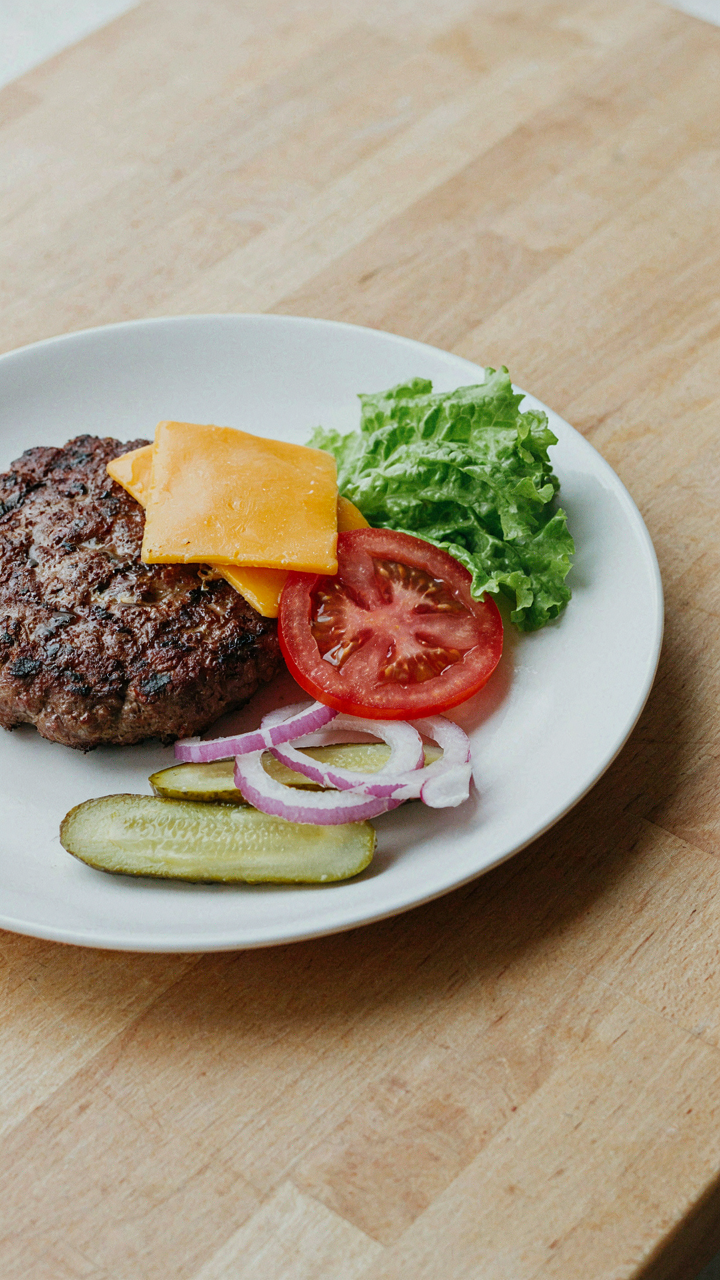
You care about this because uneaten toppings signal you miscalculated your guests’ tastes, which feels like a personal failure. But that’s not what matters. The real mechanism is simple: consumption patterns reveal your ratio accuracy. Lettuce wilts faster than pickles. Cheese sweats. Toppings don’t fail equally. Track what sits untouched and what disappears in the first thirty minutes. This data directly informs next time’s quantities.
Most hosts throw out waste without examining it. They order too much of everything and call it generosity. The truth is different. A well-designed burger bar toppings station has zero lettuce left but half the peppers remaining. That’s not waste. That’s calibration. Write down what people actually reached for versus what you predicted. The gap is your training data.
Speaking The Language Of What Happened
Guests won’t volunteer honest criticism unless you ask in the right way. Don’t ask if everything was good. That generates polite noise. Ask specific, binary questions: Did you find enough topping variety? Did you run out of any one thing mid-party? Did you wish something was there? These questions extract actionable intel. The data you get shapes next time’s setup, not your ego.
Most hosts skip this step because feedback feels optional. It isn’t. One person saying “I wanted jalapeños” represents five people who thought it but stayed silent. Designate someone to take notes while people eat, or ask three specific guests to debrief before they leave. This takes ten minutes and replaces guessing with fact. Document the feedback directly onto your burger bar toppings inventory sheet for the next event.
The Real Obstacle Isn’t A Lack Of Options; It’s Your Inability To Trust That Simplicity, Executed With Precision, Always Wins
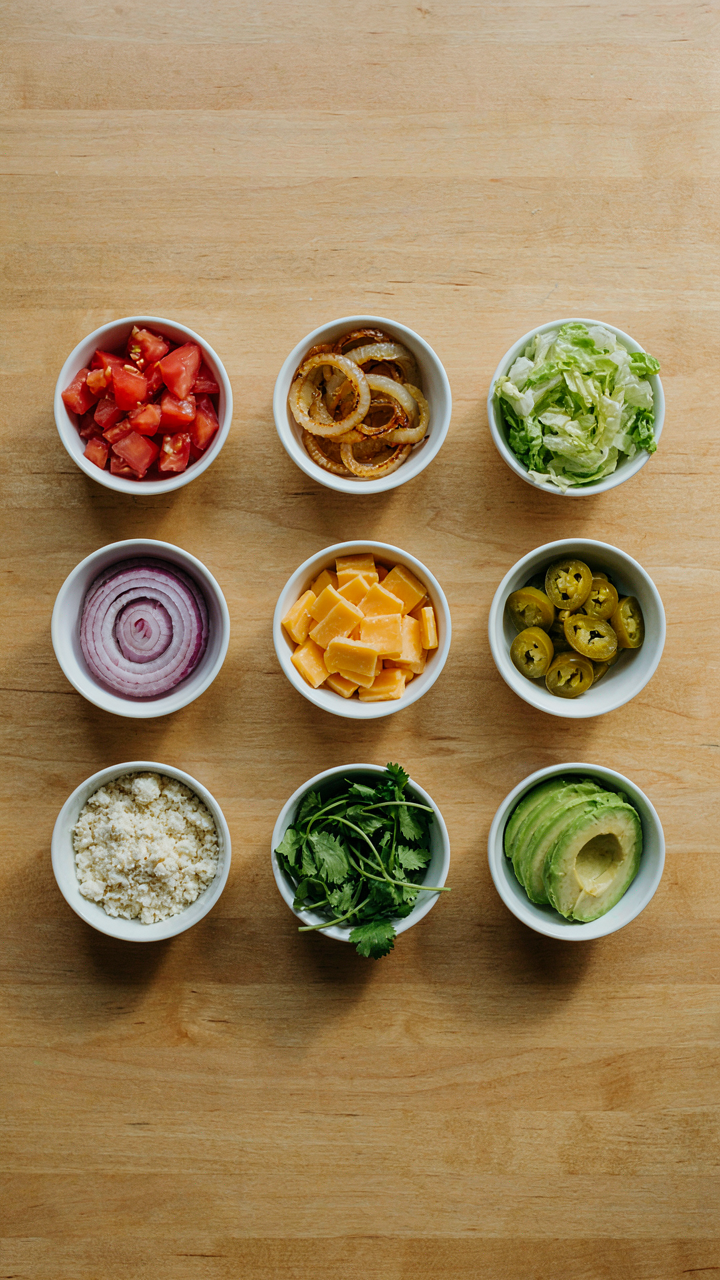
You’re overthinking this. Most people drown their burger bar in forty toppings nobody touches while three sit empty all night. Stop chasing variety. Pick six burger bar toppings that actually matter, arrange them so people grab without thinking, and watch your party transform. Execution beats options every single time. The constraint forces you to win.