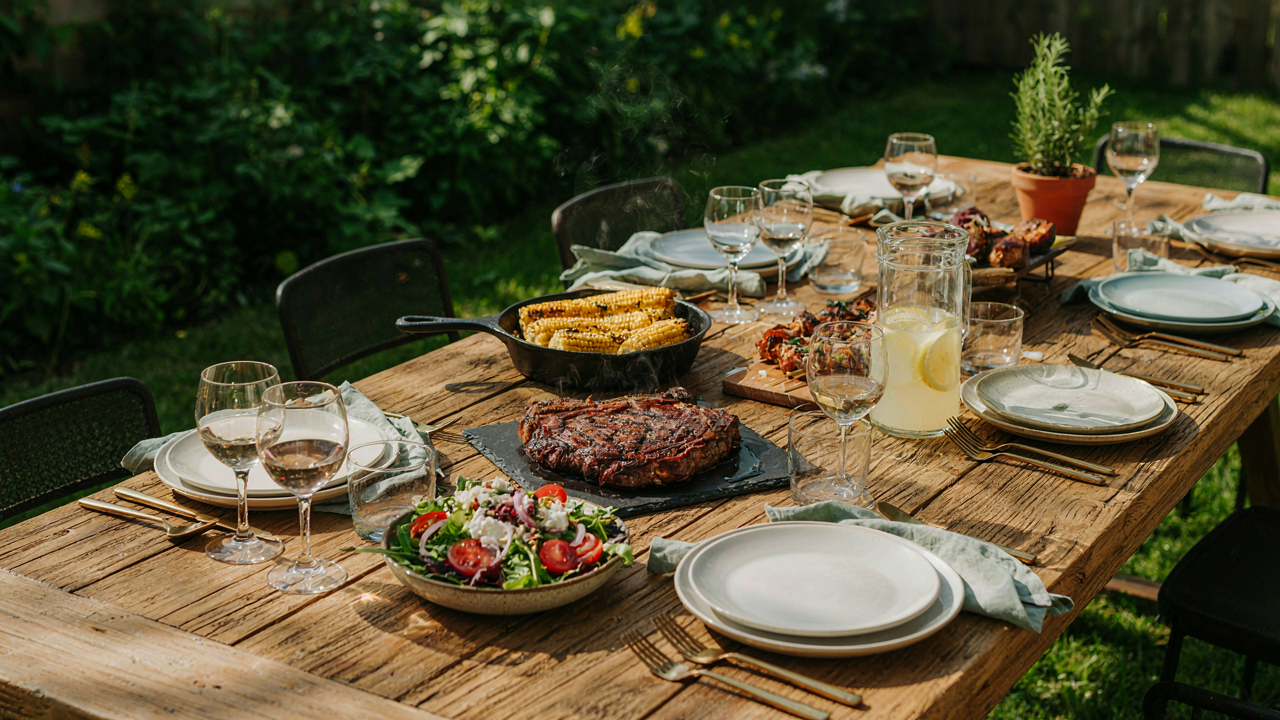
The Illusion Of The Casual Backyard Bbq Party: Why You’re Already Behind

Everyone Pretends It Just Happens
You want people to think you threw this together Friday night. That’s the real goal here—and it’s precisely why you’ll fail if you plan like it’s spontaneous. The mechanism is simple: casual events require more deliberate structure than formal ones, not less. Formality gives you permission to control everything. Casualness demands invisible infrastructure. Every detail that looks effortless consumed hours of actual work. The host who appears unbothered has already solved every problem before guests arrive.
The gap between “we’re just grilling some burgers” and actual execution is where most first-time hosts get trapped. You see someone else’s backyard gathering and reverse-engineer only what’s visible—the food, maybe the drinks. You miss the prep work, the timing sequences, the contingencies. You miss that they’ve done this dozens of times. Spontaneity is a performance. Start building your menu and timing framework now, not the day before.
What “Easy” Actually Means You’re Skipping
The advice tells you to keep it simple. That’s not wrong, but it’s incomplete—and incomplete advice is how you end up serving raw chicken or standing over a grill for six hours straight while guests wait. “Easy” in hospitality doesn’t mean minimal effort. It means effort invisible to guests. You cut complexity from the menu, not from the planning. You automate decisions and sequences, not eliminate them. Most first-time hosts confuse shortening the menu with shortening the work. They don’t. They just redirect it.
What gets omitted from the “easy backyard bbq” narrative: timing sequences that prevent dishes from finishing cold, prep schedules that start days before guests arrive, backup proteins in case something fails, drink quantities calculated per person per hour, and contingency space if weather shifts. These aren’t complications you add for fun. They’re the load-bearing walls of execution. Your job is to front-load this work so the actual event feels like you’re just standing there. That’s the only way it actually works.
Beyond Burgers And Dogs: The Elevated Bbq Menu Imperative
The Protein Problem Nobody Names

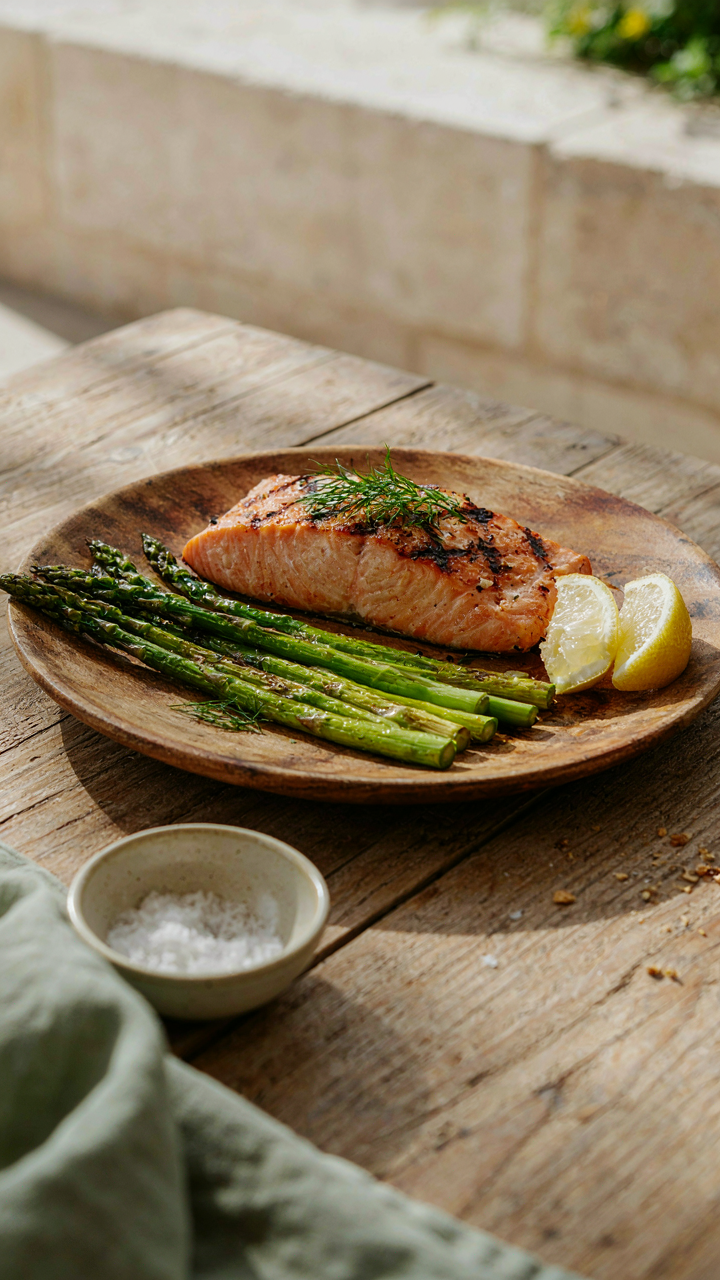
You want people to remember your cookout instead of the five others they’ll attend this summer. That’s the real reason you’re reading this. The mechanism is simple: commodity proteins signal low effort. Burgers and hot dogs require zero planning, zero skill, zero decision-making on your part. Every backyard cook produces them. The host who deploys unexpected proteins signals competence before the first bite lands on a plate.
Chicken thighs, ribs, brisket, and fish each demand different timing, temperature, and technique. This isn’t about showing off. It’s about the fact that varied proteins force you to understand heat management and doneness cues. A host who masters multiple proteins controls the narrative of the event. Guests notice the difference between mass-produced competence and actual capability before anyone speaks.
Sides That Build The Actual Meal
The consensus says sides are filler. That’s backwards. Sides are where you hide your menu strategy. Most home cooks produce mediocre sides because they apply the same tired formula: mayonnaise base, vinegar, a vegetable. Coleslaw, potato salad, baked beans. These items don’t fail because of ingredients. They fail because you’re assembling them the day before, which destroys texture and flavor development.
Sides that elevate require a timing protocol, not a recipe overhaul. Grilled vegetables develop char and caramelization that raw preparations cannot match. Cornbread baked fresh during the cookout delivers moisture and warmth that day-old versions abandon. Corn salad built thirty minutes before service maintains vegetable structure and dressing balance. Build your sides around a cooking timeline that aligns with protein rest periods, not a shopping list.
The “Scarcity Principle” Bbq Menu Ideas: Engineering Desire
When Limited Options Beat Endless Variety

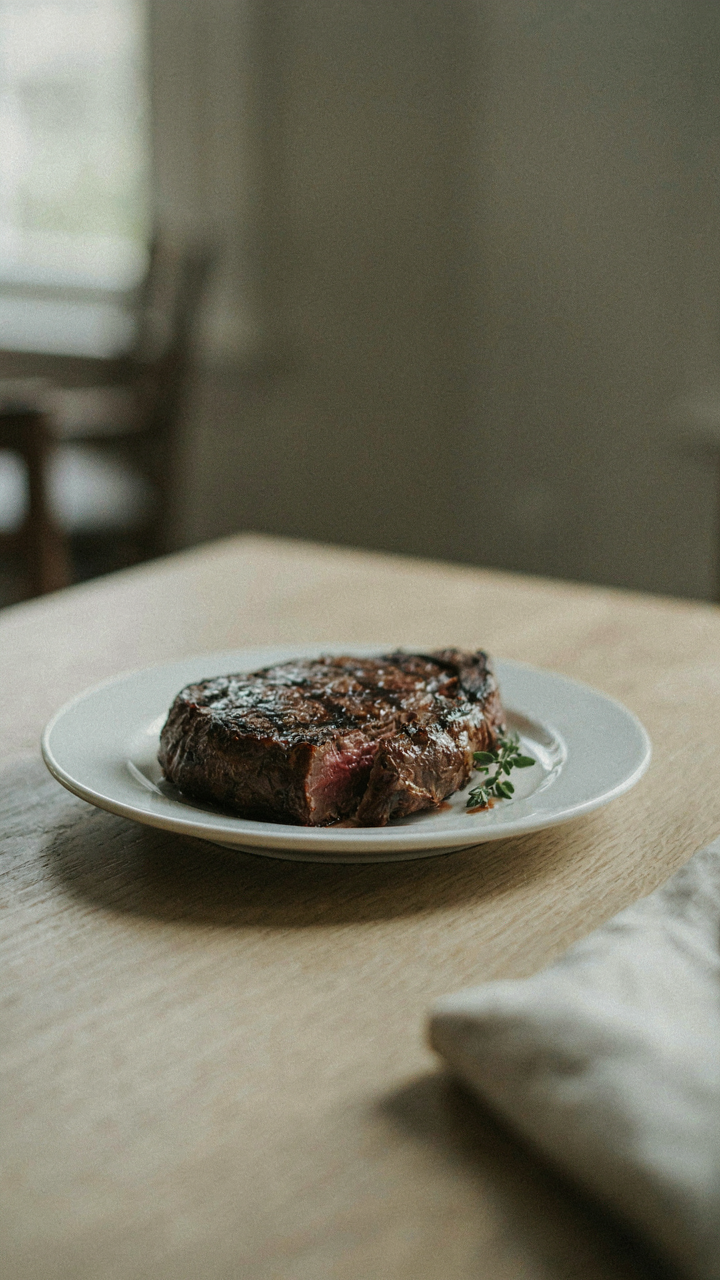
You want people to think your backyard BBQ was prestigious. That’s the real reason you’re reading this. Economics teaches us that perceived value rises when supply shrinks relative to demand. Apply this directly: fewer menu items make each one feel intentional, rare, worth traveling for. Most hosts do the opposite. They build sprawling buffets because they fear running out or leaving someone unsatisfied. That insecurity tanks the event. Your guests don’t remember abundance. They remember what they couldn’t get seconds of.
Constraint forces quality over quantity. When you commit to three killer dishes instead of eight mediocre ones, you control prep time, sourcing, and execution. You also create scarcity anxiety in your guests. They eat faster. They talk about what ran out. They remember it. This isn’t manipulation. It’s structural design that makes good food feel better because access to it was limited.
The Signature Dish Over The Buffet Trap
One standout dish beats a scattered menu every time. Pick the thing you cook best, the one people ask you to make again. Build the entire menu around it. If your brisket is exceptional, that becomes the centerpiece. Two sides support it. One dessert finishes it. Done. The buffet trap happens when hosts think more variety equals more impressive. Wrong. More variety means more things that can disappoint, more dishes diluting attention, more prep work guaranteeing something gets neglected.
Your signature dish becomes the story people tell. It’s the metric they use to evaluate the whole event. “That brisket was insane” translates to “that BBQ was excellent.” Nobody says “the variety was impressive.” They say “remember that one thing they made?” Build your menu by choosing your signature first, then selecting sides and desserts that complement it specifically, not items that stand alone. This forces coherence and makes hosting simpler.
The Precision Prep Protocol: Your Only Path To Sanity
Set Up Your Station Before Guests Arrive

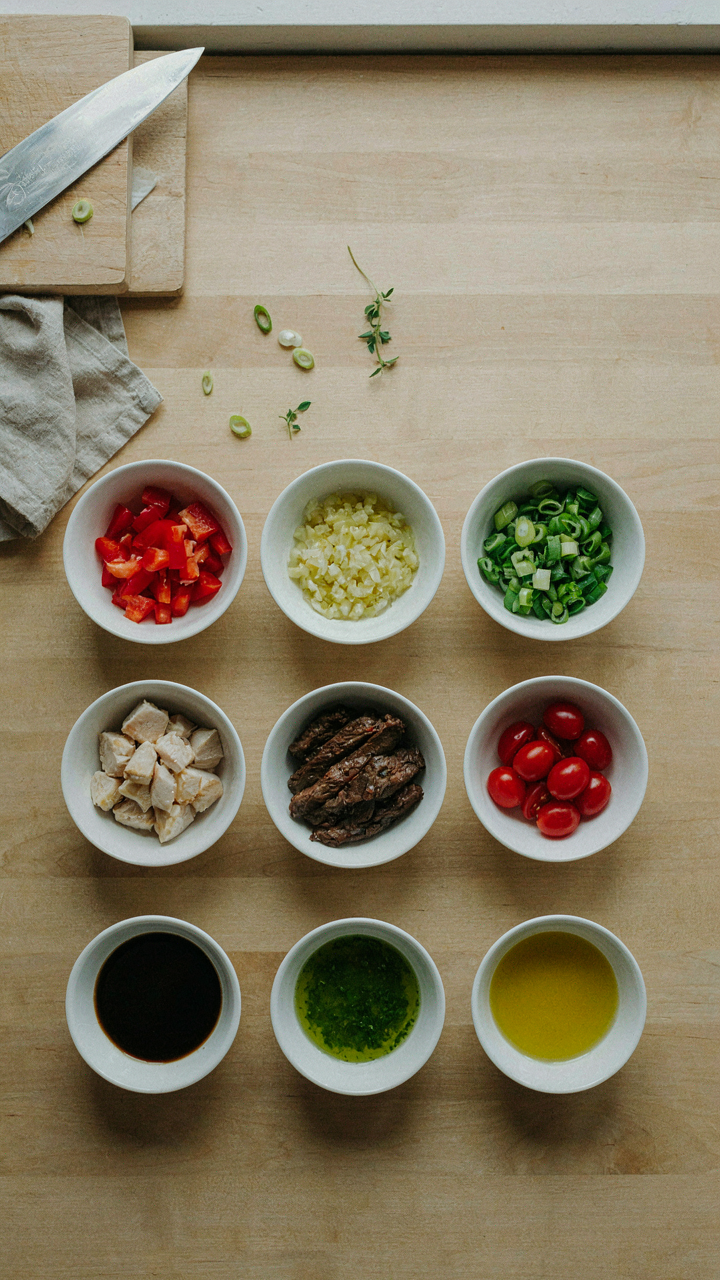
You want people to think you’re effortless. The real mechanism is simple: prep kills chaos. You’re borrowing from kitchen brigade logic, where each station handles one function. Your grill station needs proteins separated from vegetables, tools in arm’s reach, and temperatures already dialed in. Everything staged before the first guest walks through your gate means you’re actually present instead of scrambling behind the grill looking panicked.
The gap between rushed hosts and calm ones isn’t talent. It’s that one person prepped their cutting board, their marinade containers, their meat thermometer, and their sauce bottles before anyone arrived. You need your workspace organized like you’ve only got one take to execute. Load your coolers the night before. Set your grill grates clean and oiled that morning. Position your side table where you can reach it without stepping away from the fire.
Brining, Marinading, And Prep Sequencing
Brining isn’t optional if you’re serving chicken or pork. It’s osmosis applied to meat: salt water molecules move into muscle fiber, the protein denatures and holds moisture, and your meat doesn’t dry out over heat. Start brining chicken breasts twelve hours ahead. Pork shoulder needs eight to twelve hours. This one step removes the second-most-common failure point in backyard BBQ.
- Brine chicken breasts twelve hours minimum: Salt water penetration requires time. Submerge in ice-cold brine, keep it refrigerated, and remove two hours before grilling to let surface dry slightly for better browning.
- Marinate tougher cuts six to eight hours: Chuck steak, brisket flats, and pork shoulder benefit from acidic marinades with vinegar or citrus that break down connective tissue and add flavor simultaneously.
- Chop vegetables and aromatics the night before: Onions, peppers, and garlic oxidize slightly overnight in the fridge, which intensifies their sweetness and complexity when grilled the next day.
- Prep sauces and dressings forty-eight hours ahead: Barbecue sauce develops flavor when components sit together. Cold storage lets flavors meld without degradation from heat.
- Season and oil proteins two hours before cooking: Pat brined meat dry, apply rub or seasoning paste, let it sit uncovered in the fridge so salt draws out surface moisture and proteins form a proper crust.
The sequencing matters more than the individual steps. Brining happens first and longest. Marinading fills the gap while brine does its work. Chopping and sauce prep happen in parallel. Two hours before guests arrive, you season proteins and let them reach cool room temperature. This rhythm keeps you from bottlenecking and guarantees nothing gets rushed or forgotten at the critical moment.
Don’t Just Grill, Command: The Bbq Dinner Party Menu Strategy
Heat Zones Before Menu Items

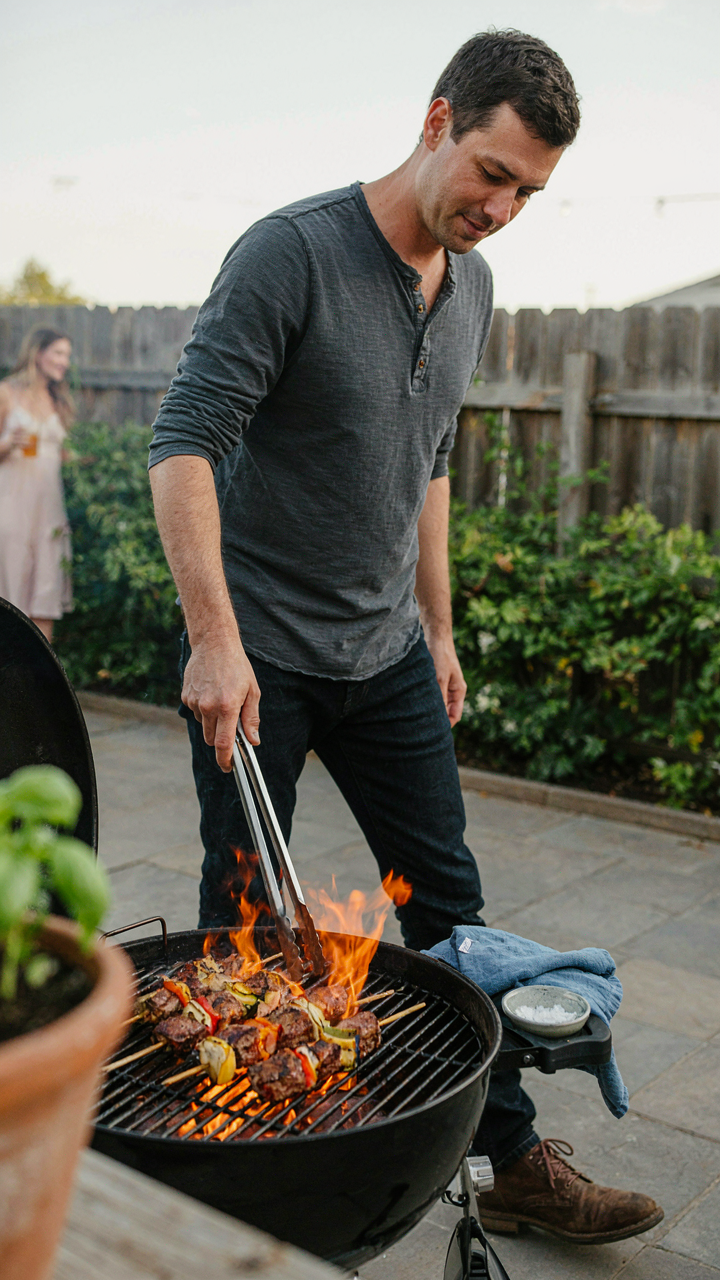
You want people to think you know what you’re doing. The real reason you care about this section: you’re terrified of serving cold food or burnt meat in front of an audience. Here’s the mechanism that prevents that. Think of your grill like a factory floor with production zones. High heat, medium heat, cool zone. Your menu doesn’t dictate your grill. Your grill’s thermal capacity dictates what menu actually works. Most first-timers plan backwards—they choose steaks and ribs, then panic when their grill can’t hold temperature while they’re plating sides.
Map your proteins to heat zones before you invite anyone. Sear thick cuts on high heat for four minutes per side, then move them to medium to finish cooking through without charring. Keep your cool zone open for holding items at temperature or slowing down anything threatening to burn. Chicken takes longer than steak, so it belongs on medium heat the entire time. Your menu should front-load items that can sit on low heat without degrading. Pulled pork, sausages, and vegetables thrive in holding patterns. Your guests arrive knowing nothing about thermal zones. They just know whether their plate came out hot and properly cooked.
Who Does What While You Cook
Common advice: “Assign someone to help.” That’s too vague to work. Real delegation isn’t handing someone a task. It’s giving someone a role with clear endpoints and decision-making authority. Your brother-in-law manning the side station doesn’t just “bring stuff out.” He owns the timing of sides leaving the kitchen. He decides when corn is ready based on what he sees on the grill, not when you tell him.
Create three roles: grill operator (you), side station lead (handles plating and timing), and flow manager (coordinates when plates leave the kitchen and when guests eat). Each person owns their domain completely. The flow manager watches the grill from a distance and calls when items are five minutes from done so the side station can accelerate. This prevents the chaos of half-cooked proteins with cold sides sitting on plates. Roles eliminate the constant back-and-forth shouting that kills the vibe and burns your food. Your job becomes executing the grill perfectly while two other people orchestrate everything around it.
Backyard Bbq Menu Ideas: The Unspoken Hierarchy Of Beverages

Beyond Beer And Soda: Curated Drink Selection

You want people to think you planned this. That’s the real reason you’re reading a section about drinks instead of just buying a case of whatever was on sale. The mechanism is simple: beverage selection signals intentionality. Most hosts default to beer and cola because they’re safe. That safety is precisely why they don’t stand out. The drinks people remember aren’t the ones that blend into background noise.
The common advice says stock what people expect. That’s incomplete. Stock what people expect, then add one category they didn’t know they needed. This breaks the pattern without forcing anything weird. A water station with lemon and lime slices costs almost nothing but gets used constantly. Iced tea, made the day before, outlasts soda in summer heat. Hard seltzers occupy the middle ground for people avoiding both beer and sugary drinks. The point isn’t to be unconventional for its own sake. It’s to remove friction from your guests’ actual choices.
Ice: Often Forgotten, Always Essential
Ice is logistics disguised as a commodity. Most hosts calculate ice wrong because they treat it like a nice-to-have instead of infrastructure. You need roughly one pound of ice per person for a four-hour event, longer in heat above 85 degrees. This isn’t an estimate. This is what melting and drink volume demand. A standard bag holds seven pounds. Do the math before guests arrive, not during.
Buy ice the morning of the event, not days before. Freezers leak water and ice sublimates faster than people assume. Store bags in a cooler, not on a shelf. Keep ice separate from food coolers to avoid cross-contamination and water spillage onto meat or sides. Position the ice cooler in shade and accessible from your drink station. Guests will refill their own cups if ice is easy to reach. The mechanism that prevents meltdown is positioning the cooler away from direct sun and restocking it once halfway through the event.
The Signal To Noise Ratio Of Bbq Party Food: Maximize Impact, Minimize Clutter
Filter Out Menu Distractions

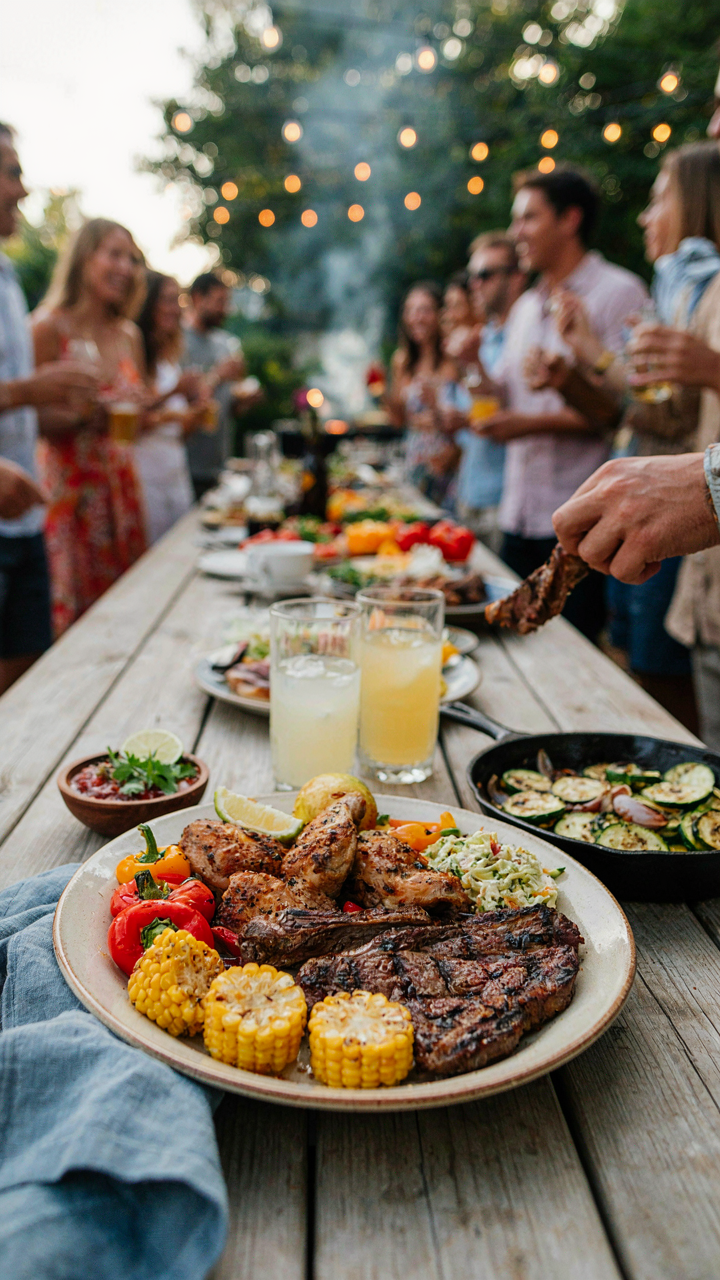
You’re worried people will judge you for serving too little. Here’s the mechanism: cybernetics teaches signal-to-noise ratio, the relationship between useful information and everything else competing for attention. Your menu is signal. Every extra dish that doesn’t improve the experience is noise. Most hosts confuse abundance with success, then watch half the food sit untouched while guests feel overwhelmed by mediocrity.
The real constraint isn’t budget or cooking skill. It’s decision fatigue. Each item you add forces guests to choose, evaluate, and potentially regret their selection. Remove items until every single thing on your table serves a tactical purpose: it’s either the main protein, a necessary complement, or a strategic accent. Your job is elimination, not accumulation.
Master The Few, Execute Flawlessly
Most advice tells you to “focus on quality over quantity.” That’s incomplete. You need focus and execution precision. Pick one or two proteins maximum. Choose one starch. Select one vegetable preparation. One sauce. One dessert. This isn’t restraint—it’s ruthlessness. You’re not serving variety. You’re serving mastery.
Flawless execution on three items beats acceptable execution on ten. A perfectly smoked brisket, buttered corn, and a single compelling side dish will anchor your menu with more impact than eight forgettable offerings. The mechanism is simple: repetition builds skill. You cook the same items until they work. Guests remember the excellence, not the breadth. Set your prep schedule to allow deep work on each element, not rushed attention spread across clutter.
The Cleanup Reality: Not A Post Party Problem, But A Pre Party Plan
Portion Control Beats Post Event Stress

You’re worried about looking unprepared when dishes pile up and your guests see the mess. The real mechanism is this: waste management is a supply chain problem, not a character flaw. Cook exact quantities. Overproduction creates a cleanup burden that scales with ego, not need. Most hosts make too much because they fear running out. That fear costs you time and money.
Measure protein by weight, not vibes. Two hundred grams of brisket per person. One burger per guest, plus one extra. Coleslaw in thirds of what feels right. The math removes guesswork and prevents the garbage bag situation. When portions match actual consumption, you’re not scraping half-full containers into the trash at midnight while people linger on the patio.
Cleanup Stations: Logistics Before Service
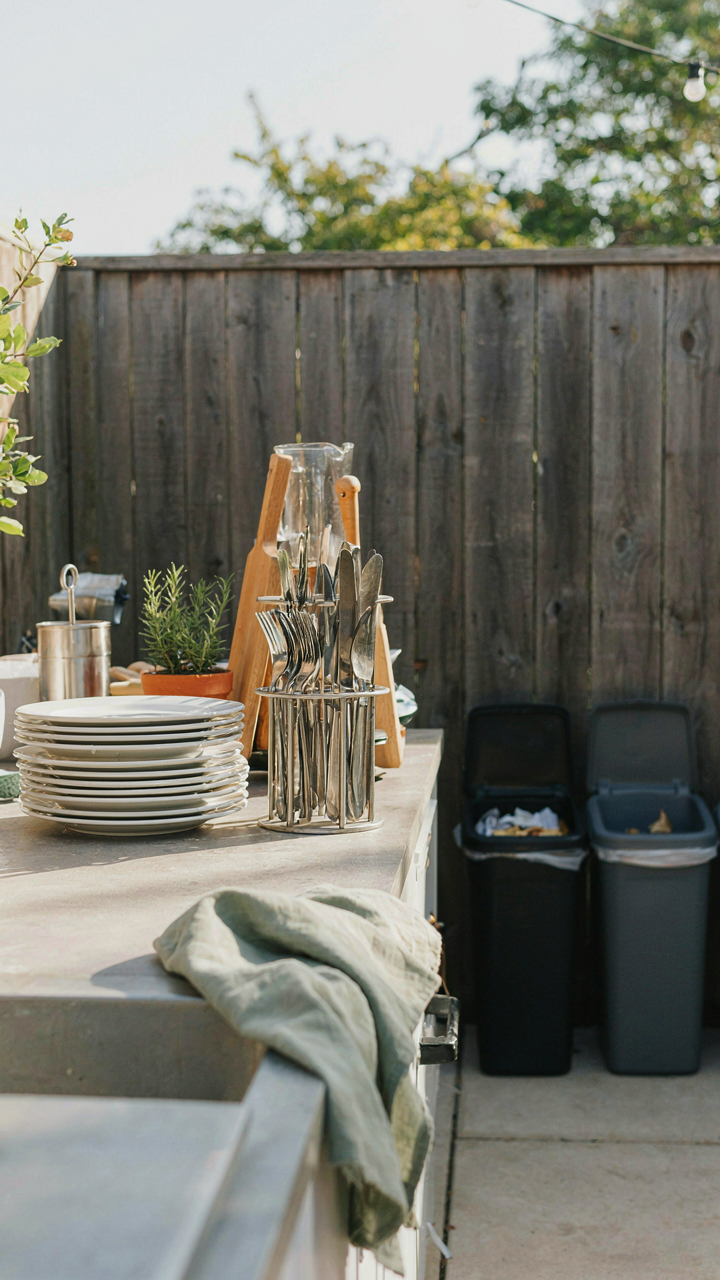
This isn’t about aesthetics. Think in terms of operational flow, borrowed from restaurant kitchen design. Each zone handles one task. Dirty plates move one direction. Trash goes one place. Recycling goes another. This prevents the chaos where three people stand confused holding empty cans, blocking foot traffic while guests want dessert.
Set up a clearing station before guests arrive. Two large bus tubs stacked near the exit. One for plates, one for utensils. A separate bin for compostables if you separate waste. Position the trash and recycling within arm’s reach, not twenty feet away. Label containers with tape if people aren’t sure. Assign one person to work the station during eating. One person moving plates beats six people creating a traffic jam.
The Post Mortem: What Your Backyard Barbecue Menu Ideas Actually Taught You

Where Your Menu Failed

You’re reading this section because you want permission to believe the BBQ went fine, or you’re terrified you wasted time on something that didn’t matter. Neither is true. The mechanism is simple: your menu failed in the exact places you didn’t measure beforehand. You guessed at portions. You assumed timing would work. You picked proteins based on what looked good at the store, not what fit your actual setup.
Write down three specific things that didn’t work. Not feelings. Real problems. Did meat sit cold while you were still grilling? Did you run out of one side dish but have excess of another? Did guests wait too long between courses? These are data points, not failures. They’re the only honest feedback your next menu gets.
Building The Next Version
Iteration in software engineering teaches us that you ship, measure, then adjust. A backyard BBQ menu operates on the same principle. Your first event was the prototype. It worked or it didn’t. Either way, you now know constraints you didn’t know before: how fast your grill actually cooks, how much people eat when alcohol is involved, which prep steps actually take the time you think they do.
Take your three problems and assign one tactical change to each. If meat went cold, prep a holding strategy next time—a cooler with hot water, a warming rack, staggered cooking times. If portions were wrong, photograph the leftovers and count what actually got eaten. If timing broke, build a timeline you can actually execute instead of approximating it. The next menu isn’t better because it has fancier food. It’s better because it’s built on what you actually observed.
The Real Obstacle Isn’t The Grill, It’s Your Fantasy Of A Perfect, Effortless Performance
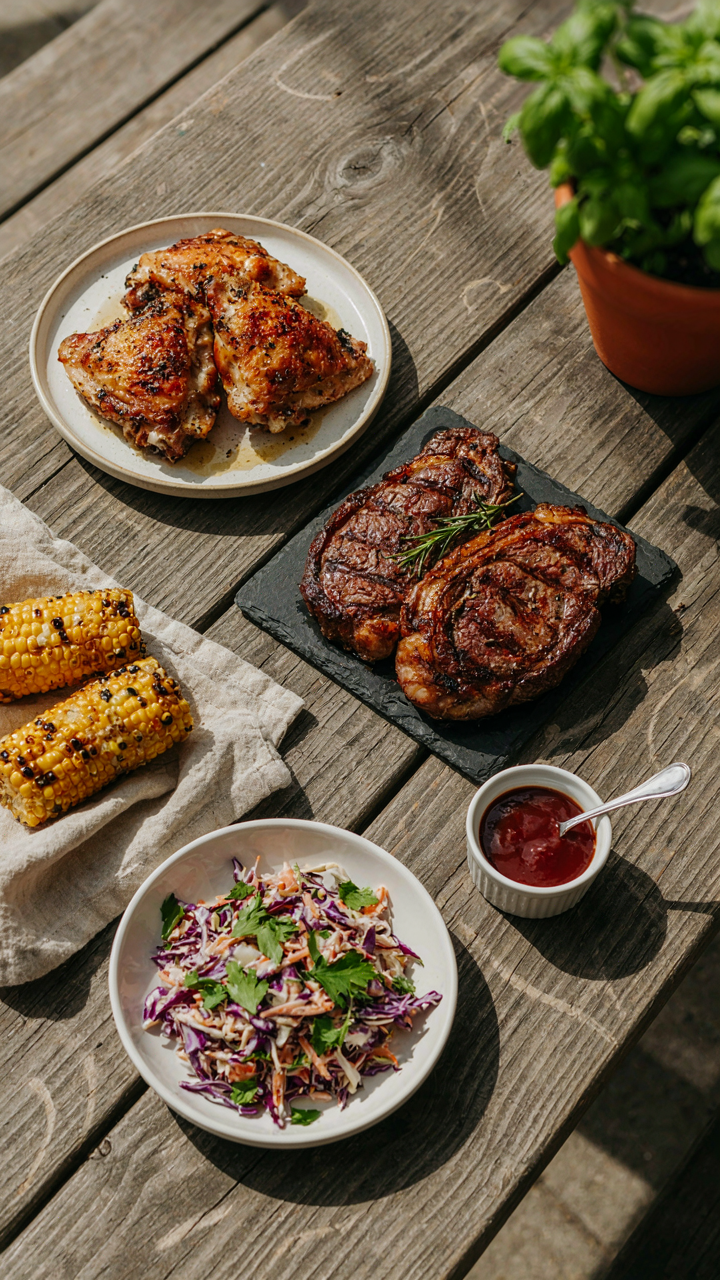
You don’t need a better backyard bbq menu. You need permission to stop performing. Most first-time hosts sabotage themselves trying to impress instead of feed. Pick three proteins, two sides, one sauce. Cook what you’d actually eat. Your guests came for the company, not a Michelin audition. Stop planning the perfect meal and start building the real one. A backyard bbq succeeds because you stopped trying to be a chef and started being yourself.