The Illusion Of More Gear: Why Your Hacks Fail
Gear Quantity Versus Actual Protection
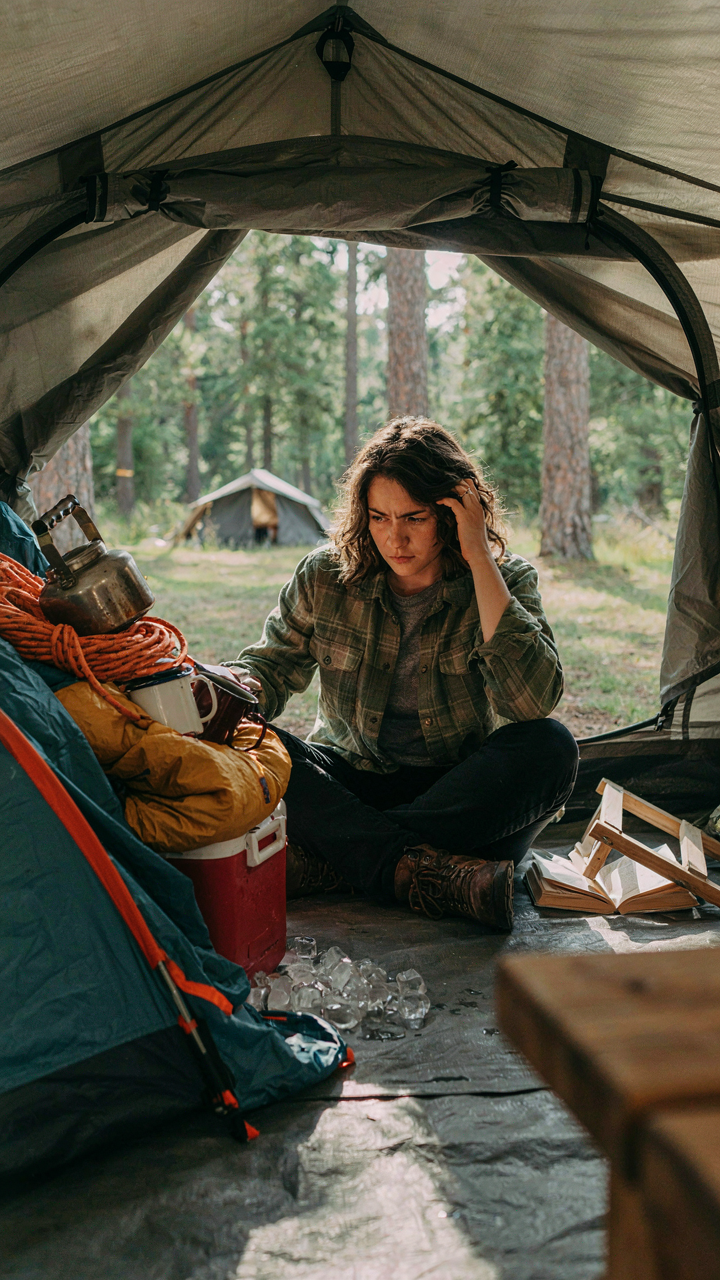
You want to believe more stuff equals more warmth because buying gear feels like action. It’s not. The mechanism is simple: your body loses heat through four channels—radiation, convection, conduction, and evaporation. Adding random equipment doesn’t block these channels. It just adds weight and complexity. One quality sleeping bag rated for your climate stops more heat loss than five mediocre layers and a poorly designed shelter combined.
Most cold camping advice starts with a shopping list instead of a heat loss audit. That’s backwards. Your first job is identifying which loss channel dominates your specific setup, then plugging that leak with one targeted tool. A $40 foam pad under your sleeping bag often outperforms a $200 premium sleeping bag alone because it stops ground conduction—the fastest heat thief in winter camping. Effectiveness beats inventory every time.
Where Heat Actually Leaves Your Body
Physics uses the term “thermal gradient” to describe heat movement from warm to cold. In cold camping, your thermal gradient runs from your core outward into the environment. The real hack isn’t generating more heat—your body does that already. The real hack is stopping the gradient from working against you.
Ground contact kills more people than wind. Your body weight compresses insulation beneath you, collapsing air pockets and destroying their R-value. A sleeping pad with R-value 5 or higher becomes non-negotiable. Without it, no amount of blankets or layers fix the problem. Your sleeping bag alone cannot insulate against ground cold. Test this: lie on snow with just a bag. Now lie on a pad. The difference is immediate and massive because you’ve eliminated conduction, the dominant heat loss path in winter camping.
Your Body: The Primitive Furnace (Evolutionary Biology)
Metabolic Rate Drives Heat Production

You want this section because you’re hoping gear will solve your problem. It won’t. Evolutionary biology teaches us about metabolic coupling: the direct relationship between caloric expenditure and heat output. Your body generates warmth through three mechanisms—basal metabolism, digestion, and muscle activity. In cold camping, this is your primary heat source. A sleeping bag doesn’t create warmth; it traps what your body produces. Most campers buy better insulation while running on empty calories, which is backwards.
Your metabolic furnace runs on fuel. Carbohydrates and fats oxidize to generate ATP, releasing heat as a byproduct. Skipping meals or undereating before a cold night is sabotage disguised as calorie counting. A 160-pound human burns roughly 1.2 calories per minute at rest in thermoneutral conditions. In cold, that number climbs sharply as your body works to maintain core temperature. You need consistent caloric intake—especially before sleep—to sustain that heat production through the night.
How Thermoregulation Becomes Your Advantage
Your thermoregulatory system operates like a programmable thermostat, but only if you understand the control mechanisms. Peripheral vasoconstriction is the first response: your body restricts blood flow to extremities to protect core temperature. This happens automatically. The second response is shivering thermogenesis, where muscle contractions generate heat. You cannot force this faster, but you can prevent the conditions that trigger dangerous hypothermia.
The real hack is anticipating thermoregulation instead of fighting it. Enter sleep already warm, not trying to warm up once inside the bag. Layer strategically so you can shed or add insulation without leaving the sleeping bag. Keep your core fed and hydrated throughout the day. Position yourself to minimize heat loss through the sleeping pad contact point by using insulation below you, not just around you. Your body works most efficiently when it’s not already stressed from cold exposure.
The Conduction Protocol: Mastering Ground Heat Loss
Insulation Layers Preventing Direct Heat Transfer

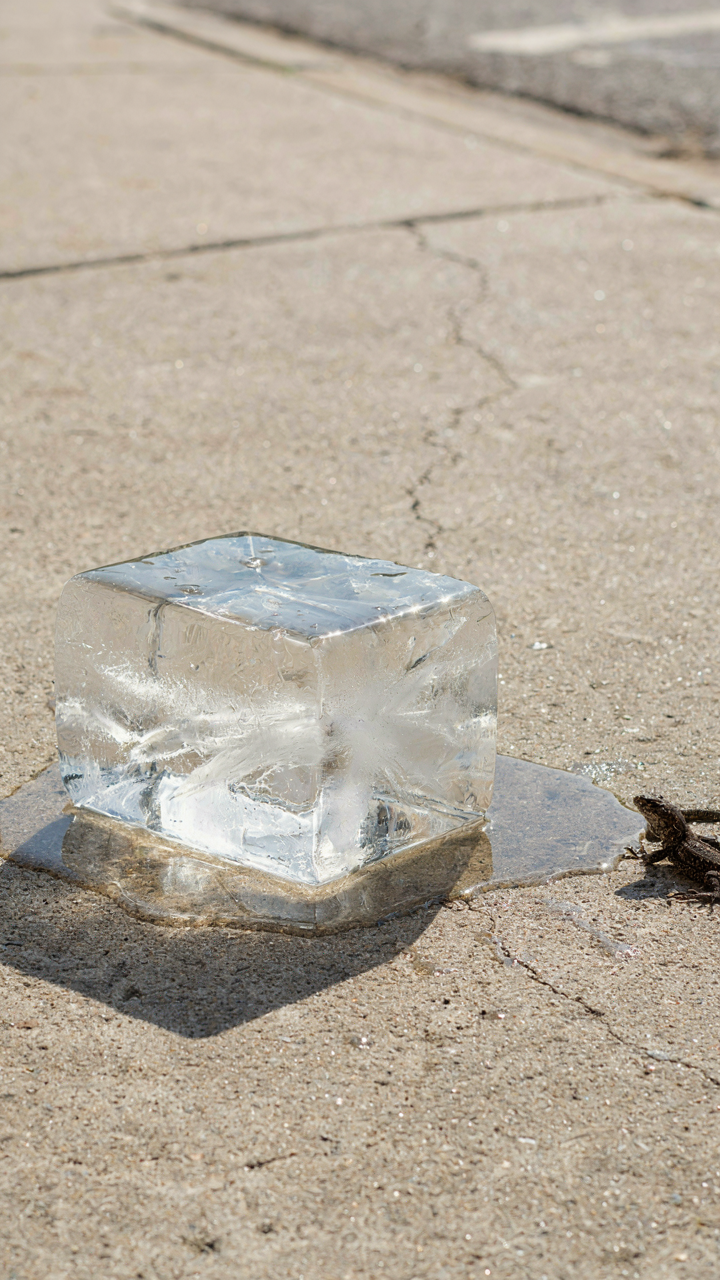
You want to believe a sleeping bag is enough because buying one thing feels like solving the problem. It isn’t. Physics calls this conduction: heat moves from warm to cold through direct contact, and the ground is a heat sink. Your body loses more warmth through the surface beneath you than through the air above. A sleeping bag compresses under your weight, killing its insulation value where it matters most.
- Closed-cell foam pads: Trap air in rigid cells that don’t compress. Provide consistent R-value regardless of body weight pressing down. R-value stays stable across temperature ranges.
- Inflatable sleeping pads: Offer high R-value in compact form. Air pockets provide insulation, but quality matters. Budget pads lose R-value as air temperature drops.
- Double-layer stacking: Combine foam base with inflatable top layer. Foam handles compression; inflation handles loft. Together they stop conduction more effectively than either alone.
- Reflective bottom surface: Some pads have mylar backing that bounces radiant heat back. This supplements conduction resistance. Check specifications before assuming it’s included.
- Thickness over R-value alone: Thicker pads compress less under body weight. A 2-inch pad outperforms a 1-inch pad with identical R-value because compression resistance matters in real conditions.
Ground temperature matters more than air temperature because conduction bypasses your sleeping bag’s protection. Your pad’s R-value rating is measured in lab conditions without compression. Test your actual setup before a winter trip by lying on it indoors. If you feel cold after 30 minutes on a warm floor, the pad won’t save you in snow.
Air Gap Principle Critical For Effective Ground Barriers
The gap between your sleeping system and the earth is where insulation actually lives. No contact means no heat transfer. Most campers trap themselves by laying pads flat against the ground, then adding blankets on top, creating a sandwich that still conducts. The real move is intentional air space below and strategic layering above.
A sleeping pad only works if it stays lofted. Compression collapses air pockets and kills R-value instantly. Camp mats sold as “ground barriers” often claim insulation they can’t deliver under load because they’re too thin. Use a pad rated for the lowest temperature you expect, then add 10 degrees of margin. A 20-degree pad performs like a 0-degree pad in extreme conditions if it’s too thin to maintain loft. Stack multiple thin pads instead of relying on one marginal pad. The air gaps between layers add up to meaningful insulation that your body weight can’t fully crush.
Convection Sabotage: Shielding Against Air Currents
Wind Chill Factor: The Real Math

You care about wind chill because the number on the thermometer is a lie when air moves. Physics calls this convective heat transfer, and in camping terms it means moving air strips warmth from your skin and gear faster than still air ever could. Wind chill doesn’t change the actual temperature, but it changes how fast your body loses heat to the environment.
A 20-mile-per-hour wind at 20 degrees Fahrenheit feels like minus 10 degrees on exposed skin. This matters because your sleeping bag’s insulation rating assumes still air. Once wind penetrates the bag or moves across your tent’s exterior, that rating becomes worthless. The mechanism is simple: moving air breaks the dead air layer that normally sits against your skin and traps warmth. No dead air layer. No insulation. The cold wins.
Strategic Placement Beats Gear Upgrades
Most people solve cold by buying a better sleeping bag. Wrong move first. Terrain placement solves the problem before gear does. Site your tent in a low point or against a natural windbreak, not on an exposed ridge. Mountains and ridges funnel wind. Valleys trap it less. Dense trees, rock formations, and terrain depressions all create still air pockets that cut convective loss by 50 percent or more without spending money.
Tent orientation matters too. Face the entrance away from prevailing wind direction and position your tent perpendicular to wind flow rather than parallel. If wind hits the narrow end of your tent instead of the broad side, you reduce the surface area catching the blast. Plant your tent downwind of denser vegetation or a ridge line if the site allows it. This single decision often matters more than sleeping bag quality for surviving a cold night.
Radiation Racket: Trapping Infrared Emissions
The Physics Of Heat Bouncing Back

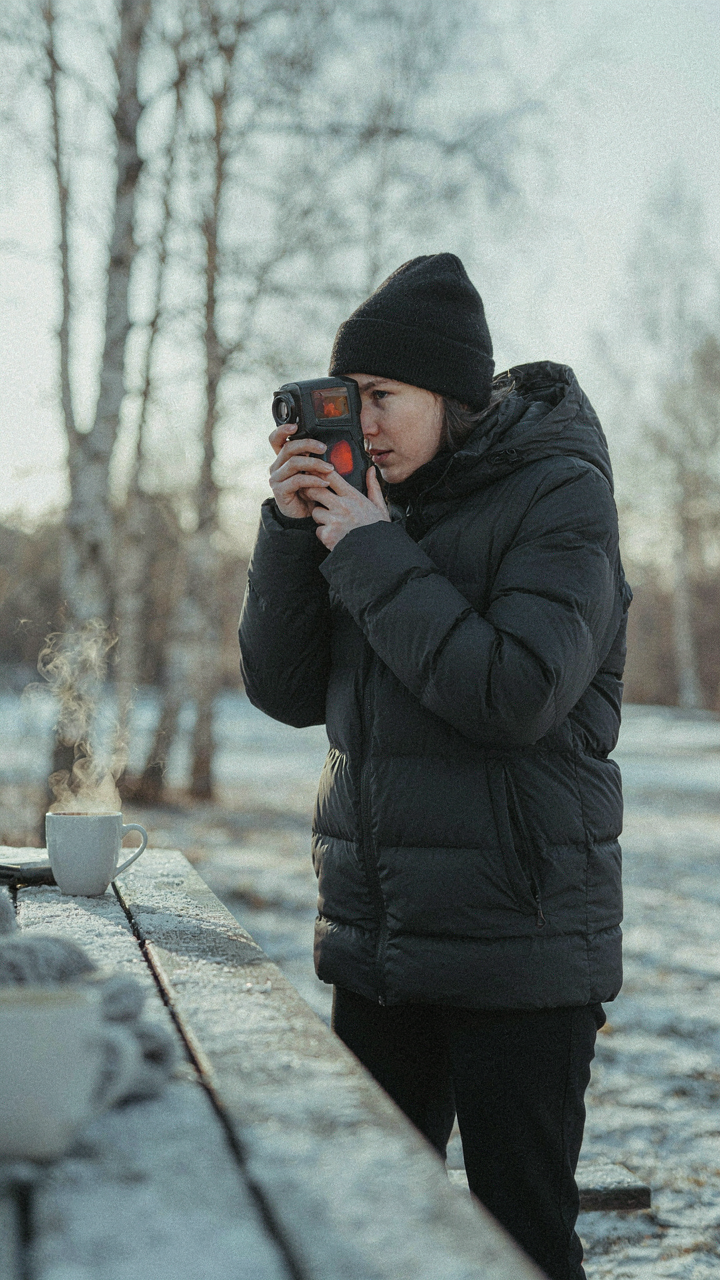
You care about this section because you want to feel smart for outsmarting the cold without spending money. Here’s the mechanism: thermodynamics calls it radiative heat transfer. Your body emits infrared radiation constantly. A reflective barrier intercepts that radiation and bounces it back toward you instead of letting it escape into the void. Aluminum and mylar do this work because their smooth surfaces reflect up to 97% of infrared wavelengths. Most camping advice ignores this entirely and focuses only on insulation, which addresses conduction and convection but leaves radiation unblocked.
The math is simple. Your sleeping bag traps warm air around your body through dead space. That’s conduction prevention. But infrared still radiates outward through the bag’s shell. Without a reflective layer facing inward, that energy leaves the system. A space blanket or reflective tarp placed inside your sleeping bag, touching the fabric, creates a second barrier that sends that radiation back inward. This doubles your effective heat retention without adding weight or bulk. Test this yourself: feel the difference between sleeping against bare nylon and against a crinkly emergency blanket. The reflective surface works because physics does not care about comfort.
Seal The Gaps Where Heat Escapes
Cold air moves toward warmth like water toward low ground. Your sleeping bag opening is a chimney for heat loss. Most campers leave it wide open or loosely cinched, assuming the bag’s insulation handles the job. It doesn’t. The insulation stops conductive loss, but air convection pulls warm air out through any opening larger than a fist. You must seal that opening to prevent convection loops from forming inside the bag.
Use a balaclava or neck gaiter to close the gap between your head and the bag collar. Tuck the bag’s top edge under your chin and shoulders, not just around your neck. If your bag has drawstrings, cinch them tight enough that you can barely fit your face in and out. Tape or safety pin any seams that gap. Your feet create another escape route: fold the bag’s bottom inward so your feet don’t touch the shell directly. These steps eliminate the convection pathway and force your radiated heat to recirculate inside the sealed envelope.
Evaporation Exposure: The Silent Killer Of Warmth
Moisture Management: Clothing, Sweat, And Condensation

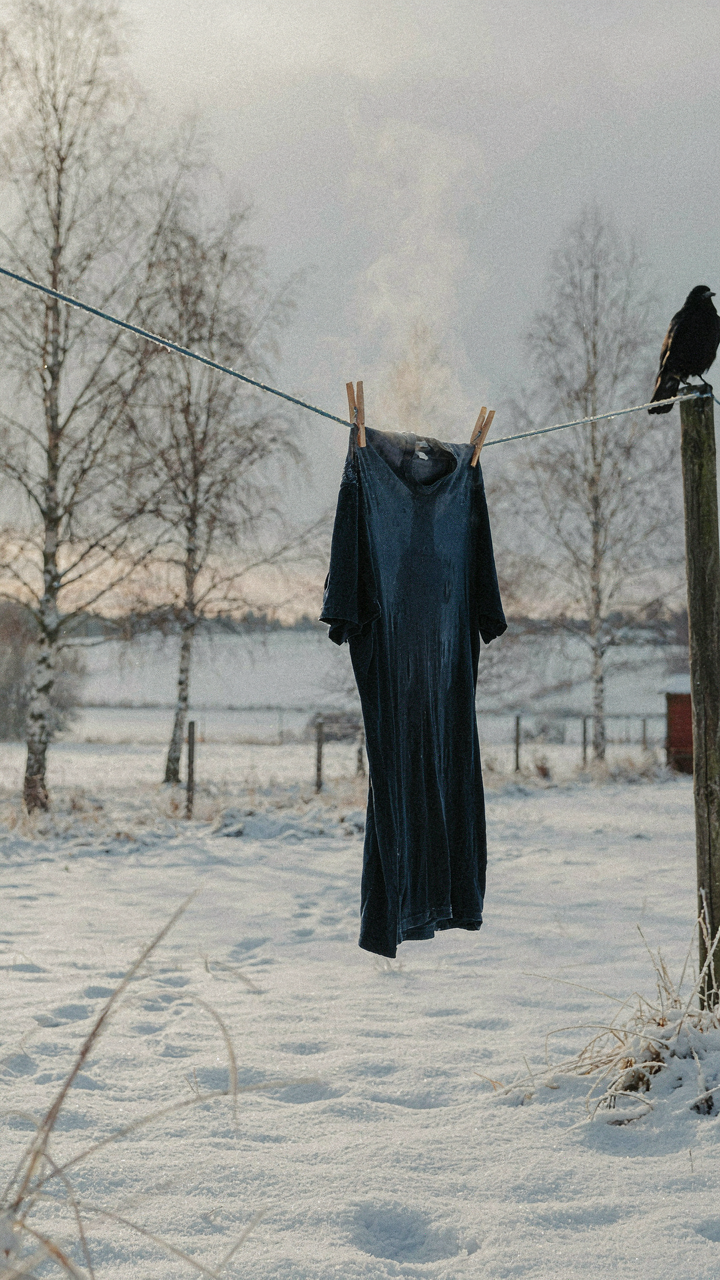
You want to believe staying warm is about insulation alone because buying a better sleeping bag feels like a solution. It isn’t. The physics of evaporative cooling—borrowed from thermodynamics—applies directly: your body loses heat through phase change when moisture transitions from liquid to vapor. Sweat inside your sleeping bag doesn’t make you warmer. It migrates into the insulation, collapses the dead air space, and turns your bag into a cold, damp trap. This happens whether you’re active during setup or sleeping.
The common advice says “just don’t sweat.” Useless. You will sweat during the hike in, during setup, and from body heat once you’re in the bag. What actually works: remove the outer layer before entering the bag, not after. Change into dry base layers only when you’re about to get in. If you’ve exerted hard, wait 10 minutes outside the bag while your core temp drops, then change. Any moisture clinging to your skin or trapped in fabric transfers directly into insulation and stays there for the night.
Ventilation Paradox: Balancing Airflow And Heat Retention
Cold weather camping advice typically says “seal everything.” That’s incomplete and creates a different problem: condensation from your own breath and body heat collects inside the bag, then refreezes against fabric, making insulation worthless. The paradox is that some airflow prevents moisture accumulation, but too much bleeds warmth. You need controlled exchange, not either extreme.
The mechanism: your sleeping system must allow humid air to exit while minimizing convective heat loss. Leave the bag’s draft collar slightly open when your head is outside it, or position your face so exhaled breath doesn’t pool directly into the bag. If your tent has ventilation ports, keep them cracked open even in cold. This moves humid air out before it condenses. In ultralight single-wall tents without vents, crack the door six inches and angle your head away from it. The trade-off is minimal heat loss versus guaranteed condensation damage.
Fueling The Internal Fire: Your Caloric Strategy
Fat And Carbs Work Together Here
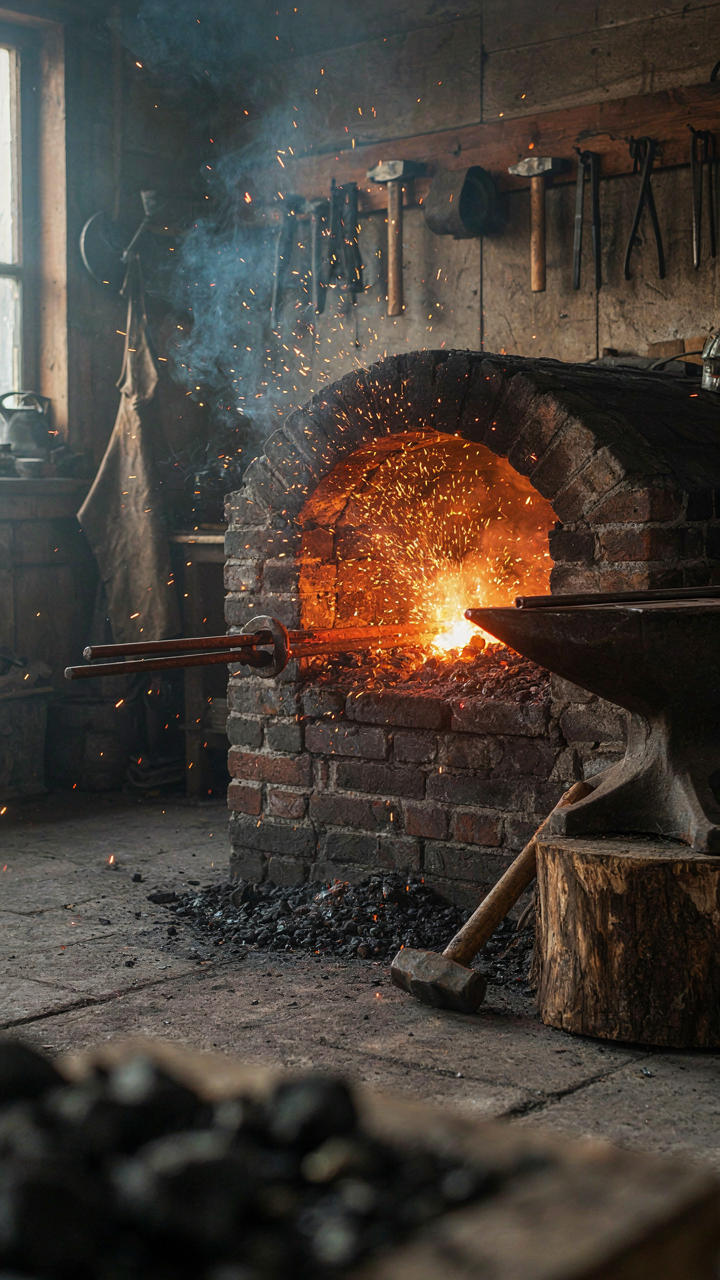
You want to believe eating before bed solves everything. It doesn’t. The mechanism is thermogenesis—biology’s term for heat production through metabolism. Cold camping demands you think like a furnace: fat burns slower and hotter, carbs ignite fast. Your body needs both running simultaneously to maintain core temperature through the night without shivering yourself awake.
Fat-dense foods like nuts, nut butter, and fatty cuts of meat release energy over hours. Complex carbs like oats, whole grains, and legumes spike your metabolic rate immediately. Eat them together two to three hours before sleep. Your digestive system generates heat while processing this combination. A 70-30 carb-to-fat ratio works better than either macronutrient alone because you avoid the energy crash that comes from pure carbs or the sluggish digestion of fat-only meals.
The Dehydration Trap Nobody Mentions
You freeze faster when you’re dehydrated. Cold air is dry air, and your body loses water through respiration in ways you don’t feel like sweating. Dehydration thickens blood, restricts circulation to your extremities, and tanks metabolic efficiency. You need fluids moving through your system to generate heat effectively. Most cold campers drink less at night thinking it keeps them warm. That’s backward.
Drink 500 milliliters of warm liquid two hours before sleep. Water with electrolytes works better than plain water because electrolytes improve cellular hydration and maintain proper nerve function for shivering thermogenesis. Avoid caffeine and alcohol—both dehydrate you and suppress your body’s natural heat-generation response. Sip warm broth or herbal tea throughout the evening. Your core temperature depends on adequate fluid volume more than most people acknowledge.
The Cold Weather Camping Hacks Gear Optimization Cycle
Three Layer System That Actually Works

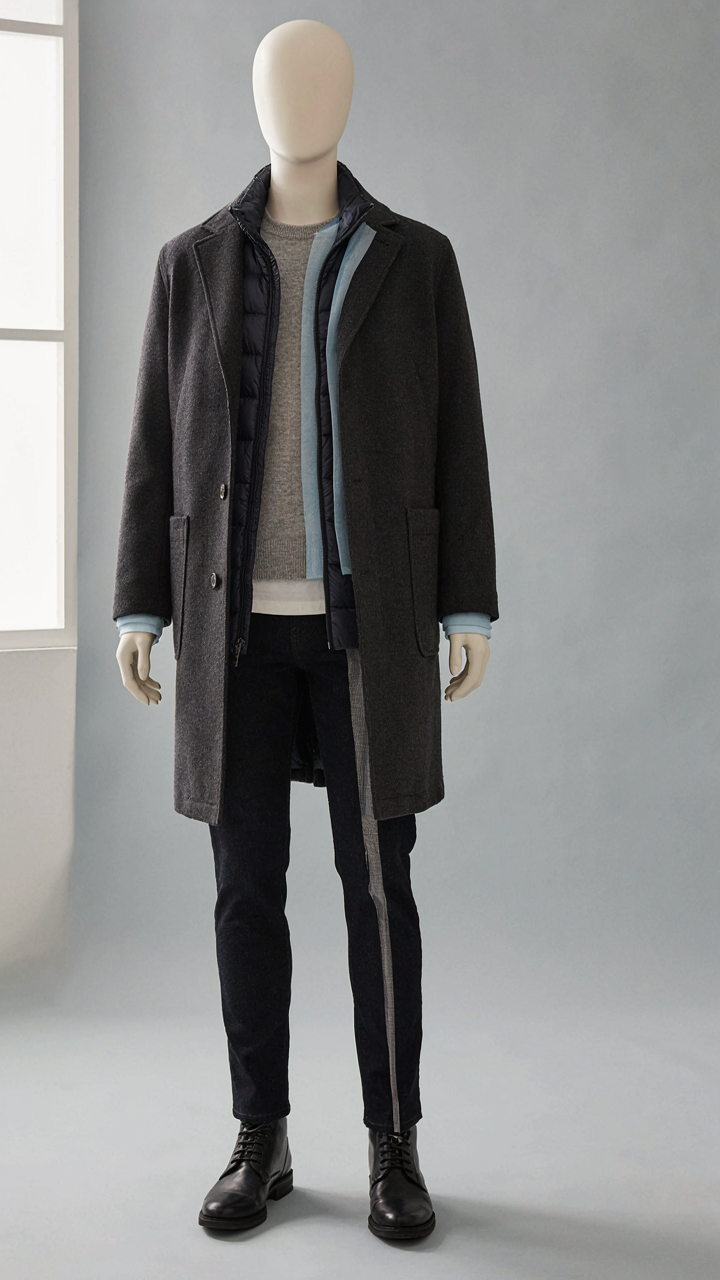
You want to believe a single expensive jacket solves this problem. It doesn’t. Thermodynamics dictates that heat retention depends on trapping dead air, and that requires separation of function. The active layer wicks moisture from skin. The insulating layer traps air. The shell blocks wind and precipitation. Each fails without the others.
- Base Layer (Active): Synthetic or merino wool that moves sweat away from skin. Cotton absorbs and holds moisture, killing insulation. Fit matters: too tight restricts airflow, too loose defeats wicking.
- Mid Layer (Insulation): Fleece or down captures dead air. Down compresses under pressure and loses function when wet. Synthetic insulation retains loft when damp. Pick based on your campsite’s humidity.
- Outer Layer (Shell): Windproof and water resistant fabric blocks convective and evaporative heat loss. Breathability allows moisture escape without letting wind penetrate. Tightness at wrists, ankles, and neck prevents air exchange.
- Hand and Foot Coverage: Extremities have high surface area and limited metabolic heat production. Insulated gloves and socks double their thickness; mittens outperform gloves because fingers generate shared warmth.
- Head Coverage: Your head doesn’t lose disproportionate heat, but your face, ears, and neck do. A balaclava or neck gaiter blocks wind and lets you exhale into it, warming incoming air.
The cycle means checking layers every two hours. Remove layers if you start sweating during exertion. Add layers immediately when you stop moving. Moisture accumulated in the active layer kills the entire system overnight, so change into dry base layers before entering your sleeping bag.
What Sleeping Bag Temperature Ratings Actually Measure
Manufacturers test sleeping bags in controlled labs using a heated dummy that matches male body dimensions and metabolic rate. The “comfort rating” is the temperature where an average sleeper feels neutral. The “limit rating” is where you’ll survive but feel miserable. Neither accounts for your body size, fitness, metabolism, or how cold the ground beneath you actually gets.
A bag rated for 20 degrees means a 155-pound man in thermoneutral conditions stays warm at that temperature. If you’re smaller, colder-blooded, or the ground sucks heat through your bag faster than the insulation replaces it, you’ll be cold. Compressed insulation under your torso loses 80 to 90 percent of its R value. Use an insulated pad underneath, not instead of, your bag’s insulation rating.
Mental Fortitude: The Unsung Winter Camping Skill

Your Mind Controls The Thermostat
You want to believe gear alone will save you because then you can buy your way out of discomfort. It won’t. Psychology determines whether cold becomes manageable or unbearable. The nervous system responds to perceived threat before it responds to actual temperature. When you interpret shivering as failure instead of function, cortisol spikes and your core temperature drops faster. Soldiers in extreme cold outlast civilians with better equipment because they expect discomfort and don’t panic when it arrives.
Reframing cold as information rather than punishment kills the panic response. Your body shivering is doing its job, not betraying you. The moment you accept this, your mind stops fighting physiology and starts cooperating with it. This shift takes practice before the trip, not during it. Most winter campers fail because they arrive mentally unprepared, expecting warmth instead of planning for cold management.
Rehearse Discomfort Before You Need It
Pre-trip visualization works because your brain doesn’t distinguish between vivid imagination and memory during stress. Spend time before your trip mentally walking through the worst moments: the moment you unzip your sleeping bag into 10-degree air, the hour before dawn when cold peaks, the first fumbling with frozen gear. Build the scenario in detail. Feel the texture of cold air. This isn’t positive thinking. It’s inoculation.
The second move is acceptance protocol. Write down specifically what discomfort you’ll face: numb fingers, difficulty sleeping, muscles tensing involuntarily. Accept each one as real and non-negotiable before you camp. Then decide your response in advance. When your fingers go numb, you don’t panic and thrash. You know this is coming. You have a plan: move your hands, increase movement, rotate between sleeping positions. Protocols beat willpower every time because they remove decision-making from the moment when your brain is compromised by cold.
Your Real Enemy Isn’t The Temperature; It’s Your Ignorance Of Your Own Body’s Energy Economy

Most people freeze because they treat their body like a passive object instead of an active furnace. You don’t need more gear. You need to stop wasting calories through sweat, radiation, and poor layering decisions. Your body burns fuel. Cold weather camping isn’t about blocking the cold. It’s about managing what you burn and where you lose it. Today, calculate your actual caloric needs for your next trip and eat that amount before bed, not after. Warmth isn’t something you buy. It’s something you earn through understanding your own metabolism.