The “Glamp Site” Selection: Beyond Just Flat Ground
Sight Lines And Distance From The House
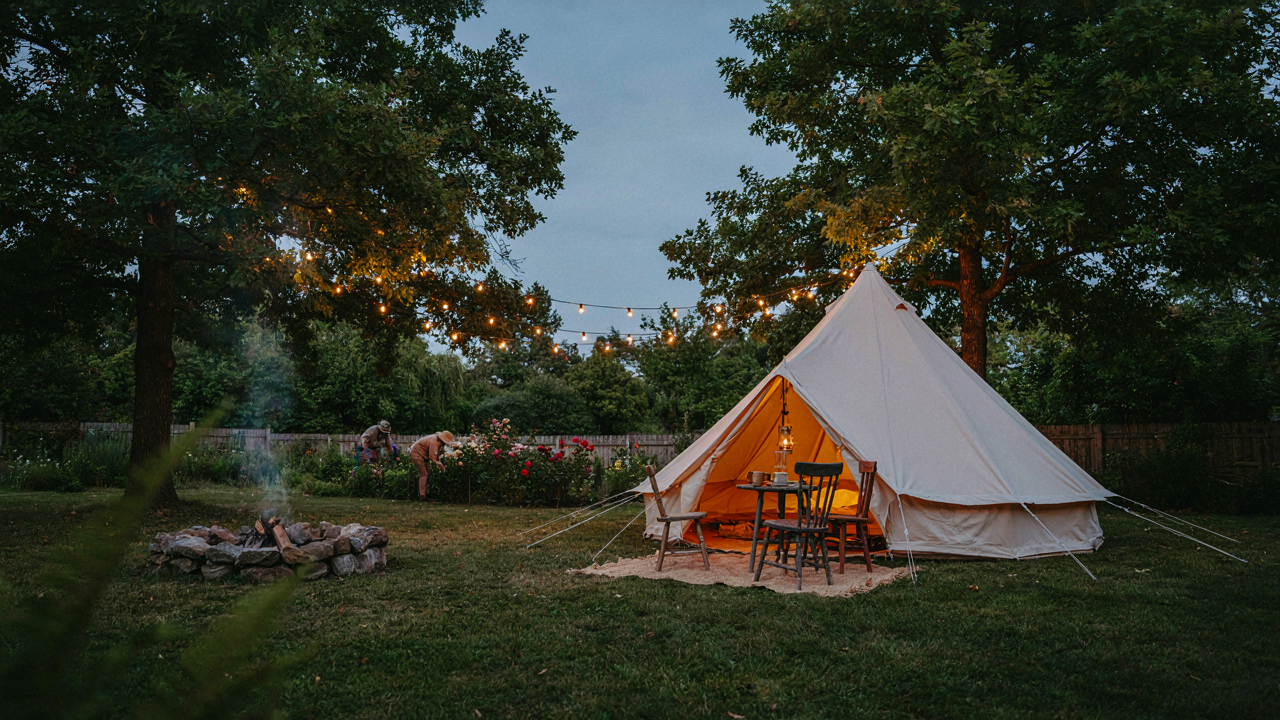
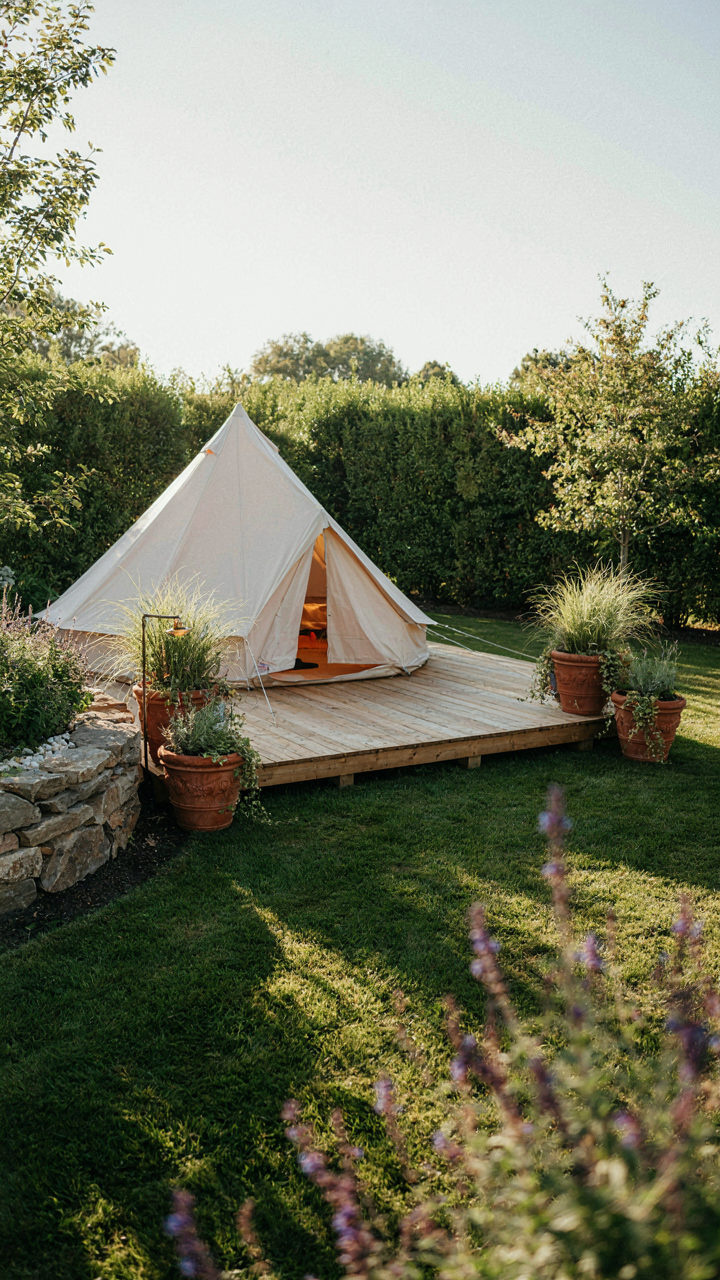
You want this to feel like escape, not a sleepover in your yard. The real motive here is social proof—you need your setup to look intentional and removed, not like you ran out of space in the house. The mechanism is distance. Glamping works when there’s psychological separation between where you sleep and where you live, even if it’s only 50 feet away. Position your structure at the far edge of usable space, angled so the house isn’t your primary view when you wake up. Trees, fencing, or slight elevation changes amplify this effect without requiring acreage.
Most people place glamping structures too close to the property line or directly in the sightline from the house. You’re not running from your home, but you are creating a distinct zone. The ideal spot sits where the house becomes background noise, not the focal point. If you can see your back door clearly from bed, you’ve failed the most basic test of glamping design. Measure the distance where your own anxiety about being watched from inside actually shifts. That’s your minimum.
Exposure Mapping And Weather Behavior
Wind doesn’t move randomly across your yard—it follows terrain like water. This is fluid dynamics applied to your property. Cold air pools in low spots. Sun moves in a predictable arc that changes seasonally. Most glamping guides ignore this entirely and just say “pick a nice spot,” which is why people end up shivering at dawn or baking at dusk. Study your yard for a full week before setup, noting where shade falls at different times and where wind accelerates through narrow passes between structures or trees.
Your actual microclimate is determined by three variables: direct sun exposure, wind corridor alignment, and thermal mass nearby (the house, large rocks, or water features that retain heat). A spot that’s perfect in July becomes unbearable in October because the sun angle shifts. Document which areas stay dry during rain by watching water run-off patterns after a storm. Test wind direction at different times of day—morning wind often flows opposite to evening wind. Mark your final location only after observing these patterns across at least one full day cycle. This step takes four hours and eliminates 90 percent of comfort failures.
The Glamping Tent: Not All Canvas Is Created Equal
Durability Versus Aesthetic: Choosing The Right Structure
You want the tent to look expensive without actually costing what a luxury hotel room costs. That’s the real tension here. But here’s the mechanism: fabric weight and frame material determine both lifespan and visual appeal, and they trade against each other in predictable ways. Canvas tents look better and age gracefully but require maintenance. Aluminum or steel frame bell tents last longer with less upkeep. Polyester hybrid fabrics split the difference but sacrifice authenticity for convenience.
The decision hinges on how often you’ll actually use the space and whether you’re willing to treat it like gear or furniture. A 400-600 gsm canvas bell tent with a wood-reinforced frame costs more upfront and demands seasonal sealing and storage, but looks intentional after five years. Polyester dome tents cost half as much, require zero maintenance, and look dated after three. Pick based on commitment level, not Instagram appeal.
Sealed Seams Stop Water Before It Enters
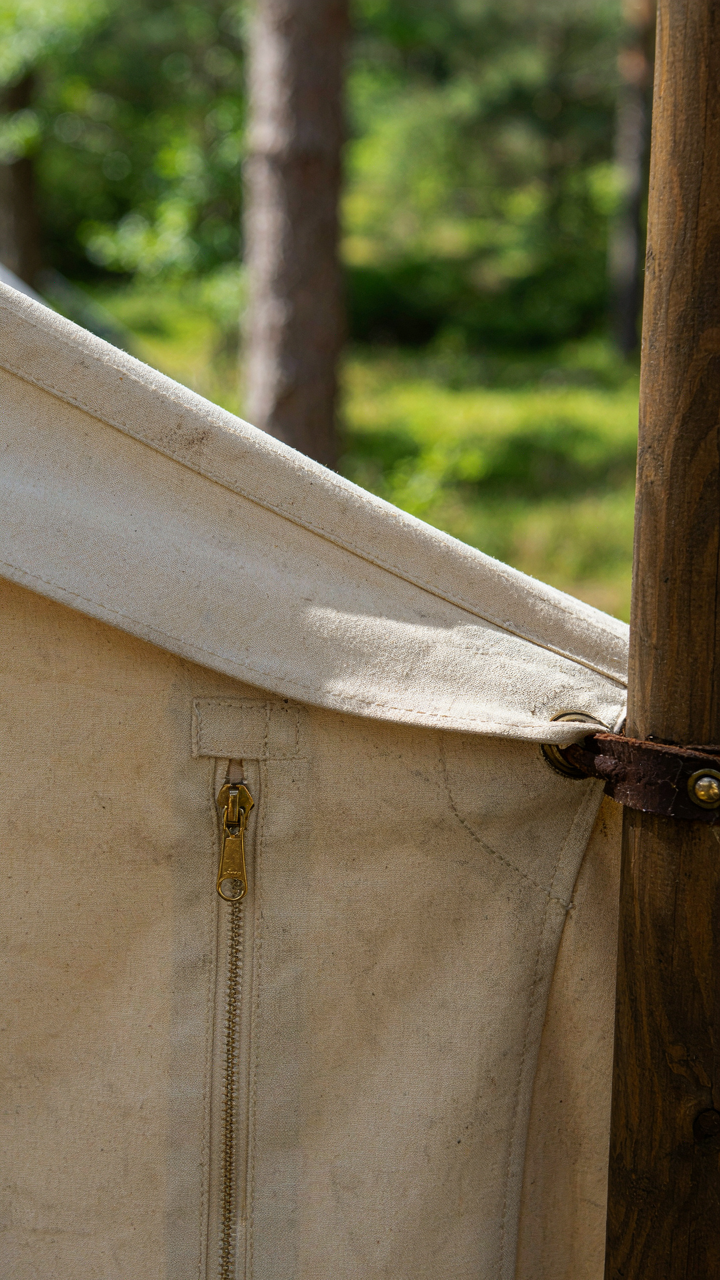
Most advice skips the actual failure point. A tent can have quality fabric and still leak because seams are stitched holes. Water doesn’t care how thick your material is if it finds thread. Sealed seams use tape or sealant applied to the interior stitch line to block capillary action. This is non-negotiable for backyard glamping where you’re stationary and expect reliability.
Inspect seams before purchase by looking at the interior stitching under light. Seam tape should be continuous and flat. For canvas tents, reapply seam sealer annually before the season starts. For polyester, check that the manufacturer heat-sealed seams at construction rather than relying on aftermarket tape. Bug barriers work the same way: a single tear in netting negates the entire mesh panel, so inspect corners and zippers where stress concentrates.
Luxury Glamping Ideas: The “Essentials Only” Interior Design
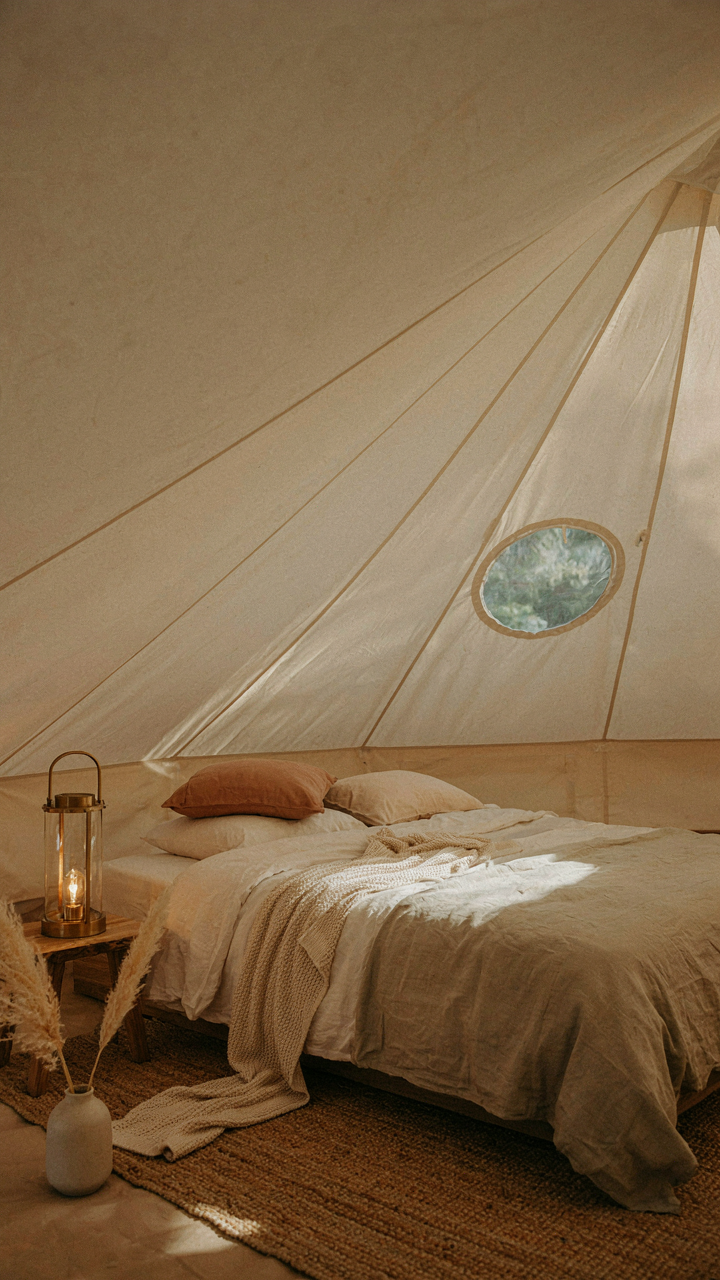
Minimalist Comfort Wins Over Clutter
You want people to think you’re refined, not that you’re roughing it. That’s the real tension here. The mechanism is this: scarcity creates perception of value. When a space has fewer objects, each one carries more weight. In economics, this is the substitution effect—when supply drops, perceived value rises. In a glamping setup, removing unnecessary items makes the remaining ones register as intentional, curated, expensive.
Start by identifying what actually serves a function. A bed frame, quality linens, a side table for water and a lamp. A rug to define the space and dampen sound. These anchor comfort. Everything else competes for attention and dilutes the sensory experience. Strip furniture down to load-bearing pieces. Choose materials that age well—canvas, wood, metal—over items that look cheap once they weather. The goal is a space that feels complete at 40 percent capacity.
Layered Light Beats Bright Light
Strategic lighting is an architectural tool, not decoration. One overhead source creates institutional flatness. You need three layers to control mood and function: ambient lighting for general visibility, task lighting for specific activities, and accent lighting to draw the eye where you want it. A single hanging Edison bulb on a dimmer handles ambient work. A clip lamp by the bed solves task needs. Candlelight or small accent fixtures create the atmosphere that makes the space feel deliberate.
Position lights at angles, never directly overhead. Use warm color temperatures—2700K or lower—to trigger relaxation instead of alertness. String lights work only if they’re sparse and high enough to feel like stars, not a fair. The common mistake is treating light as something to maximize. Instead, treat it as something to control. Darkness is half the formula. Install a dimmer switch before you even hang fabric walls, because once guests experience how light controls their nervous system, everything else in the space becomes secondary.
The Glamping Experience: Engineering Your Escape Protocol

Logistics Before Setup
You want this to feel effortless, which is exactly why it won’t be unless you map every failure point first. Borrowed from operations management, “friction mapping” identifies where systems break: you’re looking for the moment someone has to leave the glamping space to solve a problem. That kills the escape. Water delivery, toilet function, heating failure, forgotten items, power loss during setup, guest arrival timing—each one pulls you back to maintenance mode instead of presence. The gap between setup and relaxation is where most backyard glamping fails.
Document every dependency before the first guest arrives. What happens if the heater doesn’t ignite at 11 PM on a Friday? Where’s the backup power for the fridge? How does water get refilled if the hose doesn’t reach? Write down the step-by-step sequence for each system startup, then do a dry run. This isn’t paranoia. It’s the difference between a weekend you enjoy and a weekend you spend problem-solving. Test every component under the conditions guests will experience it—darkness, cold, fatigue—not during daylight when everything works.
Disconnection Rules You Actually Enforce
The common pitch is “turn off your phone.” That’s incomplete advice from people who haven’t noticed that the real escape happens in your mind, not your physical location. Disconnection requires explicit boundaries stated before anyone arrives, not suggestions made during the experience. You’re not asking guests to avoid their phones—you’re redesigning when and why they’d use them. Cell signal weakness near structures, Wi-Fi disconnection at specific times, physical distance from charging stations—these are mechanisms, not requests.
Set one hard rule: no phone use in the sleeping or dining area. Make it structural, not moral. Remove outlets from bedrooms. Keep the charger in a secondary location. Establish a tech-free hour before bed and after waking. People don’t resist constraints they understand as design choices rather than rules imposed on them. The escape isn’t about willpower. It’s about removing the option to default to distraction.
Backyard Glamping Ideas: Culinary Simplicity, Elevated Taste

Cook Like You’re Running A Restaurant, Not A Camping Trip
You want the experience of fine dining without the logistics headache. That’s the real driver here. The mechanism is constraint-based design: limit your ingredient count and cooking methods, then execute each one flawlessly. Restaurant kitchens don’t succeed by offering infinite options. They nail a narrow menu. Your backyard setup works the same way. Pick three to four dishes you can execute in stages before guests arrive or during downtime. Pre-prep proteins, marinate them overnight, portion sauces into containers. Cook only the final assembly on-site using a portable burner or grill.
The common advice is wrong: camping food doesn’t have to taste like compromise. High-heat searing, acid balance, and salt timing are learnable skills that work identically over a camp stove as they do over home ranges. Bring a cast iron skillet or carbon steel pan, not disposable cookware. Source one premium ingredient per meal—aged balsamic, fresh burrata, quality beef—and let it anchor the plate. Everything else supports it. This approach cuts prep stress and delivers memorable meals in under forty minutes per service.
Drinks Worth The Weight In Your Cooler
Most glamping beverages fail because they’re afterthoughts. A bottle of cheap wine and tap water won’t mark the experience. Curate three drinks: one non-alcoholic option, one spirit-forward cocktail, one wine or beer that pairs with your menu. Pre-batch cocktails in a sealed container and chill them in the cooler before guests arrive. Make your own cordial by infusing simple syrup with fresh herbs or citrus zest a week prior. This takes fifteen minutes and costs less than buying pre-made versions.
For non-alcoholic depth, use tonic water with real quinine, sparkling water with fresh lime, or cold-steeped tea cooled overnight. The variable that matters most is temperature control. Pack a separate cooler for beverages only so you’re not opening the food cooler repeatedly. Bring ice in a bag inside the main cooler rather than loose, which prevents water pooling and dilution. Mix drinks moments before serving. Cold glassware makes the difference between a thoughtful pour and a lazy one.
Glamping Tent Interior Ideas: Optimizing Your Sleep Sanctuary
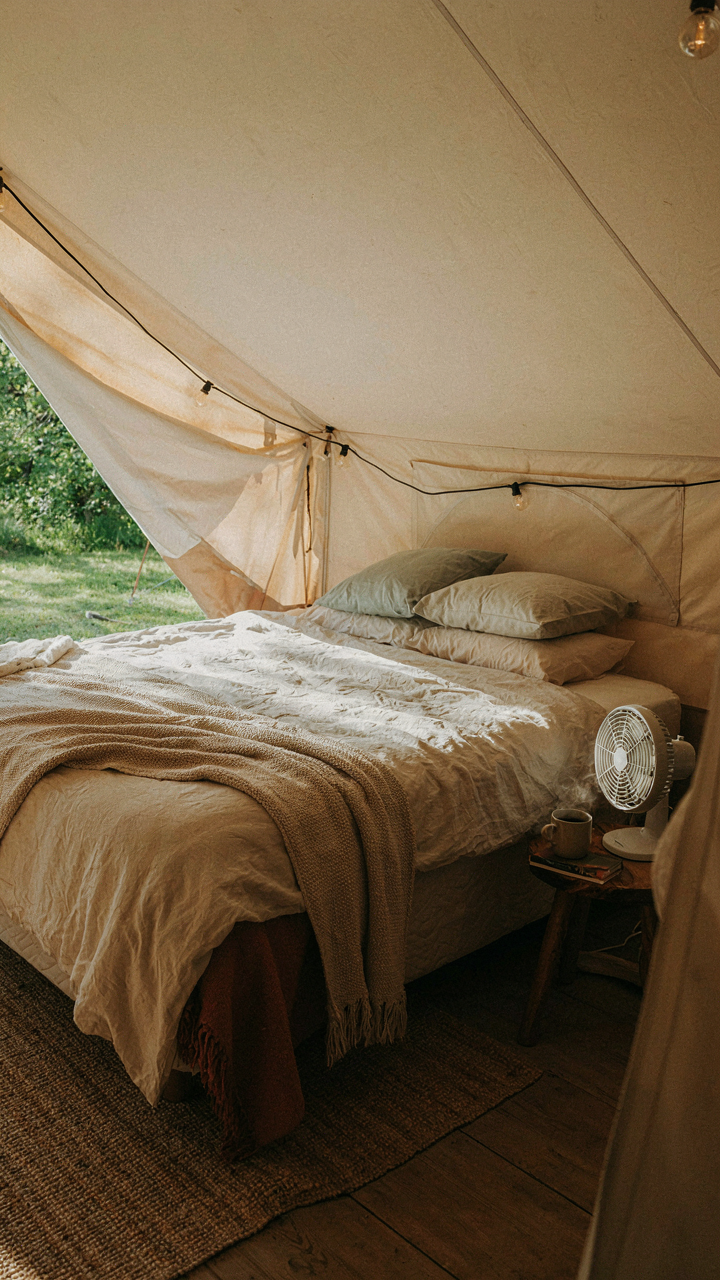
The Sleep Stack That Actually Works

You want to sleep better in a tent because you’re terrified that glamping will feel like camping, and that means suffering. Here’s the mechanism: sleep quality depends on temperature regulation and pressure distribution, not thread count marketing. Your body cycles through micro-awakenings when it can’t maintain core temperature or when pressure points create micro-tension. Most people stack bedding wrong, which breaks both systems at once.
Start with a closed-cell foam base layer directly on the tent floor. This isolates you from ground cold and dampness, which sabotage sleep faster than anything else. Then add a proper mattress rated for your weight. On top, use a fitted sheet, a mid-weight blanket, and a quilt or duvet you can adjust or remove. Temperature drift kills sleep, so layering gives you granular control. The goal is waking up rested, not waking up every two hours adjusting blankets.
Sound Control Without The Theater
Noise dampening isn’t about silence. It’s about breaking the transmission path, a principle from acoustics engineering. External sound travels through the tent fabric and floor, hits your ears, and fragments your sleep cycles. Most glamping advice says hang blankets inside and call it done. That’s incomplete. You need to interrupt the path before sound enters the structure.
Use dense materials on the ground beneath your tent: old carpet, rubber underlayment, or stacked interlocking foam tiles. These absorb vibrations from footsteps and ambient noise before they reach the tent floor. Inside, heavy curtains or moving blankets hung from the tent frame absorb airborne sound. Run a white noise machine or nature sounds app at low volume to mask unpredictable external sounds like neighborhood dogs or wind gusts. The combination creates a passive acoustic environment where your brain doesn’t register threats and releases you into deeper sleep.
Glamping Inspiration: The Art Of Deliberate Discomfort (Stoic Principles)

Weather Without Complaint
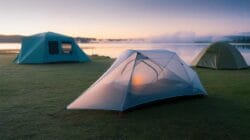
You want to feel like you’re “roughing it” without actually suffering. That’s the real motive here. Stoicism borrowed from ancient military training: soldiers built resilience through graduated exposure to hardship. Your backyard glamping setup uses the same mechanism. Controlled exposure to wind, temperature shifts, and natural light trains your nervous system to stop treating minor discomfort as a threat. A canvas bell tent or yurt lets rain sounds reach you, cold air move through gaps, and morning sun wake you naturally. You’re not camping; you’re dosing yourself with reality.
The point is not masochism. It’s calibration. When you spend a weekend feeling morning cold before your heater kicks in, or hearing actual weather, your baseline stress response recalibrates downward. That Tuesday meeting at the office becomes less threatening because your body has remembered what real friction feels like. Set up your glamping structure to allow some weather penetration instead of sealing it completely. Leave windows that open fully. Skip the triple insulation. Let the tent breathe.
Luxury In Subtraction
Most people chase comfort through addition: more pillows, more amenities, fancier materials. That’s backwards. True gratitude emerges from scarcity, not abundance. A single high-quality wool blanket you fold yourself teaches more than five down comforters. Real amenities solve actual problems: a working toilet, clean water, solid ground for sleeping. Everything beyond that is noise that muffles what you came to feel. Your backyard glamping weekend isn’t a hotel experience compressed into your yard. It’s permission to want less and notice more.
Strip your setup to essentials: sleeping surface, heating or cooling solution, bathroom access, basic cooking. One good lantern instead of ambient LED strips everywhere. A single book instead of streaming services. When you have fewer choices, attention sharpens. You notice the tea temperature, the texture of rope knots holding your structure, the specific sound of wind through fabric. That friction between comfort and necessity is where the actual reset happens. Design your glamping space by removing one unnecessary item each time you use it.
Backyard Tent: The Utility Of Austerity
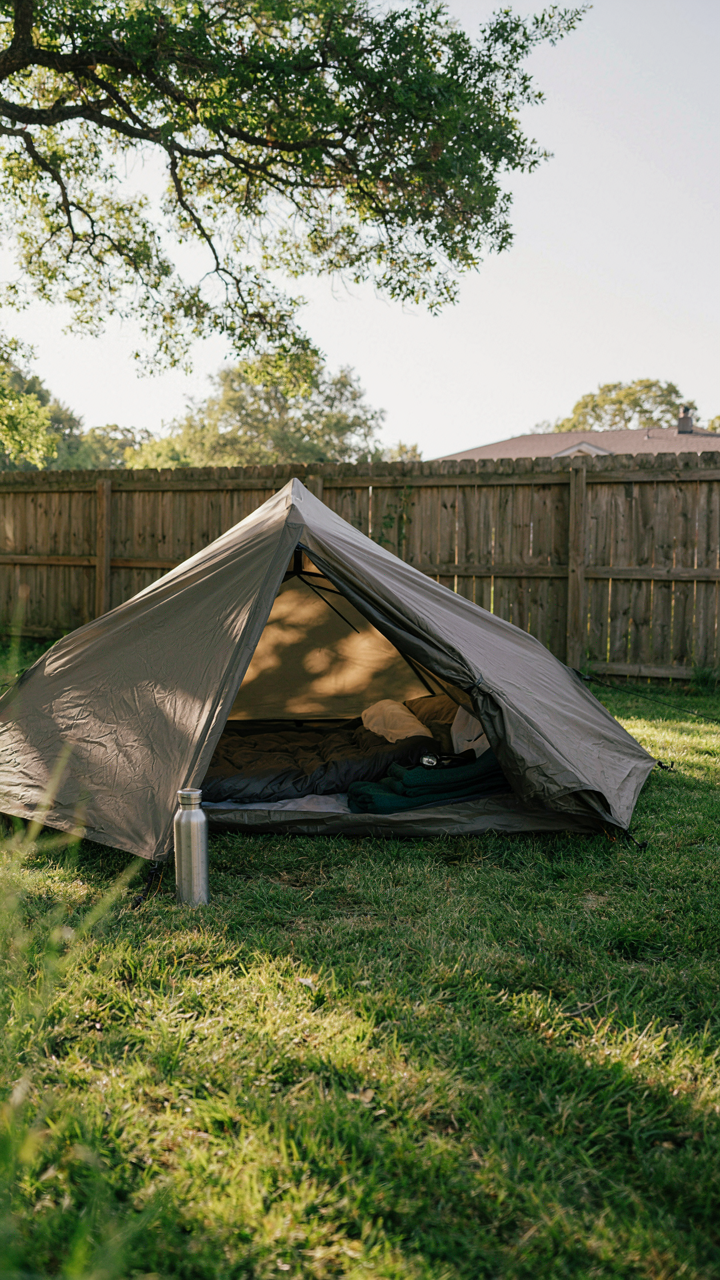
Luxury Through Subtraction

You want to feel rich without spending like it. That’s the real driver here, and there’s nothing wrong with naming it. The mechanism is simple: constraint forces intentionality. A minimal tent setup strips away distraction and noise, leaving only what creates actual experience. You’re not paying for square footage or amenities you’ll never use. You’re paying for the specific sensations of being outside without the friction of hotels or campgrounds.
Austerity isn’t deprivation when you design it deliberately. A quality canvas bell tent or a basic dome frame with weatherproof fabric becomes a vessel for presence rather than a storage unit for gear. The fewer things you bring, the more attention you place on what matters: the sky, the temperature shift at dusk, the sound of wind on fabric. This is economics applied to experience design. You maximize sensation per dollar by eliminating everything that dilutes it.
The Weight Of Empty Space
What people get wrong about minimalism is thinking it’s about suffering. It’s actually the opposite: suffering comes from managing too many things. A cluttered tent creates cognitive load before you even lie down. Your brain works to process the visual field, the decisions about where things go, the minor discomforts of crowding. Remove that friction and something shifts neurologically. You settle faster. Your parasympathetic nervous system activates sooner because there are fewer stimuli demanding categorization.
The freedom isn’t philosophical—it’s mechanical. Fewer objects mean fewer anchor points for anxiety. You can’t lose what you didn’t bring. You can’t trip over what isn’t there. You can’t overthink setup because there’s nothing to overthink. A quality tent, sleeping pad, and blanket require maybe fifteen minutes to arrange. Then you’re done. The mental space you’ve freed up becomes available for actual rest, observation, or conversation. This is the only real luxury at play: the absence of small decisions that drain your attention before the weekend even starts.
The Post Glamp Integration: Sustaining The “Reset” State

What You Actually Learned Out There

You’re hoping the weekend sticks with you, that you’ll finally change something about how you live. That’s the real fear underneath this section. Here’s what actually happens: your nervous system downshifted in the glamping setup because you removed friction from basic functions. You weren’t managing notifications, commuting, or climate control. Sleep came easier. Digestion improved. This wasn’t magic—it was subtraction.
The mechanism is straightforward. In neurology, they call it the “polyvagal response”—your parasympathetic nervous system activates when threats disappear. Backyard glamping removes enough threats (no work notifications reaching the tent, no schedule pressure, no climate fighting) that your body finally optimizes normally. Document what was actually different: bedtime, temperature, light exposure, conversation depth, meal timing. Write these down while you’re still there, not from memory three days later.
Friction As Your Only Real Ally
Everyone tells you to “maintain the feeling” or “remember what you experienced.” Useless advice. You won’t remember. You’ll remember an emotion, not a mechanism. What you need is friction in the right direction. The glamping setup worked because it removed bad friction while adding good friction—walking to use the bathroom, manually adjusting the heater, having one charging point instead of twelve.
Reintroduce this friction immediately. Delete the email app from your phone for the first four days back. Set your thermostat two degrees lower than comfortable. Establish one charging station in your home instead of spreading outlets everywhere. Buy a bed alarm that mimics the natural light fade you experienced in the tent. These aren’t lifestyle changes—they’re structural replacements. The system does the work, not your willpower.
The Only Thing Limiting Your Escape Is Your Internal Operating System

Most people won’t build a glamping setup because they’re waiting for permission they’ll never get. The real barrier isn’t money or space. It’s the belief that you need to earn rest first. Stop negotiating with yourself. Pick one weekend this month and buy the tent. Your nervous system doesn’t care about perfect execution. It only cares that you finally showed up for yourself.