Why Your Current Tent Setup Guarantees Bad Sleep (It’s Not The Tent)
The Real Reason You Sleep Poorly Outdoors
You think a better tent will fix this. It won’t. You’re hoping gear solves a problem that starts with how you’ve arranged the space inside it. The mechanism here is simple: your body regulates sleep through thermal stratification, the layering of temperature zones. In a tent bed setup, you either create these zones intentionally or you let convection and ground radiation destroy your core temperature stability all night.
Most advice tells you to buy an expensive sleeping bag. That’s incomplete. A sleeping bag alone can’t overcome a bed platform that sits directly on cold ground or a pillow arrangement that channels air drafts across your head. The real variable isn’t insulation rating, it’s how you’ve positioned your body relative to heat loss vectors. Cold air finds the path of least resistance. Your setup either blocks those paths or invites them.
The Unseen Forces Killing Your Rest
Thermal mass and moisture are the two forces everyone ignores. Ground acts as a thermal sink, drawing heat from anything touching it through direct contact. A sleeping pad rated R5 still transfers energy downward because you’re creating a temperature gradient. That gradient pulls heat from your body continuously. The second force is convection inside an enclosed space. Air moves. It finds every gap between your body and fabric barriers, and it strips warmth away in predictable patterns you can measure.
Stop blaming the tent fabric or the weather. Your sleep fails because you haven’t isolated your sleeping surface from ground temperature or because air movement inside the tent bed follows physics you haven’t accounted for. You control both variables through bed platform design and barrier placement. The fix requires understanding that a tent bed isn’t just a mattress in a bag, it’s a thermal isolation system that either functions or fails based on material choices and arrangement. Measure ground temperature where you sleep. Place your hand two inches above your pillow and feel the air current. That’s your setup speaking to you.
The “Cozy Camping” Illusion: What Marketers Won’t Tell You
What Gear Companies Actually Sell You

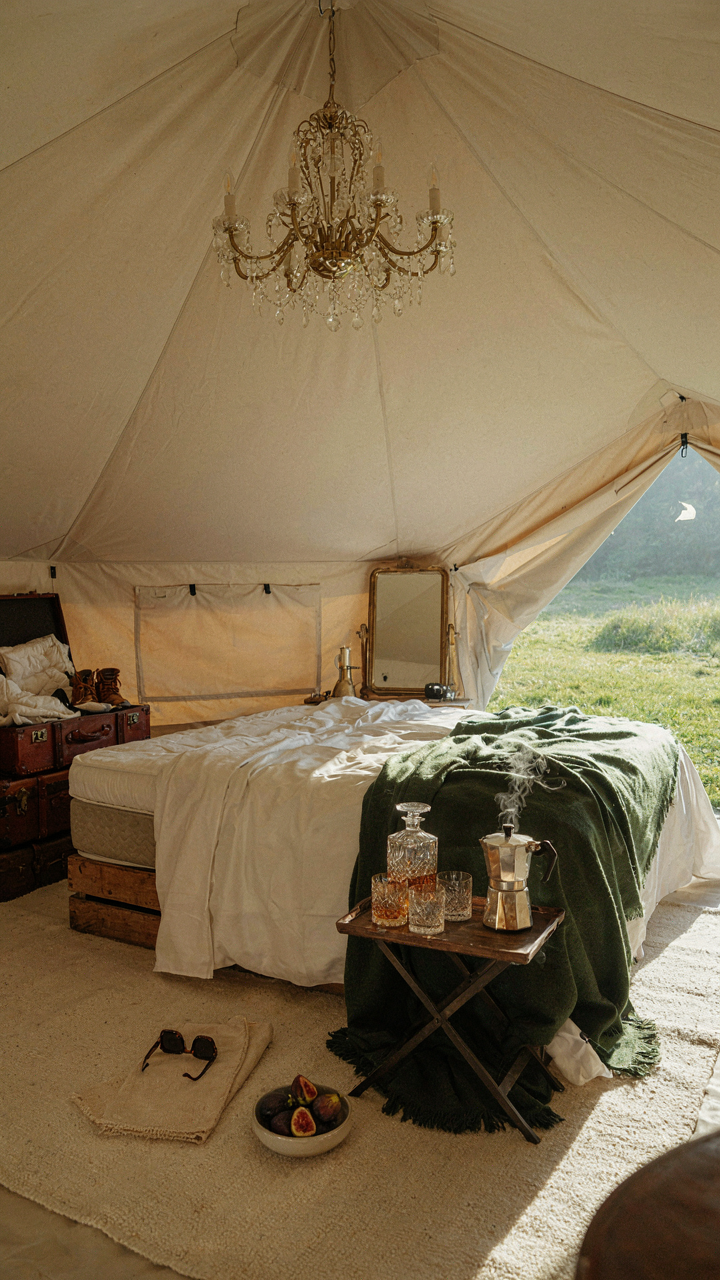
You want to believe a $300 sleeping pad and Egyptian cotton sheets will make you sleep like you’re home. That’s the real reason you’re reading this. But gear marketing exploits a gap between comfort sensation and actual sleep mechanics. Companies show Instagram photos of perfectly styled tent interiors because aesthetics sell. Sleep quality doesn’t photograph. The industry conflates visual coziness with physiological rest, and you pay the markup for the difference.
The mechanism is simple: your nervous system cares about three things during sleep—temperature regulation, pressure distribution, and micromovement reduction. It doesn’t care about thread count or color coordination. A $40 foam pad that manages heat and pressure outperforms a $300 luxury pad that looks better in photos but traps moisture or creates dead spots. Marketing inverts the priority chain. It leads with beauty, buries function in spec sheets, and banks on you never testing the actual claim.
Stripping Away Status From Setup Decisions
Function beats aesthetics in a tent because your body has no status anxiety. You will not sleep better because your bedding matches your tent color or cost more than your car payment. This isn’t advice. It’s physics. When your core temperature drops two degrees or pressure points activate nerve clusters in your hips, your brain doesn’t check the brand tag. It wakes you up.
The real setup decision tree removes all aesthetic inputs. Start with insulation value appropriate to your climate. Add pressure distribution that keeps your spine neutral. Manage moisture so you don’t wake in a damp microclimate. Test each component in your actual sleeping position for at least three nights before committing. The gear that survives this filter looks less impressive on social media but delivers measurable sleep depth and duration. That’s your only metric that matters.
The Nest Bed Ideas Protocol: Engineering Your Sleep Chamber

How Animals Build Beds That Actually Work

You want to feel like you’ve cracked some secret code. The real mechanism is simple: animals don’t overthink insulation placement. They layer materials by density and air trap capacity, then nest them in descending order. Biology calls this stratification. In tent bed setup, stratification means your ground layer stops convective heat loss, your middle layer traps dead air, and your top layer regulates moisture. Most people buy a sleeping bag and call it done. That’s incomplete. Your bed system is a heat engine. Run it like one.
Birds compress materials progressively tighter toward their body, leaving airflow channels on the perimeter. Mammals dig down to reduce surface exposure. Neither strategy works if you stack everything randomly. Replicate the pattern: compress your base layer firmly to eliminate ground contact, create a buffer zone with loft in your middle layers, and position your insulation so air can’t convect sideways. Dense materials go down. Lofty materials go up. Test your setup before committing to a multiday trip. Temperature drop at night will expose every gap in your architecture.
Insulation And Airflow As Opposing Forces
The common advice treats insulation and airflow as separate problems. They’re not. Thermodynamics treats them as competing demands on the same space. Your goal isn’t maximum insulation or perfect ventilation. Your goal is controlling where heat loss happens. Ground contact kills more sleepers than cold air. Address it first with a closed-cell foam pad, minimum half-inch thickness, under your entire body. This stops conduction. Your sleeping bag then handles convection and radiation above.
Airflow matters only when moisture builds. Wet insulation fails catastrophically. Create one vent channel by tilting your upper sleeping layers slightly off your torso, allowing humid exhale to escape without flooding your bag. Don’t fully ventilate your bed in cold conditions. That kills the heat pocket. In warm conditions, open your bag’s foot box and let air move through. The mechanism is moisture management, not air circulation for its own sake. Monitor your bag’s interior. Condensation means you need to adjust your layer positioning or add external ventilation near the tent’s upper walls.
Beyond “How To Make A Fort On A Bed”: The Structural Integrity Method

Where Weight Actually Goes

You want this to work because a collapsed tent bed means a wasted night and the creeping suspicion you don’t know what you’re doing. Here’s the mechanism: weight distributes along the path of least resistance, which means it flows toward your lowest support points. Your tent bed fails not because the fabric tears, but because you’ve created a single point of failure by concentrating load in one area instead of spreading it across multiple contact zones. Think of it like a suspension bridge—the cables don’t fail from the weight of traffic; they fail when that weight channels into one cable instead of dispersing across the entire cable network.
Your sleeping position, your body weight, and gravity don’t care about your intentions. They care only about geometry. A tent bed that sags in the middle has abandoned load distribution entirely. The frame bends because the tension pulling it apart exceeds the compression strength of the material holding it up. You prevent this by understanding that every support pole, every tie point, and every angle in your setup either distributes force or concentrates it. The poles must remain vertical or near-vertical; the more they angle inward, the harder they compress and the faster they fail.
Tension Versus Compression: The Real Trade Off
Physics splits structural forces into two categories: tension pulls things apart, compression squeezes them together. Your tent bed fabric experiences both simultaneously, and most people ignore this entirely because they think fabric is just “there.” It isn’t. The fabric under tension resists being pulled; the frame under compression resists being squeezed. If you overtighten your fabric without proper frame support, the frame collapses first. If you undertighten it, the fabric sags and creates compression peaks the frame can’t handle.
The solution is symmetry with purpose. Equal tension on all sides of the bed frame means forces balance rather than stack. Unequal tension creates a shear line—a diagonal plane where compression and tension fight each other. This is where fabric tears and joints fail. Use corner anchors that hold the same tension value, measure them during setup, and adjust until the fabric lies flat under no load. Then add weight gradually to identify where the system actually breaks before you’re sleeping in it.
The Unspoken Truth About “Indoor Tents” And Outdoor Performance

What Your Bedroom Actually Teaches You

You want outdoor sleep to feel like home because home is predictable and you control it. Here’s the mechanism: your bedroom works because it regulates three variables simultaneously—temperature, moisture, and pressure differential. The walls trap heat. The roof blocks wind. The floor isolates you from ground cold. Outdoors, you get none of this passively. You have to engineer it manually.
Most tent bed advice imports indoor logic directly into the field without accounting for the fact that a tent is not a room. A room has mass. A tent has fabric. A room’s thermal performance comes from structural inertia. A tent’s comes from dead air pockets and vapor pressure management. These are fundamentally different problems requiring different solutions. Your sleeping system must become the room—not the tent.
Stacking Insulation Against What Actually Kills Sleep
Wind chill, ground cold, and condensation ruin outdoor sleep far more than air temperature does. Standard advice says “bring a sleeping bag,” as if one layer does the work. It doesn’t. You need stratification. Underneath you need a barrier between your body and the earth’s thermal sink—a pad, not just a blanket. Above you need trapping and reflection, not just coverage. The sleeping bag alone is the middle layer doing almost nothing by itself.
The order matters mechanically. Ground pad first—this interrupts the conduction path that pulls heat from your core into the earth. Sleeping bag second—this creates dead air that your own body heat can warm. Blanket or quilt third—this reflects radiant heat back down and blocks convective heat loss from wind leakage. Sleeping bag alone skips the ground isolation and relies on the tent’s dead air, which is unreliable. Stack the layers, control each variable separately, sleep soundly.
The Minimalist “Tent Bed” Approach: Less Gear, More Sleep
What Actually Matters In Your Setup

You want permission to buy less and feel like you’re still optimizing. Here’s the mechanism: your sleep quality depends on three variables—insulation from ground, surface comfort, and thermal regulation. Everything else is noise. Most people conflate “more gear” with “better sleep” because gear is visible and tangible. It isn’t. A $400 sleeping pad paired with a $20 foam sheet outperforms a $800 pad alone because the foam adds an insulating air gap the expensive pad can’t replicate alone.
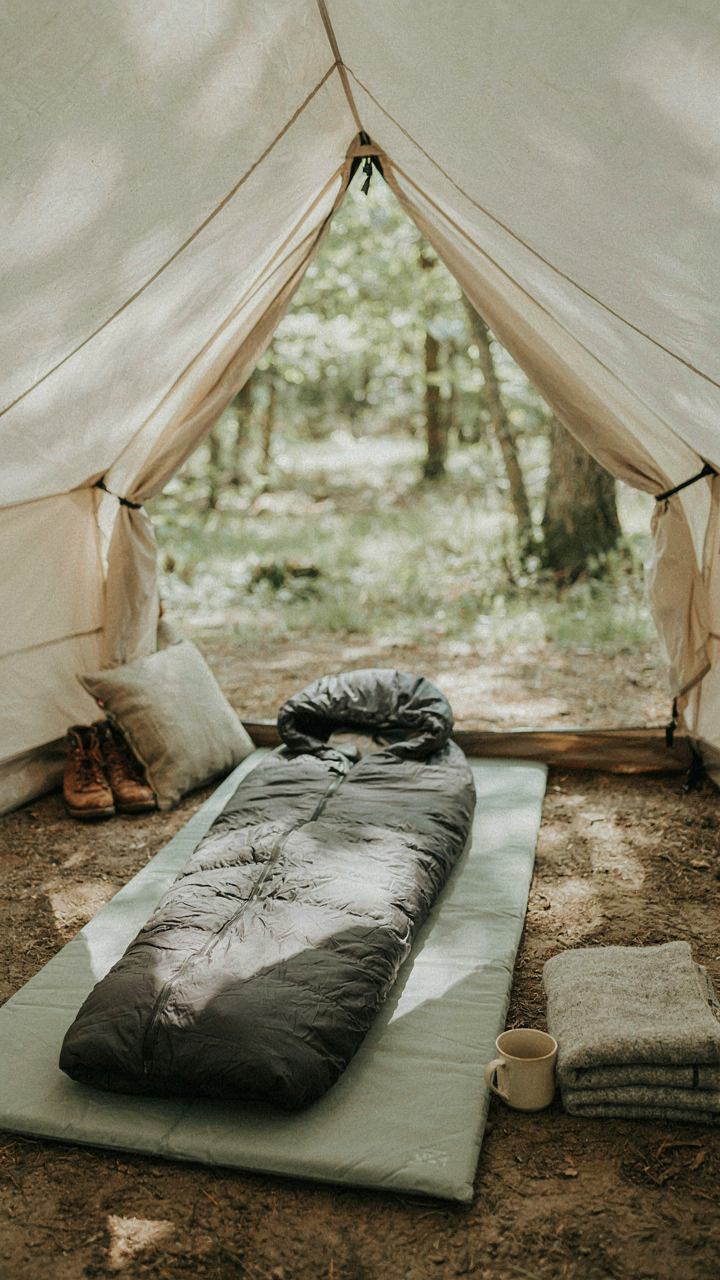
The essential pieces solve specific problems. Insulation stops ground cold from pulling heat from your body. A sleeping bag handles ambient air temperature. A pad handles conductive heat loss. A pillow fixes neck alignment so you don’t wake with tension. Everything beyond this—fancy stuff sacks, inflatable pillows, blanket liners—trades complexity for marginal gains. Strip down to what addresses a real problem, and you sleep better because your rig takes three minutes to deploy instead of fifteen.
Core Essentials Vs Everything Else
- Sleeping Pad: Handles ground insulation and R-value matching to season. Foam or inflatable both work if R-value is correct for ground temperature.
- Sleeping Bag: Manages air temperature and moisture. Rated temperature guides selection, but bag shape and draft collar matter more than brand.
- Pillow or Head Support: Maintains cervical spine alignment. Compressed clothing, a small foam wedge, or a pillow all work equally well if height matches your shoulder width.
- Ground Sheet or Footprint: Protects pad from abrasion and moisture. A simple tarp or purpose-built footprint extends pad lifespan by preventing punctures.
- Sleeping System Bag: Optional protective layer. Reduces pad wear and simplifies storage but adds weight and setup steps unnecessarily for most trips.
Superfluous gear creates decision fatigue and setup drag. Blanket liners add weight for minor temperature gains a better-rated bag solves. Inflatable pillows take space and fail at altitude. Sleeping pad toppers duplicate insulation already in your pad. The minimalist shift means identifying what solves a real physiological problem versus what solves an anxiety problem. Setup time drops when you stop managing accessories.
Speed Through Ruthless Elimination
Efficiency in tent bed setup works like logistics: remove steps that don’t change the outcome. Each piece of gear costs you three things—weight, setup time, and decision points when something fails. Lay your sleeping pad down first. Unroll your sleeping bag. Place your pillow. Done. That’s the protocol. No stuff sack arrangement, no blanket layering strategy, no compression ranking. You’re not preparing for a catalog photoshoot.
Practice this exact sequence twice in your yard before the trip. You’ll know your exact setup time and spot problems with dimensions or fit. When you’re tired at elevation, muscle memory replaces thinking. You hit your tent, deploy your system in under two minutes, and sleep instead of fiddling. That’s the real edge minimalism provides.
Cozy Tent Setup Is A Lie: It’s About Strategic Discomfort

The Ground Is Your Opponent, Not Your Bed
You want comfort because you’re afraid a bad night outside means you’ve failed at this. Wrong frame. The real mechanism comes from biology: thermal regulation. Your body loses heat to cold ground faster than cold air. A thin sleeping pad doesn’t trap you in softness—it breaks the conduction pathway between your body and earth. That’s the entire game. Everything else is decoration.
Most tent bed advice treats padding like a luxury. It’s not. Ground contact pulls core temperature down in ways air temperature alone never does. A foam pad under your sleeping bag isn’t cozy—it’s a thermal barrier you need to function. Without it, your bag compresses under your weight and loses insulation value. The pad does the actual work. Your sleeping bag just helps after the pad already won.
Controlled Exposure Builds Better Sleep Adaptation
Comfort-seeking outdoors backfires. Your body adapts to what you expose it to, and if you pad every surface and control every variable, you stay fragile. Better approach: remove one comfort variable at a time and let your nervous system recalibrate. A harder surface builds tolerance. Cooler air without extra blankets triggers metabolic adaptation. These aren’t punishments—they’re training signals.
Tent bed setup that works long-term involves deliberate toughness early. Start with a basic foam pad instead of an inflatable. Sleep in a lighter bag for the season rather than oversizing. Skip the pillow once a week. Your body stops panicking about minor cold and learns to self-regulate. After two weeks, what felt unbearable becomes baseline. The mechanism: your parasympathetic nervous system recognizes the environment as safe-but-challenging, not safe-and-controlled. That shift is what produces deep sleep, not thread count.

“Cute Bedroom Ideas” Vs. The Cold, Hard Reality Of Outdoor Sleep

Survival Comes Before Instagram
You want your tent bed to look intentional because you’re afraid it won’t feel that way. Here’s the mechanism: your brain reads comfort as a signal of control, and control feels like status. But outdoor sleep isn’t a design problem. It’s a thermal and pressure problem. The moment you prioritize aesthetics over those two variables, your core temperature drops and your hips ache at 3 AM. Neither looks good in a photo.
Outdoor sleep operates like thermodynamic systems in physics: energy moves from hot to cold until equilibrium. Your body is the heat source. The ground is the cold sink. Everything between them either stops that transfer or accelerates it. A decorative blanket draped over your sleeping system looks curated. An insulation layer rated for the temperature you’re actually sleeping in works. Pick one.
Form Follows Function, Or You Don’t Sleep
The common advice says “set up your tent bed however feels comfortable.” That’s incomplete. Comfort is the symptom, not the cause. The cause is load distribution and insulation continuity. Your sleeping pad must support your body weight without compressing under pressure points, and it must create an air gap between you and the ground that traps warmth. A pretty arrangement of pillows and blankets collapses that gap.
Build your tent bed setup to solve for heat retention and pressure relief first. Lay your insulated sleeping pad on a ground tarp to prevent moisture wicking from below. Position your sleeping bag on top with the zipper facing away from wind direction. Prop your head on an inflatable pillow sized to your shoulder width, not your aesthetic preference. The system works because each component addresses a specific failure mode, not because it matches an image you found.

The Only “Tent In Bedroom” Principle That Matters Outdoors
Ground Insulation Is Your Real Opponent
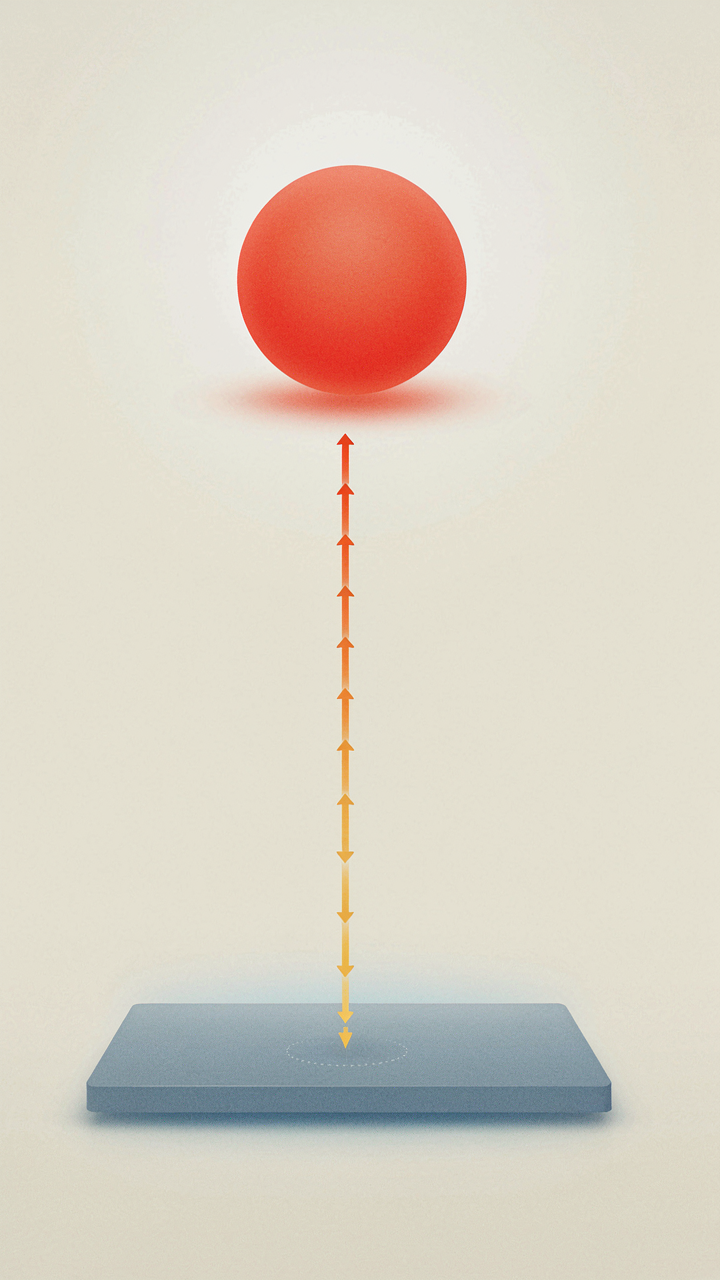
You want to believe a good sleeping bag fixes everything. It doesn’t. The ground steals heat faster than air ever will because it conducts temperature away from your body with relentless efficiency. Physics calls this conduction, and your tent bed setup either blocks it or fails. The sleeping bag protects you from convection and radiation, but the ground works underneath, pulling warmth straight through the bag’s bottom. Most people obsess over bag ratings and ignore the mechanism that matters most.
A closed-cell foam pad or inflatable mattress creates dead air space between you and the earth. Dead air doesn’t conduct heat. Your sleeping bag’s insulation rating becomes meaningful only when you’ve stopped the ground from stealing it first. Lay bare ground or a thin tarp and you lose 40 to 50 percent of your bag’s claimed warmth before the bag does any work. Put a quality pad between you and that ground and the math flips.
Layering Your Barriers For Real Warmth
Thermal efficiency isn’t magic. It’s stacking resistances in series. Sleeping bags rank by R-value. Pads rank by R-value. Together they add. Put a 2.0 R-value bag on a 1.0 R-value pad and you get closer to 3.0 than either alone. The common advice skips this entirely, focusing only on bag insulation as if it exists in isolation. It doesn’t.
Start with a closed-cell foam pad on the tent floor. Add an inflatable pad on top if you need more warmth or cushioning. Your sleeping bag goes on top of both. This layering approach works because each barrier stops a different heat loss vector. The foam handles ground conduction. The inflatable adds cushioning and traps air. The bag handles the rest. Measure your tent floor length, buy a pad that covers it fully, and position your sleeping setup so every part of your body sits on insulation, not directly on the tent floor material.
The Real Obstacle Isn’t The Tent, It’s Your Flimsy Expectation Of Comfort

You’re not failing at tent bed setup. You’re failing because you expect a tent to feel like your bedroom. Stop that. The discomfort you feel isn’t a problem to solve with more gear. It’s a signal your body needs to adapt. Your mattress, your pillow, your sleeping bag—they’re tools, not crutches. Spend one night prioritizing a proper base layer and correct inflation pressure. That’s it. Everything else you buy won’t matter until you stop resisting the ground beneath you.