The Mediterranean Illusion: Why Your “Authentic” Party Falls Flat
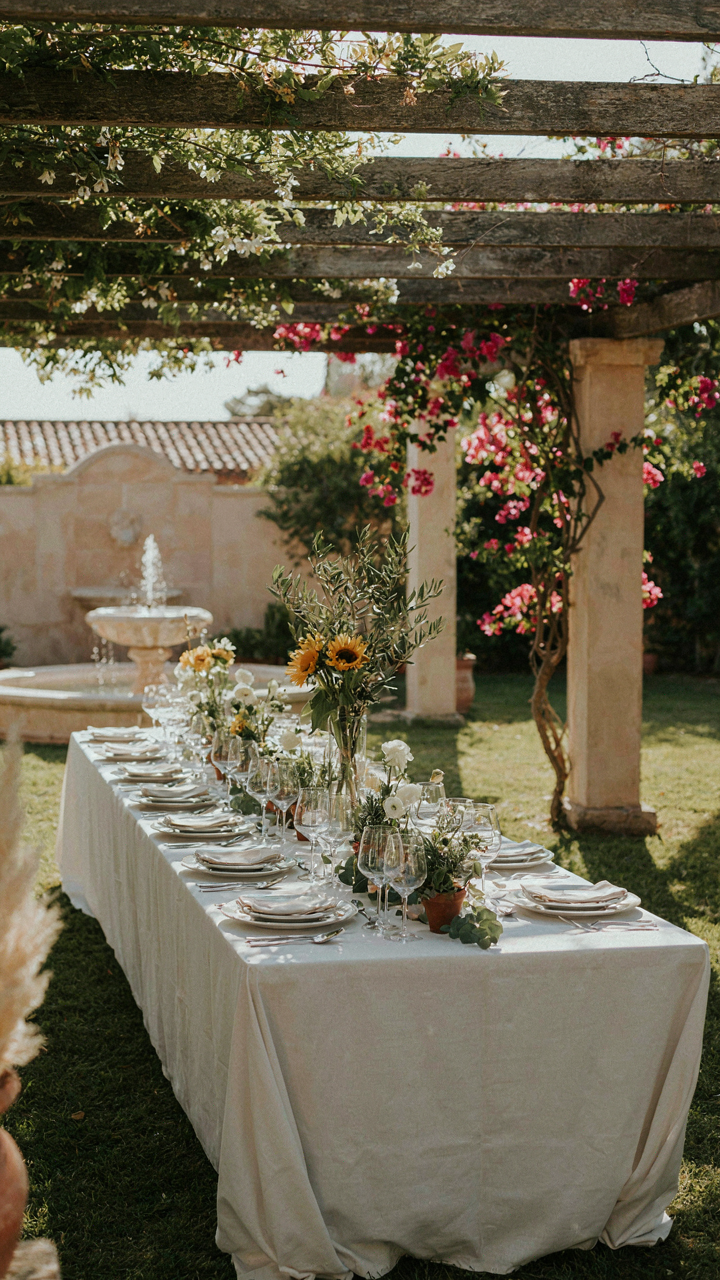
What Instagram Sold You Instead Of A Party
You want people to think you have taste without having to prove it through work. That’s the real reason this section matters to you. Most Mediterranean garden party advice mistakes decoration for atmosphere. Throw down some lemon centerpieces, hang olive branches overhead, serve wine in mason jars, and call it done. The result feels like you copied a styling shoot rather than hosted something real. The gap between what you assembled and what people actually experience is where most parties die.
The mechanism here is borrowed from retail psychology: visual staging creates expectation, but expectation without delivery breeds disappointment. You’ve set up the visual signal of “Mediterranean” without establishing the operating conditions that make the signal believable. A lemon and olive branch arrangement screams “I know style,” but if the pacing, conversation flow, and sensory experience don’t match, guests register cognitive dissonance. They sense the gap between the aesthetic promise and the social reality, and they go quiet.
The Vibe Lives In Rhythm, Not Decoration
Mediterranean garden parties work because of how time moves through them, not because of what fills the space. The traditional structure across Greece, Spain, and Italy centers on extended eating cycles interrupted by movement and conversation shifts. Long tables break up into clusters. Wine refills trigger standing and regrouping. Courses arrive spaced out, not stacked. This rhythm pulls people into participation rather than observation. They move with purpose, not awkwardly between Instagram photo ops.
The concrete mechanism: build your party around three distinct time blocks separated by 20 to 25 minute intervals. First block is arrival and aperitivo, standing, minimal seating. Second block is first course or shared plates, seated or semi-seated. Third block is main food and wine, people moving freely between table and garden. Each transition resets the social dynamic and prevents the dead energy that kills most garden parties. Structure the timing first, then place the lemons and branches to support that rhythm.
The Scarcity Principle: Intentional Abundance On A Budget
Work With What Your Region Grows

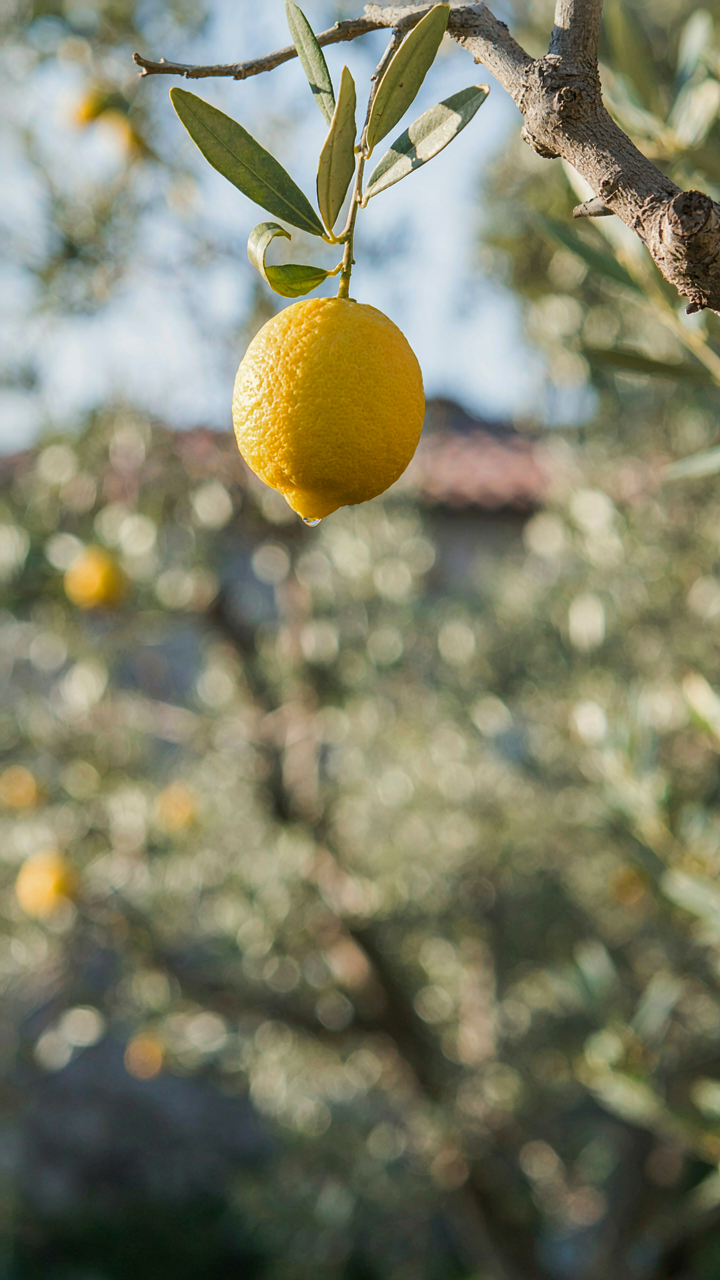
You want this to feel effortless and expensive without actually spending money. Here’s the mechanism: economics calls this “comparative advantage,” and it applies directly to mediterranean garden parties. Your region already produces what thrives there. Use it instead of fighting the climate to source exotic materials.
Lemons and olive branches aren’t decorative choices. They’re the output of local agriculture. A lemon tree produces hundreds of fruits yearly. Olive groves generate branches during winter pruning. Both materials cost next to nothing if you source them directly from growers or your own land. This is not about being cheap. It’s about using abundance that already exists in your physical location rather than importing scarcity.
Constraint Forces Better Design Choices
The common advice says “more is better” for parties. That’s wrong. Constraint creates clarity. When you limit yourself to lemons, olive branches, and basic linens, you stop making lazy decisions and start making intentional ones.
A table with fifty scattered elements reads as cluttered. A table with five lemons spaced deliberately reads as composed. The eye moves where the designer wants it. Mediterranean design works because it respects negative space. Abundance comes from arrangement, not quantity. Your job becomes placement and rhythm, not accumulation. This shift forces you to understand the actual function of each element before you add it.
The Sensory Blueprint: Engaging More Than Just The Eyes

Aromas That Signal Status Without Speaking

You want your guests to walk in and immediately know they’re somewhere deliberate. That’s the real mechanism at play. Neuroscience calls this olfactory priming—the brain processes scent before conscious thought, which means smell shapes perception faster than any visual element. Mediterranean gardens naturally produce this: rosemary, oregano, and thyme release volatile compounds when brushed or warmed by sun. Lemon trees amplify this effect. The citrus top notes don’t just smell pleasant. They signal cultivation and intentionality to anyone standing in the space.
Placement matters more than abundance. Herb clusters near seating areas work better than scattered plantings. Crush a few leaves of rosemary on a side table or near the entry point. Light a single citrus-scented candle if fresh trees aren’t available, but fresh always outperforms synthetic. The goal is subtle saturation, not overwhelming fragrance. Your guests should notice the scent exists without being able to pinpoint its source. This creates the subconscious impression that the environment itself is naturally refined.
Textures That Make People Linger
Raw materials trigger tactile memory before people realize they’re experiencing it. Mediterranean design uses terracotta, untreated wood, linen, and stone because these materials have genuine friction and weight. They’re not smooth or uniform. Terracotta pots feel different in your hand than plastic. Linen napkins have natural irregularity in weave. Wood has grain variation. These imperfections are the point. They communicate authenticity and resist the mass-produced feeling that kills atmosphere.
Set tables with undyed or cream linen. Use terracotta planters and wooden serving boards without finish. Leave stone surfaces exposed rather than sealed. These choices compound across the space. When guests touch a linen edge, sit in a wooden chair, or rest their hand on a terracotta rim, the material itself reinforces the experience you’ve built. The sensory input accumulates and becomes the story of the event. Texture is what separates a themed party from an actual Mediterranean environment.
The Unhurried Feast: Italian Dinner Party & Tuscan Dinner Party Principles
The Pacing That Keeps People Seated

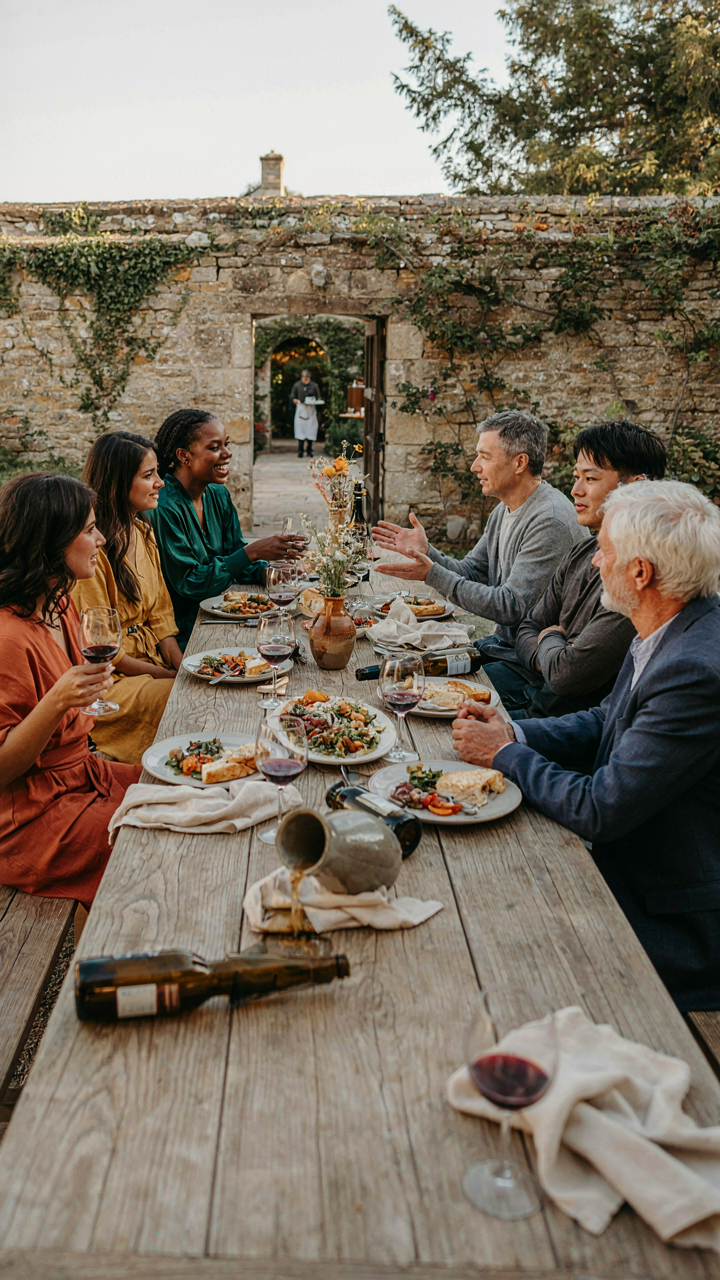
You want them to stay longer because lingering guests signal status and abundance. Here’s the mechanism: rhythm is borrowed from music theory, and a dinner party follows tempo like a composition follows time signature. Italians don’t stack courses randomly. They space them to let conversation rebuild between eating and digestion. Antipasti arrive, people eat standing or at small tables. Then a break. Then primi. Another pause. Secondi follows only after the room has actually talked itself out. Each course acts as a reset button for group energy instead of a fuel dump that flatlines conversation after twenty minutes.
The practical structure works because biology demands it. Your body processes food. Your attention span recovers. The host who ignores this paces like someone who doesn’t understand their own guests. Serve everything at once and you’ve killed the party before dessert arrives. Stretch it across two to three hours with genuine gaps between plates, and people forget they have anywhere else to be. The lemons and olive branches you’ve deployed stay in view the entire time, which means your garden stays the focal point of the event instead of the food becoming the only reason to pay attention.
Restraint In What You Show
The common advice says make everything look abundant and impressive. That’s backward. Tuscan table design strips away decoration to force focus onto what actually matters: the ingredients and the person across from you. A single lemon, cut in half and placed beside three olives on white ceramic, reads as intentional. Six lemons in a stacked pyramid with coordinated linens reads as trying. Simplicity is a filter that separates real taste from performance. When you remove the noise, what remains has to be genuine. Subpar olive oil becomes obvious. Mediocre bread gets exposed. The quality of the conversation becomes undeniable.
This is why Tuscan tables historically used white or off-white linens instead of patterns. Why centerpieces stay low. Why you don’t rotate through multiple tablescapes or swap decorations between courses. One olive branch per table section. Consistent lighting. Consistent vessels. The constraint forces excellence in what you can’t hide. Your guests notice better wine because nothing else distracts them. They taste bread more clearly when the plate underneath doesn’t compete for attention. Build your mediterranean garden party around what you can defend, not what you can display.
Outdoor Table Setting Ideas: The Anti Instagram Tablescape
Surfaces That Work Instead Of Perform

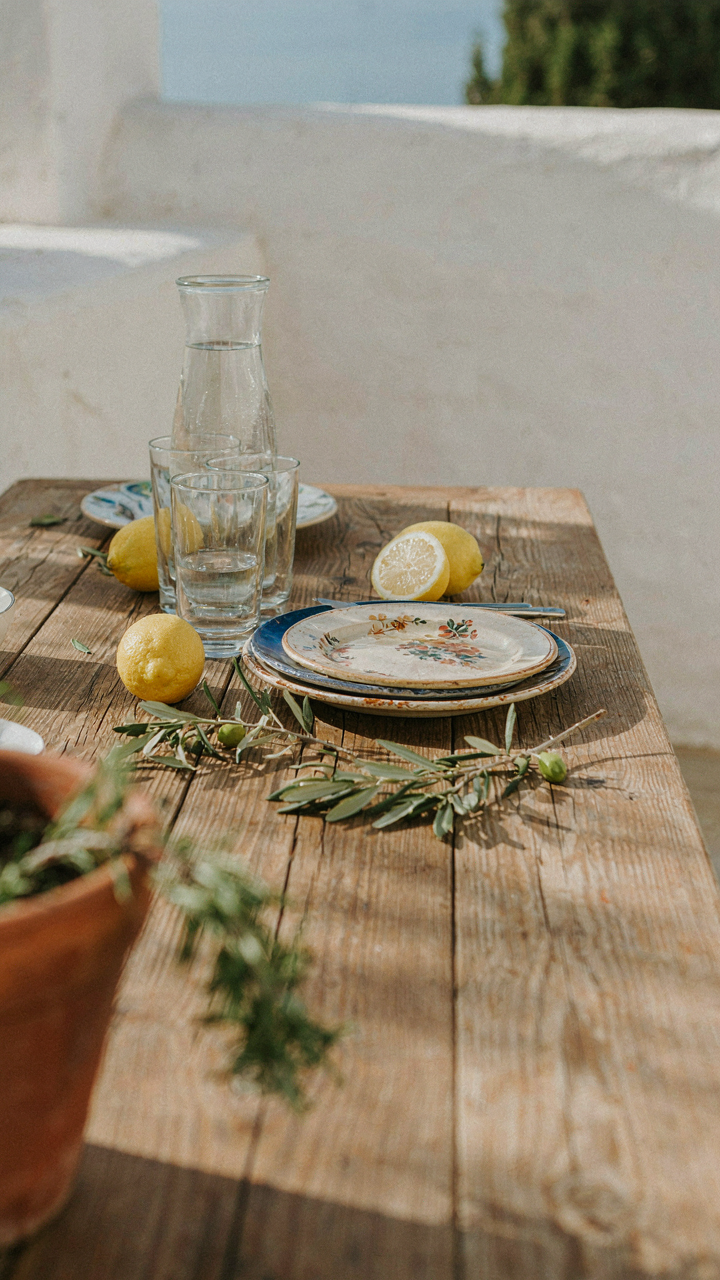
You want people to think you didn’t try. That’s the real fear driving tablescape obsession, and it’s backwards. Function beats aesthetics every time at a Mediterranean garden party because the setting has to survive actual use: heat, movement, food, wine, conversation that lasts hours. Start with a table surface that doesn’t demand perfection. Weathered wood, stone, or aged concrete telegraph authenticity because they hide wear naturally. A pristine white linen demands constant adjustment; a terracotta or olive-toned runner hides what actually happens.
Anchor the table with materials that age visibly instead of deteriorate. Mediterranean design emerged from necessity, not Instagram, which means every element had to justify its presence through durability and function. Linen that wrinkles tells the truth of outdoor dining. Olive branches in glass or ceramic vessels stay put through wind. Lemons scattered along the table centerline don’t require floral arranging skills, they generate conversation because guests recognize them as food, not decoration. The mechanism is simple: remove the pressure to maintain appearance, and the table becomes more inviting, not less.
Letting Imperfection Signal Confidence
The design world calls this “wabi sabi,” borrowed from Japanese aesthetics, but Mediterranean culture understood it centuries before Instagram made minimalism trendy. Wabi sabi values transience and incompleteness as markers of authenticity. A chipped ceramic pitcher, mismatched glassware from different eras, a linen napkin that doesn’t lie perfectly flat, these communicate that the host values gathering over staging. Most tablescape advice tells you to curate everything. Ignore that.
Broken or aged elements work better than new ones because they require no explanation. A scratched wooden table surface, faded linens, terracotta with mineral deposits from years of outdoor use, these create visual coherence through honest deterioration. The action step: source one or two genuinely old or worn pieces for your table, not reproductions designed to look aged. Use them prominently. The imperfection becomes the focal point that makes everything else feel intentional instead of anxious. This is how you stop guests from evaluating your execution and start them experiencing the meal.
The Ecosystem Of Engagement: Cultivating Connection
When Strangers Actually Talk To Each Other

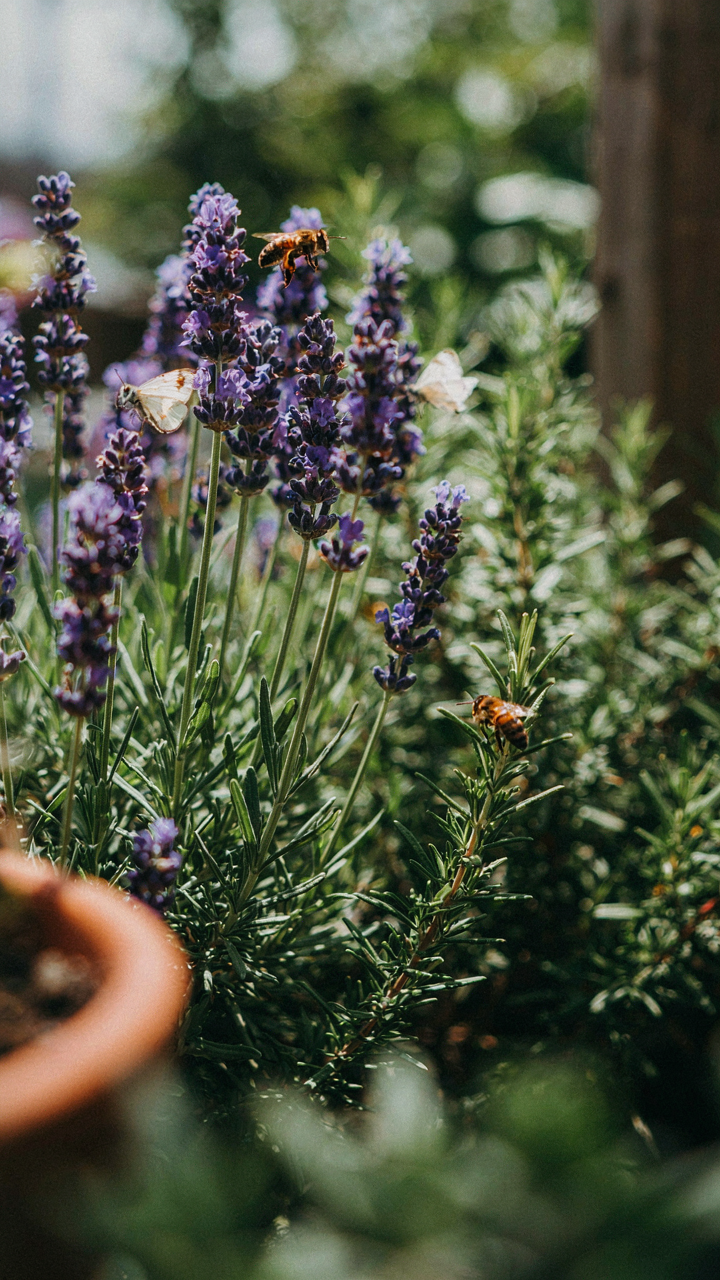
You want people mingling because isolation kills the vibe you paid for. Biology calls this symbiosis: two organisms occupying the same space while each gains something useful. At a mediterranean garden party, symbiosis means guests circulating through zones where lemon trees, olive branches, and strategic seating force them into proximity without feeling forced. The mechanism is constraint. Remove choice and people interact.
Mediterranean gardens exploit scale naturally. A space divided by planted rows, pergolas, or terraced levels means guests physically move between areas. Movement creates collision. Collision creates conversation. The lemon tree isn’t decoration—it’s a waypoint that interrupts guests mid-stride and plants them near someone different. This beats open lawns where clusters calcify and outsiders stay outside.
Distinct Spaces, Different Talk
The advice to “create conversation areas” is lazy. Everyone says it. Nobody explains why it works or how to size it correctly. Real conversation zones operate like ecological niches: each supports a specific type of interaction based on its physical properties. A tight corner by olive branches encourages intimate two-person talk. A wider opening near the main path supports group banter. A low-seating area by lemon plantings becomes a sit-down zone for longer discussions.
Your job is matching zone size to function. A four-foot-wide passage between planted rows forces pairs. A ten-foot clearing invites groups of four to six. A fifteen-foot terrace holds eight to twelve standing. Scale the zone before you place seating or signage. The physical dimensions determine who stops, how long they stay, and whether newcomers feel welcome joining. Measure your space, divide it by planting pattern, then test it with actual movement before the event.
Light & Shadow: Mastering Ambience Beyond String Lights

When Golden Hour Ends

You want this to look effortless, which is why you’re actually terrified of the moment the sun drops and your carefully arranged garden suddenly goes dark. The mechanism here is biological: humans perceive safety and social status through visibility. You control this through intentional light transitions, not panic lighting.
Natural light follows a predictable arc. The golden hour lasts roughly sixty to ninety minutes before sunset, depending on latitude and season. Plan your party timeline around this window. Position guests where they’ll face the light source during peak hours, not away from it. This isn’t aesthetic preference—it’s visual hierarchy. When the sun dips below the horizon line, your candle strategy activates.
- Candles at eye level or below: Place them on tables, steps, or ground level. Light reflected upward creates shadow patterns that read as intentional, not improvised. Avoid overhead candles.
- Grouping in odd numbers: Three or five candles clustered together amplify perceived brightness more than scattered singles. This is perception, not physics—your brain registers concentrated light as brighter.
- Hurricane holders and glass barriers: Wind kills candles and kills your credibility. Glass protects the flame and extends burn time by hours. Non-negotiable for outdoor settings.
- Candle placement timing: Light candles twenty minutes before sunset, not at dusk. This gives your eyes time to adjust while natural light still dominates, creating layered illumination instead of a sudden switch.
- Lemon and olive branch positioning: Place these near candles. The warm light catches the waxy surface of lemons and highlights the silvery undersides of olive leaves. This multiplies perceived light without adding more sources.
The real move: your garden’s existing architecture becomes your lighting strategy. Mediterranean gardens use vertical elements like walls, pergolas, and trees as light anchors. Candles positioned against these surfaces cast controlled shadows that define space. Stone walls reflect candlelight. This is phase lighting, not decoration.
Depth Through Strategic Darkness
Ambient lighting across an entire garden is a beginner mistake. Restaurants and event designers know this: darkness creates exclusivity, and exclusivity creates perceived value. In a Mediterranean garden party, you manufacture intimacy by controlling where people can see clearly and where they move into shadow.
The mechanism borrows from figure-ground theory in visual design. Your brain separates a bright focal area from surrounding darkness instantly. This focus feels intentional to guests, not abandoned. Create one or two well-lit zones where people naturally congregate. The lemon arrangements and olive branches work best here—illuminated clearly, they become visual anchors. Leave connecting paths dimmer, lit just enough for safe movement. This guides traffic without announcing it.

Drama emerges from contrast, not brightness. A brightly lit seating area surrounded by shadowed garden creates psychological depth that flat, evenly lit spaces cannot match. Guests in shadow looking toward light experience different sensory input than those in it. This difference registers as atmosphere. Position your olive branch displays in semi-darkness where candlelight catches them intermittently as people move. Shadows moving across foliage feel alive. Position one bright focal point—perhaps a table laden with lemon-garnished dishes—where it stands apart from surrounding gloom. This becomes the visual destination, not the garden perimeter.
Mediterranean Garden Wedding: Principles For Memorable Celebrations

Scaling Without Losing The Real Thing
You want this event to feel authentic because you’re terrified it’ll look like a staged hotel ballroom pretending to be Tuscany. Here’s the mechanism: authenticity scales not by adding more stuff, but by ruthlessly eliminating anything that doesn’t belong to the actual culture. A Mediterranean garden wedding works at fifty people or five hundred when every element traces back to how people actually lived and gathered there, not how Americans imagine they did.
The difference between authentic and theatrical comes down to materials and labor. Real Mediterranean gatherings used what grew locally and what hands could prepare. Lemon trees, olive branches, stone tables, bread, wine, local herbs. When you source these elements from actual regional suppliers instead of generic event companies, guests feel the difference instantly. They can’t articulate it, but they sense you didn’t phone this in.
Building For Permanence, Not The Moment
Trends in event design follow the same decay pattern as fashion: they spike, saturate, then date brutally fast. A mediterranean garden party avoids this trap by anchoring itself in elements that have stayed relevant for centuries. The Roman peristyle garden layout, limestone terracing, the use of potted citrus and olive trees as both décor and living architecture, the practice of dining outside under natural light—these aren’t trendy. They’re structural.

The concrete move: design with materials that improve or remain neutral over time instead of materials designed to photograph well once. Aged terracotta holds patina. Stone weathered for years looks better than pristine stone. A lemon tree you plant grows taller and produces more. Olive branches dried and stored properly last for years. Build the event as if you’re creating something people will reference and replicate for a decade, not something they’ll scroll past in two weeks.
The Aftermath: The True Mark Of A Successful Gathering
What Your Guests Actually Remember
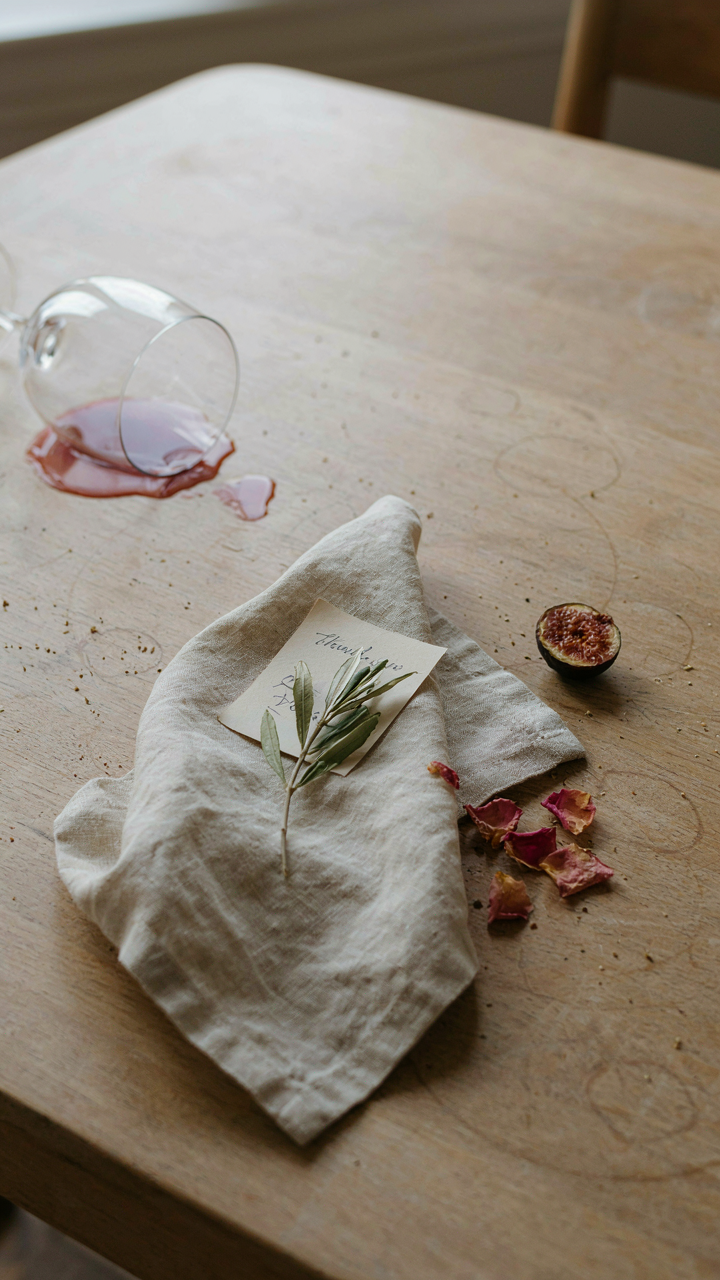
You want proof the party mattered. Not for them. For you. Here’s the mechanism: memory operates on emotional residue, not event duration. A Mediterranean garden party succeeds when guests reference specific moments weeks later, unprompted. The lemon branches didn’t create this. The conversation did. The friction between strangers who became temporary allies did.
Most hosts measure success by attendance or photos. That’s backwards. Real impact shows up in the texture of how people describe the experience to others. Did they mention the light at dusk? The unexpected connection with someone new? The taste of something they’d never tried? Those details mean the gathering rewired their social reality, even slightly. That’s the actual deliverable.
The Metric That Matters Beyond Engagement
Engagement metrics are output theater. They measure your anxiety, not your gathering’s value. Economics has a concept called externality: the effect a transaction has on third parties who didn’t participate. A Mediterranean garden party creates positive externalities when attendees bring ideas, relationships, or shifts in perspective back into their daily lives. That’s where real measurement happens.
Track this one way: ask three guests two weeks later what shifted for them. Not “did you have fun,” but “what did you do differently because of that night?” If they can name something specific, the party worked. If they can’t, the production succeeded but the gathering failed. The difference determines whether people want to return or if they attended for social obligation. One builds momentum. The other depletes it.
The Real Obstacle Isn’t Your Budget Or Your Backyard; It’s Your Inability To Embrace Intentional Scarcity
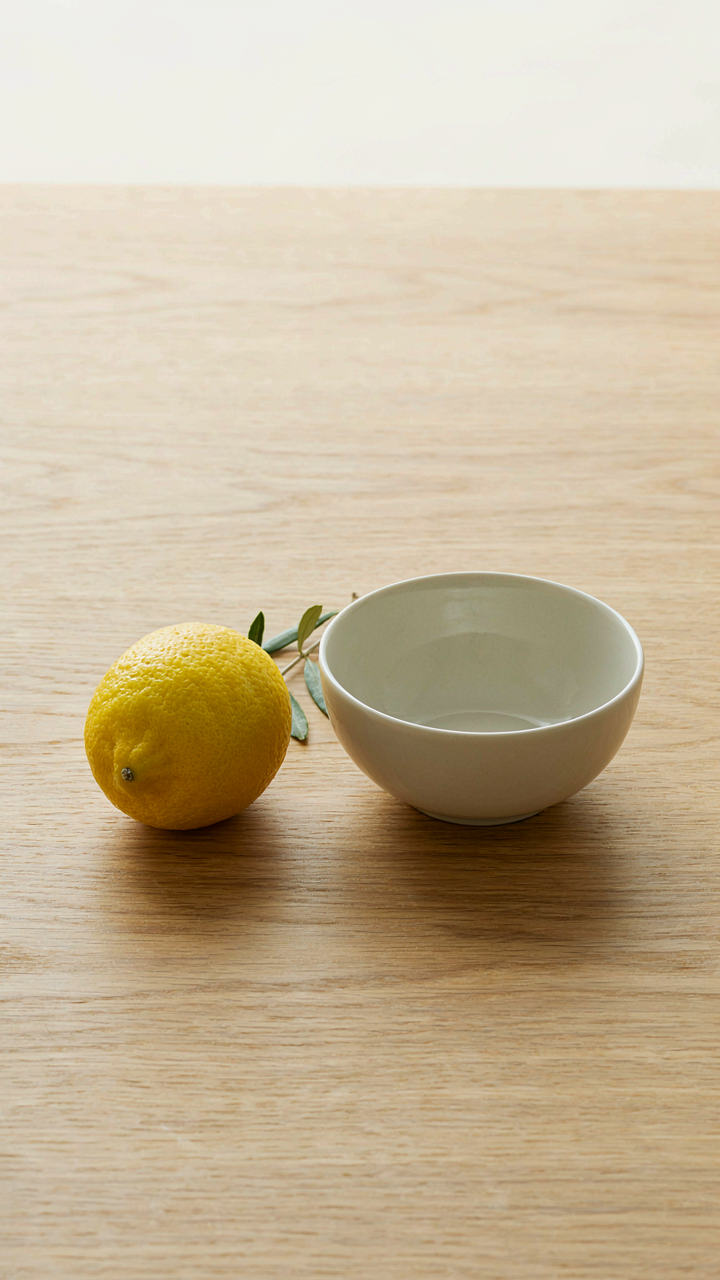
Most people ruin their Mediterranean garden party by cramming in too much. Too many decorations. Too many dishes. Too many guests. The magic lives in what you remove, not what you add. Pick three elements: lemons, olive branches, candlelight. Build everything around that. Stop tomorrow and source your branches from a local nursery today. Constraint forces creativity, and creativity is what makes people remember you.