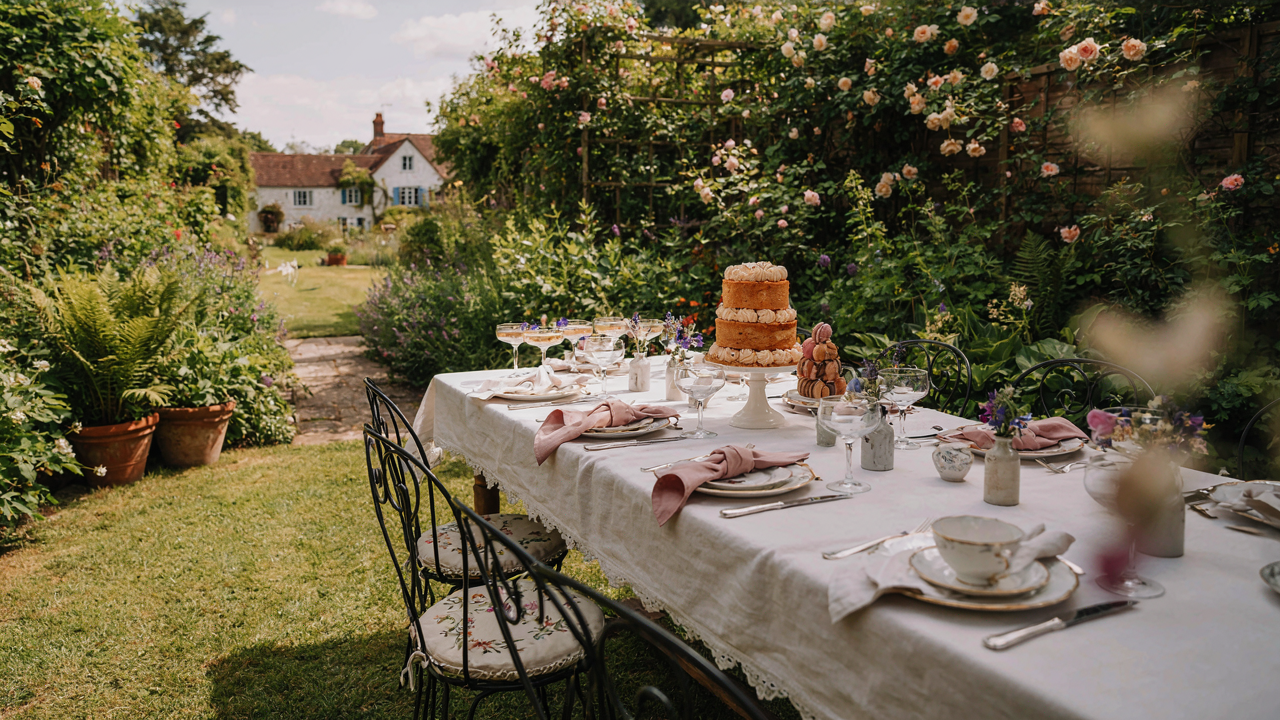
The “Old Money Garden Party” Blueprint: Subtlety Over Spectacle
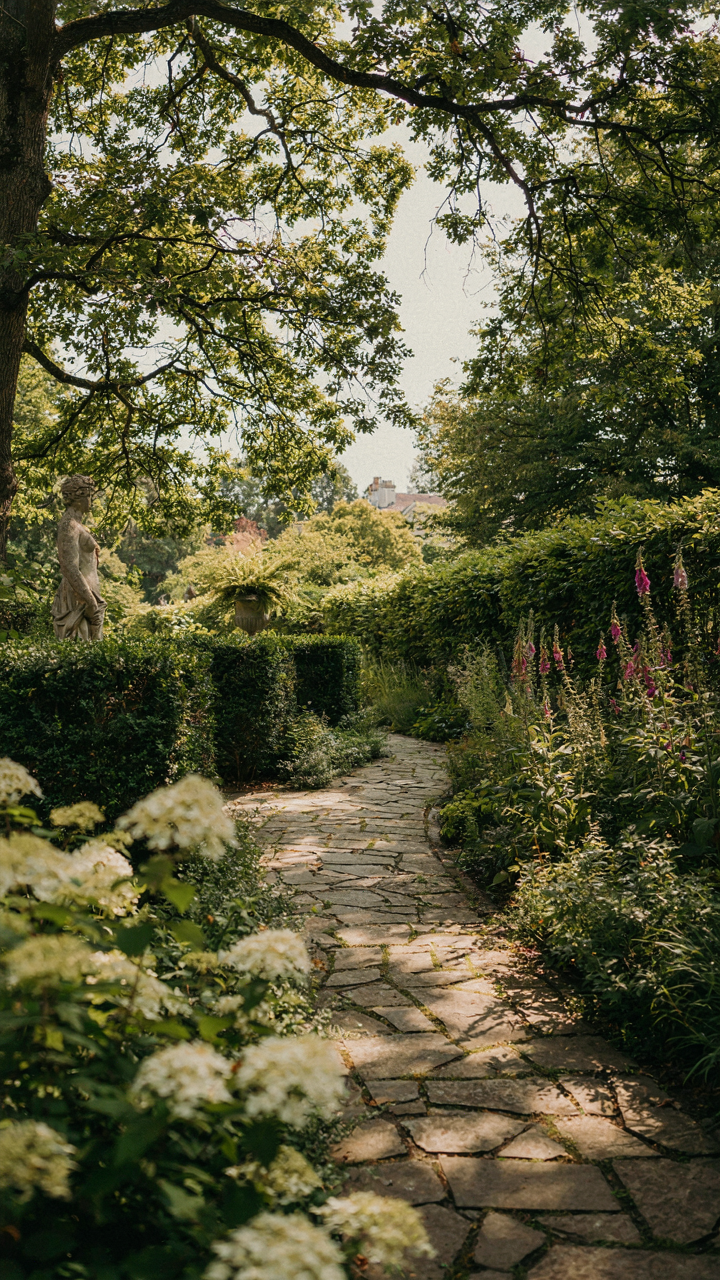
Restraint As The Actual Status Signal
You want people to know you have taste without saying it out loud. That’s the real driver here, and it works because scarcity creates value. The mechanism is simple: old money gardens operate on constraint, not addition. Every element earns its place through function or historical precedent, never decoration alone. A single urn matters more than ten scattered across the lawn. One tea service on linen beats a buffet line. This is the inverse of what most people do, which is why it reads as high-status to anyone paying attention.
English garden design traditions, particularly from the eighteenth-century landscape movement, rejected formal French geometry in favor of what appeared natural but was meticulously controlled. This restraint communicated wealth because it demonstrated the owner could afford to do less and still impress. The floral dessert table—when done correctly—follows the same logic. Muted color palettes, precise arrangement, and negative space signal control. You’re not trying to fill every inch. You’re creating moments of deliberate beauty that force guests to slow down and notice.
Strategic Placement Controls The Gaze
Garden design borrows from architecture’s principle of focal points: the eye must have somewhere to land intentionally. A dessert table positioned at the garden’s natural terminus stops movement and creates congregation. Most hosts scatter elements randomly, which diffuses attention and energy. Instead, place your table where sight lines converge, typically at a garden boundary or beneath a structure like a pergola or tree canopy. This anchors the entire gathering without feeling staged. The table becomes inevitable, not inserted.
Light matters more than color in placement strategy. Position the dessert table where afternoon sun hits it directly if hosting in late spring or summer. This illuminates the florals and foodstuffs without requiring artificial lighting, which breaks the garden illusion. Secondary seating arranged in small clusters near the table encourages natural congregation without crowding the space. Each placement decision should answer one question: does this direct traffic or create visual rest? If it does neither, remove it.
The Victorian Garden Party Logistics Protocol: Engineering Flow
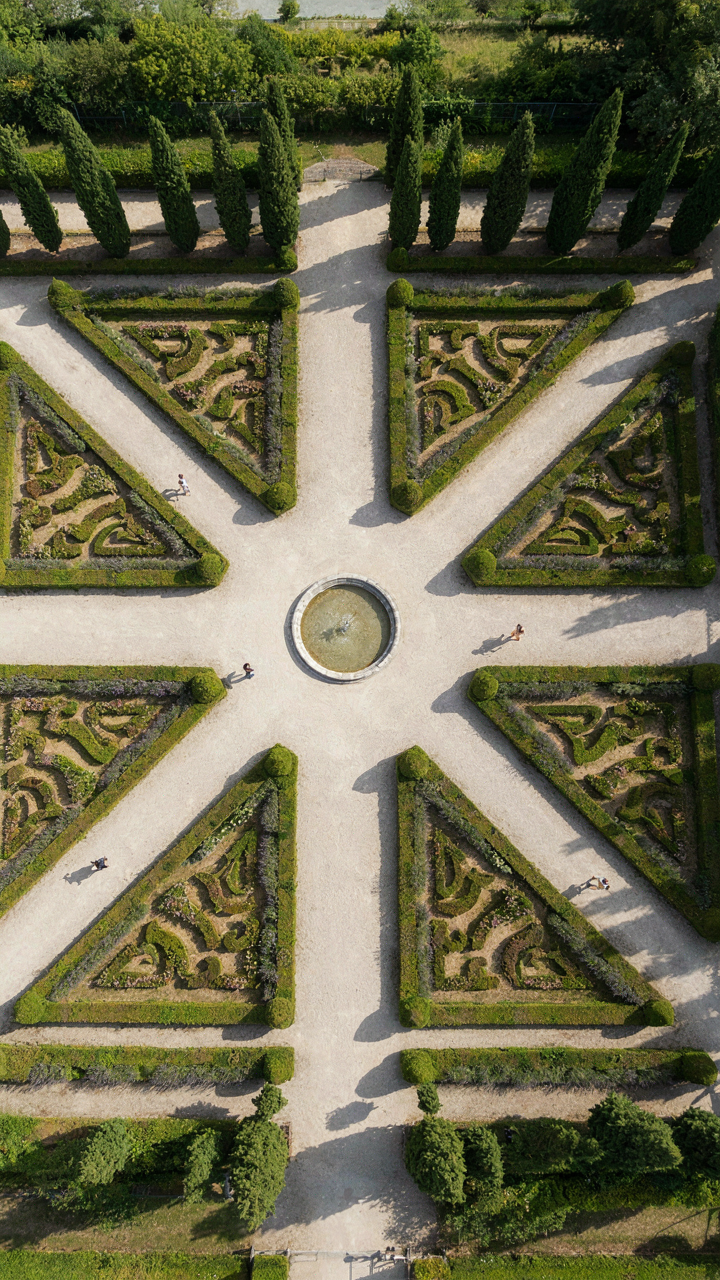
Choreographing Guest Movement Without Friction

You want people to move through your garden and feel like they discovered zones on their own, not herded. This is flow engineering: borrowed from military strategy, where troops move along predetermined pathways disguised as choice. The mechanism is constraint masquerading as freedom.
Design your garden into stations, not an open field. Place the dessert table at the garden’s natural end point. Position seating in clusters that face toward landscape features, not inward. Route guests through the perimeter first, then allow them to drift toward the center. This prevents bottlenecks at focal points and lets people self-regulate their pace without feeling managed.
Staging Resources So Service Becomes Invisible
Everyone gives advice about having enough staff. That misses the real problem: poor positioning burns labor and creates visible chaos. Economics calls this the diminishing return on unit placement. The actual lever is pre-staging everything so guests never wait and staff never runs.
Set up a secondary dessert refresh station hidden from the main viewing area, not backstage somewhere remote. Station one person at the main table rotating stock every eight minutes, not constantly restocking. Position a beverage station at the garden’s entry so guests fill glasses before moving deeper into the space. Keep napkins and small plates at every seating cluster rather than forcing guests to hunt supplies. The system works when guests never notice the work happening.
Beyond The “Cottagecore Aesthetic Party”: The Garden As A Stage
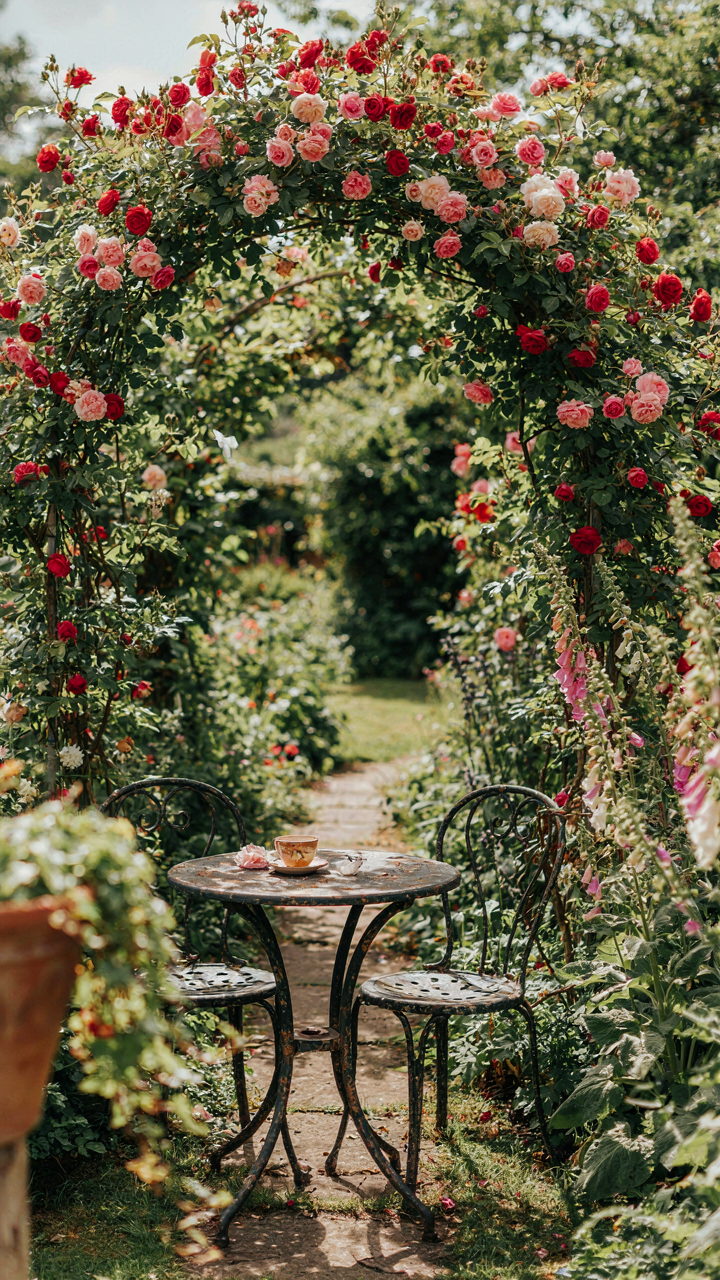
Work With What Exists

You want this to feel effortless because effortlessness signals you have taste and money. The mechanism is constraint. Most people buy new furniture, rent structures, and import plants because they think a garden party requires transformation. It doesn’t. A garden party works when you read the existing site like a floor plan and position your dessert table, seating, and guests around what’s already there. The bones matter more than decoration.
Existing trees create shade zones. Established hedges define edges. A stone wall becomes a backdrop. Mature shrubs anchor sight lines. This isn’t minimalism or laziness. This is restraint, which is the hardest design move because it requires seeing what you have instead of imagining what you want. When you work with topography, existing plantings, and hardscape, your party reads as intentional rather than assembled.
Bloom Cycles Over Forced Arrangements
Common advice says to plan your color palette and buy flowers to match it. That’s backwards. Seasonal availability shapes what looks natural in the garden at that moment. In late spring, English gardens naturally produce peonies, roses, and alliums. In early summer, foxgloves and delphiniums dominate. In late summer, dahlias and cosmos take over. Your floral dessert table should echo what’s already blooming in the beds around it, not fight against it.
The reason this matters is visibility. Guests notice when your table flowers match the garden’s flowering cycle because it reads as coherence rather than effort. Forcing out-of-season blooms or importing exotic varieties breaks that signal. You source flowers from what’s abundant locally during your party date, arrange them simply, and let the season do the design work. This is the protocol: check your zone’s bloom calendar six weeks before your event, plan your party date around peak blooms, then build your table around what the garden is already producing.
The “English Garden Party Wedding” Dessert Deception: Less Is More

Restraint Beats Visual Overload

You want the dessert table to scream “I have taste.” That’s the real driver here. The mechanism is constraint. Abundance reads as insecurity in English garden aesthetics. The Edwardian era rejected Victorian maximalism precisely because excess looked desperate. A floral dessert table works when you curate, not when you fill every inch of surface. Three perfect macarons with candied violets beat twelve mediocre options drowning in fondant flowers. Scarcity creates perception of value.
The English garden party tradition inherited this principle from the Arts and Crafts movement, which explicitly rejected industrial overproduction. Each dessert should earn its place. Remove one item. If the table still functions, you removed dead weight. This filtering process reveals what actually matters to your guests: taste, texture, and the single focal point that anchors the entire display.
Composition Over Decoration
Elegance is the absence of apology. Most dessert tables fail because they treat presentation as an afterthought, then panic-decorate to compensate. That’s backward. The real work happens during planning, not setup day. You need a clear sight line from entry to focal point. One elevated cake or tiered stand. Surrounding pieces arranged by height and color, not symmetry. Asymmetry mirrors actual garden growth. Minimal props mean maximum impact when something does occupy space.
The execution is mechanical. Designate the primary focal point first. Then place supporting items at two-thirds the table width, not centered. Add negative space deliberately between clusters. This isn’t sparse because you ran out of ideas; it’s sparse because every element has a job.
The “Croquet Party” Playbook: Structured Engagement
When Games Actually Work

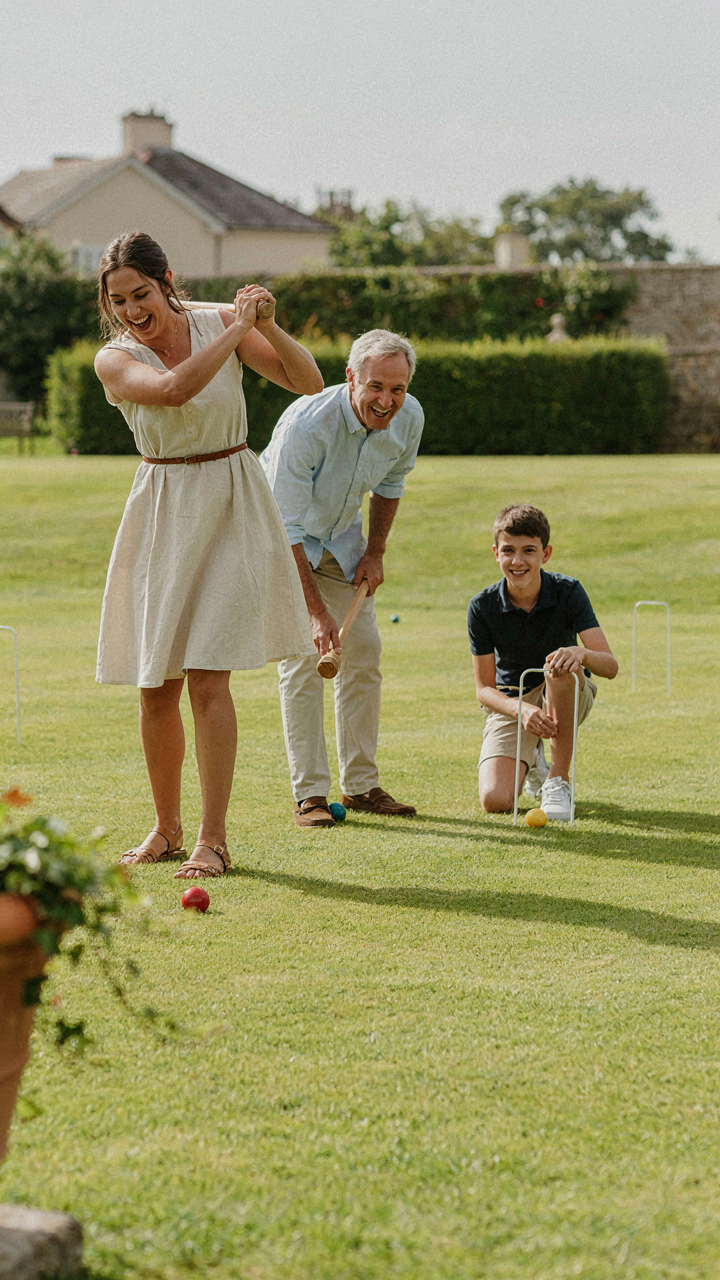
You want croquet at your garden party because it signals leisure and refinement to people who matter to you. That’s the real reason. But here’s the mechanism nobody mentions: games function as interaction catalysts because they remove the friction of forced conversation. Instead of standing in clusters making small talk, guests have a structured task that demands movement, turn-taking, and natural comment exchanges. This is borrowed from group dynamics in team sports. The “role” each player adopts during play gives permission to engage without the social risk of initiating talk from nothing.
Croquet specifically works because the game enforces spacing and rotation. Players move across the lawn in predictable patterns, creating fluid subgroups that shift every few minutes. Unlike lawn games that isolate players (cornhole, horseshoes), croquet demands strategy discussion and reaction commentary. The natural standing and walking breaks up the rigid formality of a seated gathering. Setup the course to loop past your floral dessert table, forcing organic foot traffic toward refreshment stations where conversation deepens.
Drawing People Toward Connection
Most garden party advice says “provide games and people will mingle naturally.” This is incomplete. Without intentional positioning, games become isolated activities where the same four people compete while everyone else watches from lawn chairs. That kills momentum. Instead, design the game space to require spectators to stand close enough to follow play and comment. Set wickets narrow enough that shots demand strategic discussion. Place seating behind the course, not outside it.
The real play happens in the gaps between turns. A player waits five minutes for their shot. That waiting period is where actual connection forms, not during their two minutes of play. Position your dessert table within line of sight of the course so waiting players naturally drift toward it. This creates a secondary gathering point that breaks up the intensity of watching play. The game becomes the excuse for proximity, and the dessert table becomes where the conversation actually lives.
The Garden Flower Party Illusion: Cultivated Neglect

Flowers That Survive Neglect

You want the Instagram version of a garden party without the actual gardening. That’s the real tension here. The mechanism is simple: pick flowers that look intentional when they wilt slightly, and structure that tolerates imperfection. Hydrangeas, garden roses, and ranunculus hold their form as they age. Dahlias and zinnias recover from transport and heat stress without browning at the edges. Greenery matters more than blooms—eucalyptus and ruscus stay rigid and textured for days without water. The goal is flowers that photograph well on day two, not just day one.
English garden aesthetics actually demand this. The cottage garden tradition valued self-seeding, hardy perennials that thrived on poor soil. Modern floral design borrowed that principle: resilience signals authenticity. Delicate hothouse flowers scream “expensive florist.” Sturdy blooms that bend but don’t snap say “we picked these from our own garden.” Buy stems that dry gracefully. Spray roses, lisianthus, and celosia maintain structure even when dehydrated. This isn’t budget advice. This is design accuracy.
The Picked This Morning Trap
Everyone says arrange flowers loosely for that “just picked” look. Wrong. Loose arrangements fall apart under their own weight and wilt unevenly. The real technique borrows from botanical illustration: use negative space deliberately, not accidentally. Start with a grid structure—floral foam cut to expose holes between stems. This forces stems into varied heights and angles naturally. No stems touch. Air circulates. Water reaches the base efficiently.
Placement matters more than density. Start with greenery as a scaffold. Place blooms at different depths—some pushed deep, others forward. Taller stems go toward the back or center. Shorter stems layer the front and sides. This creates dimension without looking arranged. Finish with filler flowers filling gaps, never crowding them. The arrangement should reveal the structure underneath when viewed from an angle, not present as a solid dome. Rotate the piece every three hours during setup to spot weak points and redistribute weight.
The French Garden Party Refreshment Rationale: Quality Over Flash
Drink Selection That Doesn’t Require Explanation

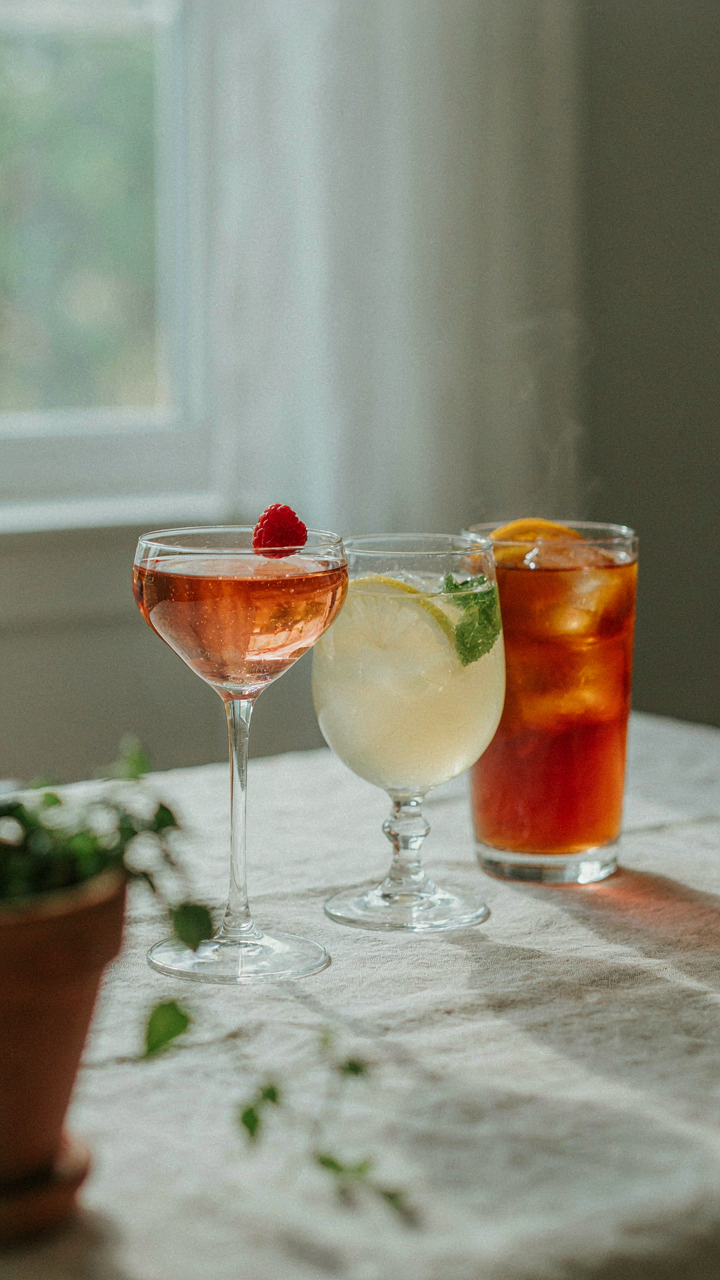
You want people to think you have refined taste without saying it out loud. Here’s the mechanism: constraint forces quality. When you limit your beverage menu to three options instead of eight, you eliminate the decision fatigue that makes hosts look desperate to please. Economics calls this “scarcity signaling”—fewer choices signal confidence in what you’ve selected. Champagne, Pimm’s Cup, and still water. That’s your lineup. Each serves a distinct function without requiring a bartender or a drinks station that becomes a congregation point.
The reason most garden parties fail at refreshment isn’t the menu. It’s that hosts treat beverages like a checkbox instead of an experience. Pimm’s Cup works because it requires preparation beforehand, which means it arrives already made in a pitcher. Guests pour their own. Champagne sits in ice buckets around the garden, accessible but not prominent. Still water in glass jugs with cucumber or mint prevents people from asking for tap water like they’re at an office meeting. You’re not serving drinks. You’re removing friction from the social event.
Staffing Through Intentional Restraint
Most garden party guides tell you to hire staff so guests feel “attended to.” That’s backwards. Professional service at a garden party signals that you’re running an event, not hosting friends. The real leverage comes from making self-service look effortless. Set tables with stacked napkins, small plates, and utensils before guests arrive. Position the dessert table in a location that draws foot traffic naturally—not centrally, where it becomes a bottleneck. Position it where the garden’s sight lines already guide people.
One person circulating with a tray during the first thirty minutes accomplishes more than three stationed staff members. This person removes empty glasses and offers refills during the vulnerable opening hour when guests haven’t yet settled into conversation. After that point, remove yourself entirely. Guests who need something will find it or ask. A host who disappears into the background after setup proves the whole thing runs on design, not effort. That’s the actual status move.
Beyond Aesthetic: The “English Garden Party Aesthetic” Of Social Capital
The Mechanics Of Quiet Exclusion

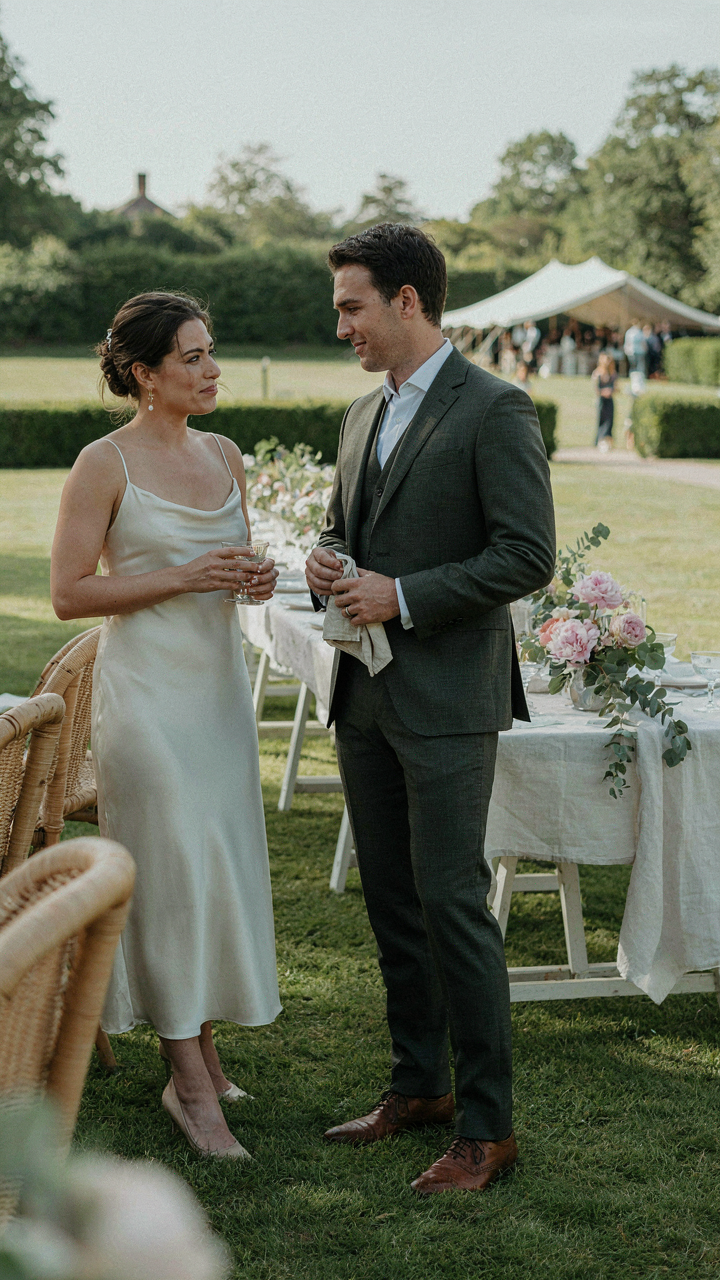
You want to know how to signal you belong to a certain class without saying it out loud. The mechanism is scarcity of knowledge, not scarcity of money. Economics teaches us about positional goods—items whose value derives from their rarity relative to others’ access. An English garden party operates on the same principle. The host doesn’t announce wealth. Guests announce it by recognizing the references nobody teaches anymore: the difference between a Fortnum and Mason hamper and a supermarket one, the correct way to dress for afternoon tea, which flowers bloom in June versus July.
The real work happens before guests arrive. You curate details that only people inside the cultural circle notice and decode. The type of china you use, the specific floral arrangements that require a particular London florist, the timing of the invitation—these aren’t decorative choices. They’re filters. Someone who grew up around these rituals recognizes them instantly. Someone outside the circle sees “a nice garden party” and moves on. That’s the entire point. The aesthetic does the sorting for you.
Experience Design Through Deliberate Constraint
Creating exclusivity means removing options, not adding them. The common advice says offer guests choice and flexibility. That’s wrong. True exclusivity works through constraint. You set a single start time, not a window. You serve one menu, not selections. You invite exactly thirty people, not fifty. This constraint creates what anthropologists call a “bounded experience”—something with clear edges that can’t be easily replicated or scaled. The garden party doesn’t feel exclusive because it’s fancy. It feels exclusive because you can’t just show up whenever you want with whoever you want.
The mechanism is psychological scarcity meeting social proof. When attendance is limited and the experience is non-negotiable, guests interpret that as premium. They adjust their behavior upward. They dress more carefully. They arrive on time. They engage more thoughtfully with other attendees. You’ve designed a container that makes ordinary conversation feel significant. The floral dessert table isn’t just food. It’s a focal point that keeps the group anchored together, preventing the party from fragmenting into scattered conversations. Everyone orbits the same thing at the same time.
The Real Obstacle: Your Inability To See The Party As A System, Not A Snapshot
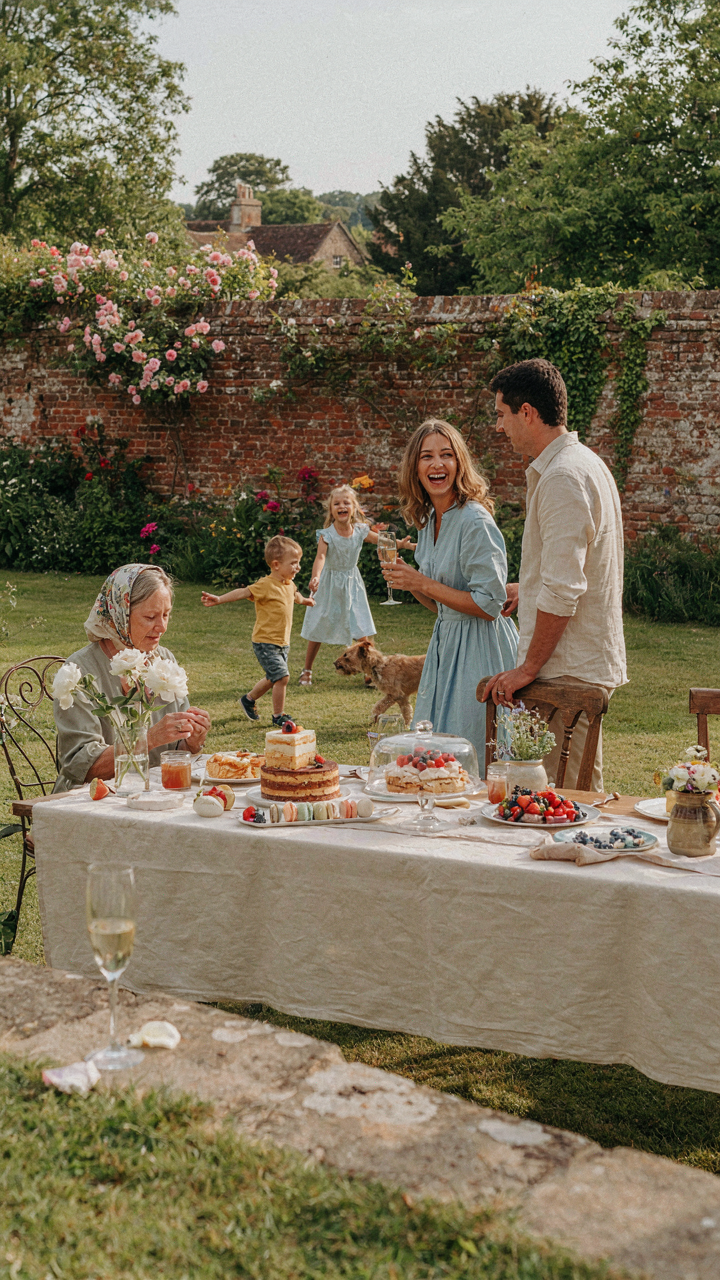

Most people treat a garden party like a photograph. They obsess over one moment, one detail, one Instagram shot. But a real english garden party lives in the flow. Your floral dessert table isn’t decoration. It’s a conversation engine. It’s the reason guests linger, interact, and remember you. Build the system first: what draws people in, what keeps them talking, what makes them want to come back. Stop decorating moments. Start architecting experiences. You don’t need a perfect party. You need a party that works.