The “Less Is More” Protocol For Backyard Sleepover Ideas
What Actually Matters For The Experience
You want to appear like you’ve orchestrated something impressive. Here’s what you’re missing: the backyard slumber party isn’t a production. It’s a containment problem. You need to prevent boredom and chaos in a confined space overnight. That’s the entire mechanism. Everything else is noise.
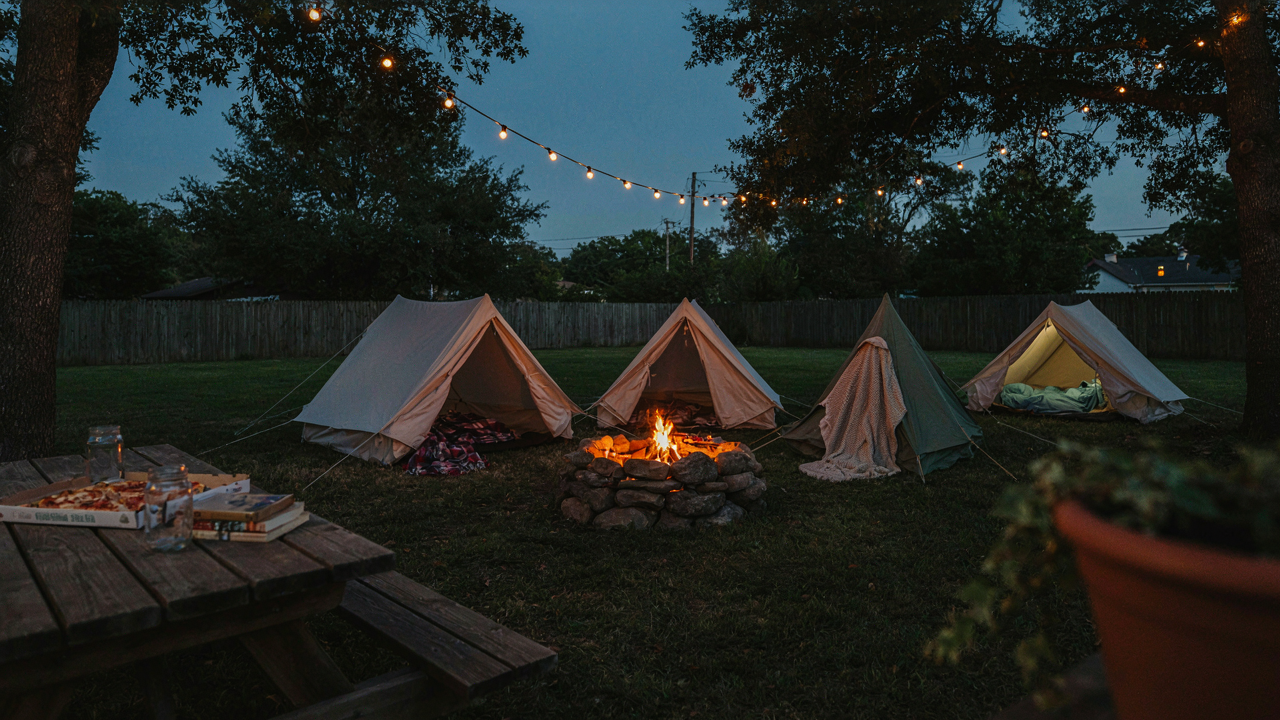
The best slumber parties operate on constraint, not abundance. Kids remember the night because something happened, not because you bought premium everything. A tent, sleeping bags, and a clear boundary around the property create the frame. Fairy lights solve the darkness problem and set mood without requiring effort. Food and a simple activity fill the gaps. The magic emerges from the limitation itself, not from drowning the experience in options.
Strip Away The Industry Upsell
Common advice tells you to buy specialized slumber party kits, themed decorations, and entertainment packages. That’s wrong. Those exist to extract money, not to improve the experience. The real question is simpler: what stops the night from falling apart?
Basic tents or a cleared garage space, battery-powered lights, a sleeping surface per person, and a single focal activity are sufficient. The kids generate most of the entertainment themselves once you remove their normal distractions. A bonfire, a movie, or a game creates the anchor point. Everything beyond that becomes management overhead. Build your setup around preventing problems, not impressing observers.
Beyond Instagram: Crafting Authentic Freetime Activities
Games That Require Actual Attention

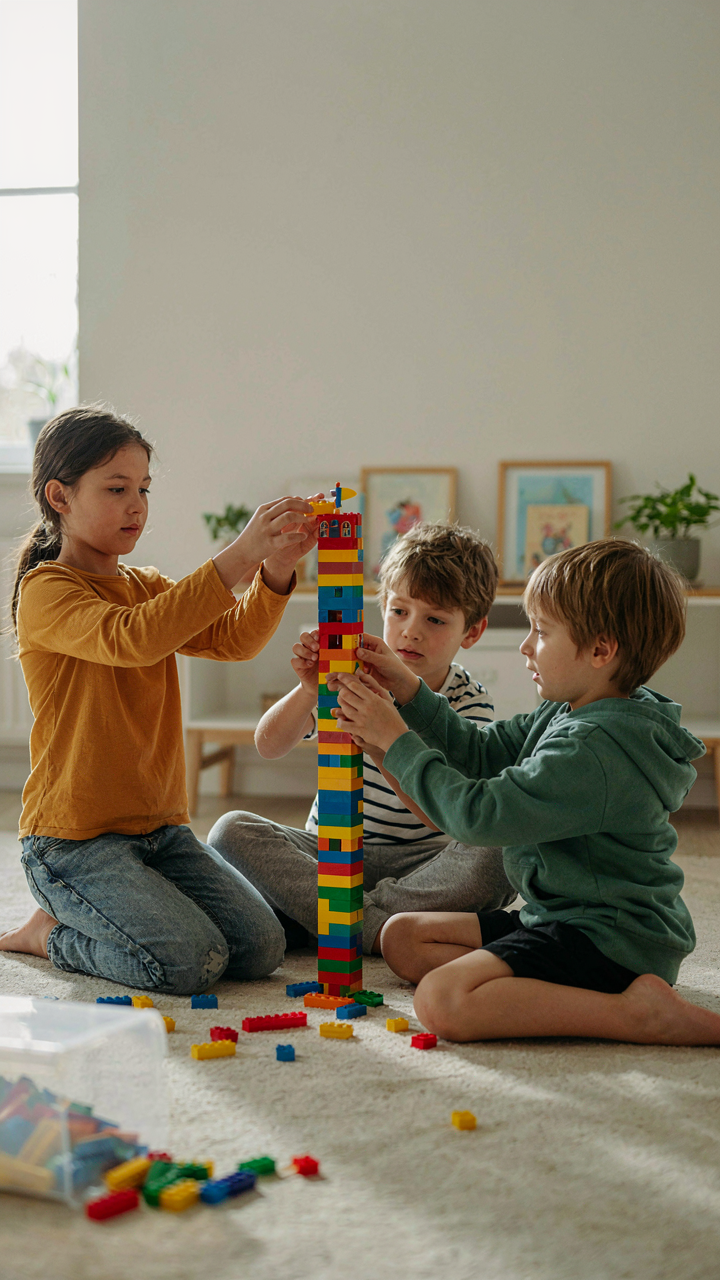
You want the photos to look effortless because you’re afraid the night won’t feel special without proof. Here’s the mechanism: activities that demand focus kill the urge to perform for a camera. When someone’s concentrating on strategy or rules, they stop thinking about angles. Card games, board games, and competitive formats force presence. The best ones have built-in friction—they require you to stay engaged or lose. This isn’t about picking games people recognize. It’s about selecting ones where the outcome actually matters to the players in that moment.
The setup changes everything. Arrange seating in a tight circle under the tent, not spread across the yard for lighting. Remove phones from the table entirely. Use a battery-powered lamp instead of relying on ambient light so people aren’t tempted to adjust brightness for photos. Games with hidden information work best: Codenames, Coup, or even simple card games where bluffing creates real stakes. The constraint forces genuine interaction because the game won’t work otherwise.
Conversations Built On Vulnerability, Not Topics
Common advice says to have conversation starters ready. That’s incomplete. Conversation starters prevent real talk because they’re safe. Use a mechanism from psychology called progressive disclosure: each person shares something slightly more personal than what came before, and the group matches that level. Start with low-stakes questions about preferences or funny stories. By the third or fourth round, people naturally escalate to real things. The key is consistency—everyone follows the same escalation, so no one feels singled out for vulnerability.
The physical environment enforces this. Darkness amplifies honesty. Once fairy lights create mood instead of serving a functional purpose, and once people are lying down in sleeping bags rather than sitting upright, the body language shifts. Horizontal positioning is neurologically linked to lower defensiveness. The tent walls create a contained space that feels separate from the normal world. Time intensifies it too: start these conversations late, when social guards naturally lower. The combination of darkness, horizontal posture, enclosure, and late-night timing creates the conditions for genuine exchange without requiring anyone to perform vulnerability on command.
The Un Glamorous Truth Of Backyard Slumber Party Tents
Comfort Wins Over Instagram Aesthetics

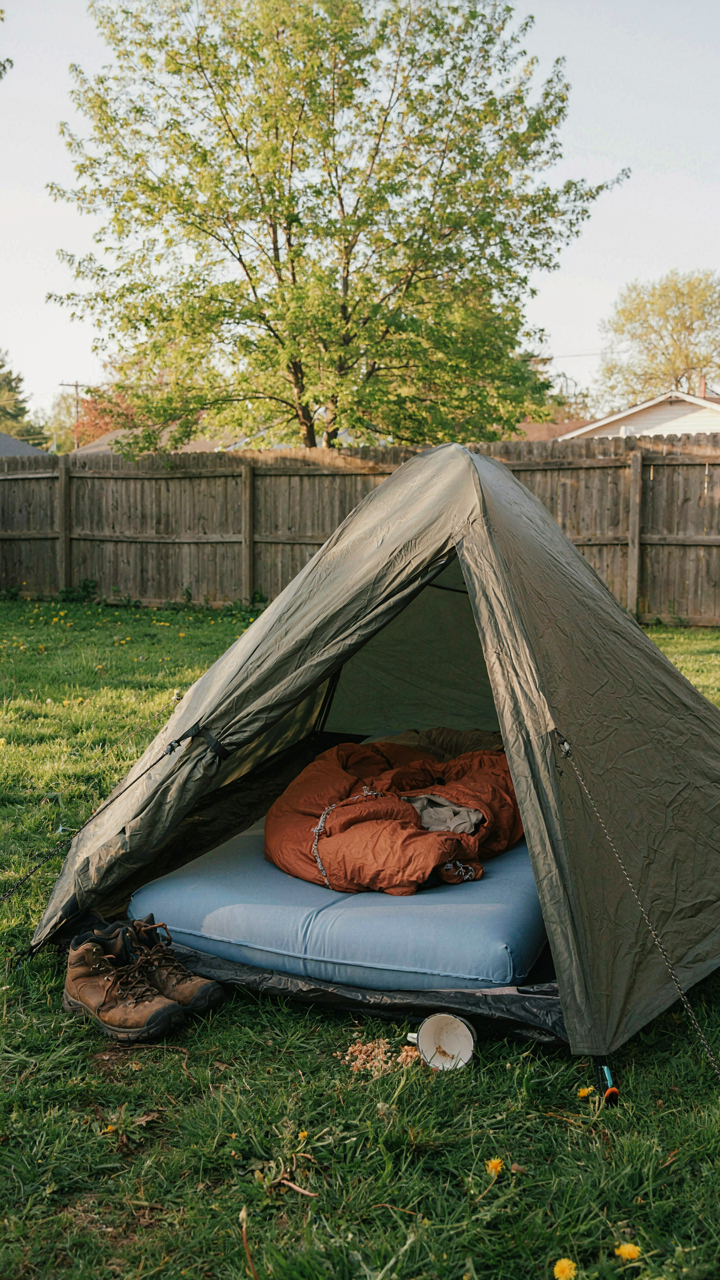
You want the setup to look intentional and magazine ready because you’re hosting and your reputation is on display. Here’s the mechanism: the moment someone lies down in an uncomfortable tent, aesthetics become irrelevant. The tent’s job is temperature regulation, moisture control, and pest barrier. A two inch foam pad under a sleeping bag matters infinitely more than whether the tent matches your fairy light color scheme. Coleman makes reliable three season tents that perform. REI and Ozark Trail models handle moisture without fuss. Pick a tent based on headroom, floor durability, and ventilation ports. Aesthetics follow function, not the reverse.
The common advice says “choose tents that complement your decor.” That’s backwards and reveals a misunderstanding of what tents do. A tent’s primary job is creating a microclimate. Condensation buildup, ground moisture seeping through thin floors, and poor air circulation cause real discomfort. These problems don’t fix themselves with better lighting or decoration around the tent. Test the tent in your yard beforehand. Verify the stakes hold in your soil type. Check that zippers move without catching. Comfort is the only aesthetic that matters at 2am.
Shelter As Equipment, Not Decoration
Think of tent placement through the lens of site selection used in military operations: you’re positioning for maximum protection and minimal exposure. The tent is equipment serving a tactical purpose. Most people place tents where they look good in the yard rather than where conditions favor them. Wind channels between structures, low spots collect moisture, and direct sun exposure makes interiors unbearable by morning. Survey your yard before setup. Identify wind patterns by observing tree movement and how leaves settle. Place tents on slight elevation, away from gutters and roof runoff.
Fairy lights should accentuate the space around tents, not dictate tent placement. Run lights along pathways and around the perimeter of your setup area. Use solar or battery powered options to avoid cords creating trip hazards. The tent itself needs zero decoration. Its value lies in what it does, not how it looks. Position it for ventilation, protection from elements, and practical access. Orient the door away from prevailing wind direction. Leave at least two feet of clearance around each tent for air circulation and emergency access. This is the setup that actually works.
Fairy Lights: Ambience As A Subtractive Art
Brightness As Social Currency

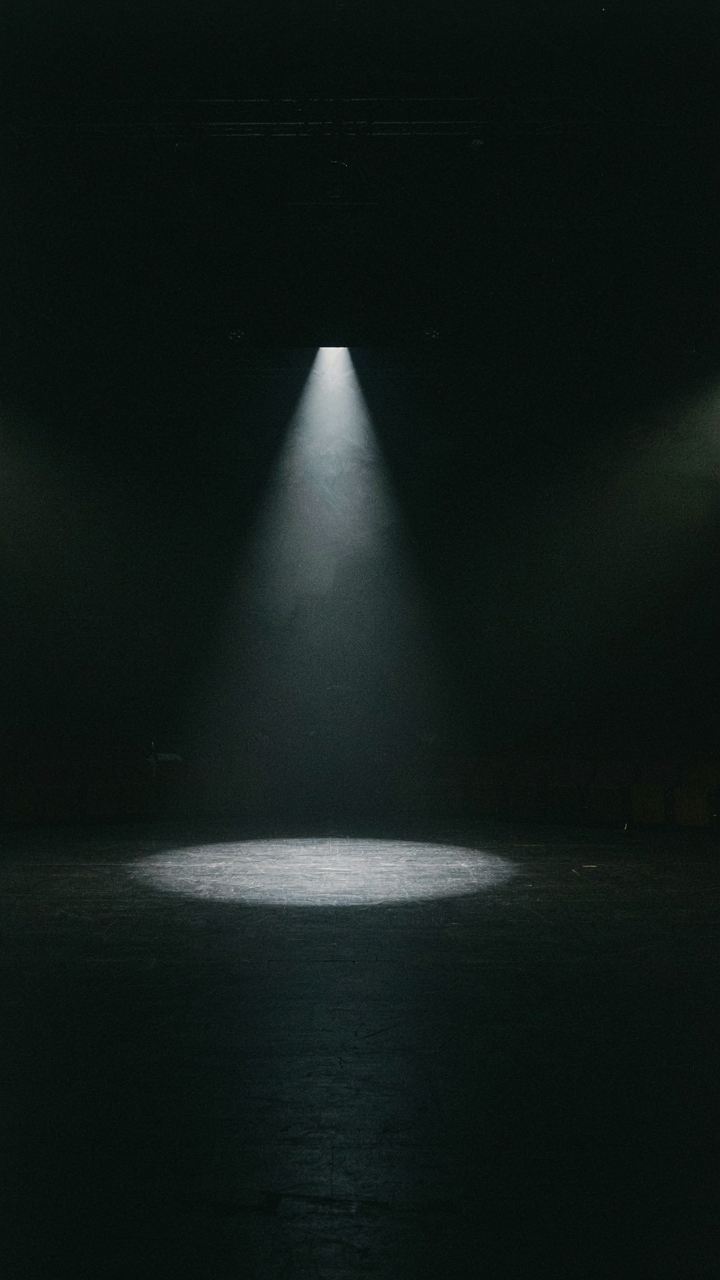
You want fairy lights because you think they signal you’ve thought about the experience. That’s the real move here. But the mechanism is psychological contrast. In design fields, this is called “figure and ground” – the relationship between what stands out and what recedes. Your fairy lights work only when they’re dimmer than the surrounding space, creating islands of attention instead of washing everything in the same voltage.
Most people string lights everywhere and wonder why the setup feels like a commercial display. Uniform brightness kills depth. The actual tactic is sparse placement: concentrate lights where people gather, leave perimeter areas darker. This creates natural focal points without effort. Your guests unconsciously migrate toward lit zones and relax in the shadows between them. That contrast is what produces intimacy, not the quantity of bulbs.
Darkness Functions Better Than Decoration
The common advice says pack more lights, more colors, more coverage. Wrong. Darkness is your primary tool here. You’re not decorating. You’re curating what people see and when they see it. Tent interiors should stay mostly dark except for one small light source per sleeping area. Exterior strings should follow the tree line or tent perimeter, not fill open space.
Strategic darkness forces your guests’ eyes to adjust, which heightens their awareness of sound and conversation. This is basic sensory prioritization. When one sense dims, others sharpen. Place lights at eye level when sitting, not overhead. Mount them to cast shadows on tent fabric rather than illuminate the ground. The fabric itself becomes the visual interest. The setup works because you removed more than you added.
Backyard Movie Nights: The “Content Over Canvas” Strategy
Pick The Movie That Makes Them Talk

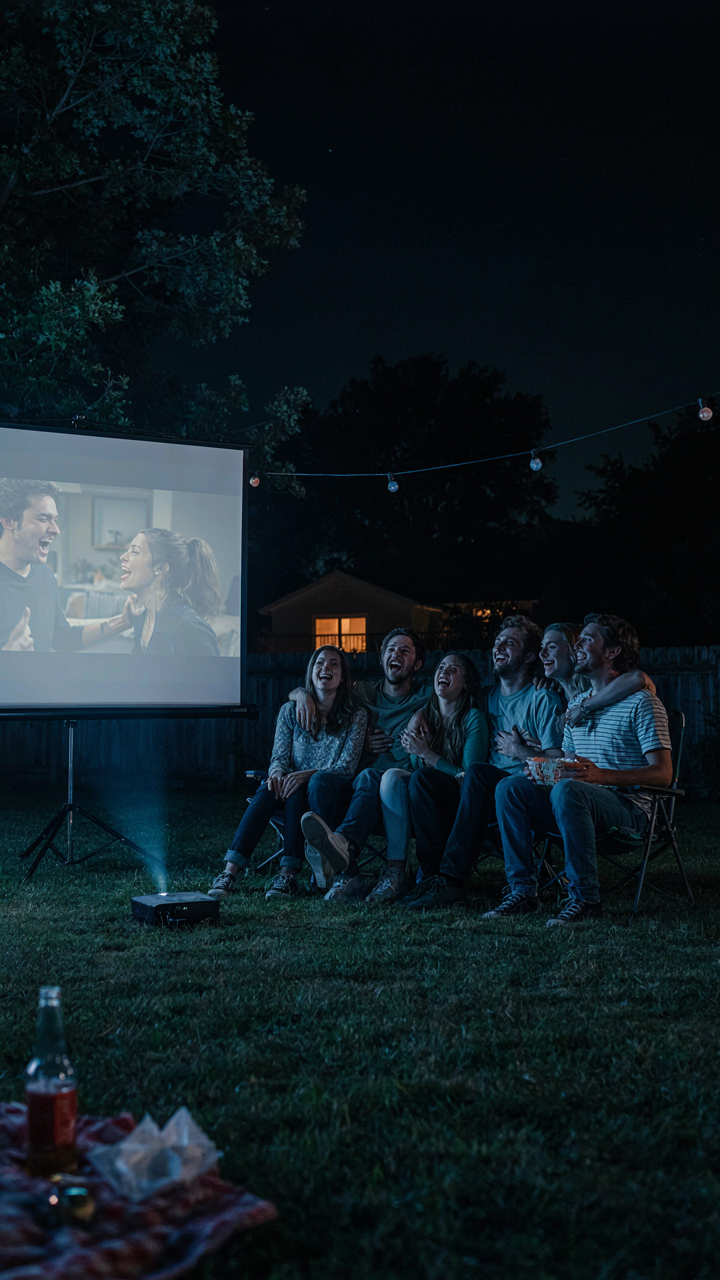
You want people to think you curated something sophisticated. That’s the real reason you’re overthinking film selection. Stop. The mechanism is simple: a movie succeeds at a slumber party when it creates shared reference points afterward, not when it showcases your projector’s contrast ratio. Think of it like information theory—you’re not transmitting picture data, you’re transmitting emotional anchors that cement the group’s inside jokes for weeks.
Pick films designed for interruption and commentary. Horror works because it triggers collective reactions. Comedy works because laughter compounds when shared. Avoid prestige films that demand silence or films so new nobody’s seen them—you need material people can riff on together. The goal is conversation fuel, not Netflix credentials.
Kill The Setup, Keep The Vibe
Common advice says invest in projection quality. That’s incomplete thinking. A basic projector with decent sound creates way more social cohesion than a theater-grade setup that makes people sit still and shut up. The friction point isn’t resolution—it’s whether people feel free to move, eat, and interact without worrying they’ll ruin the experience.
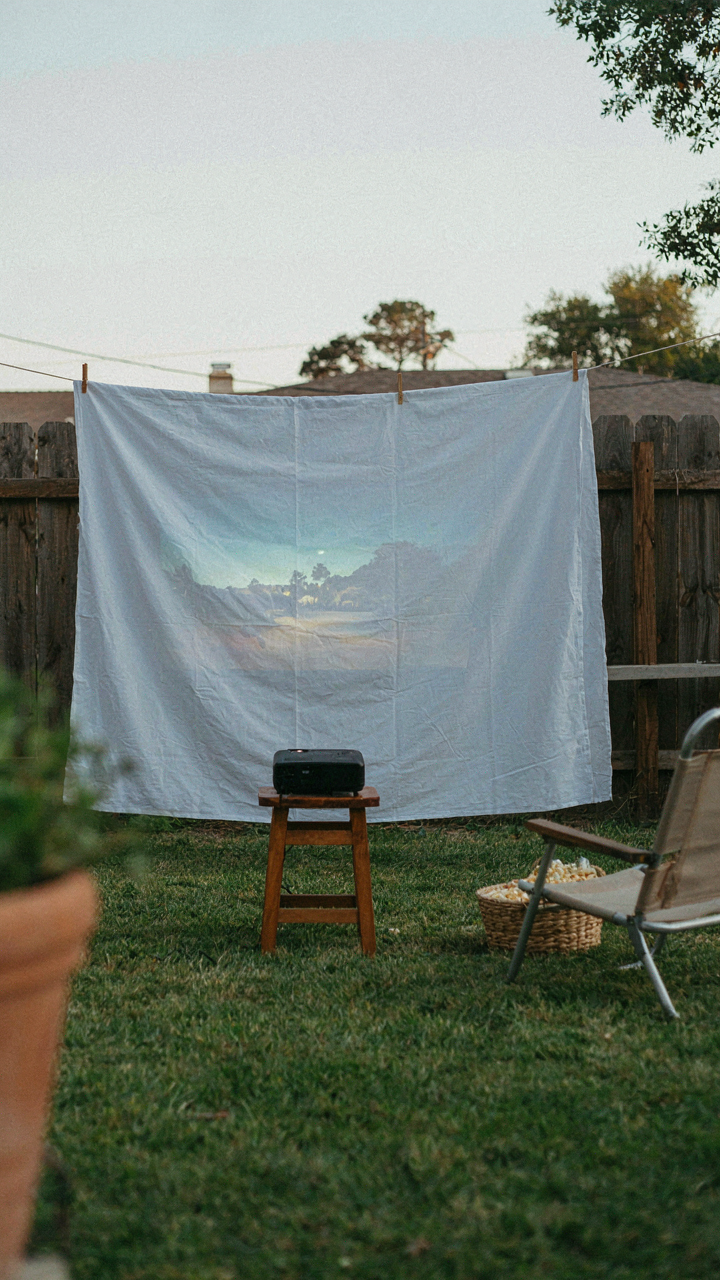
Plug a projector into a phone. Borrow a cheap Bluetooth speaker if you don’t own one. Drape a white sheet or use a light-colored fence as your screen. Run cables under rugs so nobody trips. That’s it. The constraint forces people to cluster closer together, and proximity drives genuine connection. Eliminate the setup step—the moment someone’s fiddling with settings for fifteen minutes, you’ve already lost momentum.
Friend Activities: The Game Theory Of Group Dynamics
Why Groups Actually Cooperate

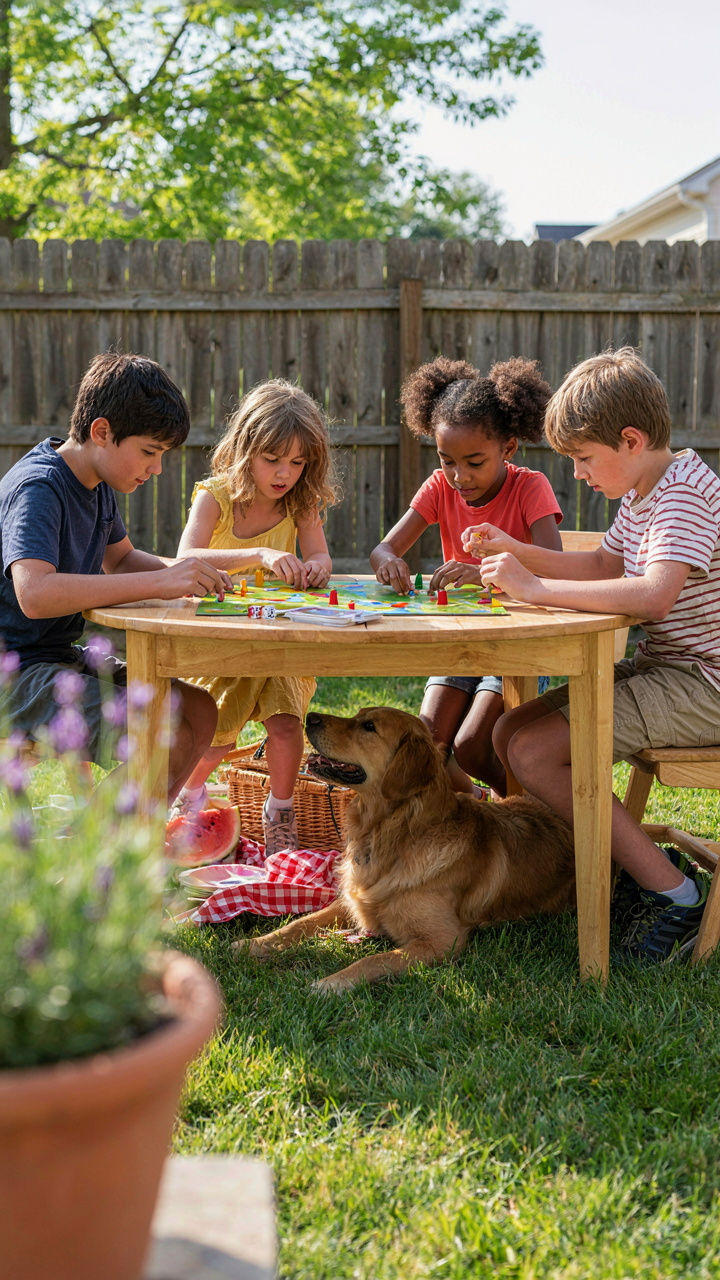
You want activities that don’t implode after twenty minutes because half the kids checked out. Game theory tells us that repeated interaction with clear payoff structures beats forced fun every time. In a backyard slumber party, you’re running an iterated prisoner’s dilemma where defection means sitting alone while others bond. The mechanism is simple: structure the night so opting in always beats opting out.
The reason people cooperate isn’t because they’re nice. It’s because the cost of defection exceeds the reward. A poorly designed game lets one person win and everyone else lose interest. You need activities where individual contribution directly raises the group’s outcome. This shifts the math. Scavenger hunts, relay races, and collaborative challenges work because they make freeloading visible and pointless. Everyone sees who’s engaged and who’s dead weight.
Build Stakes Without Cruelty
Most slumber party advice says make everything inclusive and nobody loses. That’s incomplete. Humans engage harder when something’s on the line, even if it’s trivial. Teams, points, and minor consequences activate focus. Use team structures so no single person gets humiliated, but competition between groups stays real. Round-based games let losers reposition themselves for the next round instead of sitting out the whole night.
Keep stakes proportional to the activity. The winner of a trivia round doesn’t take home money, they choose the next game or get first pick at snacks. Losers face a minor forfeit, not public shame. This design keeps people invested without the emotional toxicity. Structure it so the losing team has a clear path to win the next round. The moment someone believes they can’t win, they’ll mentally exit the party.
Outdoor Cinema Birthday Party: The “Experience Economy” Blueprint

When Limited Supply Becomes The Product

You want people to talk about your backyard slumber party for months. That’s the real reason you’re reading this. Scarcity works because humans assign value based on exclusivity, not on actual cost. Economics calls this the scarcity principle: demand rises when supply falls. A backyard cinema with twelve invited guests feels like an event. The same setup open to fifty feels like a gathering.
The mechanism is simple. Cap attendance hard. Set a firm number and stick to it. When kids know spots filled up, they treat the invitation differently. They show up earlier. They engage more. They remember it sharper. Novelty amplifies this effect. A backyard cinema is uncommon in most neighborhoods. Fairy lights strung between trees feel special because most yards don’t have them. You’re not throwing a standard birthday party. You’re creating controlled rarity.
Memory Beats Stuff Every Time
Most birthday advice pushes material excess. Buy more decorations. Rent bigger equipment. Stock endless snacks. This misses the actual driver of lasting memory. Psychology research on peak end rule shows people remember events based on peak moments and how they end, not total duration or spending. A backyard slumber party that nails three intense moments creates stronger recall than one drowning in generic party favors.
Focus on sequence and contrast. Movie under stars followed by a campfire conversation followed by sleeping under canvas creates distinct memory anchors. Each shifts the sensory environment. Each feels like a transition. Kids remember transitions. They remember when something shifted. They forget the third bag of chips. Limit decorative noise and build toward moments instead. Set the movie to start at a specific time. End the outdoor portion with a defined activity like shadow storytelling. Then move inside or to tents. This structure creates the memory framework that lasts.
Sleepover Hangout Ideas: The Architecture Of Comfort
Keep Heat And Moisture Out Of The Equation

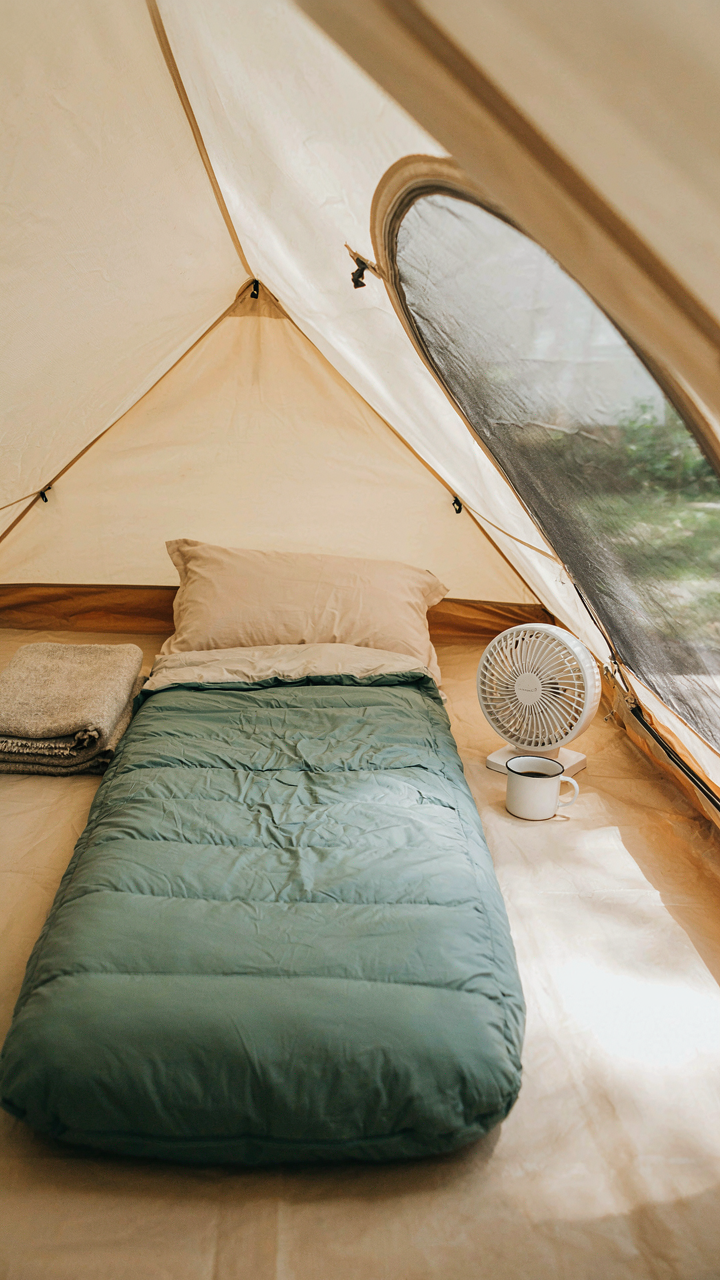
You want your guests comfortable because discomfort kills the entire event, and you’ll blame yourself instead of the actual problem. Here’s the mechanism: a tent holds body heat and traps condensation. Warm air rising meets cold canvas and converts to water. Sleeping bags rated for the actual temperature, not the season, prevent core temperature drops that kill sleep. Damp gear destroys everything else you’ve built.
Place sleeping pads under every bag. Padding creates an air barrier between sleeper and ground moisture. Ground temperature stays 10 to 15 degrees colder than air temperature. Moisture rises from soil at night. A pad blocks this entirely. Add a moisture barrier tarp under the entire tent footprint if ground appears wet or soft.
The Minimum Setup That Actually Works
Everyone says “bring pillows and blankets,” which is incomplete advice. You need specific items in the right configuration. Hang fairy lights from tent supports or between tent peaks at seven feet height. This height prevents glare into eyes while lying down and distributes light evenly without shadows. Keep extra blankets in a sealed bag outside the tent. Guests will shed layers as body heat accumulates, then grab them when temperature drops after midnight.
Set up a designated dry zone outside tents with a tarp overhead. This becomes the gathering point and keeps gear organized. Place battery-powered lanterns at ground level inside tents for task lighting. Fairy lights handle ambiance. Lanterns handle functionality. Station a small cooler with water bottles five feet from tent entries. Dehydration worsens sleep quality and causes middle-of-the-night discomfort that nobody talks about until they leave.
Sleepover Forts Ideas: Engineering “Shelter In Place” Psychology
How To Build A Fort That Doesn’t Collapse

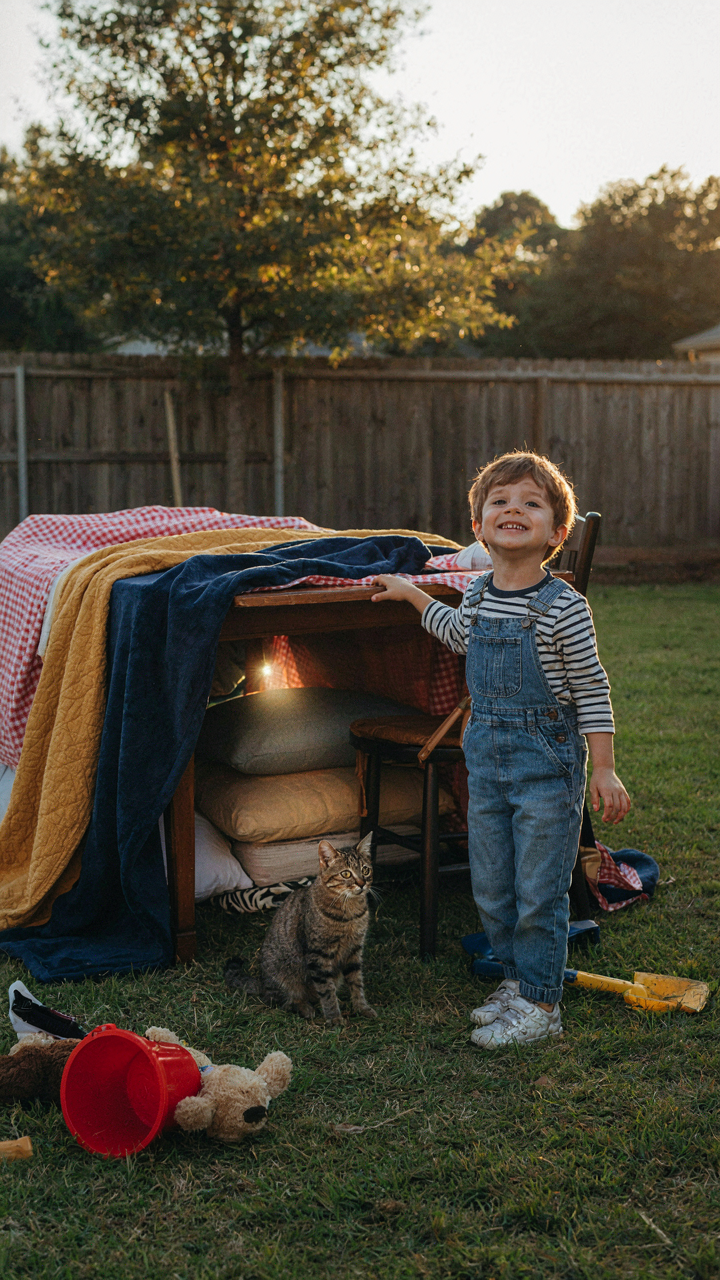
You want your kids to feel like they built something real, not a flimsy decoration that screams “parental supervision.” That’s the actual driver here. Structural integrity in fort-building borrows from load-bearing architecture: the frame must distribute weight across multiple points rather than concentrating it at one failure zone. Tension and compression are the two forces at work. When a tent pole bends, it’s experiencing compression. When rope or fabric pulls outward against the frame, that’s tension. A fort that holds requires you to balance both.
- A-frame geometry: Two poles or branches angled toward each other with a crossbar creates a triangle, the strongest shape in construction. This resists collapse from side pressure and wind load.
- Weight distribution: Anchor corner guy-lines into ground anchors or heavy objects. Never rely on a single attachment point. Spread load across at least four contact zones.
- Rigid frame core: Use tent poles, PVC pipe, or sturdy branches as the skeleton. Fabric or blankets draped over a weak frame will sag, then fail under the weight of accumulated moisture or movement.
- Overlap and overlap again: Where fabric meets frame, use multiple fastening methods. Clips plus rope plus tape redundancy prevents a single failure from unraveling the whole structure.
- Test before occupancy: Apply downward pressure with your hands. The frame should flex slightly, not buckle. If it moves more than an inch under hand pressure, reinforce it before kids enter.
The difference between a fort that lasts one night and one that becomes a designated play zone is material selection. Canvas or heavy polyester holds tension without tearing. Lightweight cotton sheets work temporarily but tear easily and won’t shed water. Rope should be rated for at least twice the expected load. Cheap synthetic rope stretches and loosens over hours. This is where most backyard fort attempts fail silently—the materials degrade, not the geometry.
Creating Psychological Safety Through Contained Space
A fort isn’t just a physical structure—it’s a bounded territory that signals permission to relax. Children’s brains recognize perimeter lines (walls, fabric, rope) as permission to lower threat detection. This is behavioral psychology applied to architecture. The moment you define an inside versus an outside, you’ve created a zone where different social rules apply. Without that container, a sleeping area is just a tent in your yard. With it, the brain treats it as a separate territory.
The mechanism works through visual and acoustic separation. A fort with walls blocks sightlines from the house, from neighboring yards, and from other activity zones. This removes ambient monitoring cues that keep kids alert. Lower acoustic leakage—sound not traveling in or out easily—signals privacy to the nervous system. Fabric absorbs sound better than open air. Overlapping flaps at entrance points reduce the feeling of being watched. These small design choices compound into a measurable drop in hypervigilance. Kids sleep longer and wake fewer times when they occupy a space they perceive as genuinely private, not merely cordoned off.
Movie Night Birthday Party: The “Logistics Minimalist” Approach
Cut The Supply Chain Fat
You want this to feel effortless because you’re afraid people will judge you for the work showing. The mechanism is simple: every item you bring creates a failure point. Logistics isn’t about having more options, it’s about removing decision bottlenecks. Buy drinks in bulk the day before, not scattered across the event. Set out one snack station with popcorn, candy, and chips. Pre-portion drinks into coolers so no one asks you for refills mid-movie. The fewer moving parts, the fewer times you interrupt the actual experience.
Stop overthinking the menu. Common advice says cater to every diet preference, which paralyzes you into doing nothing well. Offer pizza or sandwiches, water and soda. One or two options eliminate choice anxiety for guests and prep time for you. Pack all supplies into labeled bins the morning of the party. Load them into one spot near the tent. Your job becomes moving one bin, not hunting for scattered items during the event.
Hand Off Responsibility Early
Delegation isn’t about being lazy, it’s about distributing cognitive load so the party runs on rails instead of your personal energy. Assign one person to manage the cooler, one to handle bathroom supply restocks, one to reset seating between movies. Text them their role a week prior so they arrive prepared. They own their station. You stop managing the 30 small fires that never needed to exist. This is basic project management applied to a backyard gathering.
When guests arrive, tell them the tent layout, movie schedule, and where bathrooms are. Answer questions once upfront. Then step back. People self-organize faster than you think when they have clear boundaries. Your role shifts from problem-solver to presence. You’re free to actually enjoy the party instead of sprinting between tasks.
The Real Obstacle Isn’t The Setup; It’s Your Addiction To Overcomplication
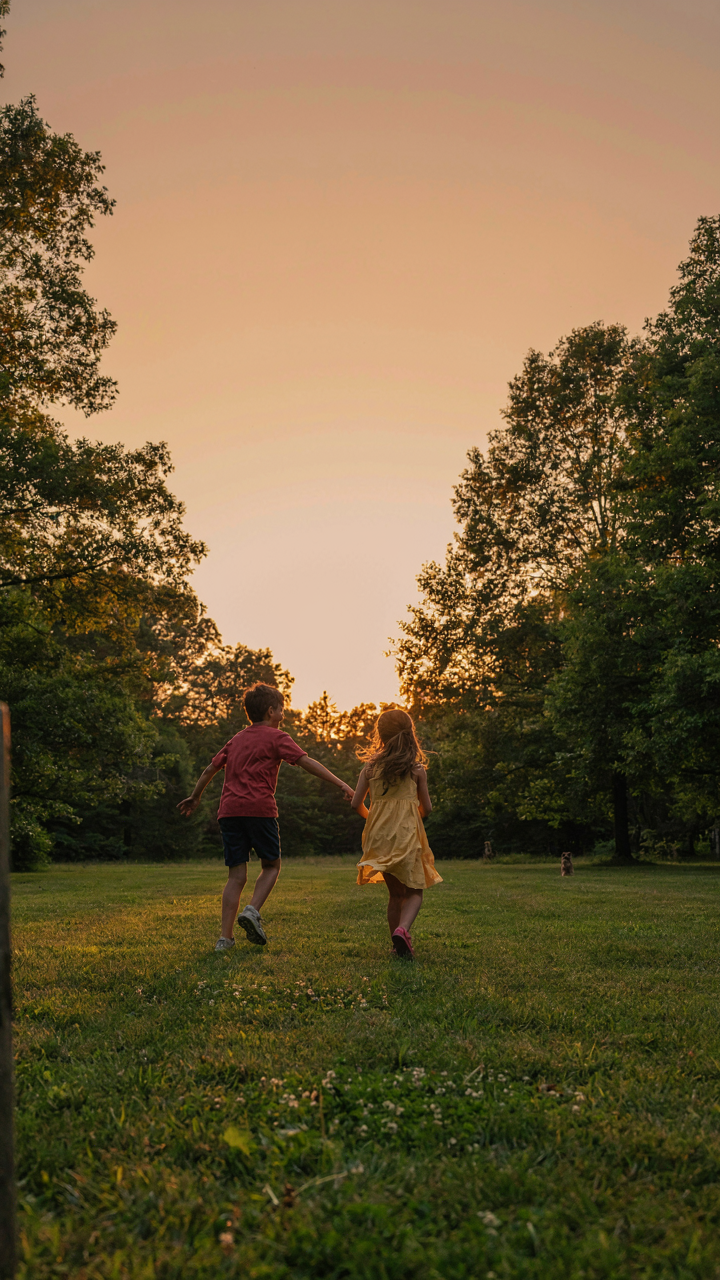
You don’t need Pinterest-perfect fairy lights or Instagram-worthy tent arrangements. You need kids laughing outside instead of rotting inside. The backyard slumber party works because it’s simple, not because it’s elaborate. Stop waiting for the perfect Pinterest board. Buy a tent today, string some lights, and host it this weekend. The best backyard slumber party is the one that actually happens.