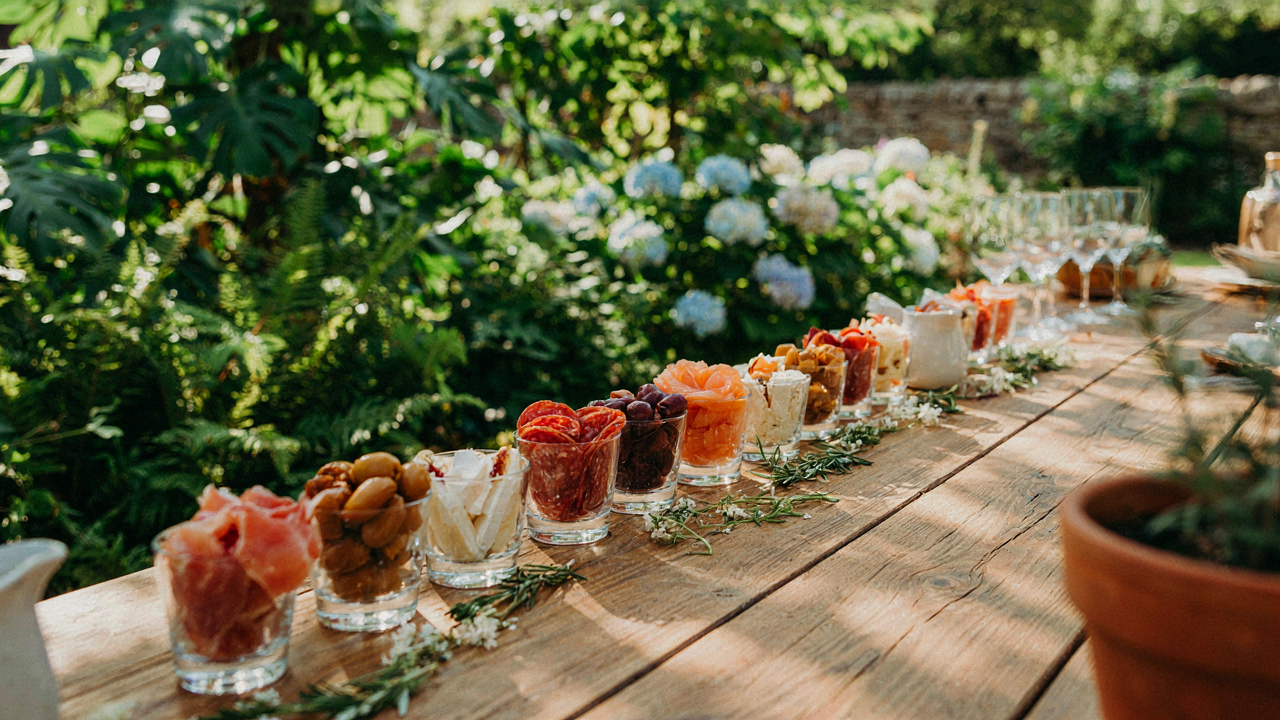
The Charcuterie Cup Delusion: Why “Easy” Kills Creativity And Impact

The Trap Of Premade Convenience
You want this to work without thinking because you’re afraid the execution will expose you as someone who can’t pull off hosting. Here’s the mechanism: charcuterie cups arrived as a product category, not as a design principle. The moment something becomes packaged and sold as a solution, it stops being a choice and becomes a default. Most hosts grab the cup format because it exists, not because it serves their actual table or guest experience.
The real cost of this shortcut is invisibility. A thoughtfully arranged board on a wooden surface creates friction, demands attention, becomes memorable. A cup filled with the same ingredients disappears into the background. You’ve outsourced the design decision to a manufacturer’s mold. The container now owns the composition, not you. This inversion is why charcuterie cups feel efficient but land flat.
What Rushed Assembly Actually Costs You
Layering cured meats, cheeses, and accents into a cup sounds fast until you realize you’re fighting physics and space constraints the entire time. Borrowing from industrial engineering, charcuterie cups operate under severe packing density limits. You can’t stack elements the way you can on a flat surface. Every item compresses the one below it. Prosciutto gets crushed. Cheese sweats. Crackers crumble from pressure. A two-minute assembly creates a three-minute eating experience of mangled components.
The hidden cost appears over time, not immediately. Your guests navigate a cup instead of a board, which means they eat standing up, one-handed, with limited access to the back layers. You’ve solved for ease of production at the expense of ease of consumption. That’s a losing trade. The correct protocol is reverse-engineering from the guest experience first, then building your container and arrangement around that constraint, not the other way around.
Beyond The Basic Skewer: Crafting Individual Charcuterie Ideas With Purpose

Pair Ingredients Like You’re Building A System

You want people to think you spent hours on this. Here’s what actually matters: every ingredient must earn its place by doing one of three jobs—contrast, complement, or cut through. This is systems design applied to a cup. You’re not throwing in random items hoping something sticks. You’re architecting flavor relationships that make each bite better than the last bite.
- Soft cheese with acidic preserve: The acid breaks down fat and resets your palate, making the next bite hit harder. This is mechanical, not accidental.
- Salty cured meat with sweet element: Salt amplifies perception of sweetness while sweetness masks the harshness of salt. They need each other to function.
- Crisp element with creamy base: Texture contrast forces your mouth to work differently with each component, which registers as flavor intensity.
- Herb or peppery component with rich meat: Heat cuts through fat saturation, preventing your palate from going numb after three bites.
- Nuts with soft spreads: They provide structural anchor and textural interruption that makes the spread taste more refined than it is alone.
The mistake most people make is treating charcuterie cups like a trash can for leftovers. You stack items without considering what each one does to the others. The mechanism is simple: limit yourself to one protein, one cheese, one acid, one texture, and one accent. This constraint forces you to pick ingredients that actually improve each other instead of just filling space.
Stack For Attention, Not Surprise
Forget the advice about burying premium items inside the cup. That’s visual misdirection masquerading as sophistication. Your eye lands first, and the first impression determines whether someone picks up the cup or walks past. You need a visual hierarchy that telegraphs quality in under a second, so the brain commits before the mouth has a chance to hesitate.
Layer your cup bottom to top: dense items first, then mid-tone elements, then your visual peak at the rim. Put your most visually distinct ingredient on top where light hits it. This mirrors how galleries hang paintings and how product packaging works. The top third of the cup should show contrast in color or form from whatever surrounds it. When someone’s choosing between five cups, the one with clear visual separation wins every time because it looks intentional, not assembled.
The “Micro Buffet” Method: Engineering Flavor Profiles In Every Cup
Texture, Taste, And Aroma Work Together Or They Don’t

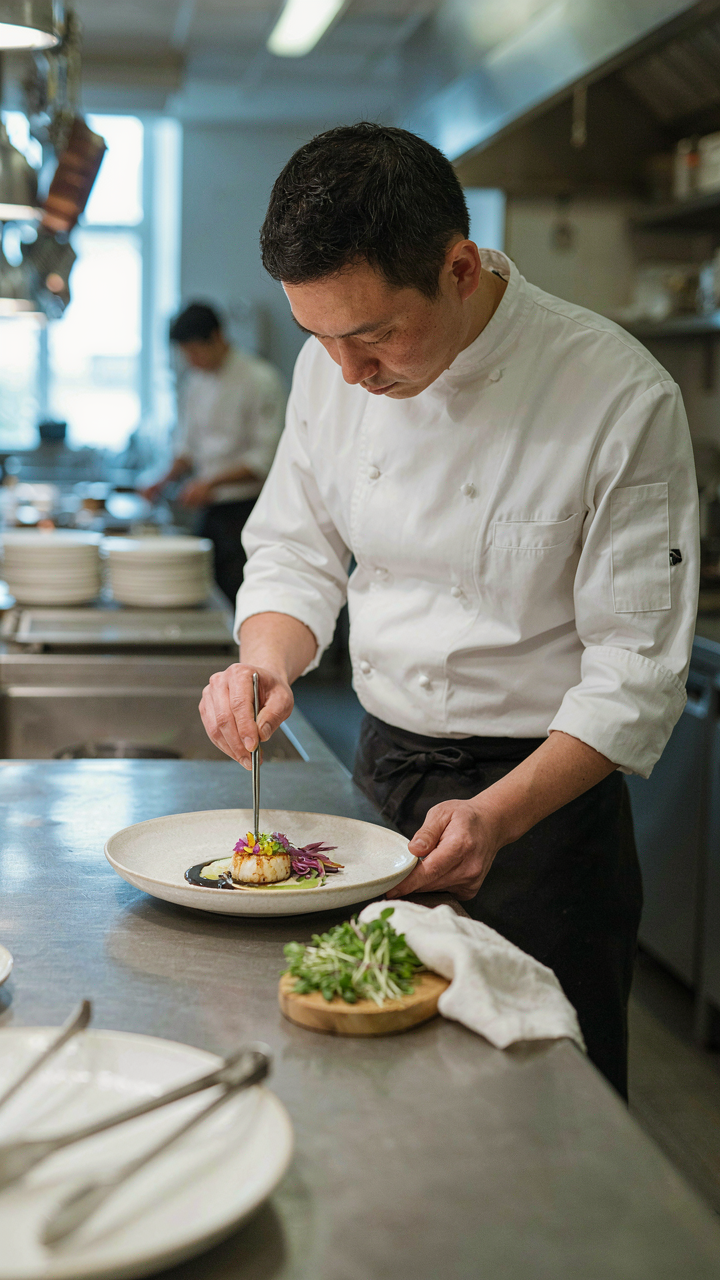
You want people to remember your cups instead of the neighbor’s spread. That means you need to stop treating them like random collections and start engineering them like a composed dish. The mechanism is simple: contrast. Your mouth registers texture first, then taste, then aroma catches up. If everything in a cup is soft, it fails. If everything is salty, it fails. One note dies fast.
Layer a hard salami slice against a soft cheese. Add a crisp cracker or breadstick for structural opposition. Include something brined or pickled to cut fat and reset the palate between bites. The herb or cured element provides the aromatic top note that makes the whole thing stick in memory. This isn’t decoration. This is functional composition.
Predator, Prey, And The Protein Chain
Biology teaches trophic levels, where energy moves up through predator and prey. Charcuterie cups work the same way: the protein sits at the base of your cup’s ecosystem. Everything else serves or balances it. The salami or prosciutto is your apex. The cheese is the secondary consumer. The vegetables, fruits, and crackers are the producers that make the whole thing edible and interesting.
Build your cup bottom up, not by ingredients randomly arranged. Start with the heaviest, most assertive element. Layer the moderately flavored components next. Finish with the lightest or most acidic item on top. This order ensures every flavor carries without being buried. The guest eats from the top down and tastes each layer distinctly, not as a mash. Reverse the order and the delicate notes vanish under the weight of what comes after.
Charcuterie Party Cups: Mastering Logistical Flow For Flawless Execution
Build Them Like A Production Line

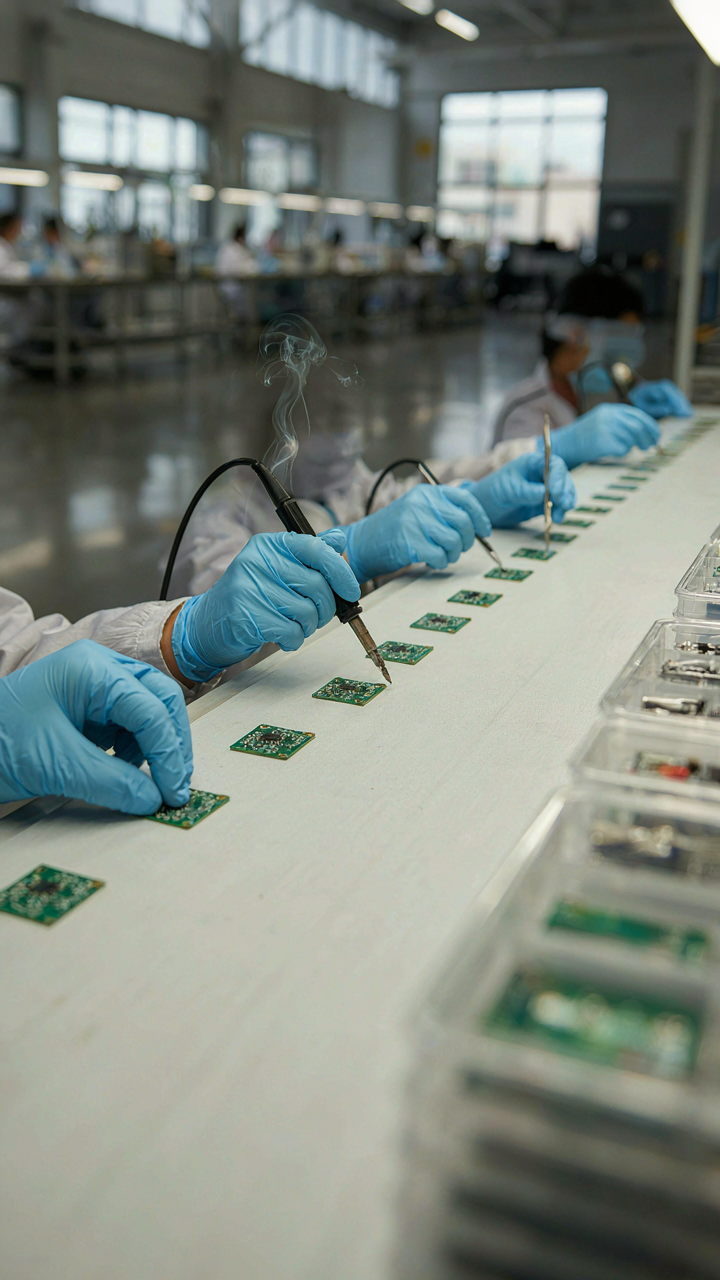
You want guests to grab a cup without thinking, which means you need to stop treating assembly like an art project. The real mechanism here is borrowed from manufacturing: stations. You’re not piling everything into cups randomly. You’re running a pull system where each station handles one category of ingredient, and the cup moves through in sequence.
Set up your workspace as a line. Start with the cup itself. Move to proteins. Then cheese. Then crackers and spreads. Then garnish. One person at each station works faster and cleaner than four people crowded around one table passing items. The cup never sits idle. Speed matters because warm hands transfer heat to the cup, and condensation ruins the presentation before guests arrive.
Pre Chill Everything Before Assembly
Cold ingredients stick to the cup surface and stay in place during transport and handling. Room temperature meats slip. Room temperature cheese sweats. This isn’t preference, it’s physics. Store all proteins and cheeses in the fridge for at least two hours before you start building. Pull only what you’re actively using from cold storage. The moment a protein sits on the counter, its surface begins to warm and lose structural integrity.
Stage your cups in a cold container between assembly and service. A sheet pan works if you don’t have better options. Never stack filled cups directly on top of each other. Use parchment paper between layers or store them standing upright in a shallow cooler with ice packs underneath. Transport them in an insulated container if the party is more than fifteen minutes away. Temperature control is what separates a presentation that holds for two hours from one that collapses after thirty minutes.
Charcuterie Cups For Wedding & High Stakes Events: Elevating Beyond Novelty

Premium Selections And Intentional Design

You want the cups at your event to signal that you didn’t cheap out, that you understand quality, that money and taste aligned. Here’s what actually matters: the vessel itself is theater, but the contents are the mechanism that determines success or failure. A premium cup needs restraint, not maximalism. Overloading a high-end event cup signals desperation masquerading as generosity. The cup should frame the ingredients, not compete with them.
Material choice determines longevity under real conditions. Glass or ceramic cups hold temperature better than disposables, which matters for temperature-sensitive proteins like prosciutto or smoked salmon. Custom cups printed with an event date, monogram, or logo cost marginally more but anchor the experience in memory. The rim diameter matters tactically too, narrow enough to prevent guests from overstuffing, wide enough for balanced assembly. Your sourcing decision should be made two weeks before the event, not two days before.
Managing Performance Under Real Pressure
Event service isn’t a controlled environment, it’s a stress test. The cups sit on tables, in heat, under handling. Common advice says prep everything hours ahead, but that’s incomplete. What actually breaks down is the cup’s structural integrity when loaded with acidic items like cured fish or marinated vegetables. The acid migrates into cheaper paper or cardboard, softening the walls. This is materials science applied directly to your liability.
Build in a refresh protocol. Assign staff to replace cups on tables every thirty minutes during service, not because the first batch fails catastrophically, but because slight degradation compounds over two hours. Assemble high-risk combinations like seafood and vinegar-based items no more than forty-five minutes before serving. If the event runs longer than two hours, you need a secondary prep station with fresh cups ready. This isn’t caution, it’s the difference between a flawless event and a documented failure.
Mini Charcuterie, Maximum Impression: The Psychology Of Individual Portions

Scarcity Signals Quality Through Constraint

You want people to think you have taste. That’s the real reason you care about this. The mechanism is economics: scarcity creates perceived value. When you portion charcuterie into individual cups, you artificially constrain supply even though you have the same total amount of food. Guests see a finite, curated selection instead of an open board. That constraint rewires their brain to believe they’re getting something special, not just snacks.
The math is straightforward. A shared board says “eat what you want.” Individual cups say “this was chosen for you.” One feels abundant and sloppy. The other feels deliberate and exclusive. You’re not serving more food or better food. You’re repackaging the same ingredients with a boundary. That boundary is the entire mechanism. Guests interpret constraint as intentionality, and intentionality reads as quality.
Portions That Stop Overconsumption Before It Starts
Most advice says individual cups reduce waste because people take only what they need. That’s incomplete. The real lever is portion psychology: a closed cup has a stopping point built in. Your brain registers a defined ending. With a shared board, there is no ending until the board empties or social pressure kicks in. Individual cups end the negotiation before it happens.
When someone holds a six-ounce cup, they eat the six-ounce cup. They don’t reach back three times for more because the container’s boundary becomes their boundary. You’ve outsourced self-control to design. This isn’t waste reduction through consciousness. It’s waste elimination through constraint. Measure your portions in advance, and consumption becomes predictable. The cup size dictates the outcome.
The Tactical Charcuterie Appetizers: Deploying Flavor Units Strategically

Match Tastes To Guest Archetypes

You’re worried your cups will sit untouched while everyone crowds the main spread. That’s the real fear here. The mechanism is simple: people eat what matches their existing preference, not what you think is sophisticated. Build cups for three distinct palates, not one idealized version. A cured meat and hard cheese cup serves the traditionalist. A prosciutto and fig spread cup targets the sweet-savory person. A spicy salami and aggressive blue cheese cup finds the adventurous eater. Each cup filters for its audience.
Most advice suggests “balance flavors,” which is vague nonsense. What matters is recognizing that your guests come with fixed taste profiles. You’re not converting anyone at a garden party. You’re giving each person their version of the same concept. This means knowing your crowd before you build. A group of your parents’ friends needs different cups than your spouse’s work colleagues. The person who always reaches for the safest option will never choose the aggressive one, no matter how well-made it is.
Source Components For Maximum Impact
- Cured meats from a specific region: Prosciutto di Parma, Spanish jamón ibérico, or Italian soppressata have defined flavor profiles and shelf stability. These travel well in cups and don’t degrade quickly in warm conditions.
- Aged hard cheeses with structure: Parmigiano-Reggiano, Manchego, or Pecorino Romano hold their shape in cups and deliver concentrated flavor. Soft cheeses fail tactically because they sweat and merge with other components.
- Pickled or brined vegetables: Cornichons, marinated artichoke hearts, or pickled red onions add acidity and cut through richness. The brine keeps them fresh longer than raw vegetables in a confined space.
- Nuts with purpose: Marcona almonds, roasted hazelnuts, or candied walnuts provide textural contrast and prevent the cup from feeling wet or paste-like when assembled hours ahead.
- Preserved fruits with function: Dried apricots, quince paste, or fig jam pair with aged cheese and salt-forward meats. These don’t oxidize and taste better at room temperature than fresh fruit.
Freshness is not about how recently you bought something. It’s about ingredient stability within the cup’s lifespan. A garden party cup sits assembled for two to four hours. During that time, moisture migrates, flavors blend, textures soften. Source components that resist degradation. Skip fresh berries, raw vegetables, and anything that sweats. Choose ingredients with natural preservation built in: salt, acid, sugar, or age. Buy from suppliers who specialize in these formats, not from general grocers with slow turnover. Call ahead if sourcing aged meats or imported cheeses. Verify the product arrived that week.
Easy Charcuterie Cups That Aren’t Lazy: Systems, Not Shortcuts

The Prep Window That Changes Everything
You want to look effortless while actually being prepared, and that gap between those two things is where most people fail. The real mechanism here is constraint-based preparation: you’re not trying to do everything at once, you’re building a timeline that forces decisions before the party starts. Most advice tells you to “prep ahead,” which means nothing. Real prep means identifying the exact 48-hour window where each component reaches peak freshness, then working backward to assign tasks to specific hours.

Charcuterie cups demand front-loaded work because once guests arrive, you’re done building. Slice meats and cheeses 24 hours before, not the morning of, because they dry differently depending on room temperature and humidity. Pre-cut fruits oxidize, so some go in at hour-minus-4, others at hour-minus-1. This isn’t flexibility, it’s precision. Write these timelines down and execute them like a production schedule, not a suggestion.
Materials That Prevent Failure
Organization in charcuterie cup assembly borrows from manufacturing’s concept of the workstation: every tool and material sits within arm’s reach in the exact sequence you’ll use it. A disorganized setup makes you rush, and rushing creates inconsistent portions, spilled components, and cups that look assembled by someone who didn’t care. Invest in proper containers with lids for pre-cut items. Use sheet pans lined with parchment to stage cups before refrigeration. Keep your slicing knife sharp, your cutting board stable, and your small bowls for garnishes positioned before you begin assembly.
Your material organization determines your output quality as directly as your skill does. Separate dry components from moist ones to prevent soggy cups. Use small silicone prep bowls for nuts and seeds so they don’t scatter during transport. Keep labels on everything with the prep time and date. Set up a staging zone in your refrigerator where finished cups sit in a single layer on a flat shelf. The person running this system executes 20 cups in the time someone without it makes 8.
Stop Chasing Easy; Master The Micro-experience. True Impact Is In The Intention, Not The Container

Charcuterie cups don’t impress because they’re convenient. They impress because you curated something small with precision. Your guests remember the intentionality, not the vessel. Build your next cup with one rule: every item earns its place. Stop filling space. Start building meaning. Tonight, audit your pantry and create one cup that says something about your taste instead of your effort. The container is just permission to care about the details that actually matter.