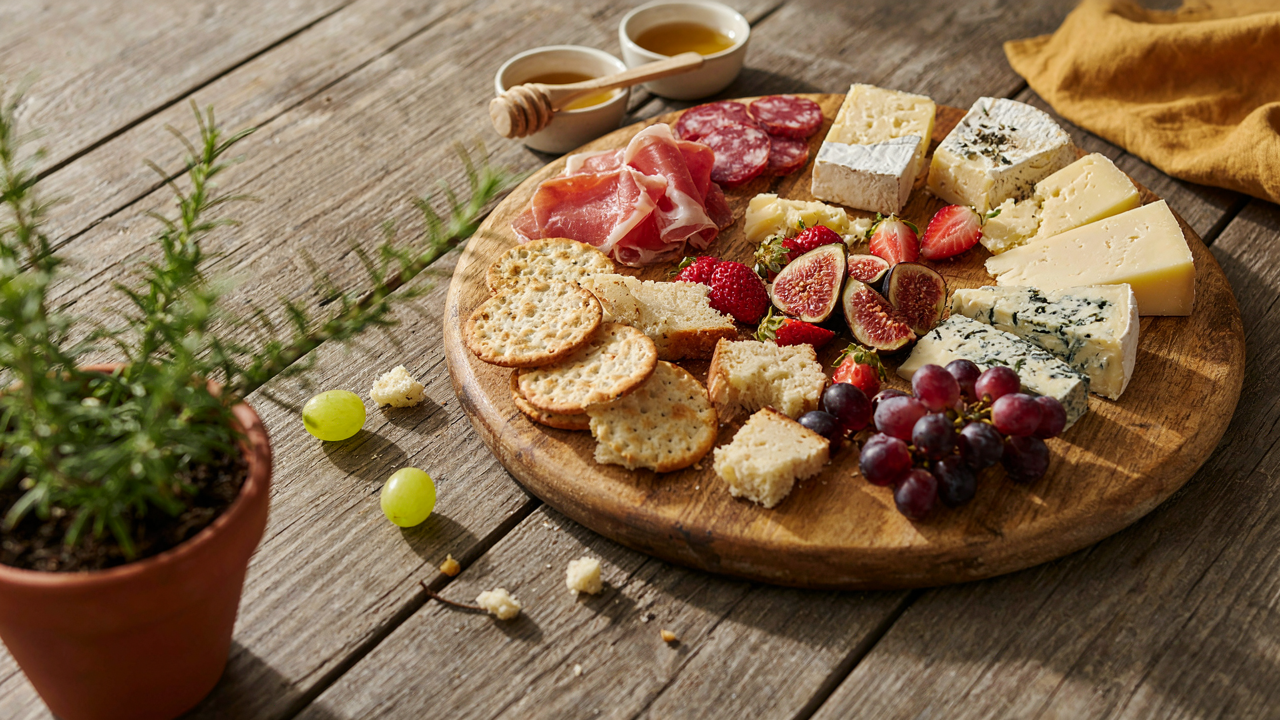
The Environmental Neglect Protocol: Why Your Board Fails Before It Begins
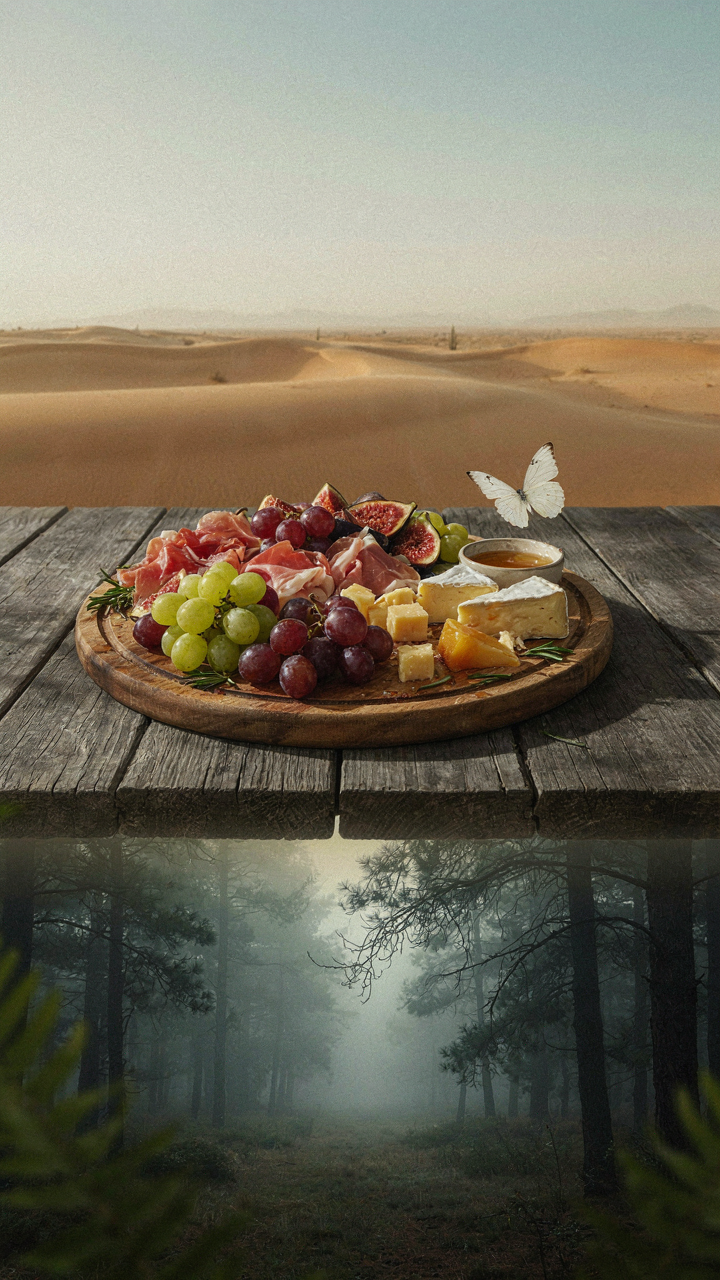
Microclimates Shape Your Timeline
You want your board to look effortless and abundant for hours. The mechanism nobody states plainly: your board doesn’t exist in one temperature. It exists in multiple overlapping climate zones, and they’re destroying your food at different rates.
Direct sun hits exposed cheese and cured meat harder than shaded edges. A board placed near a grill absorbs radiant heat invisible to your skin. Wind accelerates moisture loss from soft cheeses and exposed cut surfaces. Humidity in the air either preserves or accelerates bacterial growth depending on the specific food and ambient temperature. Most people treat their entire board as one space. It isn’t.
Heat Transfer Is Not Your Friend
Physics calls it heat transfer. On your charcuterie board, call it the spoilage accelerator. Your board sits on a surface, and that surface exchanges heat with the air, the ground, and the sun. Wood is an insulator until it warms up, then it becomes a heat sink that warms everything on top of it. Ice underneath cools the board temporarily, but once that ice melts, the water pooling underneath creates thermal chaos.
Most advice says “keep it cool” or “use ice packs.” That’s incomplete. The real mechanism is thermal equilibration: everything on your board is moving toward ambient temperature. Once your board matches the air temperature, cheese softens, cured meats begin sweating, and spreads separate. Place your board on a shade-covered table, not directly on ground or sun-exposed surfaces. Position ice packs underneath the board, not mixed with the food. Replace ice every 30 to 45 minutes once outdoor temperature exceeds 65 degrees Fahrenheit.
Humidity Is The Silent Killer: Defeating The Damp
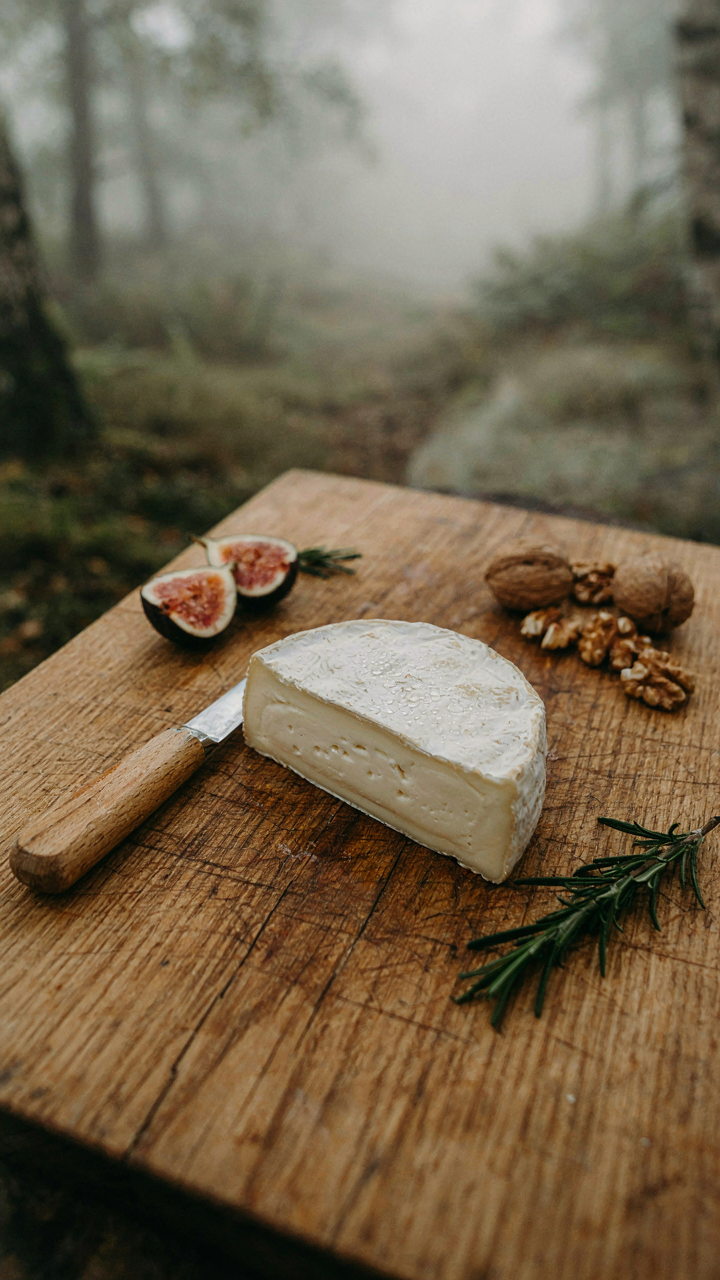
What Relative Humidity Actually Does To Your Board

You want your cheese to look pristine when guests arrive, which is why humidity matters so much—but most people blame the wrong thing. Thermodynamics teaches us about vapor pressure, and on your charcuterie board, relative humidity is the vapor pressure differential between your food’s surface and the air around it. When relative humidity climbs above 60%, moisture migrates into harder cheeses and cured meats, softening texture and accelerating bacterial growth.
Absolute humidity tells a different story. It measures the actual amount of water vapor in the air regardless of temperature. Two boards at the same relative humidity will behave differently if one sits in 75-degree heat and the other in 55-degree conditions—the warmer board loses moisture faster from certain items while gaining it in others. This is why a board that holds up fine at a cool evening event falls apart at midday. You’re not fighting humidity alone; you’re fighting the interaction between humidity, temperature, and food composition.
Desiccants And Covers That Actually Work
The standard advice to “just use plastic wrap” fails because it traps condensation directly on food surfaces, breeding mold instead of preventing it. Real protection requires pulling moisture away from the board entirely, not sealing it in. Silica gel packets work because they absorb ambient moisture before it reaches your cheese and cured meats, but placement matters—tuck them under the board’s perimeter or in small bowls nearby, never directly touching food.
Food covers solve a different problem than desiccants. A breathable mesh or cotton food cover prevents debris and insects while allowing limited air circulation, which slows—but doesn’t stop—moisture absorption. The mechanical protocol: place desiccants first, set your board, deploy the cover only after guests finish eating or if you need to store the board between service periods. Remove the cover thirty minutes before serving to let surface condensation evaporate, then refresh your desiccants if the board sits outside longer than two hours.
The Solar Radiation Fallacy: It’s Not Just About Shade
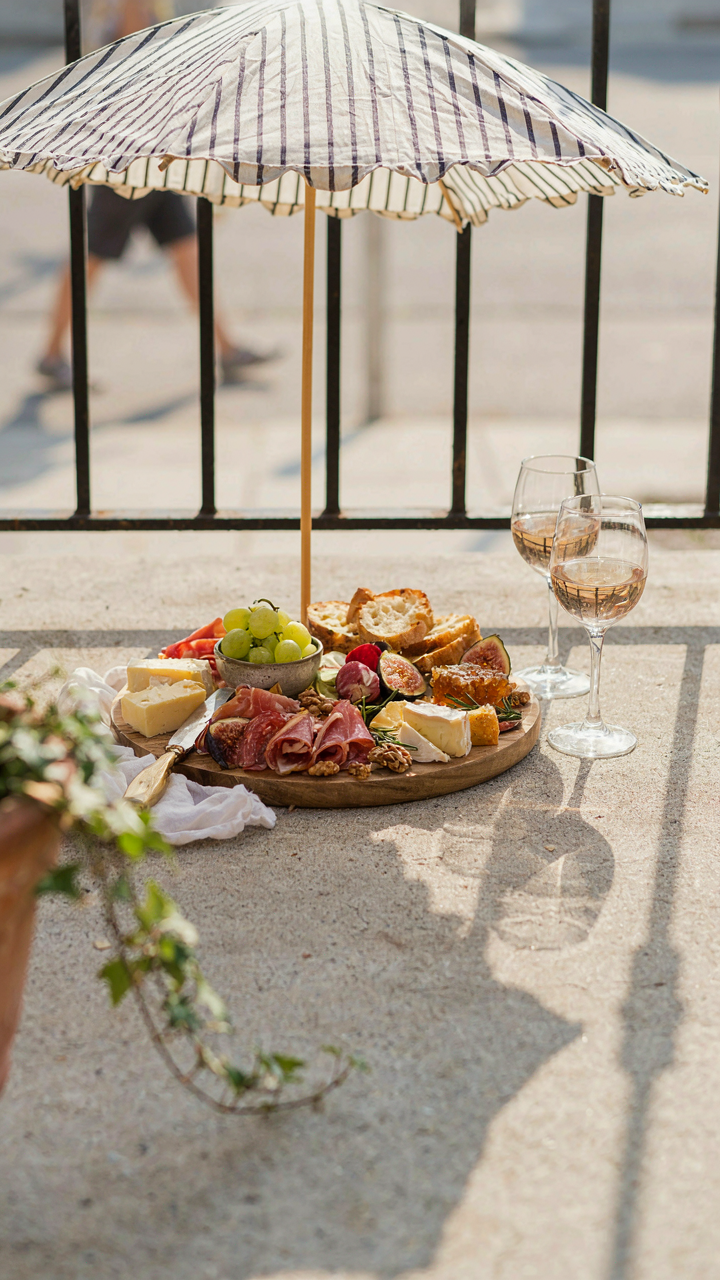
Direct Versus Indirect Solar Gain

You want to believe shade solves the problem because shade is easy. It doesn’t. Physics distinguishes between direct solar radiation hitting a surface and indirect radiation bouncing off the ground, nearby structures, and the sky itself. Your charcuterie board sits in a thermal environment, not just a light one. A board under a tent with no walls still absorbs radiant heat from reflected sunlight bouncing off sand, concrete, or grass. The surface temperature rises regardless of whether sunlight hits it directly.
Most boards fail because people obsess over blocking the sun’s rays while ignoring the real culprit: surface temperature differential. A dark wooden board in indirect sunlight reaches 95 degrees Fahrenheit while the ambient air sits at 75. That 20-degree gap accelerates bacterial growth on soft cheeses and cured meats faster than direct sun exposure on a light-colored surface would. Measure board temperature with an infrared thermometer before service. If it reads above 80 degrees, your setup failed regardless of how much shade you deployed.
Light Color Beats Shade
Albedo is the material science term for how much light a surface reflects instead of absorbing. Dark marble reflects roughly 20 percent of incoming solar radiation while light limestone reflects 70 percent. Most charcuterie advice ignores this entirely and just says find shade. Wrong approach. A light-colored board with poor shade beats a dark board under a perfect umbrella because the material itself rejects heat rather than trapping it.
Choose boards and serving dishes with high albedo: light oak, whitewashed wood, or ceramic in cream or white tones. Granite and dark slate boards absorb heat and transfer it directly to food. Metal surfaces reflect but conduct heat into the board’s underside, then into the food. Pair a light wooden board with a light tablecloth underneath to reduce ground reflection from bouncing back up. This dual-layer approach keeps surface temperature 12 to 15 degrees cooler than traditional dark setup at identical ambient conditions.
The Edible Entropy Method: Slowing Molecular Chaos
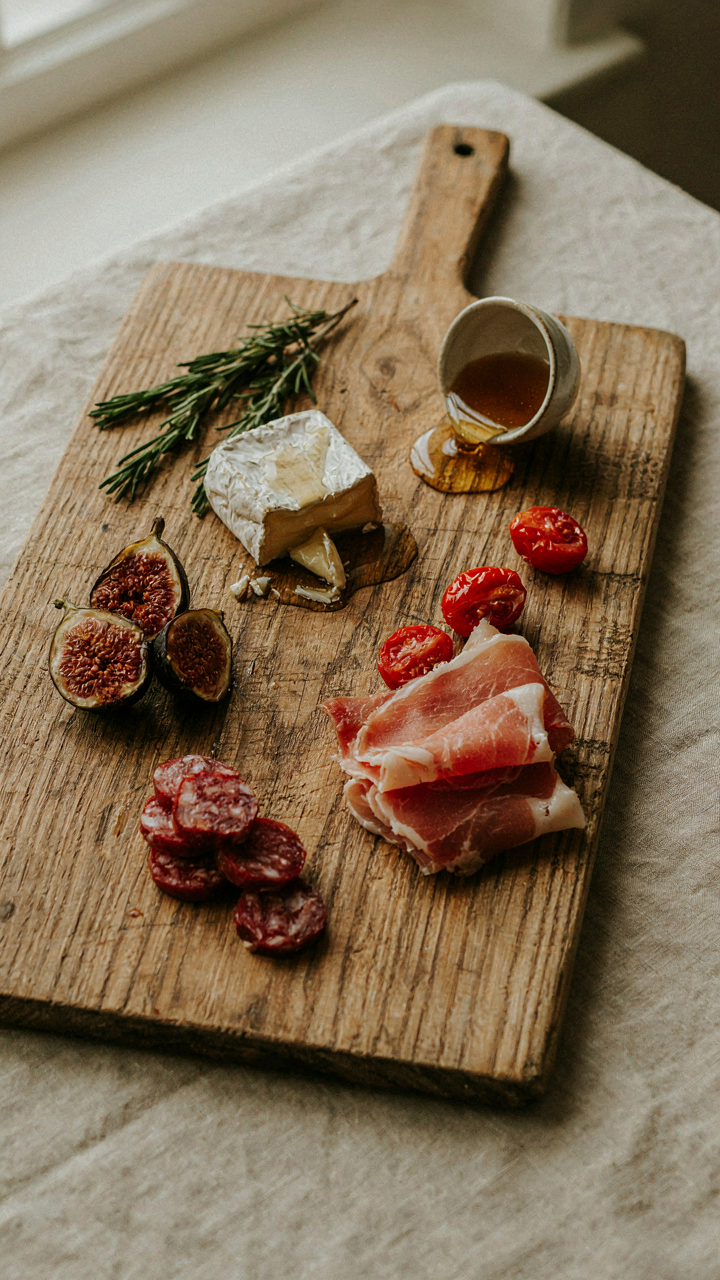
Heat Transfer Is Your Real Enemy

You want your board to look effortless and abundance-filled for three hours without looking like a crime scene. That’s the real anxiety. The mechanism is thermodynamics: every food item on your board exists in a state of energy transfer. Warm air moves to cool surfaces. Cool surfaces absorb that heat. Bacteria accelerate their reproduction rate roughly double for every 10 degrees Celsius above 4 degrees. This isn’t philosophy. It’s physics applied to protein degradation. Your cheese doesn’t “go bad” on its own. Heat energy drives molecular breakdown faster than your food’s natural defenses can handle.
Most advice stops at “use ice packs” and calls it done. Insufficient. You need to understand that dense, cold mass underneath your board creates a thermal barrier, but placement of that mass determines whether you’re actually slowing entropy or just creating a cold spot three inches wide. A thin ice pack under the middle does nothing for the prosciutto at the edge. Distribute thermal mass across the entire board base, not concentrated in one zone. The goal is uniform energy resistance, not pockets of coldness surrounded by dead zones heating up fast.
Density And Layering For Insulation
The real arrangement trick involves treating your board like a thermal sandwich, where density order controls cooling speed. Start with your coldest element at the base: a thick metal tray or marble slab chilled in a freezer for 30 minutes beforehand. Metal conducts cold. Marble holds it longer. Then layer a thin cloth or parchment. This prevents moisture migration that accelerates mold. Above that, position your most temperature-sensitive items: soft cheeses, cured meats, anything with fat content that liquefies under heat exposure.
Surround these central items with denser, less-temperature-sensitive foods like nuts, bread, and dried fruit. They act as insulation barriers that slow radiant heat from reaching your high-risk items. Your crackers and nuts absorb ambient heat first. Your brie stays protected longer. Never scatter items randomly across the board. Group by thermal vulnerability, not by aesthetic balance. Firmer cheddar can sit on the board edge. Burrata cannot. Temperature management overrides visual design when the sun hits. Choose between looking good for two hours or having food worth eating for three.
Ingredient Selection: Beyond “Fresh” To “Resilient” For Your Charcuterie Spread
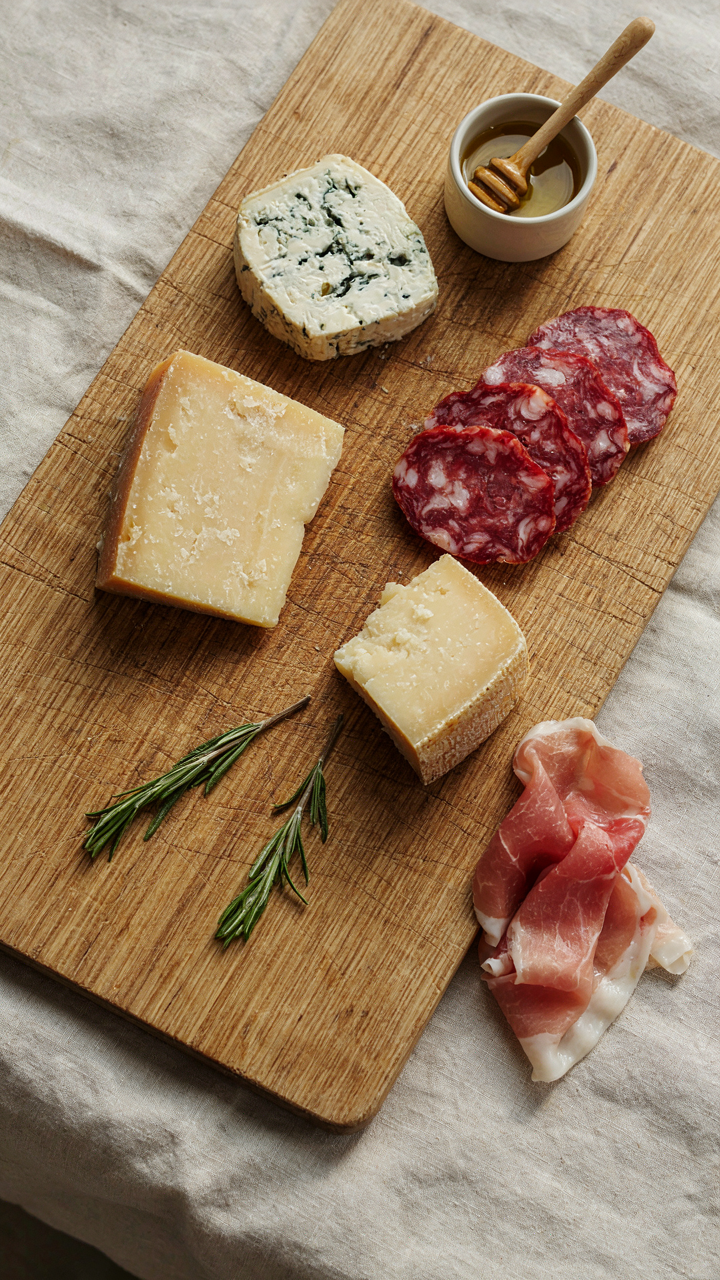
Water Activity Determines What Actually Spoils

You want to look like you know what you’re doing with food. Here’s what actually matters: water activity, not freshness. Food science measures this as Aw, the ratio of free water molecules available for microbial growth. Most people ignore this completely and just buy whatever looks good. A high Aw means bacteria and mold colonize fast. Low Aw means your board survives outdoors.
Cured meats like prosciutto, soppressata, and chorizo have Aw between 0.70 and 0.85 because salt and nitrates bind water molecules. Hard cheeses like Parmigiano-Reggiano sit at 0.50 to 0.65. Soft cheeses like brie reach 0.96, which is why they spoil in hours outside. The mechanism is simple: free water feeds microbes. Trapped water does not. Pick ingredients where the water is already trapped by salt, fat, or age.
Cheeses And Cured Meats Built For Resistance
Everyone says “buy good cheese.” That’s lazy advice. Buy cheese engineered for stability. Aged Gouda, Manchego, and Gruyère have low water activity and high salt content. Their structure resists temperature swings. Fresh mozzarella does the opposite and will separate into greasy solids by hour two outside. Cured meats work the same way: the longer the cure, the lower the Aw, the longer it survives heat and time without refrigeration.
Salamis dry-aged for months have Aw below 0.75. Prosciutto and speck sit around 0.70. These don’t require ice packs. Fresh coppa or uncured pancetta will turn rancid or bacterial within an hour in direct sun. Stack your board with ingredients that already survived their own preservation process. The work is done. You’re just extending what’s already stable instead of fighting entropy with a melting ice pack.
The Contamination Illusion: It’s Not Just Your Hands
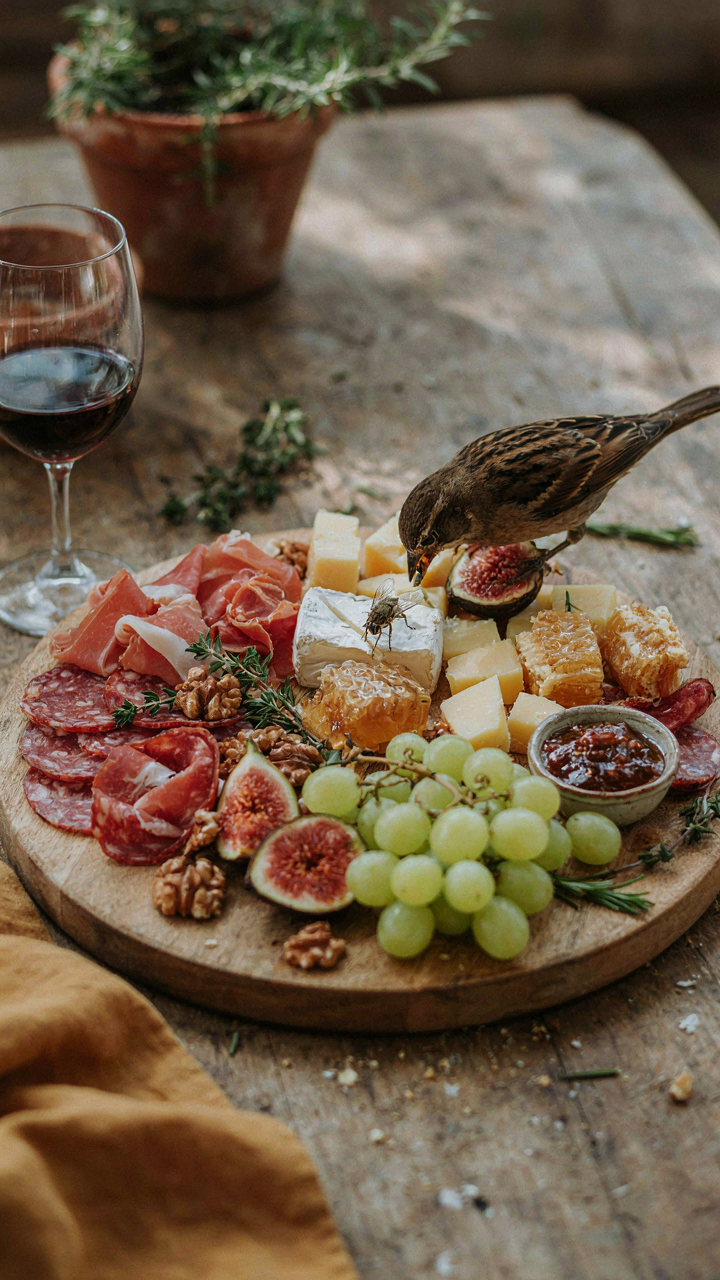
What Actually Travels Through Air

You want to believe food poisoning comes from visible mistakes. It doesn’t. Bacteria and viruses don’t care about your reputation. Microbiology treats your outdoor charcuterie board like any open system: a passive receptacle collecting whatever the environment deposits on it. Airborne pathogens don’t require contact. They settle. Dust, water vapor, and respiratory particles from guests carry salmonella, listeria, and norovirus directly onto exposed surfaces and food. Your hands are one vector. The air is another that you’re not managing.
Cross-contamination happens silently during setup and service. You place raw ingredients near ready-to-eat items. A guest sneezes near the board. Wind carries particles from nearby trash or animals. None of this triggers alarm bells because it’s invisible. The contamination has already occurred hours before anyone tastes anything. Temperature abuse accelerates the outcome, but the infection happens during exposure, not during digestion. You’re not controlling the environment. You’re just hoping it stays clean.
Physical Barriers Between Food And Everything Else
Covering food isn’t weakness. It’s a protocol borrowed from food safety systems used in commercial kitchens. The barrier principle states: unprotected surface equals contaminated surface. Apply this ruthlessly to your outdoor charcuterie board setup. Glass domes, food-grade mesh covers, and sealed containers aren’t optional upgrades. They’re the difference between service and outbreak. Uncover only the section being actively consumed. Recover immediately after. The moment food sits exposed in an outdoor setting, pathogens begin colonizing. A single uncovered board for three hours at sixty-five degrees accelerates bacterial growth past safe consumption zones. Your guests don’t see barriers as safety. They see restriction. Place covers anyway.
Barrier strategy extends to surface prep. Use disposable serving utensils, not communal forks. Replace platters between food types. Assign one cutting surface for cheese, another for cured meats. Designate a separate hand-washing station near the board with soap and paper towels. These aren’t suggestions from catering guides that nobody follows. They’re interruption points that stop the transfer of pathogens from hands to food to guests’ mouths. Implement this step before service begins, not after the first person touches everything.
Logistical Precision: Deployment And Retreat Of Your Food Table
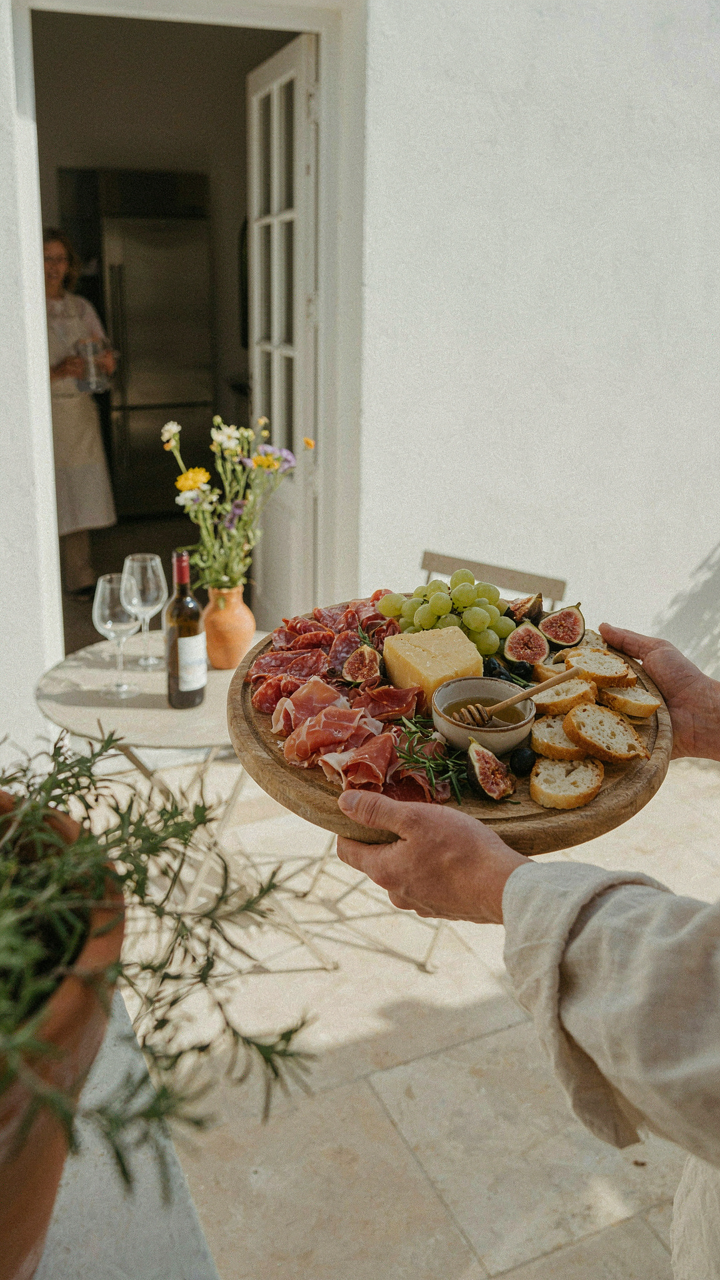
The Pre Chill Window

You want your guests to think you pulled this together effortlessly. The real fear is that food will sit warm on the table, and bacteria will multiply before anyone eats it. The mechanism is simple: temperature control before the board hits the table determines everything that follows. Pre-chill your serving board, utensils, and plates in a freezer for thirty minutes minimum. This thermal mass keeps food cooler longer once deployed.
Stage your ingredients in the kitchen, not outside. Assemble the board only fifteen to twenty minutes before guests arrive. Keep cured meats, cheeses, and spreads in the refrigerator until the last possible moment. The board itself acts as a heat sink when it’s cold, buying you real time without relying on ice or insulation you’ll have to explain to people.
Swift Breakdown Stops The Multiplication
Everyone says clean up quickly. That’s not the actual instruction. The real mechanism comes from food science: pathogenic bacteria double every twenty minutes at room temperature between forty and one hundred forty degrees Fahrenheit. This is your actual timer, not vague politeness about tidiness. Pack perishables into a cooler or back inside within two hours of service, ideally sooner.
Don’t break down the board gradually as guests eat. Remove it entirely once people have grazed for ninety minutes. Use a second, smaller board for the final thirty minutes if guests want to keep eating. This prevents the visual illusion that food is still fresh when it’s actually sitting in a bacterial breeding window.
The Post Mortem: Learning From Your Spoilage Failures For Amazing Food Platters
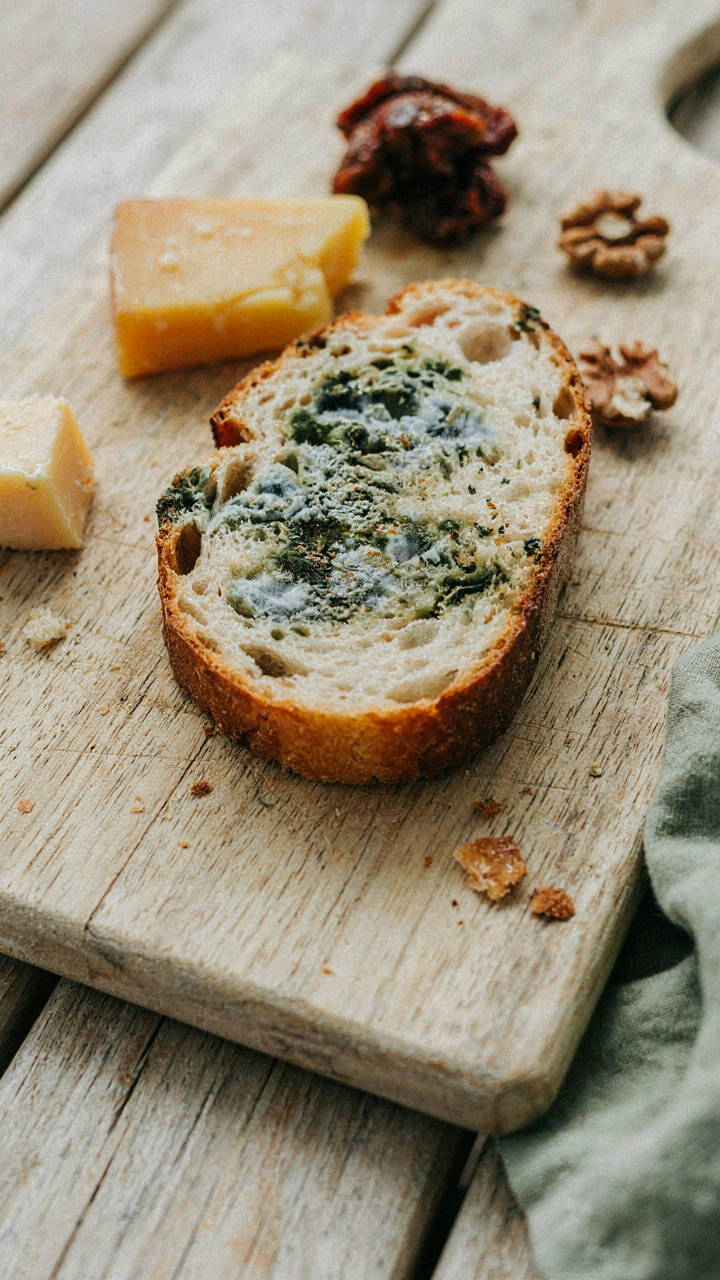
What Actually Killed Your Board

You want to know what went wrong so you don’t waste money next time. Here’s the mechanism: spoilage is a microbiology problem masquerading as a temperature problem. Bacteria and mold don’t care about your intentions. They reproduce exponentially when conditions hit their sweet spot, which for most pathogens is between 40 and 140 degrees Fahrenheit. On an outdoor board, you’re fighting three variables at once: ambient heat, surface absorption, and air circulation patterns that create dead zones.
The root cause isn’t usually a single failure. It’s a cascade. You set the board out, sun hits the darker meats first, surface temperature climbs faster than internal temperature, condensation forms underneath from cooler shade areas, and moisture becomes the accelerant. Most people blame “leaving it out too long.” That’s the symptom, not the diagnosis. The actual culprit is the environmental gradient you didn’t control.
Calibrate Your Setup Against Real Data
Start tracking three specific measurements on your next board: ambient air temperature, direct sun exposure time on each section, and how long items spent outside before they moved to cooler storage. Record the outcome. Did the cured meats hold longer than the fresh cheese? Did shaded areas outlast exposed ones? Did time of day matter more than total duration?
- Ambient temperature zones: Mark your outdoor space with a basic thermometer at board height, in sun and in shade. Temperature variance across your setup is always wider than you think.
- Surface material thermal mass: Dark wood absorbs and radiates heat differently than marble or ceramic. Test your board material’s temperature after 30 minutes of direct sun versus shade.
- Shade degradation rate: Note when direct shadows move across your board. Most people don’t account for the sun’s angle change over 90 minutes.
- Moisture accumulation timing: Check underneath the board at 30, 60, and 90 minute intervals. Condensation appears faster than you expect on cool surfaces under warm air.
- Item-specific performance: Track which foods lasted longest in your specific conditions. Your cured salami may hold 2 hours in full sun but only 90 minutes in humid shade.
Next time you set up, use this data to predict failure points before they happen. If you know your board surface temperature hits 65 degrees in 45 minutes of sun exposure, and soft cheeses start degrading at 70 degrees, you now have a hard deadline. Execute accordingly.
The Real Problem Isn’t Spoilage; It’s Your Naive Belief That Nature Plays By Your Rules
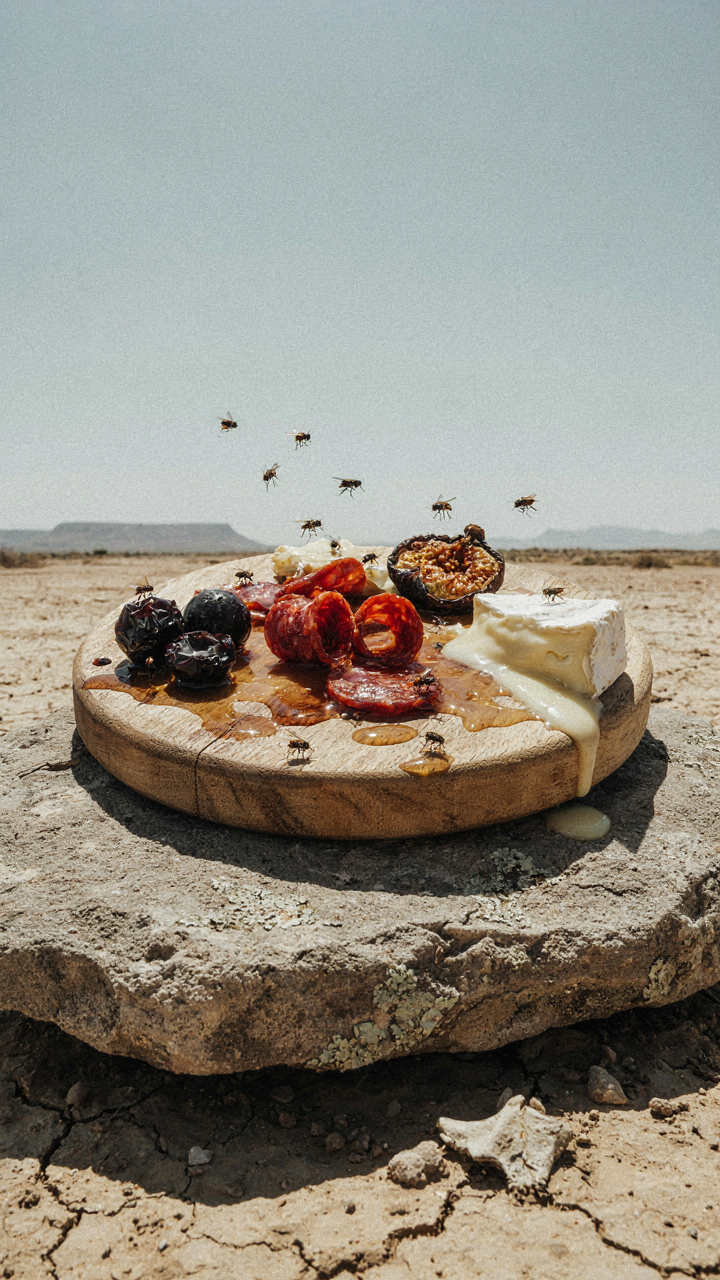

You keep building boards like the outdoors owes you something. It doesn’t. Stop treating your charcuterie like it’s happening in a climate-controlled room and start treating it like a hostile environment you’re trying to survive. The shift happens when you stop asking “how long can this sit out” and start asking “what do I need to do right now to keep this edible.” Your next board: bring ice packs before you bring the brie. Nature doesn’t negotiate with amateurs.