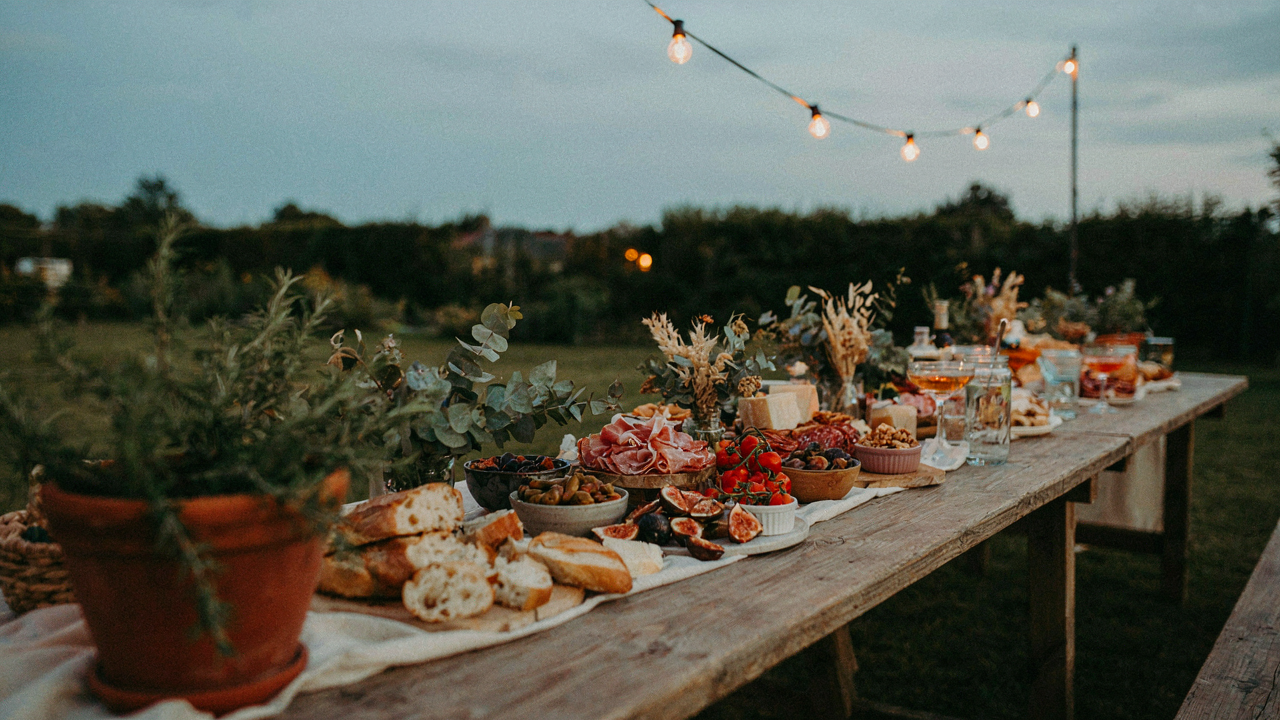
The Illusion Of Effortless Elegance: Why Most Grazing Tables Fail
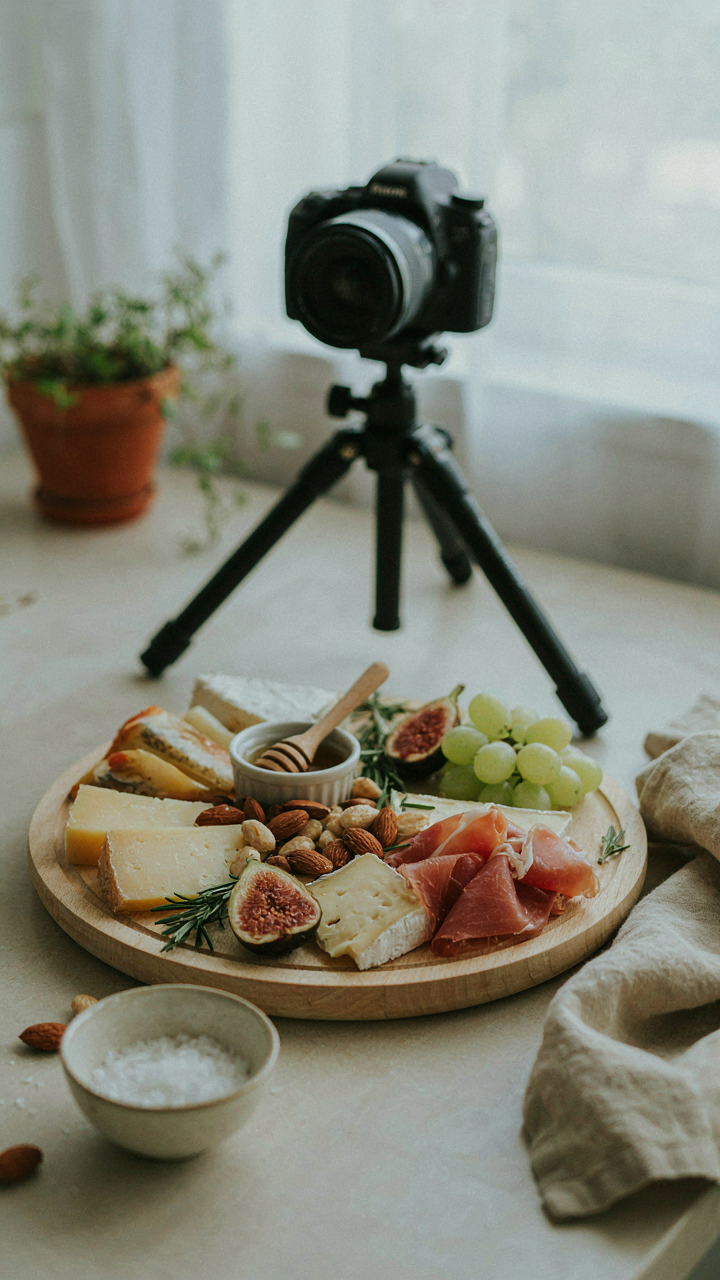
What Instagram Doesn’t Show You
You want people to think you didn’t try. That’s the real fear driving this section. The mechanism is simple: Instagram grazing tables are composed for the camera angle, not the guest experience. They prioritize visual density over actual consumption patterns. A table that photographs well often wastes half its contents because nothing sits at mouth height or arm’s reach from where people actually stand.
The gap between styled and functional reveals itself in the first thirty minutes. Guests reach for items at eye level, ignore bottom-tier items, and create dead zones around the table’s center. Professional event stylists know this but don’t mention it because their job ends when the photo uploads. Your job continues when people need to actually eat.
The Time Tax Nobody Budgets For
Effort economics teaches us that perceived cost and actual cost diverge when labor remains invisible. A grazing table’s hidden labor is the assembly and replenishment cycle, not the shopping. Most people budget two hours for setup and forget the four hours of prep work: washing produce, cutting items to proper sizes, arranging plates and utensils, and keeping ice packs staged to refresh items mid-event.
The compounds problem is temperature management and depletion speed. Soft cheeses sweat. Cured meats dry out. Crackers absorb humidity. Your table degrades in real time while you’re socializing. You’ll either spend the party as a catering technician or watch your investment collapse. The actual protocol requires a prep station offstage with duplicate items, a refresh schedule every forty-five minutes, and a thermometer to verify temperature holding.
Beyond The Board: The Strategic Layout Method For Crowd Control

How Movement Maps Beat Symmetry

You want people to think your grazing table looks effortless. That’s the real fear: spending hours on precision only to have guests see chaos anyway. Military strategy borrowed the term “lines of supply” to describe how resources flow through territory. Your table needs the same principle applied backward—design the flow first, build the board second.
Most people center the table and assume guests will just figure it out. They won’t. A centered rectangle creates a dead zone in the middle where nobody stands, forces people to reach across strangers, and bottlenecks traffic at the corners. The mechanism is simple: sight lines and arm reach determine where bodies cluster. Position your table parallel to the main foot traffic pattern in your yard, not perpendicular to it. Guests should pass by naturally, not make a destination trip to grab a board.
Where Congestion Happens First
Identify your choke points before you fill a single board. Choke points aren’t accidents—they’re predictable. The space between your table and the drinks station, or between the table and seating, or where the patio narrows near the house. People stack up there automatically. You don’t fight it; you route around it.
Place the grazing table where guests can access it without crossing other zones. An end-of-patio setup beats center-of-yard every time because it gives people an entry and exit without backtracking. Set your high-traffic items like crackers and bread at the end closest to foot traffic. This moves the eating action forward instead of creating a static gathering point that kills conversation and creates bottlenecks at one spot.
Food Table As A Weapon: Leveraging Edibles For Social Dynamics

Curating Conversation Starters, Not Just Snacks

You want people to think you’re interesting without actually being interesting. A grazing table either becomes the night’s centerpiece or furniture nobody remembers. The mechanism is simple: unfamiliar food creates friction, and friction forces interaction. When someone sees something they don’t recognize, they ask about it. That question becomes the conversation. Most people load tables with obvious items—cheese, crackers, grapes. This fails because familiar food doesn’t demand explanation or engagement.
The actual play is sourcing items that spark curiosity while remaining accessible. Include one or two items nobody expects at a casual gathering: honeycomb, pickled vegetables in a glass jar you found at a market, a spread made from something regional. These aren’t gimmicks. They’re conversation nodes. A guest picks up honeycomb, someone else notices, and suddenly three people are discussing it. The table stops being decoration and becomes a social accelerant. You’ve engineered engagement through deliberate scarcity of the unusual.
Strategic Placement Of High Demand Items
Positioning is borrowed directly from retail psychology, which calls it “placement value.” High-velocity items placed at arm’s reach increase consumption. Place them off-center. Nobody stands directly in front of a grazing table the entire night. They approach from angles. Position the items you want consumed most at the points where people naturally enter the table’s perimeter, not the center. The common advice says center everything for visual balance. That’s wrong if your actual goal is traffic and conversation flow.
Items that require eating with hands or utensils should occupy a different zone than items guests can grab instantly. Separate the wet elements from the dry. This prevents the table from looking decimated within thirty minutes and keeps refilling simple. Place water, napkins, and small plates before guests reach the food itself, not after. This controls the pace of consumption and prevents the bottleneck where everyone fumbles for napkins simultaneously. The table becomes functional through sequence, not symmetry.
The Un Wedding Appetizers: Ditching Generic For Memorable
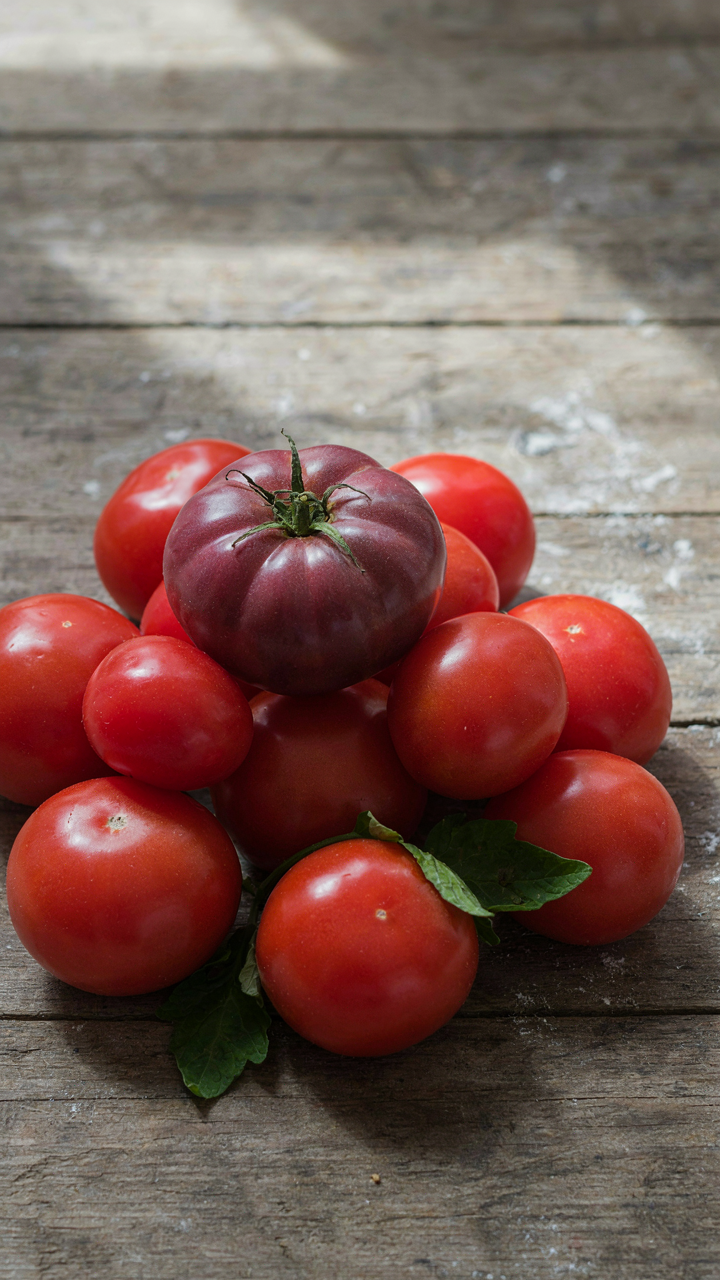
Signature Bites Over Ubiquitous Fillers
You’re worried people will forget your event and judge you for playing it safe. The mechanism is simple: memory forms around contrast, not repetition. Everyone’s eaten the same three cheeses and cured meats at every grazing table since 2015. Signature bites are items you prepare or source specifically for this spread, not items that exist in every grocery store’s charcuterie section. They anchor the experience because guests taste something they didn’t expect to find.
This doesn’t mean complex. It means intentional. Make one killer bite: marinated olives with your own spice blend, dates stuffed with blue cheese and walnuts, or house-made pâté with crostini. One homemade or locally-sourced item creates a psychological anchor that elevates the entire table’s perception. Guests tell stories about the thing they didn’t recognize, not about the prosciutto. The mechanism works because your brain registers novelty as investment. Prepare your signature bites two days before, store them in airtight containers, and position them in the table’s visual center.
Allergies And Dietary Restrictions Without The Theater
The common advice is wrong: don’t label everything with tiny cards or announce restrictions loudly. That creates anxiety, not inclusion. The real mechanism comes from economics: asymmetric information. You know who’s coming and what they eat. They don’t know what’s safe on your table. Your job is to eliminate the uncertainty before they arrive.
Contact guests directly one week before. Ask about allergies, religious restrictions, and dietary preferences. Build your table around what people actually need, not around apologies. Nut-free zones exist because you chose them, not because someone requested accommodation. Keep prepared foods separate from raw items. Store nuts in labeled containers on a separate surface. This removes the cognitive load of checking every item. Guests eat confidently instead of interrogating your spreads.
The 3 Tiered Profit Protocol: Maximizing Impact, Minimizing Waste
Build Abundance On Cheap Foundations

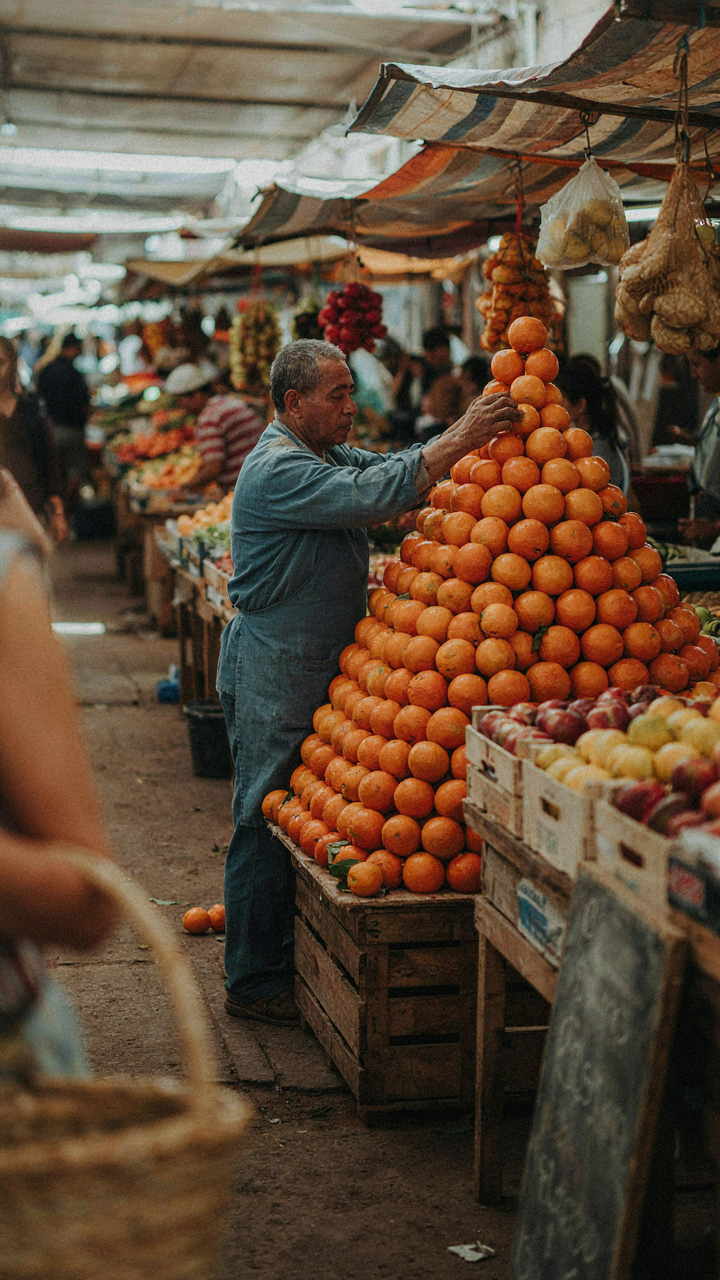
You want people to think you spent more than you did. That’s the real mechanism here. Economics calls this the concept of “signal amplification” – you’re using low-cost staples to create perceived volume that makes the entire table read as lavish. Crackers, bread, dried fruits, nuts, and cheese blocks form your base layer. These items cost pennies per serving and buyers expect them. They anchor the table visually and fill stomachs efficiently.
The mistake most people make is treating foundation items as filler. They’re not. A grazing table with weak bread or rancid nuts collapses fast. Buy quality bulk items from restaurant suppliers or Costco, not grocery store shelves. Store them properly in airtight containers. Your foundation layer should comprise 50 to 60 percent of your total table spread by volume, not cost. This ratio lets you afford the premium items that actually create perceived value without overextending your budget.
The Perceived Value Layer
Mid-range items create the visual impact that makes people believe the table is expensive. Think cured meats, aged cheeses, olives, roasted vegetables, artisanal spreads, and fresh fruit. These items sit between commodity pricing and luxury pricing. A package of prosciutto costs eight to twelve dollars but looks and tastes like sophistication. Marinated mushrooms or gourmet honey feel special without requiring the budget of caviar or truffles.
The tactical play: arrange mid-range items in the front and center of your table. Let foundation items support and surround them. A single wedge of aged cheddar surrounded by crackers reads as intentional abundance. Stack cured meats in loose folds rather than flat layers. Pour spreads into small bowls instead of leaving them in jars. Presentation multiplies perceived value without changing cost. Your mid-range layer should account for 35 to 40 percent of table volume. This tier is where your profit margin actually lives.
Backyard Wedding Food: From Burden To Brand Statement
The Story Behind What You Serve

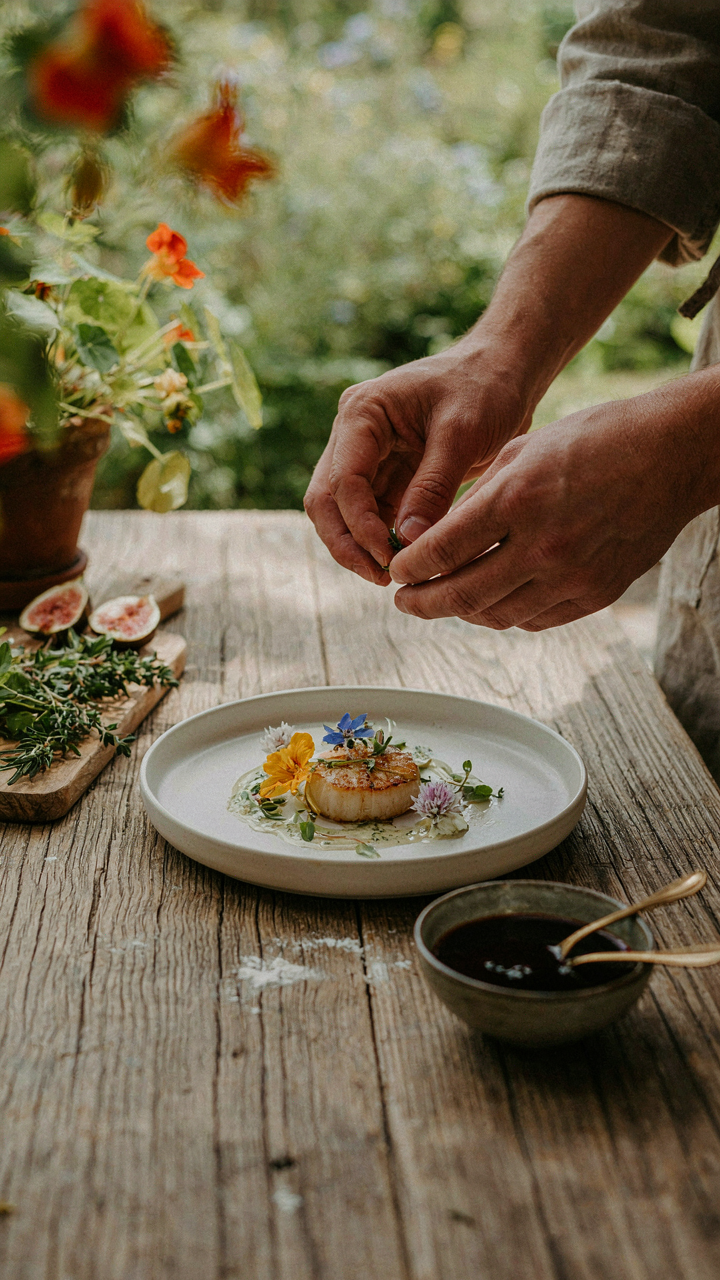
You want people to think you’re cultured and intentional, not just throwing money at a caterer. That’s the real reason this matters. Here’s the mechanism: food tells a narrative about who you are faster than anything else at the event. When guests see a grazing table built from your actual preferences and history, they’re not evaluating the cheese—they’re evaluating you. The table becomes evidence of taste, effort, and values. Most people skip this entirely and default to “what looks impressive,” which broadcasts the opposite.
Your personal story doesn’t mean oversharing. It means the cured meat came from a producer you’ve actually visited, or the cheese reflects a region you’ve traveled to, or the bread comes from a baker you know by name. Specificity kills generic. Guests detect the difference between “nice spread” and “this person chose every item deliberately.” The grazing table stops being decoration and becomes autobiography. Build it backward from your actual taste, not from Pinterest boards.
Seasonal Sourcing Builds Credibility
Authenticity in sourcing isn’t about virtue signaling—it’s about flavor density and margin. Seasonal produce has peak nutrient density and costs less at market, which means you can afford better quality across the table. Off-season berries shipped from halfway across the globe arrive depleted and expensive. In-season fruit from a local farm has traveled hours, not days, and tastes noticeably different. Your guests won’t articulate why the strawberries taste better, but they’ll register it and attribute it to your judgment.
Build relationships with farmers or market vendors three weeks before your event. Ask what will be at peak ripeness on your date. This isn’t networking—it’s supply chain intelligence. Local cheese makers, bakeries, and cured meat producers all benefit from advance notice because it lets them plan inventory. You get first access to their best work, and the grazing table reflects actual collaboration, not convenience. The mechanism is simple: scarcity and freshness create perceived value that no markup can replicate.
The Anti Mood Board: Crafting Vibe Through Subtraction
Remove Everything That Doesn’t Earn Its Place

You want people to think you have taste. That’s why you’re reading this. The mechanism is simple: your brain processes negative space as intentionality. Clutter reads as indecision. A backyard grazing table operates on the same principle as a gallery wall. Every item competes for attention. Most items lose. Remove boards, linens, or serving pieces that don’t directly support your color story or function. One well-placed linen beats three mediocre ones.
The work isn’t in adding. It’s in deciding what stays. Most people fill tables to avoid empty space, mistaking abundance for generosity. A guest notices what’s missing far less than they notice what doesn’t belong. Pick your dominant colors first—typically three. Then audit every element against that standard. A ceramic piece, napkin, or flower that clashes gets removed. Restraint is the only design move that scales across different crowds and budgets.
Lighting And Sound Build The Actual Atmosphere
Everyone talks about string lights and background music like they’re optional garnishes. They’re not. Light and sound engineer perception in ways visual elements cannot touch. Warm overhead light kills appetite and conversation. Directional uplighting or overhead glow from Edison bulbs changes how food appears and how guests feel their own faces. Sound fills silence, which triggers social anxiety. One soft playlist running at conversation volume costs nothing and prevents awkward quiet moments that make people want to leave early.
The technical reality: warm color temperature light around 2700K mimics candlelight and makes skin tones read better. Volume at 55-65 decibels lets people talk without shouting. Place speakers at opposite corners rather than one central point for even distribution. Skip the obvious playlist. Choose instrumental or lo-fi over vocals during eating—conversation is the entertainment. Test your setup during daylight with actual guests before the event. Move speakers and lights based on where people naturally gather, not where you think they should stand.
Food Spread Ideas: Beyond Charcuterie, Into Experience
Build Your Own Stations

You want people talking about your event for weeks, not just eating and leaving. The real mechanism is agency. When guests assemble their own plate, they invest cognitive effort into the decision, which triggers the IKEA effect: they value what they build more than what you hand them. This transforms a grazing table from consumption into participation.
Station-based design removes the paralysis of an undifferentiated spread. Each station has a single job. Guests move through them sequentially, making micro-decisions that feel intentional rather than overwhelming. You control flow, reduce waste, and create natural conversation breaks between stations.
- Cheese and Knife Station: Guests select cheese and cut it themselves. Include hard, soft, and aged varieties with labeled origins. Provide small cutting boards and quality knives to lower friction.
- Protein Assembly Counter: Pre-cooked proteins (prosciutto, bresaola, smoked salmon) layered flat with rolling tools. Guests wrap or layer onto crackers, bread, or vegetables without touching raw food.
- Condiment Bar: Honeys, jams, mustards, oils, and spreads in small bowls with spoons. Guests apply their own ratios, eliminating the “too much” or “too little” complaint entirely.
- Pickle and Vegetable Station: Raw and fermented vegetables organized by texture: crisp, tender, crunchy. Include small tongs so guests avoid cross-contamination while selecting.
- Bread and Cracker Selection: Warm bread in a cloth-lined basket, crackers displayed standing up in a wooden block. Warm bread increases perceived freshness and encourages guests to grab it hot.
Design stations 3 to 4 feet apart to prevent bottlenecks. Label each station with a single word descriptor. Station placement should follow a logical sequence: start with bread and protein, move to cheese and condiments, finish with vegetables and pickles. This order mirrors how guests naturally eat and reduces backtracking.
Unexpected Pairings For Sensory Delight
The common advice is to mix sweet and savory, which is true but incomplete. Neuroscience calls it flavor contrast through opposing taste categories, and the mechanism is sensory relief. Your palate fatigues after repeated hits of the same taste profile. A sharp acidic element following salt resets the receptors and makes the next bite feel new.
Pair umami-heavy items (aged cheeses, cured meats, fermented vegetables) directly with bright acid (citrus, vinegar-based pickles, kombucha). Position high-salt elements next to sweet components like fresh honey or stone fruit. Include something bitter and subtle, like dark chocolate or bitter greens, to create tension that makes savory items taste more intense by contrast. The unexpected pairing isn’t random nostalgia or Instagram aesthetics. It’s engineered sensory reset that keeps guests eating longer and talking about specific flavor moments instead of vague “it was good” feedback.
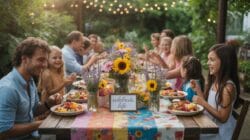
The Unseen Labor: What Instagram Hides About “Grazing Tables”
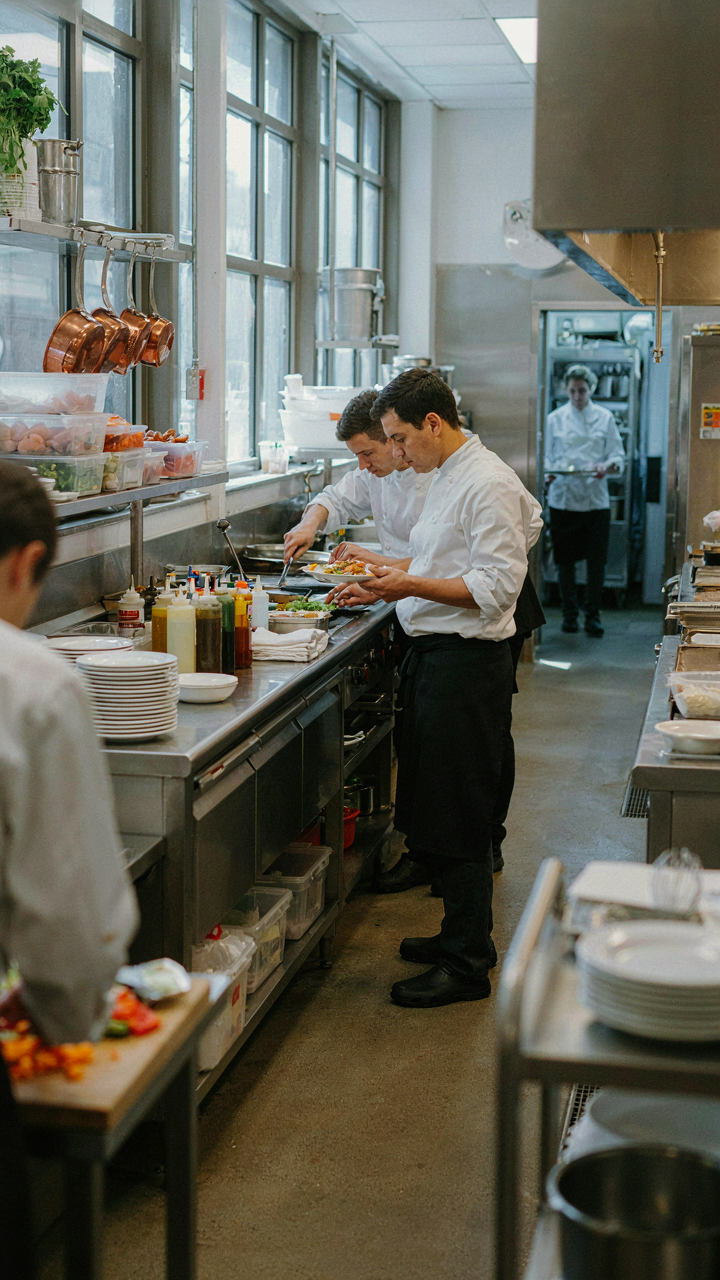
The Real Work Starts Days Before Guests Arrive
You want people to think you assembled this in two hours. That’s the real reason you’re reading this section. The truth: a grazing table operates like a supply chain problem from logistics. You need inventory management, temperature control, and spatial sequencing that no photograph captures. The work begins three to five days prior when you audit what you actually have versus what Instagram told you to buy.
Start with a written list of every item, its shelf life, and storage requirements. Soft cheeses need different conditions than cured meats. Berries deteriorate faster than nuts. You’ll buy duplicates of things you already own because you didn’t check. The prep phase demands you account for humidity, temperature drift, and the brutal fact that some items simply won’t survive your setup timeline. Most people skip this step and wonder why their table looks depleted by hour two.
Cleanup Is Where The Economics Break
Everyone shows you the styled shot. Nobody films the aftermath. You’ll have spent two hundred to four hundred dollars on products. Half of it survives as leftovers. The real calculation: cost per edible unit versus waste rate. On the actual day, you face a choice between aggressive discounting to move inventory or accepting the loss.
The breakdown requires a system. Separate what’s salvageable from what needs disposal immediately. Soft items exposed to room temperature for over two hours carry food safety risk and should go. Cheese rinds, stale crackers, and picked-over boards accumulate faster than you expect. Your cleanup doubles in time if you didn’t establish zones during setup. Designate one surface for consolidation, one for composting, one for refrigeration. This protocol prevents the scattered-plate chaos that extends cleanup past midnight.
From Food Platters To Feast: Mastering The Art Of Abundance
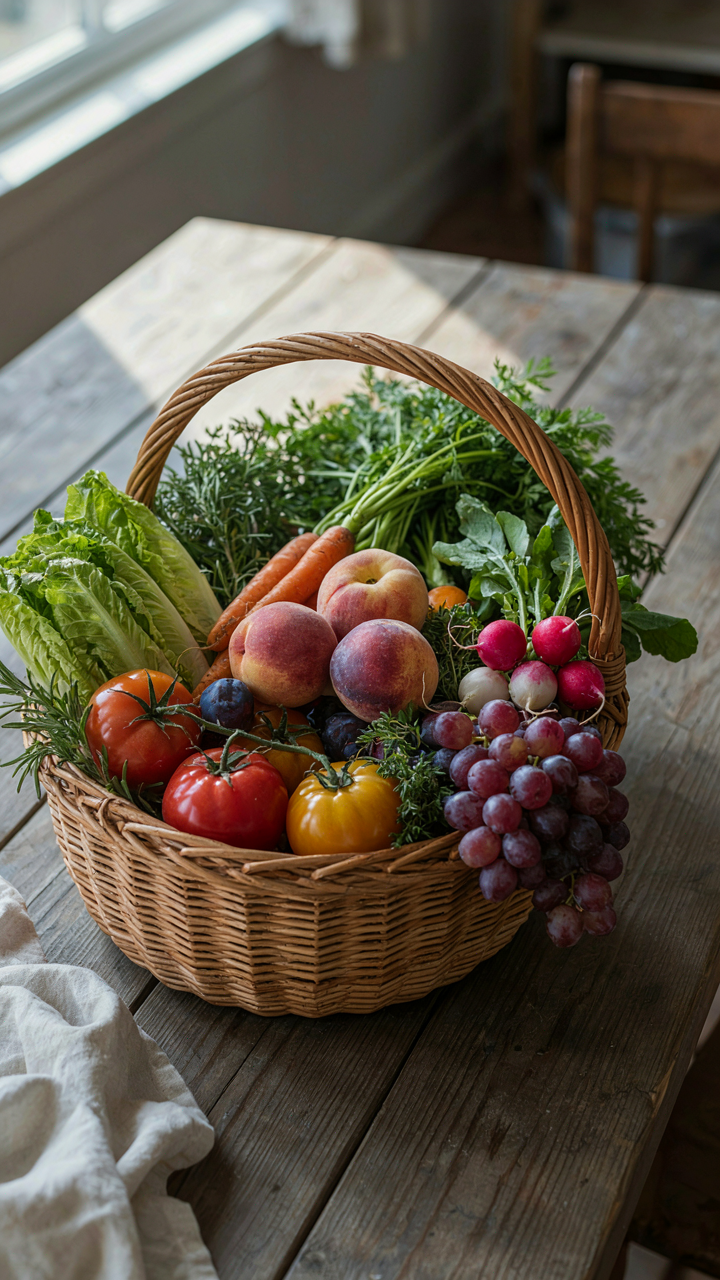
How To Scale Without Wasting Food
You want this section because you’re terrified of running short and looking cheap, or worse, drowning in waste. The real mechanism is proportional density, not absolute quantity. Think like an economist measuring supply elasticity: you’re not feeding individuals, you’re feeding a mood. A crowd of eight needs different density per person than a crowd of forty. At eight, you overfill every gap. At forty, you space things tighter because visual abundance replaces physical abundance. The math flips.
The standard advice says calculate two ounces per person and multiply. This is incomplete. That formula assumes passive picking. Active grazing—where people stand and eat continuously for two hours—demands half that density because people self-regulate when surrounded by options. A smaller group at a table creates scarcity psychology. They pile high. A large crowd experiences abundance psychology. They graze lighter and move on. For crowds under fifteen, add thirty percent more density. For crowds over thirty, subtract twenty percent. The inflection point is cultural momentum, not arithmetic.
Turning Scraps Into Strategy
The consensus move is composting. That’s not strategy, that’s waste management theater. Real leverage comes from planned reuse before the event happens. Bread ends become croutons or panzanella the next day. Cheese scraps layer into a pasta or melt into a sauce. Cured meats transform into a stock base or become sandwich fillings. You’re not recycling trash. You’re architecting a two-event meal system where event one funds event two.
- Bread fragments: Toast and season for salads, pulse for breadcrumbs, or soak for savory bread pudding the following day.
- Cheese rinds and scraps: Simmer into vegetable broths, grate for cooking, or freeze for future fondues and sauces.
- Cured meat trimmings: Render fat for cooking base, shred into egg dishes, or layer into grain bowls and soups.
- Fruit scraps and bruised pieces: Cook down into compotes, blend into smoothies, or ferment into shrubs and drinking vinegars.
- Vegetable trimmings and ends: Roast for crunchy snacks, pickle for future spreads, or freeze for stock foundations.
The environmental impact falls naturally once you stop thinking of leftovers as a disposal problem and start thinking of them as ingredient inventory. Every item that leaves your table as planned input for another meal reduces both waste and your next grocery bill. The system works because it demands zero extra effort once you’ve designed it into the initial table setup.
Your Backyard Grazing Table Isn’t About Food; It’s About Your Control
Most people treat a backyard grazing table like a decorating project. They buy boards, throw stuff on it, hope it looks good. That’s backwards. A grazing table is a social operating system. You control the narrative, the pacing, the conversation. People don’t talk about the food. They talk about how you made them feel. Build your next table with intent. Pick one element you’ll nail better than anyone else invites. Your backyard grazing table becomes the reason people actually show up.