
The Un Party Protocol: Ditching Generic Outdoor Birthday Party Ideas For Adults

What Actually Moves People At Milestone Moments
You want this party to feel significant because you’re afraid it won’t, and that reflection on time passing will land differently on everyone there. Most outdoor milestone birthday parties fail because they optimize for attendance and photo ops instead of the actual mechanism that makes people feel seen: scarcity of attention and meaningful friction. Generic decorations and rental tables create the opposite effect. They signal you outsourced the thinking.
The real driver isn’t the setting or the food. It’s whether the birthday person experiences undivided focus from people who matter. This requires removing distractions, not adding them. A crowded backyard with a sound system playing background music ensures nobody has a real conversation. Design the opposite: structured moments where the birthday person receives attention in a way that feels deliberate, not accidental.
Whose Presence Actually Counts
The advice to invite everyone who “might be offended” is a trap that kills the event’s energy. You’re confusing obligation with outcome. An outdoor milestone birthday works because it creates intensity through selection, not through head count. The military calls this “economy of force”—concentrating resources where they matter instead of spreading thin across the whole field.
Ruthlessly cut the list to people who’ve had real moments with the birthday person in the last two years. This means people who’ve shown up during actual difficulty, not just people who liked a photo on Instagram. The discomfort of exclusion is real, but it’s weaker than the discomfort of a bloated party where nobody feels anything. Make one exception: include one person the birthday person wants to reconnect with, even if it’s awkward. That’s your friction point.
Beyond The Backyard: Outdoor Birthday Celebration Ideas That Aren’t Your Lawn
Find Venues Most People Overlook

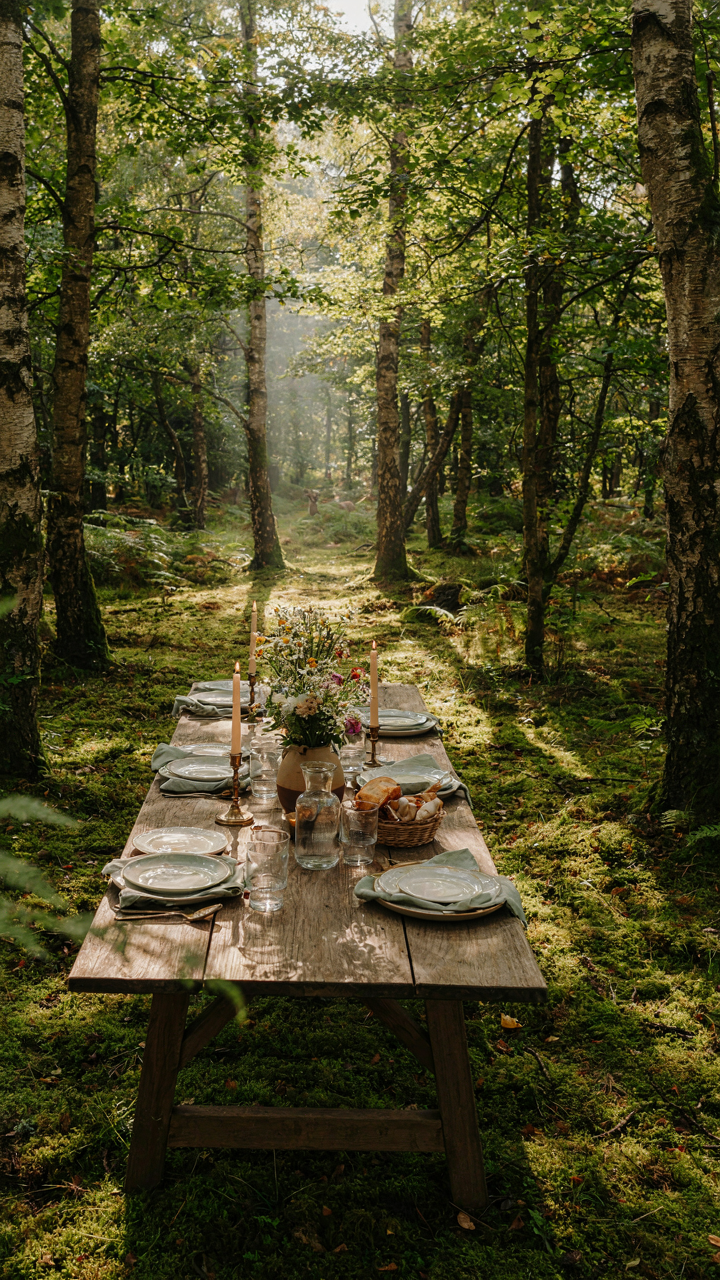
You want to host somewhere nobody else does because it signals taste and access. Here’s the mechanism: scarcity of venue options creates perceived exclusivity, which transfers status to the host. Scout unconventional natural spaces by mapping what exists within a 30-minute radius of your guests’ median location. State parks, creek beds, orchards, quarries, and pastures often allow private events with minimal permitting. Check local county extension offices or parks departments for usage agreements. Most people never call because they assume it’s impossible.
The real constraint isn’t availability but logistics. Unconventional venues require you to handle what traditional venues provide: parking, restrooms, water access, power. Solve each problem independently before committing. If the site has no facilities, rent portable restrooms and a generator as base infrastructure. This transforms any landscape into functional party ground. The cost difference between a backyard and a managed natural site is smaller than most assume once you factor in cleanup liability.
Work With Public Land Permission Structures
Public spaces operate on permission frameworks most planners ignore entirely. Approach this like supply chain management: each authority has procurement rules you must follow. County parks require permits filed 30 to 90 days ahead. City recreation departments often allow group picnics with 14-day notice. National forests permit gatherings under different rules than state lands. Beach access varies by county. The permit process isn’t bureaucratic friction—it’s the actual cost of legitimacy and liability protection.
Call the managing agency directly and ask for the events coordinator. Skip websites and email chains. Verbal conversations surface the real constraints: maximum headcount, noise hours, setup windows, parking limits. Public spaces with existing infrastructure—pavilions, grills, tables—reduce your rental costs dramatically. Many municipalities charge under fifty dollars for day-use permits. The mechanism is straightforward: permission plus existing infrastructure equals an economical venue that looks intentional, not default.
The “Rustic Birthday” Trap: Authentic Vs. Aspirational Outdoor Theme Party Ideas

What “Rustic” Actually Means

You want people to think you have taste without spending money on it. That’s the real motive. Rustic doesn’t mean throwing hay bales around and calling it aesthetic. Authentic aesthetic comes from constraint, not Instagram curation. True rustic design emerged from necessity, not nostalgia. People built with what they had. Wood weathered because it stood outside for decades, not because someone bought distressed furniture from a catalog and placed it strategically for photos.
The gap between authentic and aspirational is economics. Authentic rustic happened when labor was cheap and materials were expensive, so people built to last. Aspirational rustic reverses that: expensive labor to make new things look old, cheap materials that won’t survive a season. When you’re planning a milestone birthday outdoors, this distinction matters. You’re either building something that functions across weather and time, or you’re building a set that collapses when rain comes.
The Materials That Actually Age Well
Most outdoor party advice is wrong about materials because it confuses affordability with authenticity. You need materials that improve with age, not degrade into liability. Real wood, stone, and metal have inherent character because they develop patina and weather patterns that document actual use. Pressure-treated lumber doesn’t age well because the chemicals break down and the wood becomes brittle. Galvanized steel develops rust that looks intentional because rust on steel is just oxidation, a predictable process. Reclaimed wood carries actual history because it was milled to different standards than modern lumber and often shows tool marks from hand planes.
Source materials from functional sources, not design stores. Find a local sawmill instead of a home improvement chain and you get wood that was recently felled, not kiln-dried into predictability. Buy stones from landscape suppliers who source locally because regional stone has color consistency tied to geology. Reclaimed materials come from deconstruction sites, salvage yards, and antique dealers who document provenance. The mechanism is simple: materials with documented use or natural aging require no styling. They bring their own credibility because they actually came from somewhere.
Logistics As Strategy: Applying Military Principles To Adult 40th Birthday Party Ideas
Delegate Or Die Trying

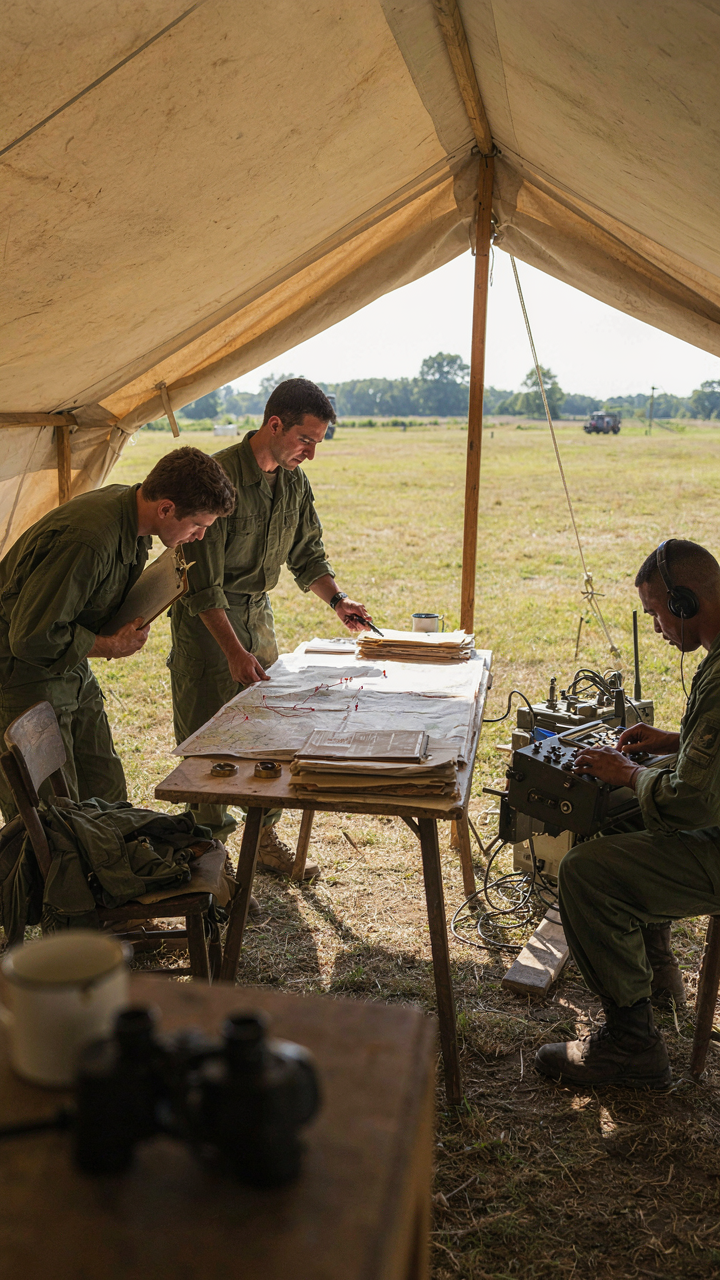
You want people to remember this party because you orchestrated it flawlessly, not because you ran yourself ragged. That’s the real motive here, and it won’t happen unless you stop treating delegation as something you do when you’re drowning. Military command structures exist because one person cannot execute multiple critical functions simultaneously. Assign specific roles before the party. Owner of food timing. Owner of guest flow. Owner of setup and breakdown. These aren’t suggestions you mention casually.
The person coordinating food cannot also monitor the bonfire. The person managing parking cannot troubleshoot the sound system. Write down who owns what outcome, not just what needs doing. Share this list with each owner two weeks prior. They now have skin in the game and clear boundaries. This removes the hidden expectation that you’ll fix everything at the last second, which is where most 40th birthday outdoor parties collapse.
The Supply Chain Runs The Party
People talk about “flow” at parties but rarely examine what actually moves. Food arrives cold because nobody owns the heating timeline. Drinks run out at hour three because serving cadence was never established. This isn’t bad luck, it’s broken logistics.
Map your service intervals before guests arrive. If you’re serving appetizers, establish when the first batch goes out, when the second deploys, and when the main course timing begins. Food sitting untouched for two hours isn’t abundance, it’s waste. Assign one person to monitor cooler stock every thirty minutes. Assign another to refresh the serving table every forty-five minutes. The goal is never empty, never stale, never overwhelming. Set up drink stations in two locations minimum for groups over thirty people. This reduces bottlenecks and keeps people distributed across your space. Execute this protocol by assigning start times and rotation schedules to each station owner before the first guest arrives.
The Experience Economy: Shifting Focus From Stuff To Shared Moments

Activities Beat Decoration Every Time

You want people to remember your party, not forget it by next month. That’s what drives most people to obsess over balloon colors and tablecloth themes. Here’s the mechanism: decoration fades from memory in days. Activity creates neural encoding through participation. Your brain doesn’t store visual stimuli the same way it stores actions you performed alongside other people.
The common advice says decorate heavily and hope people notice. Wrong. Activities generate stories. A well-designed outdoor game, a skill-building station, or a structured social challenge gives guests something to do with their hands and minds. This forces engagement instead of hoping it happens. Your job is to build the skeleton of the party around what people will actually do, then dress it minimally around that frame. Activities make people talk for months. Decorations make people take photos for Instagram.
Natural Friction Points Draw Real Conversation
Conversation doesn’t happen by accident at adult gatherings. Economics calls this the “discovery problem”—people need a structured reason to interact, not just proximity. Arrange your outdoor space so guests can’t all face the same direction or cluster in one safe spot. Create bottlenecks. Make people wait in line together for food or activities. Waiting creates forced proximity and conversation happens there.
The weak approach: open lawn, snacks everywhere, hope people mingle. That generates surface chat and phone scrolling. Instead, design moments where people must collaborate briefly. A team relay, a shared meal prep station, or a group challenge puts strangers into a low-stakes working relationship. They finish the task, form a micro-memory together, then move on. This repeats throughout the party. You’re not forcing friendship. You’re creating the conditions where it can actually emerge from shared effort, not shared seating.
Backyard Party Decorations For Adults: Minimalism As A Power Move

Function Before Aesthetics

You want people to think you have refined taste. What actually matters is that your guests move through the space without friction and remember the person, not the décor. Borrowed from industrial design: constraint breeds clarity. Every decoration must solve a problem first, then look intentional second.
The mistake most people make is treating decorations as visual filler. They buy string lights, balloons, and table runners because they think emptiness looks cheap. It doesn’t. An empty backyard with strategic purpose looks controlled. A cluttered one looks panicked. Pick three elements that serve the party’s function: seating definition, wayfinding after dark, or food accessibility. Everything else is noise.
Remove Everything That Doesn’t Earn Its Space
Visual clutter triggers cognitive load. Your guests’ brains work harder to process the environment, which means less mental energy for conversation and connection. Cut ruthlessly. If a decoration doesn’t frame the birthday person, improve sightlines, or solve a logistical problem, remove it now.
The industry standard advice says “add pops of color” or “create focal points.” That’s backwards for adults at a milestone birthday. Your focal point is the gathering itself, not an inflatable arch. Use negative space intentionally. A single statement piece, clear sight lines between conversation zones, and deliberate empty areas signal competence and respect for your guests’ attention. Strip everything down. Whatever remains will carry actual weight.
The 88 Birthday Party Theme: Inventing Your Own Meaning
Build A Story Only You Know

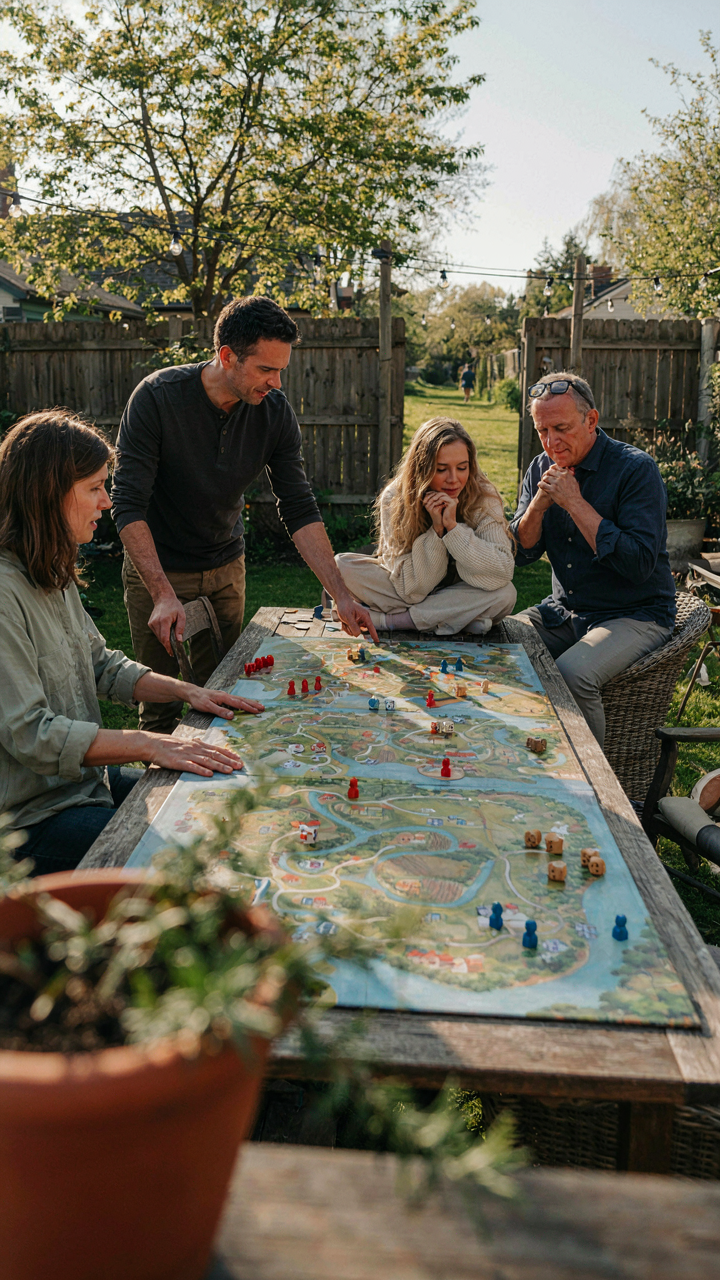
You’re hoping a theme makes the party feel significant without you having to state it outright. Here’s the mechanism: meaning doesn’t come from the theme itself. It comes from the gap between what people expect and what you’ve deliberately placed in front of them. An 88th birthday party needs narrative logic, not decoration logic. Start by identifying one true fact about the person that nobody at the party will predict. Not their job. Not their hobbies. Something structural about how they move through the world.
That fact becomes your constraint. Everything at the party—from the setup to the food to the music—gets filtered through it. If the person spent decades fixing broken things, the party doesn’t celebrate “fixing.” It celebrates precision, tools, transformation, or resilience. If they traveled constantly for work, you don’t theme around “travel.” You theme around arrival, roots, or what they chose to stop doing. The narrative doesn’t explain itself. Guests sense it in the details without needing a label.
Visual Language That Whispers
Design borrows from architecture the principle of constraint. Constraint creates coherence. A whisper at an 88th birthday outdoor party works better than a shout because the audience is already watching the person, not the decorations. You pick one visual element and repeat it. One color palette. One material. One shape. That’s it. Not ten Pinterest ideas. One decision applied with discipline.
If your narrative is about precision, use clean lines and minimal ornament. If it’s about arrival, use the transition between inside and outside as your main visual statement. If it’s about what they built, one material tells that story better than ten. The setup becomes a background that enhances the person, not a stage that competes with them. Guests notice this and feel it register as intentional, which makes the whole event feel rare.
Weatherproofing Your Vibe: Contingency Planning For The Real World
Read The Atmosphere Before You Commit

You’re worried the weather will tank your event and make you look unprepared. That’s not the real problem. The real problem is you’re planning backward instead of forward. Meteorology teaches us about atmospheric stability: outdoor events operate on the same principle. A stable system tolerates small shifts. An unstable one collapses at the first pressure change. Most people check a forecast two days out, see sun, and stop thinking. That’s atmospheric blindness.
Start tracking weather patterns three weeks before your date. Monitor not just the forecast but the historical climate data for that week and location. Check average rainfall, wind speed, temperature swings, and humidity. This tells you the baseline risk, not the prediction. A forecast changes hourly. Climate data shows you what actually happens in that geography during that season. This distinction matters more than most people admit.
Multiple Scenarios With Real Backup Plans
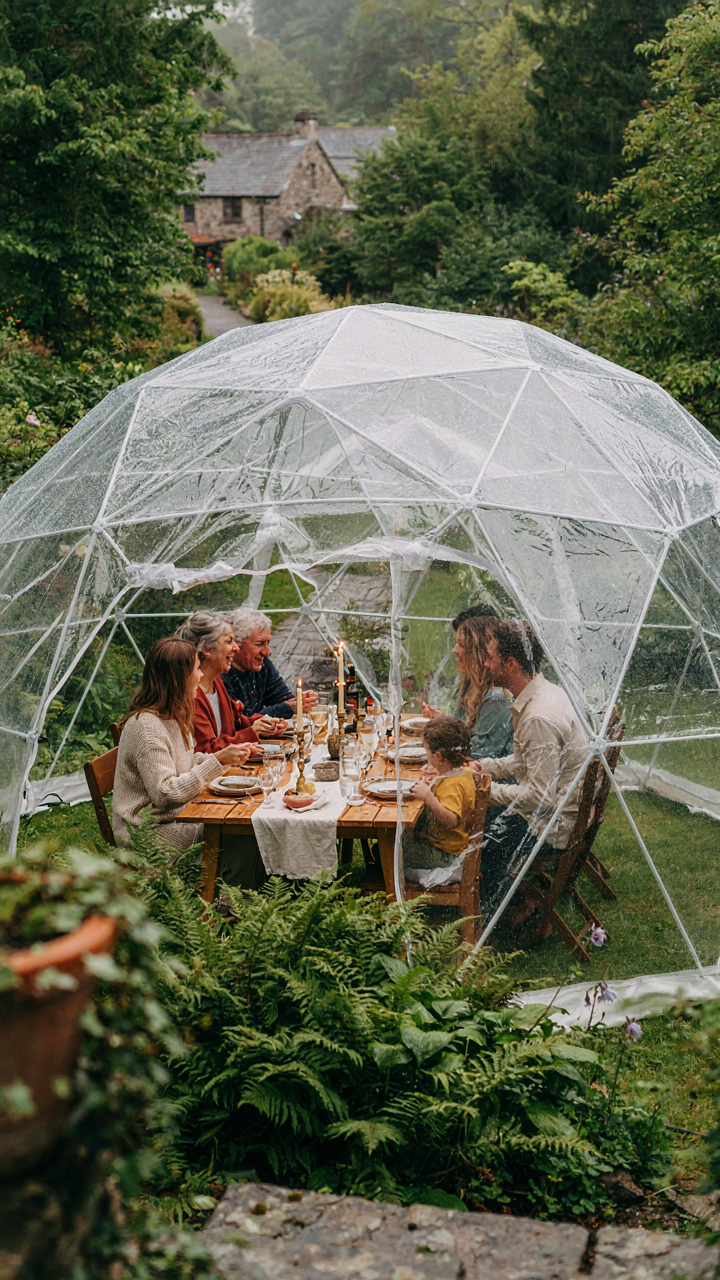
Build three concrete alternatives, not vague hopes. Plan A is your primary setup. Plan B assumes rain or wind forces a partial move. Plan C is full indoor or covered relocation. Plan D is reschedule with a locked backup date communicated upfront to guests. Each plan needs specific trigger points: if rain hits by 2 PM, execute Plan B; if wind exceeds 20 mph, execute Plan C; if weather is unmanageable 48 hours out, activate Plan D.
- Tent Rental And Setup: Confirm tent availability for your backup date now, not when you need it. Have dimensions, anchoring requirements, and delivery windows locked in writing. Include breakdown time in your contract.
- Indoor Venue Reservation: Secure a backup indoor space with flexible hold options. Book it far enough in advance that cancellation or use is feasible. Pay any required deposit to guarantee access on your backup date.
- Hybrid Layout: Design your primary setup with covered zones already built in. Designate food, drinks, and seating under structure. This means you execute Plan B without complete chaos.
- Guest Communication Protocol: Draft a text and email template for weather contingencies. Include trigger times and what changes. Send this with your RSVP confirmation so people expect it.
- Vendor Coordination: Confirm caterers, entertainment, and rentals can operate under all three scenarios. Get written confirmation of what they adjust, add, or charge. No surprises on execution day.
Execute your contingency trigger protocol at the designated time, not when you panic. This removes emotion from the decision and keeps the vibe intact because people feel prepared leadership, not reactive scrambling.
The Post Party Deconstruction: Maximizing Residual Value

What Actually Went Wrong

You’re reading this because you want proof the event mattered. You need validation that the money and coordination didn’t vanish into thin air. Here’s the mechanism: most people collect compliments instead of data. Compliments are noise. You need the friction points.
Ask three specific people what broke their flow during the party. Not “did you have fun”—that triggers politeness mode. Ask “what made you check your phone” or “when did you want to leave early.” People will tell you the truth if you ask about irritation instead of satisfaction. Write down the patterns.
Effort Conversion For Next Time
Economics calls this the law of diminishing returns. You hit it when setup time stops producing better outcomes. Audit what consumed hours but moved nothing: was the elaborate seating chart ignored? Did the expensive catering station get half-eaten while people clustered around cheaper appetizers? Did the DJ setup require three hours of troubleshooting for two hours of actual use?
This data reshapes your next event’s skeleton. If people naturally congregated in one zone, that’s your design template going forward. If the weather window you chose didn’t matter because everyone stayed under cover anyway, you’ve found two hours of prep to eliminate. Document the labor-to-engagement ratio for each major element. Your next milestone birthday outdoor party gets cheaper and better by cutting what looked good but didn’t work.
Your Fear Of Irrelevance Is The Only Party Planner You Need To Fire

Most people throw forgettable milestone birthday parties because they’re terrified of standing out. You play it safe. You hire the generic planner. You pick the predictable venue. But irrelevance kills faster than any failed attempt ever could. Stop outsourcing your vision to someone else’s template. Call one venue today. Tell them exactly what you want, not what fits the mold. The people who matter show up for the real thing, not the polished copy.