The “Roughing It” Fallacy: Why True Comfort Isn’t For Amateurs

Comfort Isn’t A Compromise
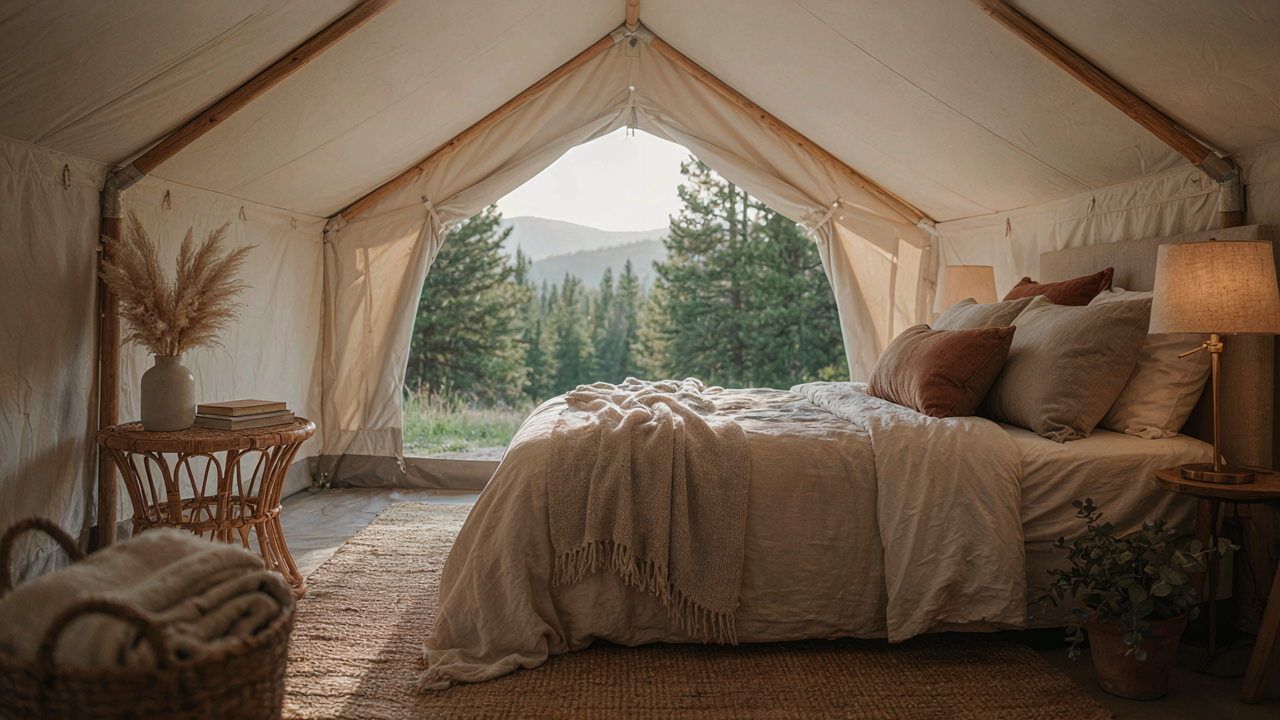
You want permission to spend money on this without feeling like you’re missing the point of camping. The real mechanism is this: discomfort was never the feature of camping. It was the constraint. Remove the constraint and you don’t lose the experience, you actually gain access to it. A person shivering in a sleeping bag isn’t communing with nature. They’re managing a crisis. Hotel rooms didn’t fail at camping. Camping failed at being livable. The glamping tent interior solves that by applying hospitality design principles to shelter itself, not by adding luxury for status.
Glamping tent interiors work because they separate the environment from the activity. You’re not paying for needless softness. You’re paying for the setup that lets you actually think, rest, and engage with where you are instead of battling logistics. A proper bed, climate control, and lighting aren’t decorative upgrades. They’re the infrastructure that makes a space functional. The camping industry sold you discomfort as virtue. That’s marketing, not design.
What Generic Glamping Advice Gets Wrong
Most glamping tent interior advice tells you to add rugs, throw pillows, and string lights. This is decoration theater. It misses the actual problem: people confuse surface-level coziness with systematic comfort. Economics calls this distinction between consumption and capability. A throw pillow is consumption. A mattress engineered for temperature regulation and spinal support is capability. You need both, but capability comes first. Without it, the pillows just sit on top of a bad system.
The gap exists because the advice comes from interior designers thinking about rooms, not from people who’ve actually lived in tents for extended periods. They layer aesthetic without solving the core issues: moisture, temperature variance, light intrusion, and air quality. A glamping tent interior that feels like a hotel room starts with those mechanics, then adds atmosphere. Reverse the order and you get Instagram content that sleeps like a tent. Start by installing proper ventilation, moisture barriers, and thermal regulation. Then add what you want to look at.
The Zero Compromise Protocol: Engineering Hotel Grade Sleep Outdoors

The Mattress Isn’t About Thickness

You want people to think you’re comfortable out here. That’s the real driver. The mechanism underneath is simple: sleep quality depends on pressure distribution, not loft. A thin, dense foam that conforms to your body beats a thick, springy one that creates pressure points every time.
Hotels use 6 to 8 inch medium-firm memory foam or latex because those materials disperse weight evenly across the surface. Glamping tents fail when people stack cheap air mattresses or bring camping pads designed for insulation, not support. Memory foam works because it responds to body temperature and weight simultaneously, unlike static materials. Your mattress selection determines whether you wake rested or stiff.
Blocking Light And Sound Stops Sleep Theft
Physics has a term: sound transmission class. It measures how well materials block noise. Your tent fabric has almost none. Ambient light and external noise aren’t minor annoyances; they’re active sleep saboteurs that fragment your rest cycles and prevent deep sleep stages.
Solve this with layered barriers. Install blackout liners on the interior tent walls using adhesive or magnetic clips, not stitching. Add weatherstripping or foam tape along all seams where light leaks through. For sound, mass matters most. A second layer of heavy canvas or acoustic felt absorbs vibration before it reaches your ear. Position the bed away from the tent wall closest to external noise sources. This setup costs under 300 dollars and transforms sleep quality measurably.
Beyond Fairy Lights: Strategic Illumination For Glamping Tent Interior

The Three Zones That Actually Matter

You want people to feel like they paid for luxury, not realize you’re hiding a tent. The mechanism is borrowed from theater lighting: key light, fill light, and accent light. Key light does the work (overhead or bedside). Fill light softens shadows and prevents the space from feeling like a cave. Accent light signals intentionality to the human brain, which reads it as “this place was designed.”
Most glamping tents fail because they treat lighting as decoration instead of architecture. You need functional brightness for entering, dressing, and moving safely. Then you layer in ambient light that makes the space feel expansive instead of enclosed. The canvas itself becomes your diffuser if you position sources correctly. Brightness alone reads as a motel room. Layers read as intentional.
Mistakes That Signal Cheap
Everyone hangs string lights and calls it done. That’s the amateur tell. String lights create pools of shadow between bulbs, which fragments visual space and makes tight quarters feel tighter. Your brain processes fragmented light as “hastily assembled,” regardless of thread count on your linens.
Avoid uplighting canvas directly, which casts harsh shadows and makes the space feel smaller. Skip bare bulbs unless you’re committed to industrial-chic as your actual aesthetic and can execute it with intention. Instead, use diffused overhead lighting on a dimmer, bedside task lamps with proper color temperature around 2700K, and one accent source you control. Mount hardware into the frame structure, not the canvas fabric, so nothing looks temporary or stapled on.
Climate Control: The Unspoken Luxury Of Glamping Tent Ideas
Where Heat Goes And Why You Care

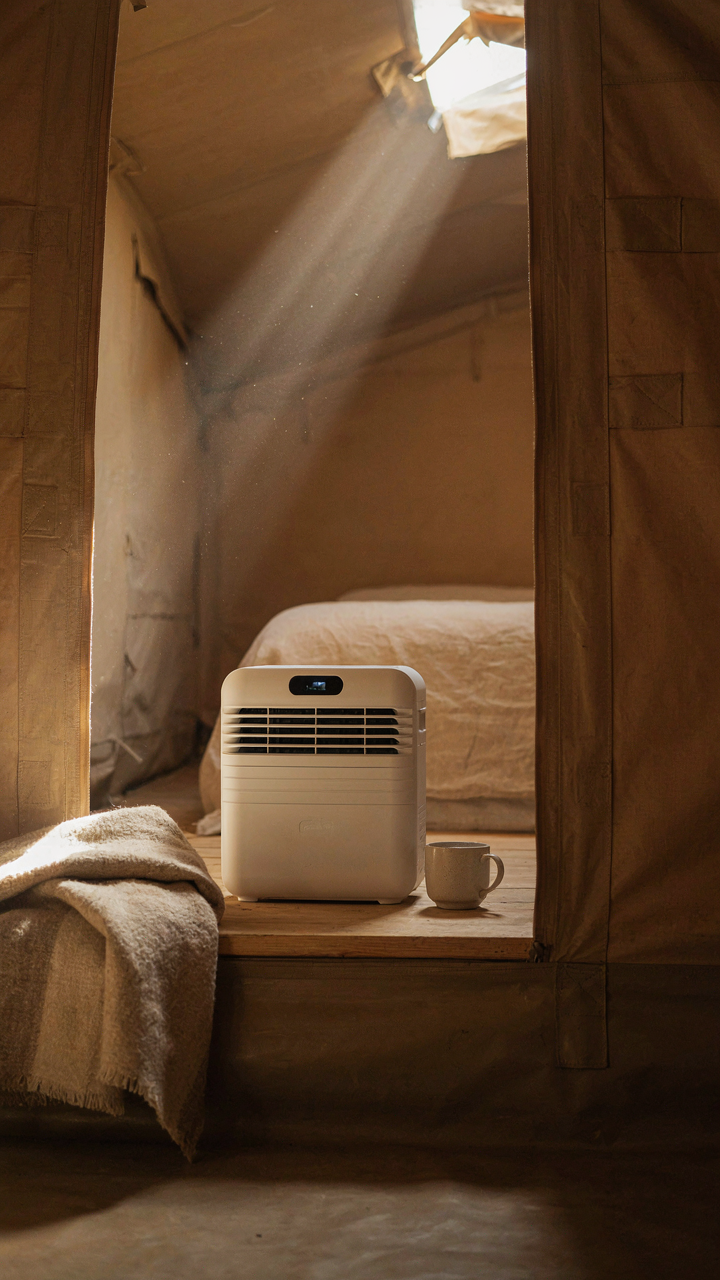
You want climate control because waking up cold or drenched in sweat kills the entire fantasy you paid for. The mechanism is straightforward: a glamping tent interior requires both passive barriers and active systems working in sequence. Passive regulation starts with fabric choice and orientation. High-quality canvas or technical blends block radiant heat during day hours and retain warmth at night. Active systems—small heaters, fans, or mini-split units—then layer on top to fine-tune what passive design can’t handle alone. Most glamping operators skip this layering and wonder why guests complain.
Temperature regulation borrows from thermodynamic principles: thermal mass and insulation create a buffer zone between outside conditions and interior comfort. Your tent fabric acts as the primary insulator. Thicker canvas (typically 10 to 12 ounces) resists temperature swings better than thin synthetics. Strategic placement matters too. A tent facing east catches morning sun efficiently; one facing north stays cooler longer. The goal is reducing how hard your active systems must work, not replacing them entirely. This is cost control disguised as design.
Moisture And Air Movement Without The Stale Feel
Humidity kills luxury faster than temperature does. Breath, sweat, and ground moisture create condensation that feels suffocating and smells like neglect. The real fix isn’t just venting—it’s creating active air exchange without losing insulation gains. Install roof vents positioned to draw moist air upward and out. Place intake vents lower, ideally near the ground where fresh air enters. This creates a gentle pressure gradient that moves air without guests feeling wind directly on them.
A small circulation fan running on low speed prevents dead zones where moisture pools. Many glamping tents fail here because operators treat ventilation as an afterthought. You need both passive airflow ports and active circulation to handle the load a occupied tent generates. Check that tent fabric has breathable backing or a separate breathable membrane layer. This lets moisture escape while insulation stays intact. The protocol: vent high, intake low, circulate gently, check fabric specs before purchase.
The Spatial Deception: Making Small Glamping Tent Spaces Feel Vast
Mirrors And Sightlines Control Perceived Space

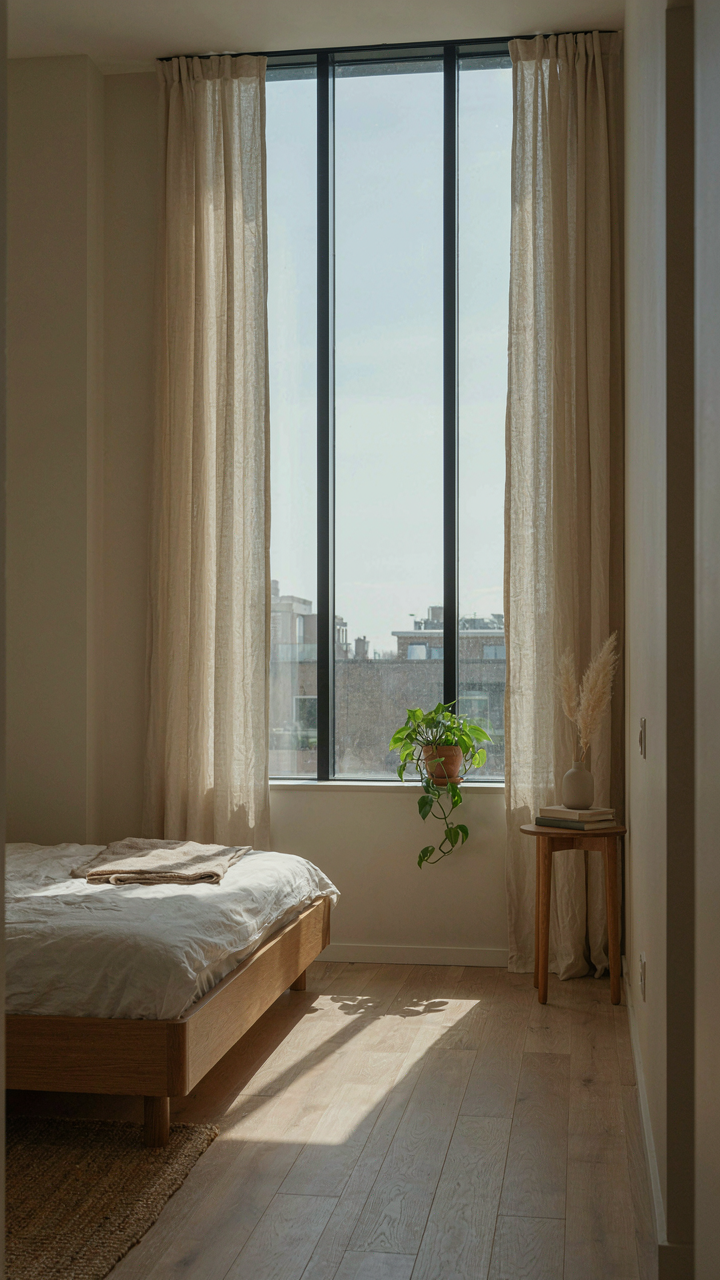
You want the tent to feel bigger than it is because a cramped space kills the hotel fantasy before you unpack. This is visual psychology applied: the brain measures room size partly through unobstructed sightlines and reflective planes. A mirror placed opposite the tent entrance doesn’t just reflect light. It duplicates the visual depth of the space. The eye perceives double the distance because the mirror extends the sight line backward, creating an illusion of continued space where none exists.
Sightline strategy beats mirror placement alone. Position mirrors at angles that reflect the tent’s widest point, not narrow corners. Avoid placing a mirror directly parallel to the entrance where it reads as obvious. Instead, angle it 45 degrees to the entry zone so the reflection captures ceiling height and floor expanse simultaneously. The guest processes this information subconsciously and the neural calculation lands on “larger than it actually is.” This is why hotel suites use mirrors strategically near seating areas, not as decoration. The mechanism works because human spatial perception relies on continuous visual information, not actual square footage.
Furniture As System, Not Decoration
Cybernetics teaches feedback loops and constraint optimization. A glamping tent interior operates under hard constraints: limited floor space, fixed fabric walls, temperature sensitivity. Furniture must eliminate waste while serving multiple functions because every object either compresses the space or expands it perceptually. The common mistake is treating furniture as isolated pieces. Experienced glamping operators treat each piece as a node in a system that either reduces or increases perceived usability.
A platform bed with integrated storage underneath doesn’t just save floor space; it creates the optical effect of more empty floor because the eye registers an unbroken ground plane. Nesting tables stack vertically instead of horizontally, keeping sight lines clear. Wall-mounted shelving replaces traditional dressers. A single upholstered bench serves as seating, storage, and visual anchor. Each choice compounds. When you minimize visual clutter at eye level and push furniture to edges or upward, the center of the tent reads as open. This is form economy: maximum function, minimum footprint, optimal visual result. Install floating nightstands instead of floor-based tables to amplify the floor-to-ceiling proportion and reinforce the sense of openness.
Tactile Dominance: Elevating Your Glamping Tent Interior With Textures

When Materials Stop Being Decoration

You want your guests to feel like they paid for a hotel, not a camping trip with better linens. That’s the real motive. Texture works through contrast and contrast lives in sensory psychology, not interior design theory. Your brain registers texture before it registers color. A raw linen pillow against a smooth wool throw creates micro-friction that signals quality and intentionality. Natural materials amplify this effect because they carry tactile memory: canvas feels different than polyester because its fibers have actual variation.
Cotton canvas, wool felt, untreated wood, and linen all compress and breathe under touch. These materials age visibly, which creates the illusion of authenticity guests pay for. Synthetic alternatives flatten under use and hold that flatness. The mechanism is simple: materials that degrade gracefully signal durability and craftsmanship. Guests interpret worn-in texture as proof the space has survived and thrived, which translates to trust in the entire glamping experience.
Placement Before Abundance
Most glamping tent interiors fail because owners pile textures like they’re playing visual bingo. Three throws, four pillow types, a shag rug, a macramé wall hanging. That’s not design, that’s noise. Strategic placement means one primary textured element per zone, one secondary layer, nothing more. A chunky wool throw draped on the bed serves the entire sleeping area. One woven pouf at the foot functions as both seating and a tactile anchor. The rule is functional scarcity: every textured piece must earn its place through use, not decoration.
Soft furnishings work best when they solve a practical problem first, then deliver texture as a byproduct. Layered rugs (jute base, wool runner on top) define the living space while creating depth. Heavy linen curtains block light and create thermal mass, then add visual weight naturally. Canvas storage bags hold gear and provide rough texture guests can interact with. Each piece pulls double duty. This prevents the tent from reading as over-styled and keeps the focus on quality over quantity.
Storage As Art: Integrated Solutions For Luxury Glamping
Hide Everything That Isn’t Intentional
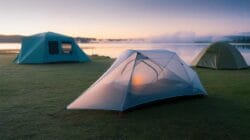
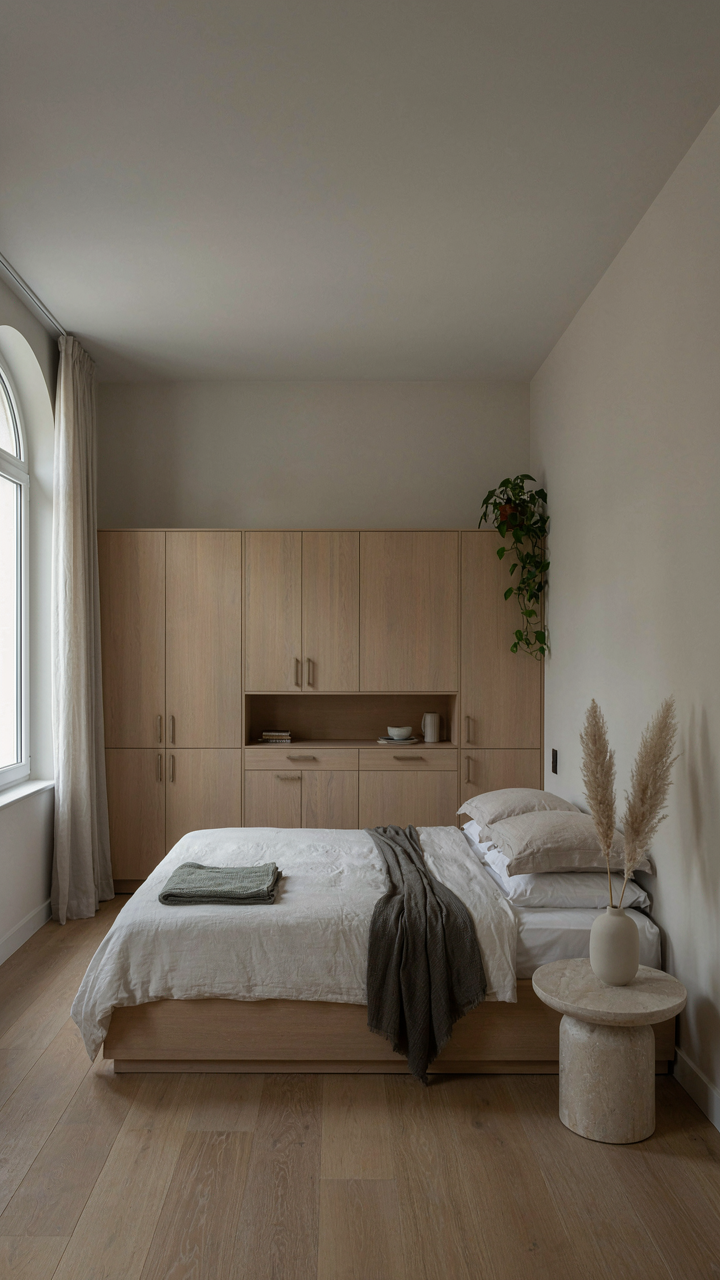
You want storage invisible because clutter reads as poverty, and you’re paying premium rates to feel otherwise. The mechanism is simple: visual noise triggers the same stress response as actual disorganization. Hotels don’t display their guests’ belongings because exposure breaks the illusion of control. In glamping, that illusion is the entire product.
Built-in cabinetry with doors or curtains removes the cognitive load of seeing stuff. Wooden storage benches at the foot of the bed serve dual purpose—seating and concealment. Canvas bins with labels slide under platform beds without visual intrusion. Wall-mounted cabinets above eye level work better than floor storage because they don’t interrupt sightlines. The goal is zero visual evidence of your actual life inside the tent.
Systems That Stop Decay
The common advice here is wrong: you don’t organize by category. You organize by access frequency, borrowed from supply chain logistics. What you touch daily lives closest to hand. What you use weekly goes middle tier. What you need rarely lives in ceiling storage or under the bed. One specific protocol: assign every item a home before guests arrive, then photograph each closed storage space so staff can replace things identically after turnover.
- Labeled drawer dividers: Separate socks, undergarments, and accessories into specific zones to prevent rummaging and maintain visual order when drawers open.
- Tiered shelf systems: Stack items by height and frequency so guests locate what they need without displacing surrounding objects.
- Hanging organizers on tent poles: Utilize vertical space with shoe pockets or fabric organizers that don’t require permanent installation.
- Clear plastic containers with tags: Visibility matters—guests know what’s available without opening multiple containers and creating disorder.
- Designated zones per guest: Assign each person a specific cabinet, shelf, or corner so belongings don’t migrate across the space.
The breakdown happens when items lack homes. Socks end up in the cooler. Chargers tangle on the nightstand. A simple audit—list every object that enters the tent, then designate its storage location before the first guest arrives—eliminates ninety percent of decay. Execute this once, and the system maintains itself.
Personalization Without Clutter: Your Glamping Tent Oasis
The Edited Room Versus The Collected Room

You want people to know you have taste. The mechanism killing most glamping interiors isn’t bad taste—it’s the inability to say no. Souvenir collecting masquerades as personalization. You bring back a woven basket from Morocco, a macramé wall hanging from a market, ceramic vessels from three different trips, and suddenly your tent looks like a storage unit with a bed in it. The constraint of glamping—limited square footage, no walls—makes this worse. Every object competes for visual attention.
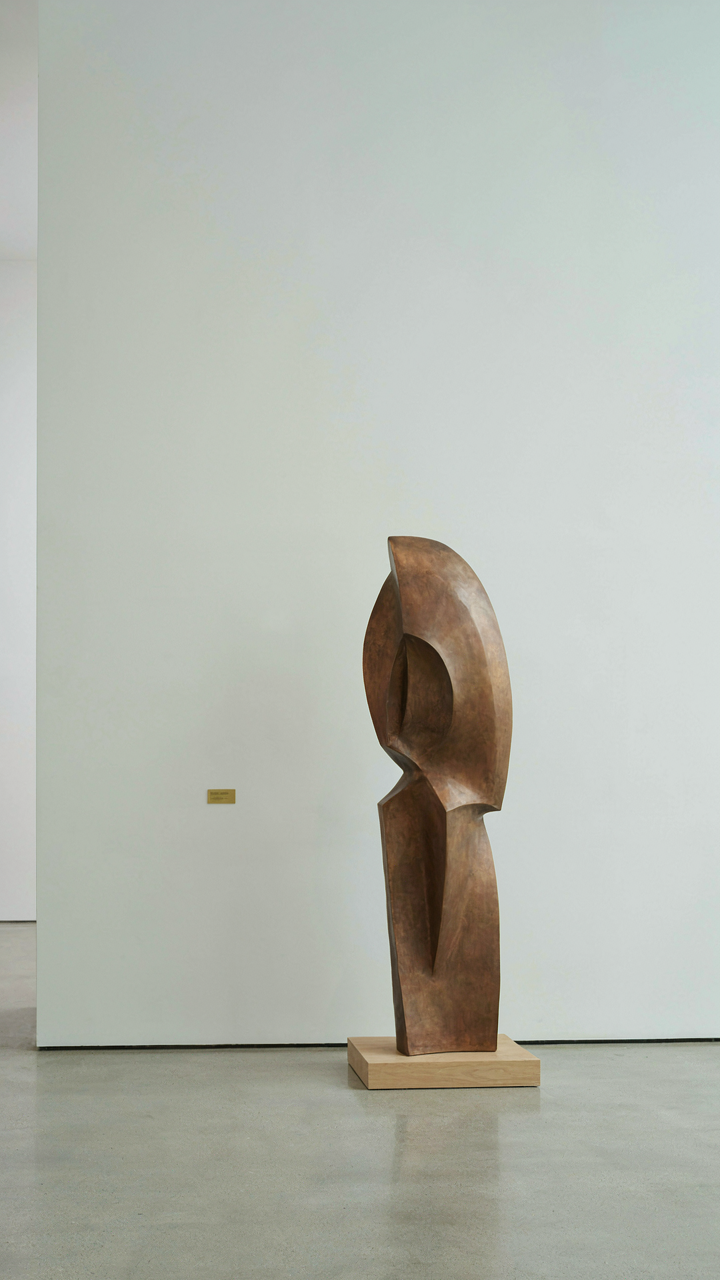
The edited room works because it forces prioritization. You pick three to five meaningful pieces instead of twelve mediocre ones. A single statement textile on one wall beats six throw pillows scattered everywhere. A curated shelf with actual negative space communicates restraint and intention. The best glamping interiors feel intentional because they omit more than they include. Start by removing everything that arrived as a souvenir and serves no function beyond memory storage. Then bring back only what survives that filter.
Identity Through Subtraction, Not Addition
Reflecting who you are requires understanding that identity lives in what you choose to keep visible. Most advice says add mirrors to feel bigger, add plants to feel connected to nature, add art to express yourself. That’s backwards. A tent with two plants and bad light looks worse than a tent with zero plants and good design. Your actual identity emerges through the objects you refuse to compromise on, not through a checklist of aesthetic categories.
Start with one anchor piece that genuinely matters to you—a rug, a lighting fixture, specific bedding, a meaningful photograph. Build the rest around that single decision. Everything else must either support it or stay out. Your glamping tent should feel like a edited version of yourself, not a mood board. The final check: spend one night in your tent and notice what you actually use and what you pass your eyes over without seeing. Delete the invisible things.
The Unseen Details: Hygiene And Aroma In Luxury Glamping Tents
Cleaning Without Disrupting The Space

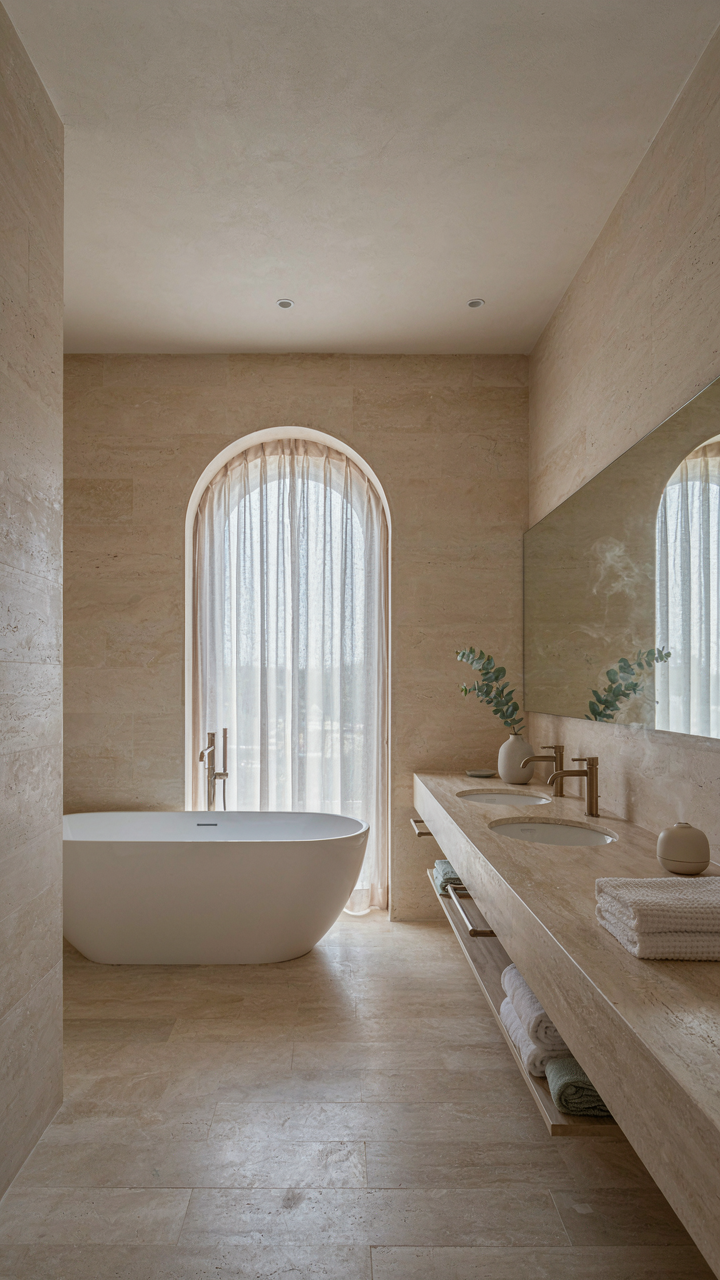
You want your guests to forget they’re in a tent. That’s the real reason you care about cleanliness here—not germaphobia, but the moment a smudged window or dust on fabric reminds someone they’re camping, the illusion breaks. The mechanism is simple: in hotel rooms, housekeeping disappears. In glamping tents, you operate in a contained, fabric-heavy environment where traditional wet cleaning spreads moisture into canvas and insulation. Dry methods dominate for this reason.
Microfiber cloths and electrostatic dusting tools remove particulates without water damage. For canvas surfaces, a soft-bristle brush followed by spot-cleaning with pH-neutral upholstery cleaner prevents water rings and mildew growth in high-humidity environments. Weekly vacuuming with HEPA filtration keeps airborne dust minimal. For mirrors and glass, alcohol-based cleaners dry fast and leave no residue. The goal isn’t pristine—it’s invisible maintenance that never disrupts guest experience.
Scent Layering, Not Masking
Most glamping operators spray air freshener and call it done. This fails because a single scent gets cloying in an enclosed canvas space, and guests recognize it as manufactured coverage, not authenticity. Use diffusion instead of delivery. Cedar or sandalwood essential oil diffusers run passively without heat or electricity drain, and they disperse gradually through natural air circulation in the tent. Place one unit near the entry to establish scent immediately, a second near the sleeping area at lower intensity. Rotate scents seasonally—cedar in fall, eucalyptus in spring—to avoid olfactory fatigue.
Fresh air exchange matters more than any fragrance. Tent design with operable windows or vents allows guests to control ambient aroma rather than suffer it. Scent should fade into background presence within minutes of arrival, never announce itself. If guests mention it unprompted, you’ve oversaturated. The protocol: deploy diffusers 2 hours before check-in, then remove or reduce intensity once guests arrive.
Powering Your Plush Retreat: Practical Glamping Inspiration
The Battery Bank You Actually Hide
You want your glamping tent to feel like a hotel room because you’re paying for the illusion that you’ve left your real life behind—and dead batteries destroy that fiction instantly. The mechanism is simple: a power system that vanishes. Not solar panels mounted visibly on the roof. Not a generator humming outside. A lithium battery bank, typically 5kWh or larger, installed beneath the tent’s platform or inside a wooden cabinet that matches your interior.
Lithium batteries charge faster than lead-acid alternatives and don’t require ventilation, which matters in enclosed spaces. Position the battery bank low and central, running conduit through the tent’s frame to hide all wiring. This isn’t about aesthetics—it’s about load capacity. Your battery needs to feed an inverter (3000 to 5000 watts) that converts DC to AC power, running everything from your space heater to your espresso machine. Size your system by adding up total watts you’ll draw simultaneously, then add thirty percent for inefficiency and safety margin.
Charging Without The Visual Clutter
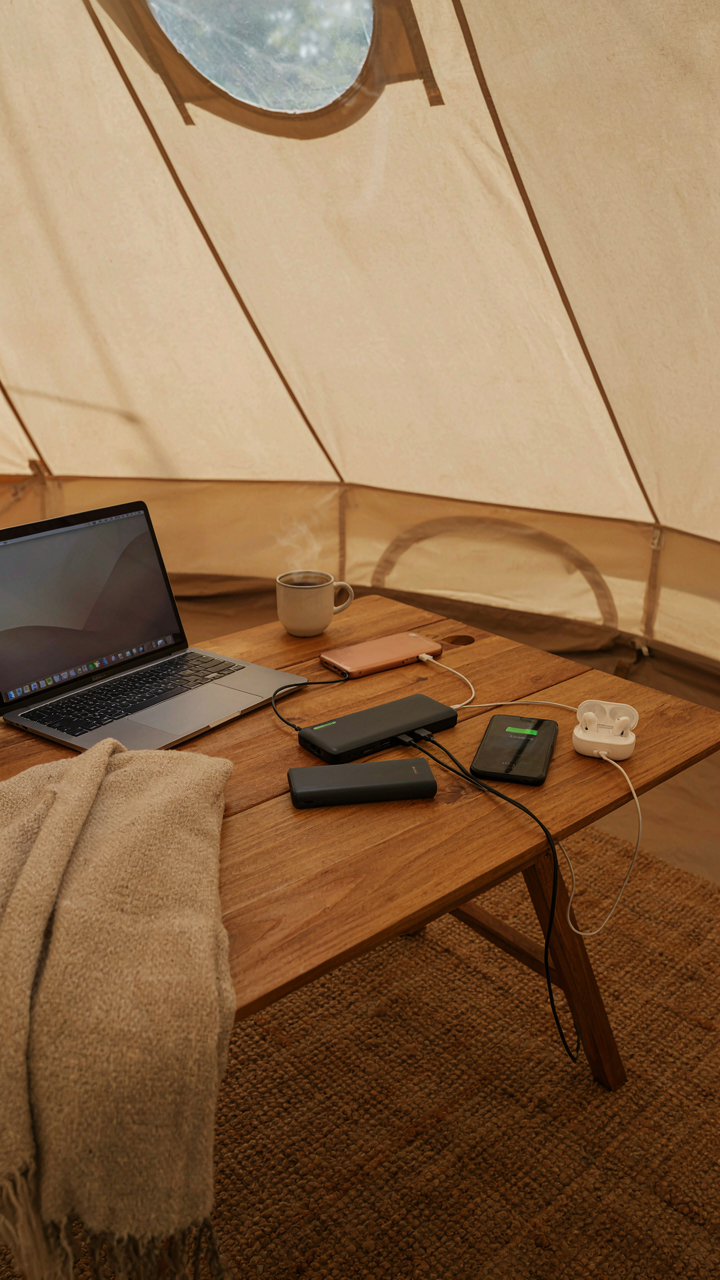
Standard advice says “run USB chargers everywhere,” which fills your glamping tent with cable spaghetti and makes it look like an airport terminal. Instead, design charging stations into your furniture. Mount recessed outlets inside wooden nightstands or embed charging pads into the underside of your desk surface. This requires planning before you build or assemble pieces, not after.
Use a single power management hub—a surge protector with built-in USB and wireless charging—installed inside a cabinet or tucked behind a headboard panel. All guest devices charge from one point, eliminating the need for multiple adapters scattered across surfaces. Run the main cable from this hub down through the tent’s frame and directly into your inverter system below. The result is one visible plug per tent, everything else hidden in the architecture itself.
The Hotel Room Lie: Why Your Luxury Glamping Tent Will Never Truly Compete
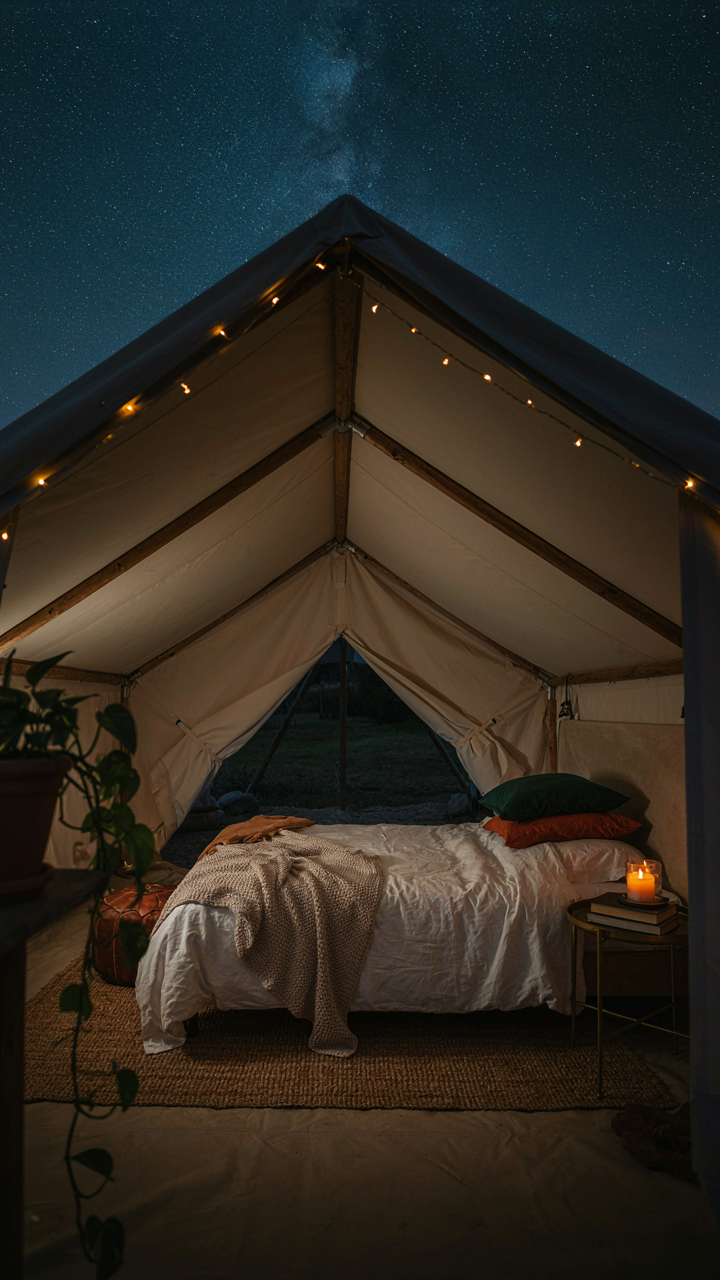
Stop chasing the hotel room experience. A glamping tent interior wins when it stops pretending to be something else and owns what it actually is: a controlled escape from comfort. The magic lives in the tension between luxury and rawness, not in copying four-star bedrooms. Your move today is brutal and simple. Walk through your space and eliminate one hotel-standard piece that doesn’t belong in the wild. The best glamping tents feel like adventure got expensive, not like the Marriott moved outside.