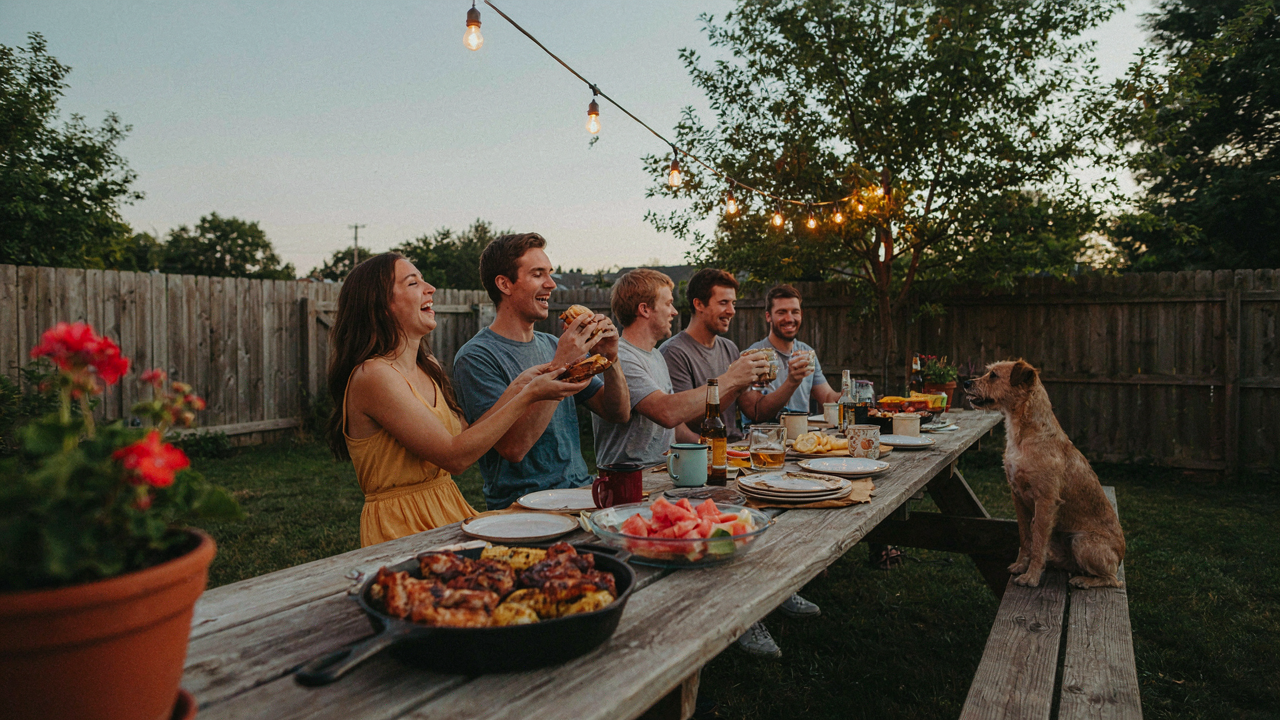
The Cookout Conundrum: Why Your “Stress Free” Plan Fails

Everyone Assumes You’ll Wing It
You want proof that you’re not the chaos type. That’s the real motive here. The mechanism is simple: most people treat a summer cookout menu as a collection of independent decisions rather than a system with dependencies. You pick burgers, then sides, then drinks in isolation. What you miss is that each choice constrains or expands what comes next. Burger quality affects portion size. Portion size affects how many sides you need. Sides determine your prep timeline and equipment load.
Most hosting guides skip this entirely. They list items like a shopping receipt instead of mapping how decisions cascade. You end up with a menu that looks balanced on paper but falls apart during execution because you never accounted for the friction between components. The gap between what sounds easy and what actually works is where stress lives. Most people only realize this an hour before guests arrive.
The Illusion Of Effortless Hosting
Hosting culture sells you a lie: that the best cookouts feel spontaneous and abundant. They’re not. They’re pre-decided to the point of rigidity. Every choice about temperature, timing, and portion size gets locked in before the first guest arrives. The illusion of effortlessness comes from invisible constraint, not from flexibility or intuition. You don’t wing a great cookout. You script it so thoroughly that improvisation becomes irrelevant.
The stress you feel isn’t from the cooking itself. It’s from making decisions in real time while managing people. Eliminate in-the-moment choice, and you eliminate stress. Your menu stops being something you think about during the event and becomes something you execute. The protocol is this: write your menu, map your timeline by working backward from serving time, then identify which dishes you prepare cold, which you hold hot, and which you finish last. Do this once, and the event runs on rails.
The Minimalist BBQ Menu: Less Choice, More Flavor
Pick One Protein And Own It

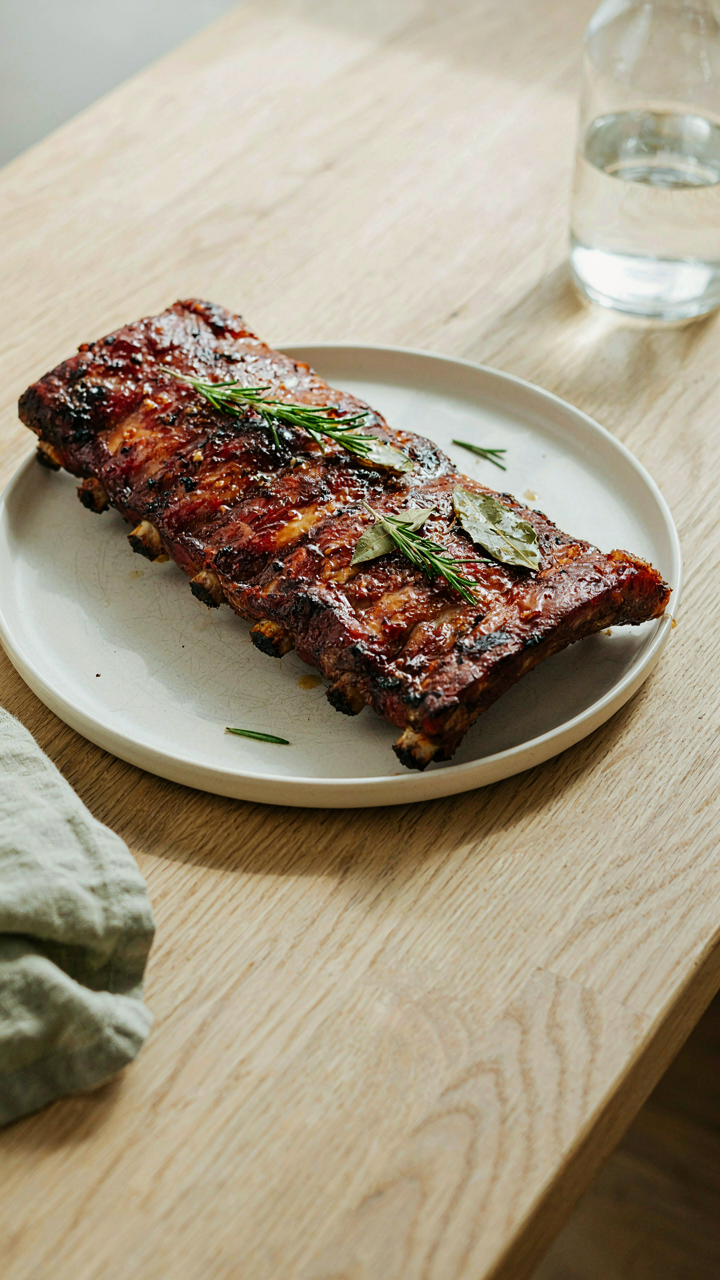
You want to look like you have it under control, and the real fear is that offering too many proteins makes you look indecisive. Here’s the mechanism: decision fatigue hits your guests before they eat. When you serve chicken, ribs, and brisket, people spend mental energy choosing instead of enjoying. Pick one protein, nail the execution, and watch how much easier everything becomes. The constraint forces better seasoning, better timing, and better fire management.
Limiting yourself to a single protein removes the operational chaos that kills cookouts. You’re not rotating three proteins on different heat zones, managing three cooking times, or buying three times the inventory. Chicken cooks fast and feeds dense crowds cheaply. Ribs demand patience but deliver theater. Brisket takes 12 hours but creates commitment. Your job is to choose based on your actual schedule and skill level, not on what sounds impressive. Then buy 20 percent more than you think you need.
Build Sides That Actually Pair
Everyone lists sides like they’re checking boxes, but pairing is an economic principle: complementary goods increase the value of the primary good. Your sides aren’t fillers. They’re the infrastructure that lets your protein shine without stealing attention. Serve coleslaw with pulled pork because the acid cuts the fat. Serve baked beans with ribs because the sweetness matches the char. These aren’t random pairings.
Two to three sides beats five every time. Prep them the night before. Make one side that can sit at room temperature without degrading, one that stays hot in a slow cooker, and one that comes cold from the fridge. This setup removes the timing puzzle that stresses most hosts. You’re not juggling reheats and temperatures during the event. Build your menu around what you can execute in parallel, not what sounds complete.
Prep Like A Surgeon: Precision For Summer Cookout Food Ideas

The Setup Before The Grill Fires

You want to look like you didn’t stress. That’s the real fear here—showing up scrambled while pretending everything is effortless. Surgeons call this “preparation before execution.” The mechanism is identical to your summer cookout menu: what you arrange before service starts determines what actually happens. You don’t improvise under pressure. You eliminate pressure entirely.
Mise en place means “everything in its place.” Set up your cooking station with proteins, tools, and seasonings in the exact order you’ll use them. Your grill gets one zone for searing, one for holding. Your prep table holds cold items on the left, hot items staging right. This isn’t decoration. It’s the difference between plating eight burgers in ten minutes or burning half of them while searching for tongs.
Overnight Work Beats Morning Panic
Most people marinate for two hours and wonder why the meat tastes flat. Wrong. The real mechanism is enzyme penetration, which takes time to break down muscle fibers and allow seasoning to set. Overnight marinades work because they give acid and salt the hours they need to do actual work.
Start marinades the day before. Chop all vegetables that evening too. Put them in containers, label them, refrigerate. Slice onions, mince garlic, cut peppers—everything. Your morning becomes unloading coolers, not wielding knives while guests arrive. The pregame work removes the only variable that actually matters: whether you’re ready when people show up.
The “Set It And Forget It” Cookout System
How Heat Works Without Your Hands

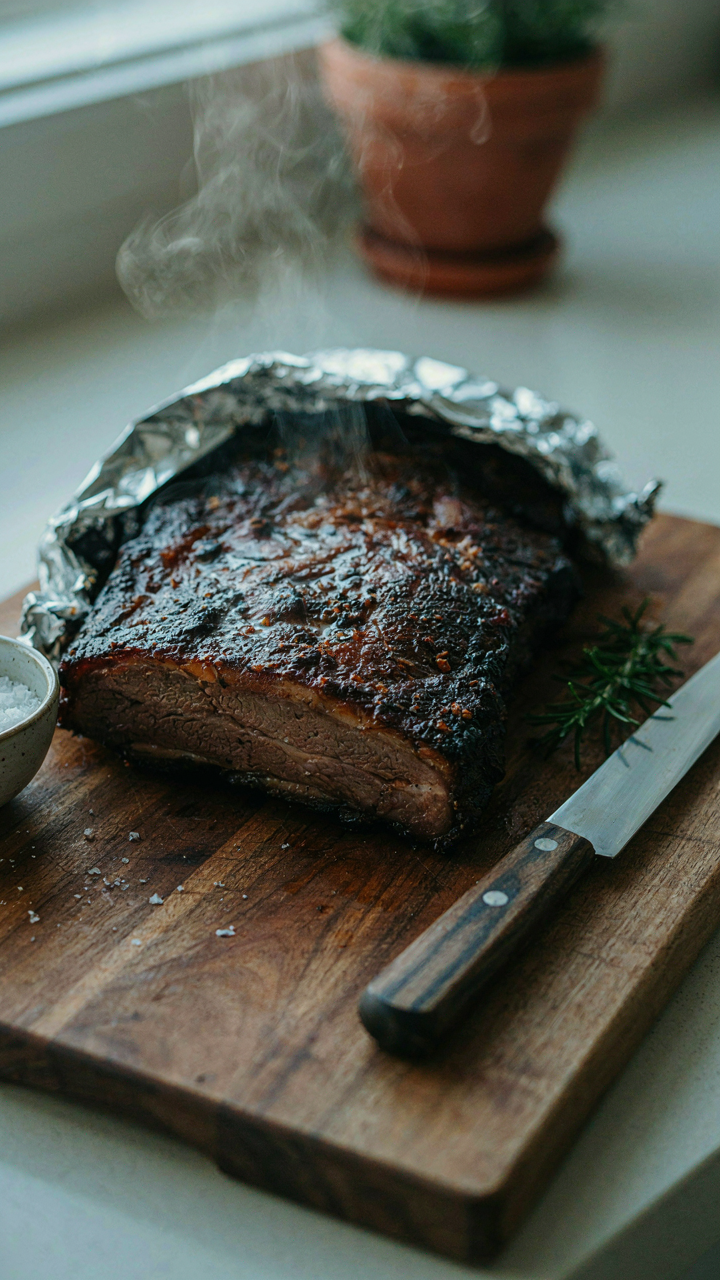
You want to look relaxed while everyone eats, not sweating over the grill like this is your job. The mechanism is carryover cooking, borrowed from thermodynamics: residual heat continues cooking food after you remove it from the direct heat source. Most people grill meat until it looks done. That’s wrong. You remove it five to ten degrees before target temperature. The meat keeps climbing as it rests, while you’re free to handle sides, guests, or simply stand there looking competent.
This inverts the typical cookout anxiety. Instead of timing everything to finish simultaneously, you stagger removals. Chicken breasts off at 160°F, steaks at 125°F, burgers at 155°F. Wrap them loosely in foil. They’ll drift upward while you’re doing something else. The real win: no dry meat, no cold food waiting around, no scrambling at the end. The grill becomes a starting point, not a finish line.
Prep Systems That Scale Without Chaos
Everyone talks about mise en place. What they miss is the actual bottleneck: you’re treating prep and serving as separate jobs when they should be the same job. Cut vegetables the morning of, load them into labeled containers. Set up your condiment station before anyone arrives, not during the rush. Buns go in a basket with butter on the side. Sauces in small bowls, not bottles passed hand to hand. Your job during the cookout is placement, not scrambling.
Automation here means removing decisions in real time. Pre-portion meat before guests arrive. Marinate overnight in the cooler. Set a phone alarm for removal times so you’re not eyeballing doneness. Stack plates near the grill with serving utensils ready. The system works because you’ve eliminated the moment where you need to think. When the grill is hot and people are hungry, thinking is the enemy. Execute the protocol you built yesterday.
Mastering The Cookout Sides: Beyond Potato Salad
Sides That Travel Without Falling Apart

You want people to think you’re organized. The real mechanism is this: sides fail because you’re treating them like they’re static objects instead of systems that degrade over time and temperature. Borrowing from logistics, think of “shelf stability” as your operational constraint. A side dish that requires precise temperature maintenance or falls apart when moved is a liability dressed as food.
The sides that work are those you prepare cold, pack dense, and serve at room temperature without degradation. Pasta salads, bean-based dishes, and grain bowls handle transportation and time. Coleslaw in dressing stays crisp longer than dressed greens. Cornbread doesn’t require refrigeration and improves slightly as it sits. You’re not choosing sides based on taste alone. You’re choosing based on their ability to remain functional across the cookout timeline.
- Pasta salad with vinegar base: Oil-based dressings separate and congeal. Vinegar stabilizes and actually improves flavor as it sits. Mix pasta, vegetables, and dressing at least two hours before serving.
- Black bean and corn salad: Holds texture and flavor for hours without refrigeration. Lime juice and cilantro prevent blandness. Survives temperature swings better than mayo-heavy sides.
- Cornbread or corn muffins: Bake the day before, store wrapped, serve at room temperature. No reheating needed. Stays moist and doesn’t dry out like bread does.
- Coleslaw with vinegar slaw: Red or white vinegar dressing keeps cabbage crisp and prevents wilting. Prepare two hours before service maximum to avoid sogginess.
- Grilled vegetable platter: Vegetables charred and dressed with olive oil and garlic. Tastes better at room temperature. Transport in a sealed container to prevent drying.
The tactical advantage is this: you prep these sides in advance, transport them untouched, and they sit on the table performing their job. No last-minute assembly, no temperature babysitting, no waste from dishes that separated or went bad. That’s the entire point.
The Overlooked Crowd Pleaser That Nobody Admits They Want
Everyone tells you to make what’s “interesting” or “unique.” This advice is incomplete because it ignores how groups actually eat. The overlooked play is building a side around a base carb that people can stack, layer, and customize. Cornbread with butter and honey, pulled bread with herb oil, or warm tortillas with salt accomplish something standard sides don’t: they give people control over their meal composition.
The mechanism is simple. Most people at a cookout eat what’s familiar with what’s unfamiliar. They’ll try your elaborate kale salad alongside the bread. But the bread is what they’ll return to. Bread, warm or room temperature, with minimal toppings, is not boring. It’s the anchor that lets someone build their own plate without anxiety about combinations. Serve it in a basket with cloth, brushed with garlic butter or herb oil. It costs less than specialty sides and people consume more of it, which means you’re actually feeding the crowd efficiently instead of throwing away half-eaten bowls of something complicated.

The Efficient Drink & Dessert Protocol For Summer Cookouts
Build The Drink Station Once
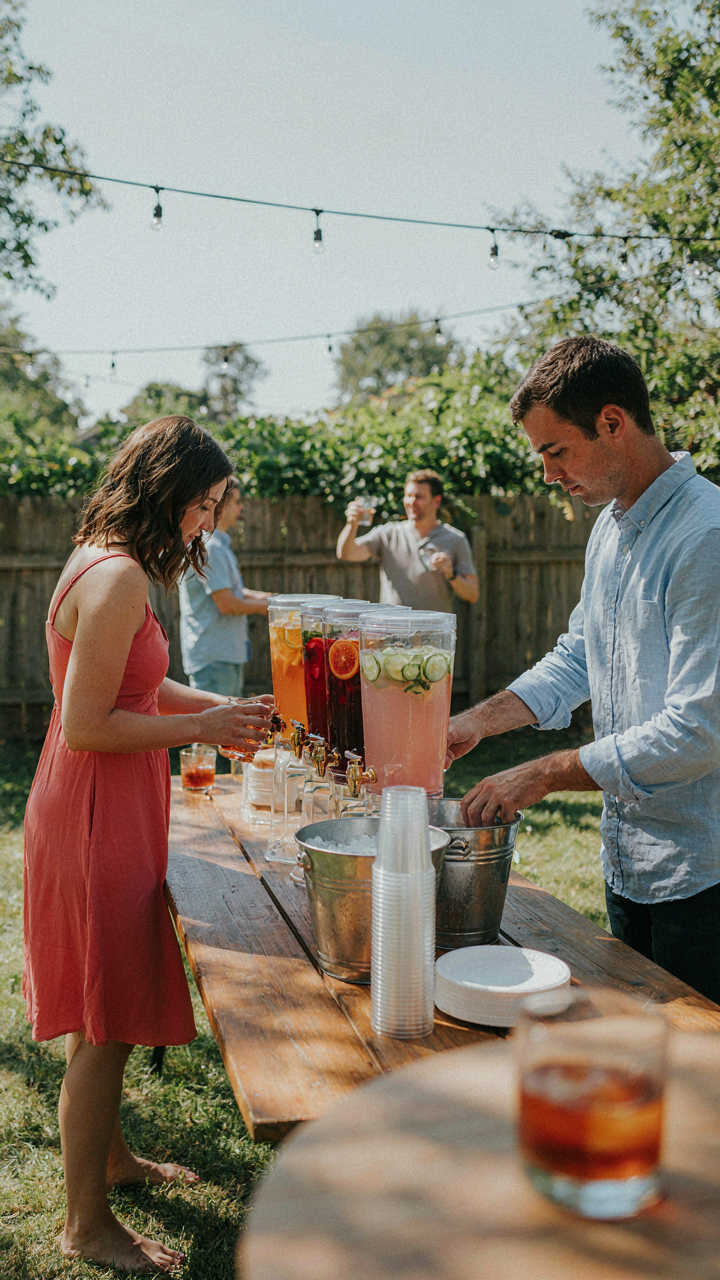
You want guests to serve themselves because you’re afraid of looking like a bad host if you don’t micromanage the beverage situation. The real mechanism is friction: every drink you hand someone personally is attention you’re not giving to food, conversation, or the next wave of guests arriving. Borrow from operations management—specifically the concept of throughput. Your job is to maximize the number of people served per unit of your time. A self-serve station does this automatically. Place a cooler or table in one corner. Stock it with ice, cans or bottles already chilled, cups, and one or two simple mixers. That’s it.
The station needs one rule: guests refill their own drinks, and empties go in a separate bin nearby. This eliminates you from the loop entirely. Set it up 15 minutes before people arrive. Position it away from the food table so foot traffic doesn’t bottleneck at your main setup. Label anything unclear—write “EMPTY CANS HERE” on the bin if needed. A self-serve station isn’t lazy hosting. It’s the only way to actually be present during your own cookout.
Assemble Desserts Before Anyone Arrives
The common advice is wrong: don’t make dessert complicated. But the real problem is timing. You’re grilling meat, checking food temps, managing conversations, and suddenly it’s 7 PM and nobody’s gotten dessert yet. Desserts vanish into a gap between dinner and departure where nobody knows what to expect. Pre-portioned desserts solve this by removing the assembly step during the event. Bake or buy items you can plate or portion the morning of the cookout. Brownies cut into squares and stacked on a board. Individual cups of mousse or pudding. Sliced cake on a serving platter under plastic wrap.
Set the dessert table out only when dinner’s winding down—don’t tempt people early. This creates a second energy point in the cookout timeline. People think there’s structure and intention to your meal flow, even though you did all the work eight hours ago. Pre-portioned desserts eliminate the “should I offer this?” moment entirely. You plate once, guests serve themselves once, and the event has a clean ending. The mechanism is sequential certainty: you’ve already solved the problem before it exists.

Delegation As A Weapon: Your Secret BBQ Menu Advantage
Assign Tasks By Constraint, Not Capacity
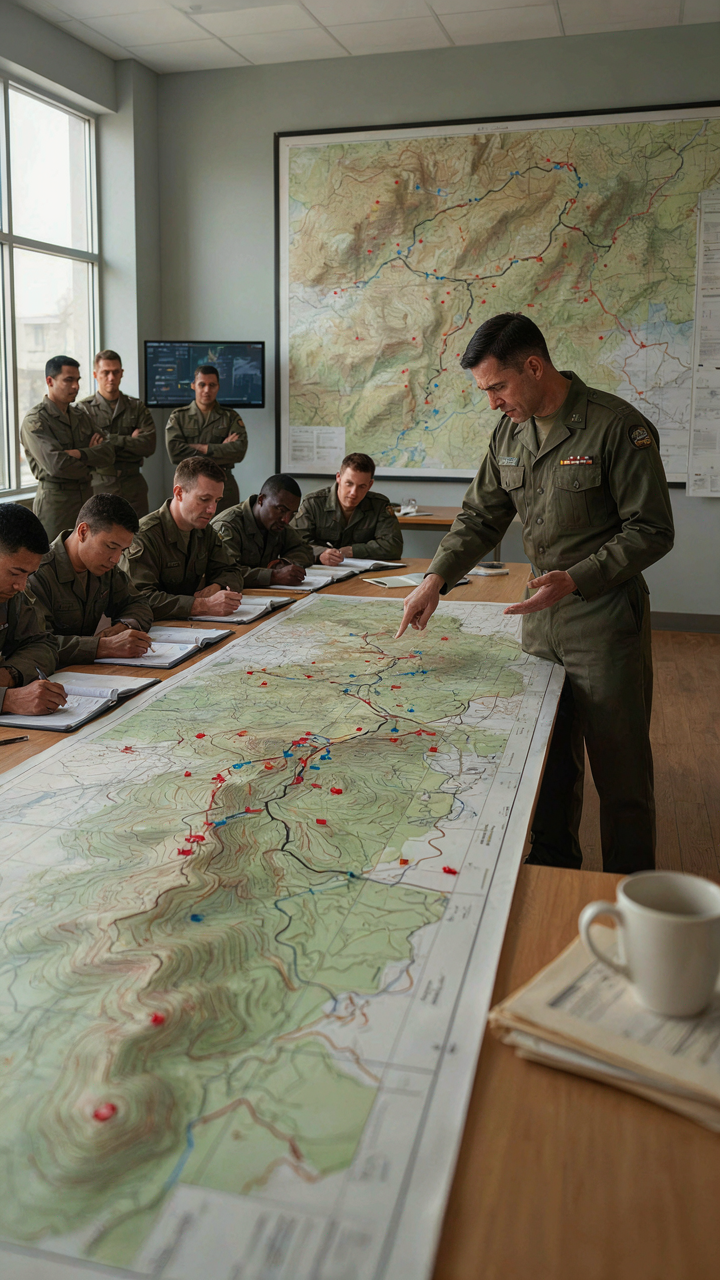
You think you want help because you’re busy. Really, you want help because you’re afraid you’ll fail at something visible. The mechanism is constraint-based task assignment. In military operations, commanders assign objectives based on the specific constraints of terrain and resources, not general ability. Your cookout has the same structure: assign tasks based on what each person’s constraint prevents them from screwing up, not their general helpfulness. Someone without knife skills doesn’t prep vegetables. Someone without a car doesn’t handle ice runs. Someone without a grill background doesn’t manage heat.
The alternative is generic “can you help” requests that land on competent people and guarantee mediocre execution across everything. Instead, map your menu tasks against hard constraints. Coleslaw prep goes to the person with counter space and time at home. Beverage service goes to the person who arrives earliest. Grilling goes to the person who owns a grill or has demonstrated grill competence before. You eliminate decision friction and guarantee accountability because each person owns a single outcome they cannot reasonably fail at given their environment.
Pre Commit Or Don’t Invite Them
Stop asking for volunteers the day before. The common advice is to send a group text asking who wants to bring what. That’s incomplete. You get silence or vague commitments that evaporate under social pressure. Real protocol: three weeks before the cookout, name specific people and assign specific tasks directly. “Sarah, I need you to handle the burger buns and condiment setup.” Not a suggestion. Not a poll.
The person either commits to that specific role or declines, and you reassign immediately. No one shows up with store-bought potato salad they threw together that morning because they already said yes to something concrete. No one adds their own menu item that conflicts with your prep flow. When you pre-commit people to defined roles, you eliminate the chaos that happens when eight people each think they’re being helpful by doing whatever they want. Written confirmation seals it. One message: “Confirming you’re handling the buns and condiments on Saturday at 2pm. Let me know if that changes.”

Post Cookout Cleanup: The Exit Strategy
Trash Separation Before It Spreads
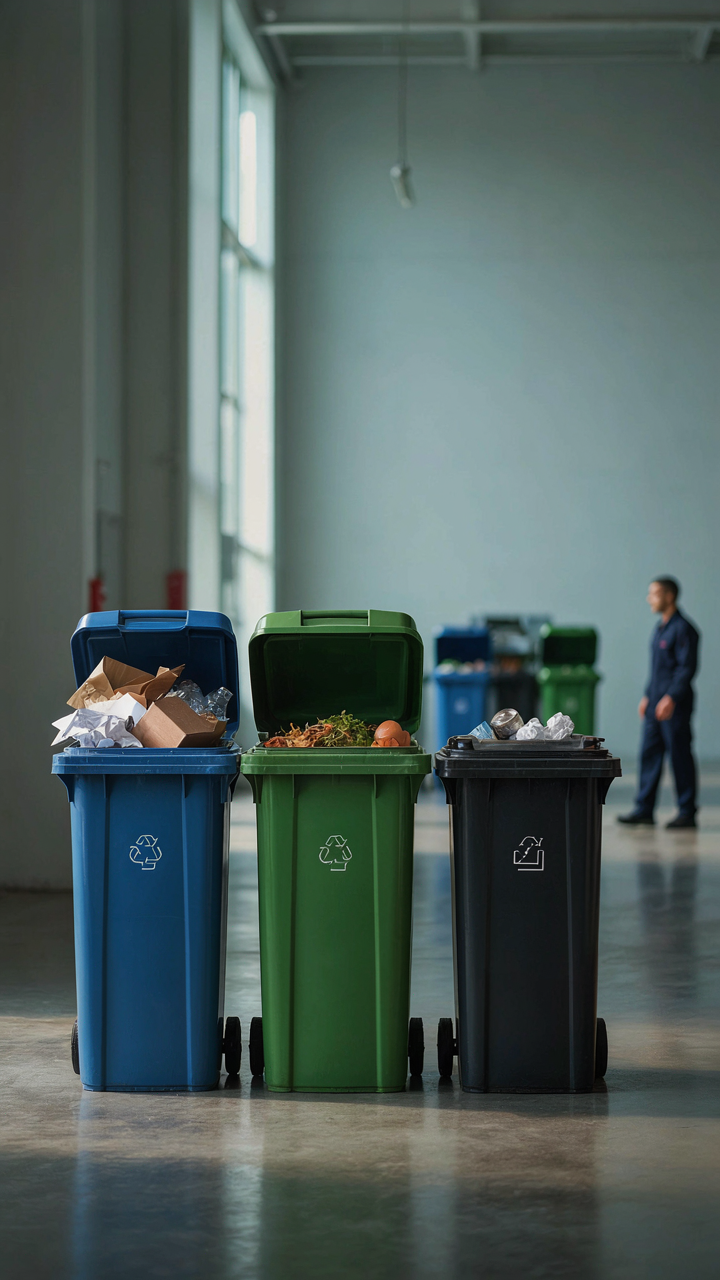
You’re worried people will judge your home by how quickly it looks normal again. Here’s the mechanism: trash doesn’t organize itself, and mixed waste takes three times longer to sort. Use the system from industrial waste management called “source separation”—you segregate materials at the point of disposal, not after. Set up three stations before guests arrive: one for compostables, one for recyclables, one for trash. Place them near where people actually discard things, not hidden in a garage.
The mistake most people make is waiting until the party ends to think about where things go. By then, plates with food scraps sit mixed with plastic cups for an hour. Put a dedicated trash handler on duty during the last thirty minutes of the cookout—their only job is monitoring bins and redirecting items to the right container. This person prevents the chaotic dump-everything-together moment that makes cleanup feel insurmountable.
Dishes Done In Waves, Not All At Once
Everyone assumes you rinse, wash, and dry in one marathon session. That’s backwards. Instead, treat dishwashing like a production line with stations: soak, wash, rinse, dry. Start soaking plates and utensils the moment guests finish eating, not after they leave. Cold water with a bit of dish soap does the work while people are still around.
Assign two people to rotate through washing during the final hour of the cookout. They handle maybe two dozen items while things are still wet and soft, which cuts drying time in half. The key is momentum: dirty dishes pile up faster than motivation does, so you move small batches through immediately rather than facing a sink full of hardened food at midnight.

The Real Obstacle Isn’t The Menu, It’s Your Ego Trying To Impress A Crowd
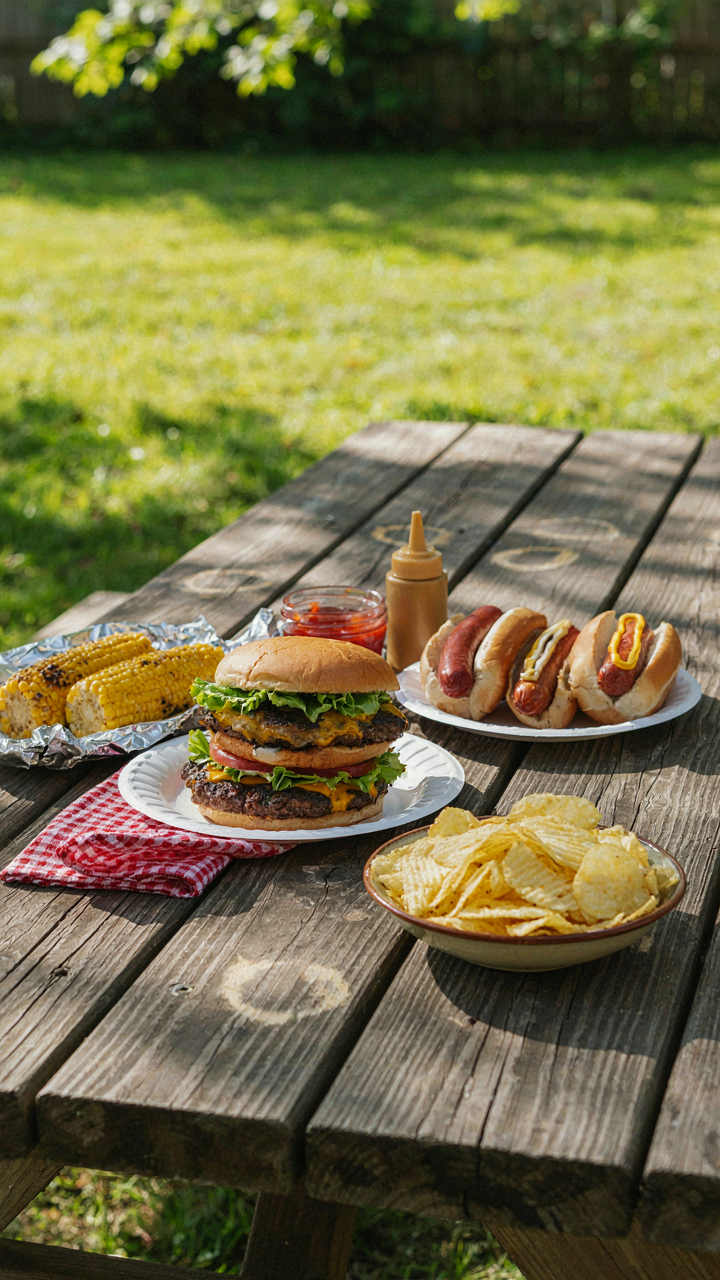
You already know what works. Burgers. Hot dogs. Pulled pork. Corn. Beans. Chips. Your guests don’t care about your culinary flex. They care about being fed and feeling welcome. Stop designing a menu to prove something. Start designing one to execute flawlessly. Pick five items you can make with your eyes closed, buy them today, and stop thinking about it. The cookout you actually pull off beats the one you stress yourself into canceling.