The Illusion Of Cooling: Why You’re Doing It Wrong
What You Think Works But Doesn’t
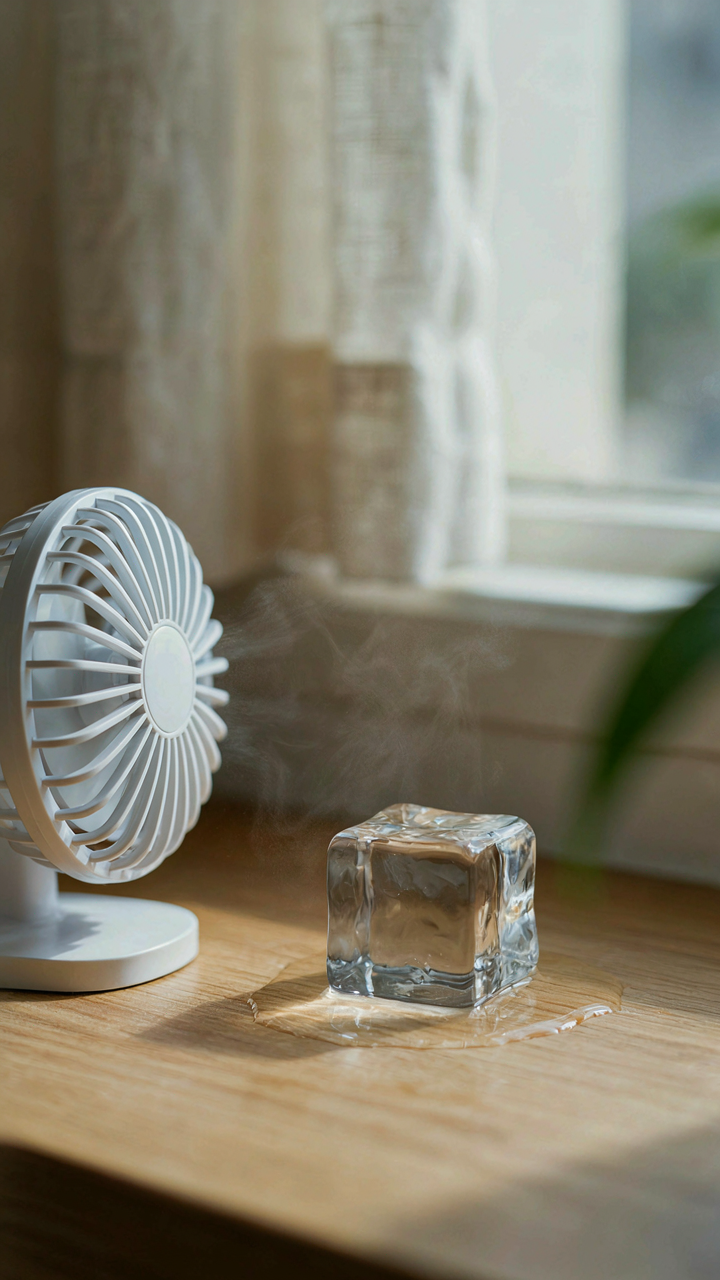
You want to believe a fan solves heat because it feels cheaper than admitting your RV’s design is working against you. Here’s the mechanism: fans move air but don’t remove heat from the system. They create circulation, which feels cold on skin because evaporation accelerates. The actual temperature inside stays the same. You’re confusing comfort with cooling. A fan running 24 hours burns power and generates internal heat from the motor itself, making the problem worse by night.
The consensus advice treats fans as a primary cooling tool. They’re not. Fans are a secondary comfort hack for when actual cooling is already in place. Most RV owners run fans, feel temporary relief, then wonder why the interior reaches 95 degrees by afternoon while their batteries drain. The real cooling process requires heat removal, not air shuffling. That happens through shade, ventilation, and thermal mass management. Start there or stop wasting battery cycles.
Heat Operates On Thermodynamic Principle, Not Willpower
Thermodynamics teaches us that heat moves from high to low concentration. In RV cooling, this principle operates as pressure differential: outside heat wants in, and inside heat wants out. You can’t stop this flow. You can only control the rate and direction. Most people ignore this and install fans, thinking motion itself cools. Motion just delays the inevitable temperature equilibrium.
Your RV’s interior will eventually match the exterior temperature unless you actively remove heat or block incoming solar radiation. The speed of that match depends on surface area, insulation quality, and the temperature gradient. This is why shade management beats any active cooling method for pure efficiency. A reflective tarp over the roof reduces solar gain by 70 percent before heat ever enters the structure. After that, you manage what’s inside through strategic ventilation and air exchange timing, not through fans alone.
The Thermal Barrier Protocol: Fortifying Your RV’s Shell
Reflective Insulation: Exterior Heat Deflection

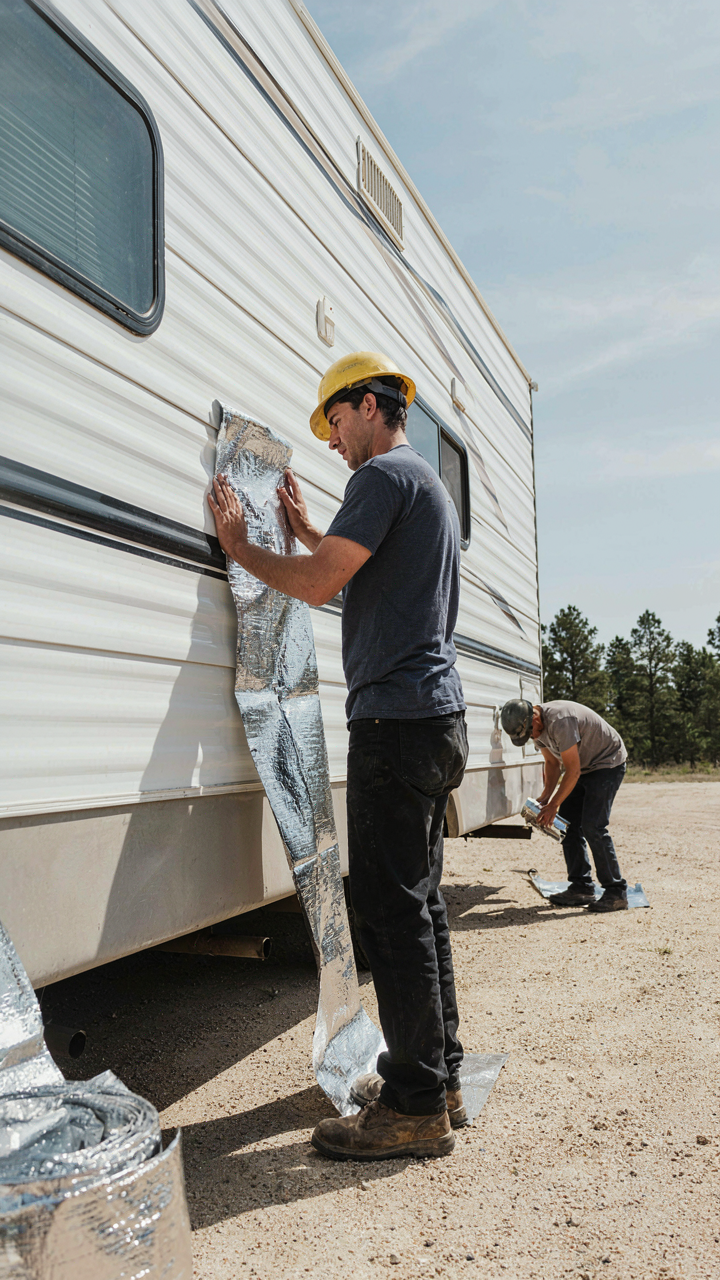
You want to feel like you’re solving the problem instead of admitting your RV is fundamentally poorly designed for heat. Thermodynamics doesn’t care about your effort, though, so think of reflective barriers as albedo management—the physics term for how much radiation a surface bounces back instead of absorbing. Most RV owners ignore the roof and sides, which is where 70 percent of solar gain happens in a stationary rig.
White or silver exterior coatings and reflective roof membranes work because they redirect infrared radiation before it converts to heat inside the shell. Elastomeric roof coatings rated above 0.65 solar reflectance actually perform. Install them on the roof first, then work down to side panels if budget allows. The difference between a dark-colored RV roof and a reflective one runs 15 to 25 degrees Fahrenheit in direct sun, which compounds when your AC runs eight hours straight.
Window Treatments: Block Radiant Heat Transfer
The standard advice about blackout curtains is incomplete. Blackout curtains stop some interior radiation, but they do nothing to prevent heat from entering through the glass. Exterior shade structures—awnings, reflective panels, or shade cloth mounted outside the windows—stop radiant energy before it penetrates the glass layer, which is the actual mechanism that matters.
Install reflective emergency blankets or custom-cut shade panels on the exterior of your windows using adhesive hooks or magnetic strips. Position them to cover glass during peak sun hours (10 AM to 4 PM), then remove them when cooling demand drops. This single protocol cuts internal temperature rise by 8 to 12 degrees compared to interior-only treatments, because you’re blocking the energy source instead of managing its aftermath.
How To Cool An Rv Without Ac: Master The Airflow Economy
Strategic Window And Vent Placement
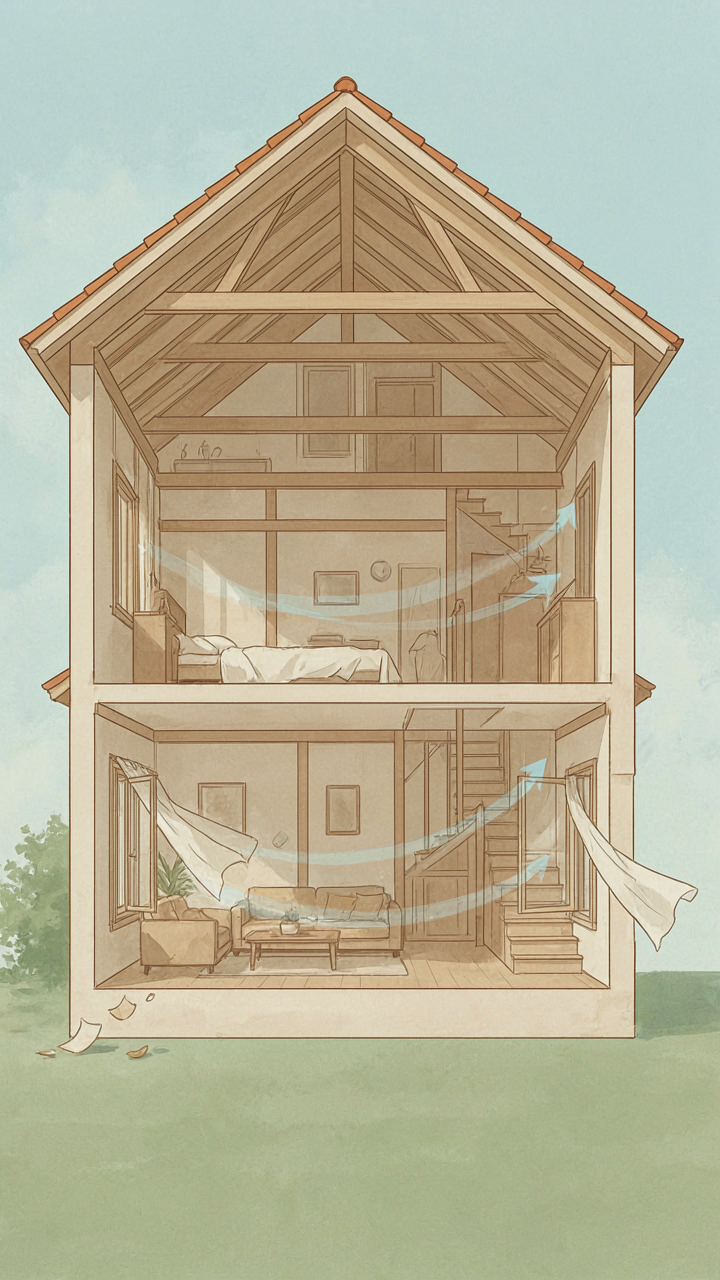
You want to believe AC is your only real option because admitting otherwise means confronting the actual work of passive cooling. It isn’t. Cross-ventilation is borrowed from architecture, and the principle is simple: pressure differential moves air. Create it deliberately.
Open windows on the side facing the wind. Open roof vents or windows on the opposite side. Air enters high pressure, exits low pressure. The gap between entry and exit points determines flow speed. A twelve-inch separation moves more air than two windows on the same wall. Orientation matters more than quantity.
The Stack Effect In Motion
Thermodynamics names this: hot air rises, cold air sinks. In RV cooling, we call this vertical convection. Open your lowest vents or windows to draw in cooler outside air. Open upper vents or roof hatches to expel heat. The temperature differential between inside and outside creates natural draft without a motor.
This works best at dawn and dusk when outside temps drop below interior temps. Position your bed or seating near intake points, away from heat sources like appliances and the driver cab. Close interior doors to create defined channels where air must flow. The protocol is simple: low in, high out, obstacles removed.
RV Air Conditioner Hacks: Optimize, Don’t Just Operate
Keep Your AC Unit Running At Full Capacity

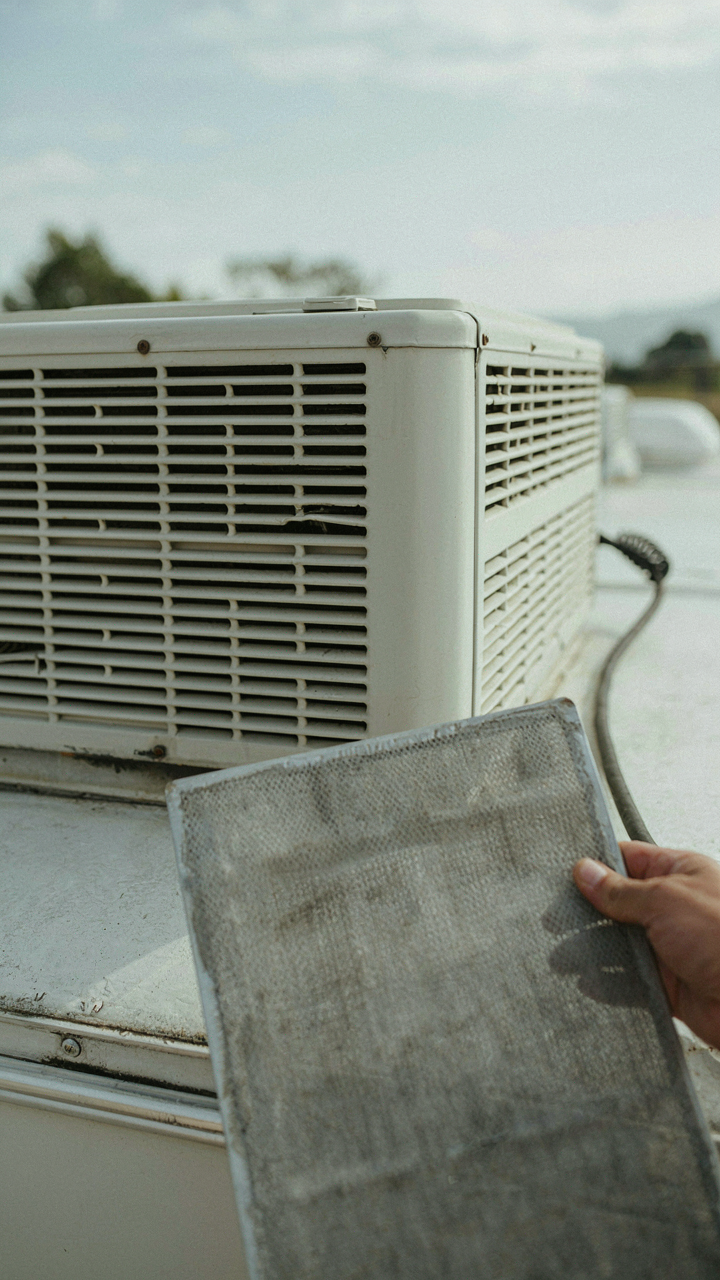
You want this section because you’re afraid your AC will fail mid-trip and you’ll waste money on a repair you could have prevented. The mechanism is simple: RV air conditioners lose cooling power through neglect, not age. A clogged filter restricts airflow. Dirty condenser coils reject heat poorly. Low refrigerant charge compounds both problems. These aren’t mysterious breakdowns. They’re the result of skipped maintenance routines that take under an hour quarterly.
Your AC pulls warm air through a filter before cooling it. That filter collects dust, pet hair, and debris. When clogged, airflow drops and the evaporator coil freezes instead of cooling efficiently. Check your filter monthly during peak heat. Replace it when you see visible dust accumulation, not on a calendar schedule. The condenser coil sits outside your RV and sheds heat. Bugs, road film, and pollen coat it. Use a soft brush and mild water spray to clean it before summer camping trips. Low refrigerant means weak cooling and compressor strain. If your AC runs but barely cools, get refrigerant pressure tested. This requires a gauge and basic knowledge, or a technician’s visit.
Layer Cooling Methods Around Your AC Unit
Your AC unit alone can’t handle extreme heat efficiently without wasting fuel and battery power. Thermodynamics tells us that cooling capacity increases when you reduce the heat load first. Your RV’s AC fights against solar gain, internal heat sources, and outdoor temperature simultaneously. Attack the problem from multiple angles instead of cranking the thermostat lower. Lower thermostat settings don’t solve the root issue. They just make your compressor work harder and burn more propane or battery power.
Block direct sunlight with reflective window covers or external shades before relying on AC power. Open windows early morning and late evening to dump heat naturally instead of cooling all day. Run bathroom and kitchen vents when cooking or showering to exhaust moisture and heat immediately. Position fans to move cool air from the AC toward bedrooms and living areas. This prevents your AC from recooling already-chilled space. Run your AC during off-peak hours if you’re at a campground with power management programs. These stacked tactics lower the actual temperature your AC must achieve, cutting runtime and fuel consumption by 30 to 40 percent.
The “Rv Fan” Fallacy: Beyond Just Moving Air
Where To Put Your Fan So It Actually Works
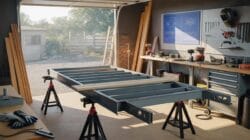
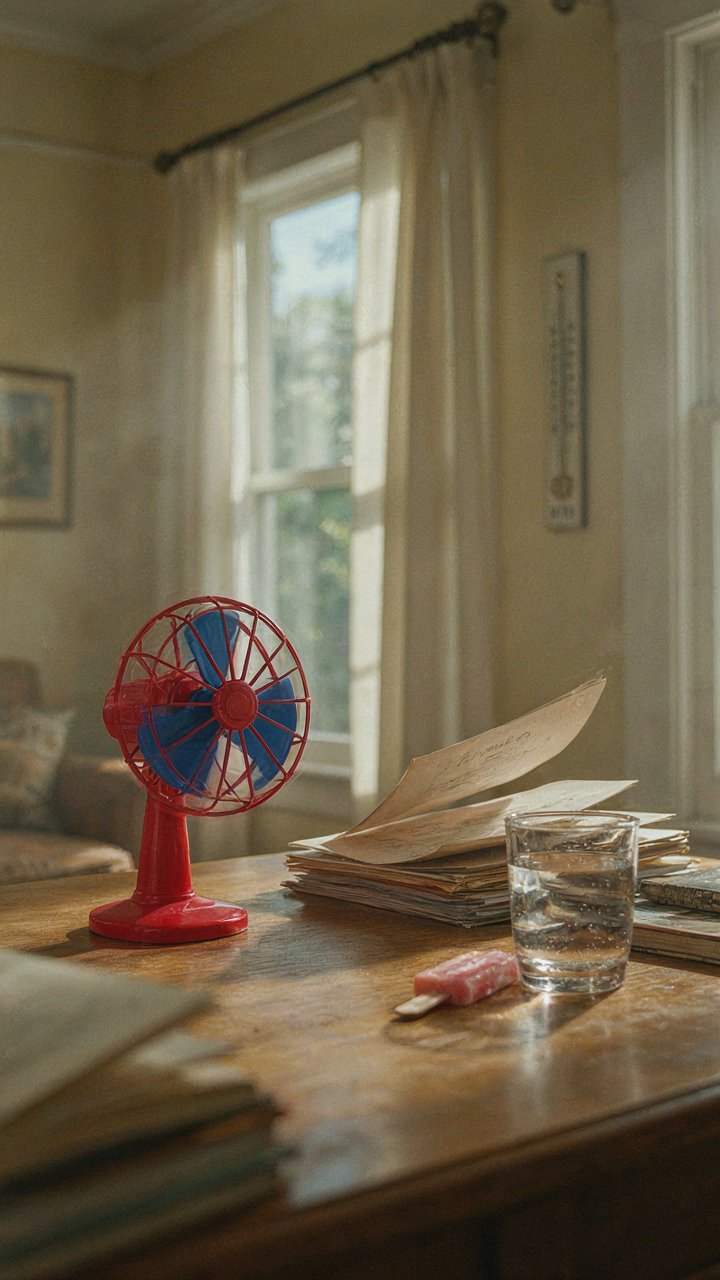
You want the fan to do the work for you so you don’t have to think about heat anymore. That won’t happen if you don’t understand thermodynamics. A fan doesn’t cool anything down by itself. It moves air. The real mechanism is pressure differential. High pressure pushes air out. Low pressure pulls it in. Put your fan in the wrong spot and you’re just recirculating hot air that’s already trapped in your RV.
Mount your exhaust fan in the highest point of your roof. Hot air rises naturally. Gravity does half the work for you. Position it to pull air out, not push it in. Open windows on the lowest side of your RV on the shaded side. This creates the pressure gradient that matters. Air flows from low pressure to high pressure, and you’ve just engineered the whole system to move hot air toward the exit. The fan becomes a pump. The RV becomes a duct.
The Evaporative Cooling Trick Most People Get Wrong
Everyone talks about wet towels and fans like it’s some folk remedy. It’s not. It’s basic physics. Water evaporates, and that process pulls heat energy from the air around it. Cold air is a byproduct, not magic. Most people fail because they don’t create the conditions for evaporation to happen fast enough to matter.
Hang a damp towel directly in front of your fan’s intake. The fan pulls air through the wet material. Water evaporates quickly, and that air drops temperature measurably before entering the RV. Position this setup on the shaded side of your RV where incoming air is already cooler. Refresh the towel when it dries out. Do this at dawn or dusk when outside temperatures are lowest. You’re not fighting the sun’s full power. You’re amplifying the natural cooling window that already exists.
Shade As A Weapon: The External Defense Strategy
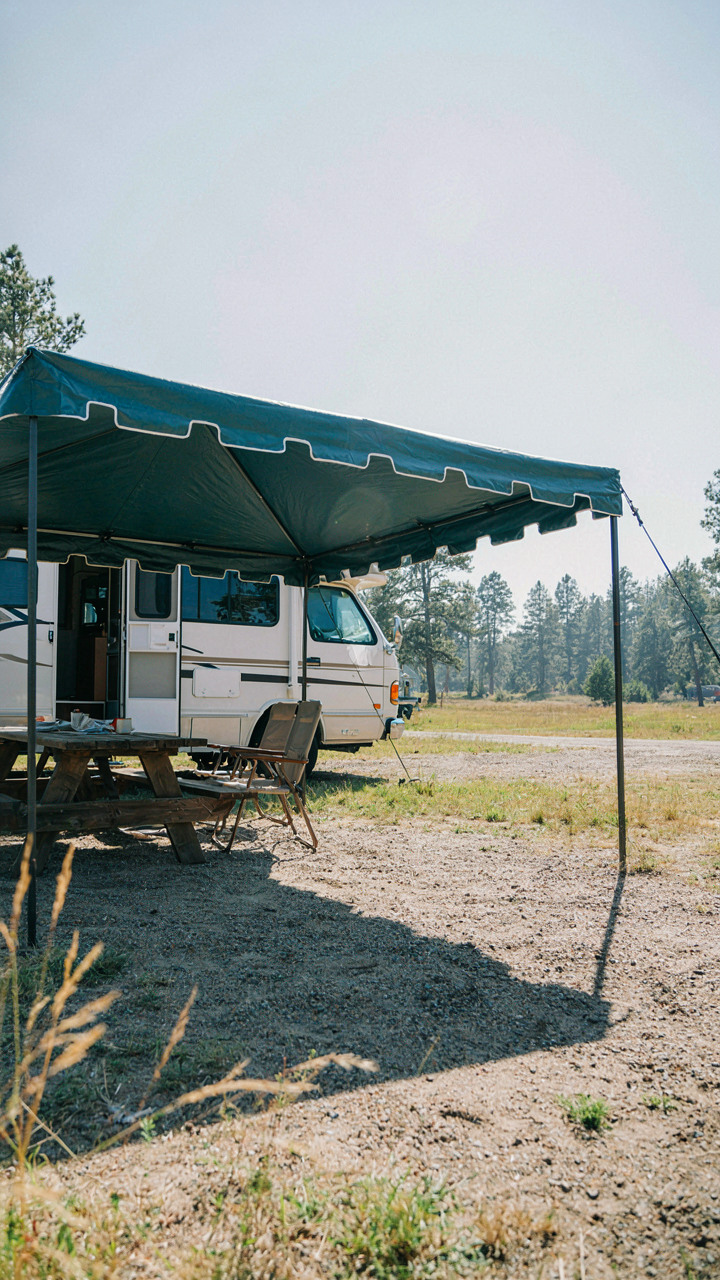
Deploy Your Canopy Like You Mean It

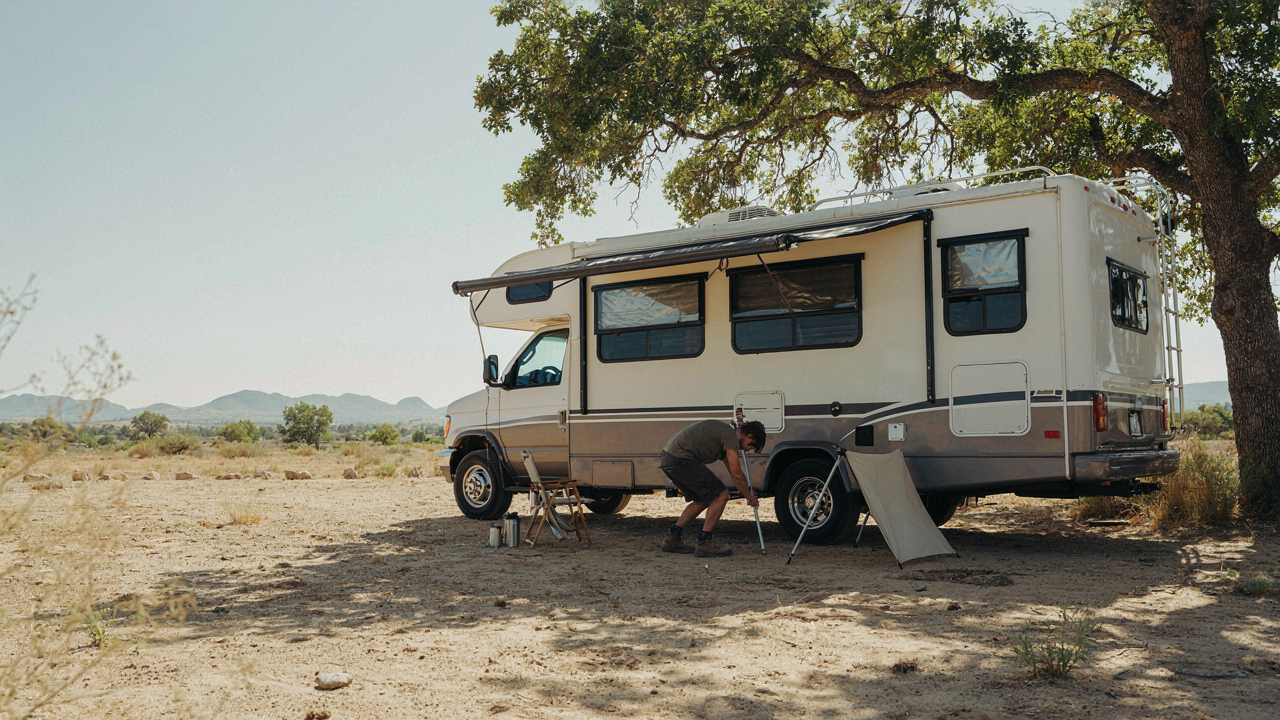
You want the setup that makes other campers ask what you’re doing right. The mechanism is simple: shade reduces solar radiation before it hits your RV’s exterior, cutting interior temperature rise at the source instead of fighting it after the fact. Most people deploy awnings halfway and call it done. That’s lazy. Your canopy is a thermal perimeter.
- Slope angle matters: Position your awning to catch afternoon sun, not morning light. A 45-degree angle blocks direct rays while allowing air circulation underneath, preventing heat trap pockets against the RV wall.
- Extend side panels: Use drop-down or zippered sidewalls on your canopy to block eastern and western sun exposure, the times when solar load peaks. Gaps on the sides defeat the whole system.
- Material density counts: White and reflective fabrics bounce more heat than dark colors. Vinyl-coated polyester with an SPI rating above 1000 blocks significantly more UV than standard fabric.
- Double-layer setup: Stack a mesh shade cloth over your primary awning in extreme heat. The gap between layers creates an air channel that radiates accumulated heat away before it transfers downward.
- Anchor points first: Secure all corners tight before deployment. Loose fabric flaps and reduces effectiveness. Wind also collapses poor installations, leaving you exposed midday.
Deployment timing matters as much as setup. Deploy your canopy before the heat spike, not after. Position it to cover the RV’s roof edge and the hot wall facing the sun. This prevents heat from radiating off the roof into the cabin. Check your setup every two hours during peak afternoon heat. Fabric sag reduces coverage and creates pockets where heat collects against the metal.
Position Your RV Before The Sun Owns The Day
Parking spot selection is where most people fail silently. They pull into whatever spot looks level and available, then spend the afternoon fighting heat they could have prevented. The real strategy is to read the terrain and sun path the moment you arrive. East-facing spots mean brutal morning heat. West-facing spots are killers in late afternoon. North-facing is your default win.
Large rock formations, dense tree clusters, and hillside shadows are your allies. If natural cover doesn’t exist, position your RV so the longest side faces north and the shortest end faces the afternoon sun. This reduces total surface area exposed to peak solar load. Reversing your orientation from morning parking to afternoon parking works in short-stay situations, but commitment to one north-facing position simplifies everything. Wind patterns matter too. Position the RV to catch airflow without blocking shade access. A breeze that reaches your vents while shade covers your walls is the rare optimal state. Test orientation before fully unhitching. You cannot correct a bad spot easily once you’re settled. Spend five minutes scouting instead of spending five hours sweating.
Internal Heat Sources: The Enemy Within Your Camper
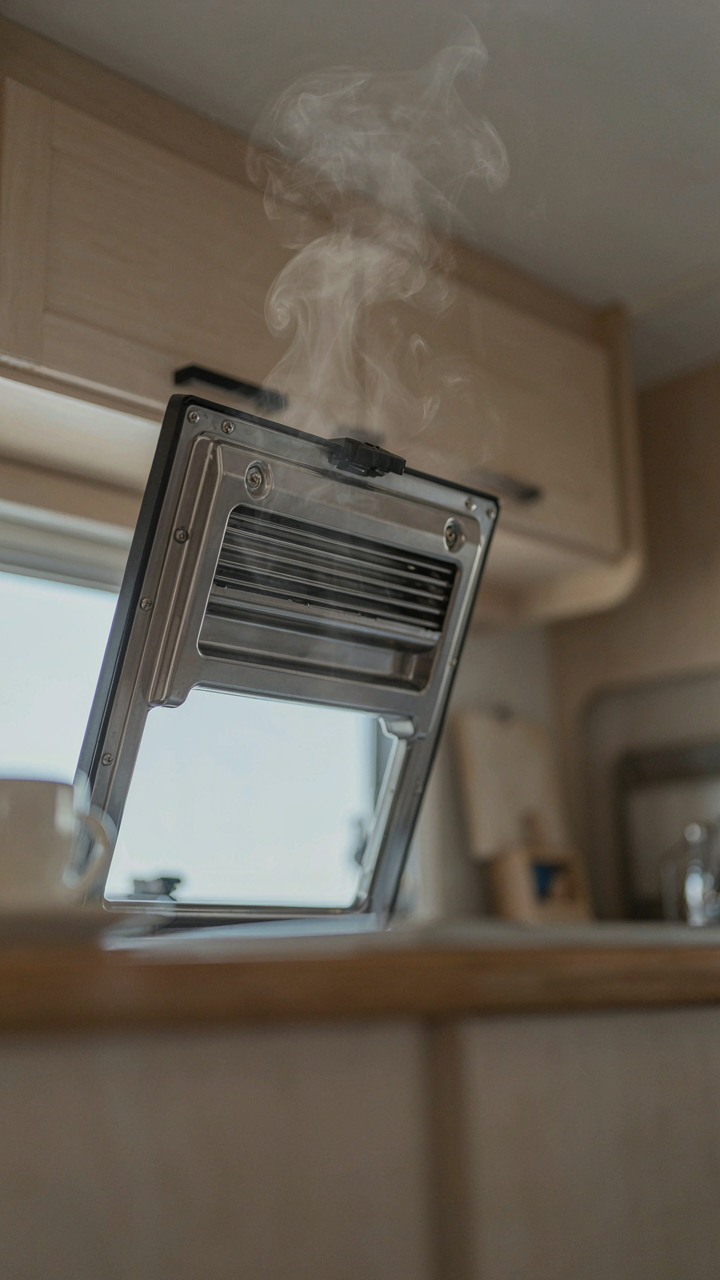
Your Refrigerator And Generator Are Working Against You
You want to believe your AC is doing the heavy lifting, but you’re ignoring the heat machines running inside your box. Your fridge and generator produce steady thermal output that your cooling system has to fight constantly, and most people never measure or isolate this load. Think of thermodynamics like resource allocation in a war: you’re fighting heat on two fronts simultaneously, and you’re not acknowledging one of them exists.
RV refrigerators dump their waste heat directly into the living space through the cooling fins on the back wall. Your generator, if you’re running it, adds 5000 to 8000 BTUs per hour into the compartment. Stop relying on “better insulation” as the answer here. Run your fridge during cool hours only, or crack a roof vent exclusively above the fridge cabinet to pull that heat straight outside. Your generator exhaust should exit far from your main air intake, and you should never run it during peak heat hours if you have battery backup available.
Cooking Heat Is A Tactical Choice, Not An Inevitability
The advice to “use your stove less” misses the real mechanism: you’re not just adding heat, you’re creating a temperature spike that your AC cannot recover from quickly. A stovetop generates 3000 to 5000 BTUs of excess heat into a 200-square-foot space in minutes. Your air conditioning unit produces around 13,500 BTUs per hour maximum, but it’s already fighting ambient load, so that stovetop fire creates a recovery debt you’ll pay for hours.
Cook outside on a propane burner or grill whenever external temperature is below 90 degrees. Use a microwave or instant pot instead of your stovetop because they generate heat inside sealed containers, not free into your cab. If you must cook inside, do it at dawn or dusk, run your roof vent fan on high, and crack windows opposite the kitchen. Never run your stove and your roof AC simultaneously without a powered roof vent pulling that heat externally.
The Biomimicry Of Cooling: Lessons From Nature

How Animals Shed Heat In Tight Spaces
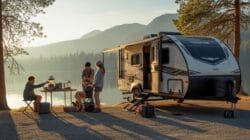
You want this section because it makes you feel smart, like you’ve unlocked a secret code nature wrote. Here’s the mechanism: biology uses the principle of surface area to mass ratio. Animals in deserts increase cooling efficiency by maximizing exposed surface relative to body volume. Your RV operates on the same ratio. A box with minimal venting has high internal heat density. A box with strategic openings and air channels disperses that density faster. Desert animals use ears, legs, and positioning to radiate heat away from core organs. Your RV needs the same architectural hierarchy: passive vents near the roof, intake ports at the floor, and nothing blocking the path between them.
Most people think cooling is about adding fans or running AC longer. That’s treating the symptom, not the problem. The real play is reducing the temperature differential your cooling system has to fight. When you mimic how a fennec fox or camel manages heat load, you’re not fighting thermodynamics anymore. You’re working with it. Seal air leaks that force your AC to recycle hot air. Install roof vents that pull hot air up and out instead of letting it pool at the ceiling. Position your water heater and appliances away from sleeping areas so their waste heat doesn’t concentrate where you sleep. The mechanism is passive load reduction first, active cooling second.
Exterior Cooling Through Air Movement And Moisture
Plants don’t have fans or air conditioning. They transpire. Transpiration is the plant world’s evaporative cooling, and it teaches you that moving air across a surface lowers temperature through phase change, not just circulation. Your RV exterior sits in direct sun. A wet surface cools faster than a dry one because water evaporates and pulls thermal energy with it. This is the same principle behind swamp coolers, but applied to your metal shell.
Install reflective window coverings that reduce solar gain before heat enters the RV, then use exterior shade structures like awnings or shade cloths to create a microclimate around your rig. The shade cloth works because it blocks radiant energy at the source, not after it penetrates. Wet the roof on extreme heat days to trigger evaporative cooling on your exterior surface. This drops skin temperature by 15 to 25 degrees on the metal, which reduces the thermal load pushing into your interior. The mechanism: block sun first, allow exterior moisture to evaporate second, and your interior cooling system handles only the residual load instead of fighting the full solar attack.
RV Cooling Tips For Overnight: The Night Advantage
Run Your AC Before Sunset Hits
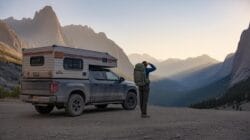
You want to sleep without sweating through the night because waking up drenched costs you the only recovery window you have. The mechanism is simple: your RV’s interior mass—walls, furniture, appliance casings—absorbs heat all day. Running AC hard two to three hours before dark cools that mass while the outside air is still dropping naturally. You’re not fighting peak heat anymore. You’re using the thermal transition period to your advantage.
Most people wait until bedtime to turn on the AC, which means the unit runs against a fully heated box at peak outdoor temperatures. That’s inefficient and exhausting on your compressor. Start cooling at 5 PM if sunset is around 8 PM. Your AC does less work because ambient temperature is already falling. The interior reaches your target temperature before nightfall, and the cool holds better once the sun is actually gone.
Leverage Thermal Mass For Overnight Retention
Physics calls it thermal lag—the delay between when a material absorbs heat and when it releases it. In RV cooling, thermal mass is your stored cold that keeps the interior temperature stable after you kill the AC. The heavier the materials surrounding you, the longer cool air stays trapped inside.
Strategic thermal mass placement works:
- Water jugs in low cabinets: One gallon of water holds roughly 8,000 BTU of cooling capacity. Position them in shaded spots below window level to absorb daytime heat, then radiate cold at night.
- Ceramic tiles on interior walls: They absorb temperature shifts slower than metal or thin plastic, extending the cool period by 1-2 hours post-sunset.
- Mattress with higher density foam: Denser foam holds temperature longer than cheap foam. It stays cool longer into the night without active cooling.
- Stone or slate countertop surfaces: If you can replace a cheap laminate counter, stone absorbs and releases heat gradually, smoothing overnight temperature swings.
- Full water tanks positioned low: A full freshwater tank weighs 800+ pounds and acts as a thermal sink. Empty tanks provide zero thermal benefit at night.
The play is loading mass strategically before sunset so it absorbs cool air from your pre-cooling window. When you shut the AC at bedtime, that mass continues releasing cool into the cabin air for hours. Don’t waste propane or battery power running AC all night—let thermal mass do the work after dark.
The Keep RV Cool In Summer Endgame: A Holistic System
Passive And Active Cooling Working Together
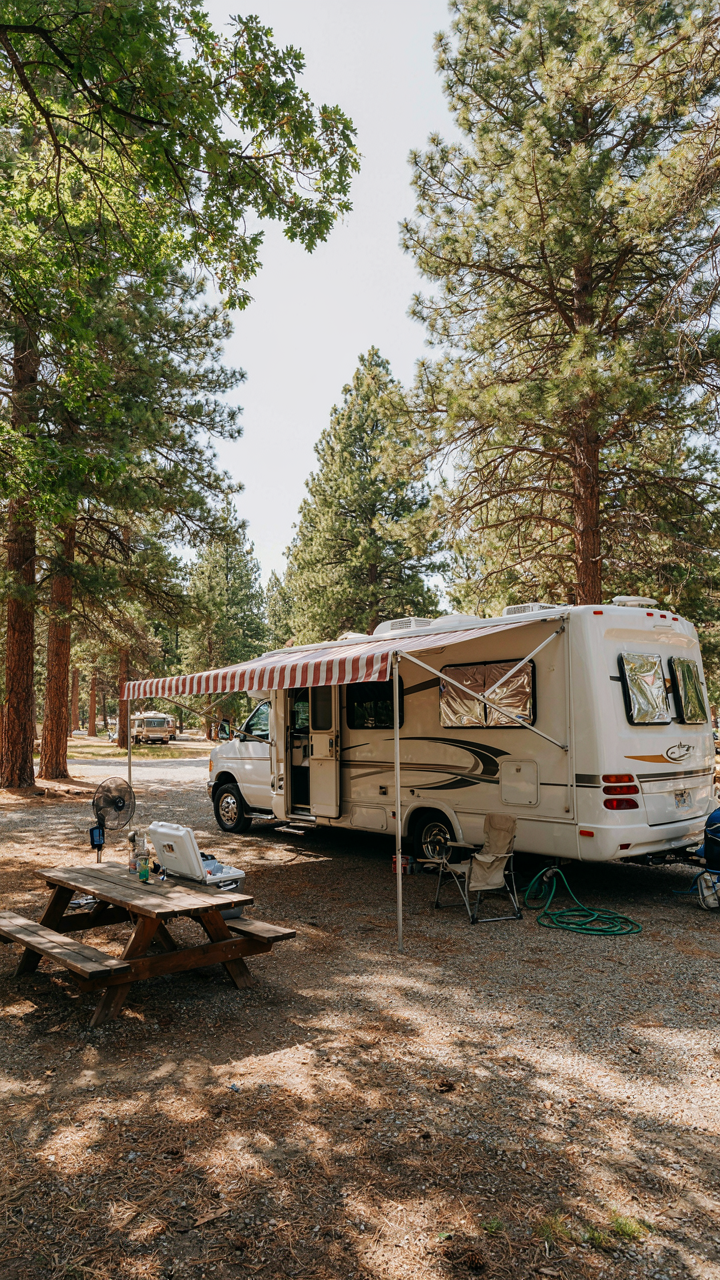
You want to believe one solution fixes everything because buying one thing feels like progress. It doesn’t work that way. Think in terms of systems engineering: you need redundancy and feedback loops. Passive cooling (shade, ventilation, insulation) reduces the heat load entering the RV. Active cooling (AC, fans) removes what gets through. They aren’t competitors. Passive cooling makes your AC work at 40% capacity instead of 100%, which means lower fuel burn, longer equipment life, and consistent temperature hold even during peak heat hours.
The mistake most people make is choosing sides. They either obsess over window coverings or run the AC all day, creating a false trade-off. Real cooling synergy works like this: insulate the roof and walls, block solar gain with reflective or opaque covers, then run the AC in short cycles instead of continuous mode. This cuts AC runtime by half on average days and maintains temperature without the compressor strain that kills units in the field. Your thermostat becomes a precision tool, not an emergency button.
Managing Heat Instead Of Fighting It
The mental shift here is borrowed from thermodynamics: you stop trying to create absolute cold and start managing heat flow rates. Most people frame cooling as “I need to get cold.” That’s backward. You need to slow how fast heat enters the RV and remove what does enter at a manageable rate. This changes everything about strategy. You stop desperate midday AC blasts and start thinking about timing, airflow direction, and when your RV actually needs intervention versus when it just needs slow passive heat dissipation.
Acceptance changes behavior. Accept that a parked RV in full sun will reach 140 degrees inside without intervention. Accept that you can’t cool it back to 72 in 10 minutes without wasting fuel. Accept that managing heat means staying ahead of it: close blinds before dawn, run ventilation fans at night when outside air is cooler, crack windows on the shaded side only. The protocol is simple: measure interior temperature, know your outside dew point, time your active cooling for off-peak hours, and use passive methods during the day. Your RV stays livable without constant AC heroics.
The Real Obstacle Isn’t The Summer Heat, But Your Refusal To Master Its Physics
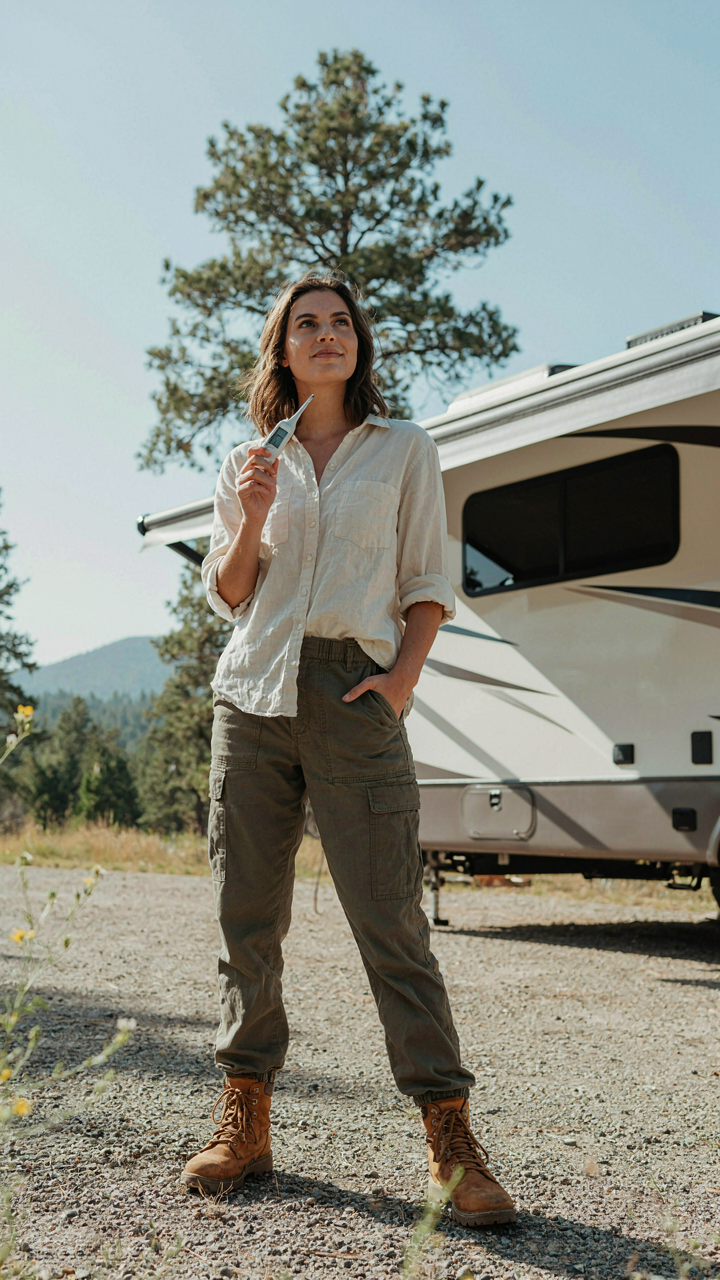
Most RV owners treat cooling like a problem to throw money at. They don’t. Heat moves predictably. Air wants to rise. Shade cuts load by forty percent. Airflow compounds everything. Stop fighting these laws and start leveraging them. Your ac unit isn’t weak, your setup is. Today, measure your roof temperature at noon, then block direct sun with a reflective cover. That single move cuts your cooling demand by a third. You can’t out-engineer thermodynamics, but you can stop fighting it.