The Portability Fallacy: Why Your “Good Ideas” Always Fail
Foods That Collapse Under Their Own Weight
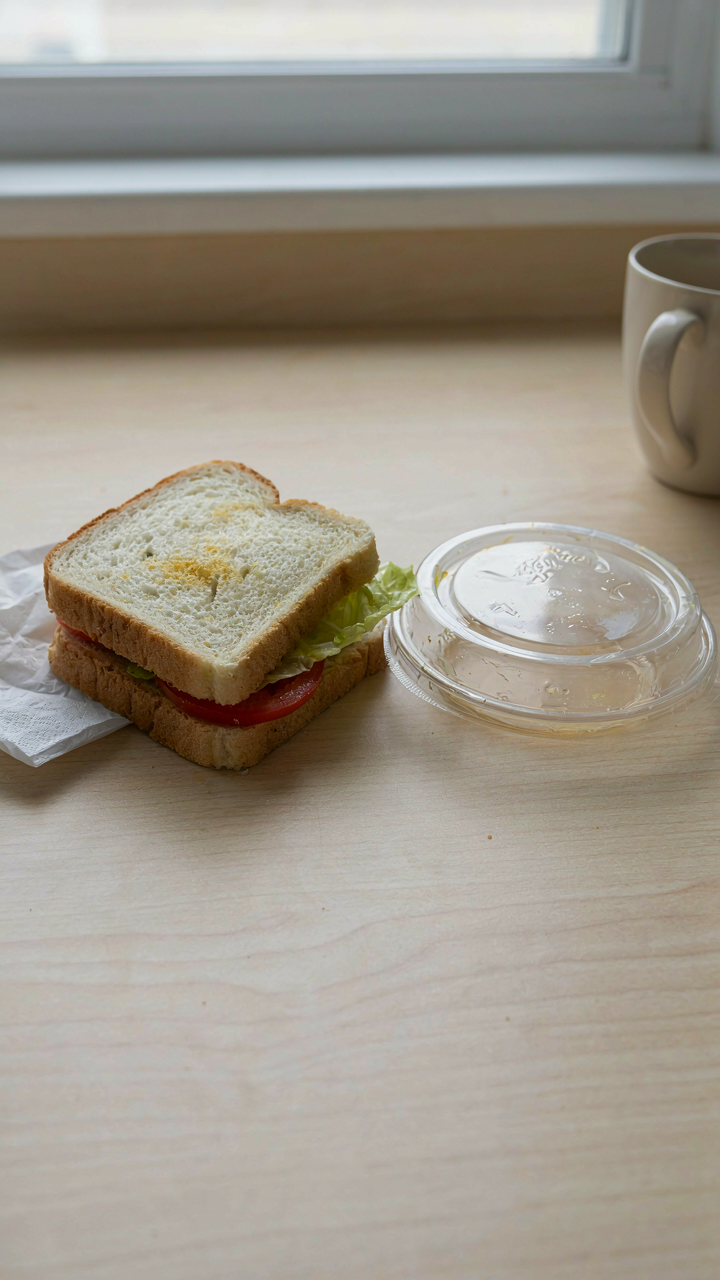
You want to look competent, so you pack foods that sound impressive. That’s the trap. Most people choose based on what tastes good at home, not what survives the journey. Soft breads compress into paste. Layered salads turn into wet mush. Ripe fruits bruise from pressure alone. The mechanism is simple: weight distribution plus time plus temperature creates degradation. A sandwich that sits for two hours under a bag of ice transforms into something inedible.
The consensus says “pack light foods.” That’s incomplete. You need foods with structural integrity. Cheese doesn’t collapse. Cured meats don’t wilt. Nuts don’t absorb moisture from the environment. Hard bread holds shape for hours. These aren’t delicate choices. They’re engineered for transit. Stop treating portability as an afterthought to taste preference.
Container Physics Determines What Actually Works
Transport physics isn’t optional. It’s the governing system you ignore when your picnic fails. Pressure, temperature fluctuation, and humidity work against you the entire trip. A hard-sided container distributes load evenly and protects against crushing. A soft cooler bag concentrates pressure at the bottom. Glass jars crack under pressure changes. Plastic containers sweat condensation that pools at the base and turns your food soggy.
The real move is matching container type to food type before you buy groceries. Rigid containers hold anything. Soft bags require foods that can tolerate compression and moisture. Stainless steel thermoses keep hot items stable. Wide-mouth jars prevent layering collapse. Your food fails not because you chose wrong items, but because you chose the wrong vessel. Select container first, then plan meals around what that container protects.
The “Cold Food For Picnic” Protocol: Beyond Sad Sandwiches
Heat Transfer And Your Actual Problem

You want cold food to stay cold because warm food looks like you didn’t plan. That’s the real anxiety. But here’s the mechanism: heat transfer works in three directions—conduction, convection, and radiation—and most people only think about one. Your picnic basket is a container fighting thermodynamic equilibrium. The outside air temperature wants to match the inside temperature. You either slow that exchange or you don’t. A wet sandwich in a warm basket isn’t a food problem. It’s a physics problem you’re solving before you pack anything.
The barrier between your food and ambient air is everything. A closed basket with ice packs or frozen gel creates thermal mass that absorbs heat energy over hours, not minutes. Insulation matters more than container size. A small, well-sealed cooler with proper ice-to-food ratio outlasts a large basket with loose packing. Most people pack a basket like they’re arranging a display. They should pack it like they’re insulating a laboratory sample. The configuration determines survival time.
Layering And Ice Pack Placement
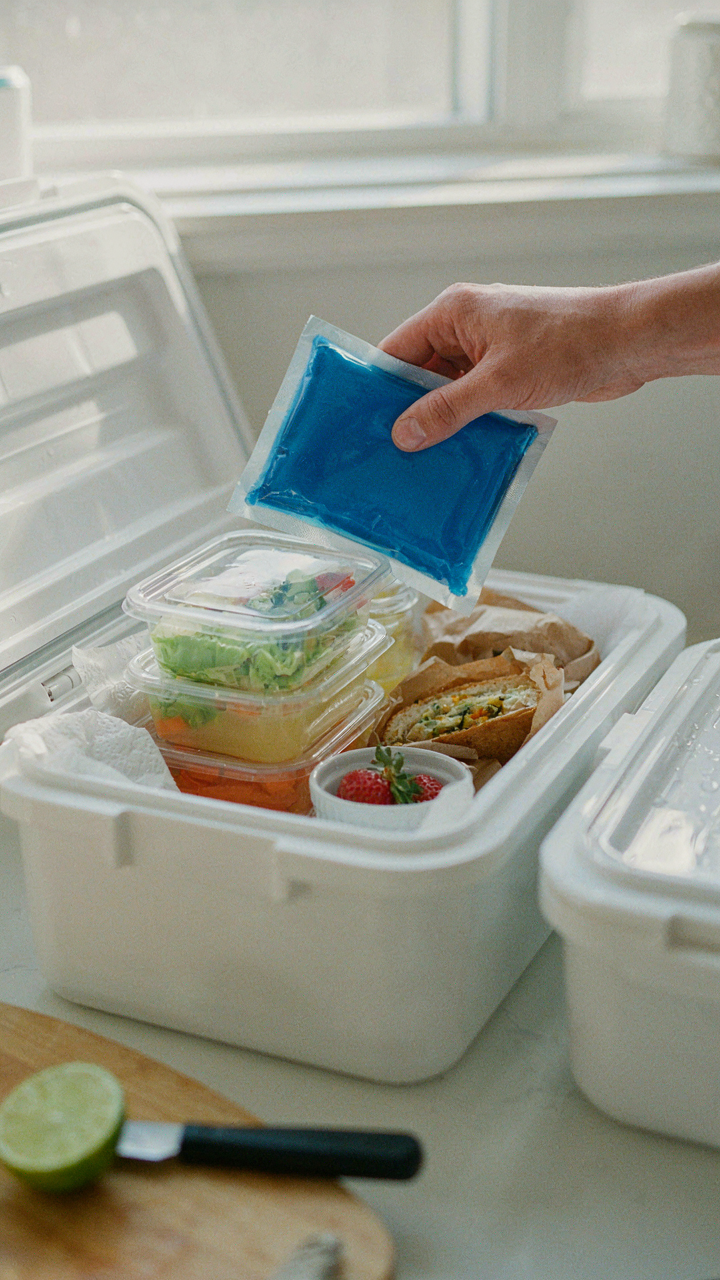
Conventional picnic advice says put ice on top. That’s incomplete. Place ice packs on the bottom and sides first, then layer your food in the middle, then add more ice on top. This creates a cold envelope around everything. Frozen gel packs work better than ice because they don’t melt into water that soaks your food. Water transfer kills texture and flavor faster than temperature change alone.
Pre-chill your food before packing. Remove items from your home refrigerator two hours before departure and keep them in a freezer until you load the basket. A cold item stays cold longer than a room-temperature item you tried to chill with ice. Wrap items individually in foil or sealed containers to prevent cross-contamination and reduce air exposure. Pack items you’ll eat first on top so you open the basket fewer times. Each opening resets your temperature clock.
Picnic Main Dishes: The Single Container Solution
Cook Once, Transport Once

You want to look competent without effort. The real problem nobody states: most picnic mains fail because people treat them like home dinners shrunk down. They’re not. A transportable main dish applies the principle of structural integrity from engineering. The container, the food, and the journey must work as one system, not three separate things arguing with each other.
The one-pot meal isn’t new, but the version that travels is. Braise proteins low and slow at home, then pack them in their own liquid. The liquid insulates, prevents drying, keeps flavors stable, and makes reheating optional. Chili, beef stew, pulled pork shoulder, lamb tagine, braised chicken thighs in tomato. These aren’t fancy. They’re thermally stable and taste better cold or room temperature than they do fresh. Transport them in a rigid container with a sealed lid, not a bag.
The Architecture Of Layered Transport
Layering isn’t about aesthetics. It’s about physics preventing degradation during movement. Heavier, wetter components at the bottom create a moisture barrier that protects delicate items above. This isn’t intuitive, which is why most people stack salads on sandwiches and end up with pulp.
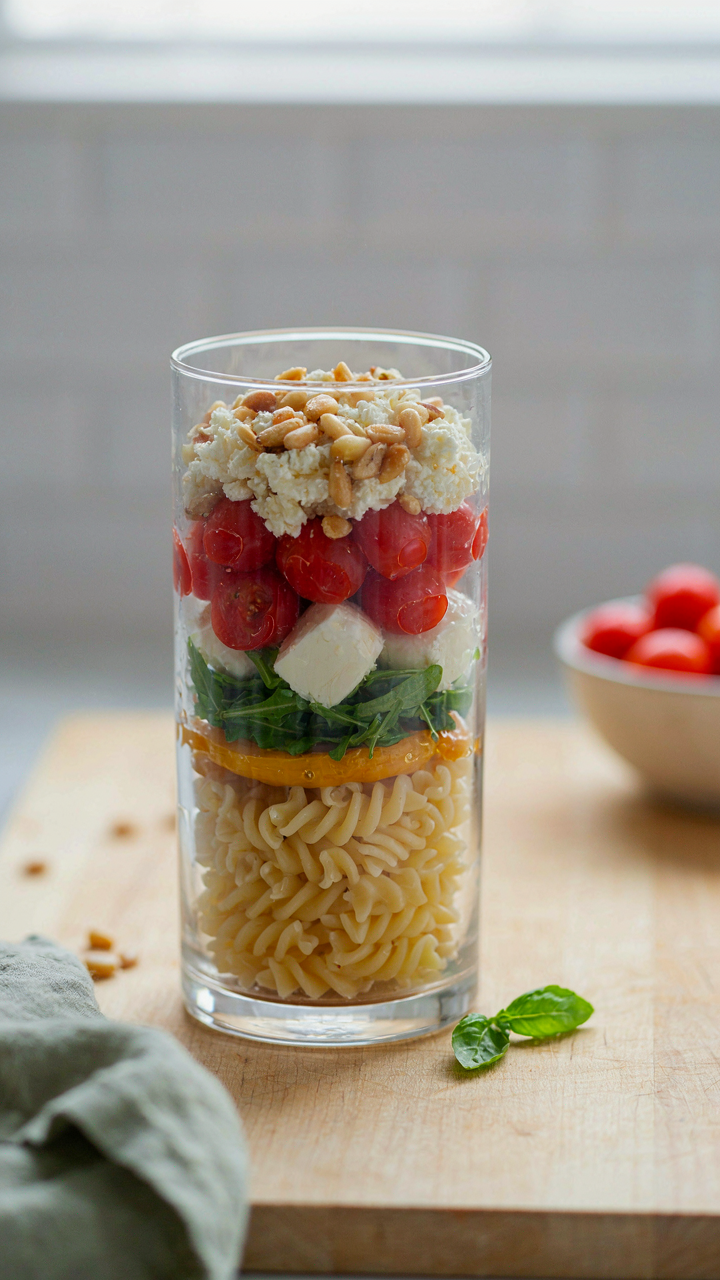
Put your protein and sauce as the foundation. Grains or starch go next. Raw vegetables or herbs go on top, added just before eating or kept completely separate. This order keeps structural integrity intact through movement, prevents sogginess by controlling moisture migration, and maintains distinct flavors instead of everything becoming one wet mass. Pack a small container of the main dish, then a separate container of fresh components. Combine at the picnic site, not in your car.
Picnic Finger Foods: The Self Contained Ecosystem
Why Finger Foods Win The Portability Game

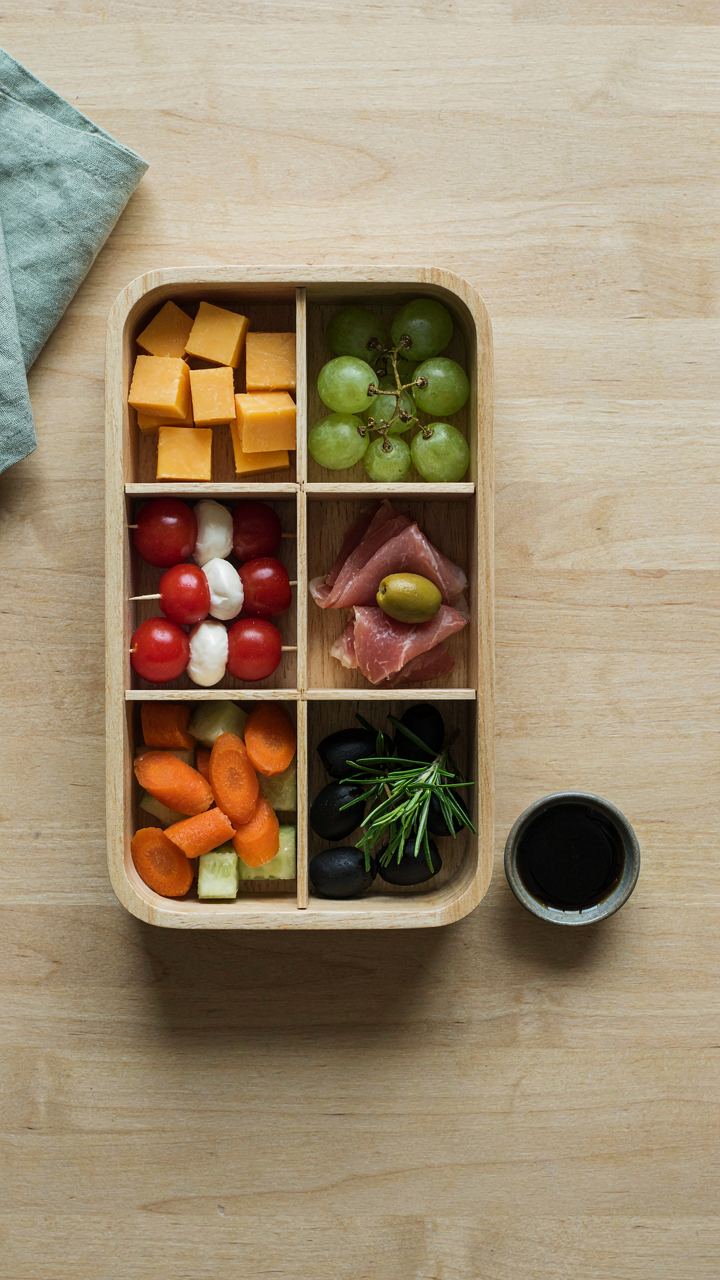
You want finger foods because you don’t want to manage logistics at the picnic site. That’s the real reason. Evolutionary biology treats food as a survival-optimized packet, and finger foods are exactly that mechanism: maximum nutrition and satisfaction delivered in a form that requires zero preparation, zero utensils, and zero decision-making once you arrive. Your ancestors ate this way because it freed cognitive resources for other threats. Modern picnics work the same way.
The shift from plate-based eating to hand-held eating changes everything about what actually travels well. Most food breaks down during transport because it’s built for stillness, not motion. Finger foods survive transit because their structural integrity comes from being self-contained units, not from external support systems like plates or containers that demand balance and care.
Nutrient Density In Bite Sized Units
Finger foods fail when people treat them as scaled-down versions of regular meals instead of their own category. The real principle is caloric and nutritional efficiency per gram. Nuts, seeds, aged cheeses, cured meats, and dried fruit deliver 4 to 10 calories per gram while taking up minimal space and requiring no refrigeration until the moment they’re needed. A single ounce of almonds delivers 6 grams of protein and 14 grams of fat. This density matters because transport time and heat exposure work against you.
Build your finger food selection around items that improve with time or at least hold stable under temperature variance. Whole grain crackers with seeds deliver sustained energy. Hard cheeses like Manchego or Gruyère hold for hours without refrigeration. Prosciutto and other cured meats are preserved specifically to resist spoilage. The protocol is simple: choose foods that were engineered by either nature or fermentation to travel, then trust that engineering instead of fighting against it with ice packs and timing anxiety.
Healthy Picnic: Ditching The Guilt Trip Garnish
Ingredients That Do Work, Not Look Good

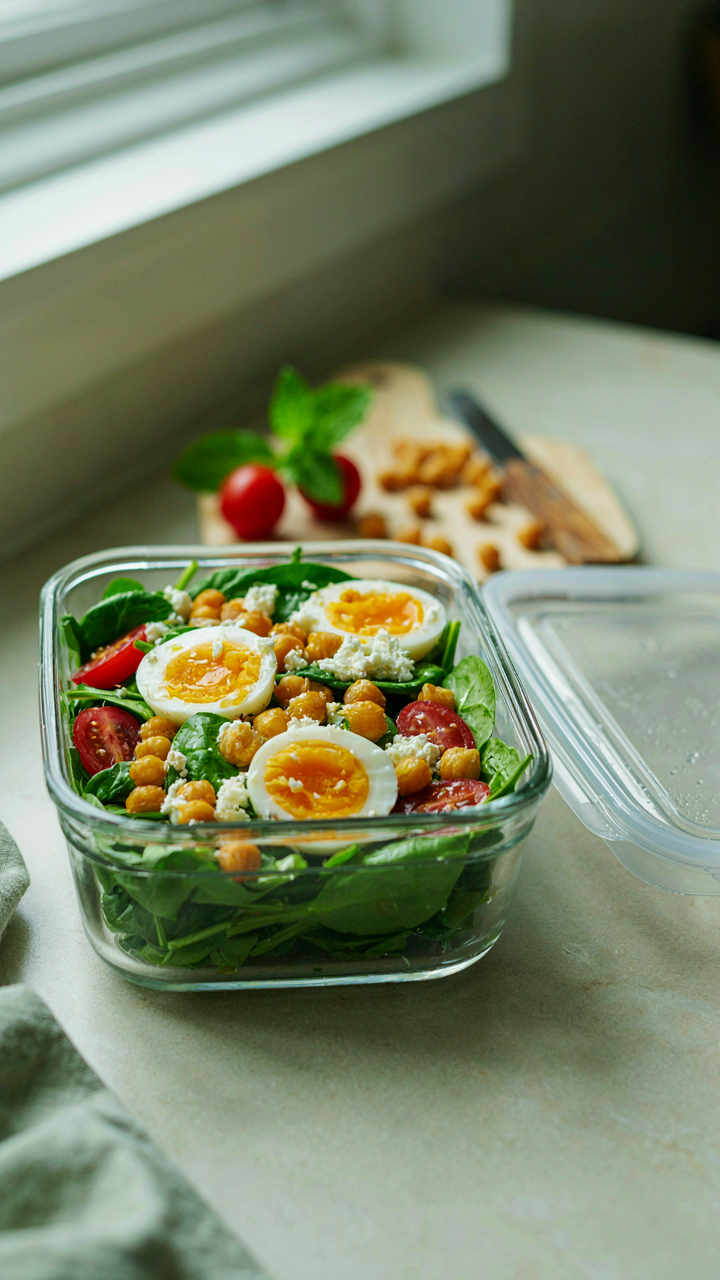
You want the salad to feel like a choice, not penance. The real mechanism is density. Nutrition is about caloric efficiency and micronutrient load per ounce, not Instagram contrast. Spinach travels better than lettuce because it holds structure and nutrients through temperature swings. Nuts, seeds, and hard cheeses pack protein and fat that actually sustain you through an afternoon. Skip the decorative garnish strategy. Build for function.
Protein sources should survive transport without refrigeration for four to six hours. Cured meats, aged cheeses, nuts, and legumes work because they’re shelf-stable by design. Most people waste space on vegetables that wilt and add no satiation. A handful of almonds and two ounces of aged cheddar deliver more sustained energy than a full container of mixed greens. The picnic basket is not a display case.
Prep That Keeps You Stable, Not Bloated
The common advice is wrong: don’t cut everything the night before and soak it in dressing. That’s how you end up with soggy cargo and blood sugar spikes. The real strategy comes from food science, specifically the concept of glycemic load. You separate your carbohydrates, proteins, and fats so they hit your digestion at different rates, not all at once. Cut vegetables two hours before departure, not twelve. Keep dressing separate and apply it as you eat.
Pack dense carbohydrates like whole grain bread or oats in their own compartment, away from moisture-heavy items. Proteins and fats should cluster together. This simple physical separation changes how your body processes the meal. You stay fuller longer. Your energy doesn’t crash at 3 PM. Build containers like you’re managing a supply chain, not assembling a plate.
Picnic Snacks: The Anti Crumb Manifesto
Texture And Form Factor Win Or Lose Your Meal

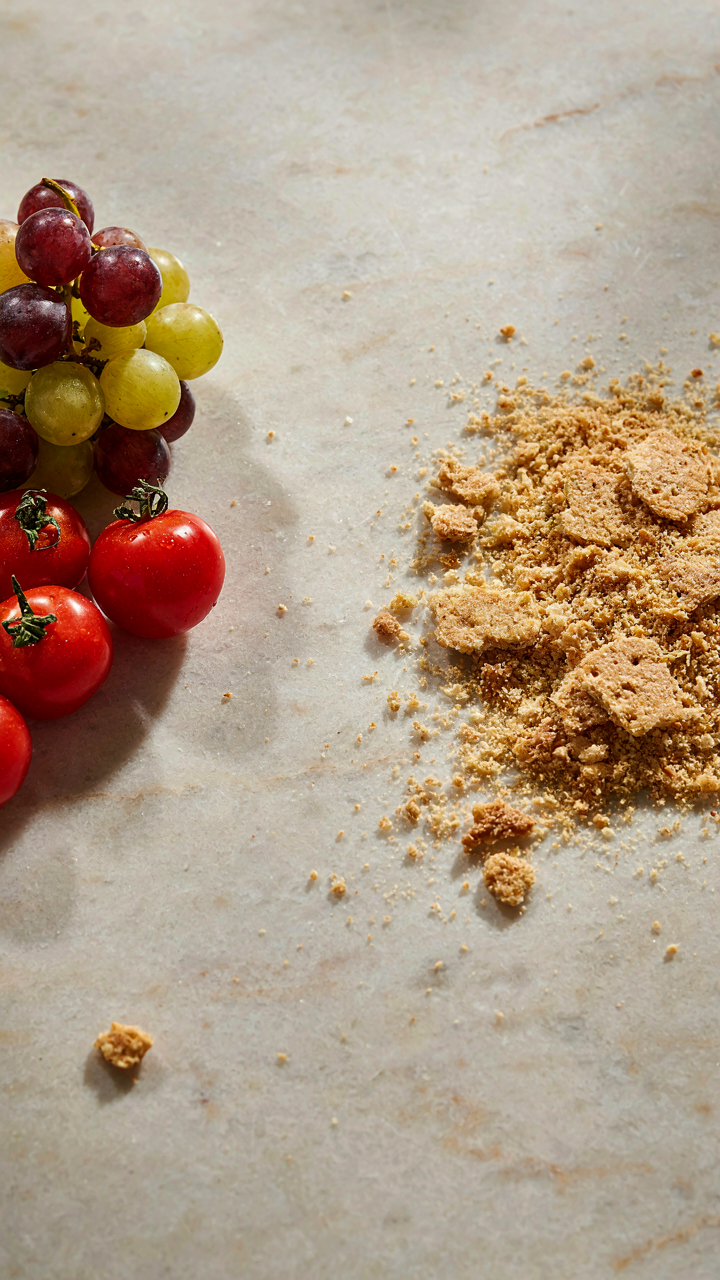
You care about this because a destroyed picnic looks like poor planning, and poor planning signals you don’t have your life together. The real mechanism is physics: surface area determines crumb generation. High surface area foods like cookies and crackers fragment easily. Low surface area foods like cheese blocks and whole fruits don’t. Choose snacks where the structure survives contact with other items and temperature change.
Dense foods outlast fragile ones. A brownie crumbles into dust. A date stays intact. A handful of granola becomes floor debris. A string cheese stays a string cheese. Form factor matters more than flavor here. You’re optimizing for structural integrity, not taste preference. The snack that travels is the snack that arrives as itself.
Snacks That Don’t Betray Their Container
Most advice says “just use containers,” which ignores the real problem: oils and moisture migrate and stain. A snack that leaks, sweats, or leaves residue forces you to choose between eating it or keeping your basket clean. That’s a false choice born from bad snack selection. Hard cheese, nuts in shells, whole fruit, and cured meat don’t release liquids or oils into their surroundings.
Avoid anything with visible wetness or a glossy finish before packing. Granola bars with honey coating, chocolate-dipped items, and anything with a frosting layer will stain fabric. Even sealed containers fail when temperature fluctuates. Your snacks should arrive in the same condition they left. This isn’t about fancy packing. It’s about choosing foods that respect their environment by default.
Picnic Basket Food: Beyond The Wicker Aesthetic
The Container Is The Strategy

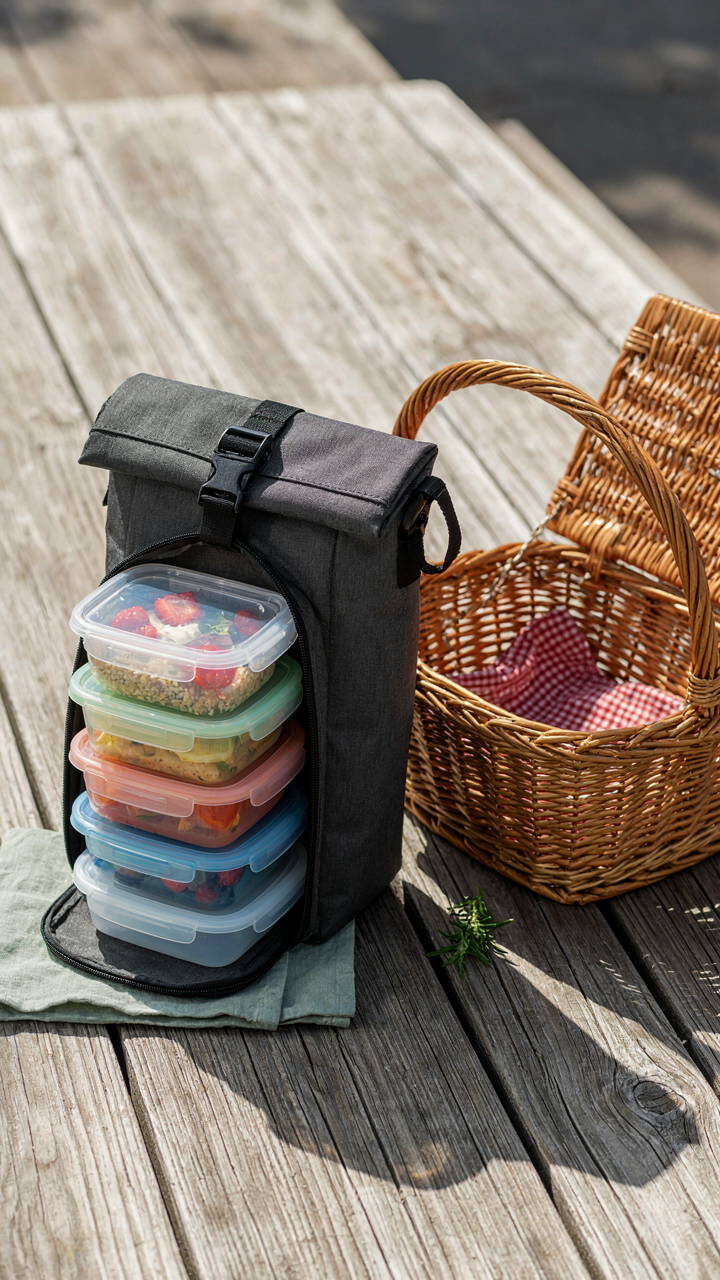
You want the basket to look good in photos because status still matters, even when you deny it. But the real mechanism is this: your container determines what food survives the journey. Physics applies here. Thermal mass—the basket’s ability to absorb and release heat—directly controls whether your cheese melts and your butter stays firm. A wicker basket with no insulation is decoration. A cooler with ice packs is a food preservation system. Most people choose based on appearance, then wonder why their lunch arrives ruined.
The basket you pick must match the distance and temperature of your actual trip, not your fantasy of what picnics should look like. A short walk to a shaded park needs different gear than a full-day hike in direct sun. Hard-sided coolers outperform soft-sided ones for heat retention. Wicker baskets work for trips under two hours in mild weather. If you’re traveling more than three hours or in heat above 75 degrees Fahrenheit, a cooler becomes mandatory. Pick based on conditions, not Instagram potential.
Managing Temperature And Moisture
Food fails in transit for one reason: you didn’t engineer the environment inside your container. Moisture and temperature work against each other. Ice packs create condensation that soaks bread. Dry sandwiches need barriers. Moist foods like cheese need ventilation or they sweat and separate. This isn’t about luck or careful packing. It’s about stacking specific materials in a specific order.
Layer your basket strategically. Place ice packs on the bottom in a sealed plastic bag to prevent direct water contact with food. Position more heat-sensitive items directly above the ice. Pack dense, dry foods like cured meats and hard cheese in the middle layer where temperature stays most stable. Sandwich bread in paper, not plastic, so moisture escapes. Bring separate containers for items that release liquid. Test this system on a short trip before committing to a full day. The goal is food arriving at destination temperature and texture, not food arriving at destination.
Picnic Dishes Ideas: The Minimalist Approach
Fewer Dishes, More Enjoyment

You want to feel like you’ve prepared something impressive without the logistics nightmare of managing six containers and a cleanup operation. The real mechanism is cognitive load: every additional dish you bring multiplies the failure points. You forget one. It spills. Someone wants something you didn’t pack. One plate, two utensils, done.
The standard advice says to bring variety. Wrong. Variety kills enjoyment because it demands attention. You’re constantly deciding, serving, managing. Bring one primary dish, one side, one dessert. That’s the total. You eat better, stress less, and actually taste the food instead of performing a catering service.
Serving Solutions That Do Double Duty
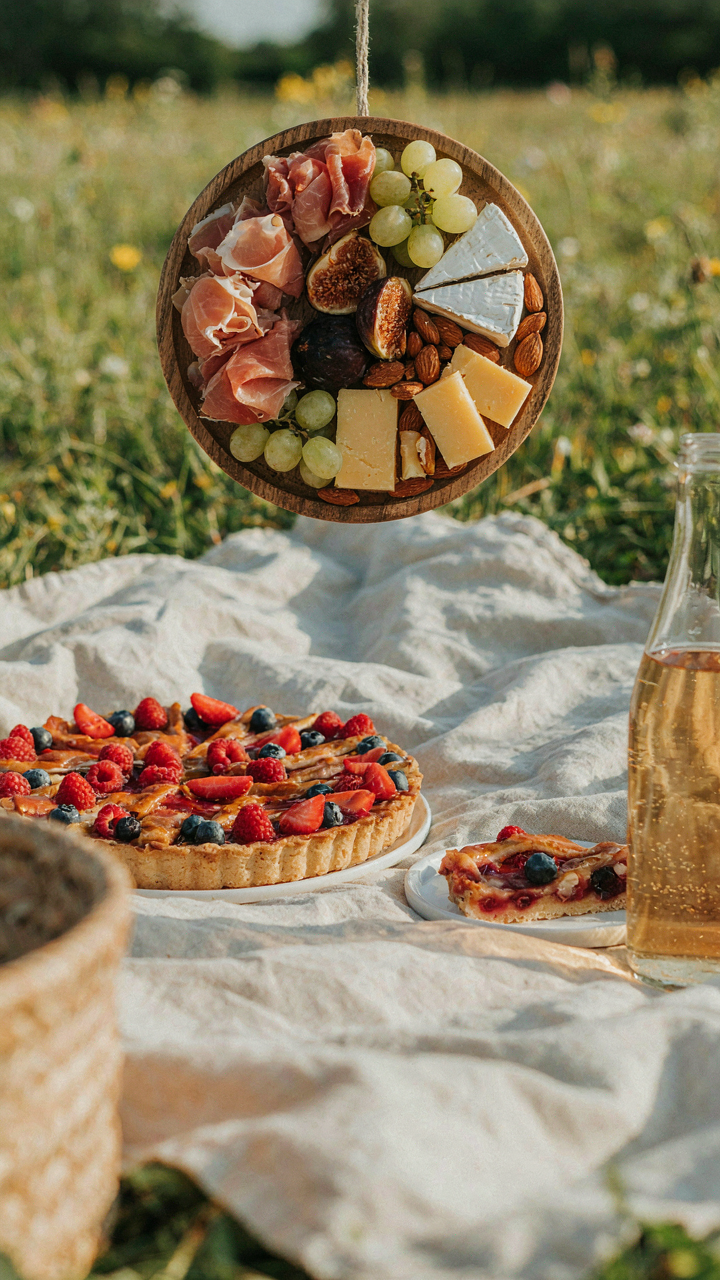
Economics calls this multiplexing: one input, multiple outputs. Your serving vessels should work as both storage and plate. A wooden cutting board holds cheese, cured meat, and bread during transit, then becomes the serving surface. A wide-mouth glass jar holds pasta salad in the cooler, then you eat straight from it or pour into bowls. This eliminates containers entirely.
The picnic fails when you overcommit to serving format. Pack items that serve themselves. Crusty bread, whole fruit, cheese wedges, cured meats. The person eating decides the portion and combination. You become the supply line, not the plating chef. One cooler, one cutting board, one knife. Everything stacks. Nothing breaks. Movement stays frictionless.
Portable Picnic Food Ideas: The “Pre Mortem” Method
What Fails Before You Leave

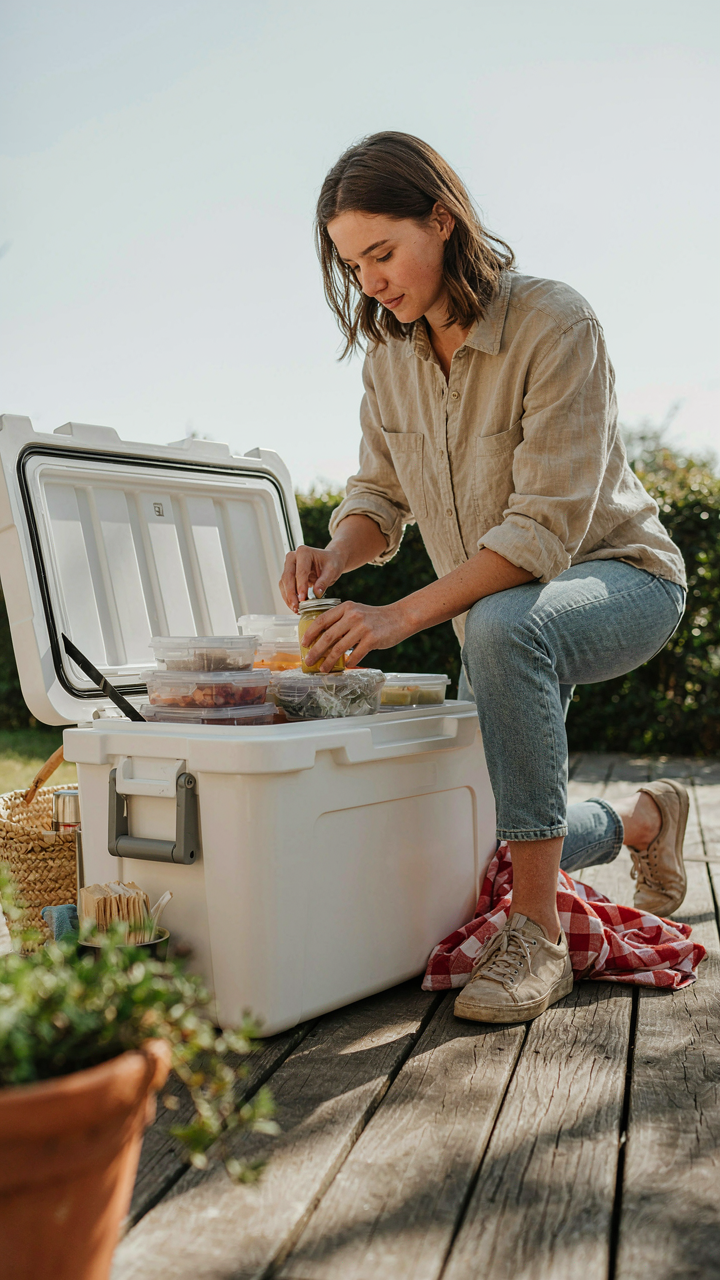
You want this picnic to work so nobody sees you scramble. That’s the real motive. The mechanism is simple: most people pack food, then hope nothing breaks. They reverse the actual process. Pre mortem is a military planning term where you imagine your mission failed, then work backward to identify what went wrong. Apply that here. Before packing anything, assume the basket tips, leaks, and spoils. Name the specific failure. Then design around it.
Most food fails for three reasons: temperature fluctuation, liquid migration, and compression. Cold foods warm up in transit. Wet foods leak onto dry ones. Heavy items crush delicate items below. These aren’t mysteries. They’re predictable failure points. The people who fix them don’t pack frantically at the last minute. They work through each food type and ask: what kills this during transport? Then they prevent it. That’s the only difference between a picnic that works and one that doesn’t.
Temperature, Leaks, Spoilage Prevention
- Thermal separation: Pack cold items in the center of your basket where temperature stays most stable. Insulation works both directions, so surround proteins and dairy with frozen gel packs on all sides, not just the bottom.
- Liquid containment: Seal any wet food in airtight containers first, then wrap the container in a second layer of plastic wrap. Marinades, dressings, and cut fruit release moisture during transit. Don’t assume lids alone hold.
- Compression zones: Place items by density from bottom to top: cheeses and cured meats on base, bread and pastries on top. Heavy items on light items turns both into waste.
- Time boundaries: Foods with mayo, eggs, or soft cheeses spoil faster than cured meats or hard cheeses. Know the window for each food type you pack, not just assume everything lasts three hours.
- Transport timing: Pack the basket no more than two hours before eating. Temperature control depends on how long food sits in the car or sun. The basket isn’t a time machine.
The pre mortem asks one question for each item: what would kill this food between now and when we eat? Then you build the answer into your pack. Sandwiches don’t fail because they’re sandwiches. They fail because you stacked them loose. Cold pasta doesn’t fail because it’s pasta. It fails because you didn’t pack enough ice. The basket design doesn’t matter if the food inside does.
The Real Problem Isn’t Your Food, It’s Your Fantasy Of Effortless Leisure

You don’t need better picnic basket food ideas. You need to stop pretending leisure happens by accident. Every mediocre picnic fails because someone hoped the day would organize itself. Pick three foods today. Pack them tomorrow. Show up Sunday. The gap between wanting a perfect picnic and actually having one closes the moment you stop waiting for the perfect moment and build one instead. Stop planning the picnic. Start eating outside.