The “Structural Integrity” Paradox: Why Soft Ingredients Sabotage Your Pasta Salad For A Crowd
Pasta Shape Selection And Resistance To Mush
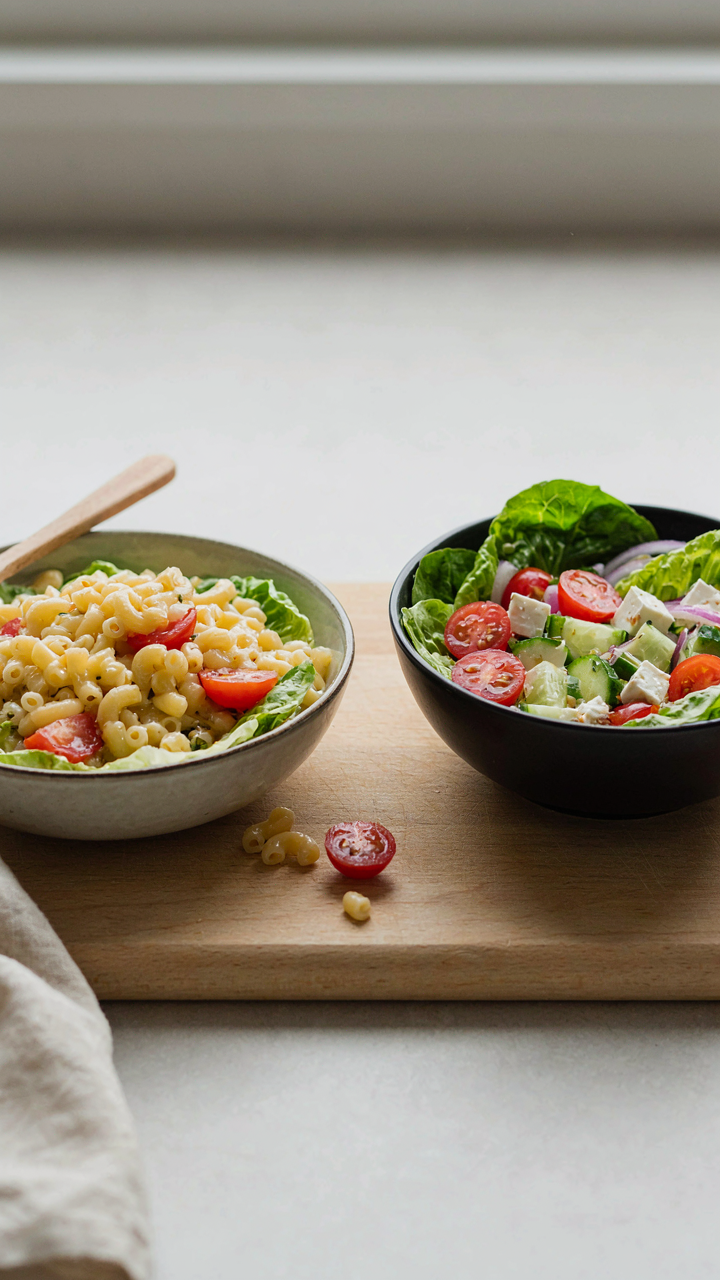
You want your pasta salad to look intentional three hours into the party, not like something that sat in a gym bag. The real constraint here is physics: surface area determines how fast starch absorbs liquid and breaks down. Choose short, dense shapes with ridges or tubes that trap dressing without collapsing. Rigatoni, fusilli, and penne hold their form because they have structural mass and internal surface area that distributes moisture rather than absorbing it uniformly like flat noodles do.
Most people default to rotini because it’s familiar and cheap. That’s the wrong move. Rotini has too much surface area relative to its mass. It absorbs dressing fast and softens unevenly. Rigatoni and penne maintain their bite because the thick walls and hollow centers resist the osmotic pressure that flattens delicate shapes. Cook your pasta to firm al dente, one minute under the package time. The undercooked interior continues to absorb liquid during transport and sitting, reaching proper texture by serving time rather than turning to paste.
Vegetable Density Hierarchy And Crispness That Endures
Dense vegetables stay crisp for hours; watery ones wilt and release liquid that saturates everything around them. Think of vegetable density like load-bearing capacity in architecture: harder vegetables support the structure; soft ones add weight without strength. Carrots, bell peppers, red onions, and snap peas retain their texture and don’t leach. Cherry tomatoes, cucumbers, and fresh herbs break down and turn mushy within an hour. If you want those ingredients, add them last, just before serving, or pack them separately and mix them in on site.
The texture collapse you see in most crowd pasta salads comes from one mistake: mixing tomatoes and cucumbers with dressing more than thirty minutes ahead. These vegetables shed water into the dressing, which then gets reabsorbed by the pasta, creating a soggy mess. Use only vegetables that maintain their structure under liquid pressure: halved cherry tomatoes go in at the last moment. If you need volume, add more carrots or celery. The serving method matters too: transport the pasta salad and dressing together, but keep crunchy vegetables in a separate sealed container until five minutes before service.
The “Dressing Debacle” Protocol: Oil Separation Is Your Enemy For Pasta Salad For A Crowd Parties
Why Your Dressing Breaks In Heat

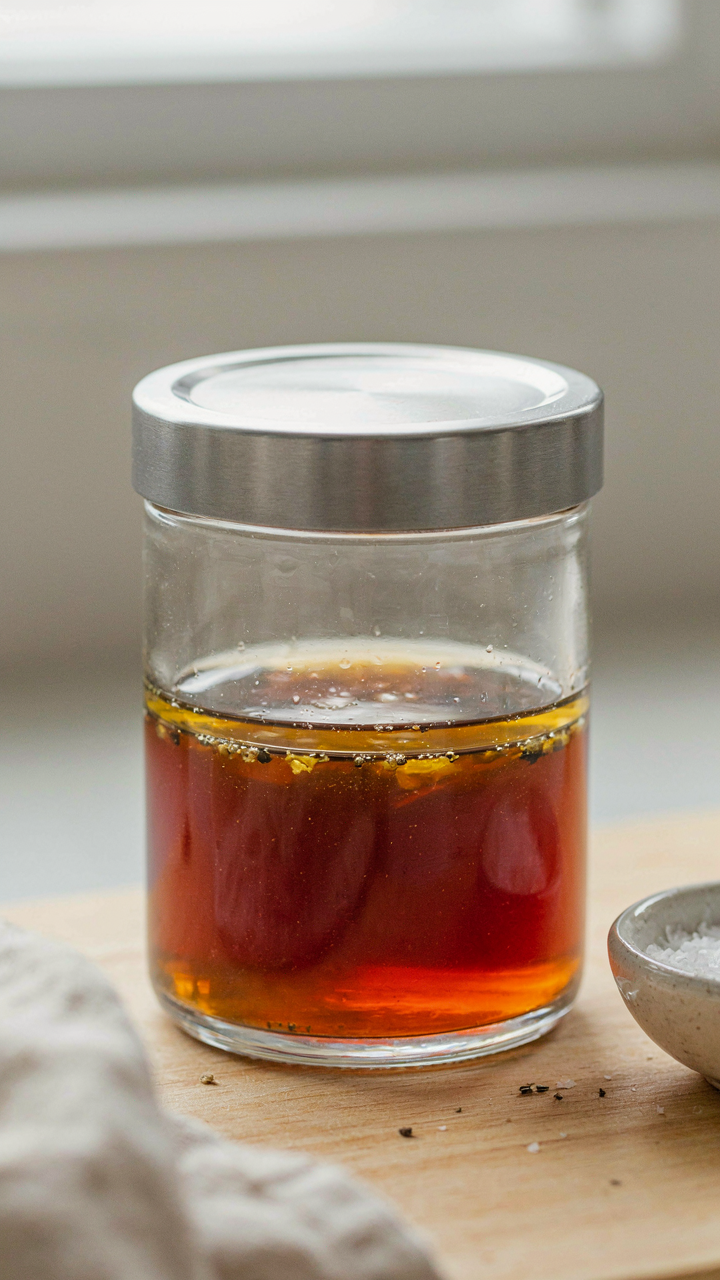
You want people to think you planned this carefully instead of threw it together. The real mechanism is emulsion stability. Oil and vinegar naturally repel each other, and heat accelerates the separation. Sitting in the sun for two hours destroys a standard vinaigrette faster than you’d expect. The problem isn’t the ratio of oil to vinegar. The problem is the absence of an emulsifier to hold them together when conditions shift.
A proper emulsion uses lecithin, mustard, or egg to suspend oil droplets in the vinegar base. Without an emulsifier, you get pooling oil on top and watery vinegar underneath by hour three. This isn’t a minor cosmetic issue. Your pasta salad looks neglected. The texture separates into dry and slick zones. Add mustard powder or whole grain mustard to every batch. One tablespoon per half cup of oil locks the emulsion even when the bowl sits in direct sun.
Ditching Oil Entirely
The standard advice says you need oil for flavor and coating. That’s incomplete. Non-oil bases work better for crowd servings because they don’t separate, don’t go rancid under heat, and coat pasta more aggressively through surface tension alone. Mayonnaise, Greek yogurt, and even buttermilk create binding power that oil never touches.
Mayo acts as a natural emulsifier itself and creates a creamy coat that sticks to each piece of pasta. Use it as your base and thin with vinegar or lemon juice to your preferred consistency. Greek yogurt delivers tang without the heaviness of mayo, absorbs less heat, and won’t break down over six hours outside. For a lighter option, combine Greek yogurt with a vinegar-forward component like pickle juice or hot sauce. This approach shifts the entire mechanical problem. You’re no longer fighting oil separation. You’re building a dressing that stays coherent under stress.
The “Temperature Threshold” Method: Ingredients That Laugh At The Heat (Perfect For Pasta Salad For A Crowd Parties Cold)
Vegetables That Don’t Surrender To Heat

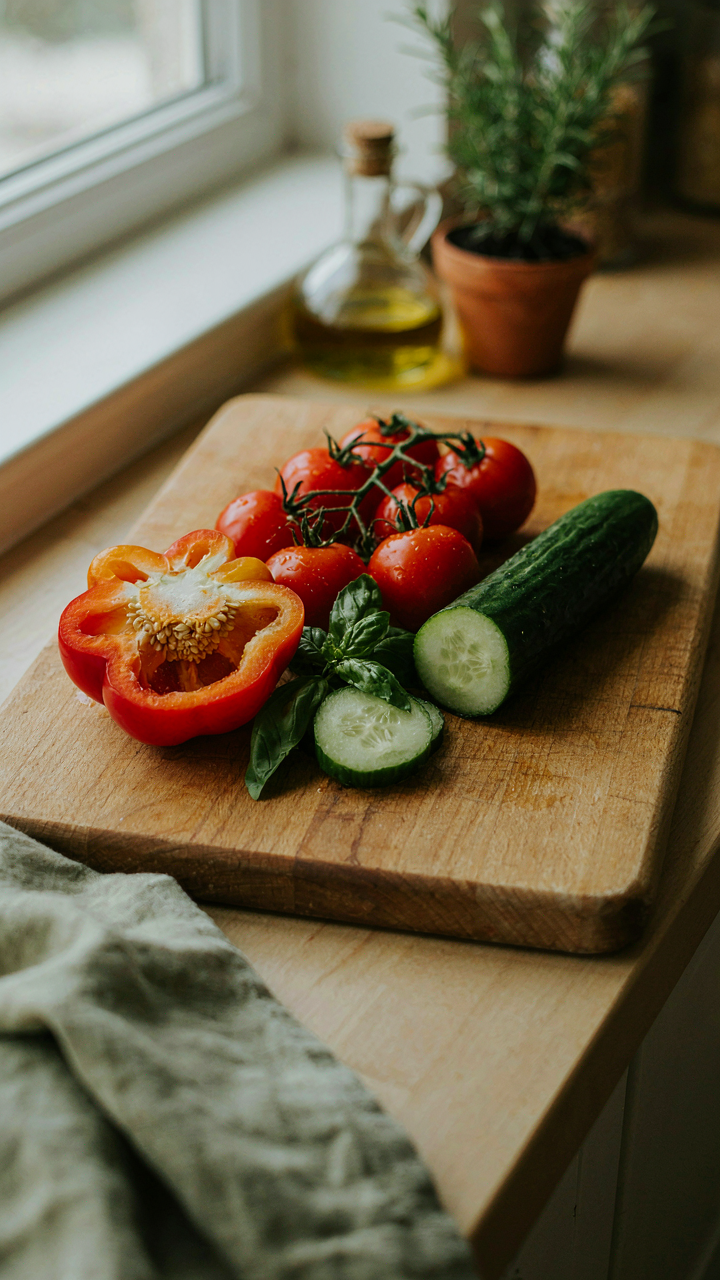
You want your salad to survive four hours in the sun without turning into compost, and you’re afraid to serve something that looks sad by hour two. That’s the real problem here. Think of vegetable structure like material science: density and cell wall integrity determine heat resistance. Dense vegetables hold their shape because water doesn’t escape as fast, and their cells don’t collapse under thermal stress.
- Cherry tomatoes: Cut in half, not quarters. The skin resists breakdown longer than exposed flesh, and halves hold their shape through temperature fluctuations better than smaller pieces.
- Bell peppers: Raw peppers have thick cell walls that resist wilting. Dice them into quarter-inch pieces so they maintain integrity without releasing excess water into the dressing.
- Cucumbers: English cucumbers hold structure better than standard varieties because they have fewer seeds and less water content. Remove seeds if using regular cucumbers to prevent sogginess.
- Red onions: Raw onion cells are naturally firm. Slice thin and let them sit in vinegar for ten minutes before mixing to firm them further through osmotic pressure.
- Carrots: Raw, shredded carrots resist heat better than cooked. Their dense structure and low water content mean minimal breakdown over six hours, even in direct sun.
The common mistake is mixing vegetables raw and cooked in the same salad. Cooked vegetables absorb dressing faster and break down in heat. Stick to raw vegetables only, and dress them no more than two hours before serving. The dressing accelerates softening, so timing matters more than ingredient choice.
Proteins And Cheeses Built For Outdoor Conditions
Soft cheeses and delicate proteins fail because they don’t tolerate temperature swings. Use cheese and protein choices with high melting points and low moisture content, which means they maintain structure even when warm. Hard cheeses and cured proteins won’t weep or separate under heat stress the way fresh mozzarella or soft feta will.
Grilled chicken dries out faster than ham or salami because lean meat has no fat buffer. Use rotisserie chicken thighs instead of breast, or incorporate cured meats like prosciutto and capicola. Aged cheddar and parmesan won’t break down or weep oil like fresh cheese does. Add these proteins no more than one hour before serving to prevent further drying, and store the salad in a cooler with ice packs underneath, not touching the bowl directly.
The “Flavor Fortification” System: Building Taste That Doesn’t Fade In The Sun For End Of Summer Pasta Salad
Acid And Salt As Flavor Anchors

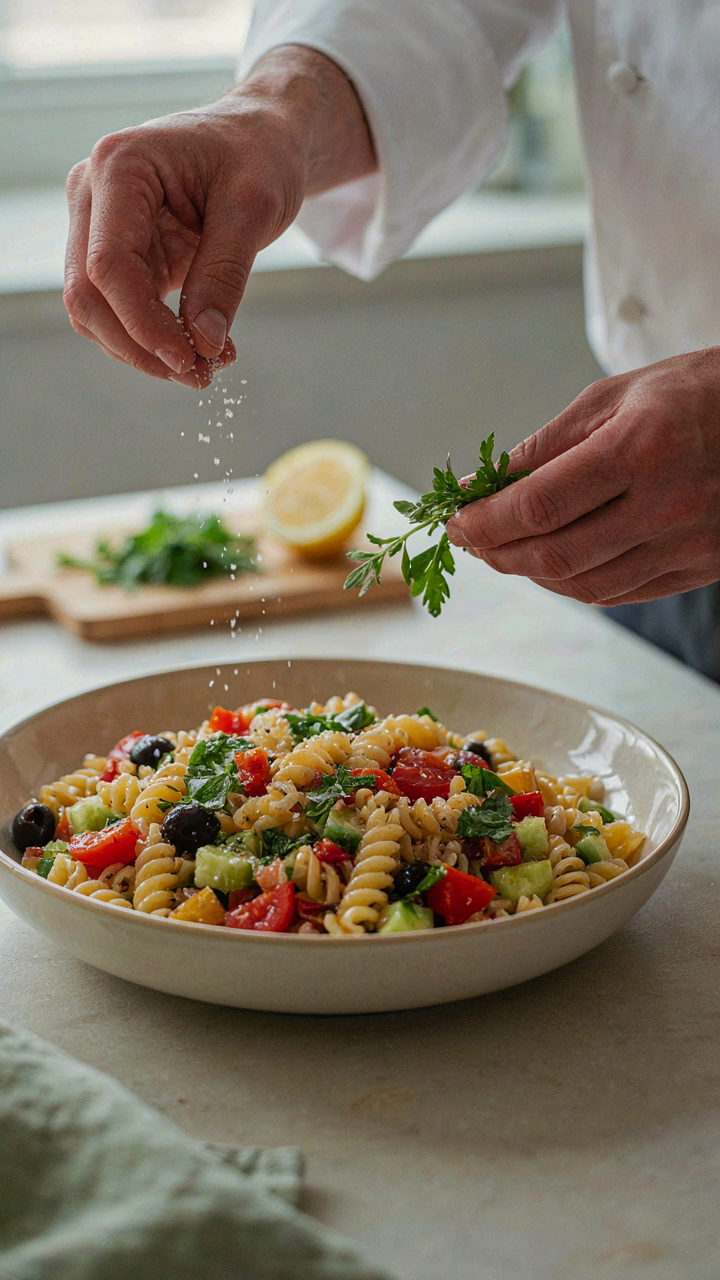
You’re worried people will taste your pasta salad at hour four and think you made it yesterday. The mechanism is simple: acid and salt don’t evaporate or degrade in heat the way aromatics do. Apply this like you’re seasoning at multiple points rather than once. Add vinegar or lemon juice directly to the warm pasta before it cools, then again in your dressing. Salt does the same work. The pasta absorbs both when hot, locking flavor into the carbohydrate matrix itself.
Most recipes call you to dress cold pasta, which wastes the window when starches actually accept seasoning. Dress the warm pasta first. Use a 3:1 ratio of oil to acid in your base dressing, then let it sit for ten minutes before adding vegetables and proteins. The acid won’t break down under sun exposure like fresh herbs will. Your pasta salad stays sharp at hour six because the salt and acid are chemically bound to the starch, not sitting on top of it.
Dried Herbs Over Fresh Ones
Fresh herbs die in direct sunlight. Dried herbs don’t. Biology backs this: fresh herbs contain volatile oils that oxidize and dissipate when exposed to UV light and heat. Dried herbs have already lost their moisture, so they can’t degrade further in the same way. This means oregano, basil, thyme, and marjoram hold their flavor profile across outdoor hours while fresh basil turns to mush.
Use dried herbs at double the ratio you’d use fresh, since dried concentrates flavor. Rehydrate them in your vinegar and oil mixture for two minutes before mixing into the salad. This softens them slightly and releases trapped flavor compounds back into the liquid. Don’t sprinkle dried herbs dry onto the salad and expect results. You’re infusing them into the fat and acid where they can’t oxidize further. Add them to the dressing base, not as a garnish.
The “Logistics Leverage” Framework: Scaling Simple Summer Pasta Salad For 40 Or 60 Without Losing Your Mind
Prep In Stages, Not All At Once

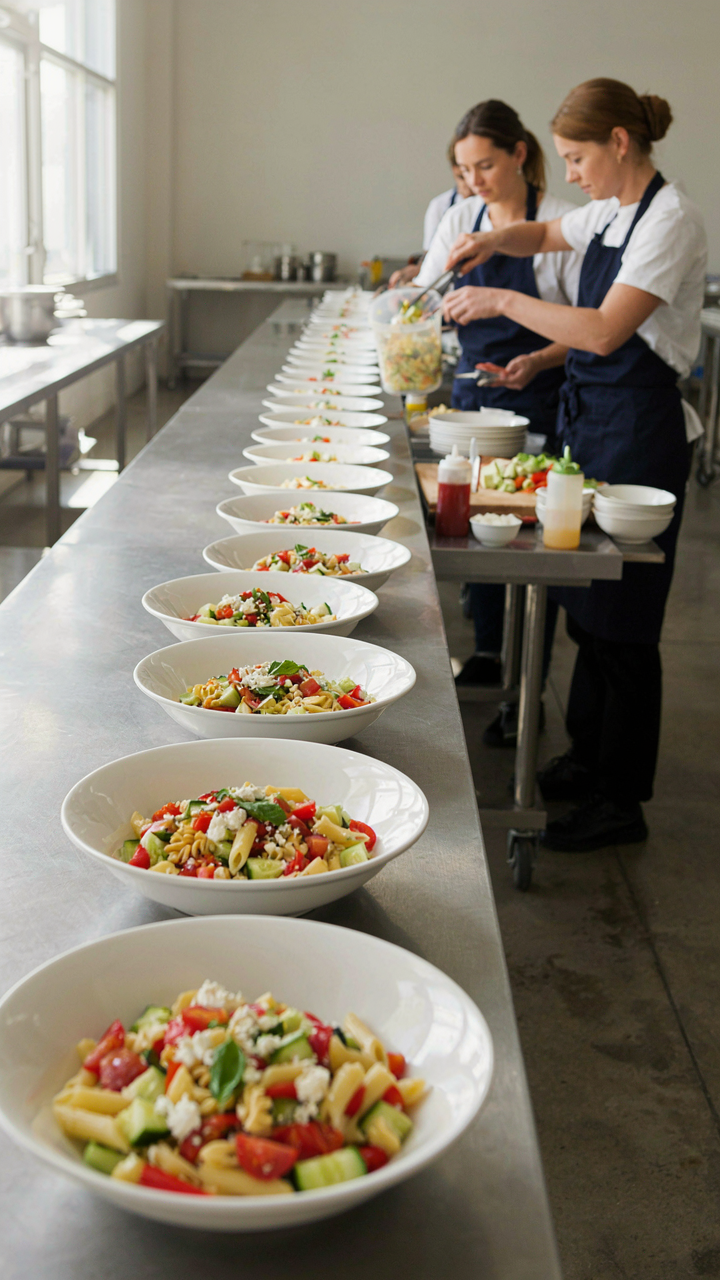
You want to appear like you didn’t stress about this. That’s the real fear underneath the question. The mechanism is simple: supply chain thinking applies to pasta salad. In manufacturing, batch processing beats single-run production because you eliminate redundant setup costs. Cook your pasta in two batches four hours apart instead of one massive pot. The first batch cools while you handle other tasks. The second batch cooks while you’re already in rhythm. You avoid the bottleneck of cooling a fifty-pound mountain of hot noodles. Chop vegetables in the morning, dress the salad two hours before service, then hold it cold. This staggered workflow keeps you from that three-hour panic window where everything demands attention simultaneously.
Most people treat prep like a single event. They’re wrong. Break it into discrete, timed stages that run parallel to your other party duties. Your dressing should go in ninety minutes before guests arrive, not the night before. Overnight dressing turns pasta into mush because the acid in vinegar and lemon breaks down the starch matrix over twelve hours. Two hours before service gives flavor development without structural collapse. Set phone reminders for each stage. Treat it like a production schedule, not inspiration.
Transport And Temperature Hold
Cold pasta salad fails on the road because condensation pools at the container bottom. The fix: line your transport container with paper towels on the bottom, layer another set on top of the pasta salad, then seal. The towels act as moisture barriers and keep the noodles from sliding during movement. Transport in a cooler with ice packs on the sides, never directly under the salad. Ice directly underneath creates a cold spot that sweats and soaks the bottom layer. For serving, use a shallow wide bowl instead of a deep one. Shallow profiles keep the salad at consistent temperature. Deep bowls trap cold in the center while edges warm fast. Pre-chill your serving bowl in the host’s freezer for fifteen minutes before transfer. Set the serving bowl inside a larger bowl filled with ice. The ice bath maintains temperature without water dripping into your salad.
Bring backup dressing in a separate container. Pasta salad wicks moisture from the air on warm days. As it dries, people add more dressing. You’ll need an extra cup of vinaigrette on hand. The serving spoon matters too. Use a slotted spoon, not a solid one. Solid spoons trap liquid against the salad and accelerate sogginess. A slotted spoon lets excess liquid drain back into the bowl with each serving.
Debunking “Simple Summer Pasta Salad” Myths: The Hidden Complexities Of Ease (End Of Summer Potluck Edition)
Where Most People Sabotage The Dish Before Serving

You want the recipe that won’t embarrass you at the potluck. The mechanism nobody states plainly: most pasta salad fails because people treat ingredient ratios like suggestions instead of load-bearing formulas. You add dressing to dry pasta and expect equilibrium. It doesn’t work that way. The pasta absorbs liquid aggressively in the first two hours, then stops. After that, the salad sits in a pool of separated oil while the noodles turn to paste.
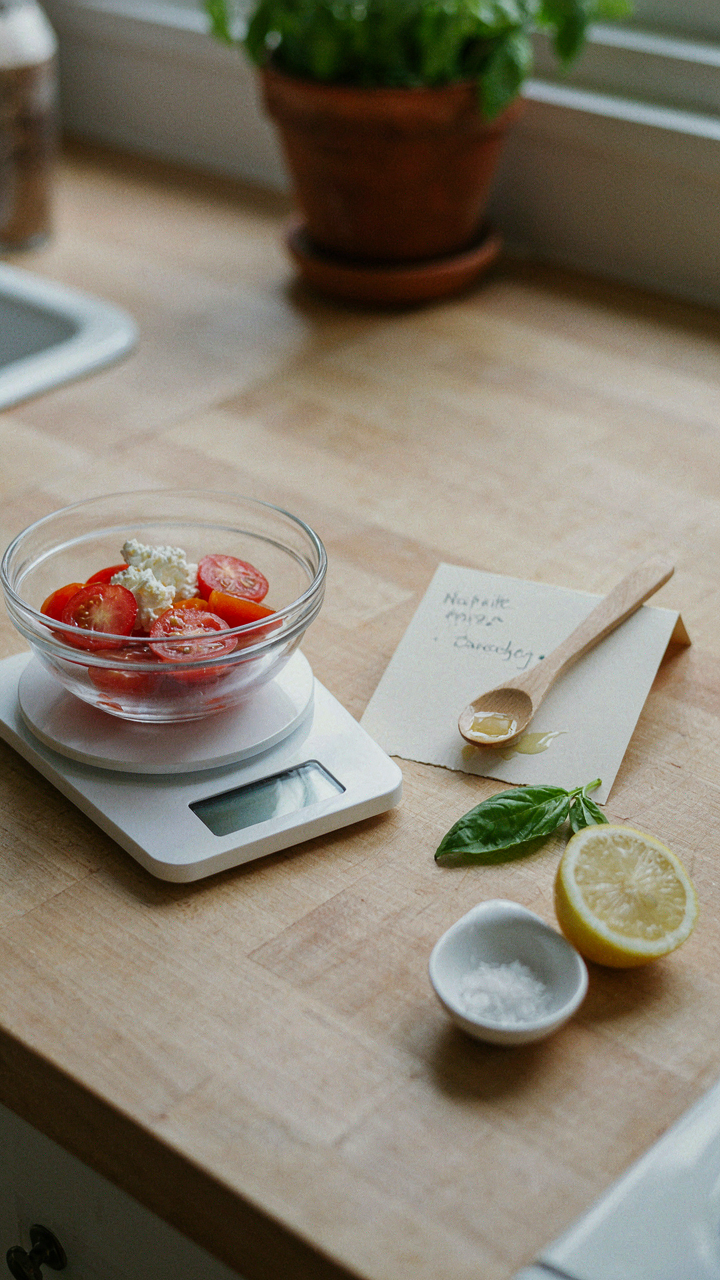
The real problem isn’t which vegetables you pick. It’s that people either drown the salad or starve it, with no middle ground. Use too little dressing and it’s a dry, gritty mess by hour four. Use too much and you’ve created a marinade that breaks down every vegetable texture. The fix: measure your dressing at 1.5 ounces per cup of cooked pasta, add it while the pasta is still warm (not hot), and hold back one quarter of the dressing to add thirty minutes before service. This staged approach keeps the salad from becoming either mush or dust.
The Sequence That Stops Degradation
Timing in pasta salad behaves like osmosis in biology: water moves across a membrane until pressure equalizes, and you can’t reverse it. Once your vegetables release their water into the dressing, that’s it. The salad softens irreversibly. The solution isn’t choosing the right vegetables. It’s controlling when they meet the dressing.
Cook your pasta and cool it completely in a separate container before mixing anything. While it cools, prep all vegetables but hold them dry. Add the pasta to dressing first, alone, and let it sit for thirty minutes. Only then add the vegetables, tossing gently. Transport the salad in a covered container without mixing it further until you arrive. This sequence keeps vegetables intact for six to eight hours at a seventy-five-degree outdoor temperature. Skip this order and your salad will be destroyed by hour three.
The “Degradation Dynamics” Model: Applying Evolutionary Biology To Your Pasta Salad For Graduation Party
Ingredient Life Cycles Under Selection Pressure

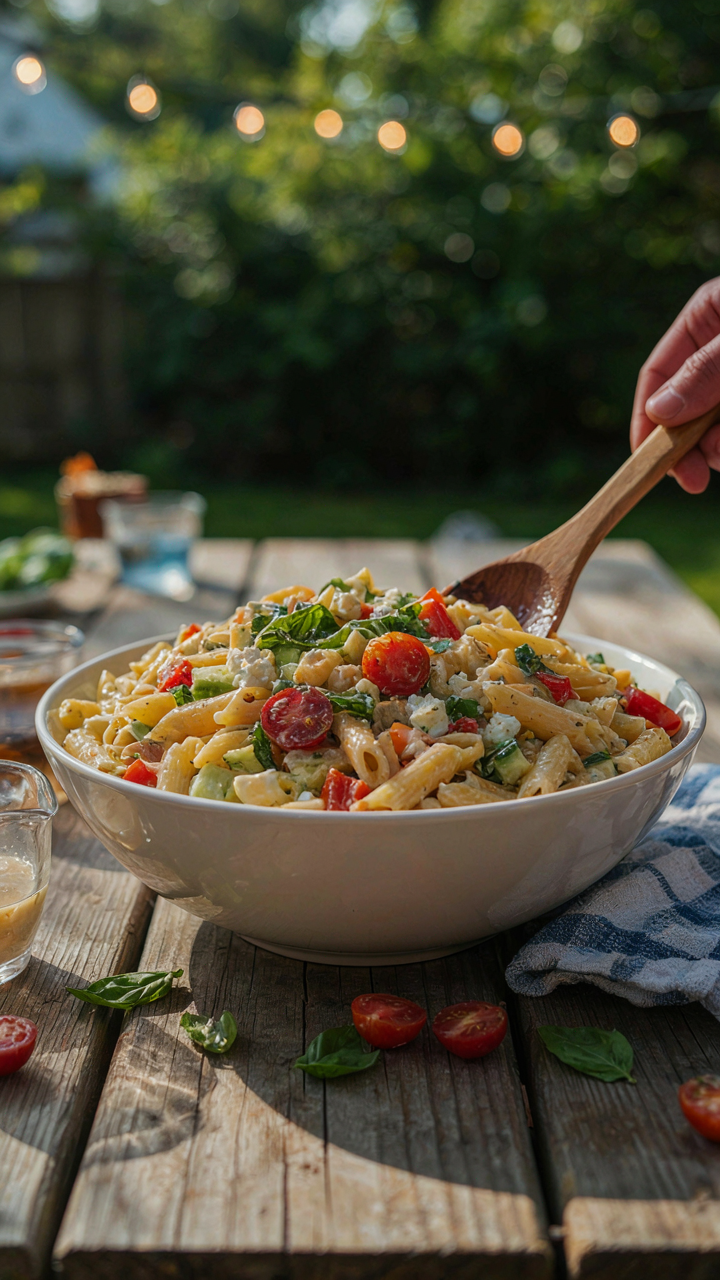
You care about this section because you’re terrified of serving mushy, separated garbage in front of people who matter. Evolutionary biology teaches us that survival belongs to organisms adapted to their environment. In pasta salad, ingredients face a hostile ecosystem: heat, moisture, acid, and time. Pasta starches absorb liquid and soften. Vegetables release water. Dressings separate. The mechanism is simple: ingredients that survive this environment are the ones you should choose. Lettuce dies. Cucumbers survive longer. That’s not opinion, that’s adaptation.
The real tactical move is selecting for ingredient durability before you build the recipe. Firm vegetables like celery, bell peppers, and red onions hold structure under moisture exposure for hours. Soft vegetables like tomatoes and leafy greens degrade fast. Pasta itself needs starch selection: short cuts with ridges trap dressing better than long strands. Mayo-based dressings accelerate degradation by sealing moisture into other ingredients. Oil and vinegar based dressings preserve texture longer because they don’t absorb into the pasta matrix the same way.
Environmental Pressure And Recipe Adaptation
Every variable at an outdoor party attacks your salad: sun exposure raises temperature, wind accelerates evaporation, humidity creates condensation under covers, and time itself breaks down structural integrity. These aren’t problems to ignore, they’re design constraints that force mutation in your recipe. The dressing ratio changes. The ingredient ratios change. The assembly timing changes. Generic advice says “make it ahead,” but that’s incomplete. You need to engineer which components assemble when, based on their degradation curve under specific outdoor conditions.
The protocol is this: build your pasta salad in layers based on moisture sensitivity. Assemble the dressed pasta base thirty minutes before serving. Add firm vegetables no more than fifteen minutes before. Hold soft garnishes and fresh herbs completely separate until plating happens. Keep the entire salad in a cooler until the last moment, not on the table under sun. This isn’t about being precious, it’s about matching ingredient stability to environmental pressure. Your recipe survives only if you respect the timeline.
The “Potluck Domination” Playbook: How To Stand Out, Not Just Survive (Pasta Salad For A Crowd)
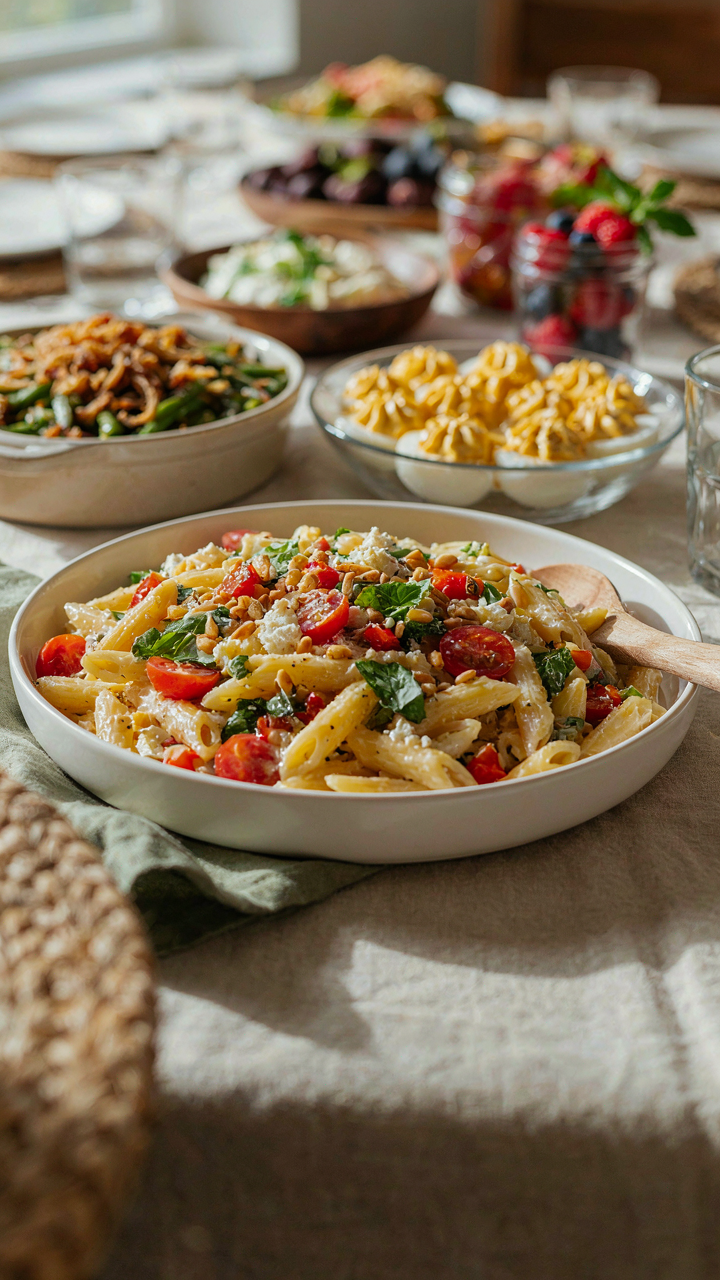
Make It Impossible To Ignore

You want people to remember you made this. Not because it tastes good—because it looks like you know something they don’t. Container choice matters more than you think. Stop using clear bowls. Use a wide, shallow white or matte black ceramic dish. The pasta sits at eye level. Colors pop. The geometry signals “this person planned this.” Cheap plastic reads as afterthought. Your salad occupies mental real estate before anyone tastes it.
The garnish layer is logistics, not decoration. Fresh herbs on top photograph well. More importantly, they signal freshness to the conscious and unconscious mind simultaneously. Basil, parsley, or mint placed thirty minutes before serving wilts slightly—this looks intentional, not sad. A handful of toasted breadcrumbs across the surface adds texture visibility and tells eaters something crunchy exists below. These elements cost almost nothing but shift the entire perception from “crowd food” to “someone cared about this.”
The Unexpected Anchors
Common advice says variety equals interest. Wrong. Variety without tension is noise. Borrow from neuroscience: the brain flags novelty and contrast as threats until it processes them as safe. One ingredient nobody expects in a pasta salad becomes the story. Pomegranate seeds crack when eaten—sound design matters. A single layer of crispy prosciutto torn through the pasta creates fat and umami depth that makes people ask what you did differently.
- Pomegranate Seeds: Burst texture, slight tartness, visual anchor. They’re visible and memorable—not a hidden ingredient.
- Crispy Prosciutto or Pancetta: Salt and fat depth. Most pasta salads skip protein entirely. This breaks expectation and makes people actually full.
- Toasted Pine Nuts or Pepitas: Crunch that survives dressing absorption. Store-bought roasted nuts get soggy. Toast yours fresh two hours before serving.
- Anchovy Paste in the Dressing: One teaspoon per cup of oil. Nobody identifies it. Everyone asks why this tastes professional. It’s the umami backbone nobody admits to using.
- Preserved Lemon or Bottled Capers: Sharp acid cuts through oil saturation. Most pasta salads taste heavy by hour two. Preserved lemon stays bright for six hours minimum.
The list works because each item challenges the texture or flavor profile someone expects. They’re not random. Each one solves a specific failure mode—sogginess, blandness, monotony. When someone takes a second bite, they’re chasing the element they can’t quite name.
Your Pasta Salad Isn’t Failing; Your Strategy Is: Master The Variables, Don’t Just Hope For The Best
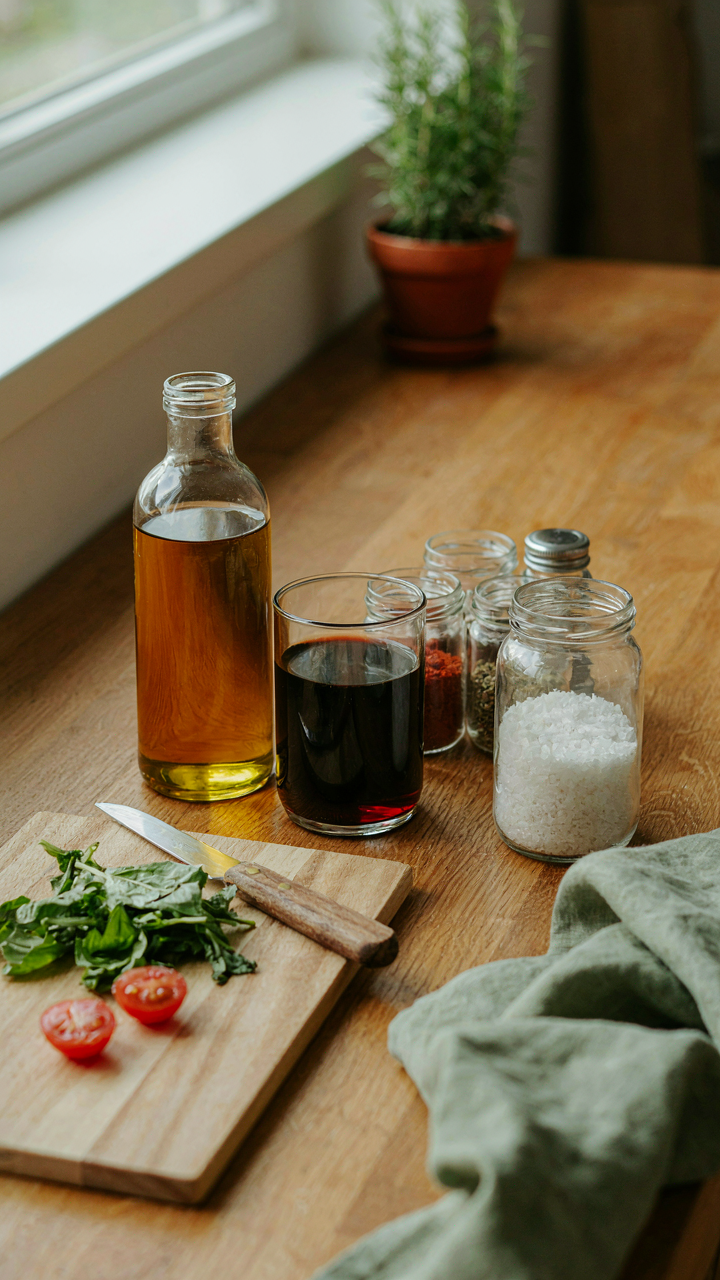

Most people treat pasta salad like a recipe. You don’t need a recipe. You need a system. Control your acid, your oil, your timing, and your temperature. That’s it. Everything else follows. Pick one thing today: make your dressing tonight instead of tomorrow. Watch what happens when the pasta actually absorbs flavor instead of sitting naked until showtime. You stop crossing your fingers at parties when you start engineering the outcome.