The Unspoken Truth About Your Backyard Pizza Party Ambition
Why Most Pizza Parties Never Happen
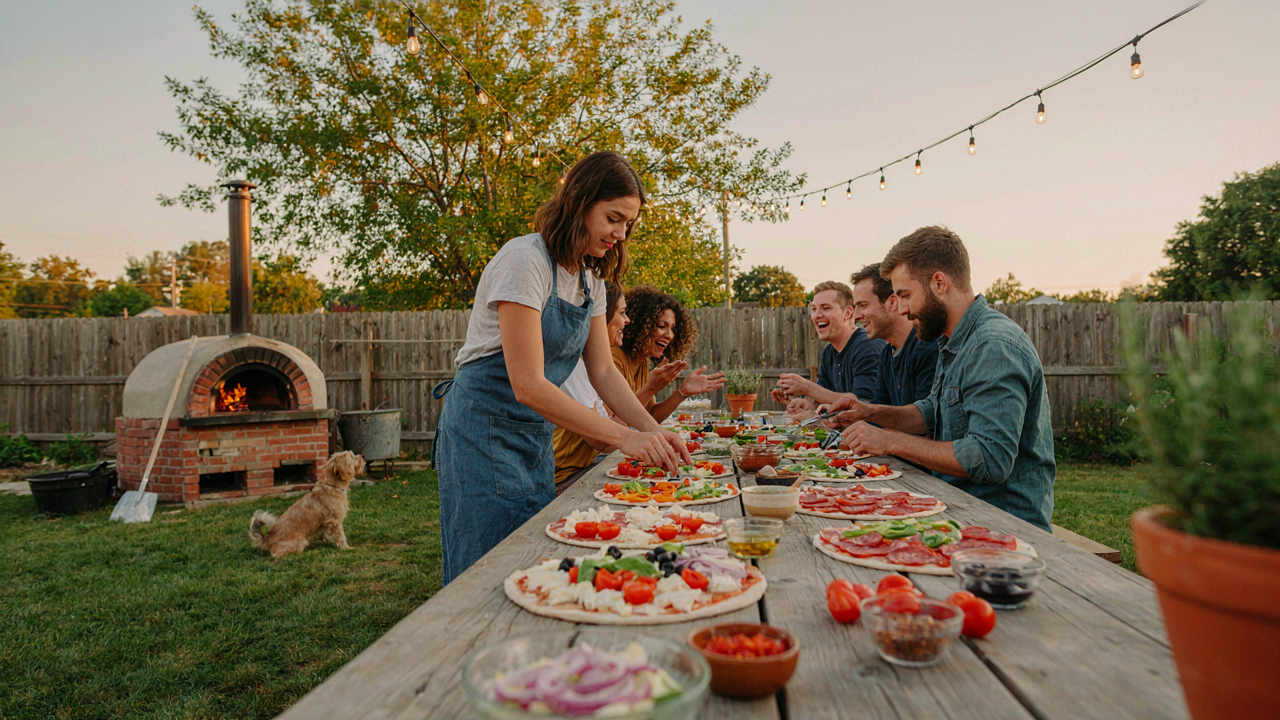
You want to throw one because you think it signals you’ve got your life together. The real reason most backyard pizza parties fail is logistics collapse before the first guest arrives. People underestimate the gap between intention and execution. They plan the menu but not the timeline. They buy the dough but not the prep surfaces. They invite people but don’t account for oven temperature swings or topping organization. The party dies in the planning phase, not the cooking phase.
The mechanism is simple: you need a written sequence, not a mental list. Start with oven preheating time, work backward to when guests arrive, then backward again to when you prep toppings and dough. Most hosts skip this step entirely and wing it. They panic when the oven isn’t ready or toppings aren’t portioned. A single sheet of paper with times eliminates this. Write down what happens at each fifteen-minute interval from two hours before guests arrive until service ends.
What Guests Actually Come For
People don’t show up for food. They show up for control. Pizza parties work because guests assemble their own plate, which triggers a psychological shift from consumer to creator. This borrows from behavioral economics: autonomy increases satisfaction measurably. The topping bar isn’t decoration. It’s the entire reason the event functions as social currency instead of just another dinner. Guests leave feeling like they made something, not just ate something.
Your job is to make the topping bar foolproof and abundant enough that nobody feels limited. This means visible containers, clear portions, and enough of each topping that someone can load without guilt. Use shallow bowls, not deep ones. Label each item. Replenish every fifteen minutes during service. The toppings bar succeeds or fails based on how invisible the labor looks. Guests should never see you scrambling or running low.
Deconstructing The Pizza Party Buffet Myth: Order, Not Chaos
The Physics Of Movement Through Space

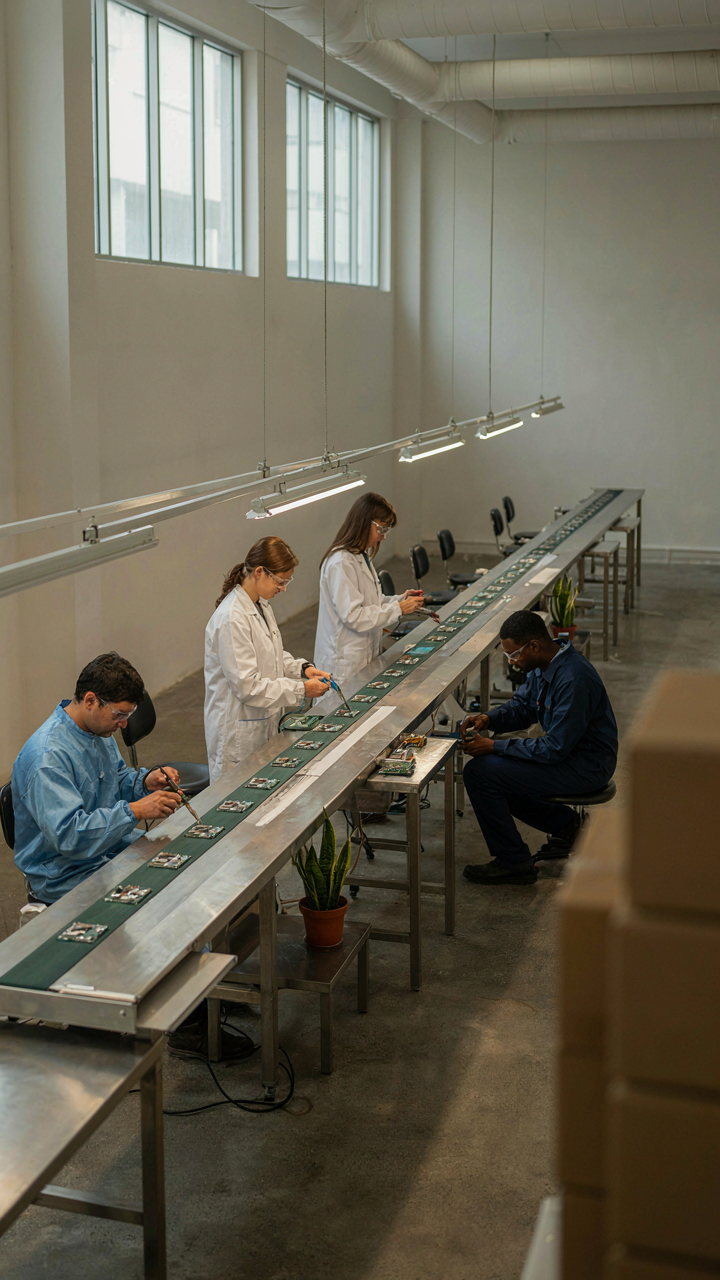
You want people to think you pulled this off effortlessly. That’s the real reason you care about this section. Here’s what nobody says plainly: a pizza party topping bar is a flow problem, not a design problem. Borrow from industrial engineering. In manufacturing, throughput depends on the bottleneck, not the average. Your guests move as fast as the slowest decision point. Most people arrange toppings randomly and wonder why everyone clusters at one end, frustrated and holding cold plates.
The fix is linear arrangement, not circular. Place pizza first at the entry. Toppings follow in the sequence people use them: sauce, cheese, fresh toppings, then cooked toppings last. This matches the actual assembly order, not aesthetic balance. One guest finishing doesn’t block the next one waiting. You’re not designing a display. You’re designing a production line.
Staging Prevents The Backup
Common advice says “set everything out at once.” This creates chaos. The real move is staged deployment. Put out half your prepared ingredients. As people grab what they need, you restock. This forces you to stay present and aware, not standing around pretending the party runs itself. It also keeps toppings fresher longer because they’re not sitting exposed for two hours.
Position yourself at the restock station with clear sight lines to the bar. Watch which toppings deplete first. Front-load more of those. Notice where people pause too long—that’s a decision bottleneck you can fix by reducing options or clarifying labels. The mechanism is simple: active management beats passive setup every time.
The Mise En Place Protocol For Optimal Outdoor Pizza Party Ideas
Pre Party Prep Your Strategic Command Center

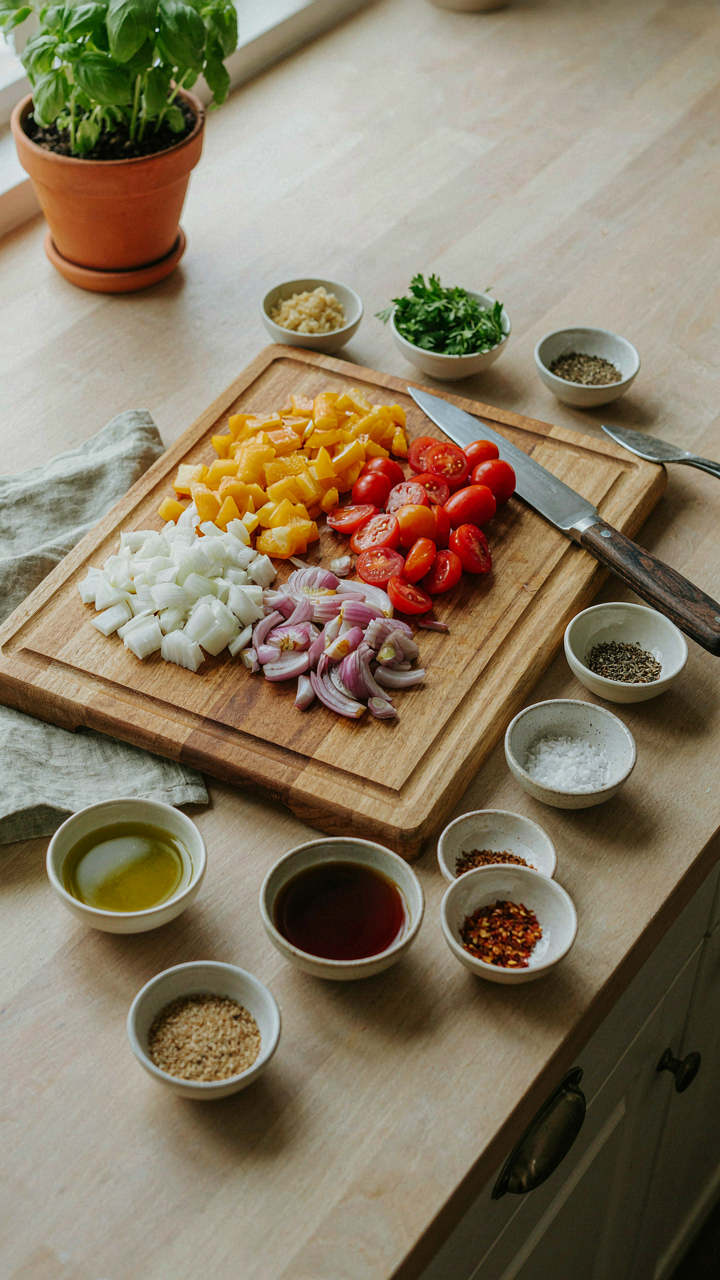
You want this to run smooth so people think you’re naturally gifted at hosting, not because you sweated the details. Here’s the mechanism: mise en place comes from French kitchen discipline, where “everything in its place” means zero decision-making during service. Apply this to your topping station setup by staging every element before guests arrive. You’re building a system that removes friction at the critical moment.
Start three hours before the first guest lands. Wash and chop all vegetables. Arrange them in their serving bowls. Label each topping. Set out utensils, small plates, and napkins in their exact spots. Test your pizza oven or grill for temperature consistency. Charge your phone for photos. The goal isn’t perfection; it’s eliminating the scramble that kills momentum and forces you into constant problem-solving mode instead of actually hosting.
The Hidden Cost Of Last Minute Scrambles
Common advice says “prep what you can and handle the rest as it comes.” That’s incomplete. Last-minute scrambles create a cascading failure: you’re chopping while guests wait, the oven temp drops while you’re distracted, someone asks where napkins are while you’re mid-task, and suddenly you’re the bottleneck instead of the facilitator. The real cost isn’t time lost; it’s credibility lost and the vibe destroyed.
The mechanism is simple: attention is finite. Every decision you make during the party is mental bandwidth stolen from reading the room, adjusting pacing, or actually enjoying people. Prep removes decisions. When your topping bar is staged and labeled, you move guests through the station in four minutes instead of fifteen. When everything is within arm’s reach, you stay present. Stage everything the night before if you can. Your job during the party is management, not execution.
Beyond Fairy Lights: Strategic Italian Dinner Party Decorations
The Room Controls The Behavior

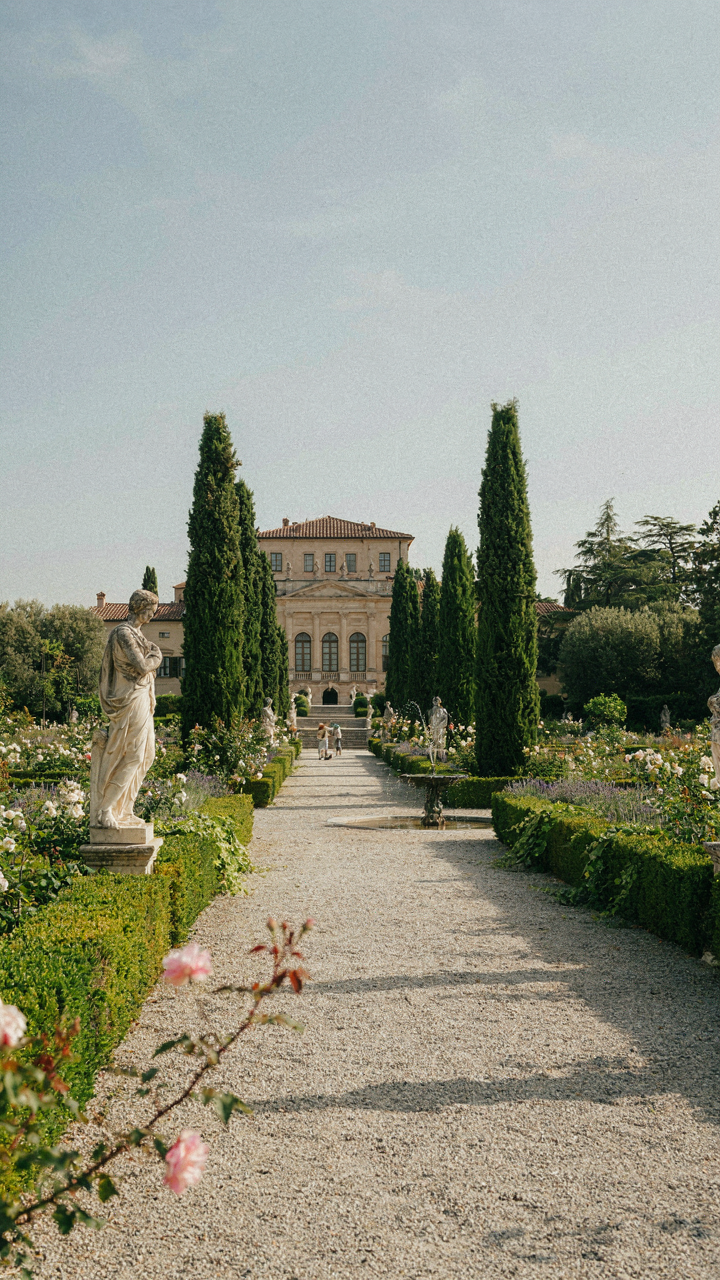
You want people to feel like they’re part of something intentional, not like they wandered into your backyard by accident. Environment shapes behavior through constraint and signal. Think of it like architecture: the layout of a space determines how people move through it, where they cluster, and what they pay attention to. Your decorations aren’t accessories. They’re structural decisions that either guide guests toward the pizza and topping bar or let them scatter aimlessly.
Most people decorate a backyard pizza party by hanging lights and calling it done. That’s decoration without mechanism. Real environmental design creates friction in the right places and flow in others. Position your string lights to frame the eating zone, not the perimeter. Use them to create shadow and containment. Place a single focal point—your pizza oven or topping bar—where light lands hardest. Guests navigate toward illumination. They linger where it’s concentrated.
Constraint Over Coverage
The instinct to fill every corner with visual detail is the decorating equivalent of talking too much. More doesn’t land harder. Restraint does. Italian dinner culture isn’t built on maximalist abundance scattered across a yard. It’s built on hierarchy: the table matters, the food matters, the people matter. Everything else recedes. Strip your approach to three design elements maximum: lighting, one focal arrangement near the bar, and one at the serving station.
Muted earth tones—terracotta, sage, cream—require less visual effort from guests than bright colors. They create atmosphere without demanding attention. Fabric draping around the topping bar area grounds the space and signals “this zone is organized.” One statement piece, like a wooden sign naming your pizza varieties or a simple greenery arrangement, anchors the scene. Then stop. The pizza does the decorating work for you. Let it.
The Topping Bar Triumvirate: Curating, Not Collecting
When Choice Becomes Friction

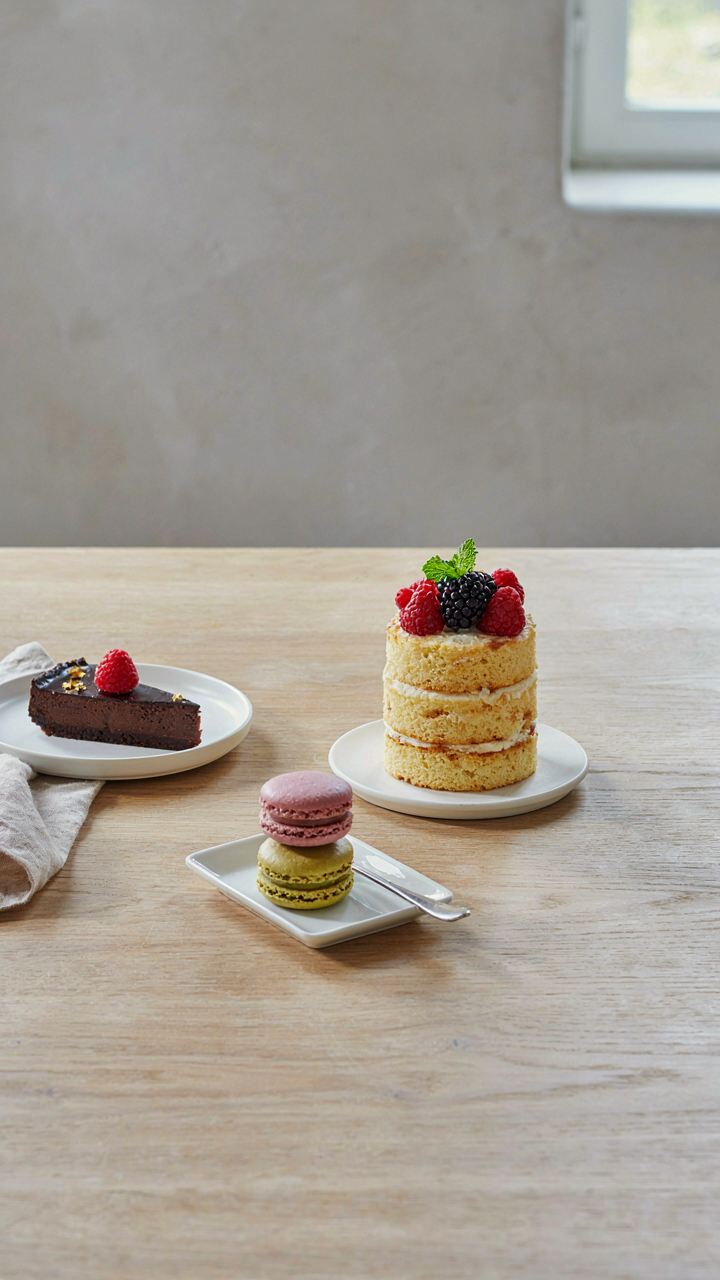
You want guests to feel spoiled for options because it signals abundance and effort on your part. The mechanism is different. Cognitive psychology calls this the paradox of choice: beyond a threshold, more options decrease satisfaction and slow decision-making. At a pizza party, this translates directly to bottlenecking. Guests freeze. They stand at the bar comparing seven types of cheese instead of eating. The line backs up. Momentum dies.
Most advice says “offer variety.” That’s incomplete. The real play is constraining the decision space while maintaining perceived abundance. You’re not removing options. You’re removing the friction of comparison. Fewer, better toppings move people through faster and improve their actual experience. They pick, they build, they eat. The party stays alive.
Quality Eliminates The Second Guess
Nobody remembers a pizza party for having twelve toppings. They remember whether the mozzarella was wet and salty or chalky. Quality toppings signal competence. Guests trust the selection and stop auditing it mentally. One excellent prosciutto beats three mediocre cured meats. Fresh basil matters more than a second green option.
Here’s the mechanism: when toppings are clearly good, guests commit to their choices faster and feel satisfied with smaller variety. They don’t linger wondering if they picked wrong. A four-topping bar of excellent ingredients generates more positive feedback than a ten-topping bar of filler. Build your bar around what’s genuinely hard to source or prepare, then round it out with reliable staples. That’s the constraint that reads as generosity.
The Oven Command Center: Mastering Backyard Pizza Party Dynamics
Where Your Oven Lives Matters More Than You Think

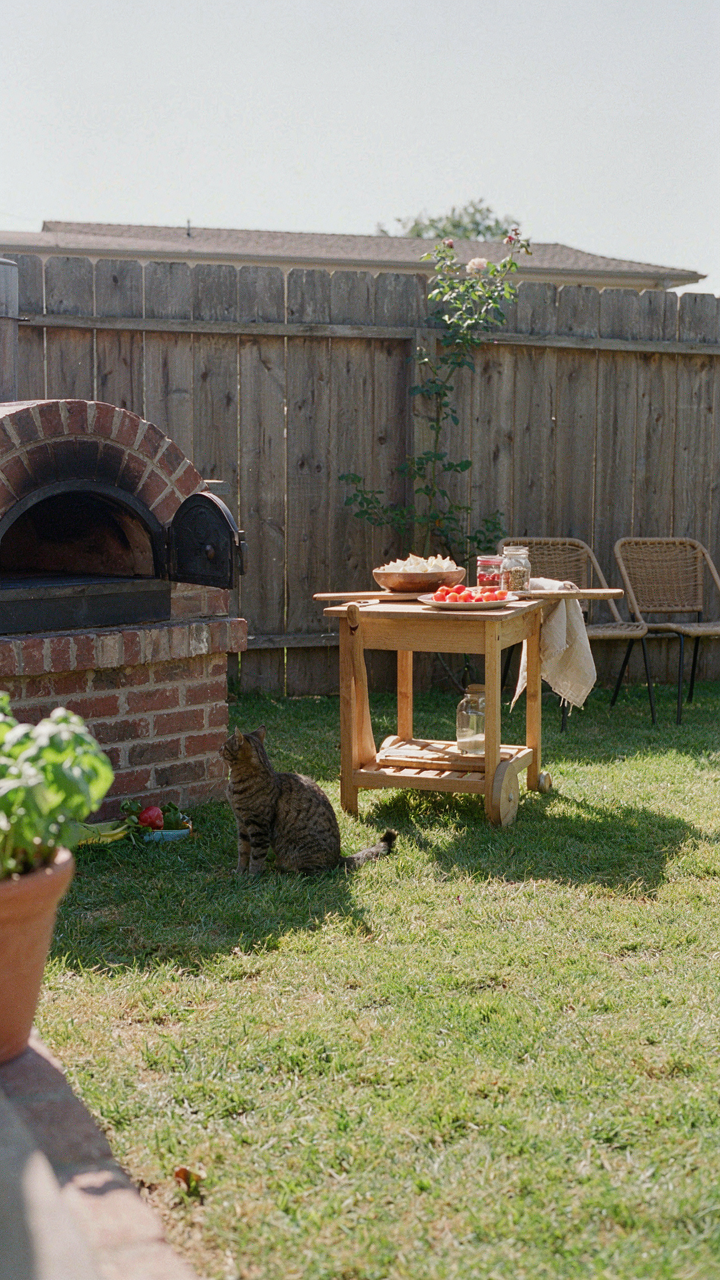
You want the oven positioned where guests can’t see you sweat. That’s the real concern. But placement is manufacturing optimization disguised as decoration. The oven should sit 10 feet minimum from seating and the topping bar, downwind of where people gather. Heat radiates aggressively from a wood or gas oven. Proximity creates discomfort and smoke drift that kills conversation. Position it near a utility line if gas-fired, or on level ground with rear access for wood restocking.
Oven placement also determines workflow efficiency. If the oven sits far from the topping bar, you waste motion carrying finished pizzas back. If it’s too close to the bar, heat and flour dust corrupt the toppings and ruin the guest experience. The sweet spot places the oven within 15 feet of the bar but perpendicular to it, not directly behind. This creates a one-directional flow: toppings stage, oven bakes, service happens. You control the rhythm without creating bottlenecks or exposing your operation to scrutiny.
The Assembly Line Your Guests Won’t See
Common advice says rotate pizzas randomly and hope they cook evenly. Wrong. Treat this like a factory floor. Take each pizza in sequence: first one in, first one out, 90-second rotations inside the oven. Mark pizzas with a metal marker or remember their visual stage. Establish a prep station where dough sits topped and ready, a cooking station where pizzas rotate, and a rest station where finished pies cool before cutting.
The mechanism works because heat distribution inside the oven is never uniform. The back is hotter. The front is cooler. Rotation compensates. Batch your pizzas in groups of three or four rather than cooking one at a time. This maximizes oven temperature retention and lets you pull multiple finished pies within seconds of each other, keeping service momentum. Pull a finished pizza every 3-4 minutes, slice immediately, stage for plating. No waiting. No excuses. The system dictates the pace, not your guests’ hunger.
The Social Engineering Of Your Outdoor Pizza Party

How People Actually Move Through Space

You want guests to feel like the party is effortless and abundant. What you’re really after is control without looking controlling. Physics tells us that movement follows the path of least resistance, and your pizza party operates on the same principle: people flow where friction is lowest and barriers are invisible.
Map entry and exit before anyone arrives. Position the topping bar perpendicular to the main foot traffic line, not directly in it. This forces a natural pause without a bottleneck. Your oven becomes the anchor point guests orient toward. If people queue in a line facing the oven, they’re already waiting with purpose. Put the drink station behind or beside the oven, not between entry and eating space. Every vector matters. Guests move in predictable patterns once you remove obstacles and create clear sightlines.
Telling People What To Do Without Talking
Everyone gives the same vague instruction: “Help yourself.” That’s lazy. It creates decision paralysis and guests either crowd the bar or avoid it entirely. Directness works better than assumption.
Post a small sign at the topping station with the actual sequence: sauce, cheese, toppings, pass to oven. Use arrows. Not because guests are stupid, but because clarity removes social friction and keeps the line moving. Announce the process once when people arrive, then reinforce it with one visual cue. Tell someone explicitly how to use the oven if they’ve never done it. “Rotate it once at the halfway point” beats watching them guess. Clear instruction is not condescending, it’s generous. The mechanism is simple: remove ambiguity and people execute without hesitation.
From Pizza Dinner To Optimized Experience: The Post Party Debrief
Capture What Actually Worked

You want to believe your pizza party was perfect so you don’t have to think about it again. That’s the real reason you’re tempted to skip this step. But feedback loops are systems thinking applied to events, and the mechanism is simple: you collect specific data points immediately after the party ends, while behavior is still fresh, then you weaponize that data for the next one.
Write down three things while people are still leaving. What topping ran out first and when. Which pizza style disappeared fastest. How long the line at the topping bar actually was. Don’t rely on memory. The gap between what you think happened and what actually happened determines whether your next party improves or repeats the same bottlenecks.
Strip And Store With Purpose
Most advice says clean up after parties to avoid mess piling up, which is incomplete and misses the real work. The actual mechanism is asset protection and setup reduction. You’re not cleaning to be tidy, you’re organizing to cut your labor time in half for the next event.
Disassemble your topping bar immediately. Store toppings in labeled containers with dates. Stack pizza peels and serving utensils in one spot. Take photos of your setup before guests arrive, then compare them to what remains. This creates a template you execute faster each time. When breakdown takes thirty minutes instead of two hours, you actually want to host again.
The Strategic Advantage Of A Well Executed Pizza Party Tablescape

Where Your Guests’ Eyes Land First

You want people to think your setup is effortless. That’s the real game. But the mechanism comes from visual hierarchy, borrowed from graphic design: the principle that viewers process information in order of contrast and placement, not randomly. Your tablescape is the field where this happens. Place the pizza station at the natural sightline when guests enter the backyard. Most people put it off to the side and wonder why traffic stalls. Your eyes move to the highest contrast point first, then follow the path of least resistance. The topping bar should be that contrast point, positioned where the afternoon light hits it directly or where it breaks the plane of the lawn.
Guests decode your entire operation in the first four seconds. If the station looks chaotic or subordinate, they assume the whole event is improvised. If it commands visual weight through placement and organization, they relax into the experience. Put the pizza oven or warming station at the two-thirds line of your yard depth, not centered. This matches how humans naturally divide space, learned from Renaissance painters. The topping bar sits perpendicular to the traffic flow, not parallel, so people queue without congestion. This single decision reduces bottlenecking by forcing a natural single-file approach.
Beauty That Doesn’t Interfere With Speed
Forget the advice about Instagram-worthy styling. Decorated surfaces slow down service and create decision paralysis. The real aesthetic power comes from constraint and clarity. Use one material for the topping bar surface: either food-grade stainless steel, sealed wood, or concrete. Mix three materials and you’ve created visual noise that makes guests second-guess portion sizes and topping choices. A single surface reads as intentional and professional. Organize toppings by category: proteins, vegetables, cheese, finishing oils. Use identical containers within each category. This isn’t decoration. It’s cognitive load reduction.
Functional beauty means the guest’s eye traces the logical path without friction. Label each topping with a small card. Use the same font and size for all labels. The uniformity isn’t ornamental; it signals that you’ve thought through the system. Guests subconsciously trust organized constraint over decorated abundance. Place ingredients in order of application: base cheese and sauce first, then proteins, then vegetables, then finishing elements. The physical arrangement teaches the user how to build a pizza correctly. No verbal instruction needed. The table layout becomes the instruction manual.
The Only Thing Worse Than No Pizza Party Is A Mediocre One. Stop Aiming For Participation; Optimize For Impact
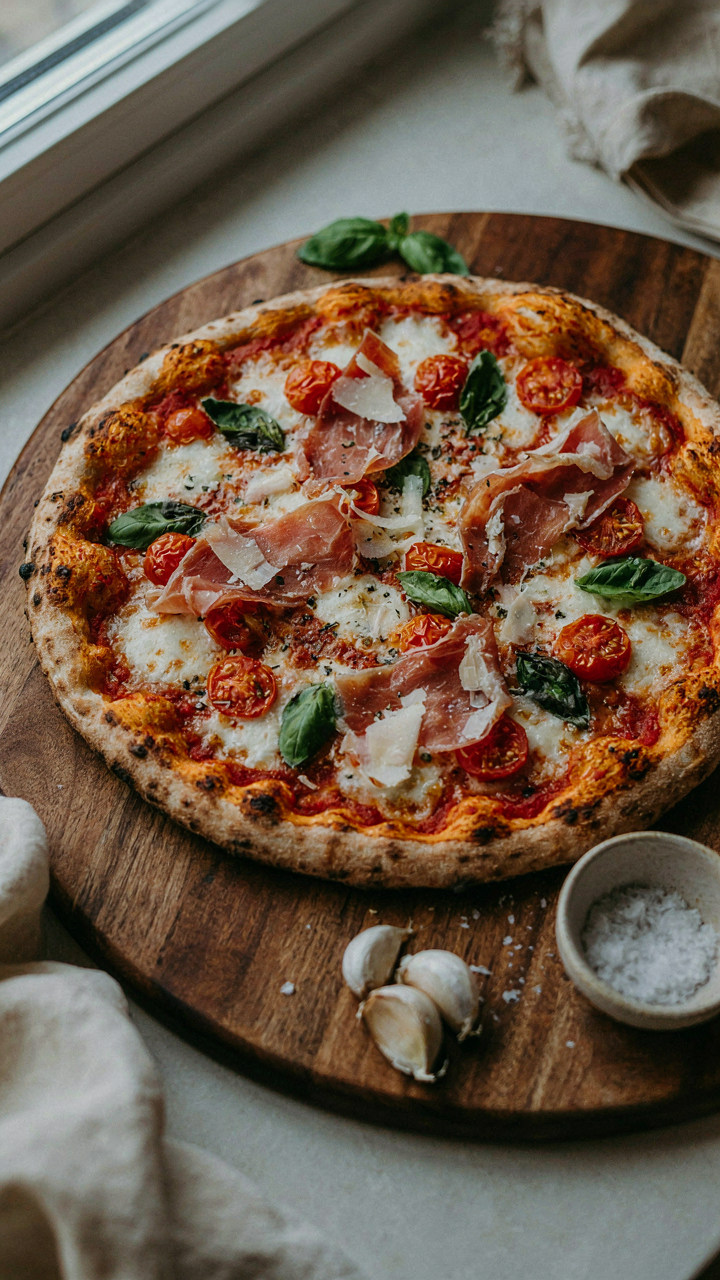
Most people throw a backyard pizza party and hope guests show up. You’re going to build one people talk about for years. The difference isn’t complexity. It’s intention. Set up your topping bar today. Not tomorrow. Today. Make people choose, engage, and own their meal. That single shift transforms a gathering into an event. Your backyard pizza party becomes the one everyone remembers because you refused to be forgettable.