
The Minimalist Low Picnic Table Protocol
Constraint Creates Better Decisions
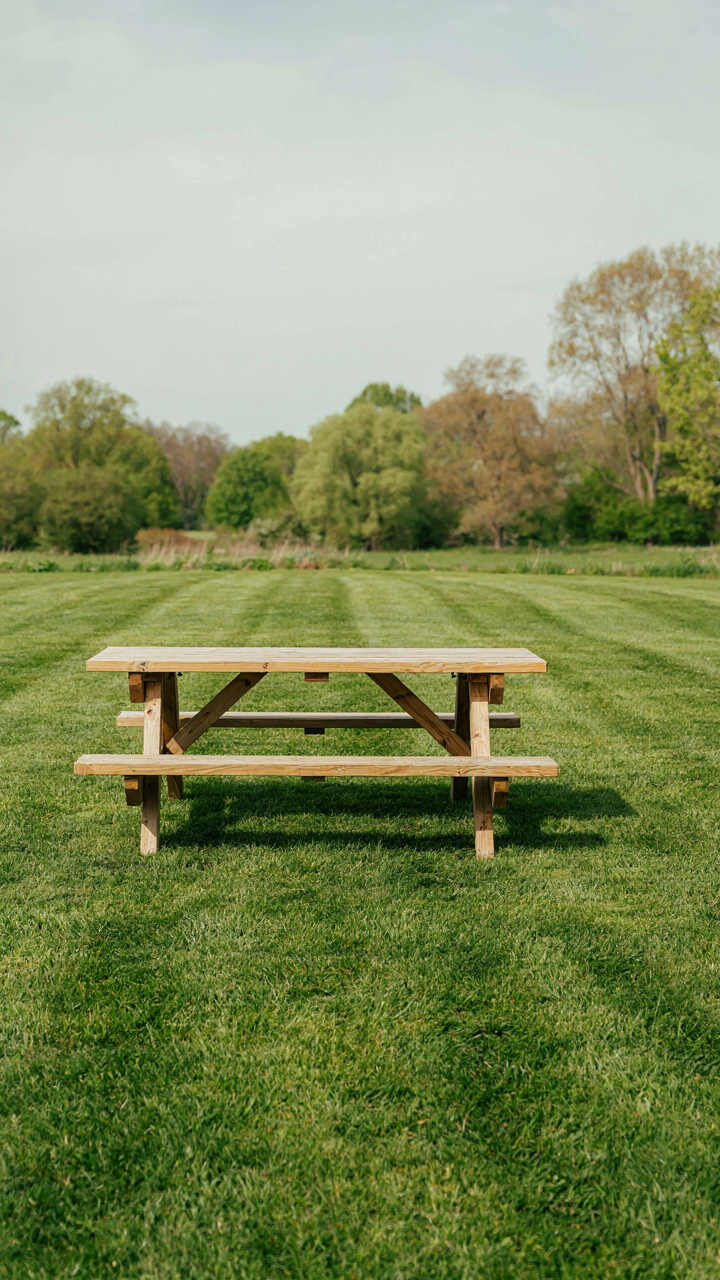
You want permission to bring less because you’re afraid of looking unprepared. The real mechanism is cognitive load. Every item on your low table demands attention, setup time, and mental overhead. Design thinking borrowed from industrial engineering calls this “constraint-driven optimization.” When you remove options, you stop choosing and start executing. A crowded low picnic table splits your focus between comfort and logistics. A stripped table lets you actually experience the meal.
The difference between a low table picnic that works and one that falls apart isn’t the quality of the food. It’s that successful setups eliminate decisions during execution. You choose once, before you sit down. Bring a cloth, plates, utensils, water, and one condiment. That’s the entire protocol. Everything else creates friction without proportional gain.
What Actually Matters On The Surface
Most advice says bring backup supplies for every contingency. That’s wrong. A low table has physical limits. Japanese low dining traditions like chabudai setups prioritize negative space, not abundance. You need exactly three functional categories: serving surface, containment, and hand access. A cloth stabilizes food placement on uneven ground. Plates and bowls contain portions without spillage. Utensils and cups stay within arm’s reach. Everything else is theater.
Start with a one meter by one meter cloth as your perimeter. Add four plates, four bowls, four cups, one set of utensils per person, water in a sealed container, and one shared dish. Omit decorative items, backup plates, extra napkins beyond four per person, and condiments you won’t use. The constraint forces intentional preparation. You plan the menu around what sits on the table. Execute that plan without deviation.
Ditch The Cushions: The Ground Contact Optimization
Your Spine Isn’t Built For Thrones

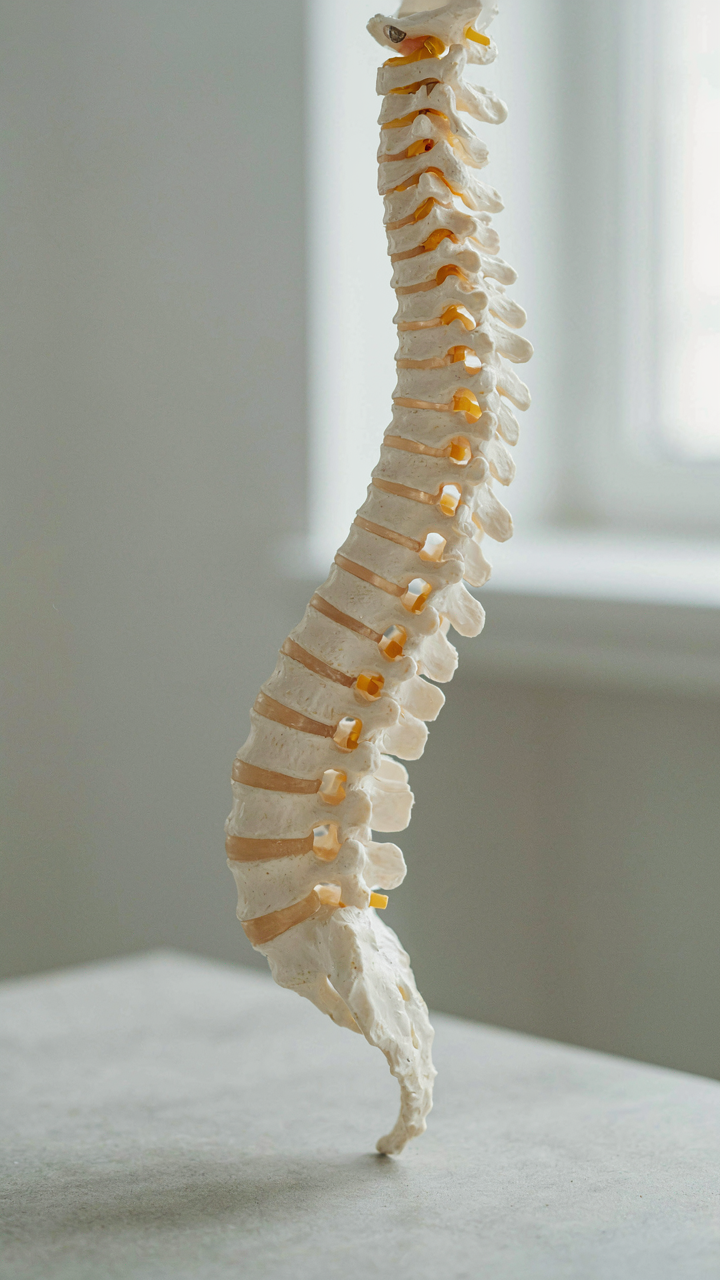
You want cushions because you’ve been sold the lie that comfort equals softness. It doesn’t. Biomechanics, the study of how bodies move under force, reveals that your spine maintains neutral alignment through distributed pressure, not plush escape. Sitting directly on the ground forces your hip flexors to engage properly and your pelvis to tilt into a position your desk job has stolen from you. The discomfort you feel in the first five minutes isn’t failure. It’s correction.
Most people quit ground sitting because they confuse acute muscle activation with injury. Your glutes and hip stabilizers are literally waking up after years of atrophy. Ground contact creates feedback. Your body knows exactly where it is in space, which means your nervous system stops compensating with tension in your shoulders and neck. This is the trade: initial awareness for long-term postural integrity. Sit on bare ground for a low table picnic and you eliminate the sinking, tilting problem that thick cushions create.
Strategic Resistance, Not Comfort Gear
The common advice here is backwards. Everyone tells you to buy the biggest, fluffiest pad available. What actually happens is your hips sink into the material, your knees angle upward, and you end up slouching into the table instead of sitting at it. You need resistance, not absorption. A thin pad, between a quarter and half-inch thick, provides just enough buffer between your bones and the earth without collapsing under your weight.
The material matters because it determines how much your body moves during the meal. Natural rubber or dense foam maintains firmness across two hours. Memory foam compresses and requires constant micro-adjustments that exhaust your stabilizer muscles. Cotton canvas or wool felt over a firm base gives you stability without the synthetic feel. The pad is tactical equipment, not furniture. Its job is to create a stable interface so your attention stays on food and people, not on finding your center of gravity.
The Folding Picnic Table: Portability As A Design Constraint
When Foldability Forces Real Trade Offs

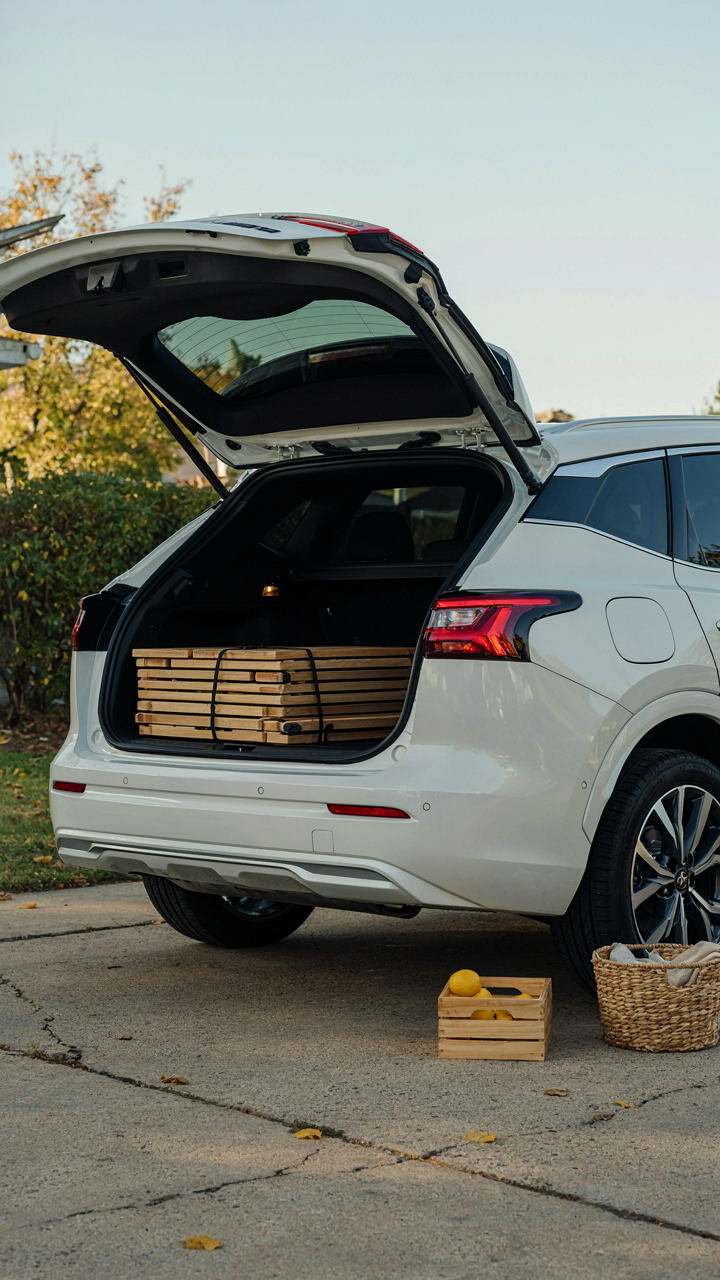
You want a table that vanishes into your car. That’s the real reason you care about this section, not some abstract virtue of portability. Here’s the mechanism: foldable design forces engineers to eliminate excess material immediately. There’s no room for structural redundancy when you need to compress a load-bearing object into a rectangle. Every strut, every joint, every hinge becomes load-critical. The table can’t hide its weakness. Bloat gets exposed on the first trip.
This constraint produces better utility than fixed designs. A non-folding table can mask poor engineering under weight and bulk. A folding table must solve the actual problem: hold weight, collapse small, repeat hundreds of times without failure. The hinge becomes the defining component, not an afterthought. You can’t bolt together something mediocre and call it portable. The market eliminates garbage fast because users reject it after one use.
Center Of Gravity Versus Tipping Point
Physics applies here. In structural engineering, the center of gravity determines collapse risk. A low table sitting on ground has an advantage: your seating height matches your body’s natural balance point when seated. This lowers the overall center of gravity of the system. A traditional picnic table forces you to reach upward, shifting weight distribution and creating lever points that destabilize the setup. Your own body becomes a force vector working against stability.
Weight distribution matters more than raw weight. A 15-pound table with wide legs and reinforced corners stays planted better than a 12-pound table with narrow feet and a thin frame. Check this by measuring the footprint relative to overall weight. If the legs span less than 80 percent of the table’s length and width, you’ve got a tipping hazard. When people move around the table or shift during meals, lateral forces spike. A table that feels stable when empty fails under real-world use. Test it loaded before you commit.
Floor Picnic Table: The Table To Body Clearance Problem

Height That Actually Works For Ground Sitting

You want the table low enough to feel intentional, not like you’re making do. The real mechanism here comes from biomechanics: your elbow angle determines comfort, not some arbitrary measurement. When sitting cross-legged on the ground, your hip sits roughly 8 to 12 inches above floor level. Your elbow needs a 90-degree bend to eat or write without strain. This means the table surface should land 18 to 22 inches from the ground for cross-legged sitting. Kneeling postures push that range to 20 to 26 inches. Most low table picnic setups miss this by guessing.
The gap between table height and body position is where people fail. A 12-inch table looks right in photos but forces you to hunch or crane your neck downward. A 28-inch table makes your arms feel stretched. The sweet zone depends entirely on what position you’ll actually use. If you’re mixing postures across multiple people, aim for 22 inches as the baseline compromise. Measure from ground to where you naturally want your elbows to rest, then subtract 2 inches for the food and plates taking up space on top.
Leg Room: The Design Flaw Nobody Names
Common advice tells you to just push your legs under the table. That’s incomplete. The real problem is depth: tables designed for chairs assume legs stay vertical and tucked neatly. Ground sitting requires horizontal leg space. When you sit cross-legged, your knees project forward. When you kneel, your shins need room without jamming into table supports. A table leg or support frame positioned 6 inches from the near edge creates an invisible wall. You hit it with your knees every time you shift weight.
The solution isn’t decorative. You need at least 10 to 14 inches of clearance from the table’s edge to any structural support running underneath. Pedestal base tables solve this better than four-leg frames because the support concentrates at one point. If your table has cross-bracing or shelving, measure the actual open space your legs occupy when seated. Then verify that space stays unobstructed. A table that looks spacious in a showroom becomes a cramped trap once bodies actually sit at it on the ground.
DIY Floor Table: Engineered For Intentionality
How Weight Actually Stays Put

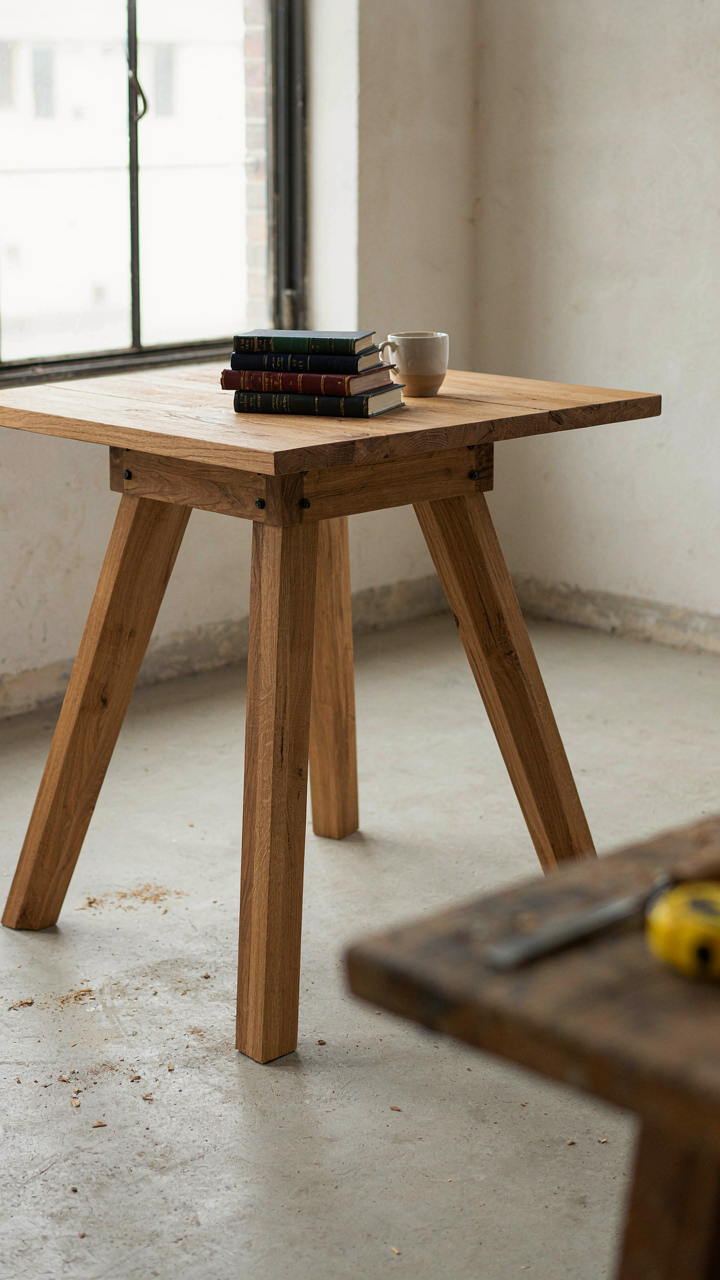
You want a table that won’t tip when you shift your weight, and that desire reveals something: you’re tired of feeling like you’re managing a liability instead of enjoying a meal. The physics here is simple. Stability comes from leverage points and load distribution, and in ground-level design, this means everything depends on how far your support legs extend from the table’s center of mass.
A low table tips when the center of gravity moves beyond the polygon formed by its legs. Widen that polygon by extending legs outward relative to the table’s width, and you create a larger buffer zone before tipping becomes possible. Most DIY builds fail because makers prioritize aesthetics over leverage geometry, placing legs too close to the perimeter. Position legs at least 80 percent of the table’s width apart. If your table is 24 inches wide, legs belong roughly 19 inches apart, not 22. This single measurement change eliminates wobble and prevents the panicked grab when someone leans to reach the bread.
Wood Against Everything Else
Wood dominates low table design for one reason: it’s dimensionally stable across temperature and humidity swings that destroy pressed composites. Common advice says plywood is cheap and efficient. It’s also prone to edge delamination within two seasons of outdoor exposure, which makes it a false economy.
- Solid hardwood (oak, walnut, teak): Costs more upfront but resists warping and accepts finish repairs. Teak naturally sheds moisture without cracking, making it ideal for unpredictable conditions.
- Plywood with veneer: Durable if sealed properly, but the seal must be reapplied annually. Budget for maintenance or accept visible degradation.
- MDF or particleboard: Swells irreversibly when wet. Avoid for any ground-level setup where moisture contact is inevitable.
- Bamboo composite: Harder than many woods and resists moisture better than plywood, but still requires sealant and shows wear patterns that some find visually problematic over time.
- Marine-grade plywood with epoxy edge sealing: Splits the difference between cost and durability. Requires meticulous edge treatment but outlasts standard plywood by years.
The decision hinges on your actual use pattern, not aesthetics. If the table lives indoors or under a permanent canopy, sealed plywood works. If it moves between conditions, hardwood stops being a luxury and becomes the only rational choice. Seal whatever you choose within 48 hours of assembly, before moisture penetration begins.
Wooden Picnic Tables: Beyond Aesthetics To Structural Integrity
Joinery Techniques For Lasting Outdoor Use

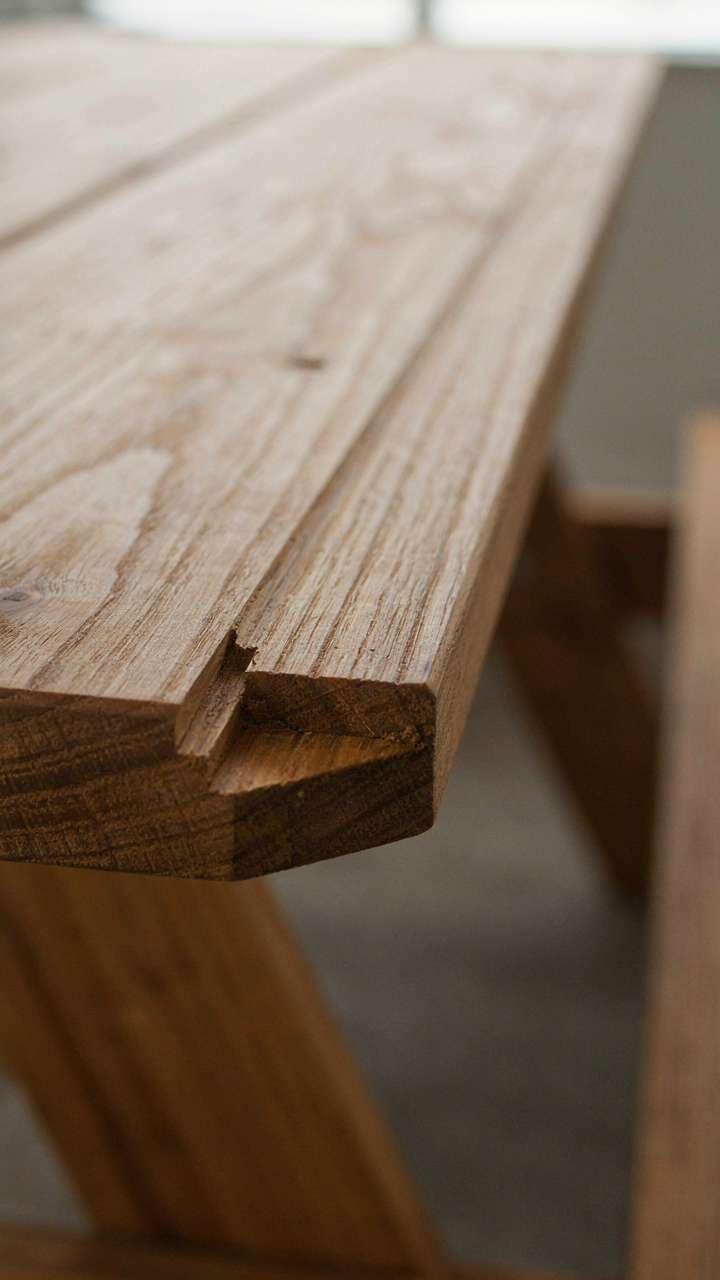
You want the table to look intentional, not like something that fell apart after one season. That’s not vanity—it’s the difference between a tool that works and debris. In structural engineering terms, a joint’s strength depends on the load path: how force travels through the connection. For low table picnic frames, the mortise and tenon joint distributes stress across grain rather than fighting it, which keeps legs from racking sideways when weight shifts.
The common advice says “use bolts and metal brackets.” That’s incomplete. Bolts work, but they require annual tightening because wood moves with moisture. A properly executed mortise and tenon joint actually tightens over time as wood settles. The shoulder of the tenon bears the load, not the fastener. Cut the mortise slightly deeper than the tenon is long, apply exterior wood glue rated for ground contact, and let it cure fully before use. This creates a single structural unit that doesn’t degrade from seasonal cycling.
Wood Selection: Moisture Resistance And Warp Prevention
The wood itself determines whether your table lasts three seasons or ten. Pressure-treated lumber is the default recommendation, and it’s not wrong—but understand what it actually does. Pressure treatment forces preservatives into the wood cells to stop rot, not to prevent warping. Warping happens when moisture content changes unevenly across the board’s width, and no chemical stops that. Teak, cedar, and cumaru resist both rot and moisture absorption, which is why they warp less. They cost more upfront but eliminate the real cost: replacing a table because one leg twisted inward.
Select boards with growth rings running perpendicular to the table’s plane, never parallel. Flat-sawn boards cup and twist. Quarter-sawn wood resists this because the grain runs vertically through the thickness. If you choose pressure-treated softwood for budget reasons, accept that you’ll need to sand and refinish every two to three years, or accept visible graying. The mechanism is simple: wood movement is inevitable, so either choose material that moves less or prepare to maintain the finish that protects what you chose.
The Anti Comfort Trap: Why Most Picnic Tables Fail
Where Standard Heights Betray You

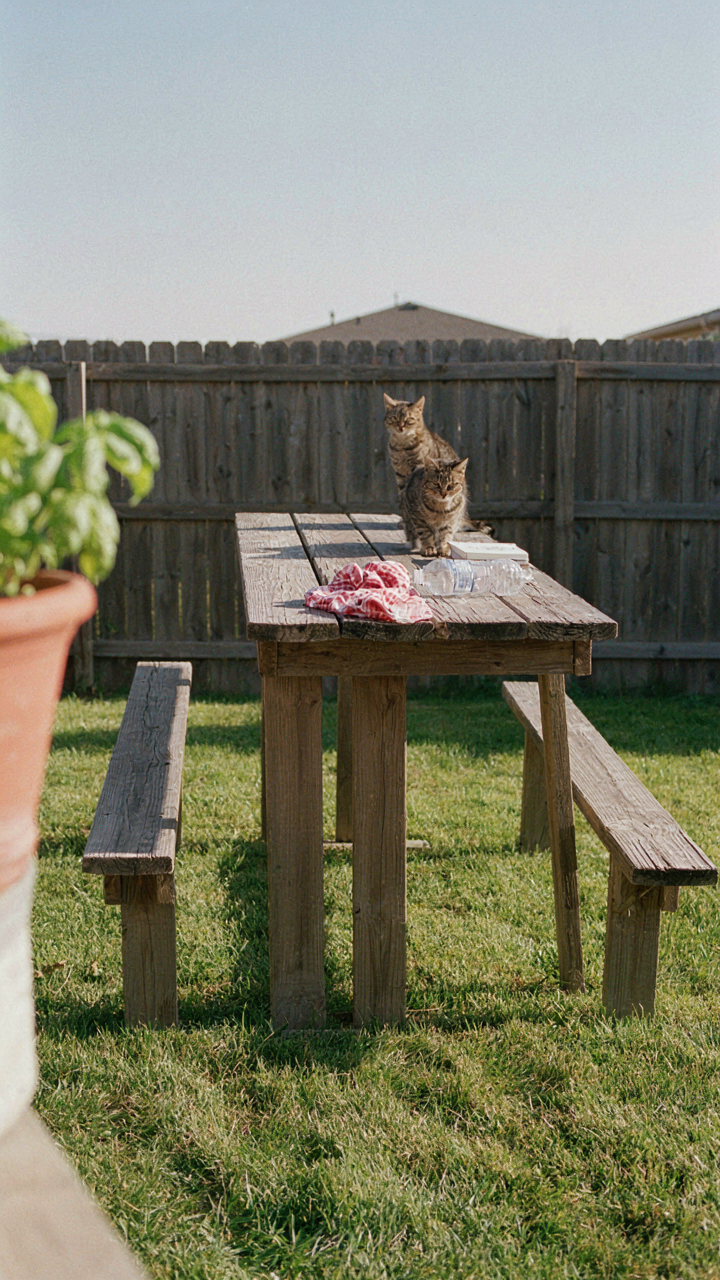
You want to believe a one size fits all table will work because buying is easier than thinking. Here’s what actually happens: most low picnic tables sit between 12 and 16 inches high, designed around average chair seating, not ground sitting. When you sit on the ground with legs extended or crossed, a table at chair height forces your shoulders up and forward. This creates the same postural load that kills your back after two hours at a desk. The mechanism is simple biomechanics. Your torso needs the table surface roughly at elbow height when seated on the ground. Standard heights miss this by inches, and inches compound into joint stress.
The real problem isn’t the table itself but the gap between how it was engineered and how you’re using it. Manufacturers design for people in chairs, where the seat height anchors the whole calculation. Ground sitting eliminates that anchor point. You end up hunching, which means your shoulders carry load instead of your spine distributing it. This is why people buy tables and abandon them after one or two outings. They blame comfort. They should blame design intent mismatch.
The False Economy Of Portability
Lightweight materials seem smart until you sit down and feel the wobble. Aluminum and thin wood tables prioritize transport over stability, trading structural rigidity for weight savings. When you’re on the ground, even small movements register as instability through your whole body. This isn’t a preference issue. Your nervous system reads wobble as threat and tenses muscles unnecessarily. You’re fighting the table the entire meal instead of relaxing into it.
The hidden cost is cognitive load. You can’t focus on food or conversation when part of your attention monitors whether the table might shift. Most people don’t name this. They just feel tired and attribute it to sitting on the ground. The table design created that fatigue. Heavier tables with cross bracing cost more upfront but eliminate this problem entirely. The weight becomes a feature, not a liability, because stability lets you actually rest.
Floor Table Deployment: The Operational Excellence Playbook

Scout The Ground First

You want this to feel effortless so people think you’re naturally good at logistics. That’s not what matters here. The mechanism is friction: terrain variability kills comfort faster than anything else, and most people refuse to spend fifteen minutes reading a site before setup. Ground slope, moisture retention, root systems, and wind exposure determine table stability before you place a single leg. Walk the perimeter. Press your boot into soil at three separate points. Identify where water pools after rain. Note tree canopy gaps that create cold spots or harsh sun angles.
Microclimate reconnaissance means checking wind direction and tree placement sixty minutes before guests arrive, not five minutes before. Wind funnels between structures and trees. Shade moves. Ground composition changes within ten feet. A low table deployed on compacted earth near a tree trunk sits stable while the same table twenty feet away on soft ground tilts under minimal weight. Record the specific setup location with a phone photo and GPS marker if this becomes a regular venue. Redeployment to identical microclimates eliminates trial and error on subsequent events.
Breaking Down Without Damage
The real cost of low table picnics isn’t setup. It’s the breakdown phase where people rush, stack components carelessly, and degrade joinery or finish. Treat breakdown like reverse assembly: reverse the order you deployed the table. Remove padding and cushions first. Photograph the table’s configuration before disassembly so you rebuild it identically next time. Wipe soil or moisture from legs with a dry cloth before storage prevents wood rot and rust on metal fasteners.
Store horizontal, never vertical, to prevent warping and stress on joints. Pad legs with foam or towels before stacking secondary pieces on top. Moisture management matters more than most people admit. Air dry table surfaces for two hours in sunlight if they absorbed ground dampness, then store in a dry location. Transport in a vehicle with consistent temperature to avoid wood expansion and contraction cycles that loosen joints over months. This protocol adds twelve minutes to breakdown and extends table lifespan by years.
Your Comfort Isn’t About Softness; It’s About Solving Structural Problems


Most people blame their back when a low table picnic fails. They blame the ground. They blame themselves for aging. Wrong. You failed because your body was fighting gravity instead of surrendering to it. Proper spinal alignment, solid table height, and real support transform ground sitting from punishment into preference. Stop chasing cushions. Start fixing your setup geometry today. Comfort isn’t a luxury you buy—it’s a structure you build.