The “Less Is More” Protocol For Festival Camping Hacks
Pack Only What Solves A Problem You’ll Actually Face
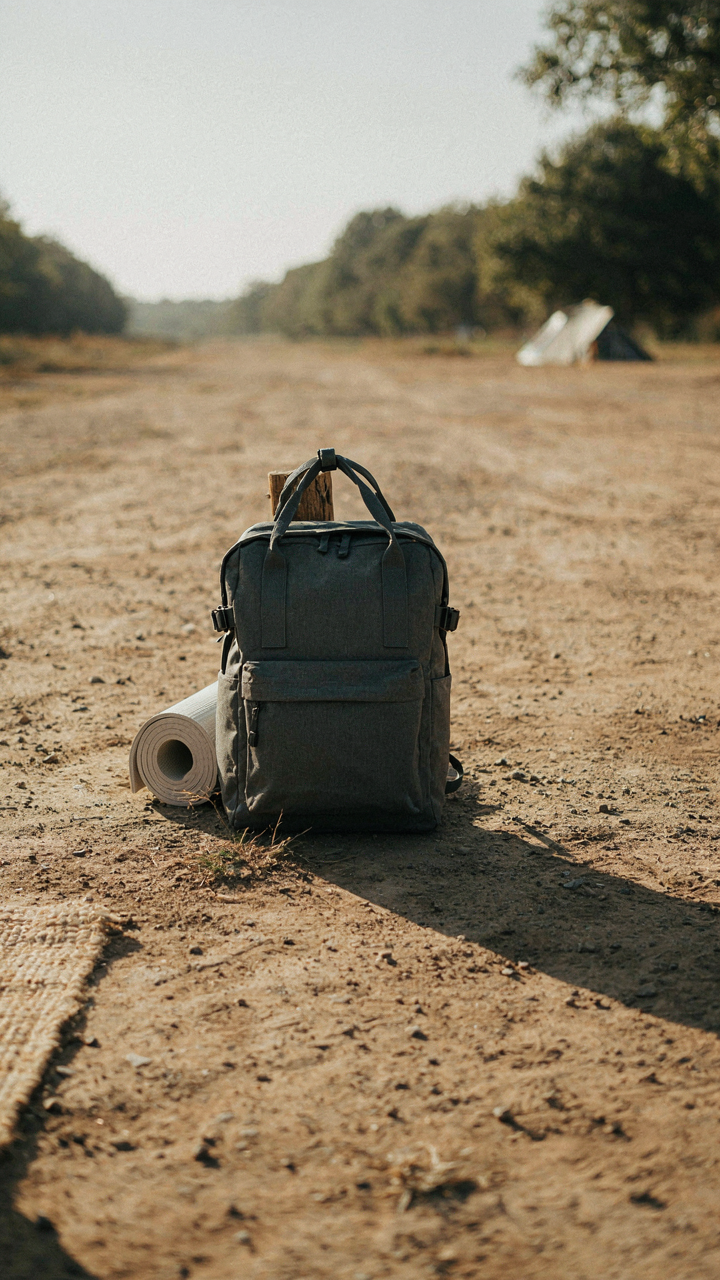
You want to feel prepared so you don’t panic. That fear drives you to overstuff your bag with contingencies that never materialize. The real mechanism is constraint. Scarcity forces prioritization. When you have limited space, you stop packing “just in case” and start packing “I will definitely need this.” This is how military units pack for deployments. They list actual scenarios, not hypothetical ones.
Most festival campers bring twice what they use. The difference between them and smart packers is simple: smart packers only add an item after naming the specific moment they’ll need it. Not “I might get cold.” But “Saturday night after 2 AM when the temperature drops and I’m sitting still.” That specificity kills the fluff. You pack a lightweight layer. You skip the three backup outfits.
Gear That Does Two Jobs, Not Ten That Do One
Single-purpose tools are comfort disguised as preparedness. They feel good to own. They solve nothing efficiently. A microfiber towel dries your body, wipes down your tent condensation, and serves as a small ground cover. A bandana handles sweat, dust, sun protection, and ties gear together. A Nalgene bottle holds water, doubles as a makeshift washbasin, and sits in your lap for temperature regulation when filled with cold water at night.
The constraint here is real estate in your pack. When you acknowledge that space costs weight and weight costs energy, you stop tolerating waste. Each item earns its place by serving minimum two functions. A headlamp with a red light mode works as your reading light and doesn’t destroy your night vision when you move through camp. This isn’t about being clever. It’s about respecting the fact that you’re carrying everything on your back.
Beyond Wipes: True Hygiene At Your Campsite
Water Rationing Beats Random Showers

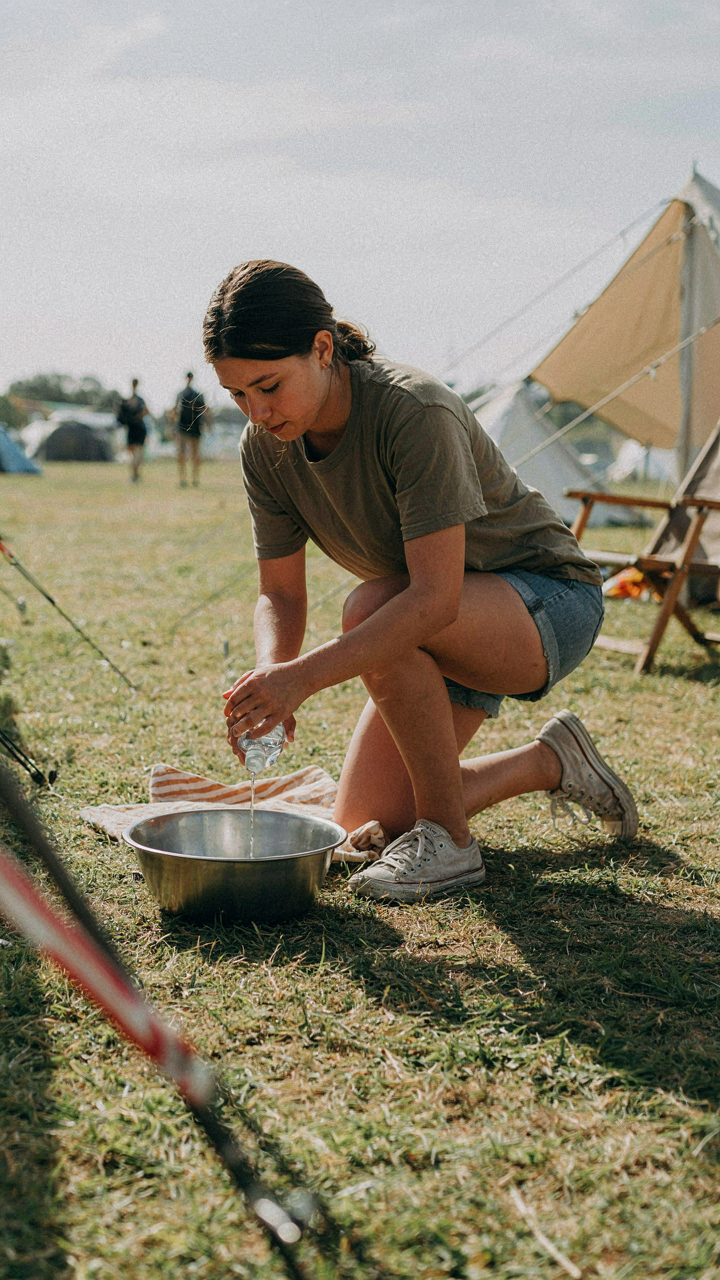
You want to feel clean because you’re around strangers and your brain equates dirt with low status. The real mechanic isn’t about bathing frequency. It’s about water placement and reuse. One gallon strategically deployed beats five gallons wasted on a full shower you don’t need. Bring a collapsible basin, fill it once, and use that same water for face, hands, and armpits in sequence.
This approach works because you’re not fighting physics. Hot water opens pores and removes oils. Cold water closes them back. A targeted washdown with cool water on high-sweat zones accomplishes hygiene without the dehydration that comes from full-body showers in heat. Fill your basin at night when temperature drops. Wash, let skin dry, then sleep. You wake cleaner than someone who rushed through a morning shower.
Military Sanitation, Applied To Camps
The military calls it “field sanitation discipline.” It’s not about cleanliness theater. It’s about contamination vectors. A festival campsite has three: human waste, water sources, and food preparation zones. Separate these physically. Dig or use a camp toilet at least 200 feet from your water supply and cooking area. Establish a one-way flow: water in, use, waste out.
Hand sanitizer works because it kills the pathogens that travel. But it fails if you touch contamination first, then your face. The mechanism is contact prevention, not sterilization. Keep a small bottle at your cooking zone and at the portable toilet. Use it before handling food and after bathroom visits. This single protocol prevents ninety percent of festival camp illnesses. No exceptions, no shortcuts.
Passive Cooling: Defeating The Sun Without Power
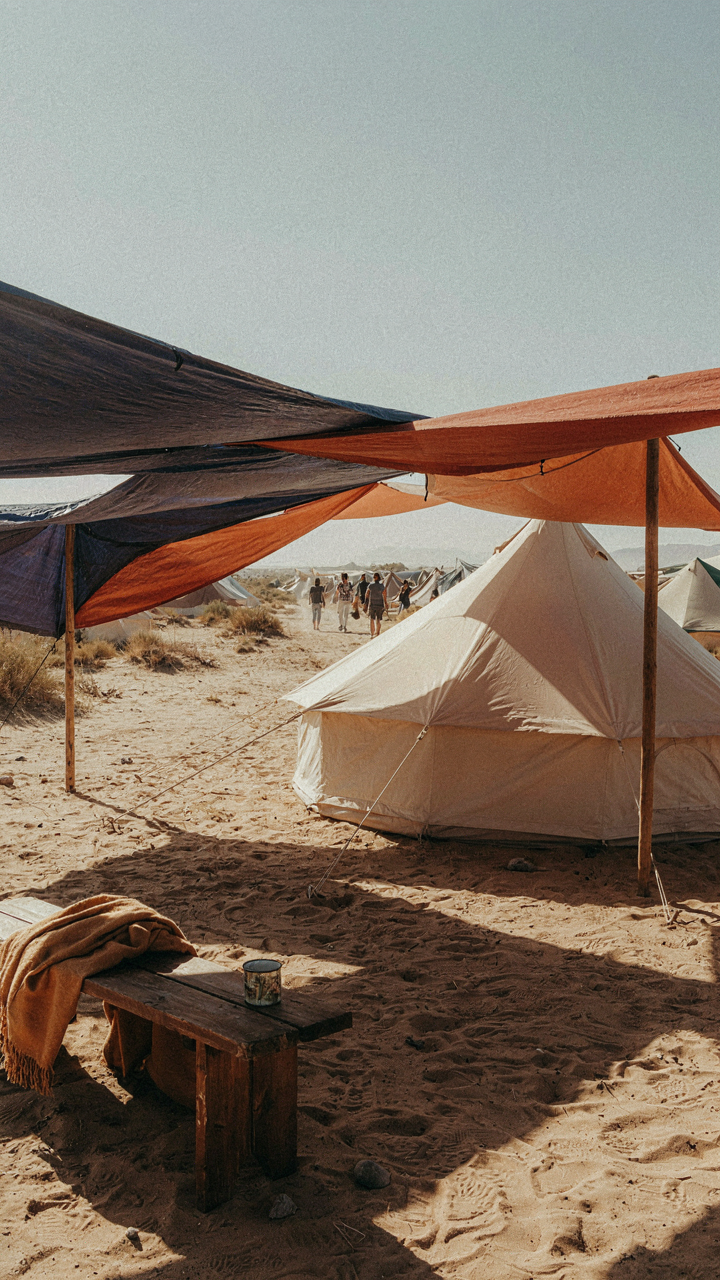
Shade Structure Geometry
You want to stay cool without looking like you’re suffering. That’s the real reason you’re reading this. The mechanism is simple: shade geometry determines how much direct radiation your tent actually receives, and most people position their shelter like they’re choosing a parking spot blindly.
Physics treats radiation in layers. The sun’s path moves predictably across the sky. A tent positioned with its long axis running north-south blocks more afternoon heat than one running east-west. The shadow cast by your tent structure is your only passive defense against 100-degree ground temperatures. Orientation matters more than the tent’s color.
Airflow Dynamics For Tent Ventilation
Tent ventilation isn’t about “letting air in.” That’s lazy thinking. Fluid mechanics calls this “pressure differential,” and the same principle moves air through a canyon or across a festival field. Your tent needs both an intake and an exhaust. Heat doesn’t leave a space because you want it to. It leaves because you’ve created a pressure imbalance that forces it out.
Position your tent’s door downwind and slightly elevated if the terrain allows it. Open vents at the tent’s peak to create upward flow. Warm air rises and exits through top vents while cooler air enters low. This cross-ventilation pattern isn’t optional. Without it, you’re storing heat inside a sealed box, and no amount of fanning changes that physics.
The Unseen Enemy: Dust & Mud Management (Festival Camping)
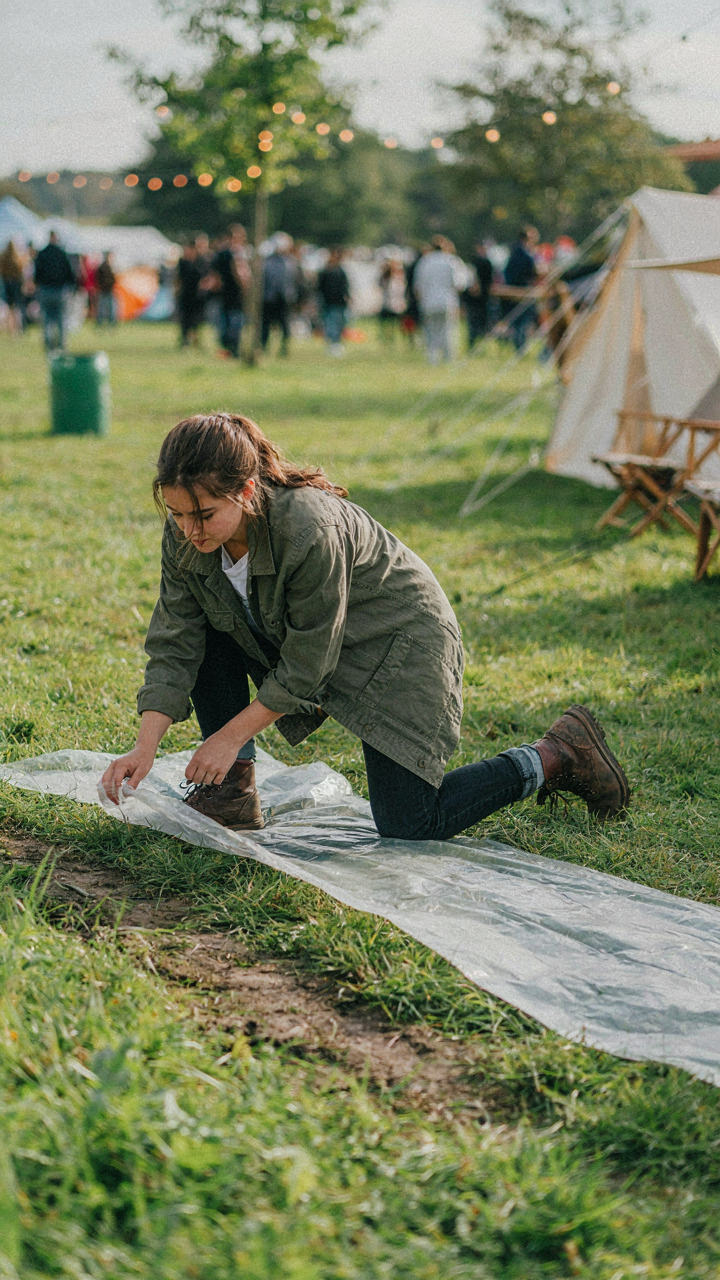
Where You Place Your Tent Matters More Than What You Bring
You care about this because mud and dust destroy the one thing you can’t replace at a festival: your comfort during downtime. The mechanism is simple site selection. Think like a hydrologist mapping water flow. Mud concentrates where water collects, and dust settles where foot traffic creates channels. Most people set up wherever they find space. That’s the mistake.
Identify the highest point in your immediate area, even if it’s subtle. Tents placed on slight elevation shed water naturally and stay drier longer. Check the ground texture before driving stakes. Clay soil holds moisture and turns to slick mud; sandy or rocky ground drains faster. Position your tent perpendicular to the main pathways between stages and facilities, not parallel. This cuts foot traffic contamination by half. The difference between muddy and dry stakes comes down to three feet of position change.
Boot Protocol Stops Contamination At The Entrance
Don’t believe the generic advice about wiping feet on grass. It doesn’t work. You need a physical barrier between outside and inside. Use a dedicated pair of camp shoes or flip-flops that never leave your tent zone. Wear your festival shoes only when you leave the immediate campsite. This isn’t about being clean, it’s about compartmentalizing filth so it doesn’t spread.
Before entering your tent, remove footwear outside and place it sole-up on a designated mat or cloth. Designate one small area as the mudroom, even if it’s just a tarp corner. Keep a water container nearby so you can rinse boots if needed without tracking liquid inside. Your tent floor stays dry and intact when contamination never crosses the threshold. One protocol applied consistently eliminates ninety percent of the internal mud problem.
Food & Drink: Smart Sustenance, Not Just Snacks
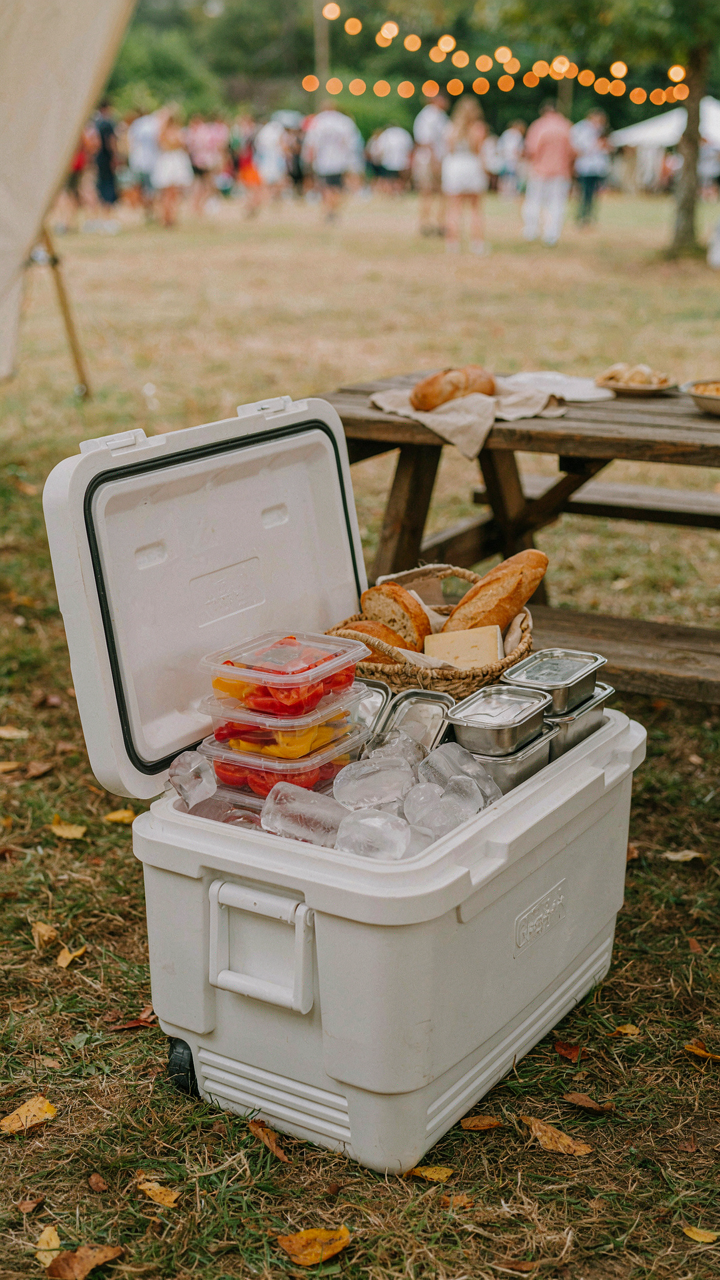
The Cooler Is Your Temperature Protocol

You want to look like you have your life together while eating better than everyone else around you. The real mechanism here is thermal mass—the cooler operates like a heat sink, and ice is your working medium, not your goal. Most people pack ice on top and wonder why their food spoils by day two.
Freeze your water bottles before arrival and layer them as insulation beneath everything else. This reverses the melt sequence: ice melts from the bottom up instead of abandoning your food the moment the surface thaws. Replace bottles every morning. A full cooler stays cold longer than a half-empty one because there’s less air to heat. Pack it the night before you leave and keep it in shade during setup, never in direct sun even if it looks convenient.
Meals That Don’t Require Fire Or Waste
The common advice here is lazy: “just bring sandwiches and energy bars.” That fails because bread goes stale or moldy by day two, and you’ll waste half of what you bring. Build meals that require zero cooking and break down into their component parts so you eat what you actually want instead of forcing down bloated leftovers.
Bring individually wrapped cheese, cured meats, nuts, crackers, and fresh vegetables that last without refrigeration for 48 hours: carrots, bell peppers, cucumbers. Layer these into meals at each eating window instead of preparing one large batch. Pre-portion everything into reusable containers. Drink electrolyte-heavy beverages rather than plain water to offset sweat loss during heat exposure. Eat salt with every meal—your body needs it and festivals dehydrate you faster than you notice.
Sleep Sanctuary: Optimizing Rest In Chaos (Festival Camping Setup)
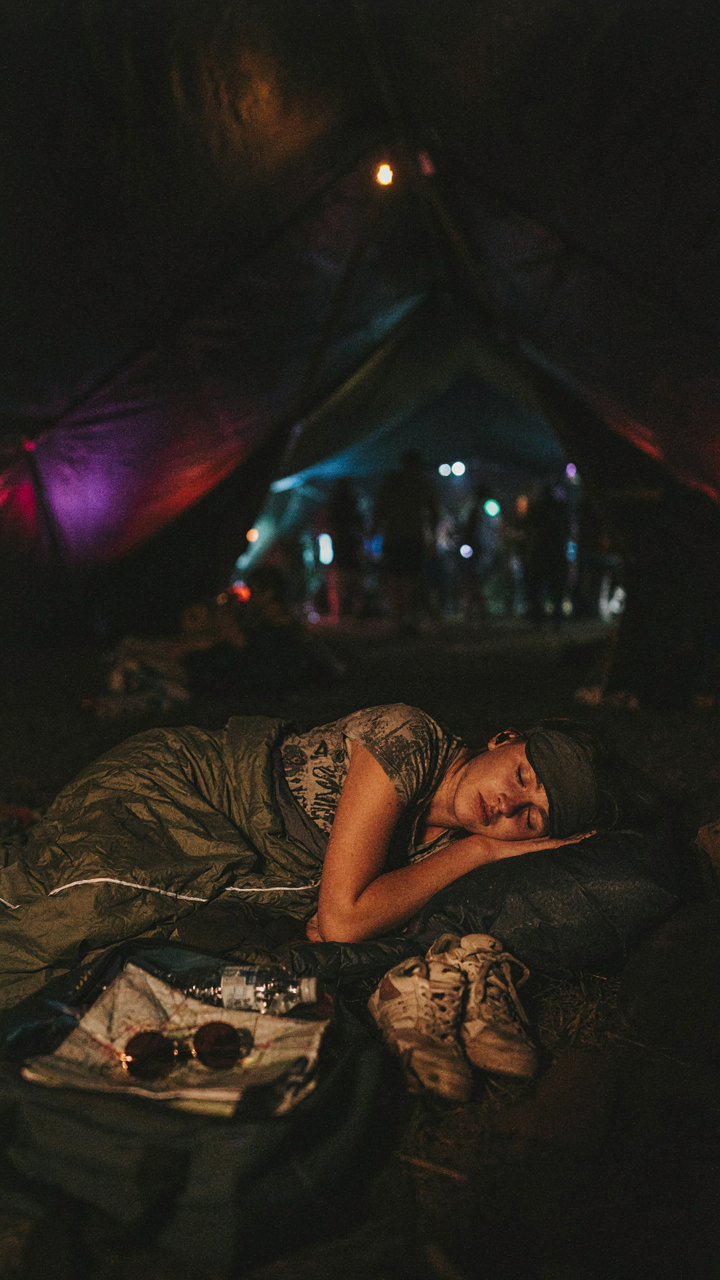
Blocking Sound And Light Without Gear

You want to sleep through a 3 AM rave without looking paranoid when you wake up. The mechanism is simple: your brain doesn’t actually need total silence or darkness to sleep, it needs predictable sensory input. Novel noise disrupts sleep. Predictable noise doesn’t.
White noise machines or apps playing consistent ambient sound (rain, static, fan noise) mask the irregular peak-and-valley of festival noise. Your brain stops processing it as a threat. Earplugs work, but cheap foam ones shift during sleep and create dead spots where you hear every bass hit. Musician’s earplugs (vented, not sealed) reduce volume while maintaining sound quality, so your brain processes it as less jarring. A sleep mask blocks light without creating pressure that wakes you on hot nights. The real win is layering these: predictable sound plus light blocking plus a familiar pillow from home creates enough sensory consistency that your nervous system doesn’t stay in alert mode.
Elevation Changes Everything
Ground pads trap moisture and heat directly under your body. Elevated cots use air circulation, which solves the core problem nobody names: you’re not actually cold at festivals, you’re damp. Dampness creates the illusion of cold by breaking your insulation layer.
Cots cost thirty to eighty dollars and weigh four to six pounds. They pay for themselves in one night of actual sleep. A camping cot lifts you six to ten inches off the soil, allowing air to flow underneath and evaporate sweat before it pools. Sleeping pads on the ground do the same job partially, but only if you flip them and air them out repeatedly, which defeats the point of minimal effort. Your body temperature drops naturally when air moves across skin. Elevation isn’t luxury, it’s thermodynamics. Bring a cot.
The Post Festival Reintegration
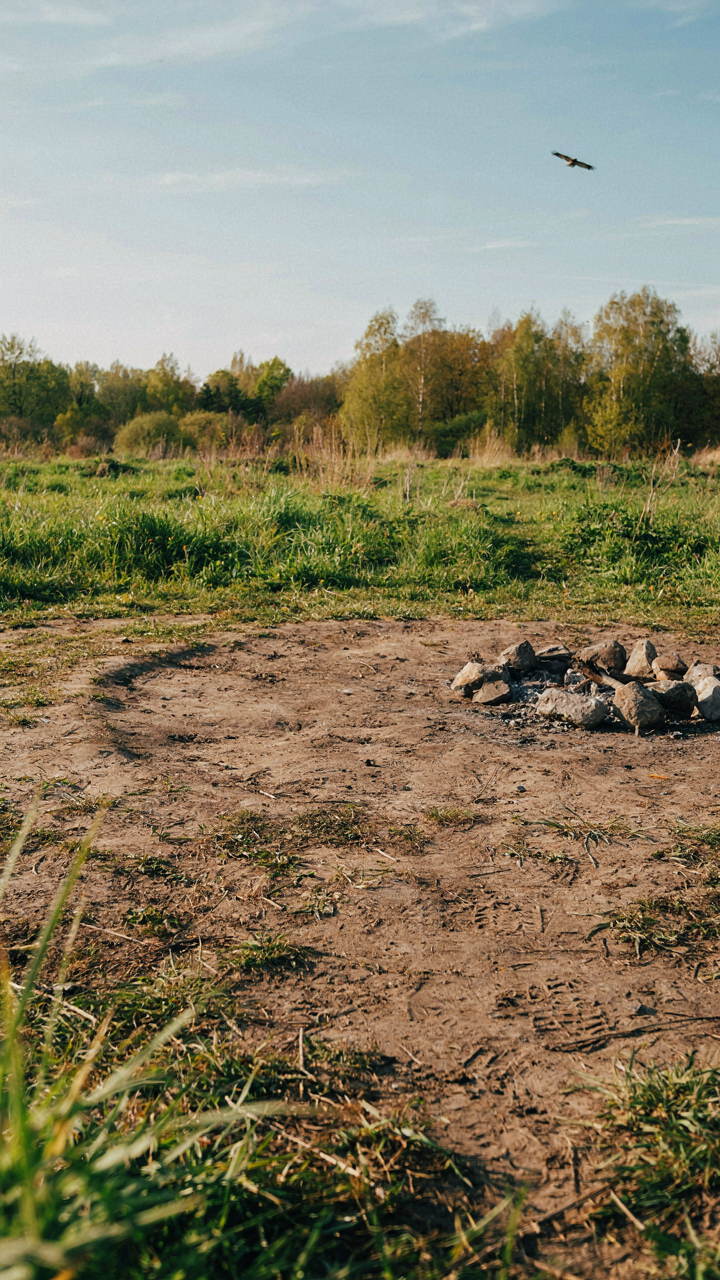
Breaking Down Your Setup Without Creating Chaos
You want to leave looking like you were never there because deep down you’re afraid the festival grounds will become a dumping ground and you’ll be complicit in that. The real mechanism is this: camp breakdown follows the reverse sequence of setup, but only if you predetermine zones before you pack. Designate a trash zone, a recycling zone, and a gear staging area the moment you wake up on your last day. This prevents the cognitive load of deciding what goes where when you’re tired and hungover.
Most people treat pack-down as an afterthought. It’s not. Start by collecting all trash into one central point, separating recyclables immediately. Wet gear goes into a dedicated dry bag or sealed container to prevent cross-contamination with clean items. Fold the tent only after it dries completely or seal it damp in a breathable bag to prevent mold before you get home. Your timeline compresses fast on festival exit days. Work backward from your departure time and give yourself twice the time you think you need.
Reclaiming Your Gear And Body
Decontamination isn’t about being clean. It’s about preventing equipment degradation and reducing the fungal and bacterial load that turns festival gear into a biohazard. Spray down your tent exterior with fresh water before you pack it to remove dust, mud, and particulate matter that will set into the fabric if allowed to dry. Air dry it vertically or lay it flat in a shaded area for at least two hours, more if humidity is high.
Your body requires the same systematic approach. Rinse off in a festival shower or public facility before you leave, prioritizing your face, underarms, and groin where bacteria concentrates fastest. Wet wipes aren’t enough for full decontamination but they work as a holding action if showers aren’t available. Change into clean clothes immediately. The physical barrier prevents bacteria from establishing on your skin during the drive home, where you’ll spend hours in heat and friction without airflow. This isn’t vanity. It’s microbial management with direct consequences for skin infections and athlete’s foot prevention.
The Anti List: What NOT To Bring (Festival Packing List)
Gear That Backfires On You

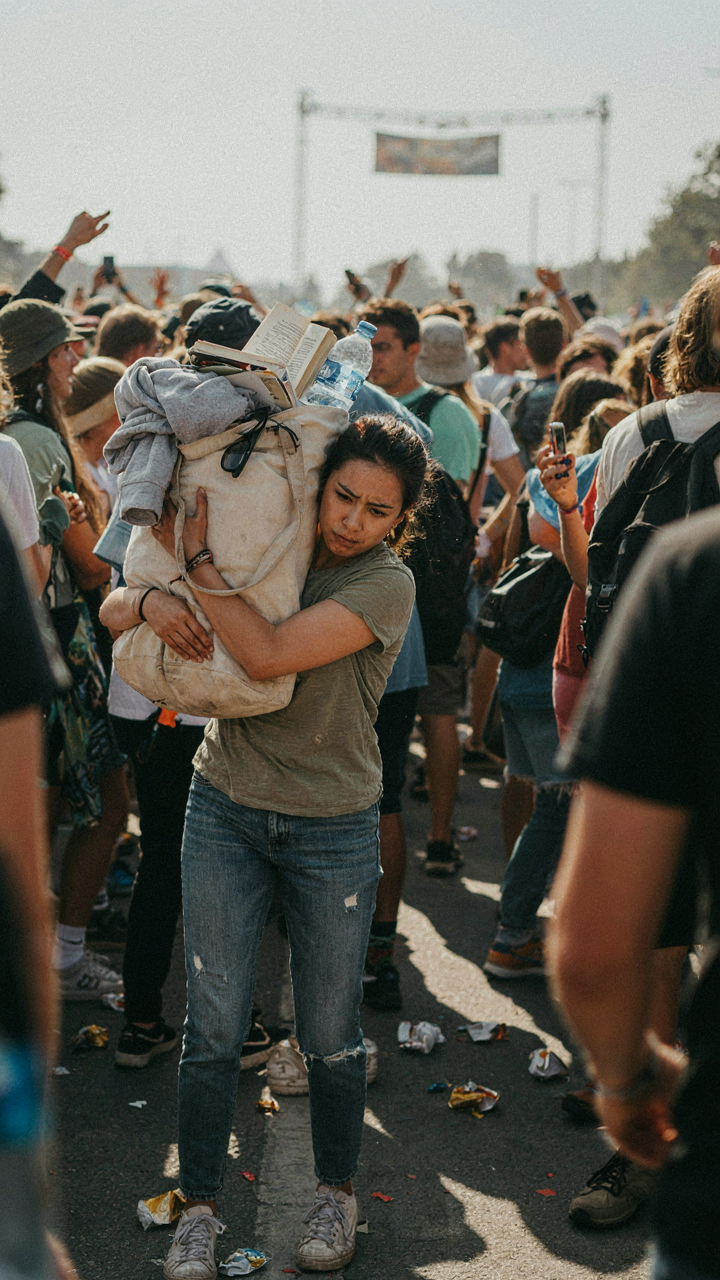
You want to feel prepared. That’s why you pack things that sound useful but sabotage you instead. The mechanism is simple: festival environments amplify friction. An item that causes 2% drag in normal life causes 20% drag when you’re dirty, tired, and packed into a muddy field with ten thousand people. Weight, bulk, and maintenance needs compound faster than you think.
- Full-size pillows: Take up tent space, absorb moisture, and mildew within hours. A compressed camping pillow weighs ounces and dries overnight.
- Cotton clothing of any kind: Retains sweat and moisture. Once wet, it stays cold against your skin and takes forever to dry. Synthetic or merino wool only.
- Heavy coolers: Festival sites are compact. A cooler becomes a limb you have to drag everywhere. Use frozen water bottles in a small bag instead.
- Multiple pairs of shoes: One pair of waterproof boots handles mud. Sneakers add weight and take up precious bag space. Commit to one.
- Hairdryers and hair tools: No power source where you’ll camp. They consume battery faster than anything else and occupy luggage real estate for zero payoff.
The real constraint isn’t what you want to bring. It’s what your body can physically move and your tent can hold without collapsing into claustrophobia. Every item competes for resources. Choose ruthlessly.
Essentials Disguised As Optional
Most festival packing advice inverts the problem. People debate whether to bring things they don’t need while skipping what actually matters. The difference between essential and perceived necessity comes down to one test: does this prevent a concrete problem or just feel safer? Bring what solves friction. Skip what strokes ego.
Sunscreen isn’t optional. Dehydration isn’t a badge of honor. A basic first aid kit prevents hours of misery. A headlamp changes your entire night experience. Wet wipes save your sanity. These aren’t luxuries. They’re operational requirements. Everything else is negotiable. Strip your packing list to items that directly address heat management, hygiene, hydration, and sleep quality. Leave the rest at home.
The Real Obstacle Isn’t The Festival; It’s Your Addiction To Unnecessary Complexity
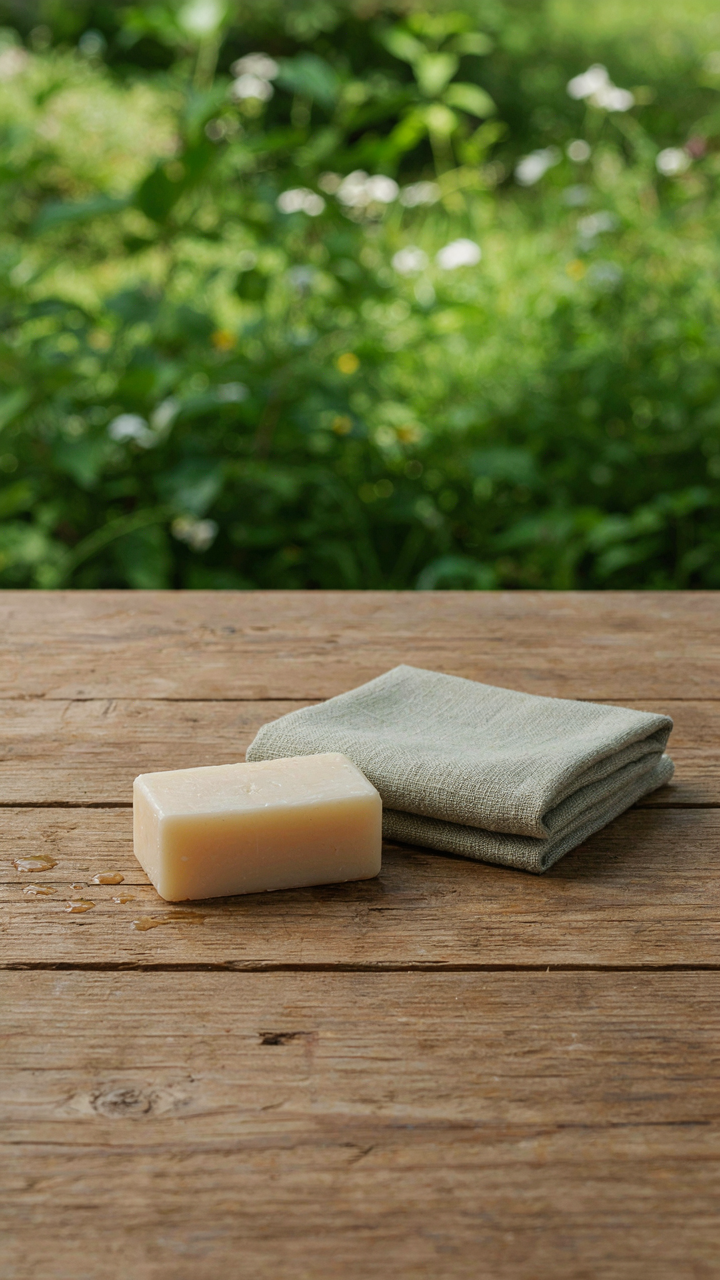
You don’t need twelve products and a spreadsheet to stay clean at a festival. You need ruthless elimination. Most people fail because they overthink it. They pack too much, they plan too hard, they expect perfection in a mud pit. The real festival camping hack is accepting that comfort lives in constraints, not in hoarding solutions. Today, grab one dry bag, one washcloth, and one bar of soap. Go to the festival and prove to yourself that less actually works. Simplicity isn’t boring; it’s the only strategy that survives contact with reality.