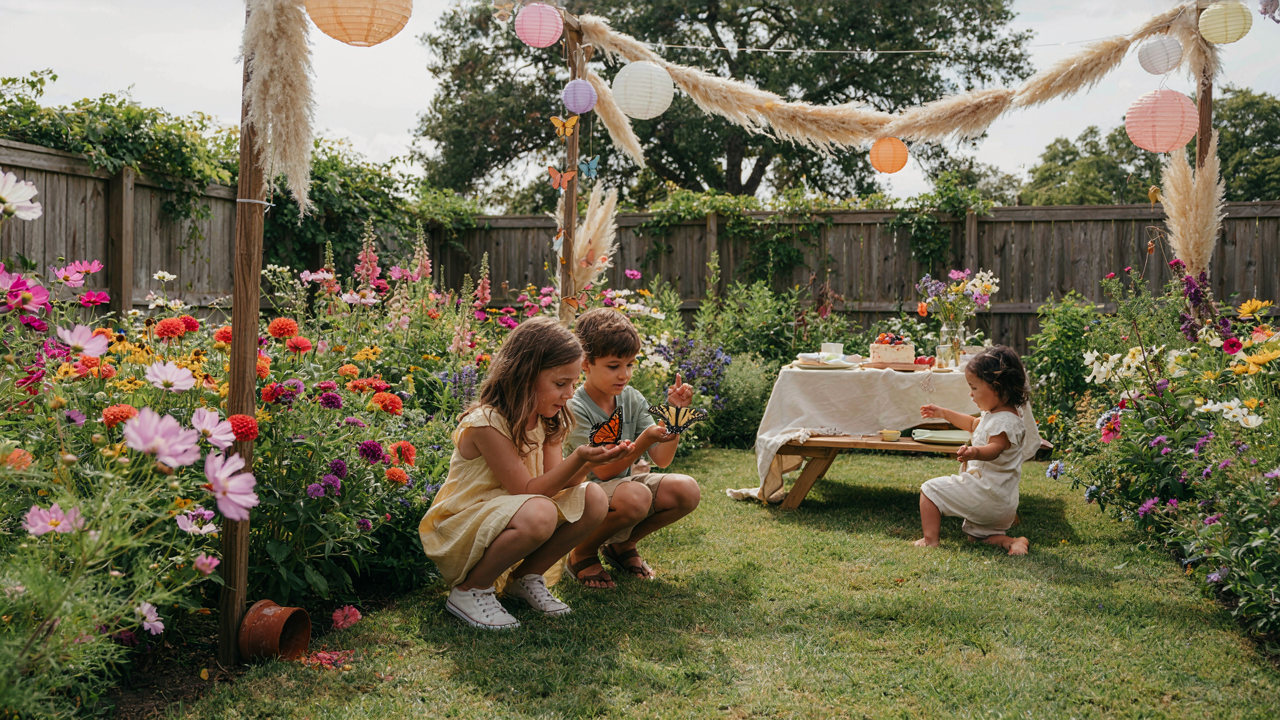
The Authenticity Imperative: Why Fake Butterflies Fail
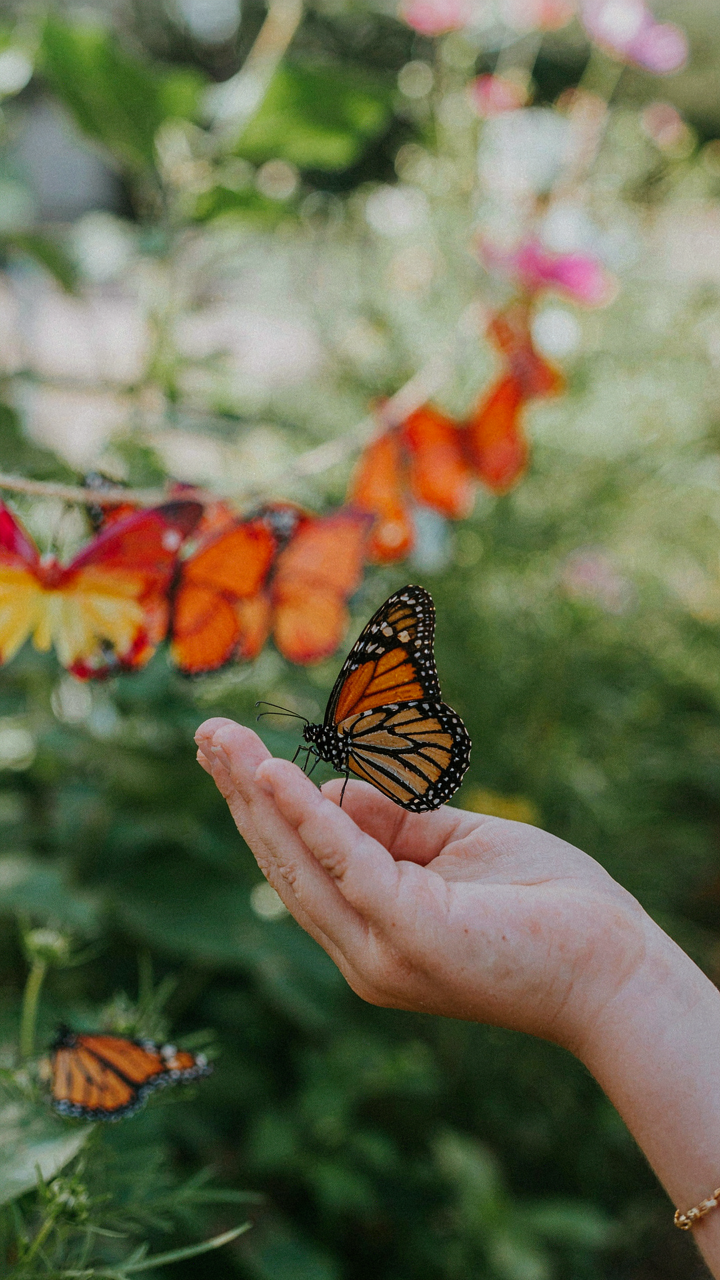
Theme Versus Reality
You want the party to look intentional and expensive without doing the actual work. Here’s the mechanism: a themed environment signals status only when guests believe you built something real, not assembled a costume. Fake butterflies broadcast “I bought a kit” the moment someone touches one. Real butterflies—whether living specimens or high-fidelity taxidermy—require knowledge, timing, and actual resource commitment. That’s what reads as intentional.
The difference operates like ecological hierarchy in nature: organisms occupy specific niches because they fit environmental conditions, not because they look the part. A plastic butterfly hung from fishing line occupies no niche. It’s visual noise that undermines the entire premise of a garden-themed event. Guests sense this immediately, even if they can’t articulate why. The party either has weight or it doesn’t. Fake butterflies are weight-bearing walls made of foam.
Garden Authenticity Without Misrepresentation
Most birthday party guidance tells you to “create a magical garden” with whatever materials feel festive. That’s backwards. Misrepresenting what a garden actually is—a system with living plants, soil, and real pollinators—teaches children the wrong baseline for nature. You’re not protecting them from “boring reality” by swapping it for plastic. You’re setting up a false equivalence that makes real gardens seem less impressive later.
The protocol is simple: either commit to living butterflies (native species released during or after the party, sourced from legitimate breeders), use historically accurate pressed butterfly specimens under glass, or build a garden environment that functions without butterfly decoration at all. Plant native host plants where butterflies actually lay eggs. Let that be the activity. Children remember what they did, not what hung from the ceiling. The garden becomes the teacher, not the decor.
The Pollinator Protocol: Crafting A Living Ecosystem
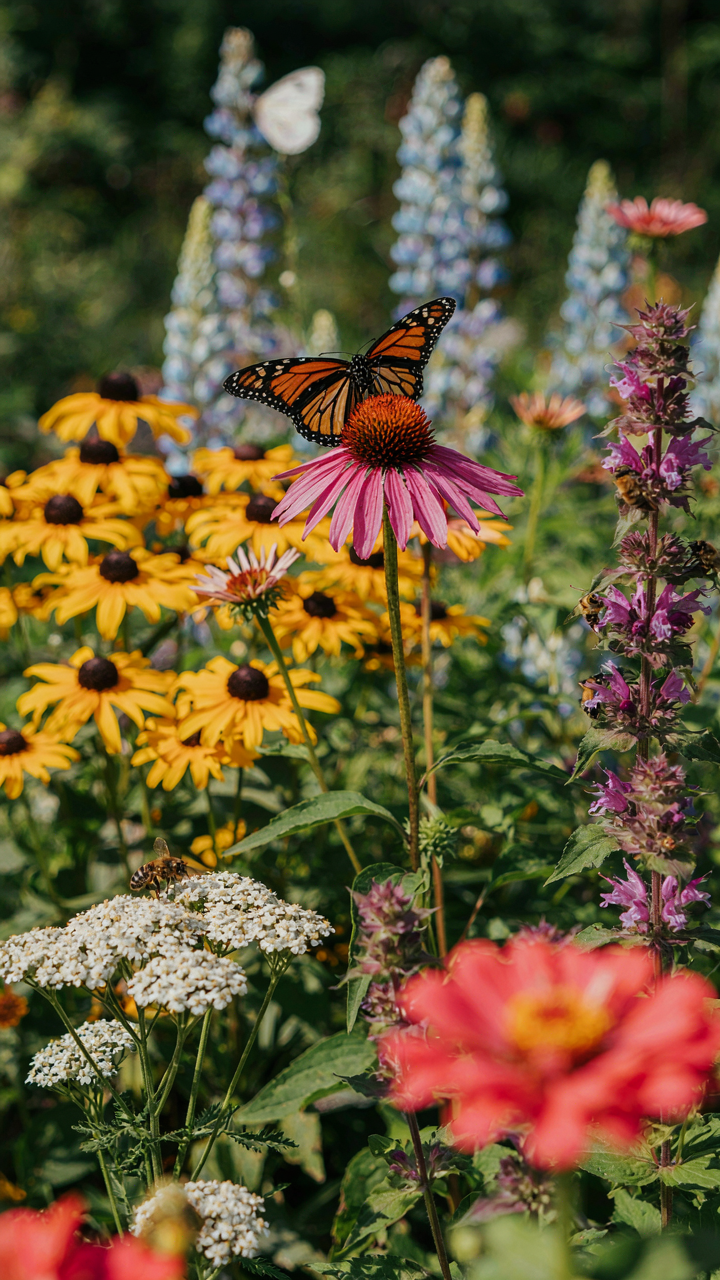
What Butterflies Actually Need To Survive

You want this party to feel alive and memorable, which means you need butterflies present—not just decorations. Ecology has a foundational principle called “niche,” and your butterfly garden birthday party is only viable if you create the specific niche butterflies require to land, feed, and stay. A decorative garden fails. A functional one delivers.
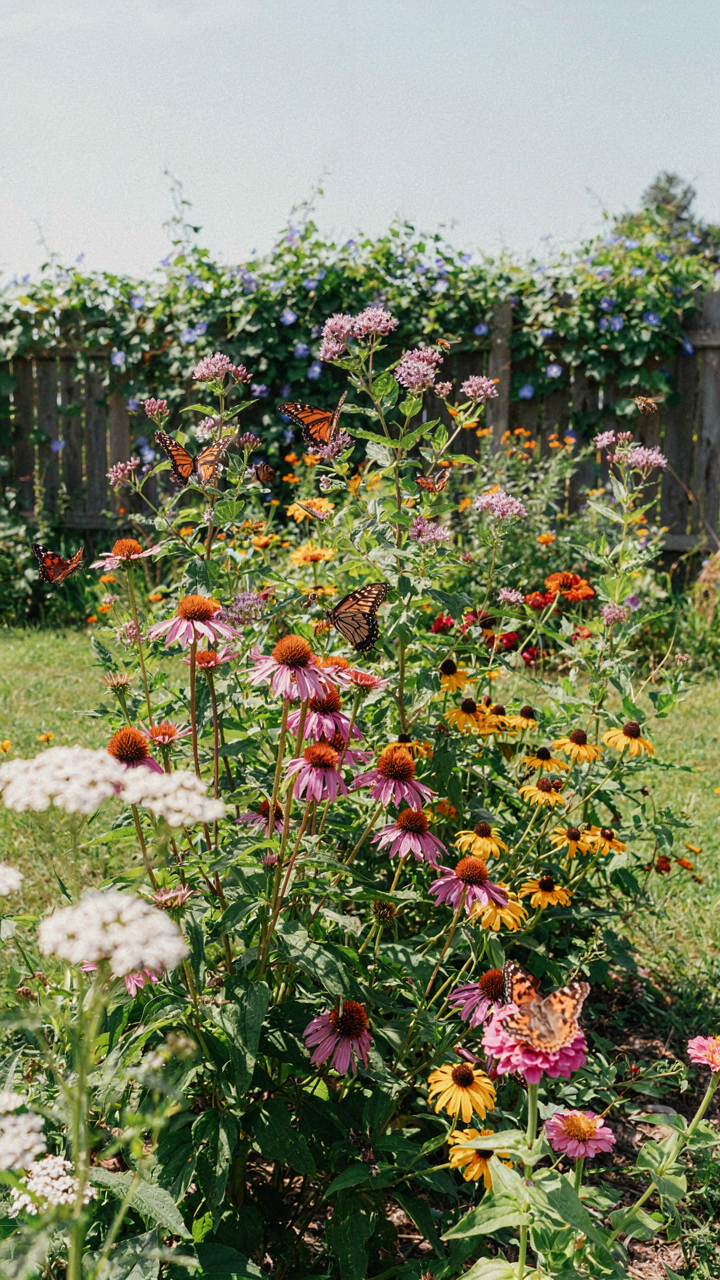
Butterflies need three things: host plants for caterpillars to eat, nectar sources for adults to drink, and shelter from wind and predators. Host plants are non-negotiable. Common varieties include milkweed for monarchs, parsley for swallowtails, and nettles for tortoiseshells. Without these, you have no breeding cycle and butterflies will pass through without lingering. Nectar plants like zinnias, coneflowers, and verbena keep adults fed. Shelter means dense shrubs, tall grasses, or structures that break wind patterns and provide landing zones.
The Chemical Boundary You Must Draw
Most party planners poison the entire setup without realizing it. They spray for mosquitoes, use treated lawn chemicals, or apply insecticides to “protect” the garden. This eliminates butterflies entirely. The mechanism is direct: pesticides kill the caterpillars and adults alike, and residual toxins persist in plants for weeks.
Your only chemical tool is restraint. Stop all pesticide applications at least three weeks before the party. Remove treated mulch and replace it with untreated wood chips or bark. Check any flowering plants you purchase to confirm they weren’t pre-treated. Fertilizers are fine. Herbicides are not. The boundary is simple: nothing that kills insects should touch the garden or surrounding area.
Beyond Pastel Flowers: Strategic Color Theory
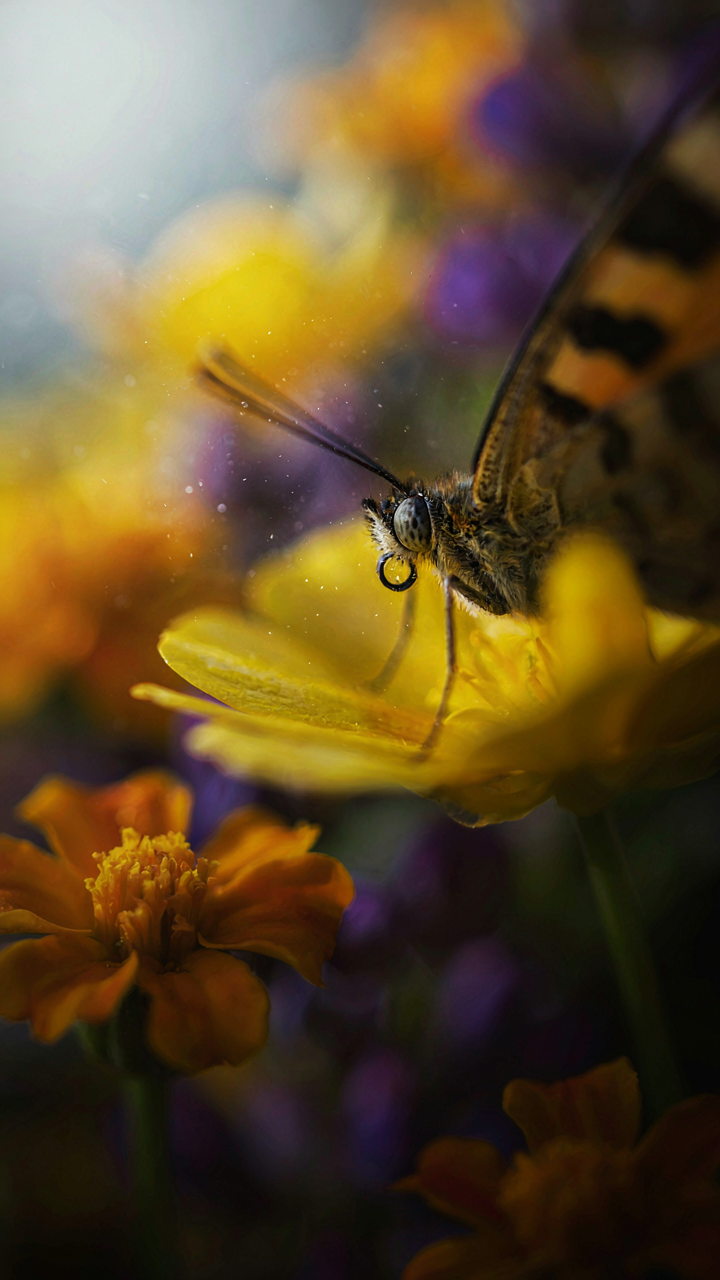
What Butterflies Actually See

You want the garden to look good in photos so guests think you planned something sophisticated. Here’s the actual mechanism: butterflies don’t see red. Their visual range starts at yellow and extends into ultraviolet, a spectrum human eyes cannot access. This gap between what you design for and what attracts the actual butterflies creates the real leverage point.
Monarchs, swallowtails, and most garden species navigate by ultraviolet patterns on flowers combined with yellow and orange wavelengths. Your pastel pink and white arrangements are largely invisible to them. The flowers bloom anyway because they’ve evolved those UV patterns for pollinator targeting, not human aesthetics. Position your nectar sources where butterflies will actually land, not where your camera angle works best.
High Contrast Plant Placement
The common advice about “mixing colors” is vague and useless. What matters is contrast ratio, the principle borrowed from visual design that measures the difference in luminance between adjacent elements. A pale yellow flower against pale green foliage produces near-zero contrast. A deep orange zinnia against that same green creates immediate visual separation that butterfly eyes process as a landing target.
Plant dark purple coneflowers next to bright yellow rudbeckia, and space them close enough that a butterfly can move between them without crossing open ground. Butterflies use high-contrast edges as navigation cues, not as decoration. This clustering mechanic reduces their energy expenditure during feeding and increases time spent in your garden. That behavioral shift is what creates the visible abundance guests actually photograph.
The Metamorphosis Mechanic: Unveiling Nature’s Design
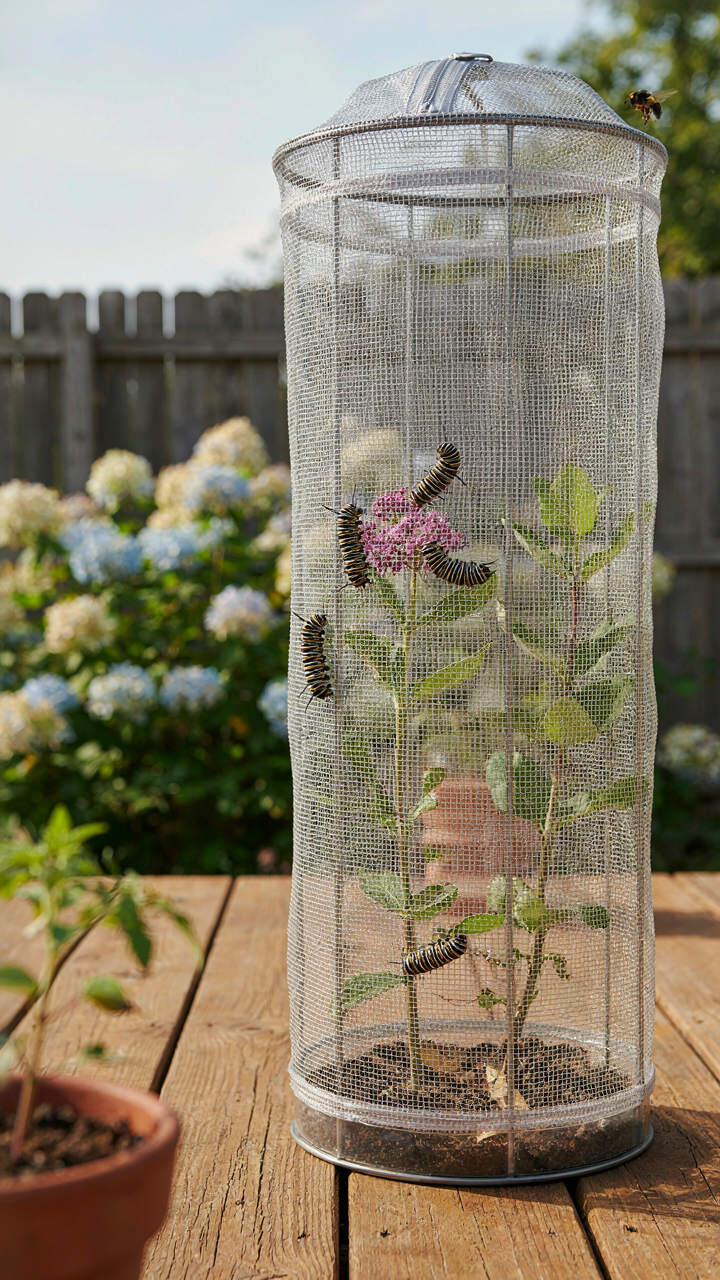
Building The Caterpillar Container

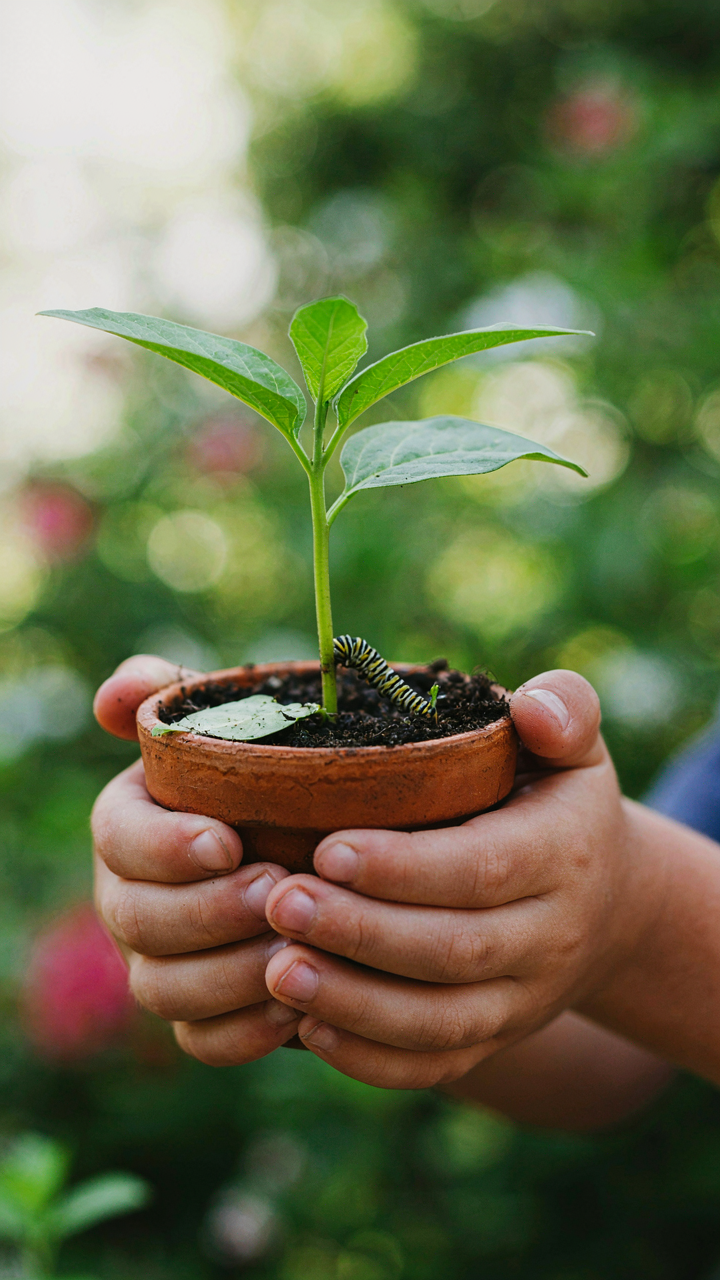
You want this section because you’re worried the setup looks amateur and ruins the whole event’s credibility. Here’s what actually matters: biology demands specific conditions, and the container is the system that delivers them. Caterpillars need host plants, airflow, and containment. A mesh cage or clear plastic enclosure works. Milkweed is the only plant monarch caterpillars eat—not a preference, a requirement. Stock the container with fresh plant cuttings in water (change daily to prevent mold), add a paper towel base to absorb moisture, and drill or cut small ventilation holes in the lid. Temperature between 65 and 80 degrees keeps them moving.
The caterpillar habitat succeeds or fails based on one overlooked detail: humidity control. Too wet breeds fungus and kills the colony. Too dry stresses the caterpillars and halts their feeding. Mist the enclosure once daily with a spray bottle, never saturate it. Check the water bottles holding the plant cuttings daily—dried stems mean caterpillars starve within hours. Guests notice a living, active caterpillar habitat more than any decoration because it proves you actually understand what you’re showing them, not just staging it.
Watching The Chrysalis Stage With Intention
The chrysalis phase is where most people mess up because they treat it as observation theater rather than a transformation window that demands respect. In entomology, metamorphosis is a complete reorganization of tissue at the cellular level—the organism liquefies and rebuilds. Once a caterpillar forms a chrysalis, the process is irreversible and fragile. Placement matters. Chrysalises need to hang undisturbed from silk pads they create themselves. Vibration, handling, or relocating them kills the pupae inside. Set the chrysalis location before guests arrive, mark it clearly, and enforce a no-touch rule with visible signage or direct instruction.
The real mechanism isn’t teaching kids about transformation—it’s teaching them what respect for process looks like. Butterflies emerge unpredictably over 7 to 14 days depending on species and temperature. Document the timeline on a simple chart so guests understand they’re witnessing something that can’t be rushed or controlled. When the butterfly emerges, wings will be wet and crumpled. Guests should observe this from distance for 2 to 4 hours while the insect hardens its wings and inflates them with hemolymph. Only after wings fully dry and harden does the butterfly need to feed or be released.
Engineered Serenity: Soundscapes For Butterflies And Guests
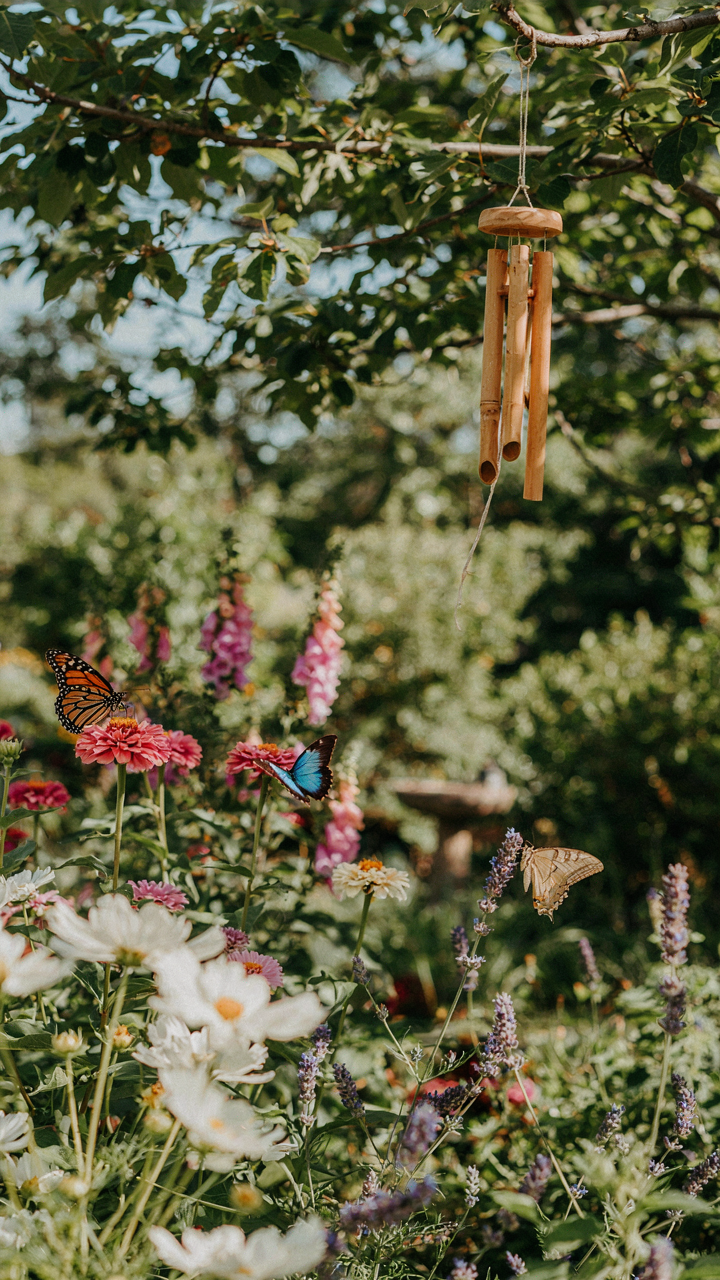
The Noise Problem Nobody Names

You want the party to feel calm and intentional, not chaotic. That requires controlling sound. Most people throw a party and hope quiet happens naturally. It doesn’t. Ambient noise compounds quickly with children, music, and conversation. Butterflies respond to vibration frequency the same way acoustic engineers measure sound pressure levels. High decibels trigger avoidance behavior. Monarchs and swallowtails will retreat or perch defensively instead of feeding or landing near guests when noise exceeds 70-80 decibels consistently.
Start by identifying noise sources before the party begins. Speakers, lawn equipment, nearby traffic, and children playing carry differently across outdoor space. Map the garden layout and place seating zones away from unavoidable sound sources. If you’re near a road or have a pool party component, position butterfly nectar plants in the quietest quadrant. Set a volume ceiling for any music at 55-60 decibels maximum. This keeps conversation possible and butterflies engaged with the garden instead of stressed.
Ambient Sound As Design Layer
Natural sounds function as a masking layer in audio design. Rain, wind through leaves, and flowing water cover jarring noises while remaining part of the environment butterflies expect. A small recirculating water feature produces consistent, soft sound without the aggression of a fountain spray. The water should move gently. Position it away from butterfly food sources so the sound carries without disrupting feeding patterns.
Recordings of natural ambience work when live options aren’t practical. Cricket calls, light rain, or wind through grass normalize the soundscape and reduce perceived silence, which makes people talk louder to fill space. Play these at 40-45 decibels on a loop through a single, centrally positioned speaker. The key is consistency without variation that startles. Set it 2-3 hours before guests arrive so the sound becomes baseline expectation rather than added entertainment.
The Butterfly Effect Principle: Micro Interactions, Macro Impact
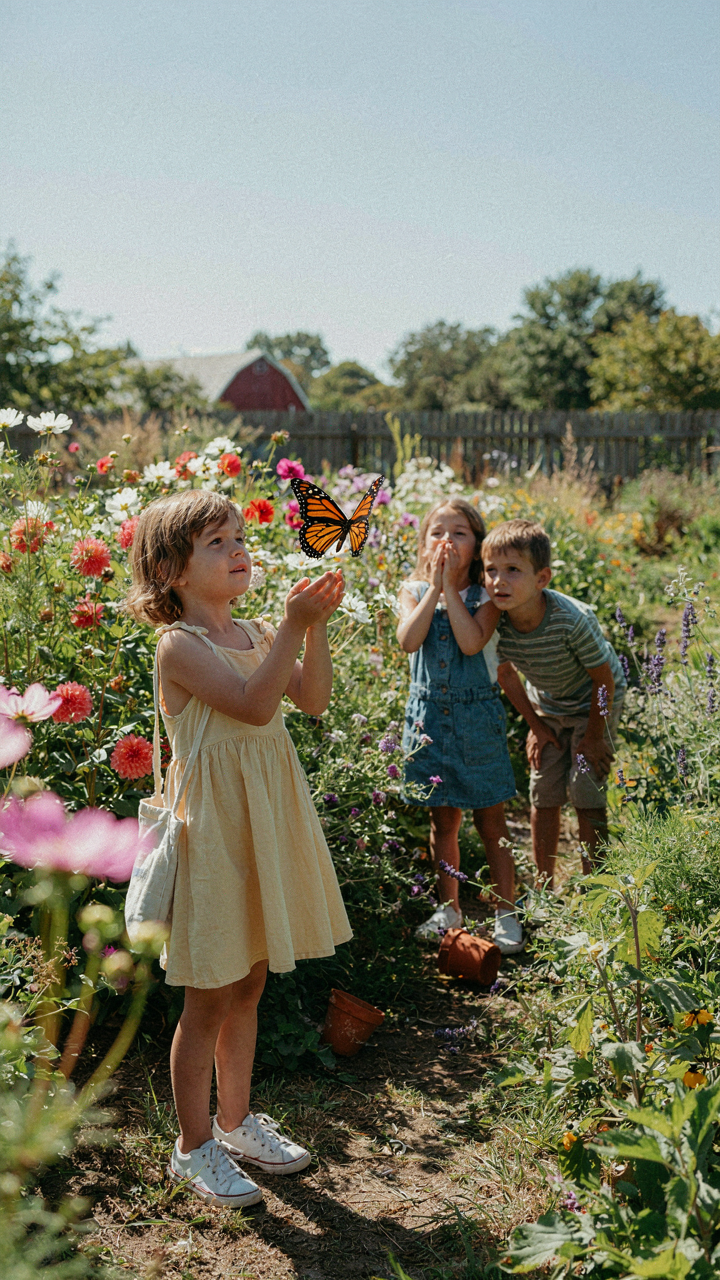
Small Actions, Disproportionate Results

You want people to remember this party without you looking like you tried too hard. Physics calls this leverage: applying force at the right point transforms outcome entirely. In a butterfly garden birthday setup, leverage means one deliberate interaction point—a single guest station or activity—that triggers cascading engagement across the entire gathering. You’re not decorating more; you’re positioning better.
The mechanism is attention scarcity. Guests arrive primed to passively consume. One intentional friction point breaks that pattern. A nectar station where children mix colors, or a release point where they hold a butterfly momentarily, forces presence. That moment propagates. Other guests notice, crowd the station, talk about what they’re doing. You’ve shifted the entire dynamic without adding budget or complexity.
Presence Without Performance
Don’t stage interactions. Common party wisdom treats guest activities as entertainment you provide and guests consume. That’s wrong. Real engagement happens when a guest does something, not when something happens to them. In a butterfly garden birthday, the difference is operational: you create conditions for action, then remove yourself from the loop.
Set up stations and disappear. A painting table for decorated wings. A monarch identification guide with magnifying glasses. A pollination game using actual movement patterns. Then step back. Guests self-direct. They teach each other. Your presence becomes peripheral. This paradox—less control yields more genuine engagement—works because it respects autonomy. The action itself becomes the memory, not your orchestration of it.
Curated Curiosity: Activities Beyond Face Paint
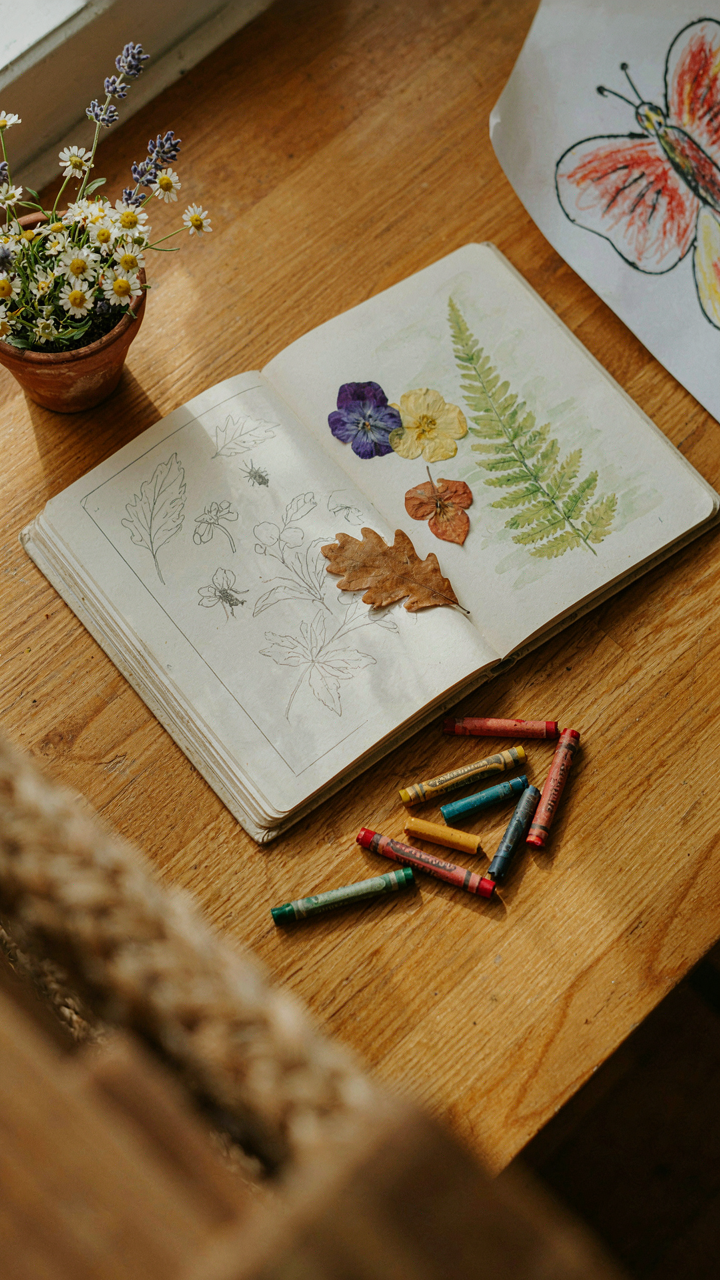
What Butterflies Actually Live Near You

You want activities that make you look thoughtful as a host, not just competent. The real leverage is specificity. Butterfly ecology works like market segmentation in business: you don’t sell to everyone, you sell to the people actually in your region. North American butterflies cluster into distinct species by climate zone and host plants. Monarchs need milkweed. Swallowtails need citrus or parsley. Fritillaries need violets. Your guests identify what’s real in your backyard, not what sounds exotic.
Get a regional field guide specific to your state or province. Don’t buy a generic butterfly book. Have kids match actual observations to the guide’s photos and range maps. This teaches pattern recognition, not decoration. Monarchs look different in spring versus fall due to generation timing. Some species only appear certain months. Kids who notice these differences gain concrete knowledge, not vague memories of a party.
Making Seed Balls For Future Gardens
The common advice treats seed balls as a craft project. That’s wrong. Seed balls are a delivery mechanism for establishing plants where soil prep isn’t feasible. In agriculture, this principle is called direct seeding, and it bypasses the need for tilling or fertilizer. You’re using mechanics, not magic. The clay-soil-seed mixture protects seeds from birds and drought during germination. The ball dissolves when rain comes. This is why proportions matter.
Mix one part air-dry clay with two parts compost and one part seeds native to your region. Roll into balls the size of a marble. Let them dry for three days before distributing. Kids throw them in meadows or unused corners where butterflies need nectar plants. They take two to four weeks to show growth depending on rain. This turns a birthday party into a nine-month project that produces actual plants. Participants see cause and effect, not just a one-day event.
Edible Gardens: Beyond The Cake, Into The Flora
Nectar Rich Flowers You Can Actually Serve

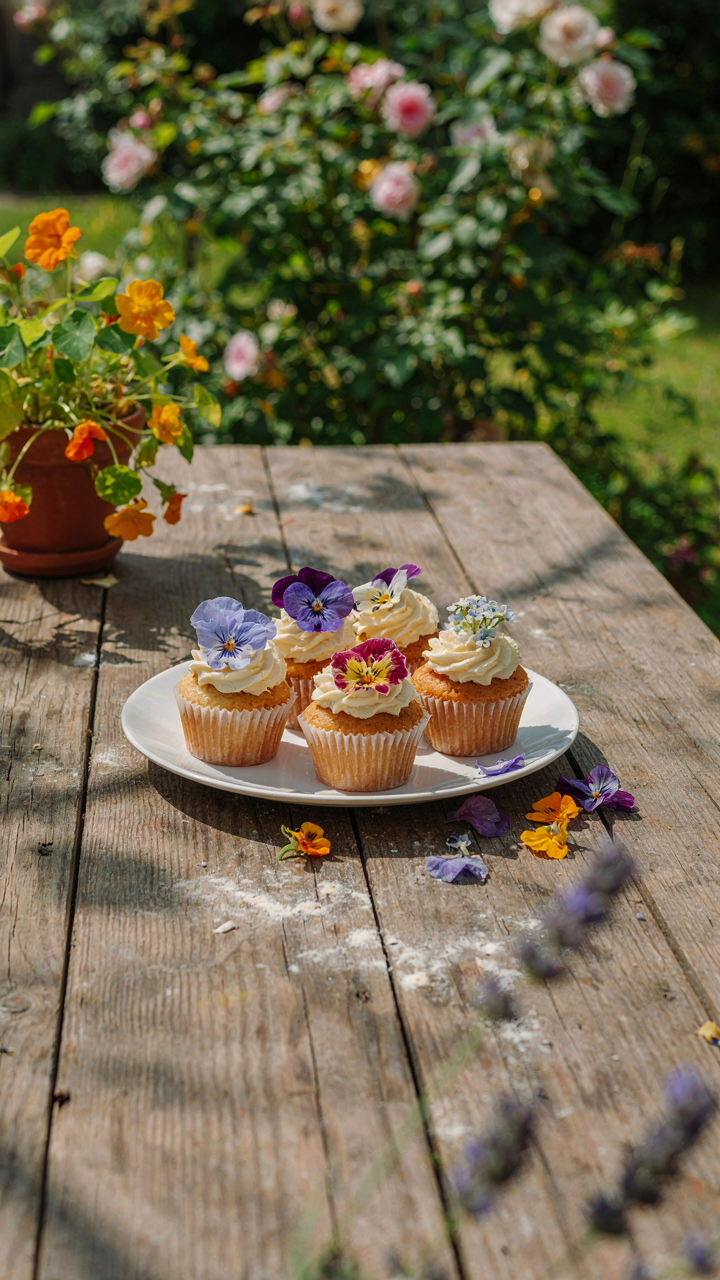
You want the party to feel exclusive and memorable without hiring a caterer. Here’s the mechanism: edible flowers signal intentionality to guests because most people never encounter them outside a restaurant. Biology teaches us about resource allocation—plants invest heavily in flowers only when reproduction matters. Butterflies operate the same way: they recognize nectar sources by color and scent intensity, not by random wandering. Serve the flowers butterflies actually visit, and you’re not just decorating. You’re creating a functioning ecosystem.
Nasturtiums, violas, calendula, and borage all produce nectar and taste edible without bitterness. Float them in water pitchers, scatter them across dessert platters, or blend them into simple syrups for drinks. The key is sourcing from growers who don’t spray pesticides, not from florists who treat flowers as ornaments. Guests eat them because they’re there and they’re real, which makes the party feel intentional instead of improvised.
Herbal Teas From Garden Bounty
Most people serve store bought tea bags because they never considered growing the source. The standard move is wrong. A butterfly garden naturally produces mint, lemon balm, chamomile, and bee balm—all of which steep into actual tea without additives or packaging waste. These plants thrive in the same conditions butterflies need: well-drained soil, partial sun, minimal fertilizer. Growing tea herbs alongside nectar flowers accomplishes two functions at once.
Harvest leaves the morning of the party when oil concentration peaks. Steep fresh leaves in hot water for five to seven minutes, strain through fine mesh, and serve in clear cups so guests see what they’re drinking. The taste difference between fresh and dried is sharp enough that people notice immediately. This becomes the memorable detail guests mention later, not because it was fancy, but because it was real and they understood where it came from.
The Memory Mechanism: Capturing Authentic Moments
Natural Light As The Baseline

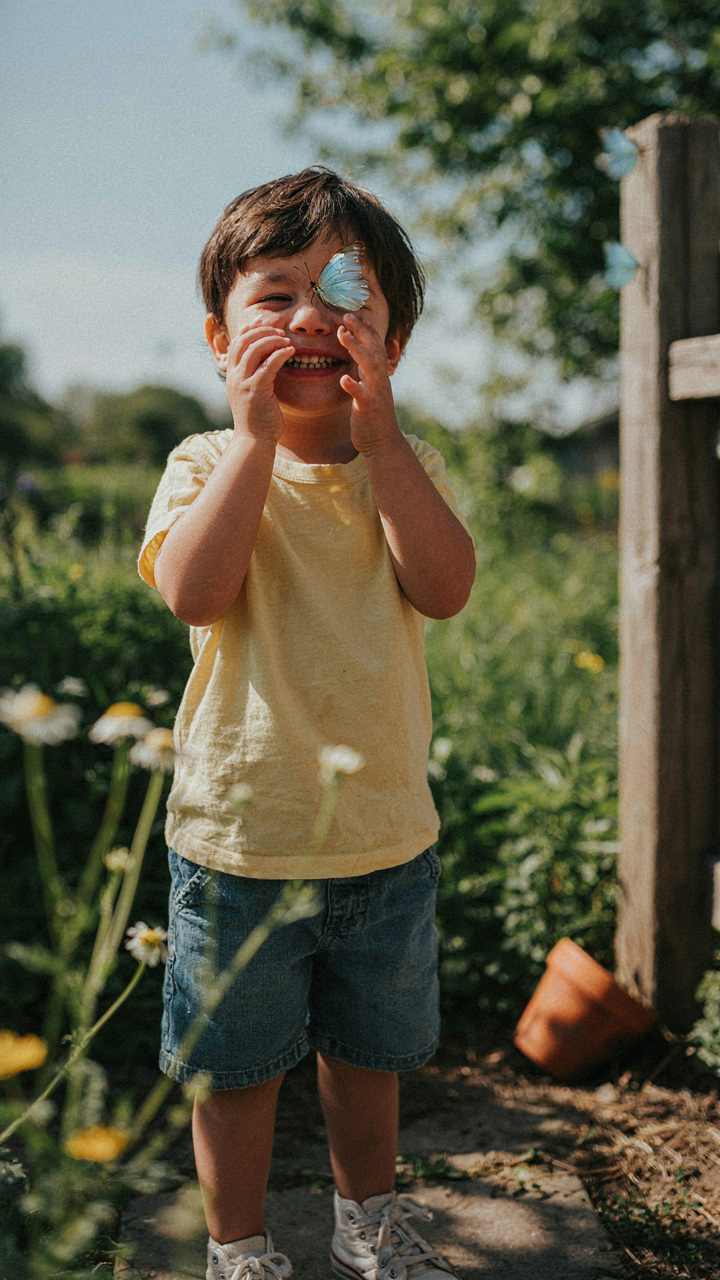
You want people to look back at these photos and feel something real, not cringe at how artificial you made it. Here’s the physics: light behaves like information. In butterfly garden birthday settings, natural light carries specificity. Overcast days diffuse light evenly across the space, eliminating harsh shadows on faces. Golden hour light, two hours before sunset, adds depth without flattening the scene. Position your camera so the sun sits behind or to the side of subjects, not directly overhead. This creates dimension that forces guests to look like themselves, not like subjects in a forced documentation.
Most people chase saturation and contrast in post-processing to compensate for bad lighting choices. The real move is choosing the right time and position first. Midday harsh sun kills butterfly garden details and washes out the delicate colors of nectar plants and wing patterns. Shoot during overcast conditions or position yourself in the garden’s natural shade zones where dappled light filters through foliage. This eliminates the post-production guesswork entirely and produces images that feel immediate and lived-in rather than engineered.
The Unposed Frame Captures Motion
Stop trying to catch “candid” moments you’ve telegraphed to everyone. The honest shots happen when you position yourself as an observer, not a director. Real butterfly garden birthday memories form during transitions: kids moving between activities, guests reaching toward flowers, adults noticing something unexpected. These frames reveal actual engagement, not performed happiness.
Set your camera to continuous shooting mode and keep it active during natural gathering points. Shoot from the periphery of the garden space rather than from the center where you announce yourself. The moment you step back and stop announcing “get ready for photos,” behavior shifts to authentic. You’re not waiting for the perfect smile. You’re documenting the sequence of someone actually experiencing the space. This discipline produces the images people actually want to revisit because they contain evidence of real participation, not performance.
Deconstructing The “Perfect” Party: Embracing Natural Chaos
When Control Becomes The Problem
You want the butterfly garden birthday to look effortless because you’re afraid it won’t look intentional. Here’s the mechanism: over-planning kills the one thing that makes butterfly gardens work at all—the unpredictability of what shows up. Chaos isn’t a failure state you prevent. It’s the design material itself. Butterflies don’t follow scripts. They land when conditions align: temperature, light, nectar availability, wind patterns. Your party inherits that same physics. Fighting it wastes energy.
The common advice says “plan every detail.” That’s incomplete thinking. What actually works is designing the conditions, then letting the system run. You pick the nectar plants that attract specific butterfly species to your region. You set the party time for peak activity hours, usually mid-morning to mid-afternoon when temperatures warm above 60 degrees. You position the garden to catch sun exposure. Then you step back. The butterflies either show up or they don’t, and that uncertainty is what makes guests actually pay attention instead of scrolling through their phones.
The Garden Sets The Schedule
Nature doesn’t negotiate with your timeline, so stop trying to negotiate with it. Butterfly activity ebbs and flows. Cold mornings mean slower movement. Afternoon clouds can trigger dormancy. Wind scatters them. These aren’t problems to solve—they’re rhythms to read. Your job is building a party structure that works with these fluctuations, not against them. Shifting activities based on what the garden actually produces that day beats any rigid agenda you locked in weeks before.
Set core timing around peak butterfly hours, which typically occur between 10 AM and 3 PM during warmer months. Prepare indoor backup activities for lulls without announcing them as failures. When butterfly activity slows, transition to garden exploration, plant identification, or nectar-mixing stations where kids make their own butterfly food. When activity surges, clear the schedule and let people observe. The party becomes responsive rather than robotic. This flexibility produces the exact feeling guests remember—a sense that something real happened, not a performance executed.
The Real Obstacle Isn’t Decoration; It’s Your Willingness To Embrace Nature’s Unfiltered, Imperfect Beauty
Most people kill their butterfly garden birthday by trying to control it. They want manicured centerpieces, coordinated colors, guaranteed monarchs. Nature doesn’t work that way. The real move is inviting your guests into something alive and unpredictable instead of performing perfection. Stop designing around what looks Instagram-ready and start designing around what actually grows. Pick one native plant tomorrow and commit to it. Your party won’t be prettier because you fought nature. It’ll be unforgettable because you surrendered to it.