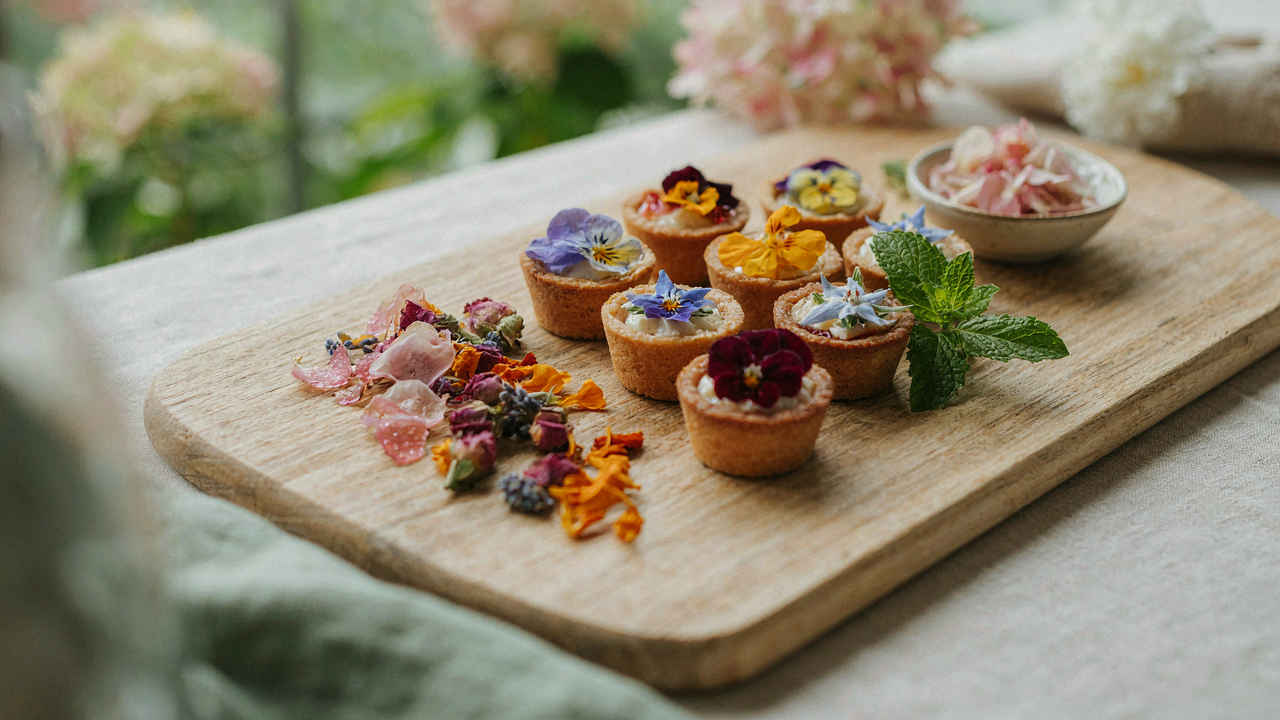
The Forager’s Fallacy: Not All Blooms Are Equal
What Actually Makes A Flower Safe To Eat
You want to look knowledgeable at the party without poisoning anyone. Here’s the mechanism: edibility isn’t a property of the flower itself. It’s a function of agricultural history and botanical classification. A flower is safe when humans have eaten it for generations without dying, and when it hasn’t been sprayed with fungicides or pesticides. Most ornamental flowers fail both tests. They’re bred for appearance, not consumption, and treated like crops that nobody actually ingests.
The difference between edible and decorative comes down to one thing: intentional cultivation for human consumption. Pansies, violas, calendula, and nasturtiums have documented culinary histories spanning centuries. Roses sold at florists have not. Commercial rose growers spray systematically. Even if the flower itself is botanically safe, the chemical residue is not. Before you grab a bloom from anywhere, verify two facts: the plant species and the growing method. Skip this step and you’re gambling with guests’ digestive systems.
Toxic Look Alikes That Kill Recognition Speed
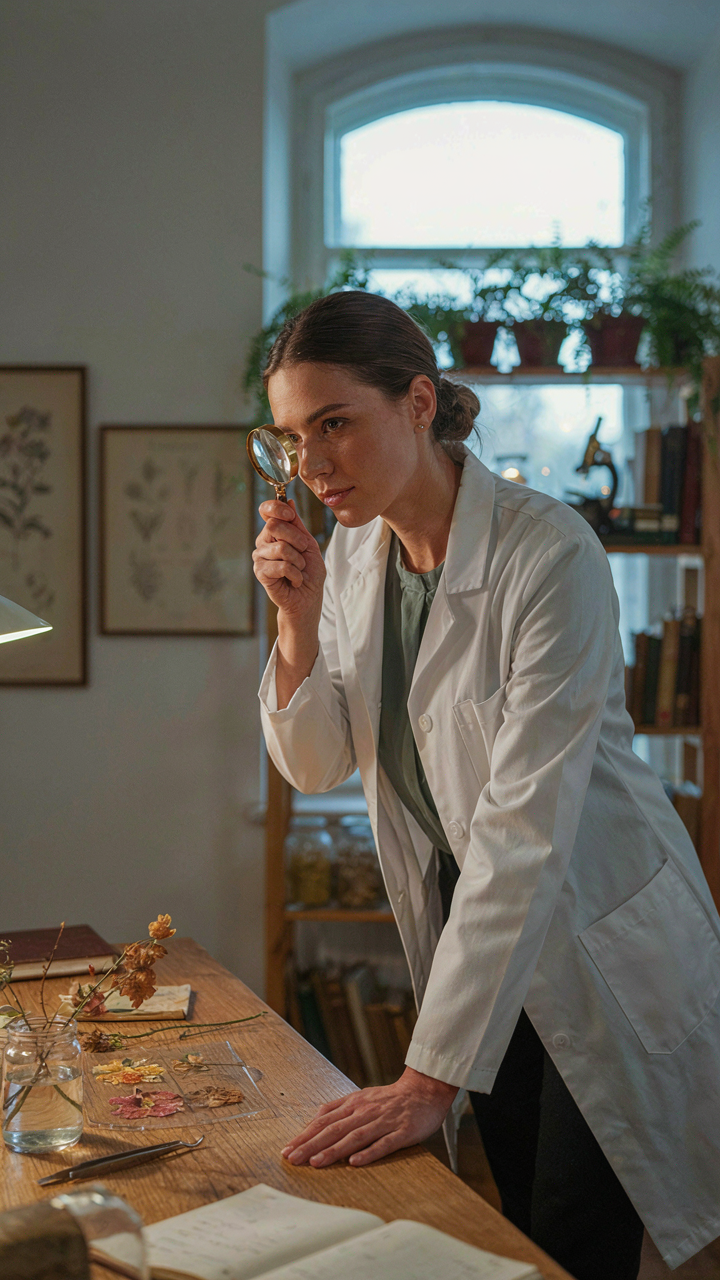
The real problem isn’t identifying edible flowers. It’s spotting the poisonous ones that look close enough to fool you in poor light. Foxglove and comfrey are common garden plants. Foxglove contains cardiac glycosides that cause severe heart rhythm problems. Comfrey contains alkaloids that damage the liver. Both can be mistaken for other harmless plants if you’re moving fast. Visual similarity kills people, not botanical complexity. You need a species-specific identification system before harvest, not a general rule.
The safest protocol: never eat a flower unless you can identify it with certainty from a botanical guidebook specific to your region. Use multiple sources. Cross-reference the plant family, leaf structure, growth pattern, and habitat. Phone a local extension office or university botany department if you’re unsure. This sounds like friction, but it’s the only mechanism that actually prevents harm. Speed here is a liability, not an asset.
The Flavor Spectrum Protocol: Beyond Just “Pretty”
What Your Mouth Actually Needs

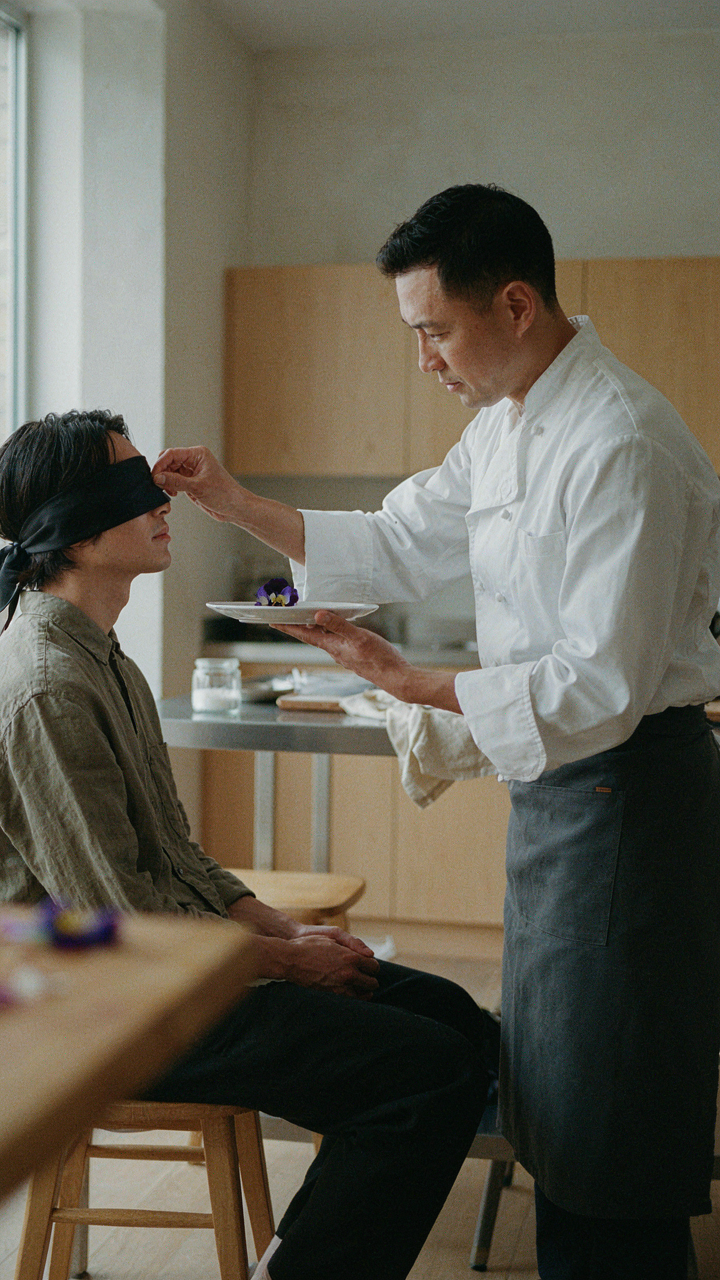
You want edible flowers at your party because they signal you didn’t phone it in. But the real mechanism is simpler: flavor determines whether guests remember the snack or forget it by dessert. Most people treat flowers as decoration that happens to be edible. That’s the mistake. Flowers have distinct taste profiles that either complement your other offerings or compete with them. The difference between a thoughtful spread and a gimmick is knowing which flowers taste like what.
Flowers break into three broad flavor categories, and this matters because your palate works like a sensory hierarchy. Peppery flowers like nasturtium and arugula flowers activate the same receptors as wasabi, creating heat without capsaicin. Sweet flowers like calendula and borage deliver a mild honey note that works as a palate cleanser between savory bites. Citrus flowers like lemon verbena and rose geranium bring brightness without the acidity of actual lemon juice. Knowing these three buckets prevents you from stacking five sweet flowers on one plate and wondering why everything tastes flat.
Stacking Flavors That Work Together
Flavor pairing isn’t about being creative, it’s about understanding resonance and contrast as the two levers you control. Resonance means flavors echo each other, strengthening the overall impression. Complementary pairing works here: pair peppery nasturtium with goat cheese because both have sharp edges that sharpen each other. Contrast is the opposite move. Citrus flowers against creamy bases work because brightness cuts through richness and resets the mouth. The common advice says “pair opposite flavors.” That’s incomplete. You pair opposite sensations, not opposite tastes.
Your protocol: identify the base of each snack first (creamy, acidic, salty, fatty), then assign the flower based on whether you want echo or interruption. If your base is rich cream cheese, a citrus flower interrupts and resets. If your base is already bright or acidic, a sweet or peppery flower echoes and completes. If you’re building a contrast play, add the flower that creates tension, not harmony. Test on one bite before committing the whole spread.
The Bio Architectural Advantage: Optimizing Petal Structure
Leverage Petal Density For Mouthfeel

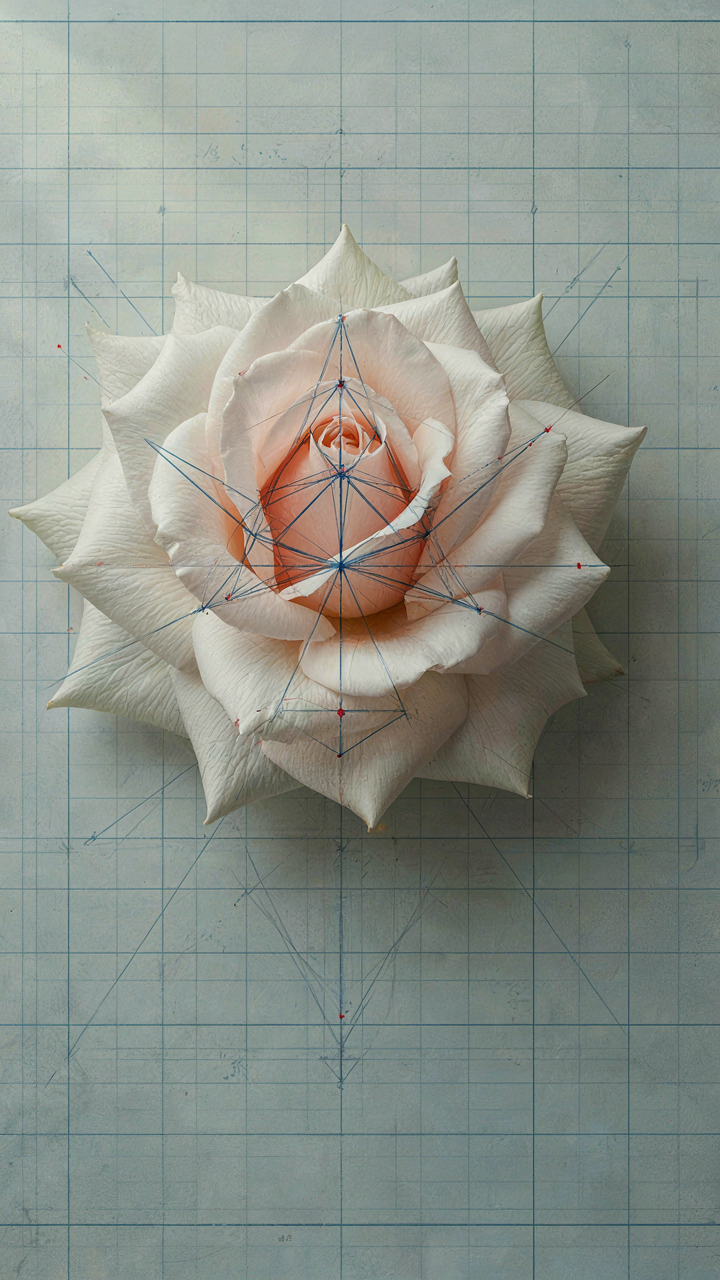
You want this section because texture signals quality to guests, and you’re worried your snacks will feel like paper. Here’s the mechanism: evolutionary biology teaches us about load bearing capacity. Petals with higher cell density distribute force differently across the palate, creating perceived richness without added calories. Thin petals like those from poppies collapse immediately. Thick petals from roses or dahlias resist breakdown, forcing sustained flavor release and creating the illusion of substance.
The petal’s structural integrity comes from cell wall composition and intercellular air space. Petals bred for ornament rather than pollination develop thicker epidermal layers and tighter cell packing. Nasturtium petals feel crisp because their cells contain less water and more structural support tissue. Pansy petals feel softer because their evolution prioritized visual display over structural durability. Test this by comparing raw petals from different species side by side at room temperature to understand how botanical design translates directly to snack performance.
Morphology Determines Application Fit
Flower shape and scale aren’t aesthetic choices—they’re functional constraints that dictate where each species fits in your snack lineup. A calendula’s flat, layered petal structure works for garnishing composed plates or layering into brittle. Borage flowers’ star geometry makes them ideal for floating atop beverages or pressing into soft cheese without breaking. Violet’s small scale suits individual placement, while sunflower petals demand larger application spaces. One flower’s strengths become another flower’s limitations.
When you ignore morphology, you waste flowers and confuse your concept. Zinnias shatter under pressure because their petals attach loosely to the flower head, making them poor for handling or stacking. Hibiscus petals hold together because their attachment point is structural and their surface area large enough for proper handling. The application determines the flower, not preference or availability. Source flowers based on what your snack requires them to do physically, then verify each species survives your chosen preparation method without degradation.
Floral Snacks: Deconstructing The “Fairy Appetizers” Myth
When Flowers Stop Being Decoration

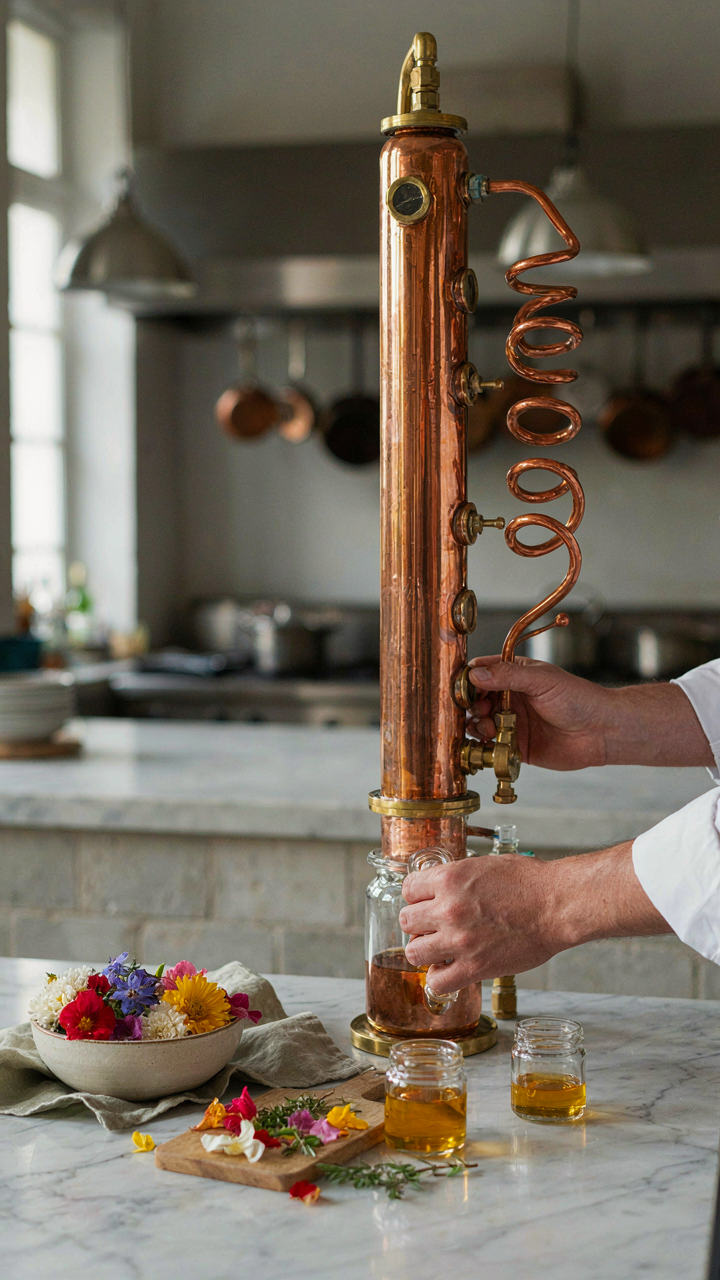
You want to serve something that signals taste without effort. That’s the real reason you’re reading this. The mechanism is simple: floral infusions work in savory dishes because flowers contain volatile compounds that trigger olfactory receptors before taste receptors activate. Borrowing from flavor chemistry, flowers function as flavor amplifiers, not flavor sources. Nasturtiums in a butter sauce don’t make the butter taste like flowers. They sharpen the butter’s existing profile by introducing peppery notes that your nose processes as complexity.
Most guides treat flower infusions as optional garnishes that “brighten” a plate. That’s incomplete. When you infuse borage flowers into a stock or steep violas in warm oil for twenty minutes, you’re extracting water-soluble and fat-soluble compounds that bind into the dish structure. The flower disappears. The effect remains. A chicken consommé infused with chamomile flowers develops a subtle mineral quality that reads as depth, not florality. This is ingredient integration, not decoration.
Structural Integration: The Non Negotiable Shift
Flowers become core ingredients when you stop thinking of them as toppings and start treating them as flavor components with specific application temperatures and timing windows. Calendula petals lose their peppery bite above 160 degrees Fahrenheit, so you add them to cold soups or finish warm dishes at plating. Rose petals contain tannic compounds that intensify when concentrated, meaning a rose petal reduction works in a gastrique but scattered petals on a plate taste thin.
The real work happens before service. You need to know bloom timing, flavor intensity variance by species, and contamination risk from pesticides. Nasturtiums harvested in June taste different from August harvests due to heat stress altering their alkaloid content. Daylilies have a vegetable-forward profile that pairs with umami bases. Cornflowers carry almost no flavor but offer anthocyanin pigments that shift color under acidic conditions. Buy from growers who supply restaurants, not decorative wholesalers. Source verification eliminates 90 percent of your problems before you touch a petal.
The “Flower Themed Snacks” Illusion: Substance Over Shape
When Pretty Becomes The Entire Strategy

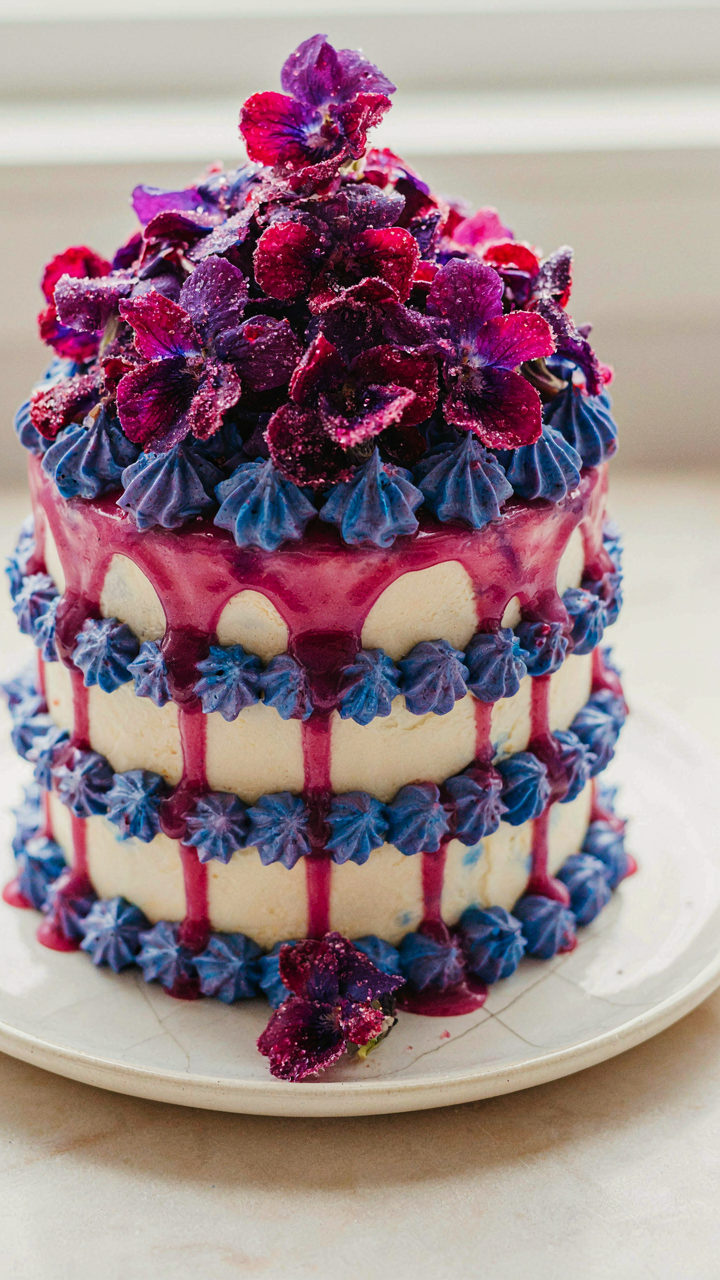
You want people to think you know something they don’t. That’s why a plate of candied violets feels sophisticated—it signals taste, effort, knowledge. But here’s the mechanism: most “edible flower snacks” fail because they prioritize visual recognition over actual flavor contribution. The flower becomes decoration that happens to be edible, not an ingredient doing work. You’re paying for Instagram value while your guests experience sugar with a vague floral aftertaste that registers as perfume, not food.
The chemistry here is straightforward. A flower’s aesthetic appeal and its culinary value operate independently. Nasturtiums look striking with their bright reds and oranges, but their peppery bite is what makes them function in a snack. Pansies photograph beautifully yet contribute almost nothing to flavor—they’re mostly water and texture. The ones that actually matter taste like something specific. Evaluate every edible flower by what it adds to the palate, not what it does for the plating.
Flavor First, Then Form
The real constraint in floral snacks isn’t finding edible flowers—it’s finding ones with enough flavor density to justify their presence. Culinary-grade flowers like rose petals, lavender, and borage actually contain volatile compounds that translate to taste. Roses carry a subtle sweetness with slight astringency when properly sourced from non-ornamental varieties. Lavender delivers concentrated herbal notes if harvested at peak bloom. Borage offers a faint cucumber character that works specifically in cold applications like cream cheese spreads.
The mistake everyone makes: sourcing matters as much as species selection. Ornamental flowers from nurseries carry pesticides and breeding for appearance, not flavor. You need culinary suppliers or plants grown specifically for consumption. When you select ingredients, taste the flower raw first. If it has no discernible flavor on its own, it won’t suddenly matter once you add it to a snack. The ingredient either brings something to the table or it’s decoration wearing an edible label.
The Preservation Paradox: Capturing Ephemeral Flavors
Extending Shelf Life Without Losing What Matters

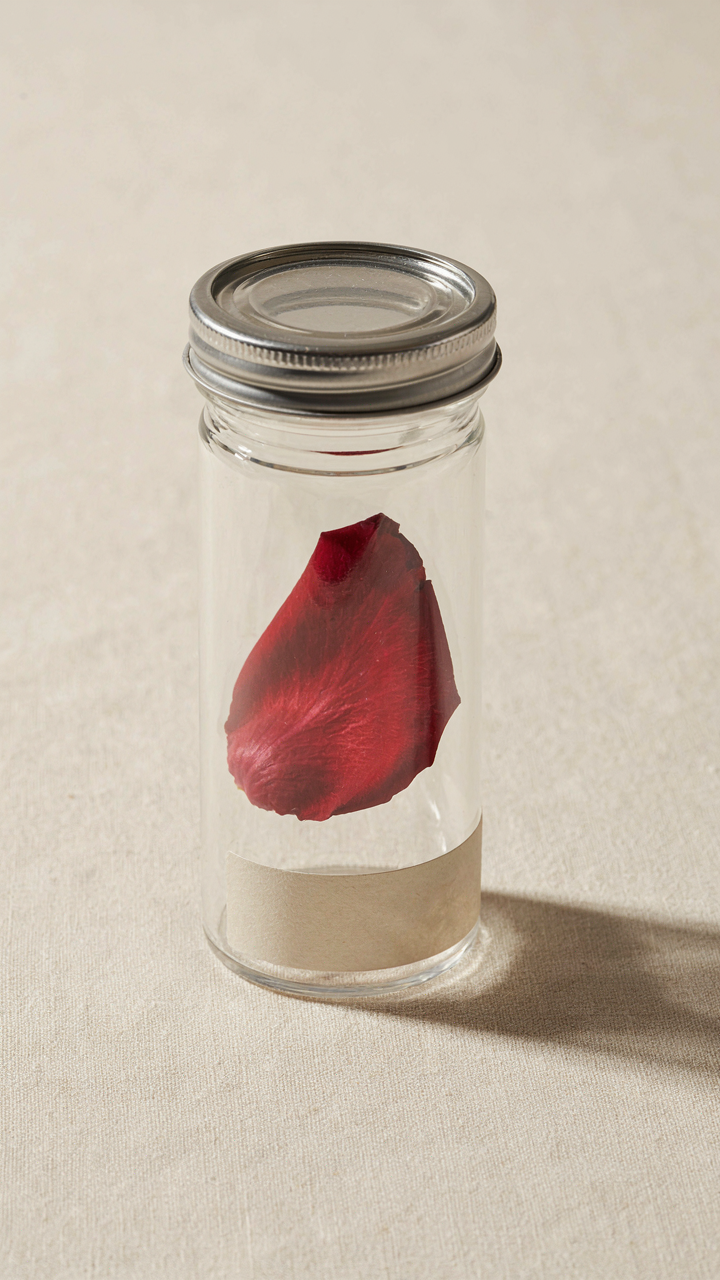
You want to serve flowers at a party three weeks from now and have them taste like you picked them yesterday. That won’t happen. Flowers oxidize, absorb moisture, and lose volatile compounds the moment you cut them. The real mechanism is enzyme activity: the same biological processes that make flowers bloom accelerate their decay once harvested. Fighting this requires temperature control, moisture management, and strategic timing.
The consensus advice is to refrigerate everything and hope. That’s incomplete. Flowers store best between 32-40°F in low humidity, but you must harvest at peak ripeness, not full bloom. Petals at full bloom have already committed their resources to reproduction and begin deteriorating immediately. Harvest when buds show color but haven’t fully opened. This gives you a compression window where the flower is still building flavor compounds instead of spending them.
- Refrigerator storage: Keep edible flowers in shallow containers lined with paper towels, separated by layers to prevent bruising. Replace towels daily to manage condensation that accelerates decay.
- Silica gel drying: Place flowers face-up on silica gel, cover loosely, and store in an airtight container. Flowers dry in 3-7 days depending on petal thickness and retain color and structure.
- Vacuum sealing: Remove as much air as possible before sealing in bags, then refrigerate. This slows oxidation and extends freshness by 50% longer than standard storage.
- Alcohol preservation: Submerge flowers in food-grade alcohol or simple syrup to halt microbial growth. Store in dark glass bottles away from light to prevent color degradation.
- Freeze drying: Professional equipment removes water while preserving cell structure. Flowers maintain flavor intensity and can last 12 months refrigerated in airtight containers.
The shelf-life window you actually have is shorter than you think. Most fresh edible flowers stay viable for 3-5 days under ideal conditions. Plan your party supply chain around this reality, not around the fantasy that cold storage creates indefinite freshness.
Transforming Flowers Into Shelf Stable Formats
Drying, crystallizing, and infusing each solve a different problem because they alter what the flower becomes, not just extend when you can use it. Drying removes water to eliminate microbial growth. Crystallizing uses sugar as a preservation medium while adding textural contrast. Infusing transfers flavor compounds into a stable carrier. Choose based on the outcome you need for your snack, not based on what sounds easiest.
Air drying works for low-moisture flowers like lavender and roses but fails for high-water varieties like nasturtiums and pansies. These last longer when crystallized because sugar acts as both preservative and glaze. Dissolve equal parts sugar and water, simmer until it reaches hard ball stage (250-260°F), cool slightly, then dip flowers and let them dry on parchment for 24 hours. Infusing creates a concentrated flavor delivery mechanism: pack petals into a jar with neutral alcohol or honey, seal for 2-4 weeks, then strain. The carrier becomes your actual product, not the spent flowers. Store infusions in cool darkness indefinitely.

Edible Flower Cookie Decoration: Precision Over Proliferation
Where You Place Them Matters More Than How Many
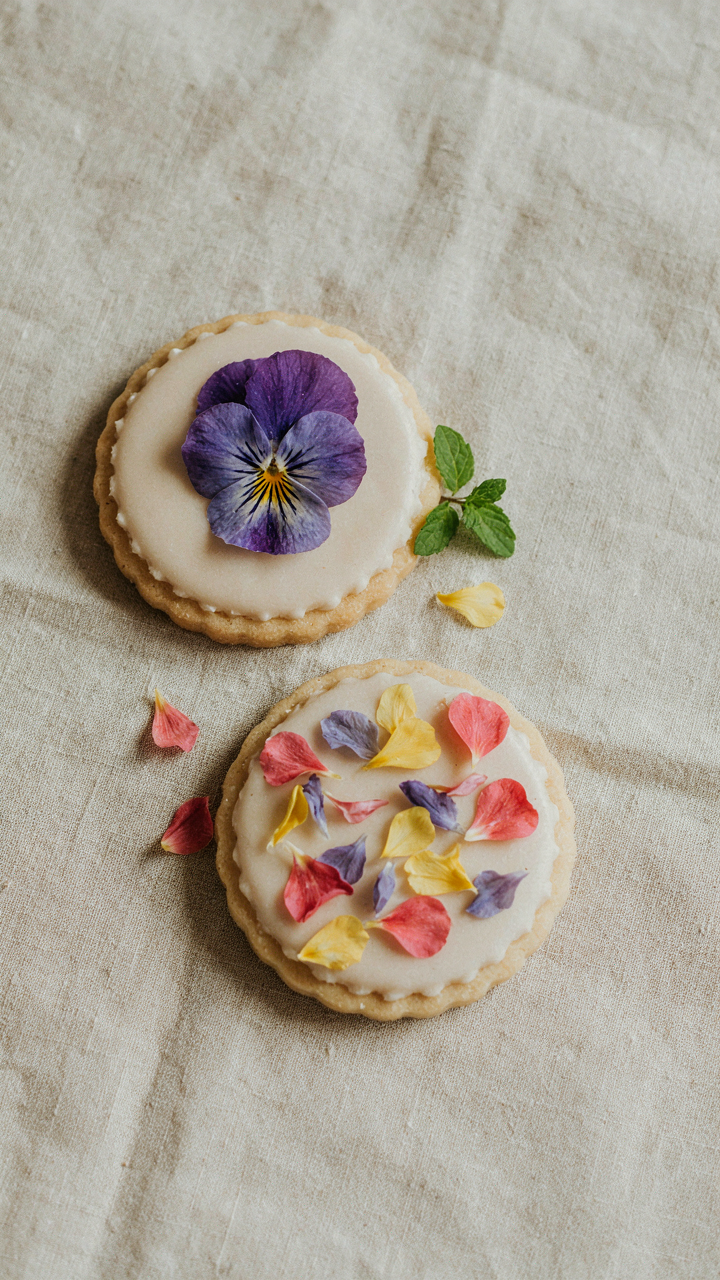
You want people to think you have taste. That’s why you’re reading this. The mechanism is visual hierarchy. Flowers clustered randomly read as chaos. Flowers positioned with intent signal control. Place a single pansy face-forward at the cookie’s center, then flank it with two smaller violas. This mirrors how the eye actually moves across a surface, not how Instagram aesthetics trained you to think it should work.
The second principle is flavor distribution. A cookie is eaten in bites. If all your flowers sit on one edge, the first bite tastes nothing. The last bite becomes floral wallop. Alternate flower placement between top and bottom thirds. This spreads mild floral notes across the entire eating experience instead of concentrating them. You’re designing for the palate, not the photograph.
Building Layers Without Looking Overdone
People tell you to “sprinkle” flowers on cookies. This produces weak visual definition and uneven flavor. Professional pastry work uses architectural stacking, a principle borrowed from structural engineering where load distribution prevents collapse. Apply your flowers in tiers instead. Pipe a small amount of royal icing or edible glue to create a base layer. Position larger flowers like rose petals or calendula blooms into this adhesive. Once set, add smaller fillers like borage flowers or cornflower petals on top. The icing bonds them and creates depth without burying your base cookie under bulk.
Precision application requires a 00 sable brush or tweezers, not your fingers. Load the brush with a tiny amount of food-grade adhesive, touch it to the back of your flower, and position. This takes longer than sprinkling but produces something worth showing. The cookie sits flat during service, flowers stay locked, and the layering creates the visual weight people photograph and remember.
The Garden Party Gambit: Elevating Beyond Novelty
When Flowers Stop Being Props
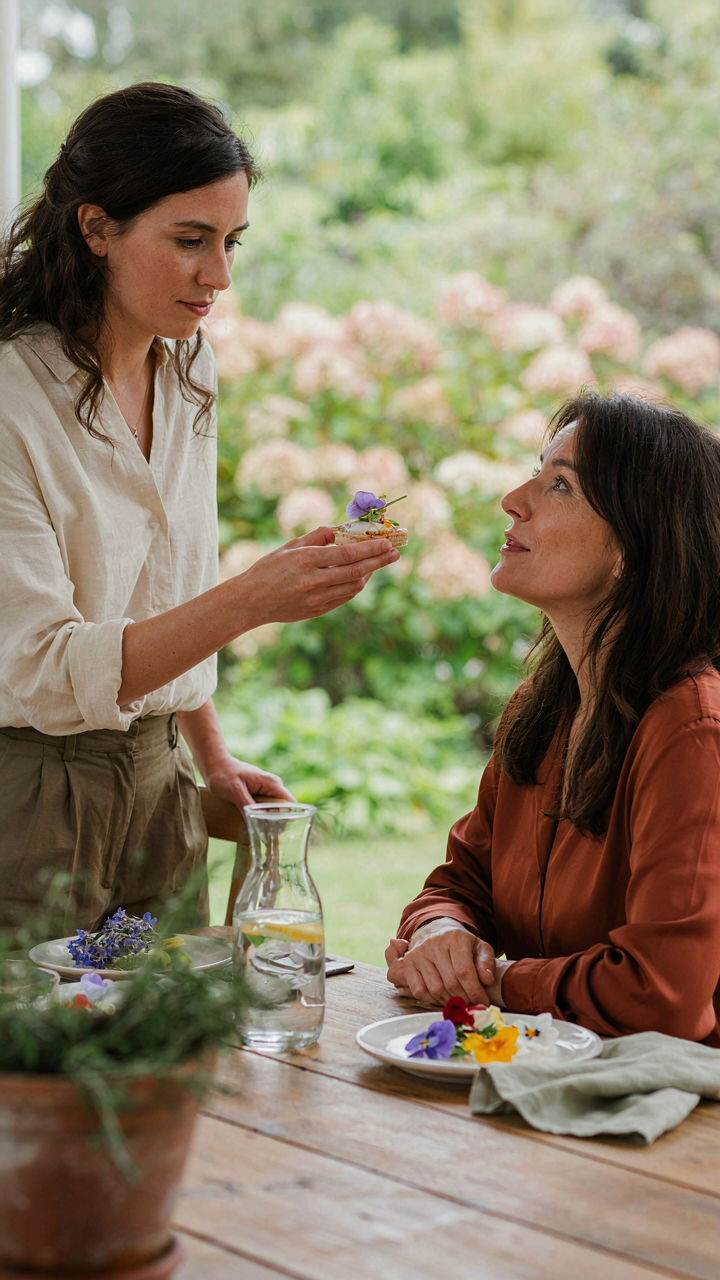
You want permission to charge more and be remembered as the host with taste. That’s the real mechanism at work. Most people treat edible flowers as visual garnish—a pretty thing that exists to be photographed, not eaten. The shift happens when you reverse that priority. Make the flower the payload, not the decoration. The flavor, texture, and aroma become the experience. The visual appeal is the bonus that follows, not the reason for its existence.
Curating means making deliberate trade-offs. Violas taste like mild vegetable matter with slight earthiness, so they pair with rich, fatty bases like cream cheese or dark chocolate. Nasturtiums carry peppery heat that cuts through butter and salt. Calendula petals add subtle citrus notes and work best on simple platforms—a biscuit, a curd, a light mousse. You’re not mixing everything together and hoping it works. You’re building flavor bridges between the flower and what holds it.
Taste, Touch, Sound, Smell
Sensory design borrowed from product engineering treats each input channel as a load-bearing system. A flower snack that only delivers visual input fails under real conditions. Nasturtium petals on a crispy wafer create textural contrast—the softness of the petal against the snapping break of the wafer. The peppery bite hits the front of the tongue first, then builds. The smell arrives both orthonasally when you bite and retronasally as you swallow. Borage flowers have subtle cucumber aromatics that announce themselves as cooling sensation, not just taste.
Temperature shifts create a fourth dimension most hosts skip entirely. Chilled candied violets on a warm shortbread cookie create mouth sensation that lingers. Pansy petals lose their appeal if they warm up—they collapse into texture mush. Rose petals on room-temperature chocolate work because neither fights for dominance. Your setup protocol matters: prep flowers last, plate within ten minutes, and position snacks where air circulation keeps them near optimal temperature. This is where the difference between novelty and execution lives.

Stop Chasing Trends, Start Crafting Experiences: The Unexplored Flavor Frontier Awaits
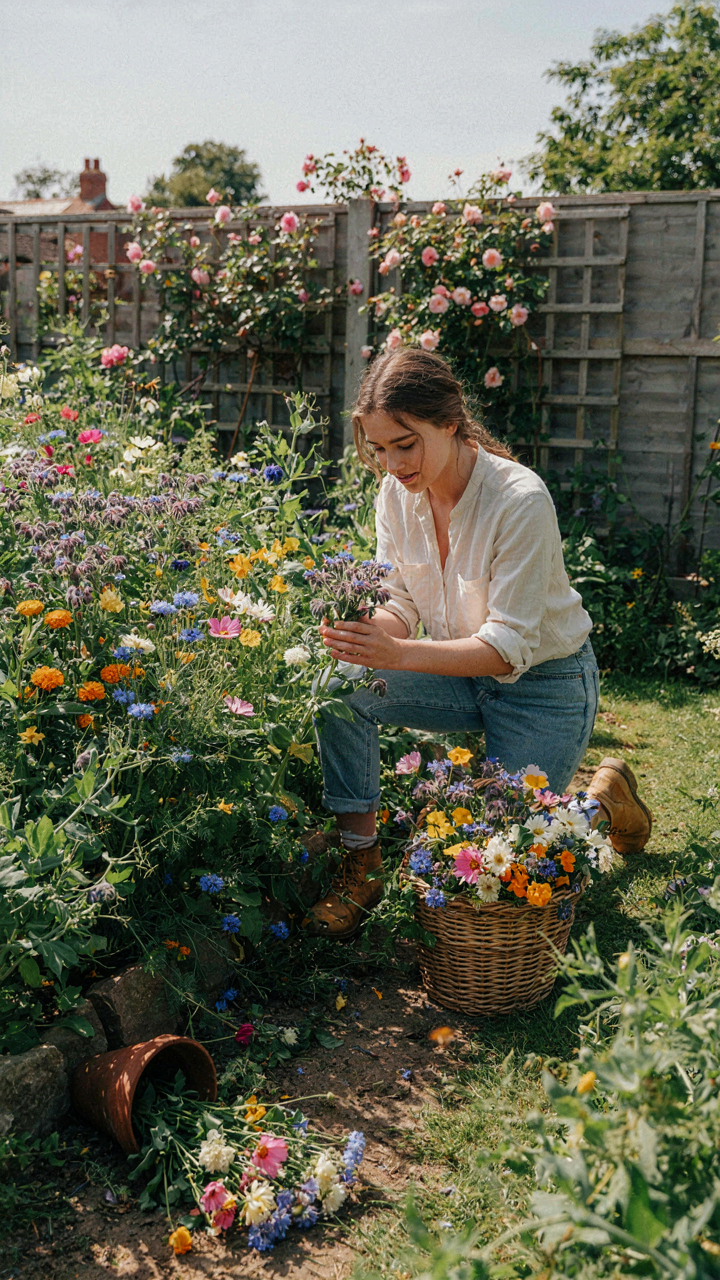
Most people treat edible flower snacks like Instagram props. You know better. The real move is understanding that every flower carries a flavor story your guests have never tasted. Stop buying pre-made options. Walk outside today, identify three edible flowers in your area, and dry them. That single action separates you from everyone else hosting the same boring spread. Your snack table becomes a conversation you engineered, not a trend you followed.