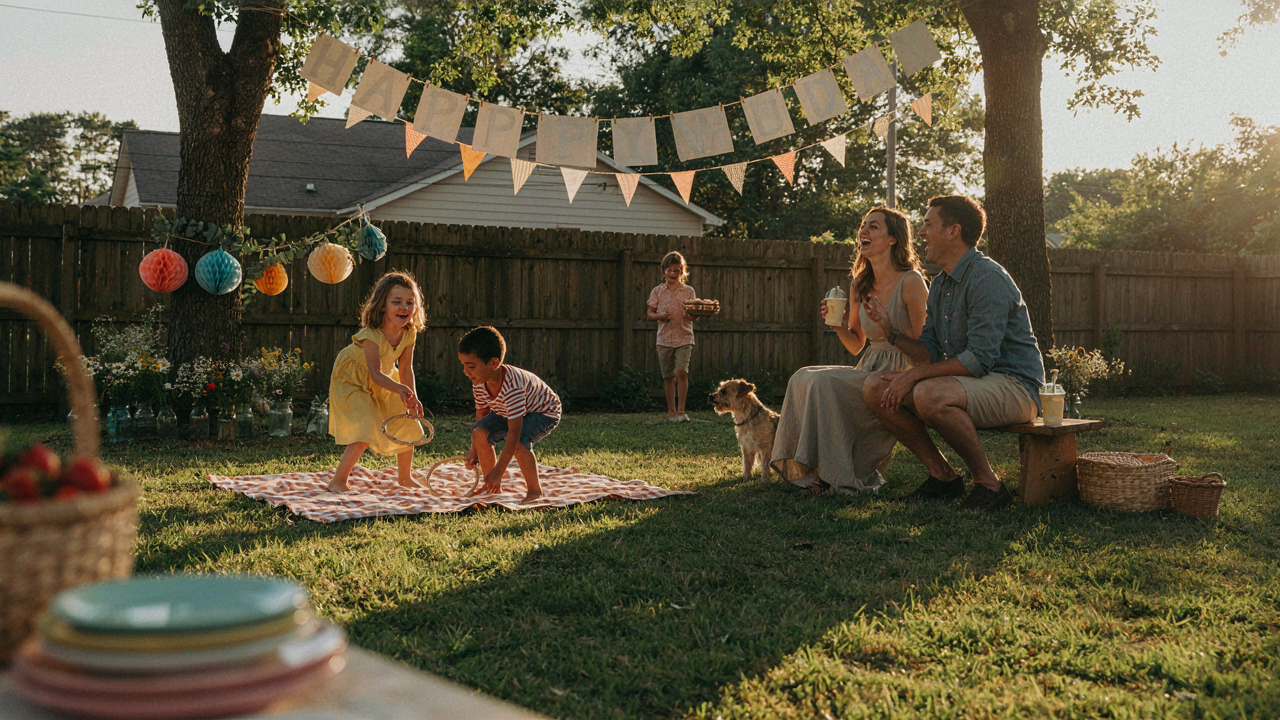
The “Cheap But Looks Expensive” Delusion: Why It Always Fails

Imitation Always Signals Exactly What It Is
You want people to think you spent more money than you did. That’s the real motive here, and it won’t work. Imitation materials fail because they violate a basic principle from information theory: signals reveal their source. Cheap metallics, thin fabrics, and knockoff décor don’t fool anyone because people read texture and weight before they read price tags.
The fakery broadcasts itself through friction. Dollar-store gold balloons crinkle differently than quality latex. Plastic tablecloths catch light wrong. Party store centerpieces made from foam and paint lack the density of actual objects. Your brain registers “this is cheap” in under two seconds, and no amount of arrangement fixes the source code. Stop fighting this. The mechanism is physical, not psychological.
Real Constraints Build Real Status
Authenticity is the only status symbol that costs nothing extra. Serve homemade lemonade instead of store juice. Use mismatched vintage plates you already own instead of matching sets. Display actual flowers from your yard or a florist’s scraps bin, not plastic substitutes. The person who owns five good things and displays them honestly outranks the person who owns fifty cheap imitations arranged desperately.
This flips the game entirely. People respect constraint more than abundance. A tight budget spent on one real element—fresh food, real wood, actual plants—creates a memory. Fake décor creates the opposite: a vague sense that something felt off. Your job isn’t to hide the budget. Your job is to make every dollar do actual work instead of chasing the impossible task of looking expensive while staying cheap.
The Anti Decor: Maximizing Impact Through Strategic Absence

One Focal Point Beats Ten Distractions

You want permission to spend less and have people think you spent more. That’s the real game here. The mechanism is scarcity. In design, empty space forces the eye to land on what remains, which makes that thing feel intentional and valuable. Most budget birthday setups fail because they scatter decorations everywhere, which reads as desperate filler. One strong focal point costs almost nothing and signals control.
Pick one area: a table, a backdrop, a corner. Concentrate your effort there. A single string of lights above the food table or one balloon arch behind the cake station creates the visual anchor that makes the whole yard feel designed rather than decorated. Everything else stays open. The absence of clutter makes the one thing you did do feel deliberate and expensive, even when it cost twelve dollars.
Living Elements Do The Heavy Lifting
Nature provides your decoration budget if you stop thinking decorations require purchase. Green is free if it’s already in your yard. A potted plant repositioned near the seating area, branches cut from your own trees arranged in a vase, or even weeds placed intentionally become focal elements at zero cost. This isn’t poetry. This is logistics. Plants and natural textures carry visual weight that plastic and paper cannot match at any price point.
Move existing landscaping elements into the party zone. Stake a tall potted plant next to the entrance. Arrange cut branches or flowering weeds in mason jars on tables. Position your yard’s existing trees as natural walls that section off the space. These elements age well in photos, require no assembly, and cost nothing. The work is repositioning, not buying. Start this the morning of the party and spend thirty minutes moving plants and branches into intentional spots.
Culinary Jujitsu: Leveraging Scarcity For Unexpected Delights
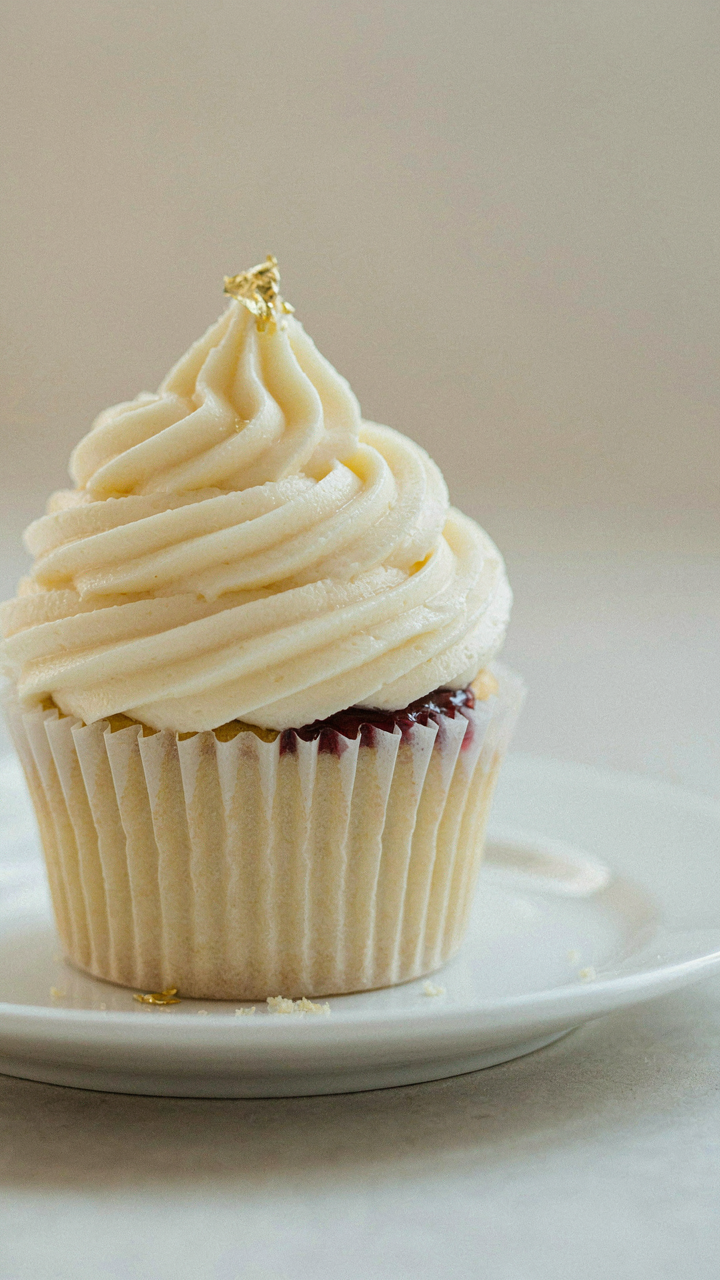
One Dish Done Right Beats Five Done Mediocre

You want people to remember your party as generous, not cheap. The mechanism is simple: constraint forces precision. Instead of spreading thirty dollars across five mediocre dishes, spend it on one thing you execute perfectly. Mediocre spreads thin gets forgotten. Mastery gets talked about. A $25 brisket cooked low and slow in a cheap cooler beats three forgettable sides every time.
People notice execution more than variety. One stellar dish anchors the entire meal and signals you cared enough to do something well. The labor compounds the value in their minds because they watch you pull it off. Brisket, carnitas, or a massive pot of properly seasoned rice and beans all work. The price matters less than the obviousness of your effort. Cook that one thing the night before so it’s effortless during the party.
Constraints Breed Better Ideas Than Money Does
Economics teaches us that scarcity drives innovation, and your ingredient list is no different. When you can’t buy pre-made or premium, you solve problems by combining what you have strategically. A box of pasta, canned tomatoes, and bulk garlic become something better than store-bought sauce because you had to think. Most party planning advice tells you to “just order catering,” which is lazy counsel that misses the point entirely.
Start with what you already own. Then add three things you can buy cheap in bulk. The creative pressure of limited inputs forces combinations most people don’t think to try. You stop defaulting to expected pairings and start building flavor through method instead of ingredients. Slow-cook cheap cuts of meat until they’re tender. Toast your spices before adding them. Layer salt at different stages instead of salting at the end. This is where the magic lives, and money doesn’t accelerate it.
Engineered Fun: Designing For Engagement, Not Accidental Amusement
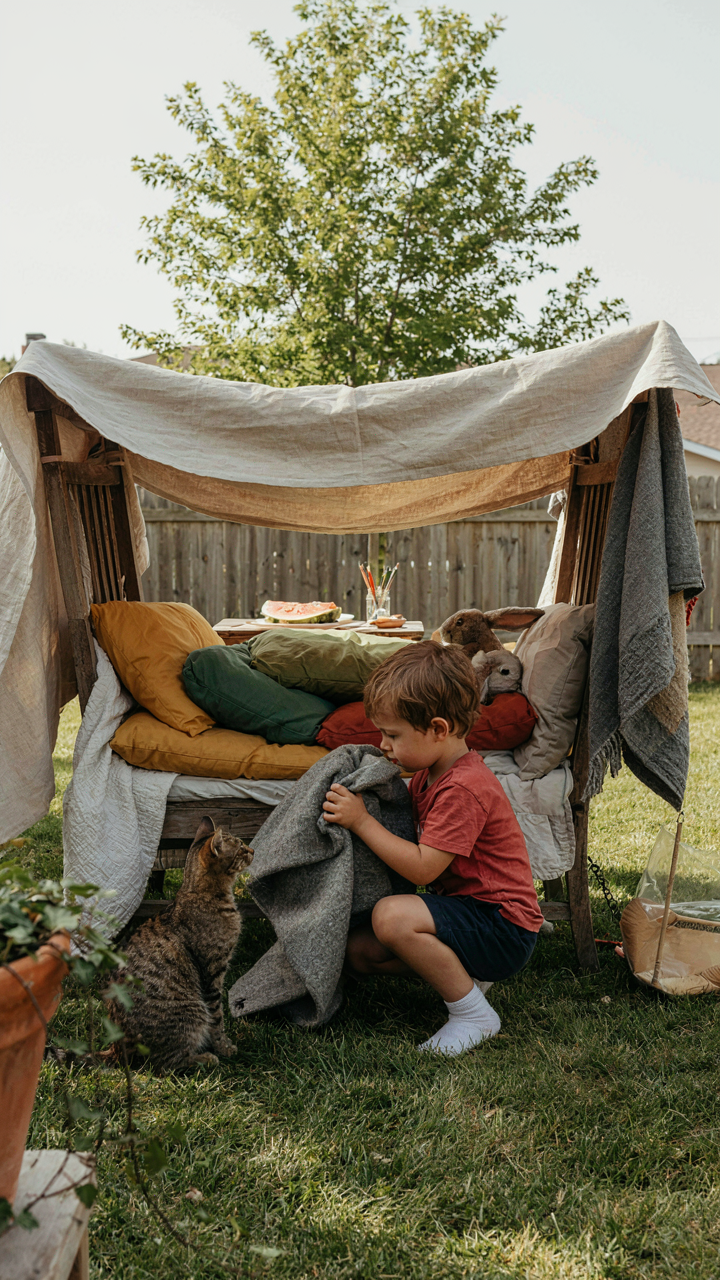
The Flow State Factory

You want this party to feel intentional because an unstructured backyard hour dissolves into chaos, and chaos reads as cheap. Flow state, borrowed from psychology, describes when someone’s skill matches the challenge level exactly. Your job: engineer that match. Activities without progression bore kids fast. Activities too hard create frustration and sitting on the sidelines.
Start with one anchor activity that has built-in difficulty scaling. A scavenger hunt works because you control the clues. Hide five items for younger kids, ten for older ones, same physical space. Set a fifteen-minute timer. No audience, no performance pressure, just clear rules and a finish line. The mechanism that drives engagement isn’t the prize. It’s the gap between “I almost know where this is” and “I found it.”
Rules, Rewards, And The Participation Mechanic
Game theory reveals why random fun fails and structured competition succeeds. A tournament structure costs nothing but creates stakes. Everyone watches because outcome is uncertain. This is not about making kids competitive. It’s about making them invested in seeing what happens next.
Run a three-round bracket with simple games: relay races, water balloon tosses, or balloon pop relays. Losers don’t exit the party. They move to a secondary bracket or team up for the next round. Every kid plays again. The reward isn’t ribbons or candy. It’s recognition. Call winners by name. Take a photo. Post it to parents later if you want extended social credit. The real mechanism: participation multiplies when kids see they can win something, lose something, and still come back.
The Psychological Invite: Bypassing The Digital Noise

Handmade Cuts Through The Scroll

You want the invite to matter because you’re afraid a text or digital card signals you don’t care enough. Here’s the mechanism: handmade invites force friction into a system designed to eliminate it, which makes them memorable by default. Digital invites dissolve into the notification graveyard. A physical card stays on a counter for two weeks. Friction is the only currency that still works against the default mode of forgetting.
The construction costs almost nothing. Cardstock runs 30 cents per sheet. Markers are household items. A five-minute hand-drawn design beats a templated Canva card because the recipient registers it as intentional labor, not a batch process. Handwritten addresses take ten minutes for twenty invites. That gap between effort and cost is where the psychology lives. People remember what required someone to choose them specifically over automation.
Building The Wait Into The Win
Temporal scarcity works like compound interest in physics: the closer the event, the higher the arousal state. Send physical invites 14 days out, not 7. The 14-day window creates two phases of anticipation: initial curiosity (why am I getting this?) then solidifying commitment (I’m actually going). Digital invites trigger one moment of engagement, then fade. You’re engineering multiple touchpoints by forcing the recipient to hold and process the invite over time.
The mechanism is straightforward: a physical object sitting in someone’s space creates passive, repeated exposure. They see it on the kitchen counter, stick it to the fridge, maybe pick it up again. Each exposure reinforces the event’s realness. This is why save-the-dates existed before digital convenience killed them. By day 14, the attendee has already mentally prepared, which increases the emotional weight they bring to your 150-dollar party. Timing the invite delivery to maximize this curve costs nothing and changes everything.
The Stoic’s Backyard: Embracing Imperfection And Pivoting

Plan For Failure Before It Happens

You want contingency planning to feel optional because admitting you need it feels like admitting weakness. It’s not. It’s the difference between a birthday that adapts and one that collapses.
Borrow from military strategy: the concept of “branches and sequels” means you have a primary plan and predetermined pivot points. Rain forecast? You already know the garage setup works and costs nothing extra. Grill breaks? You’ve got propane backup or a camp stove for two bucks. Guest count swells unexpectedly? Your food quantities already account for fifteen percent overage built into the budget. The mechanism is simple: preemptive decisions eliminate panic decisions, which eliminate expensive last-minute fixes.
Most people skip this step because it feels like planning for failure. Actually, it’s the only way to guarantee success under constraints. Write down three things that could go wrong. For each one, write one backup solution you can implement for free or under five dollars. That’s it. You don’t spend the money unless the problem materializes. You just removed the variables that would have forced you to spend it.
Chaos Becomes The Story
When something breaks or changes, you don’t have a ruined party. You have a detail that guests remember and repeat for years.
The rain that forced everyone inside the garage becomes the reason people crowded closer and talked longer. The speaker that died three songs into the playlist becomes the moment someone suggested charades instead, which actually happened to be better. The cake that collapsed teaches kids that perfection was never the point. These aren’t silver linings. They’re genuine shifts in what the party becomes. The common advice says to stress about keeping everything “as planned.” That’s backwards. Plans create rigidity. Constraints create narratives.

When you accept that something will go differently than expected, you stop treating it as failure. You treat it as information you’re using in real time. The action step: decide now that you’ll frame one unexpected event as positive when it happens. Not forced positivity. Actual reframing. Something goes sideways, you say out loud to whoever’s near you what’s actually better about this new version. Then move on.
Kids Backyard Birthday Party: Designing For Deep Play
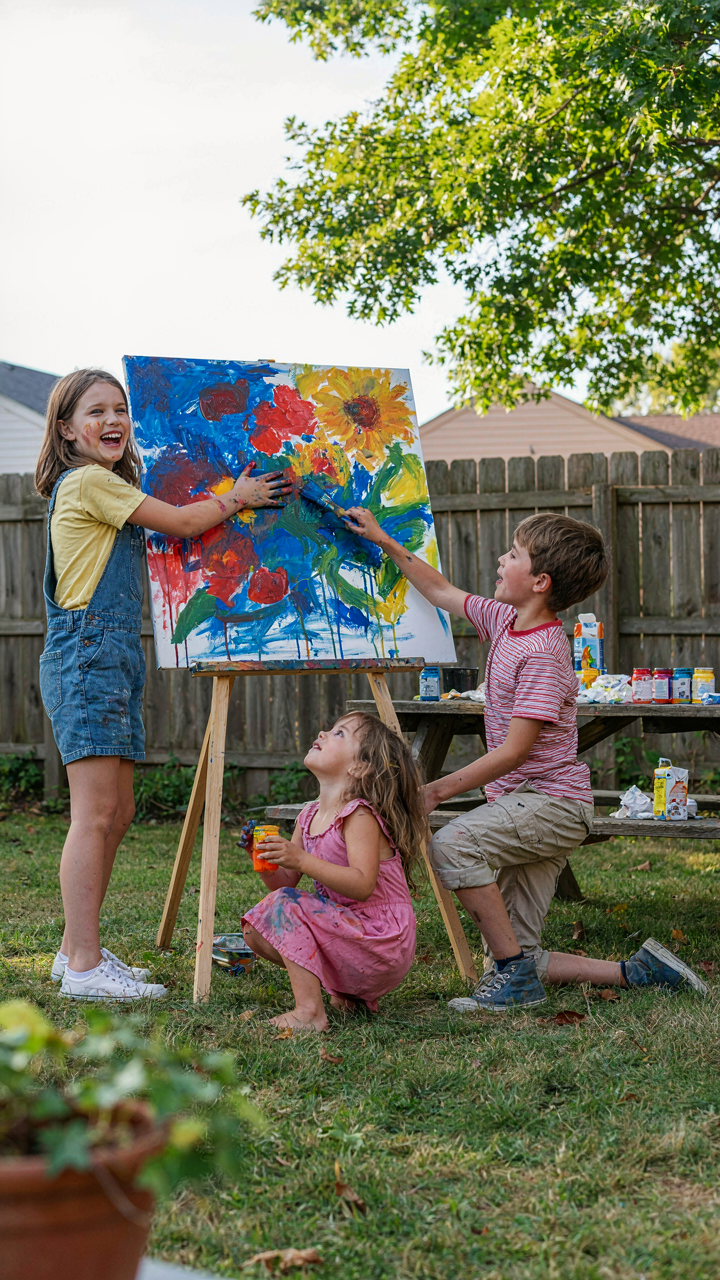
Structures That Let Kids Build Their Own Story
You want the party to feel special because you’re worried the budget will show. Here’s the mechanism: kids don’t measure experience by money spent. They measure it by how much control they had over what happened next. Open-ended structures give them that control. A pile of cardboard boxes, rope, and tape becomes a fort or a ship or a robot suit depending on what the kids decide. The structure exists. The story doesn’t.
- Cardboard maze: Create walls and pathways with boxes. Kids navigate, redesign sections, add props. Zero setup cost if you collect boxes beforehand.
- Water station without rules: Buckets, sponges, cups, hoses. No “game.” Kids decide if it’s a potion lab, a car wash, or a science experiment.
- Art station with raw materials: Paper, markers, string, tape, leaves, sticks. Kids make what they want without instructions or judgment.
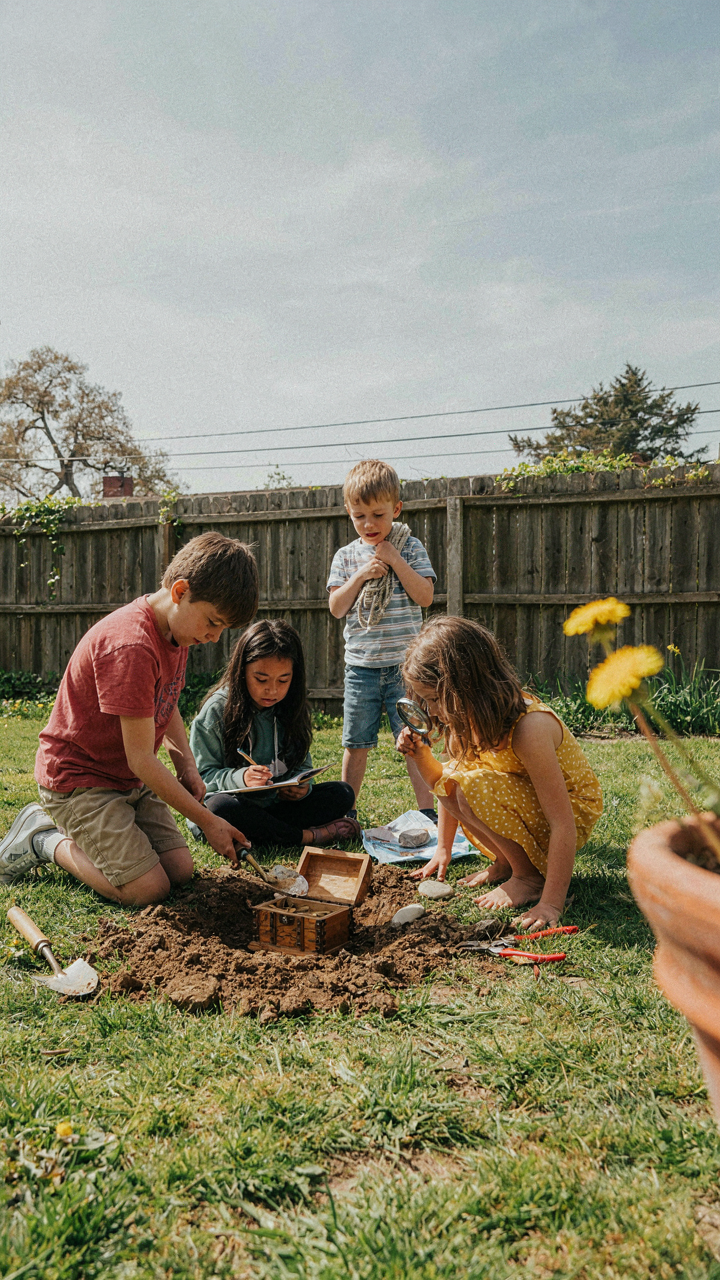
- Scavenger hunt with loose parameters: Hide objects around the yard. Kids find them and decide what to do with the collection—build something, sort it, trade it.
- Loose parts play zone: Blankets, pillows, logs, PVC pipe. Anything safe that can be moved and combined in unexpected ways.
The kids who appear bored in structured games suddenly have focus. They’re not following directions. They’re solving problems they invented. Deep play happens when a kid forgets adults are watching. Your job is removing the obstacles that keep them watching you instead.
When Kids Work Toward The Same Outcome
Most party advice says run separate games so everyone plays. Wrong frame. The advice treats children like they need constant individual validation. The actual mechanism comes from group dynamics: shared problem-solving creates bonds faster than parallel activities. One project the whole group builds together beats five games where kids compete alone.

A backyard haunted house works because each child owns one room. A group builds a collaborative mural. Kids team up to fill a “treasure chest” with found objects from the yard. The outcome matters less than the fact that they’re working toward it together. When a kid contributes something, they stay invested in what happens next because they built it. Money spent on supplies goes further when you’re not buying ten different game sets. You’re buying materials for one shared structure. Assign roles loosely. Some kids paint. Some kids gather materials. Some kids direct. Let them switch. The project finishes when most kids feel they added something real.
The Anti Favor: Giving Experiences, Not Clutter
Shared Activity Over Disposable Trinkets
You want the party to feel like you didn’t cheap out. That’s the real calculation happening. Here’s the mechanism: Economics calls this “positional goods” versus “consumption goods.” A positional good’s value depends on what others have. A consumption good’s value comes from use. Party favors are positional goods designed to signal wealth through quantity and packaging. They fail because everyone knows they’re landfill. Shared activities are consumption goods that scale differently. Ten kids doing one thing together create a memory that ten individual plastic toys never can.
The math works because attention is the scarcest resource at a birthday party, not stuff. A backyard scavenger hunt, relay races, or a group cooking station costs almost nothing but captures everyone’s focus for thirty minutes. That focus is what kids remember. They forget the plastic whistle. They remember being part of something. Replace the favor table with one activity nobody has to organize solo. That activity becomes the favor itself.
The Lasting Value Of A Memory
Neuroscience shows that novel experiences encode stronger than objects. Your brain stores new social situations as episodic memory. It treats repeated exposure to identical objects as noise and discards it. A personalized activity tied to the birthday person sticks. A generic toy doesn’t. This isn’t sentiment. It’s how memory formation actually works.
Build one specific moment into the party that couldn’t happen anywhere else. Maybe it’s a photo booth in your backyard with homemade props, or a talent show where every kid performs something, or a group project like decorating a pizza together. Make it tied to something the birthday person loves. Document it badly on your phone. That video, played back in six months, will matter more than ten dollars’ worth of favors ever would. The mechanism: make the party the object of memory, not the trinkets.
The Radical Self Reliance Protocol: Ditching Vendors, Gaining Control
Know Your Actual Limits
You want to believe you can handle everything yourself because hiring someone else feels like failure. The real mechanism comes from operations management: you have a fixed capacity constraint, just like a factory floor. You can either acknowledge it now or hit it mid party while guests watch you scramble. Start by listing what you can actually execute well under stress, not what you wish you could do.
Most people overestimate their bandwidth by 40 percent. Count backward from the party start time. Factor in setup, cooking, cleanup, and guest interaction. If you can’t comfortably fit a task into that window without cutting corners on execution or presence, don’t claim it. The honest move is identifying your three core responsibilities and defending them ruthlessly.
Recruit With Specificity, Not Hope
Strategic delegation fails because people ask for help without describing the actual task. Don’t text a friend asking them to “help with food.” Instead, assign them to make one specific dish and give them a deadline three days prior. They show up knowing exactly what’s expected. You’re not asking them to solve a problem—you’re giving them a concrete job.
The second layer is managing their constraints, not ignoring them. Someone volunteering to bring drinks doesn’t mean they want to source seven different types. Tell them what to buy. Give them a twenty dollar budget and a list. Specificity removes anxiety for both of you. Their job ends the moment they hand you what you asked for, not when the party concludes.
Memory Architecture: Building Moments, Not Just Throwing Parties
Anchor The Senses First
You want people to remember your party happened, not just that you threw one. Here’s the mechanism: neuroscience calls it “state-dependent memory”—the brain tags experiences to sensory conditions present during them. A specific smell, song, or texture becomes the retrieval cue that unlocks the entire day months later. You’re not decorating. You’re encoding.
- A signature playlist started before guests arrive: Play the same 3-4 songs on repeat during setup and the party itself. This becomes the sonic marker. A song from that playlist triggers the memory involuntarily later.
- Food with texture, not just taste: Serve things guests chew or hold—homemade cookies, roasted nuts, fruit skewers. Tactile eating creates stronger memory encoding than soft foods alone.
- A single dominant scent: Light a specific candle or grill something distinctive during the party. Smell is the fastest neural pathway to memory. Don’t rotate scents; keep one consistent.
- One visual element that repeats: Balloons in one color, or a banner visible in photos. Consistency beats variety for memory formation.
- A timed moment everyone does together: Play freeze dance at a set time, or everyone gathers for one group photo. Shared simultaneous experience creates synchronized memory formation.
The mistake most people make is spreading sensory signals everywhere. You end up with nothing memorable. Five different music playlists, rotating decorations, multiple food types. The brain defaults to blur. Pick one anchor per sense category and repeat it. That’s what costs almost nothing and sticks.
The Reinforcement Window
Memories don’t solidify on their own. They require external reinforcement within 48 hours, or they fade into generic blur. The real work starts the day after the party ends, not during it.
Send one photo to the group chat the next morning with a short caption referencing something specific that happened. Not “great party”—reference an actual moment or joke from that day. This retrieves the memory from temporary storage into long-term encoding. The photo plus the specific callout creates a second encoding event. You’re not being nice or keeping in touch. You’re running consolidation protocol.
The Only Thing Holding Back Your Special Backyard Birthday Isn’t Your Budget; It’s Your Fear Of Genuine, Unmanufactured Joy
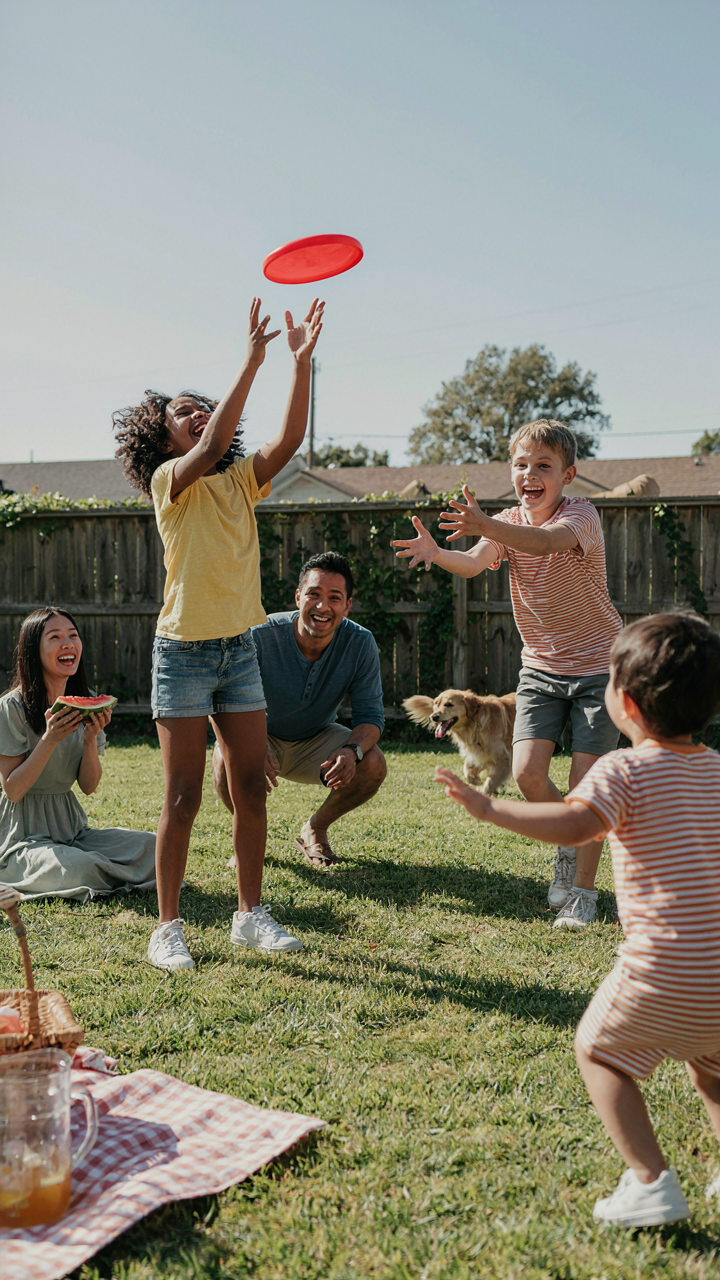
You’ve been convinced that memorable costs money. It doesn’t. What actually moves people is intention. A hundred fifty dollars spent with full attention beats five hundred spent half-asleep. The shift you need isn’t financial literacy. It’s permission to stop apologizing for what you can actually build. Stop scrolling Pinterest today and start writing down three things you actually want at this party. The gap between a forgettable day and a legendary one isn’t filled with cash. It’s filled with someone who decided to care enough to be weird about it.