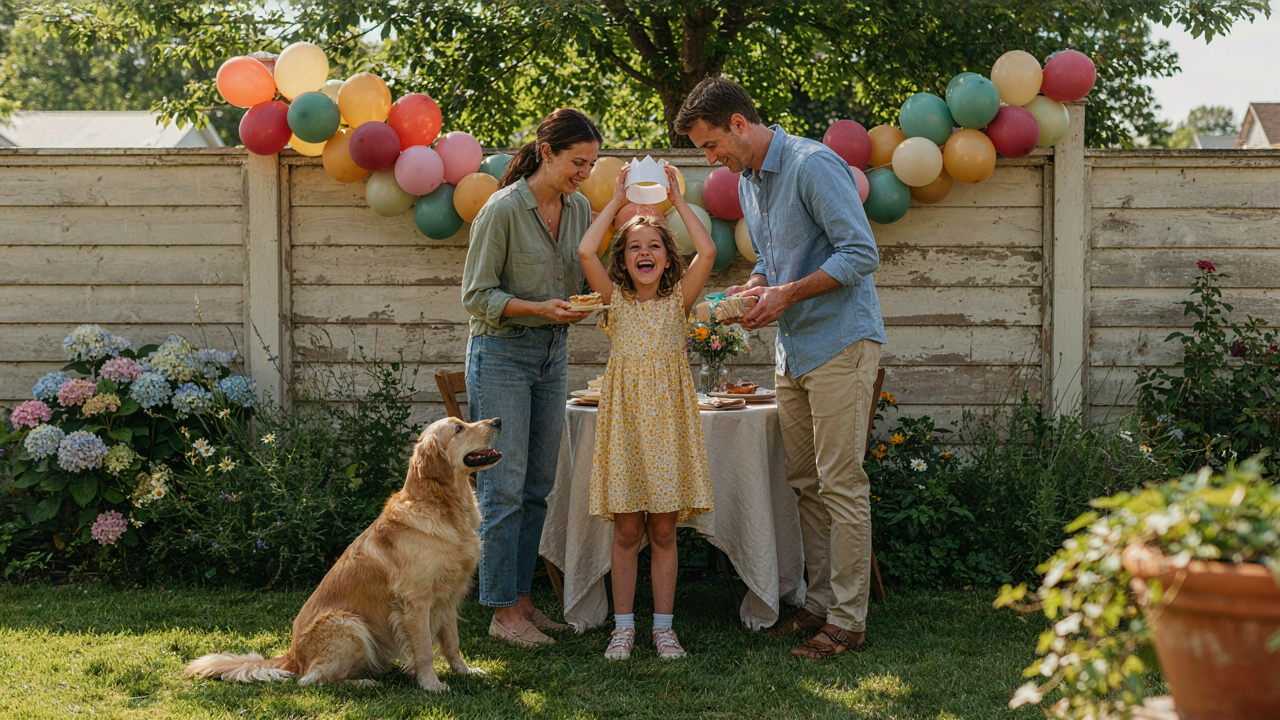
The Myth Of Effortless Outdoor Balloon Decor

Why Indoor Techniques Collapse Outside
You want to believe a balloon garland is plug-and-play because admitting otherwise means confronting the gap between your vision and your skill. But outdoor conditions operate under physics that indoor spaces ignore. Wind applies lateral force. Temperature swings expand and contract latex. Direct sun degrades balloon material. Most tutorials show indoor setups where none of these forces exist, then you copy them verbatim and watch the structure fail within hours.
Indoor garlands rely on controlled environments. You hang them on walls or doorframes where air stays still and temperature holds steady. Outside, balloons become aerodynamic objects. A breeze hits them differently than it hits a flat surface. They rotate, twist, and stress the string connections. A garland that looks solid indoors will sag under its own weight outdoors because the support structure was never designed for sustained wind load and UV exposure.
Structural Failure Compounds Fast
Everyone builds a garland too loose or too light, then acts shocked when it deteriorates. The real failure starts invisible. Balloon strings stretch gradually under tension and weather exposure. Knots loosen as latex rubs against itself. Tape adhesive fails because outdoor humidity breaks down the bond faster than manufacturers test for. By hour six, you notice a gap. By hour twelve, sections hang dead.
Most people skip the anchor protocol entirely. They tie balloons to whatever seems convenient without calculating weight distribution or wind resistance. A garland needs tension at every connection point and redundant anchor lines every two to three feet. Without this, the structure loads unevenly, weak points form, and the whole assembly unravels. The mechanism is simple: pressure concentrates where support is sparse, and materials fail at concentration points first.
The Backyard Balloon Arch: Structural Integrity First
Framework Selection Determines Load Capacity

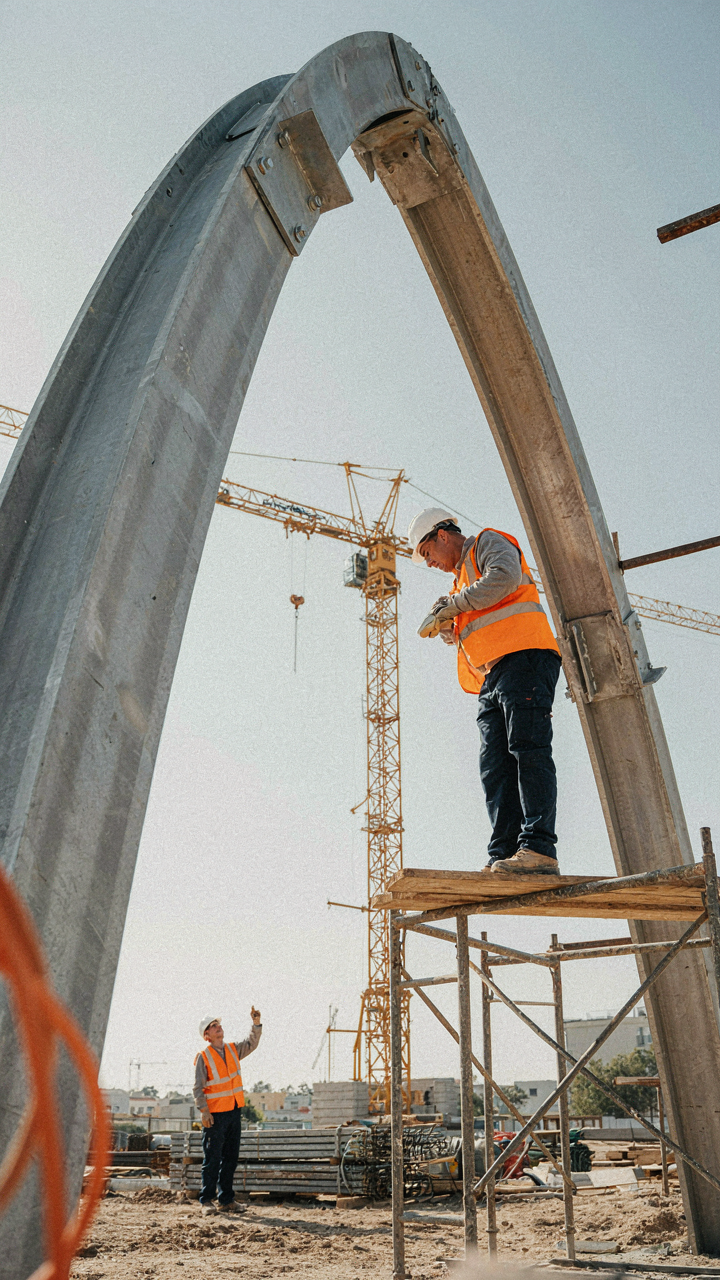
You want this to look effortless, which means you’re terrified it’ll collapse mid-party. The real mechanism is load distribution: you’re not building art, you’re building a cantilever that holds dead weight. A balloon garland is physics, not decoration. PVC pipe frames and metal grid systems distribute load differently. PVC works for smaller garlands under 40 pounds because it flexes slightly and spreads pressure evenly. Metal grids handle denser balloon coverage but require proper bracing at connection points or they’ll bow outward under tension.
Most people grab whatever frame is cheapest, then panic when balloons sag by hour three. Frame rigidity matters more than material cost. Test your frame under half the intended balloon weight before installation day. If it bends more than a quarter inch at the midpoint, it’s undersized. Use diagonal cross-bracing on any frame over six feet tall. This triangulation prevents lateral movement and cuts load stress by roughly forty percent compared to square framing alone.
Wind Load Engineering For Outdoor Holding
Outdoor balloon garlands fail because people treat wind as an afterthought instead of the primary design constraint. Borrow from structural engineering: wind creates dynamic load, not static load. Static load is predictable. Dynamic load fluctuates and compounds stress at anchor points. A ten-mile-per-hour gust doesn’t just push the garland sideways, it creates oscillation that fatigues connection points until they fail.
Anchor to fixed structures, not the ground. Deck posts, fence lines, and wall mounts transmit wind force into the building frame instead of resisting it independently. Use ratchet straps rated for at least three times your garland’s weight. Two anchor points per eight feet of garland minimum. Test the tightness of every anchor thirty minutes after initial setup. Wind and sun heating cause materials to expand and contract, which loosens straps you thought were secure. Retighten before guests arrive.
Material Science For Your Garden Birthday
Balloon Quality Under Environmental Stress

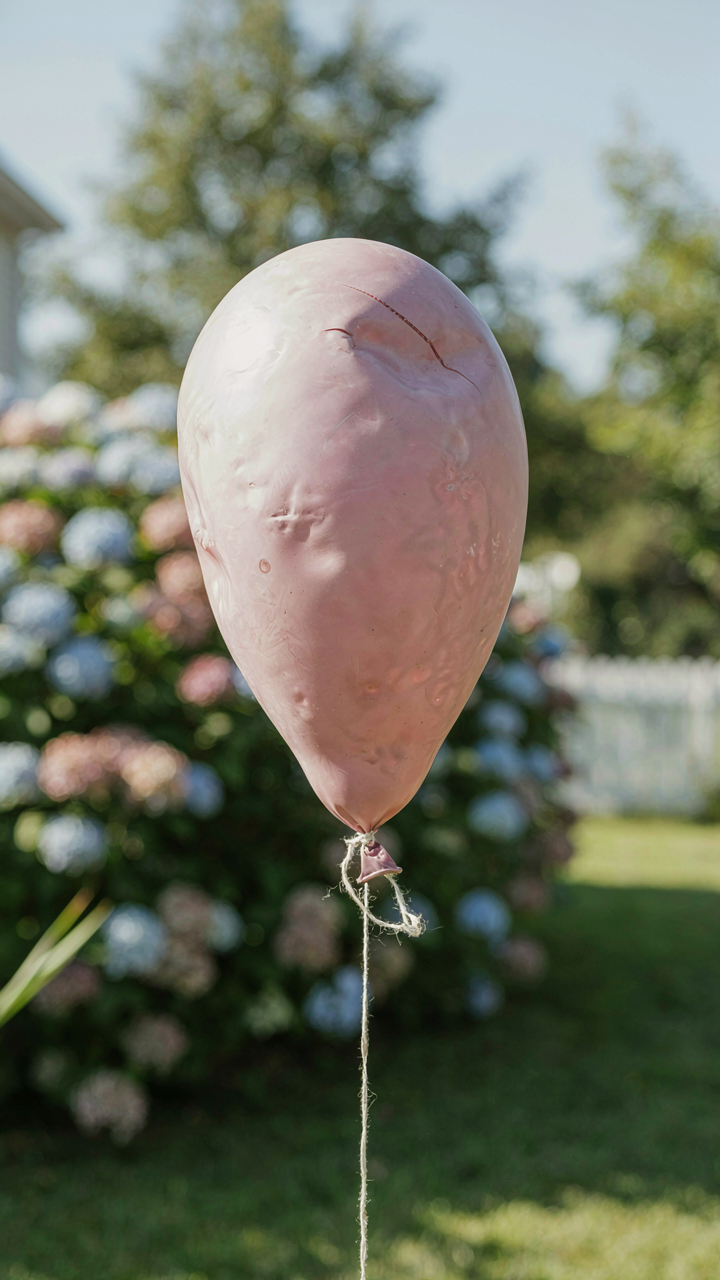
You want your garland to last the party without looking sad by hour three. Here’s the mechanism: balloon failure happens through two paths—material degradation and pressure loss. Latex thickness matters because thin-wall balloons (0.15mm or less) rupture faster under UV exposure and temperature swings. Premium latex balloons run 0.20-0.25mm thick and resist UV longer, though no standard latex truly stops degradation outdoors. Mylar balloons (polyester film) hold pressure far better and reflect UV rather than absorb it, extending life to weeks instead of hours.
The biodegradability claim you hear is marketing noise. Standard latex takes months to break down in soil, not the “weeks” vendors claim. For a garden birthday, this doesn’t matter—you’re removing the garland after one day. What matters is UV resistance during that window. Mylar handles direct sun without fading or weakening. Latex fades and becomes brittle within 4-6 hours of intense afternoon sun. Choose latex for shade setups, Mylar for open yards. Pressure-test balloons 24 hours before the event to catch slow leaks early.
Fasteners That Hold In Wind And Moisture
You can’t tape or glue your way out of physics. The real problem is adhesive failure in humidity and wind load distribution across a grid. Most people use fishing line or hot glue—both fail outdoors because tape adhesive breaks down in moisture and glue doesn’t grip synthetic balloon surfaces evenly. Fishing line works but requires knot precision and catches light awkwardly in photos.
The mechanism that works: double-sided balloon glue dots (designed for balloons, not craft glue) adhered to a sturdy frame base, combined with fishing line anchors at stress points. Balloon glue dots bond to latex and Mylar without damaging material and hold humidity better than standard adhesive. For windy sites, anchor the frame with ground stakes or weights on each corner, then secondary tie-offs with fishing line at garland midpoints and endpoints. Test the full assembly in shade before installation—thermal expansion changes pressure and can pop poorly-anchored balloons.
The “Balloon Clusters” Protocol For Visual Impact
How Much Density Actually Works

You want people to stop and stare at your garland instead of scroll past the photo. That’s the real reason you’re reading this. The mechanism is simple: your eye needs enough visual mass to register “intentional design” instead of “balloons taped to a fence.”
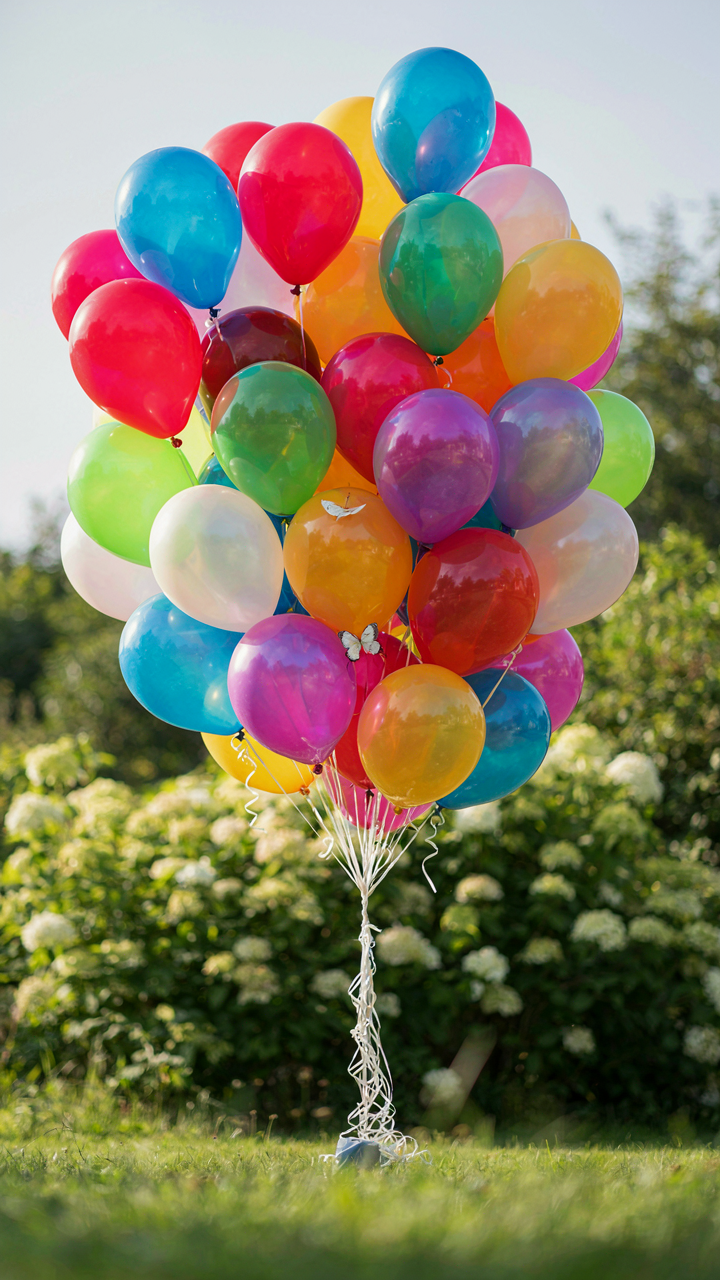
Clusters work because they create focal points. Think in groups of five to seven balloons, not scattered singles. Space these clusters twelve to eighteen inches apart along your garland line. This rhythm prevents the dilution effect where your eye gets bored scanning empty space between balloons. Tighter clusters read as deliberate. Sparse arrangements read as budget constraints.
Matching Colors Without The Obvious Palette
Forget “complementary colors” advice you’ve heard everywhere. That’s graphic design doctrine applied lazily to three-dimensional space where light, shadow, and balloon texture destroy flat color theory. What actually matters is saturation consistency and value separation.
Pick balloons at similar saturation levels or they’ll compete visually instead of harmonize. A matte navy next to a glossy hot pink looks chaotic because the finish difference amplifies the color clash. Use either all pastels or all saturated tones, not both. For separation, ensure your dominant color differs from accent colors by at least two shades on a brightness scale. This creates readable contrast without the garish effect. Your clusters should feel grouped by color logic, not randomized.
Logistics Of Outdoor Party Decoration Assembly
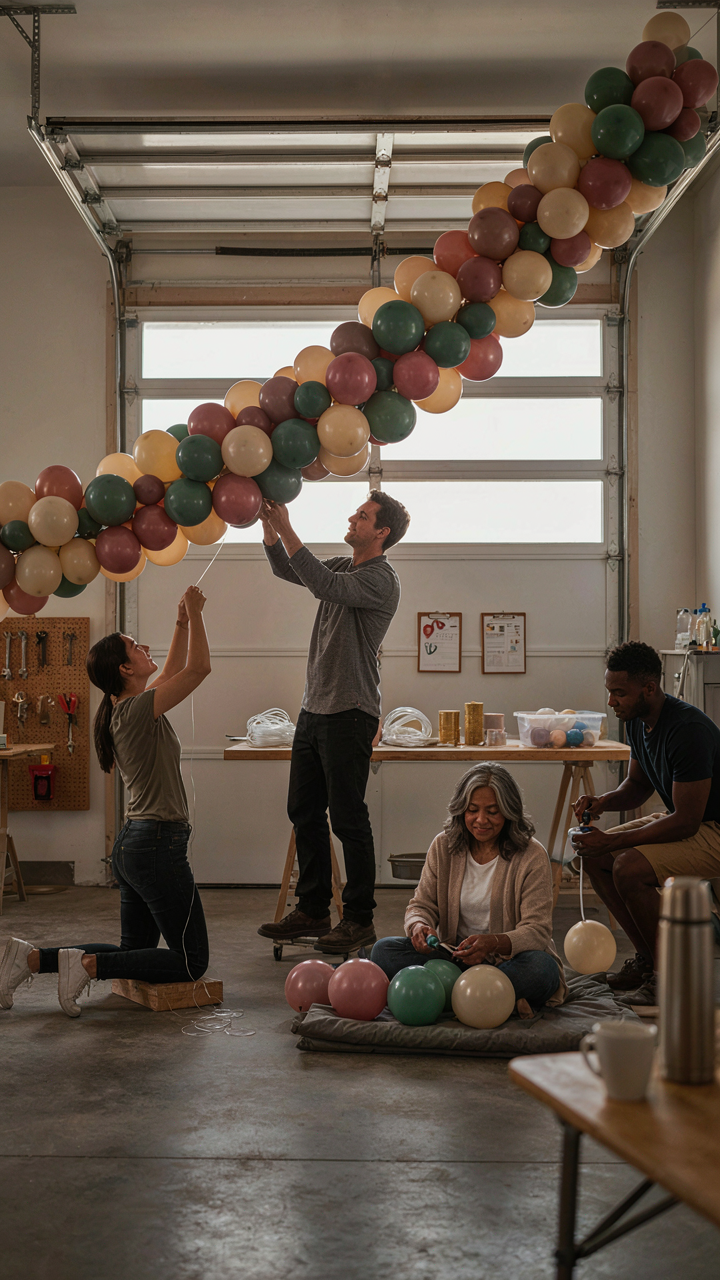
Build Your Garland Before The Party Starts

You want to avoid looking frazzled in front of guests. The real mechanism here is constraint reversal: you’re trading time pressure for assembly quality. Pre-build your garland indoors or in a garage where you control the environment, temperature, and light. This eliminates the chaotic scramble of inflating balloons in direct sun while guests arrive. You gain precision. You gain control over the final product before anything touches the yard.
Indoor assembly also lets you catch mistakes before they matter. A weak knot discovered in your living room costs five minutes. The same knot discovered mid-party costs credibility. Build the garland in sections if your space is limited. Use a long table or clean floor. Mark where each section connects so reinstallation outdoors becomes a simple clip-and-hang operation, not reconstruction.
The Right Air Pump Decides Everything
Most people buy electric pumps and assume they’re all equivalent. They’re not. The distinction that matters is CFM output, which measures cubic feet per minute of air. A low-CFM pump inflates standard 11-inch balloons slowly enough that you’ll lose patience and motivation halfway through. A quality electric pump with 15+ CFM fills a standard balloon in under ten seconds. The time difference compounds across 50 to 100 balloons.
Cordless electric pumps beat corded models for backyard work because you move freely without hunting for outlets. Battery-powered pumps from reputable manufacturers hold their charge through a full garland assembly. Avoid ultra-cheap pumps that fail mid-job or overheat. Your pump is not where you economize. Buy one that works reliably, and it pays for itself the first time you use it instead of inflating 80 balloons by mouth.
Deployment Strategy: Integrating With Backyard Fence
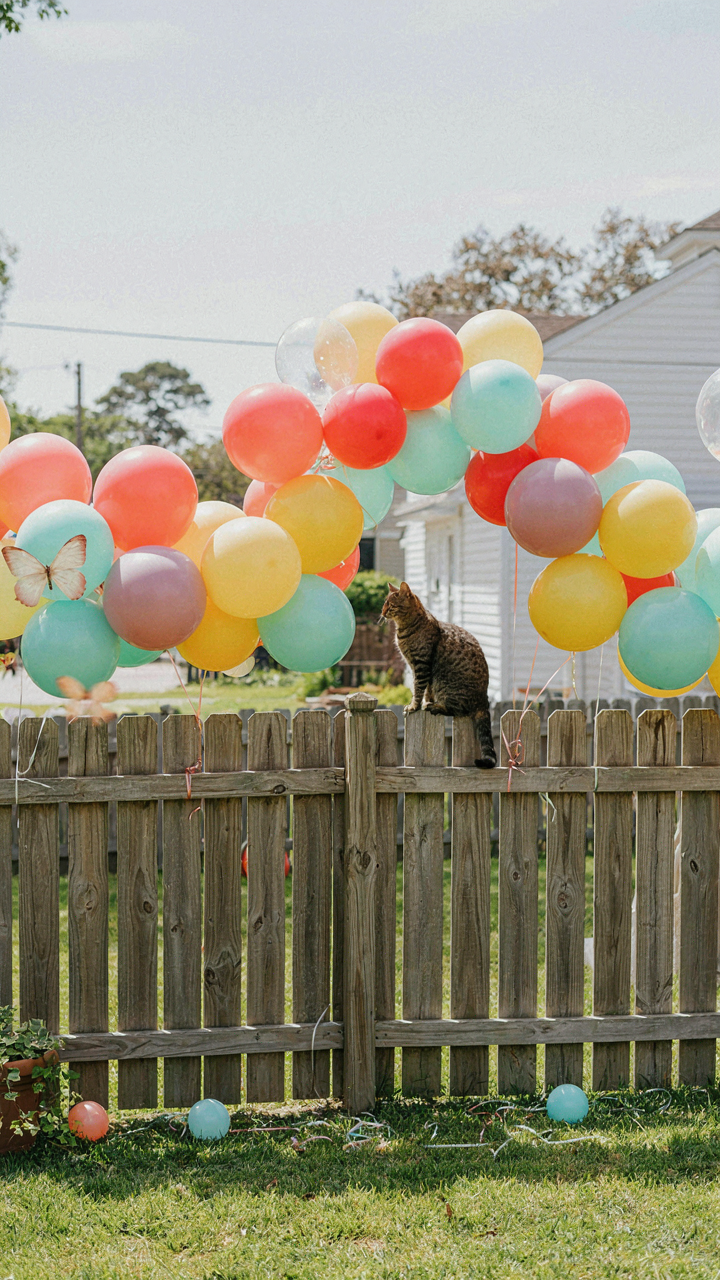
Reading Your Fence Before You Build

You want this to look intentional, not like you ran out of wall space. The real mechanism is this: your fence becomes load-bearing infrastructure, not decoration. Before you tape a single balloon, walk your perimeter and document what you’re actually working with. Note gate locations, fence height variance, post spacing, and material type. Wood fences accept different attachment methods than vinyl. Metal fencing requires different hardware entirely. Your deployment strategy fails at the planning stage, not the execution stage.
Most people skip this step because it feels obvious. It isn’t. A six-foot section with a gate in the middle requires completely different anchor points than an open eight-foot run. Measure the distance between fence posts. Identify which sections will bear weight. Mark soft spots, rot, or structural weakness now. This prevents garland collapse mid-party and eliminates the need to patch or reinforce during setup.
Anchoring Without Permanent Damage
The common advice here is wrong. You don’t need fishing line, command strips, or those flimsy adhesive hooks. Balloons create sustained lateral pressure, not point load. Think in terms of engineering load distribution, not temporary decoration. Monofilament line fails because it cuts through balloon material under pressure. Adhesive fails because fence surfaces accumulate dirt and UV damage, destroying surface adhesion.
Use zip ties rated for outdoor use, looped through fence lattice or around fence posts directly. Zip ties distribute load across a wider surface area and don’t degrade with UV exposure the way adhesive does. Drill small holes in fence sections if you need additional anchor points. Rent a cordless drill and seal holes afterward with outdoor sealant. This takes thirty minutes and prevents permanent fence damage while giving you reliable attachment points that won’t fail mid-event.
The “Resilience Engineering” Approach To Outdoor Decor

Build Redundancy Into Your System

You’re worried your garland will collapse mid-party and you’ll look unprepared. That fear is valid, and the solution isn’t hoping for good weather. Cybernetics calls this redundancy: duplicate critical systems so failure of one doesn’t kill the whole operation. A balloon garland needs backup fasteners, spare balloons, and secondary anchor points. Most people secure a garland one way and pray. That’s not a plan, that’s gambling with your reputation.
Carry 15 to 20 percent more balloons than your design calls for. Bring two types of fasteners: floral wire and fishing line rated for outdoor use. Pre-identify three anchor points for every two you’ll actually use. If wind takes out your primary tie-down, you pivot to the secondary without dismantling anything. This isn’t over-engineering. It’s the difference between a garland that holds and a garland that becomes a lawn decoration for your neighbors.
Monitor And Adjust In Real Time
Feedback loops are how systems self-correct. In cybernetics, feedback turns information into action that prevents drift. Your garland needs the same treatment. Check it every thirty minutes starting two hours before guests arrive. Look for balloon migration, line slippage, and weather shifts. Don’t wait until your garland is halfway down to the patio furniture.
Set a phone timer for inspection intervals. Walk the entire length. Test every fastener with manual pressure. If a balloon has shifted, rebind it immediately rather than hoping it stays put. If wind is stronger than forecast, tighten secondary anchors now. If you see moisture forming on balloons in the morning, add airflow by repositioning nearby obstacles. Real-time adjustment kills ninety percent of garland failures before they happen.
Beyond Balloons: Elevating Your Party Setup

Lighting Integration For Evening Impact

You want people to see what you built and feel like you knew what you were doing. Here’s what actually matters: lighting doesn’t decorate your balloon garland. Lighting reveals it. This is basic stage design principle. Stage designers call this “key light” and “fill light” the directional and ambient illumination that defines depth and dimension. Your garland has vertical and horizontal planes. Without light hitting those planes from the right angle, it reads as a flat blob in the dark.
- String lights positioned behind the garland: Creates depth by backlighting the balloon clusters, separating them from the backdrop and adding volume.
- Uplighting from ground level: Shoots light upward through the garland structure, emphasizing the three-dimensional stacking and layering of balloons.
- Spotlights on anchor points: Highlights where the garland connects to your structure, creating visual anchors that stabilize the entire composition.
- Warm-toned LED strips along the perimeter: Defines the garland’s outer edges without overwhelming details, maintaining definition as ambient light fades.
- Cross-lighting from both sides: Eliminates flat shadows and renders the balloon surfaces with clarity, making texture and color separation visible at distance.
Install lights before sunset, not after. Test each fixture from where guests will stand, not from where you installed it. Most people position lights too close to the garland, washing it out instead of defining it. Place them three to six feet away, angled deliberately at the structure’s mass points.
Natural Elements As Structural Language
Foliage and flowers don’t complement a balloon garland. They interrupt the visual repetition and reset the scale perception. Your garland is made of identical units stacked in sequence. When you weave in greenery or blooms, you’re breaking rhythm intentionally, which forces the eye to stop and process instead of glide past.
Eucalyptus branches work better than filler foliage because they have distinct depth and don’t obscure balloon edges. Cluster them at three anchor points, not scattered throughout, so they function as visual chapters rather than noise. Preserve greenery’s color by misting it the morning of the party. Flowers fade fast in heat and direct sun. If you’re using cut flowers, insert them into small water vials hidden behind the garland an hour before guests arrive. This keeps petals firm and vibrant instead of wilted and collapsed by midday.
The Post Party Deconstruction Protocol
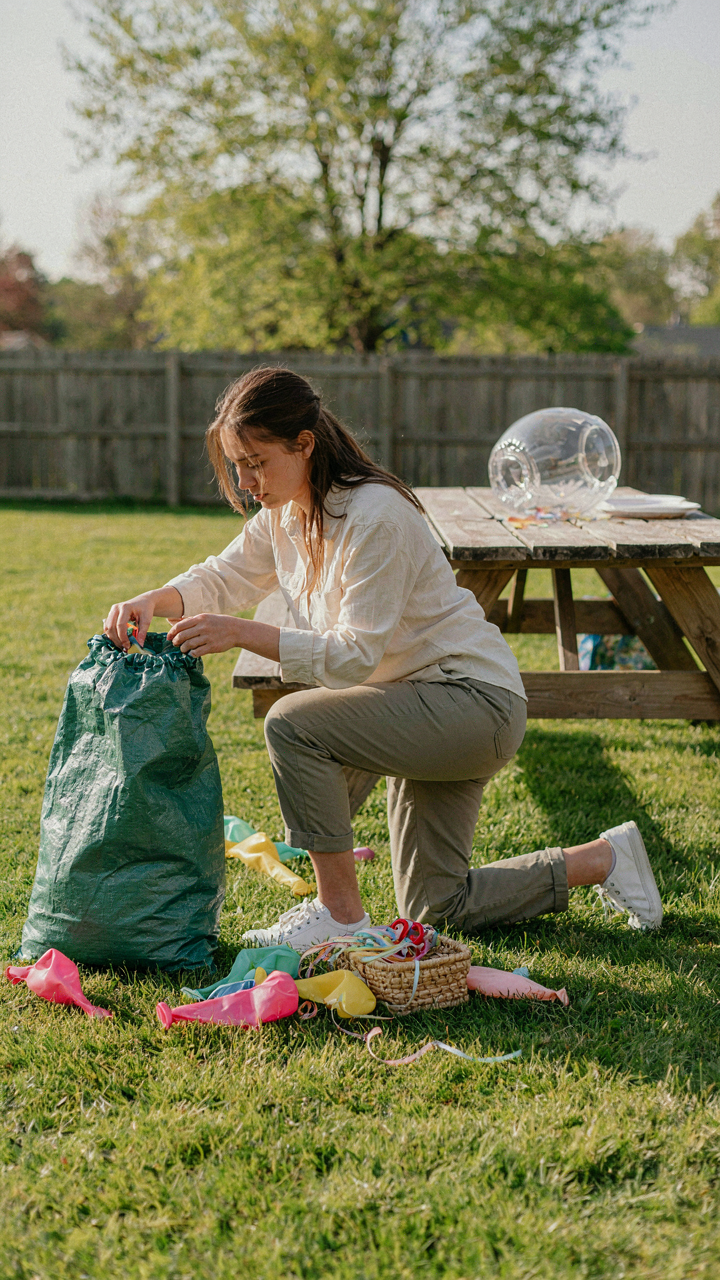
How To Break Down Fast

You want to avoid the sunk-cost trap where you stare at deflated balloons for three days telling yourself you’ll deal with it tomorrow. The mechanism is simple: balloons degrade in sunlight and weather, so speed compounds your efficiency. Start takedown within two hours of the last guest leaving, when the garland structure still holds its shape and you haven’t mentally checked out.
Work top-to-bottom, corner-to-corner. Remove anchor points first—command strips, zip ties, or tape—before pulling individual balloons. Latex balloons detach cleanly when you apply pressure at the base of the knot rather than yanking the balloon body. Stack the deflated balloons in a single container to avoid scattered pieces across your yard. This takes thirty to forty minutes for a standard fifteen-foot garland, not hours.
Recycling And Reuse Reality
Everyone says balloons are recyclable, but that’s incomplete. Latex balloons degrade naturally over five to ten years in landfills—faster than plastic. Mylar balloons take decades and belong in trash, not recycling bins. The real move: save intact balloons for future events, donate reusable garland frames to neighbors planning parties, and compost actual latex pieces in a yard bin if you have one.
Check balloons for punctures before storage. Undamaged latex balloons store flat in cool, dark spaces and inflate again months later. Mylar balloons lose helium within weeks, so reusing them makes no sense unless you’re refilling with air for non-floating decoration. The cost-benefit flips when you factor in refill time. Donate your garland frame itself to someone throwing a party within the next season—the structure costs more than your time to break down.
The Backyard Balloon Garland Isn’t A Decoration; It’s A Mirror Reflecting Your Commitment To Detail

Most people buy a balloon garland kit and call it done. You’re not most people. A backyard balloon garland forces you to choose colors, measure space, and actually execute something that matters. That friction between vision and reality? That’s where you find out who you are. Grab your tape measure today and sketch your space. One honest attempt beats infinite Pinterest scrolling. You either build things or you consume them.