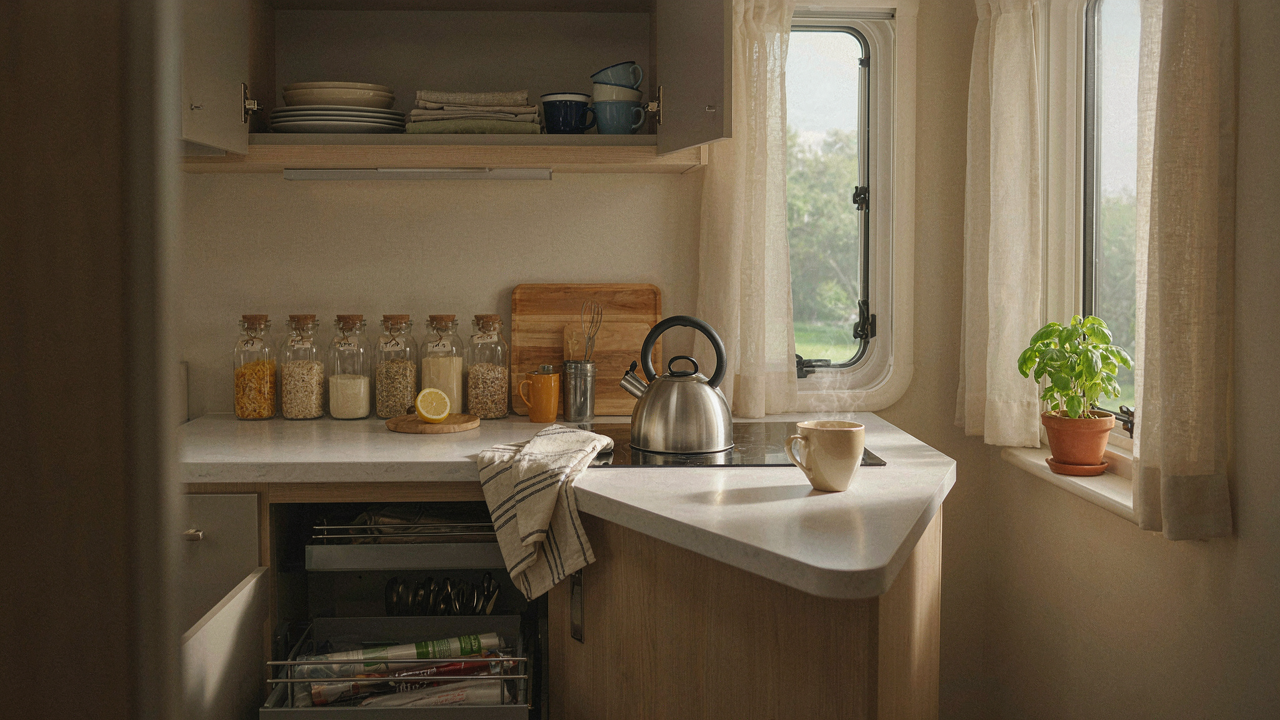
The Declutter Protocol: What Really Deserves A Spot?
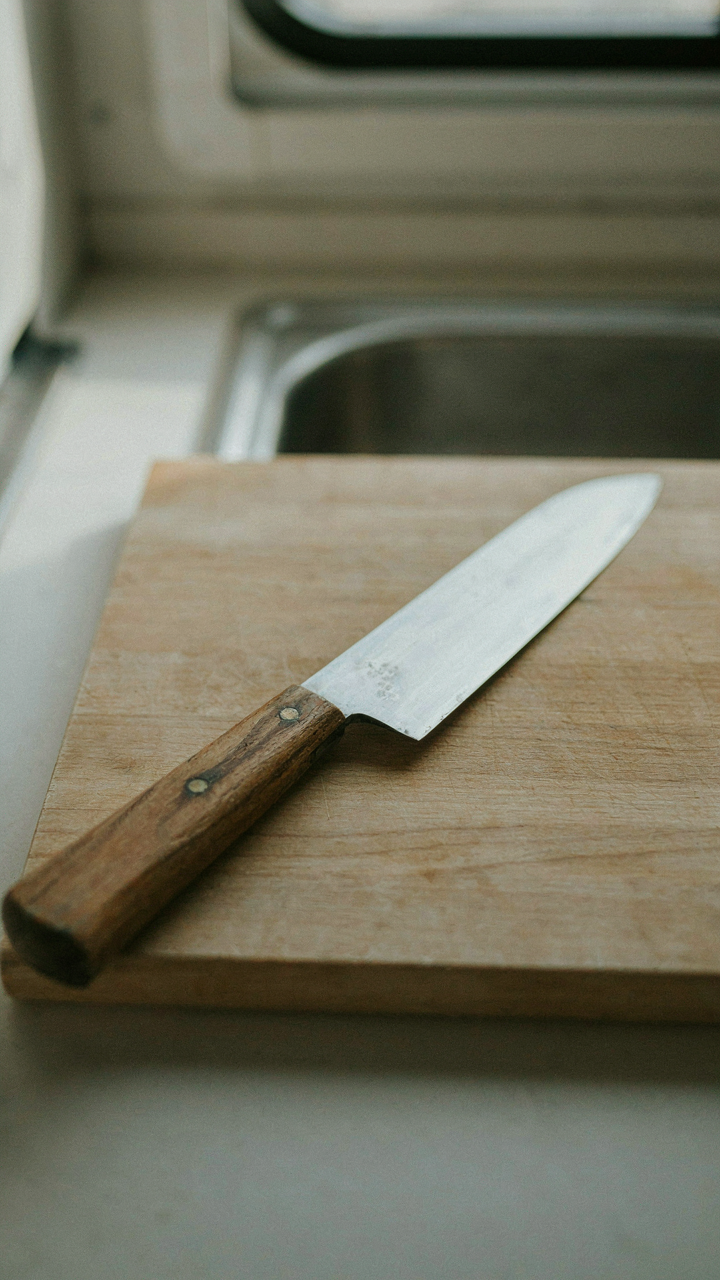
Single Use Items Don’t Belong Here
You’re keeping them because you’re afraid of the one time you’ll need them and won’t have them. That’s the real cost calculation running in your head. The mechanism is simple: single-use tools create a false sense of security while stealing finite cubic inches. In an RV, every item that does one job is a luxury tax on your mobility. Identify what you actually reach for monthly, not what you think you might need in a hypothetical scenario that hasn’t happened in two years.
The brutal filter is this: if you haven’t used it in your current RV lifestyle, remove it now. Specialty gadgets like avocado slicers, corn holders, or dedicated egg separators consume prime real estate. Replace them with tools that stack functions. A good knife and cutting board handle 90 percent of what those single-purpose items promise. Your storage problem isn’t really storage. It’s that you’re carrying insurance policies disguised as kitchen equipment.
Tools That Earn Multiple Assignments
Economics calls this “resource allocation under scarcity.” You’re operating with constrained space, which means every item must generate measurable utility across different tasks. A stainless steel mixing bowl doubles as a serving dish, prep container, and measuring reference. A wooden spoon works for stirring, scraping, and serving. Locking tongs grip, flip, toss, and reach tight spaces. Start by auditing your current drawer. Every tool must answer this question: does this solve more than one problem in my actual cooking routine?
Multi-functional tools aren’t clever workarounds. They’re the only rational strategy when you live in 400 square feet. Your silicone spatula replaces a rubber scraper and a spoon. Your kitchen shears cut herbs, meat, and packaging. Your colander becomes a steamer insert and storage container with drainage. This isn’t minimalism for its own sake. It’s maximizing cooking capability while respecting physical constraints. Keep only tools that demonstrated repeated use across different cooking tasks in the last month.
Camper Kitchen Inventory: The Hard Truth About Duplicates
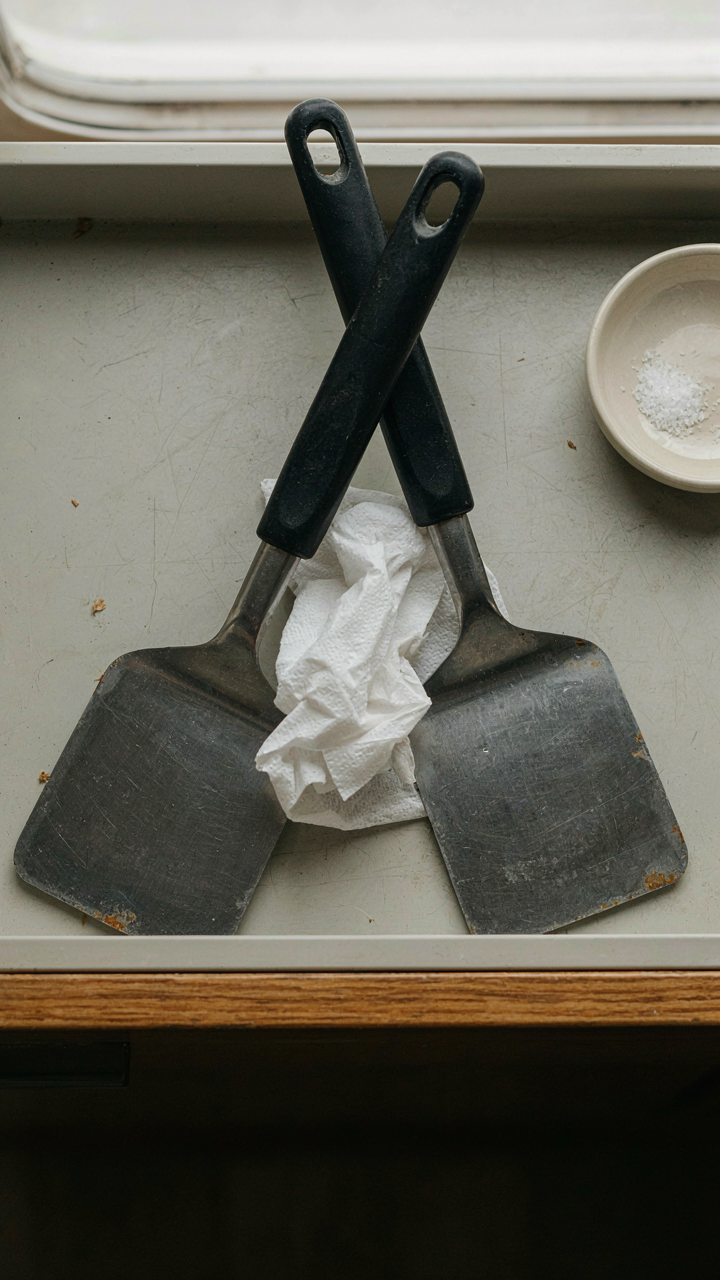
Eliminate Redundant Kitchenware Ruthlessly

You think you need backup tools because you’re afraid of being without one when it matters. That’s not storage strategy—that’s anxiety masquerading as planning. The mechanism is simple: every duplicate item you own takes up finite cubic footage in a space where cubic footage is your actual currency. In an RV, space isn’t free. It costs you mobility, weight distribution, and access to the items that actually generate value.
Most people keep two spatulas, three cutting boards, and four mixing bowls because kitchen culture tells them to stock like a restaurant. Stop. One quality spatula handles eggs, pancakes, and sautéed vegetables. One cutting board does vegetables, proteins, and bread. One mixing bowl works for salads, batter, and pasta. The redundancy isn’t insurance—it’s clutter with a justification. Pull everything from your cabinets, identify the single best tool for each task, and remove everything else. You’ll gain three to five drawers of usable space immediately.
One Item, Many Uses Principle
This isn’t minimalism talk. This is engineering. In design systems, multifunction components reduce overall complexity while improving resilience—when one piece handles multiple functions, you need fewer total pieces. Apply that to your RV kitchen. A stainless steel mixing bowl becomes your salad bowl, serving bowl, and prep vessel. A silicone spatula flips food, scrapes pans, and stirs thick batters. A single sharp chef’s knife replaces a paring knife, utility knife, and slicing knife for ninety percent of your cooking.
Multifunction tools force intentional design decisions. You can’t justify keeping a dedicated item when one tool already does the job better. The constraint is the feature. Start by auditing your most-used tools: identify what they actually handle across a week of cooking. Then systematically replace single-purpose items with tools that earn their weight through repeated, varied use. Store the multifunction items front and center. The dead weight goes to donation or storage at home.
Gravity As Your Ally: Vertical RV Storage Solutions

Magnetic Strips For Knives And Spices

You want your RV kitchen to feel intentional, like you didn’t just cram a house into a box on wheels. The real mechanism here is load distribution. Instead of hoarding knives and metal spice containers in a drawer that consumes cubic feet, you move weight off your floor plan and onto walls. Magnetic strips use ferrous metal’s attraction to the magnet itself, not friction or fasteners. This means zero movement when your RV hits a pothole.
Install a magnetic strip at eye level on the wall beside your stove or prep area. Use adhesive-backed strips rated for RVs, not rental apartment versions. The strip holds weight through pure physics, not mounting strength. Knives stay put. Spice tins stay put. You reclaim 2 to 3 cubic feet of cabinet real estate that now holds actual food or cookware. This is the only vertical storage method that requires zero additional hardware.
Command Hooks And Tension Rods For Vertical Space
The common advice is to just add hooks everywhere and call it solved. That’s incomplete. Tension rods create a horizontal rail system inside your cabinets without drilling, and command hooks hang from that system or directly from walls. The constraint in an RV isn’t wall space, it’s volume efficiency. A tension rod between two cabinet walls lets you hang dish towels, oven mitts, or small utensil organizers from below. Command hooks handle the rest.
Place tension rods inside upper cabinets first, then hang lightweight organizers beneath them. Add command hooks on the inside of cabinet doors for measuring spoons or small pans. This stacking method turns a single cabinet into three storage layers. Check that your RV cabinet walls are wood or laminate, not aluminum, before deploying command hooks. The adhesive requires a porous surface to hold weight. When done right, you pull open one cabinet door and access twice what you could before.
The “Less But Better” RV Kitchen Organization
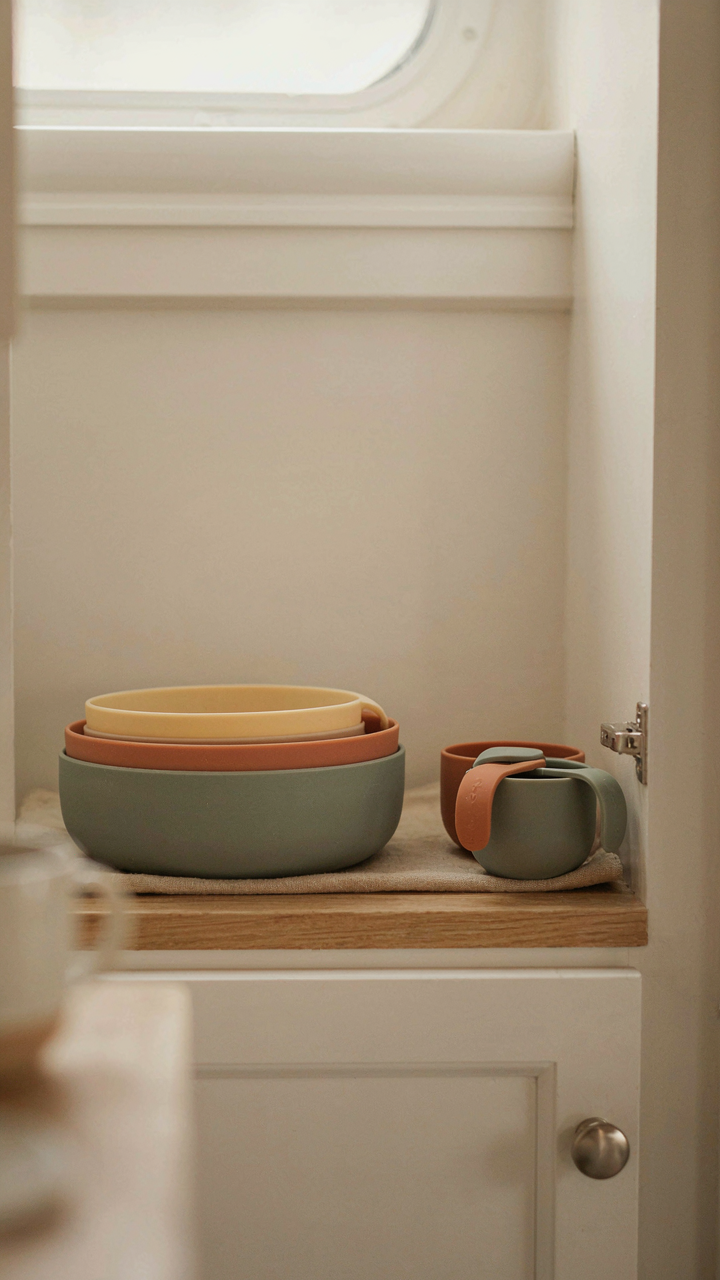
Collapsible Cookware Wins The Space War

You want to feel like you didn’t sacrifice your real kitchen when you’re on the road. That’s the real motive here. The mechanism is this: RV kitchens operate under hard constraints, and collapsible cookware exploits geometry. When you collapse a pot or pan, you change its volume from a three-dimensional problem into a two-dimensional storage challenge. Standard rigid cookware wastes dead space the moment you stack it.
Collapsible silicone cookware and nesting stainless steel sets solve this by reducing footprint without reducing function. A collapsible 3-quart pot collapses to under two inches tall. You store it flat in a narrow cabinet gap where a rigid pot wouldn’t fit. Buy one quality brand, not multiple cheap ones that degrade after a season. Test it on a stovetop before committing to confirm heat distribution meets your standards.
Stackable Containers For Pantry Efficiency
Pantry efficiency comes from container economics, a principle borrowed from supply chain management. In logistics, you minimize wasted cube space by standardizing dimensions across units. Apply the same logic to RV dry goods storage.
- Modular Clear Plastic Sets: Buy containers that nest inside each other and stack vertically. Brands like Rubbermaid Brilliance or Sistema lock multiple sizes that share the same footprint.
- Airtight Seal Systems: Prevents moisture and pest entry in confined spaces. Critical in RVs where humidity spikes during travel and temperature swings occur rapidly.
- Label Everything: Use waterproof labels with content and expiration dates. Eliminates guessing and prevents duplicate purchases that waste space.
- Drawer Dividers With Containers: Slide flat containers into drawer slots horizontally instead of stacking vertically. Maximizes usable width in shallow RV drawers.
- Vacuum Seal Bags For Backup Stock: Compress non-perishables like pasta, rice, and flour. Store flat under the mattress or behind seat cushions when cabinet space is maxed out.
The real win happens when you standardize your container dimensions. Every new item you buy fits into existing containers or stacks predictably. This removes the chaos of mismatched sizes cluttering cabinets. When everything locks together, you reclaim inches of space you didn’t know you had. Your pantry becomes a system, not a pile.
Kinetic Energy Of Storage: Optimizing Drawer Flow
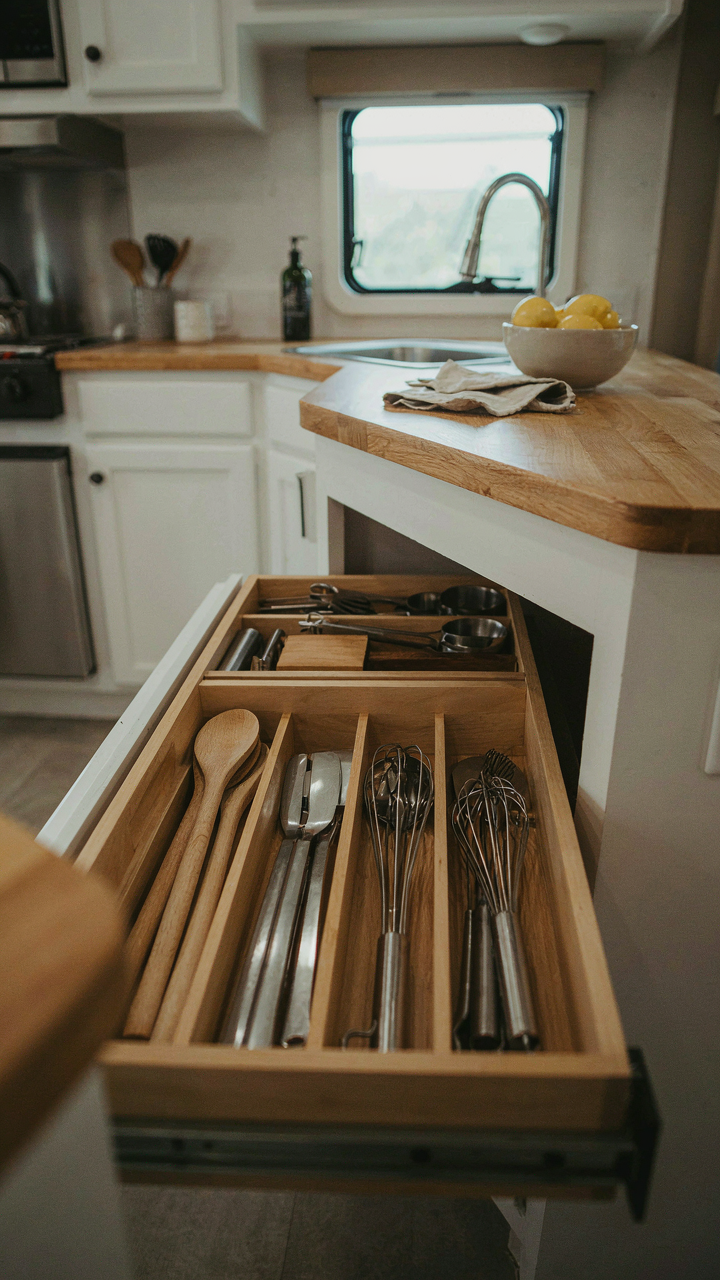
Minimize Friction With Strategic Dividers
You want your RV kitchen to feel effortless because you’re tired of wasting mental energy finding utensils. Physics teaches us about friction, and kitchen drawers operate on the same principle: reduce resistance between what you need and where your hand lands. Drawer dividers aren’t decoration. They’re friction reducers that let you access items without moving everything else first.
Most RV owners treat dividers as optional. They’re not. A drawer without dividers forces you to hunt through stacked items every time, multiplying the steps to a simple task. Bamboo or plastic dividers create fixed lanes for categories: utensils, cooking tools, gadgets, linens. The divider material matters less than the configuration. Adjust compartment widths to match what lives there. Narrow slots for knives and forks. Wider sections for spatulas and tongs. This setup eliminates the hand-sweep search pattern entirely.
Accessibility Wins Over Proximity
Frequently used items should sit at eye level and arm’s reach, not shoved behind less-used gear. This isn’t about convenience. It’s about reducing decision friction every single day. If your coffee maker, breakfast plates, and everyday utensils require excavation, you burn cognitive load on a repetitive task that should be automatic.
Map your actual use patterns, not theoretical ones. Track what you grab in the first 30 minutes after waking and during meal prep. Those items own the premium real estate: drawer front row, cabinet eye level, counter adjacent to appliances. Everything else gets secondary placement. The mechanism here is simple: reduce the steps between decision and execution.
Camper Organization Hacks: The Cabinet Conundrum
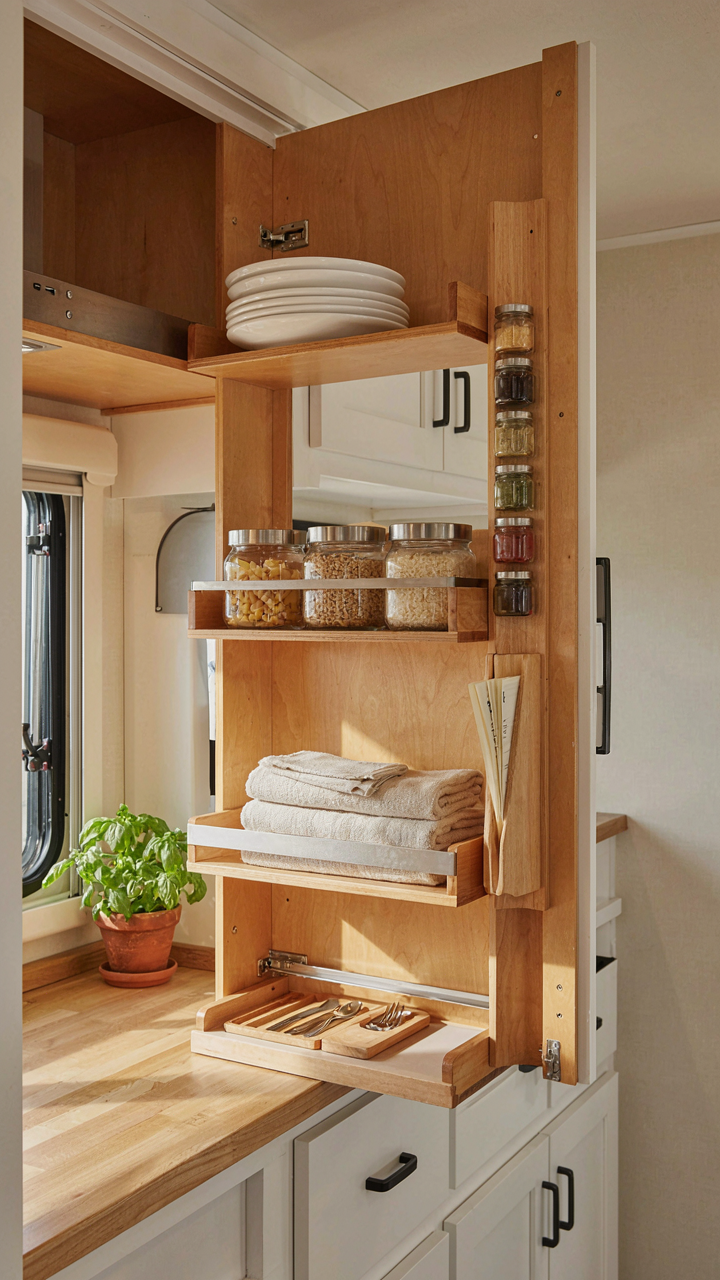
Adjustable Shelving For Custom Fit

You want your RV to feel spacious because a cramped kitchen makes you feel like you made a mistake. The real mechanism is dead space. Most RV cabinets ship with fixed shelves spaced for average-height cans, leaving 40% of vertical real estate unusable. Adjustable shelving solves this by letting you compress or expand shelf spacing based on what you actually store, not what the manufacturer guessed.
Install adjustable shelves using either friction pegs or metal rail systems. Friction pegs are cheaper and require only drilled holes on 32mm centers, a standard cabinet measurement. Metal rails bolt directly to cabinet sides and hold more weight than pegs do. Measure your tallest item first, set that shelf height, then stack remaining shelves below it. This single protocol removes the guesswork and recovers 15-25% of your cabinet volume instantly.
Under Cabinet Baskets For Wasted Space
Everyone talks about under-cabinet storage like it’s revolutionary. It’s not. What’s actually happening is you’re reclaiming the dead zone between the bottom shelf and the cabinet floor where nothing fits. This gap typically holds nothing because items are either too tall to fit or too wide to slide in. Baskets with handles change this by creating removable drawers that live in that space.
Buy baskets with dimensions that fit your under-cabinet clearance, not the other way around. Measure the height from floor to lowest cabinet shelf, then subtract one inch for clearance. Baskets on rollers beat static ones because you can pull them forward to access items at the back without contorting your arm. Mount a label on each basket and rotate contents seasonally so you use what you store.
Travel Trailer Organization: Beyond The Obvious Spaces
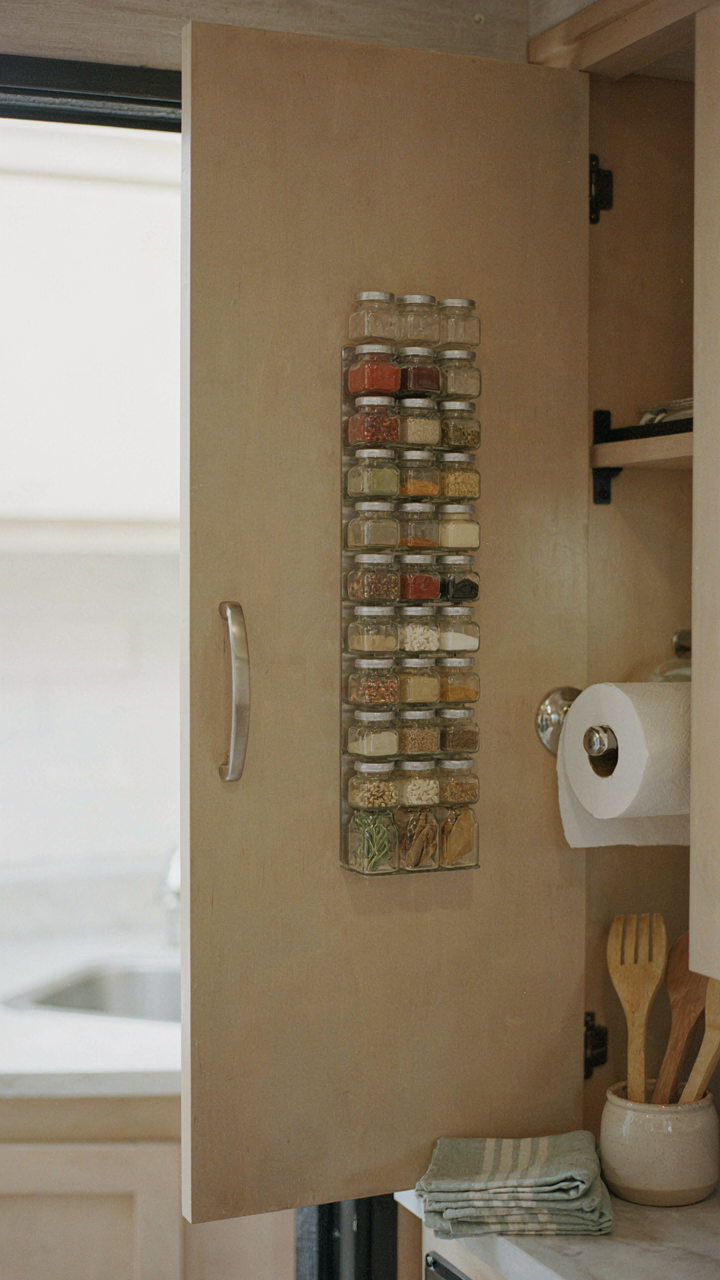
The Door Real Estate Nobody Claims

You want to feel like you’ve optimized something without actually changing how you cook. Door-mounted organizers solve that psychological need while delivering actual capacity. In spatial design terms, this is negative space recovery. RV cabinets waste the interior face of doors because manufacturers build them as afterthoughts, not storage zones.
Command strips and adhesive-backed organizers mount spice racks, magnetic strips, and shallow bins directly to cabinet doors. The mechanism is simple: gravity works downward, so light items stay put without drilling. Weight distribution matters. A loaded spice rack on a cabinet door works. A full cutting board collection does not. Install heavier organizers on structural door frames, lighter ones on hollow sections. The difference between working storage and a cascade of falling spices is understanding load limits before you mount anything.
Reclaim The Gap Between Cabinets And Countertop
Most RV designers leave 6 to 10 inches of dead air between upper cabinets and countertops. This stems from early trailer manufacturing that prioritized assembly speed over spatial efficiency. That gap becomes functional storage through thin, stackable containers or magnetic strips on the underside of cabinets.
Slim pull-out drawers fit that gap without blocking counter access. Tension rods installed horizontally hold plastic wrap and foil upright. Even adhesive shelf risers create two tiers within existing cabinet space. The protocol: measure your actual gap, then source containers that fit that dimension exactly. One inch of wasted space per cabinet multiplies across a trailer kitchen. Eliminate multiplication by filling every gap with intentional storage that serves a specific category of items.
The Minimalist RV Storage Approach: Embrace Emptiness
Why Empty Space Works

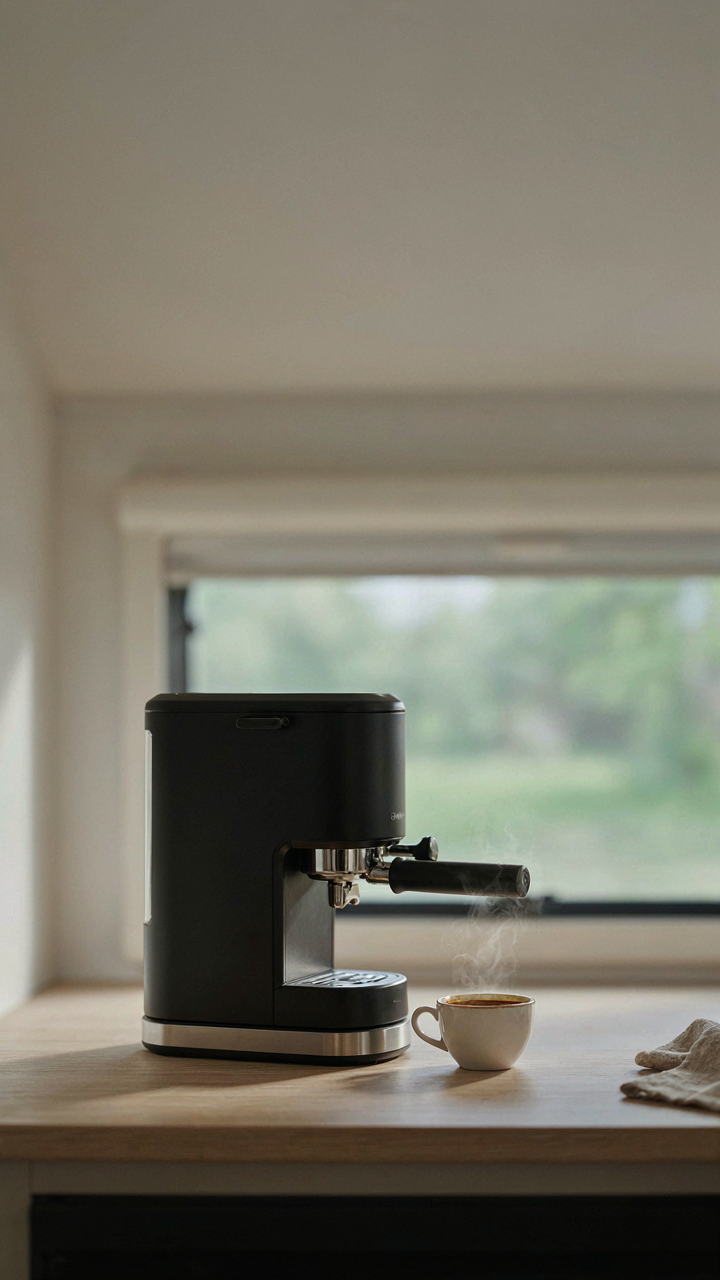
You think you need to maximize every cubic inch because that’s what small space demands. The real mechanism is different: constraint breeds decision-making, and decision-making kills waste. In physics, systems reach efficiency when friction increases. An RV kitchen operates the same way. When you leave strategic voids, you stop impulse purchases and actually use what you own.
Empty drawers force you to see what’s inside. You grab what you need without excavating through layers of forgotten tools or duplicate gadgets. This visibility cuts your prep time because you’re not searching. You know exactly what lives where because there’s room to see it. The constraint of limited space becomes your filter, not your enemy.
Stop Filling The Gaps
Everyone tells you to maximize storage. That advice is incomplete and backwards for RV living. The goal isn’t filling voids. The goal is maintaining functional access without creating a system so dense it collapses under its own weight. When every inch holds something, nothing gets retrieved easily.
Leave 20 to 30 percent of your cabinet and drawer space empty. This isn’t wasted real estate. It’s operating margin. When you cook in your RV, you need room to pull items out, inspect them, and set them down. You need breathing room to think. Set a hard rule: if your drawer closes with force, you’ve overstuffed it. That’s when you stop adding and start subtracting.
RV Storage And Organization Ideas: Smart Food Management
Plan Meals Before You Shop

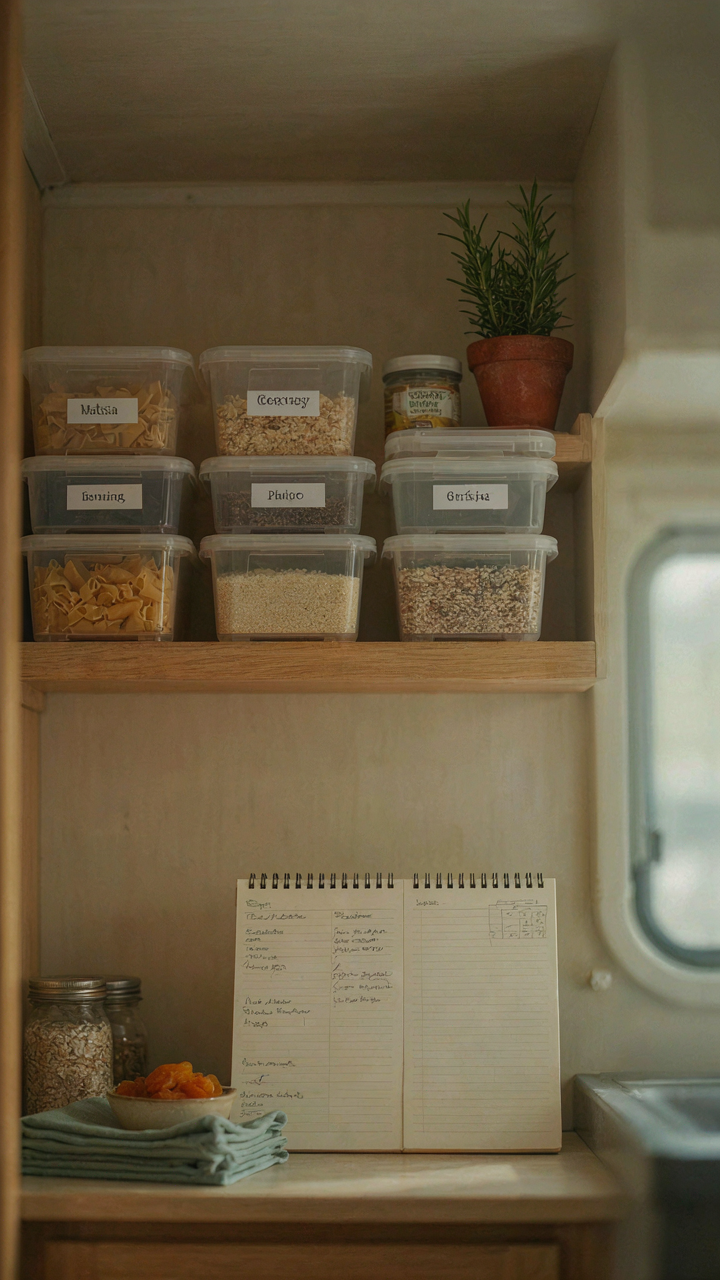
You want to feel like you have your life together in a 200-square-foot kitchen. The real mechanism is this: every item you buy without a specific meal attached to it becomes dead weight. Meal planning isn’t about discipline or virtue. It’s about inventory control, the same principle warehouses use to minimize waste. You decide what you’ll cook for the next five to seven days, then buy only what that plan requires. Nothing else enters the RV.
The math is straightforward. Excess groceries consume shelf space, rot before use, and force you to reorganize around them. RV kitchens have fixed cubic footage. Each wasted inch is an inch you can’t use for something functional. Write a simple seven-day rotation, shop against that list, and stop shopping in circles.
Decant Bulk Items Into Stackable Containers
Most people treat decanting like an organizational hobby, a way to make things look neat. It’s actually a density play. Original packaging wastes space through air gaps and irregular shapes. Rectangular, uniform containers stack efficiently and let you see exactly how much food you have without opening anything.
Use clear, food-grade plastic containers with tight-fitting lids in three standard sizes: small for spices and seasonings, medium for flour and sugar, large for pasta and grains. Label each container with contents and expiration dates using a permanent marker or label maker. Stack vertically in cabinets to maximize height, and group by category so you find items without excavating. This eliminates the overhead of hunting through original boxes and bags while storing nearly 40 percent more food in the same space.
The Anti Clutter Mindset For Your Camper Kitchen
Stop Buying, Start Choosing
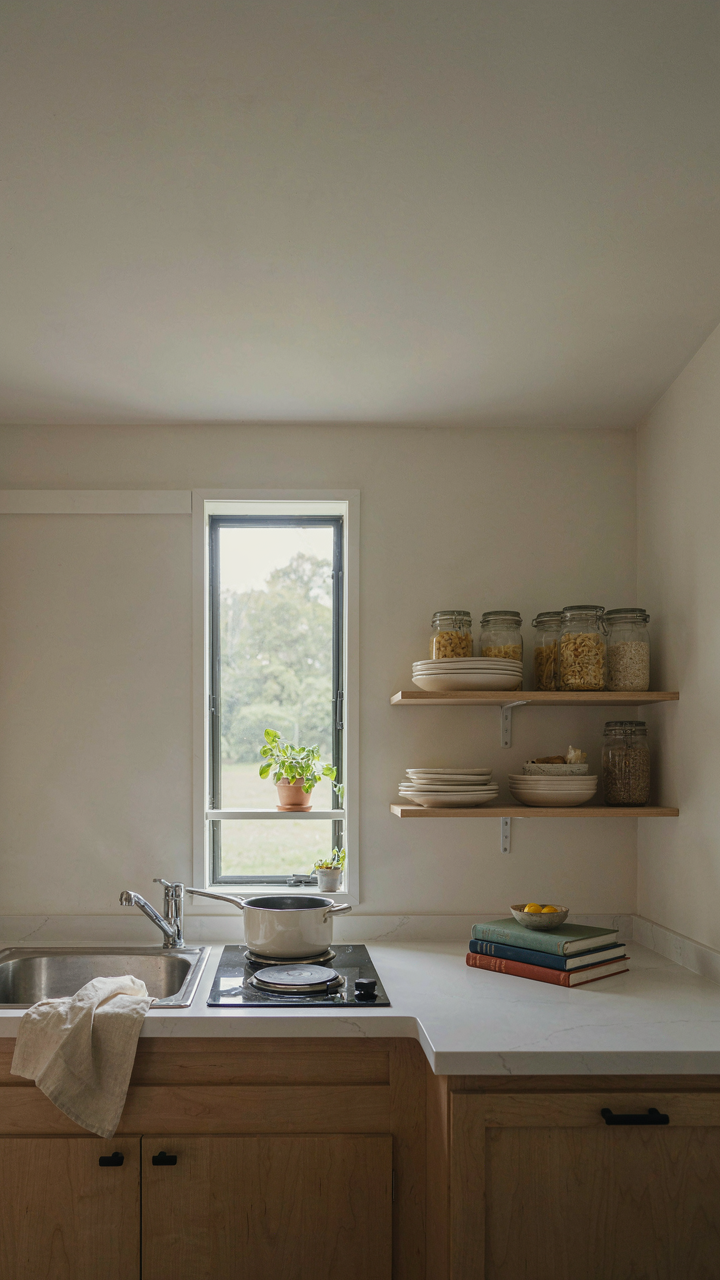
You want to feel in control of your space because clutter makes you feel like you’ve failed at the one thing you own. Here’s what actually happens: people treat RV kitchens like land-based kitchens, acquiring tools for tasks that occur once a year. Economics calls this the endowment effect—we overvalue what we own simply because we own it. In an RV, this kills you. Every item you keep costs you square footage and mental load.
The mechanism is simple. You don’t have a storage problem. You have an acquisition problem. Stop treating your RV kitchen like a backup for your house. Instead, commit to the smallest viable toolset. If you haven’t used something in two seasons, it doesn’t belong on your rig. This isn’t minimalism theater. It’s math. Limited space divided by limited trips equals ruthless curation.
The Real Cost Of Keeping Things
Most advice says to “organize better” or “use vertical space smarter.” Wrong. The real problem is that you’re keeping items you don’t actually use, and no organizational system fixes that. You’ve been trained by consumer culture to believe that owning more options makes you more prepared. In a camper kitchen, it makes you more stuck.
Start a removal protocol instead of an organization one. Before you store anything, ask three questions: Do I use this on every trip? Can I borrow or buy this locally? Does this task justify the storage footprint? If you answer no to any of these, it leaves the RV immediately. Your storage capacity isn’t your real limitation. Your discipline about what enters is.
Your RV Isn’t Small; Your Consumption Is Just Too Big
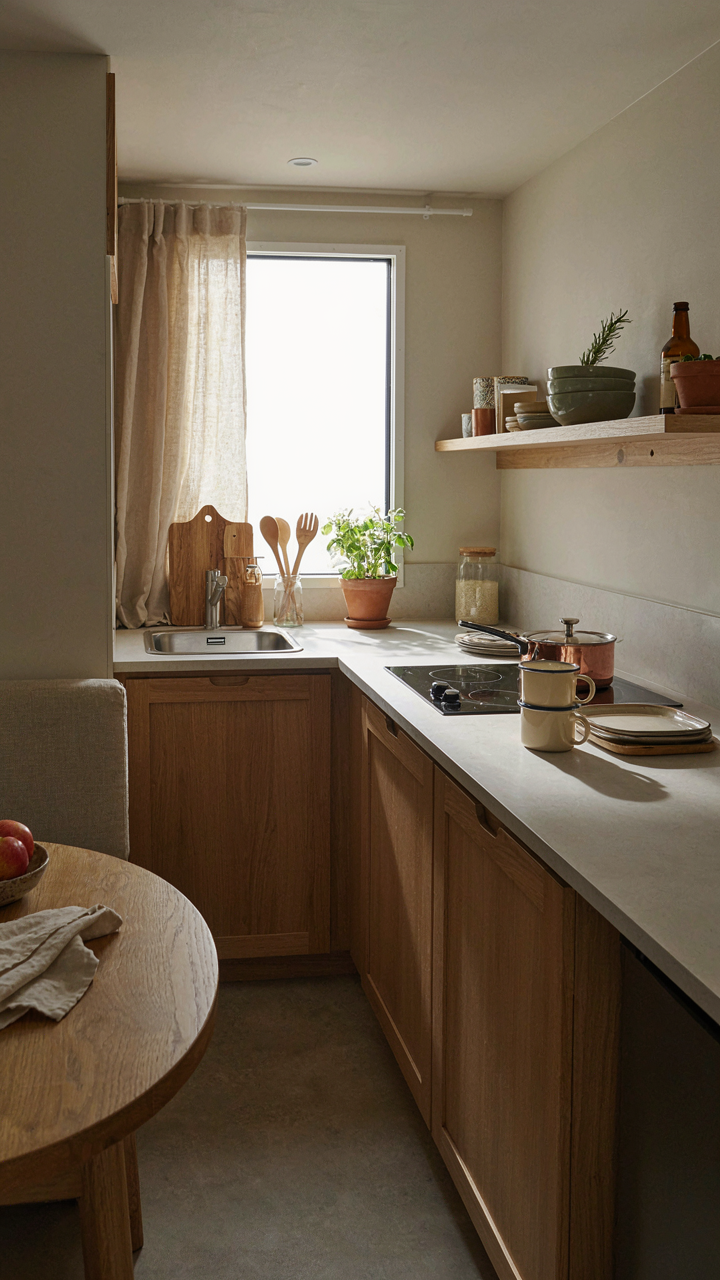
Every rv kitchen storage hack you’ve learned means nothing if you keep buying things you don’t need. The real problem isn’t your cabinets. It’s that you’ve accepted the consumer lifestyle and tried to compress it into a box on wheels. Stop. Today, pull everything out of one drawer and ask yourself: do I actually use this? Keep only what you’d buy again tomorrow. The rest goes. Storage hacks don’t fix bloat. Discipline does.