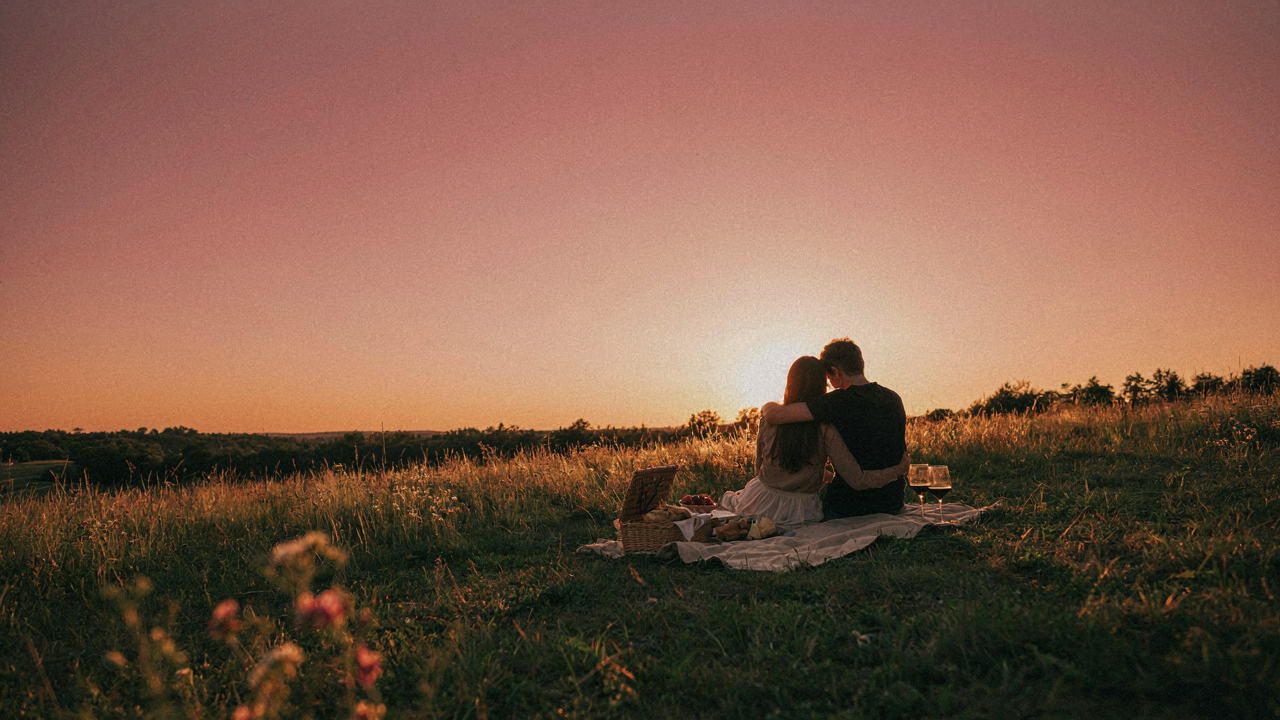
The Minimalist Sunset Picnic Protocol
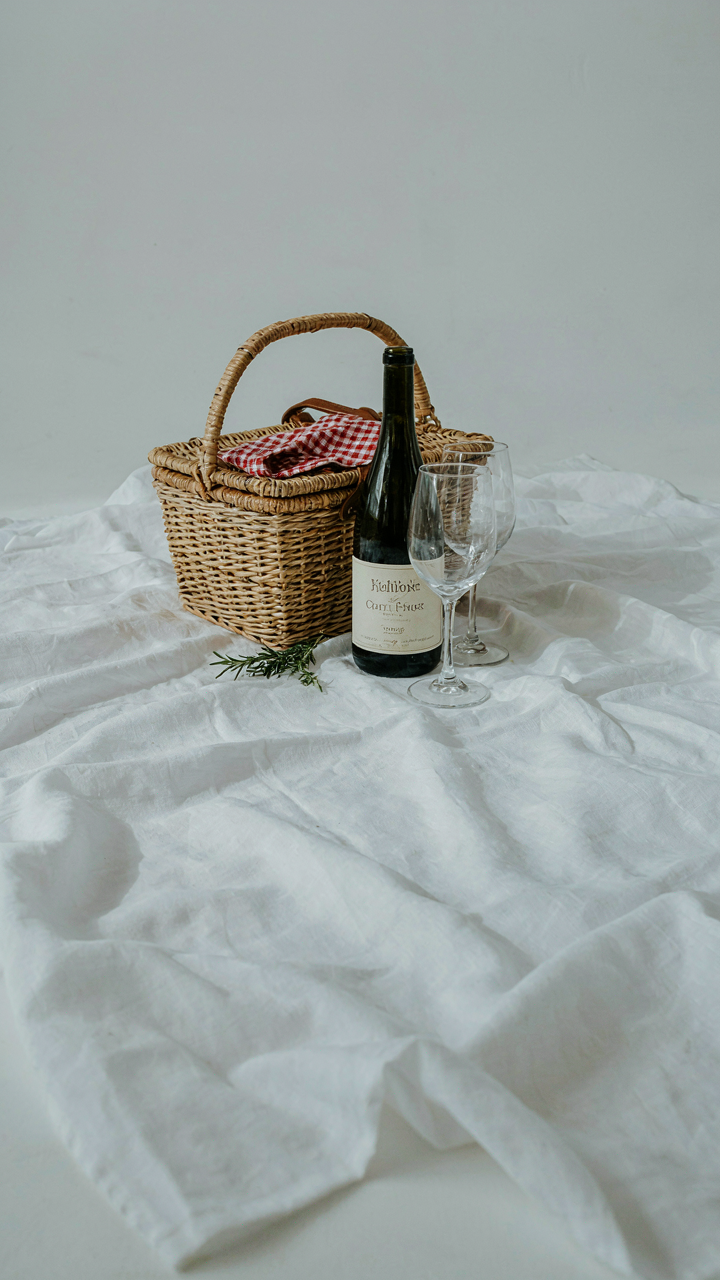
Strip Everything You Don’t Touch
You want to look like you have it together without the work. Here’s the real problem: every item you bring is a decision you’ll make twice—once when packing, once when managing it at the site. Economics calls this “transaction cost,” and it applies directly to picnic goods. Each fork, napkin, and plate multiplies your mental load and setup time. The mechanism is simple: items compete for your attention. Remove anything you won’t actively use in the first thirty minutes. Test this ruthlessly. If you can’t name its purpose before arrival, leave it behind.
Most hosts pack backup supplies they never touch. A second blanket, extra plates, redundant utensils. This isn’t preparedness, it’s anxiety disguised as planning. Your actual constraint at sunset is not running out of forks. Your constraint is managing what you brought while actually enjoying the moment. Strip to what solves one clear problem: seating, eating, drinking, or weather protection. Everything else is noise that compounds as the evening progresses.
Comfort Over Everything Else
Comfort is not a luxury detail. It’s the operating system that determines whether people stay engaged or mentally check out. Bad seating ruins a sunset faster than bad food. A cold drink matters more than a third dessert option. This isn’t about pampering guests—it’s about removing friction so the actual experience works. Invest entirely in the fundamentals: a solid surface to sit on without sinking, drinks at the right temperature, lighting that doesn’t fail when the sun drops. Everything beyond this is decoration.
The specific choices depend on your site and group size, but the principle holds: one thing done well beats five things half-managed. Bring a blanket thick enough to actually use without shifting every five minutes. Chill drinks before arrival, not in a cooler that you’ll open repeatedly. Position yourself where you can see guests and sunset simultaneously without standing. These small systems prevent the slow deterioration that kills informal gatherings. Comfort built into the structure means you participate instead of referee.
Beyond The Basket: Redefining Sunset Picnic Essentials

Gear That Earns Its Weight

You want people to think you didn’t overthink this. That’s the real reason you care about gear—it’s status through the appearance of effortlessness. But here’s the mechanism: the right equipment becomes invisible. Borrowed from industrial design, the concept of “load path” applies here. Just as a bridge distributes weight along its strongest points, your picnic gear should distribute function across items that do multiple jobs, not single ones.
Bring a lightweight wool blanket instead of a picnic tablecloth. It works on damp grass, doubles as a windbreak when draped, and fits in a small bag. A cutting board becomes a serving surface and a base for stacking. Reusable cups with lids handle both beverages and snacks. The goal isn’t minimalism for its own sake—it’s eliminating decisions at the moment you should be present. When everything has one clear job, you waste mental energy justifying it.
Food That Doesn’t Demand Your Attention
Most sunset picnic food advice is wrong. People recommend dishes that look impressive but need constant reheating, repositioning, or explanation. Forget that. What matters is food that tastes better cold or room temperature than it did fresh from your kitchen. Cured meats, aged cheeses, bread that’s been sitting for hours, roasted vegetables tossed in vinegar—these improve through time and temperature change.
Prep everything the morning of and store it in airtight containers. Transport it in a cooler only if it genuinely needs cold. Most of what you’ll serve doesn’t. When guests arrive, you arrange plates once and you’re done. No reheating, no worrying about food safety windows, no fidgeting. The protocol: choose foods with extended flavor windows, prep early, plate once, then step back.
The “Zero Friction” Sunset Picnic Formula
Scout Location Like You’re Reading Terrain

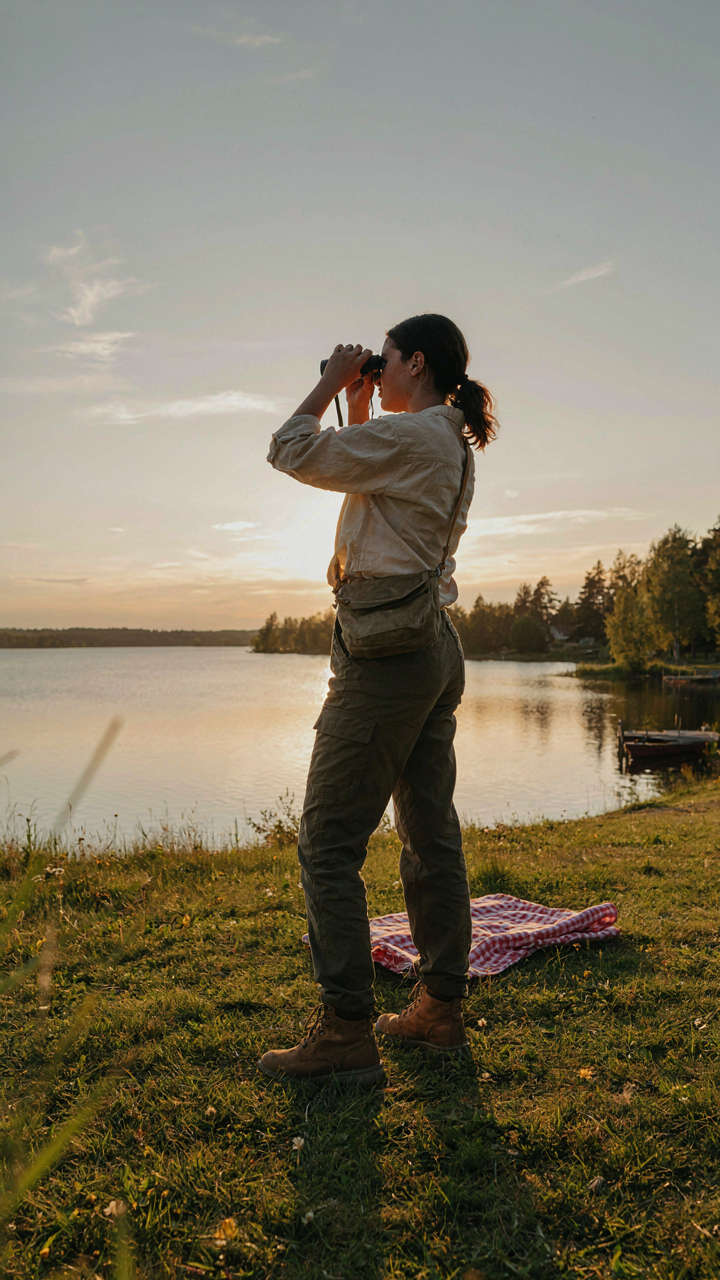
You want people to think you effortlessly pulled off something elegant. That requires scouting like military strategists read terrain: identify which positions give you control with minimal active management. Visit your location at the same time you plan to host, not during daylight when the sun angle is wrong. Wind direction, sight lines to the horizon, and flat ground for setup matter more than scenery alone.
The real advantage comes from eliminating variables during the event itself. Choose a spot that already has what you need: natural wind blocks, existing shade from trees for setup, or a clear western view without obstacles. Most people pick pretty locations and then scramble to solve wind, bugs, or uneven seating once guests arrive. Scout specifically to make those problems disappear before you invite anyone.
Prep Your Logistics Like A Kitchen Service
Everyone says “plan ahead,” which means nothing. Real prep means writing a setup sequence that runs on friction-free handoffs between tasks. Three days before, freeze any prepared foods. Two days before, confirm your vehicle can transport everything in one trip. One day before, pack containers in reverse order of use—last items needed on top, first items on bottom.
The mechanism is ruthless: eliminate any decision or search on the day itself. Create a laminated checklist with setup sequence printed on it. Arrive ninety minutes early, not thirty. This buffer absorbs weather changes, forgotten items, or guest arrivals before you’re ready. You control the narrative because you’re already composed when the first person shows up. If something breaks, you have time to pivot without your guests watching you problem-solve.
Optimizing For Presence: The Real Romantic Dates Advantage

Leave Your Phone In The Car

You want people to think you’re the kind of person who can disconnect. That’s the real fear driving this section. The mechanism is simple: attention is a scarce resource, and scarcity creates value. In economics, we call this the law of diminishing marginal utility. At a sunset picnic, your undivided attention becomes the rarest commodity on display. When your phone stays behind, you signal that this moment ranks above every notification fighting for your eyeballs.
The common advice says “just put it away.” That fails because proximity creates friction. You’ll rationalize checking it. Leave the device in your vehicle entirely, or better yet, at home. This isn’t about virtue signaling to yourself. It’s a structural change that removes the decision point. Without the object present, you can’t negotiate with yourself about checking messages. Your guests notice the absence of that compulsive reach. They relax because you already have.
Curate Specific Questions Over Open Conversation
People think conversation flows naturally, but that’s lazy hosting. Real conversation needs scaffolding. Prepare three to five questions that matter to you and tie directly to the people attending. Not generic icebreakers. Ask about a project they mentioned last month, a choice they made recently, or something they’re genuinely wrestling with. Questions shape the entire direction of an evening.
Generic prompts produce generic responses. Come with specificity. If someone mentioned a career shift, ask what terrifies them about it. If another guest travels frequently, ask what place changed their thinking. These aren’t interrogations. They’re entry points to real dialogue. When you ask specific questions, people reveal more because you’ve already demonstrated you were listening before tonight. That vulnerability spreads. Everyone talks differently when they know you actually paid attention to their lives.
The Cognitive Load Diet: Applying Information Theory To Sunset Picnic Ideas
Fewer Choices Means Better Decisions

You want to look like you have it together, which means you’re terrified of making the wrong call on what to serve. Here’s the mechanism: information theory tells us that entropy, the measure of uncertainty in a system, scales with the number of possible states. In sunset picnic planning, every menu option you consider adds entropy to your mental model. You’re not deciding between pasta salad and grapes. You’re running parallel simulations of ten decisions at once, and your brain burns through decision energy before you even set the table.
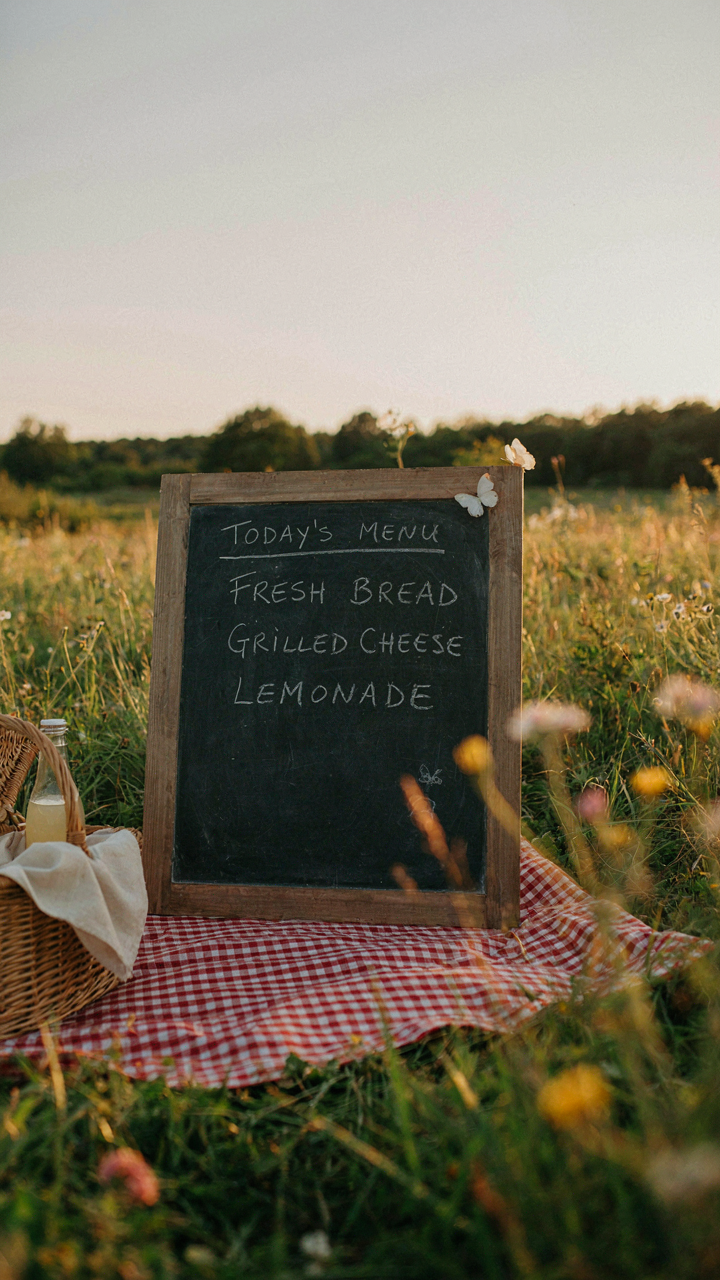
The trap everyone falls into is believing more options prove thoughtfulness. Wrong. Constraint is proof of thinking. Curate a fixed menu before the week starts: one protein, one carb, one vegetable, one drink. Announce it to yourself as non-negotiable. This isn’t limiting your guests. This is eliminating the mental tax that transforms planning into dread. The specificity frees you to execute flawlessly instead of spreading attention across a buffet of maybes.
Reduce Variables To Reduce Regret
Planning entropy reduction starts with collapsing variables into predetermined states. You control three things at sunset: location, timing, and what’s on the table. Everything else is noise that feels important but isn’t. Most people waste cognitive cycles on decorations, seating arrangements, and music playlists when they should be locked into decisions before guests arrive.
Set your location the moment you decide to host. Same with time, ideally within 30 minutes of actual sunset for your latitude that week. Write down your menu three days prior and buy only those ingredients. This compression of variables into fixed points removes the fork-in-the-road feeling that derails execution. You move from planner mode into operator mode. The difference is measurable: stress drops, quality rises, and you’re actually present when people arrive.
Un Planning Your Night Picnic: Embracing Spontaneity

When Things Break, You Win

You want permission to stop over-preparing because you’re afraid a perfect plan will collapse anyway. Here’s the mechanism: constraint forces adaptation, and adaptation is where real memory gets built. Borrow from military doctrine—military planners call this “commander’s intent.” Instead of scripting every move, you set the outcome you want (relaxed evening, fed guests, sunset observed) and let conditions dictate the path. The picnic that goes sideways because someone forgot wine or the light changes faster than expected becomes the one people actually talk about.
The real barrier isn’t lack of planning. It’s lack of redundancy in the things that actually matter. You need backup options for the three systems that fail most: light, temperature, and food. Bring a battery-powered speaker in case streaming cuts out. Pack a sweater in the car. Bring bread and cheese if the main dish logistics fall apart. These aren’t contingencies. They’re permission slips to stop obsessing over the details that won’t matter in three months.
Loose Structures That Hold Shape
The common advice says “be flexible.” That’s useless. What actually works is building activities with adjustable endpoints, not activities with fixed durations. This isn’t philosophy. It’s operational design. Start with a format, not a schedule. Bring cards, a speaker, conversation prompts written on paper scraps, or a simple game that plays in ten minutes or ninety depending on how long people stay engaged. Spontaneity isn’t chaos. It’s having options that don’t require decisions.
The mechanism here is removing the pressure to “keep things moving.” A structured evening at a picnic usually means someone watching the clock, wondering if people are bored, pushing toward the next activity. A framework means you’ve got five viable next moves available, and whoever’s paying attention just suggests one when natural momentum stalls. The difference between a forced activity and an organic one is whether someone initiated it or whether someone announced it. Set up the conditions. Let your guests author what happens next.
Sunset Beach Picnic: Strategic Site Selection
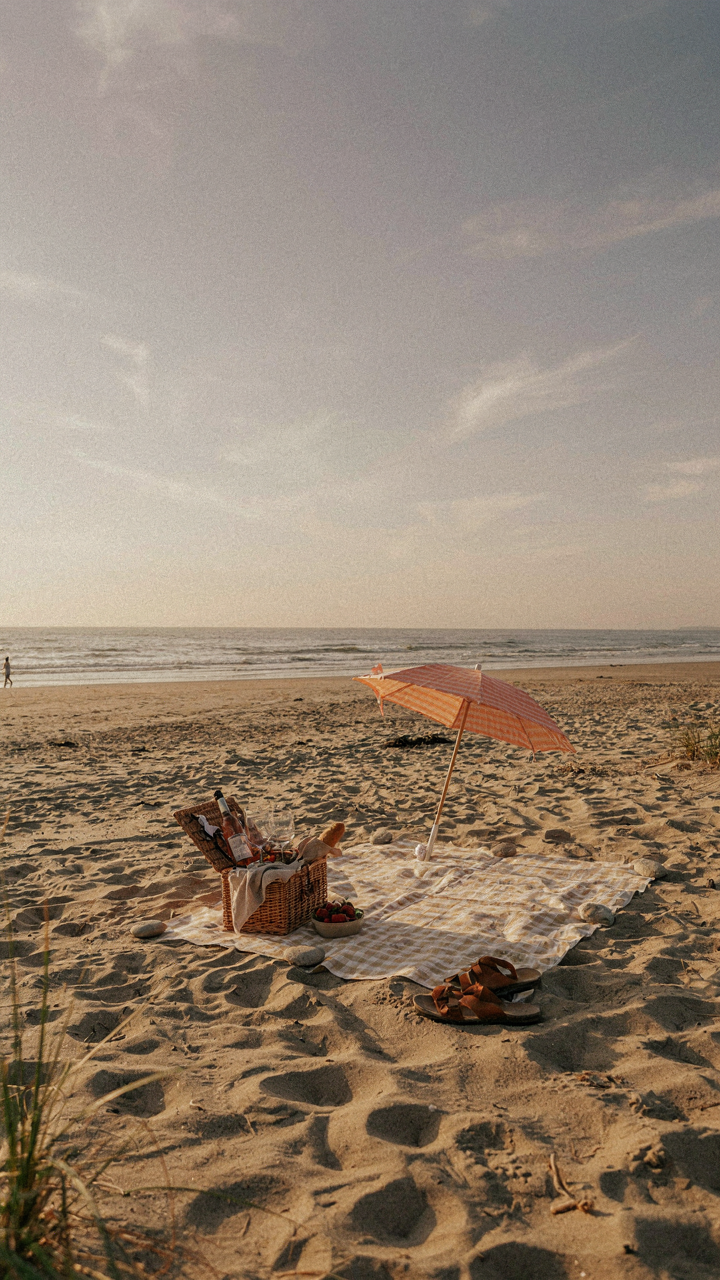
Tide And Wind Work Against You

You want the beach to feel effortless. That’s why you’re reading this. The truth is tide and wind aren’t obstacles to ignore, they’re variables that determine whether your setup survives the evening. Think in terms of fluid dynamics: tides move in predictable cycles, and wind applies force. High tide compresses your usable space and erodes your setup zone. Wind creates drag on every object and makes eating uncomfortable. Check tide tables before you choose your spot, not after. Position your picnic in the upper beach zone, above the high tide line by at least ten feet.
Wind direction matters more than wind speed. Offshore wind (blowing away from the ocean) is your ally because it keeps sand off your food and clears humidity. Onshore wind (blowing toward land) pushes moisture and salt spray into everything you brought. Scout your location 2 to 3 hours before sunset to observe the actual wind pattern. Position your body and setup to break wind force. Use the terrain, rocks, or dunes as natural windbreaks. This single decision cuts setup failure in half.
Gear That Functions In Salt Air
Beach picnics fail because people bring indoor equipment to an outdoor environment. Salt air corrodes standard metal, absorbs into fabric, and damages food faster than land picnics. You need specific tools designed for this environment. Sand infiltrates everything, salt deteriorates uncoated materials, and moisture accelerates spoilage. Standard coolers work but stainless steel or marine-grade plastic containers outperform them. Plastic plates beat ceramic because ceramic holds moisture and develops salt buildup. Bring dedicated beach gear, not repurposed kitchen items.
- Stainless Steel Or Marine Grade Cooler: Resists corrosion from salt spray and sand abrasion. Standard coolers degrade faster in coastal environments. Size matters: bring one large cooler instead of multiple small ones to reduce surface area exposed to elements.
- Silicone Or Plastic Dinnerware: Won’t absorb salt water or develop mineral deposits like ceramic or standard plates. Lightweight and easy to clean on-site. Silicone handles temperature swings better than rigid plastics.
- Sealed Food Containers: Airtight containers keep salt air away from prepared foods. Use hard plastic or glass with tight-sealing lids. Prevents sand contamination and extends food freshness by 2 to 3 hours.
- Microfiber Towels And Cloths: Absorb water and salt spray without holding moisture like cotton does. Dry faster and prevent rust on metal utensils. Pack two towels minimum for a two hour picnic.
- Weighted Anchors For Your Setup: Sand doesn’t hold stakes or weights like soil does. Use screw anchors rated for sandy terrain or heavy rocks to secure blankets, umbrellas, and serving surfaces. Wind gusts will topple unsecured items.
Set up your serving area on the windward side of your main seating. This creates a buffer zone between salt air and your food. Position coolers low to the ground and secure them before opening to minimize wind exposure to contents.
Post Picnic Protocol: The Clean Break
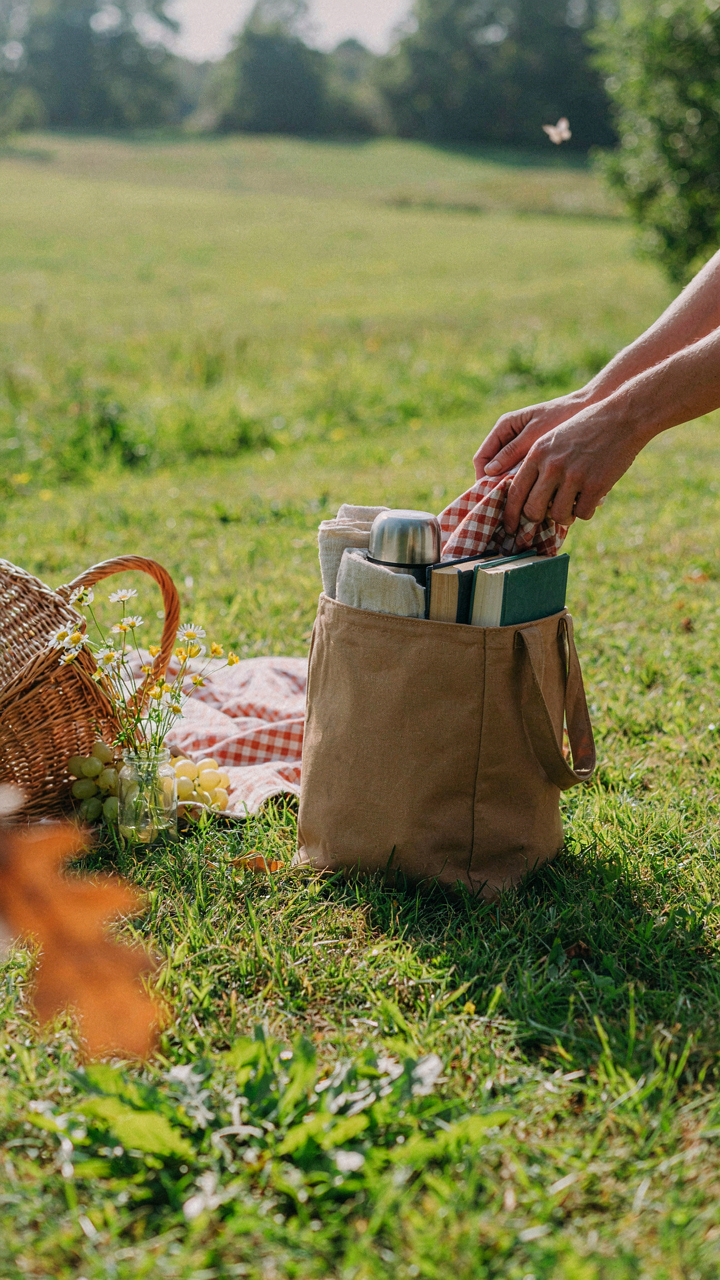
Packing Without The Friction

You want to leave fast because lingering feels like work. Here’s the mechanism: most people pack randomly, which creates invisible friction that extends your departure by fifteen minutes. Treat packing like reverse inventory, not cleanup. You packed items in a sequence when you arrived. Reverse that sequence during departure. Containers go in first, dishes stack by type, trash separates into one bag. This isn’t philosophy. It’s logistics applied to your cooler and basket.
The goal is speed through standardization. Assign each item category a zone in your vehicle before you sit down to eat. Cooler goes in the trunk. Blanket folds into the back seat corner. Trash bag clips to the door handle. When sunset ends, you execute the protocol without deciding. No decisions mean no delays. You leave in under four minutes.
Leaving Only Footprints, Not Mess
Ecology uses the term “carrying capacity” to describe how much an environment can absorb without degradation. Your picnic site has the same principle. Leave No Trace isn’t moral grandstanding. It’s the mechanism that keeps public spaces available for the next person. You pack out all trash, including small items. Liquids drain properly into designated containers, not into soil. Leftover food goes with you, not into the grass or trees.
Scan the ground where you sat before you leave. Your eyes are the only tool you need. Food waste, bottle caps, napkin fragments, wet wipes, broken glass. Take it all. The cost of carrying out trash is zero friction. The cost of leaving it is that the park deteriorates, restrictions tighten, and your next picnic option vanishes.
Romantic Beach Picnic: Beyond The Obvious Gestures
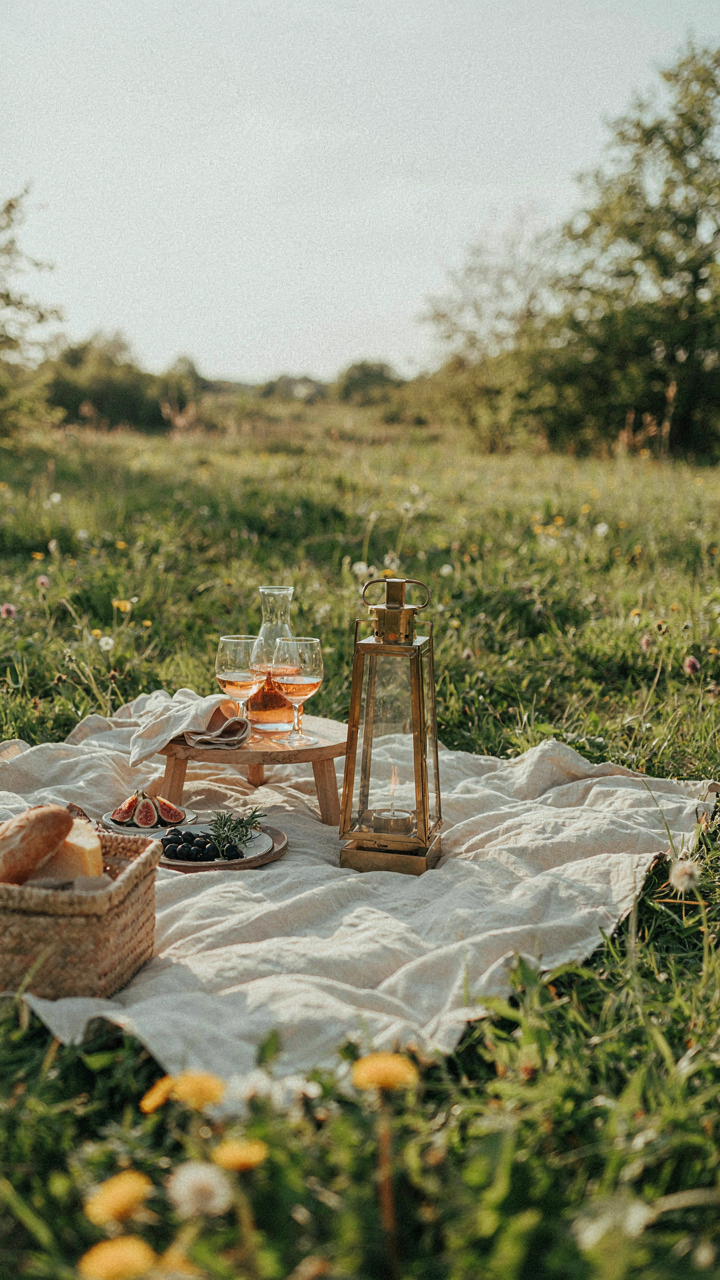
Lighting That Doesn’t Try So Hard

You want this to feel effortless because effort is the enemy of romance. The mechanism here borrows from industrial design: constraint breeds elegance. Most people throw candles everywhere and call it done. That’s decoration, not design. Candlelight works because it masks detail and flattens hierarchy, making everything softer. The real move is strategic placement, not volume. Position lights low and behind sightlines so they illuminate without dominating. Your eyes adjust to dimness fast. You need only three to five point sources.
Bring rechargeable LED candles instead of real ones. Sand kills flame reliability, and wind ruins the moment. Place them in frosted glass holders that diffuse light evenly and protect against water spray. Position one holder behind you both, one to the side at chest height, and one low on the table. The asymmetry feels more natural than symmetry. Never light the entire eating area equally. Leave parts of the beach slightly darker so contrast sharpens the lit zones where you actually interact.
Conversation Architecture Over Entertainment
Most people bring speakers and fill silence with music. That’s a mistake dressed up as thoughtfulness. Music prevents the actual work of presence. Instead, design the experience so talking happens naturally, not as filler between songs. This is borrowed from architecture’s concept of circulation: the way a space moves people through it shapes behavior. Your picnic layout should funnel attention inward, toward each other.
Sit close enough that normal conversation works without raising volume. Face the water but angle toward your partner so body position keeps attention centered. Bring zero screens. Remove the option entirely. The absence of distraction isn’t boring, it’s rare. If silence hits, that’s not failure, that’s the real experience emerging. Eat slowly. Ask one question that requires more than a yes answer, then listen without planning your response. Shared food and shared silence build more intimacy than any curated playlist.
The Real Obstacle Isn’t Planning; It’s Your Need For External Validation. Stop Seeking Approval, Start Truly Connecting

You don’t need a Pinterest-worthy sunset picnic. You need permission to stop performing for an audience that doesn’t exist. Pick one person who matters. Grab some food. Watch the sky change color together. Do that today. The magic isn’t in the execution. It’s in the presence you bring when nobody’s watching.