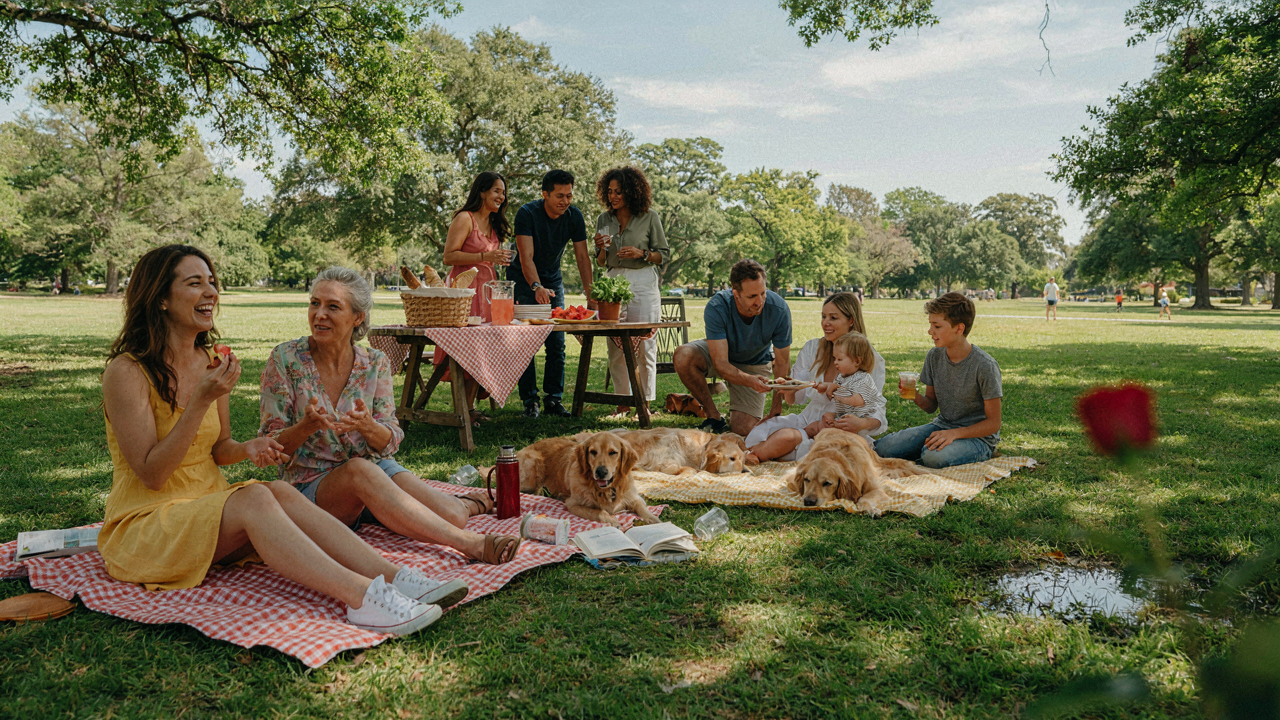
The Illusion Of Control: Ditch The Master Plan
Why Static Plans Collapse Under Real Conditions
You want a master plan because it lets you feel like you’ve solved the problem before it happens. You haven’t. A picnic party for a crowd operates like a system in thermodynamics: the more variables you try to control in advance, the more energy you waste fighting entropy. Weather shifts. People arrive late or not at all. Food runs out in sections, not evenly. A guest brings an uninvited friend. Your static spreadsheet becomes fiction the moment the first person shows up.
The real mechanism is simple: rigid plans create pressure points. When reality deviates from the plan, you panic and make reactive decisions under stress instead of adaptive ones. The common advice says “plan everything down to the minute,” but that’s what kills the event. You end up managing the plan instead of managing the party. The better move is building buffers and decision trees, not choreography.
Good Enough Beats Perfect Every Time
This isn’t lazy thinking, it’s systems design. You prepare 70 percent of what you need and leave 30 percent loose. Bring extra food, yes. But don’t obsess over exact portion sizes for each dish. Set up stations, not assigned seating. Have a rain backup location, not a detailed weather-dependent schedule. The goal is coverage, not precision.
When something breaks, you execute a protocol instead of panicking. If drinks run low, the protocol is: add water to the pitcher, send someone for more, or move to beer-only. No debate. No checking the master plan. This removes decision fatigue and keeps momentum. Design your picnic party for a crowd with one rule: at each major moment, you need exactly two backup options. No more. That’s the system.
The “Minimum Viable Picnic” Protocol: Core Essentials Only
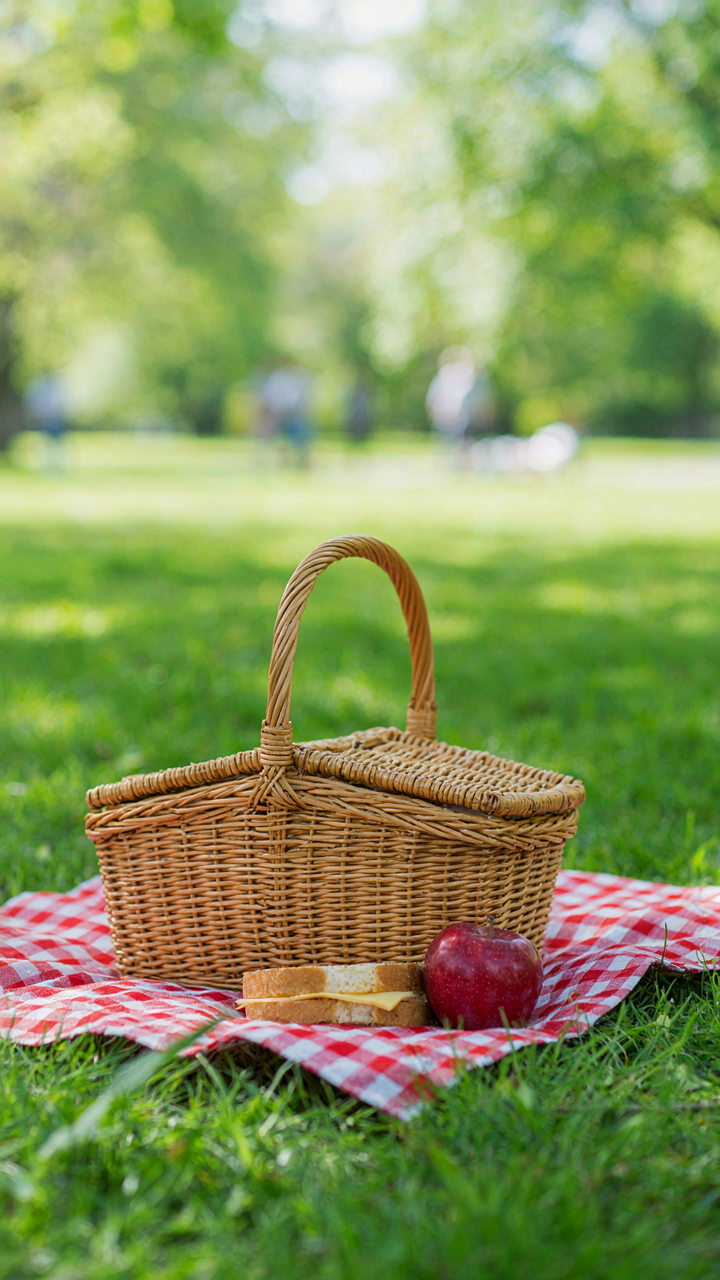
What Actually Needs To Happen

You want permission to skip the Instagram version and still look competent. Here’s the real mechanism: picnics fail not from missing elements but from unclear ownership of decisions. You’re borrowing from operations management—specifically the concept of “critical path.” Your critical path is the sequence of tasks that, if delayed, delays the entire event. Everything else is noise. Food, shade, seating, and a gathering space form your critical path. Everything beyond those four elements is optional until those four are locked in.
Most advice treats all picnic components as equally important. Wrong. A crowd picnic without adequate shade creates a health risk within two hours. Without seating solutions, people stand awkwardly then leave. Without food quantities verified in advance, you run short or waste money. Without a defined gathering space, the crowd disperses into smaller disconnected groups. The critical path determines what you source first, what you delegate, and what you skip entirely.
What To Eliminate First
Stop adding activities, entertainment, or decorative touches before your core infrastructure works. A common mistake is treating the picnic as an opportunity to prove creativity instead of solving a logistics problem. You don’t need lawn games, themed playlists, or coordinated tablecloths to run a successful crowd picnic. Those items consume planning energy that should go toward quantities, timing, and contingency.
Strip your plan to four questions: How many people? What will they eat and drink? Where will they sit? Where will they gather? Answer those directly with numbers and specific solutions. Everything else either supports one of those four answers or gets removed. This constraint forces clarity and prevents the scope creep that kills execution.
Delegation As A Weapon: Not A Weakness
Match Tasks To Actual Strengths

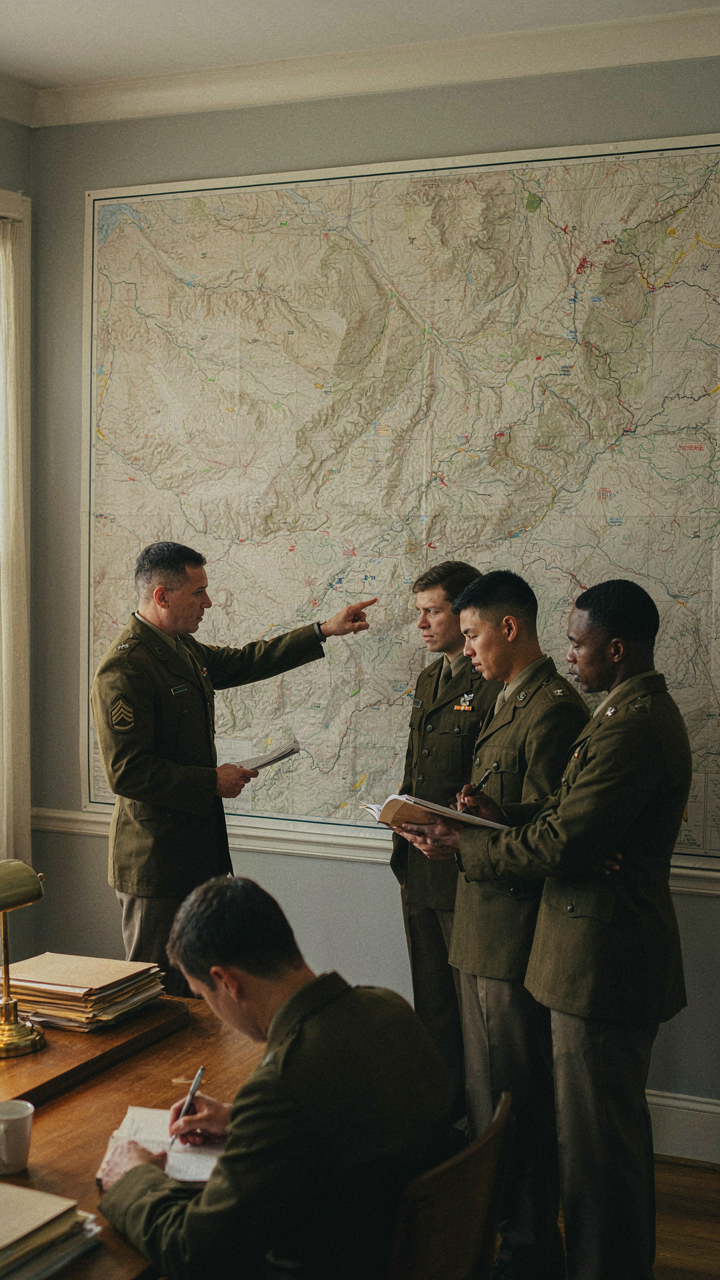
You avoid delegating because you think it signals you can’t handle everything yourself. Here’s the mechanism: in military logistics, force multiplication means assigning units to roles where their specific capability creates the highest output. A picnic party for a crowd works the same way. You don’t delegate to lighten your load. You delegate to multiply competence across multiple vectors simultaneously.
Stop assigning tasks by convenience or availability. Assign them by demonstrated skill. The person who excels at organizing gets food stations. The detail-oriented person manages the cooler rotation and temperature checks. The social person coordinates games and handles new arrivals. Mismatched assignments create friction and require your intervention anyway, which defeats the entire purpose and proves delegation doesn’t work. It doesn’t work because you chose wrong, not because delegation itself fails.
Make Ownership Clear Before Day One
The common advice here is to “communicate expectations.” That’s incomplete. Expectations drift. Ownership doesn’t. You need one person responsible for one specific outcome, not a vague group responsibility where everyone assumes someone else is handling it. This is the difference between a team and a crew. A team has clear ownership. A crew shows up and hopes.
Before the picnic, assign each delegated responsibility to one named person with a single success metric. Not “help with setup.” “You own the beverage station and ensure cold drinks stay below 50 degrees.” Not “watch the kids.” “You’re responsible for the lawn games rotation and keeping a headcount every 30 minutes.” Written clarity eliminates the chaos that happens when three people think one person is doing something. On the day of the event, check in with each owner once at their assigned station to confirm they have what they need and understand their single job.
Logistical Choke Points: Anticipate, Don’t React
The Critical Path Through Your Crowd

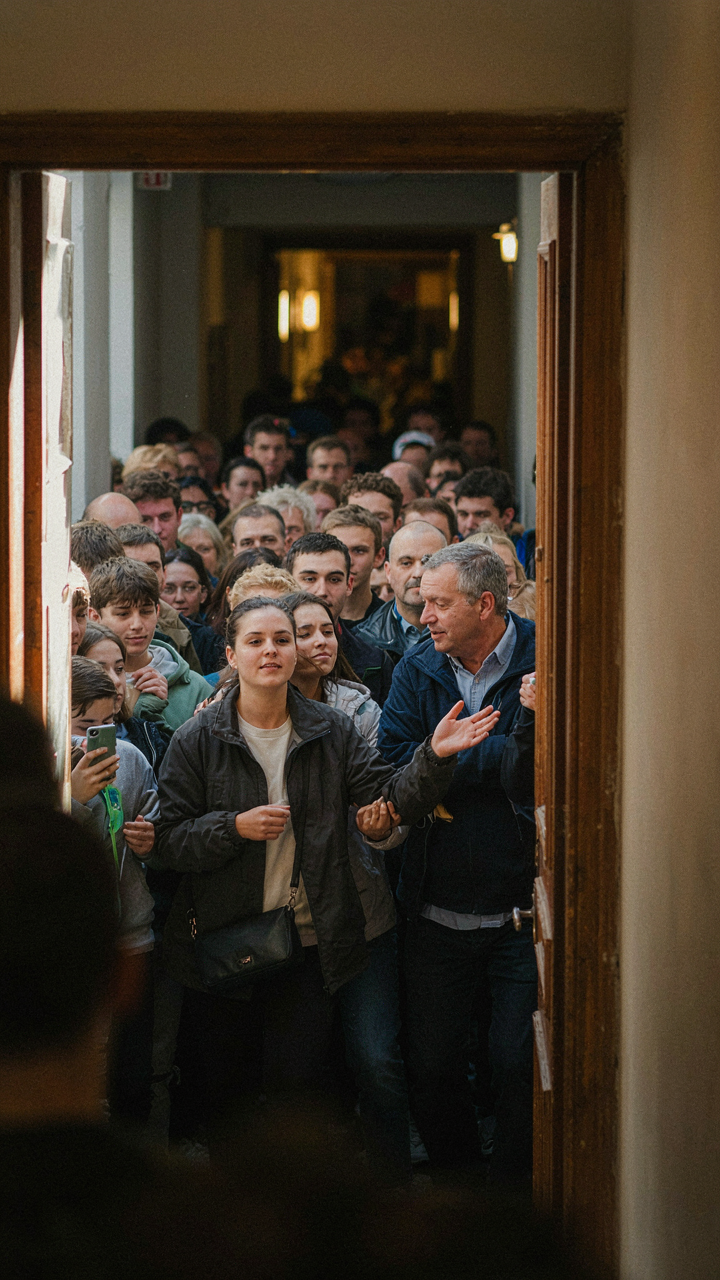
You want to look competent. That’s why you care about this section. The real mechanism is simple: most picnic failures happen at invisible bottlenecks nobody maps before guests arrive. Military logistics calls this the “critical path”—the sequence of dependent tasks where any delay stalls everything downstream. At a picnic for a crowd, your critical path isn’t the food. It’s the physical flow of people through three unavoidable moments: arrival, eating, and departure.
Identify where bodies must physically pass through one space. The parking situation funnels everyone into one entry point. The serving line forces sequential queueing. The exit compresses as people leave simultaneously. When you map these three locations, you’ve named your constraints. Now you build your entire timeline backward from these choke points, not forward from a vague start time. This prevents the cascade where late arrival ripples into late food service into frustrated guests waiting to leave.
What Goes Wrong, By Design
The common advice says “expect the unexpected.” That’s useless. Pre-mortems work differently. You assume the event already failed, then reverse-engineer which specific mechanism broke it. What actually happens at crowded picnics is predictable: food runs out because you miscalculated portions for actual attendance, not RSVPs. The serving line stalls because you placed it in a high-traffic zone. Parking floods because you didn’t communicate the location clearly, so early arrivals take premium spots meant for latecomers.
None of these are surprises. They’re design failures you can prevent by running through three scenarios before the date: one where 30 percent more people show than expected, one where setup takes twice as long, and one where weather forces you indoors. For each scenario, identify which system collapses first. Then build redundancy into that system specifically. If serving line congestion is your weak point, add a second service station or pre-plate portions. Don’t add buffers everywhere. Add them where they matter.
The “Cold Picnic Foods” Advantage: Beyond The Cooler
Why Warm Food Kills Your Timeline

You want to look like you have control. That’s why the idea of serving hot food appeals to you. But here’s the mechanism: warm food requires active management at every stage, and that management happens during the exact window when you should be present with your guests.
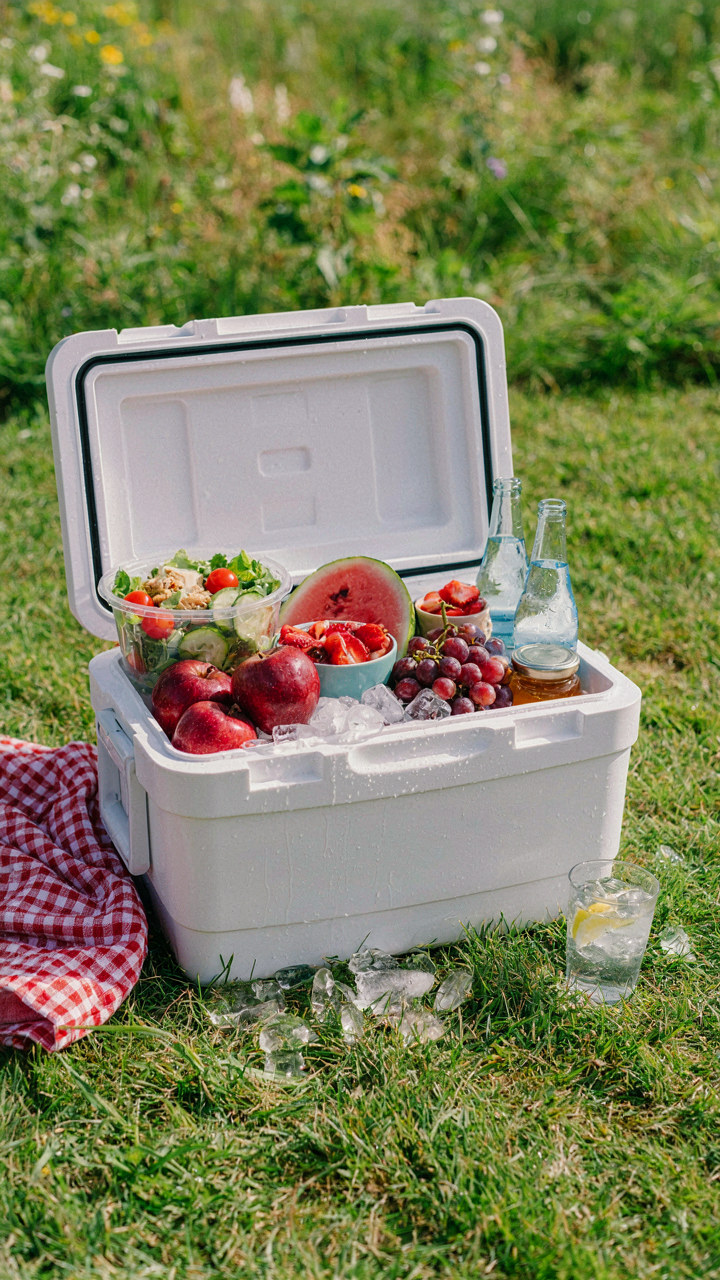
Thermodynamics doesn’t care about your intentions. Food loses temperature in open air, forcing you to choose between constant reheating or serving lukewarm meals. Cold foods sit stable for hours. They demand no attention. You set them out once and the system runs itself. That’s not laziness. That’s engineering.
Maximum Shelf Stability Beats Cooler Dependency
Conventional picnic advice treats the cooler as a solve-all. It’s not. The real play is building a menu that doesn’t need temperature control at all, then using the cooler only as a backup for drinks and perishables that genuinely require it.
Shelf-stable foods work in hot conditions because they have no spoilage window. Cured meats, aged cheeses, nuts, dried fruit, crackers, and quality bread hold for six hours without degradation. Add acidic foods like pickled vegetables or vinegar-based salads, which actually improve sitting out. You reduce cooler load by 40 percent, eliminate ice melt into your food, and stop playing ice replenishment games mid-party. Load your menu with these first. The cooler handles the rest.
Fluid Seating & Zones: Embrace The Organic Flow
Why Rigid Seating Charts Fail At Scale

You want people to feel comfortable, so you assign seats. What you’re really doing is creating friction. The moment someone sits, they’re locked into a conversation they didn’t choose and a view they didn’t pick. At a crowd-sized picnic, rigid seating is a control mechanism that backfires because humans are territorial and social simultaneously. They want agency over their position.
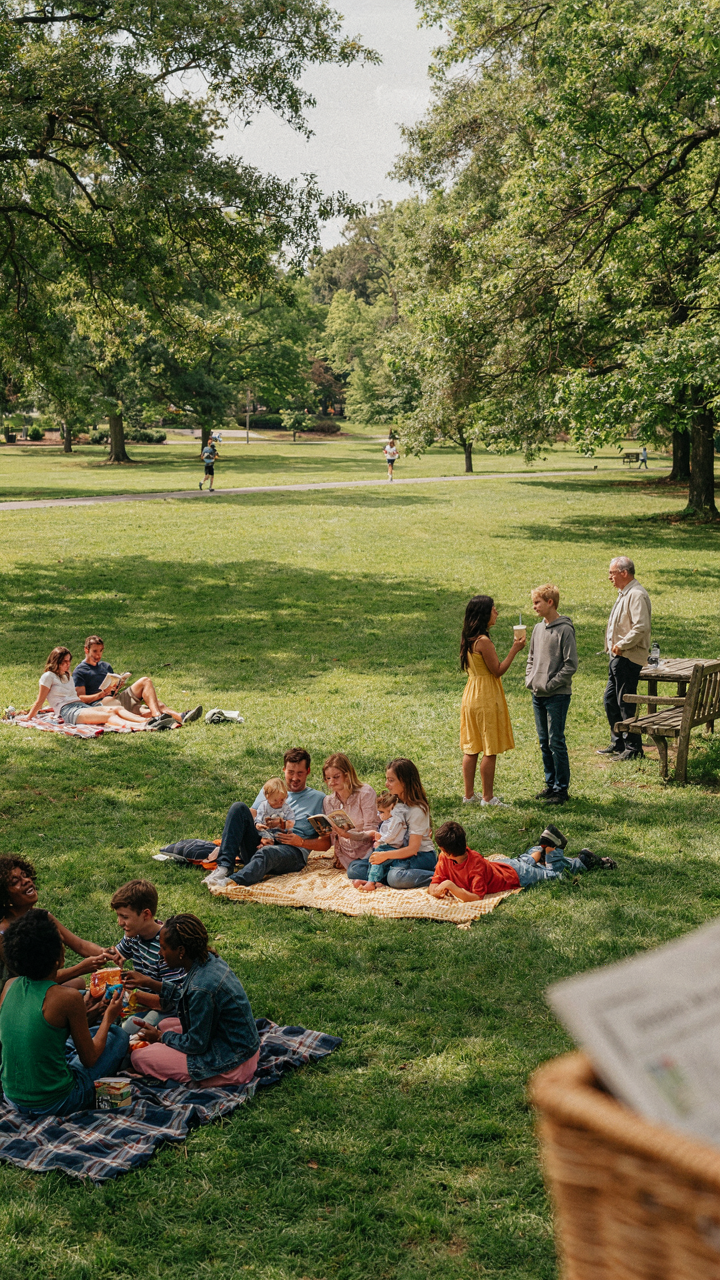
The real move: designate zones instead of seats. A “shade zone” near trees, a “sun zone” for the social core, a “quiet zone” at the perimeter, a “food staging zone” near the table. People self-select into environments that match their energy. No assignment needed. No resentment. They move as the afternoon shifts—literally and socially—without permission or awkwardness. This is how crowds regulate themselves.
Activity Hubs Beat Static Furniture
Spread your food and activities across multiple points instead of centralizing everything at one table. This distributes foot traffic and creates natural gathering points that people rotate through, not anchor to. A drink station here, a snack spread there, a lawn game zone separate from both. Think of it like ecology: multiple water sources mean the herd doesn’t cluster and stress the grass.
Each hub needs one clear function and enough space around it for people to cluster without blocking others. Don’t mix the grill, the sides, and the drinks into one congested zone. Separate them by at least fifteen feet. People approach, grab, leave, and circle back later. The friction drops because nobody’s competing for the same small area. Movement becomes the default, not the exception. Set up your hubs thirty minutes before guests arrive so you can walk the sight lines and confirm nobody gets trapped.
The “Picnic Finger Foods” Manifesto: Simplicity Over Silverware
When Plates Become A Liability

You want people to think you’re organized. That’s why you’re considering full place settings at a picnic. Here’s the mechanism: plates and utensils multiply your failure points. Every fork is a thing to wash, pack, track, and clean up after. Every plate sits unused when someone’s standing, talking, and eating. Logistics, not aesthetics, wins a crowd event. The best picnic party for a crowd removes impediments to eating, not adds them.
Most people overcomplicate this. They think “picnic” means “outdoor dinner table” and stock accordingly. Wrong. The real constraint at a picnic party for a crowd is friction. People don’t want to hold a plate, a fork, and a drink while standing on grass. They want one hand free. They want food they can eat while walking, sitting, or standing without equipment. Cutlery and plates create status anxiety and logistical chaos. Strip them out entirely.
Foods That Travel Without Support
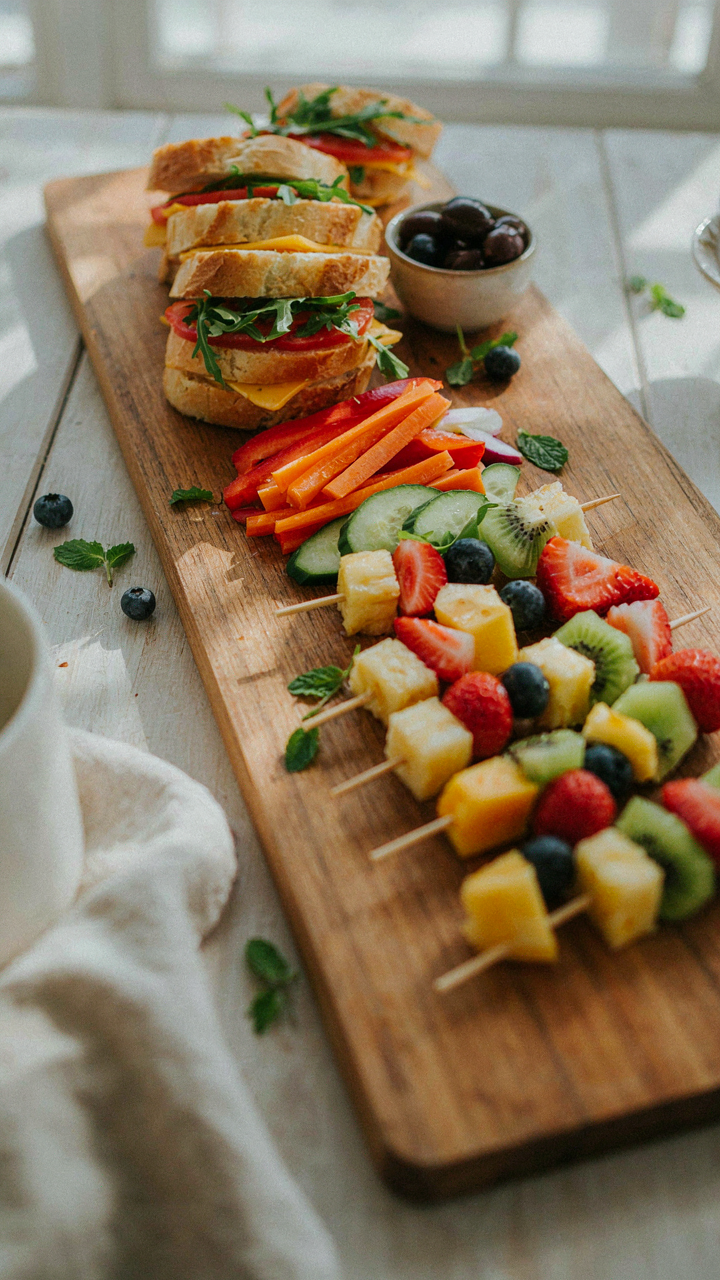
Grab-and-go isn’t inspirational advice. It’s a supply chain principle: minimize touchpoints between the product and consumption. Best picnic food follows this rule. Chicken wings, flatbread wraps, fruit with toothpicks, cheese cubes, and grilled skewers work. These require no plate coordination. They don’t crumble if held. They don’t leak on hands or clothes. Family picnic food succeeds because it prioritizes access over presentation.
Here’s the protocol: every food item at your picnic party for a crowd should be edible in one or two bites, require zero utensils, and cleanable from hands with a napkin. Test each dish in your hand first. If it falls apart, drips, or creates a mess, remove it. Wet foods and cream-based dishes fail at scale. Dry, structured foods succeed. Pack twice as many napkins as you think you need. They’re not optional.
Waste Management: The Unseen Picnic Villain
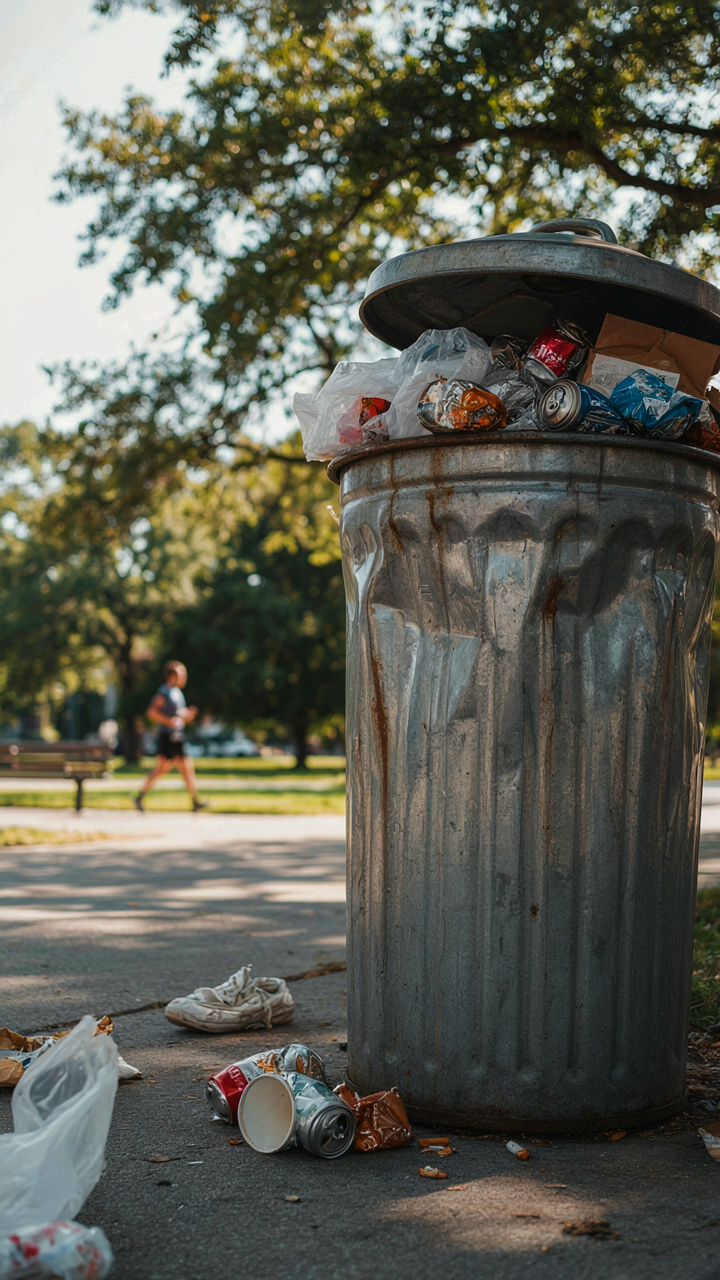
Setting Up Trash Zones Before The First Guest Arrives

You want people to think you’re organized. That’s the real reason waste management matters to you. The mechanism is simple: people default to wherever trash ends up first. They don’t search for the right bin. They throw garbage near them, and that location becomes the dump.
Designate waste stations before anyone arrives. Use systems thinking here, borrowed from industrial logistics. One “input point” creates bottlenecks and overflow. Multiple distributed stations reduce pressure on any single location. Place one station every 30 to 40 people. Mark each clearly with signage. Position stations at natural gathering points: near food service, by seating areas, at entry and exit paths. This removes the decision from guests and prevents scattered trash piles.
Reusable Containers Cut Waste At The Source
The advice you hear is always “bring less plastic.” That’s incomplete. The real problem is the assumption that disposables are cheaper upfront. They’re not cheaper when you factor in cleanup time and environmental cost at scale.
Bring reusable plates, cups, and utensils instead. Use durable melamine or stainless steel goods designed for outdoor service. They cost more initially but survive multiple picnics and trips. Assign someone to collect and rinse items during the event, not after. This prevents a graveyard of cups scattered across the grass and eliminates the mental load of figuring out which bin each item belongs in. Bundle this into your prep protocol: wash containers the day before, transport them in labeled bins, assign one person per 40 guests to manage collection during the event.
The “Post Picnic Debrief” Fallacy: Learn While Doing
Adjust In Real Time, Not After

You want to feel like you learned something so you can justify the chaos as “valuable data.” That’s not how a picnic party for a crowd works. Borrow from aviation: pilots call real-time correction “active monitoring.” You spot a bottleneck at the drink station at minute fifteen, you move the cooler at minute sixteen. Not after everyone leaves.
The mechanism is simple. Problems compound exponentially in groups. A traffic jam at the bathroom line doesn’t stay a bathroom problem for long. It creates resentment, scattered seating, shortened stay times. You catch it live, you prevent cascade failure. Station someone whose only job is watching guest flow. They radio you when lines form, when areas feel empty, when the energy shifts. Adjustment takes minutes. Analysis takes weeks and changes nothing.
Iteration Beats Analysis Paralysis
Post mortem reviews feel productive because they’re structured and documented. They’re also useless for the next event because conditions never repeat exactly. You’ll plan a different crowd size, different weather, different venue layout. The real learning happens during execution, not in a retrospective meeting three weeks later.
Build a quick feedback loop into your setup: assign rotating scouts every twenty minutes who report what’s working and what’s not. If the food table is getting crushed before dessert, you know to spread courses differently next time. If half the crowd clusters in one corner, you repositioned seating during the event, not after. The goal is to identify one concrete adjustment per picnic, test it immediately, and carry that single mechanism into the next one.
Weather Contingencies: Not If, But When
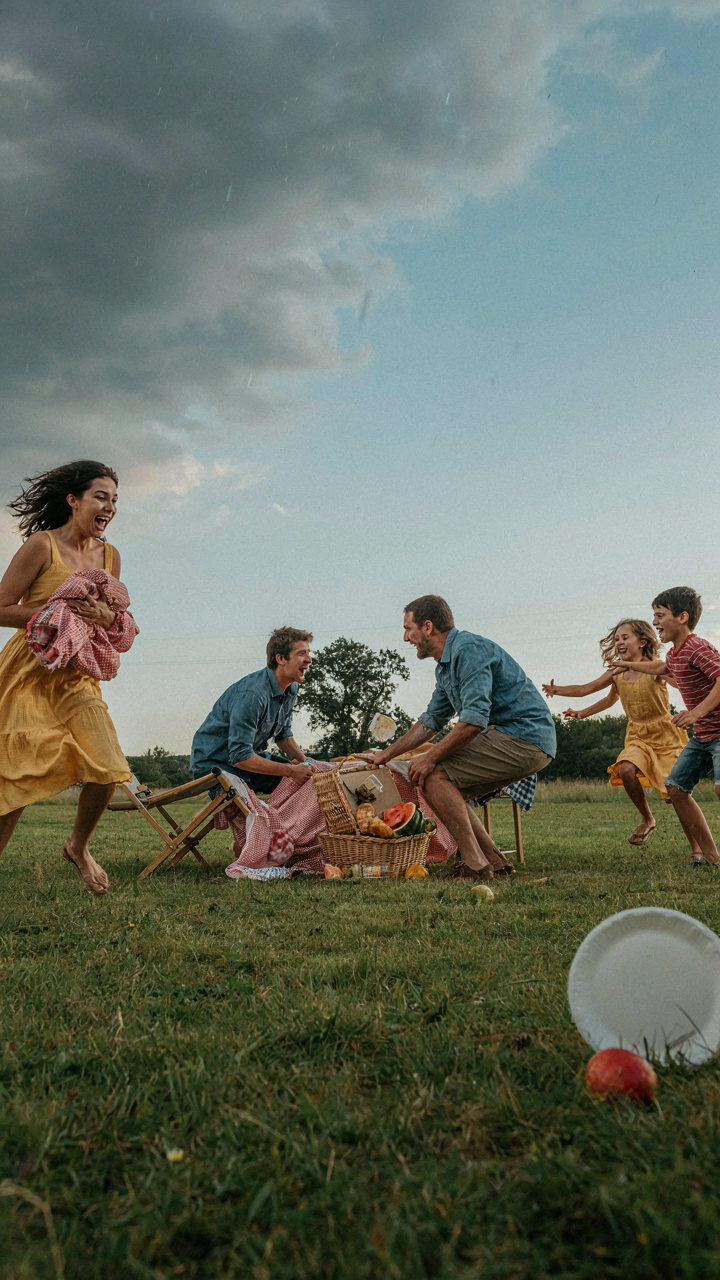
The Real Cost Of Pretending The Sky Won’t Change
You’re reading this because you don’t want to look unprepared in front of your guests. Weather ruins picnics, and looking like you didn’t account for it tanks your credibility as an organizer. The mechanism is simple: weather isn’t random to plan around, it’s a variable you control through decision architecture. Every major crowd gathering that survives chaos does it by building redundancy into the physical setup before the event starts, not by hoping conditions cooperate.
Most people think accepting environmental variables means having a vague backup plan. Wrong. It means designing your picnic space with two simultaneous pathways built in from day one. You pick a location with natural wind breaks or tree cover. You position tables so they’re near structures that provide shelter. You choose start times that avoid peak heat or peak rain probability for your region and season. This isn’t about accepting the weather, it’s about structuring the event so the weather becomes irrelevant to execution.
Flexible Dishes That Travel And Tolerate Conditions
Conventional advice says pack foods that travel well. That’s incomplete. You need foods that perform under multiple conditions without becoming inedible or requiring constant monitoring. Think like a logistics problem, not a menu problem. Your dishes must tolerate temperature swings, humidity changes, and time delays without losing palatability. Cold fried chicken stays safe and tastes fine whether served in sixty-degree shade or seventy-five-degree sun. Pasta salad with vinegar-based dressing doesn’t wilt or separate. Bread, cheese, and cured meat don’t require refrigeration for hours.
The backup plan isn’t a contingency menu, it’s a primary menu designed for conditions that go wrong. Avoid dishes that require constant heat or cold to remain safe: hot dishes that cool down fast and spoil, or dishes that melt or separate at room temperature. Pack picnic dishes in insulated containers with ice packs, but design them to remain acceptable for two hours without any temperature control. Your job is to remove the requirement for perfection, not prepare for perfection to fail. Test your menu in the actual season and time of day before the event to know exactly how each dish performs.
Your Fear Of Looking Incompetent Is The Real Enemy, Not A Lack Of Spreadsheets
You already know what to do. You’re stalling because you’re afraid people will judge you if something goes wrong. Here’s the truth: they won’t remember the burnt hot dogs. They’ll remember if you showed up. Pick one element today—food, drinks, or setup—and make a decision. Stop collecting information. Stop waiting for perfect conditions. The difference between the person who throws a great picnic and the person who never tries is that one of them decided to look stupid first.