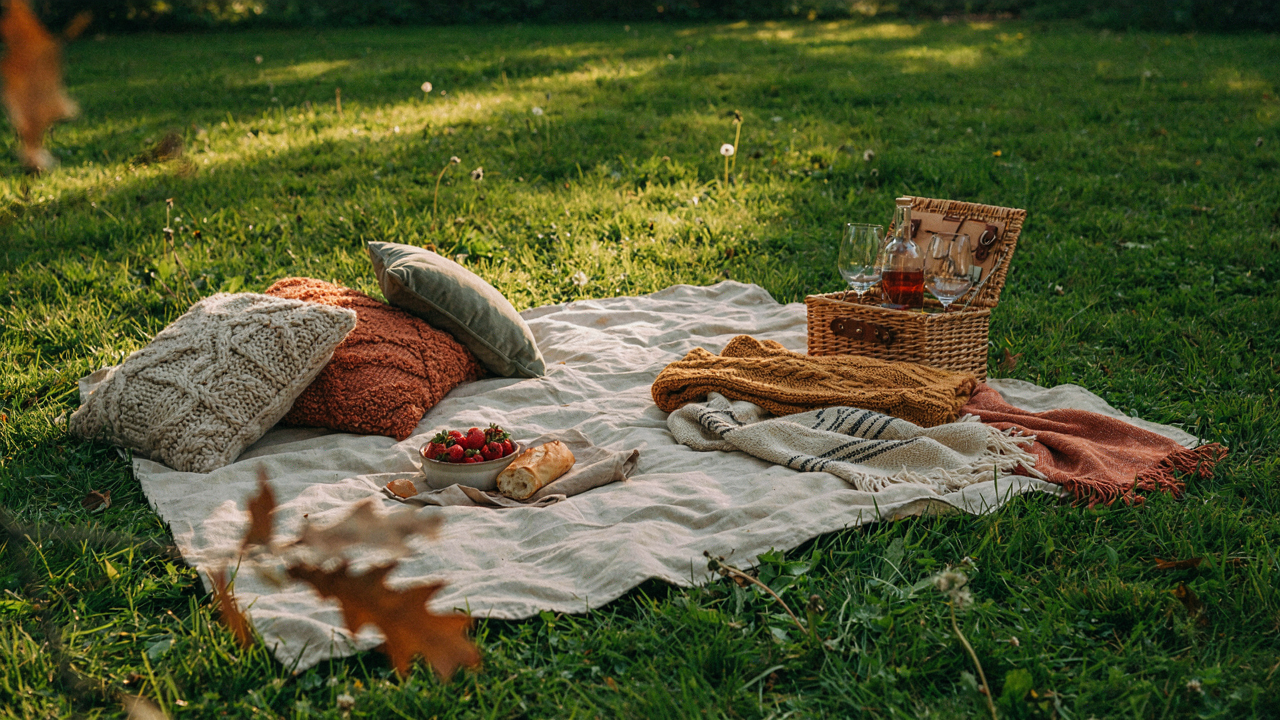
The Unspoken Truth About Picnic Mat Selection
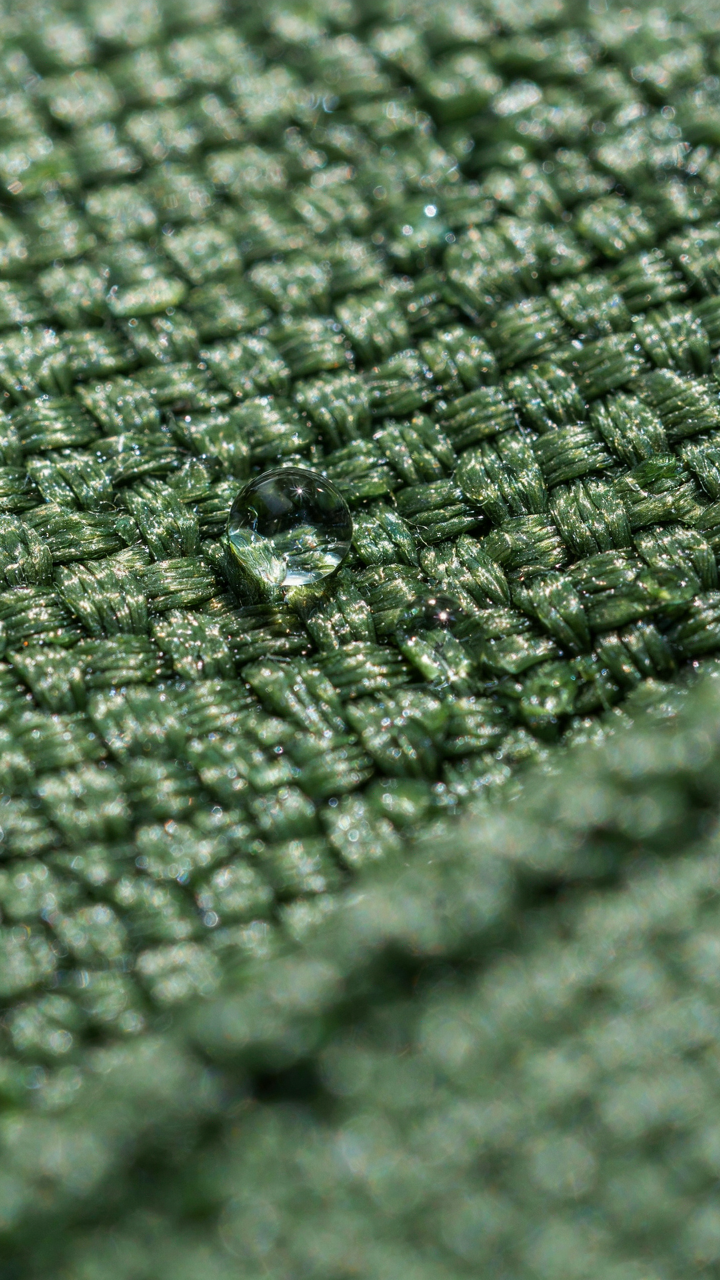
Water Resistant Isn’t Water Proof
You want the blanket to look pristine in photos without the paranoia of dampness creeping into your food. Here’s what manufacturers won’t tell you: water-resistant means the fabric delays water penetration, not stops it. This is the difference between a barrier that slows a process and one that halts it entirely.
True waterproofing requires a sealed backing layer, typically polyurethane or vinyl laminate fused to the underside. Cotton blends labeled “water-resistant” only repel surface moisture through tight weaving and chemical treatment that washes out after repeated use. Your blanket will fail in actual wet conditions if you’re relying on fabric weave alone.
Fabric Dies Under Actual Use, Not Rest
Picnic blankets experience stress identical to military textile deployment: ground friction, UV radiation, repeated moisture cycles, and point loading from weight distribution. The math is brutal. Cotton fibers degrade fastest under this cycle because they break down when wet and exposed to sun simultaneously. Synthetics like polyester last longer but pill and thin under sustained abrasion.
Pick a backing material rated for ground contact, not just a decorative underside. Most failures happen within two seasons because the base layer separates from the top fabric or the bottom threads fray against rough grass and gravel. Verify the stitching is reinforced at stress points, especially the corners where weight concentrates during transport and setup.
Layering Textiles: The Thermal Regulation Protocol
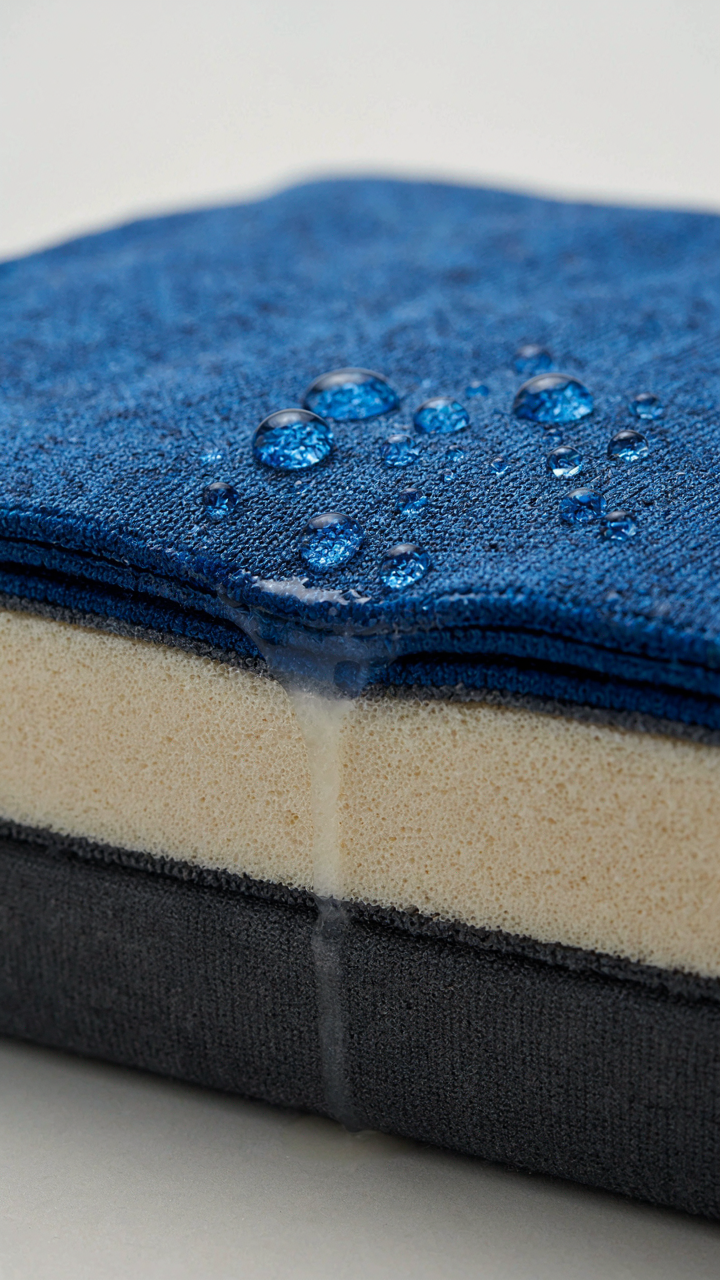
Base Layer: Barrier Against Earth’s Insults

You want this section to work because you’re tired of sitting on damp grass and pretending it’s fine. The mechanism is simple: ground moisture wicks upward through any single fabric layer. Physics borrowed from insulation engineering calls this the “vapor drive.” Your base layer stops it. Use a tightly woven natural fiber like cotton canvas or linen that resists moisture penetration while remaining breathable enough to prevent sweat pooling underneath. Synthetic blends work but trap heat inefficiently outdoors where air moves constantly.
The base layer does one job: create a boundary between earth and body. A proper base measures at least half an inch thick when laid flat. Quilted cotton dulls moisture transfer better than flat weave. Position it directly on grass or soil. Never skip this layer hoping a thicker top textile compensates. The ground is colder and wetter than air temperature suggests, and no amount of stacking fixes a missing foundation.
Mid Layers: Adaptable Warmth And Softness
Most blanket styling advice treats layering as decoration rather than function. It’s not. Mid-layers serve thermal regulation by trapping dead air space while allowing you to add or remove bulk based on temperature drift throughout the day. Fleece, wool blends, and quilted cotton work here because they compress without losing insulative properties when folded or bunched. These materials maintain structure under body weight and don’t flatten permanently like down.
Stack mid-layers strategically based on season and time of day. Spring picnics need thinner mid-layers that fold away. Fall picnics need denser options like wool blankets that stay deployed. The sequence matters: base layer touches earth, mid-layer provides variable warmth, and top layer handles wind and moisture from above. Arrange folded mid-layer textiles at blanket edges so guests grab them without disrupting the seating arrangement. This prevents the common mistake of pulling the entire stack when reaching for one piece.
Pillows: Strategic Comfort, Not Fluffy Embellishments

Support For Spines, Not Just Heads

You want pillows on your picnic blanket because you’re afraid of looking uncomfortable in front of other people. But the real mechanism is biomechanical: your spine needs support, not your ego. Think of pillow placement like load distribution in structural engineering. The goal isn’t decoration. It’s preventing the lumbar collapse that happens when you sit upright on a flat surface for ninety minutes.
Most people throw pillows on blankets and call it done. Wrong. Your lower back flattens against the ground without support, forcing your shoulders forward and your neck into compensation patterns. A single pillow positioned at the small of your back changes everything. It maintains the natural curve of your spine, which means your shoulders stay back, your breathing stays open, and you don’t spend the next three days wondering why your neck hurts.
Placement Creates Functionality, Not Aesthetics
Pillow deployment isn’t about symmetry or visual balance. It’s about where your body actually needs the most support during prolonged sitting. Place one pillow behind your lower back, angled slightly inward to match your lumbar curve. This prevents the slouch that makes you shift positions every five minutes. A second pillow works best when positioned to your side at hip height, allowing you to recline partially without flattening your ribcage. Position pillows where friction points form, not where they look good from above. Your picnic lasts longer when your body isn’t sending distress signals by hour two.
The “Garden Picnic” Wind Mitigation Strategy
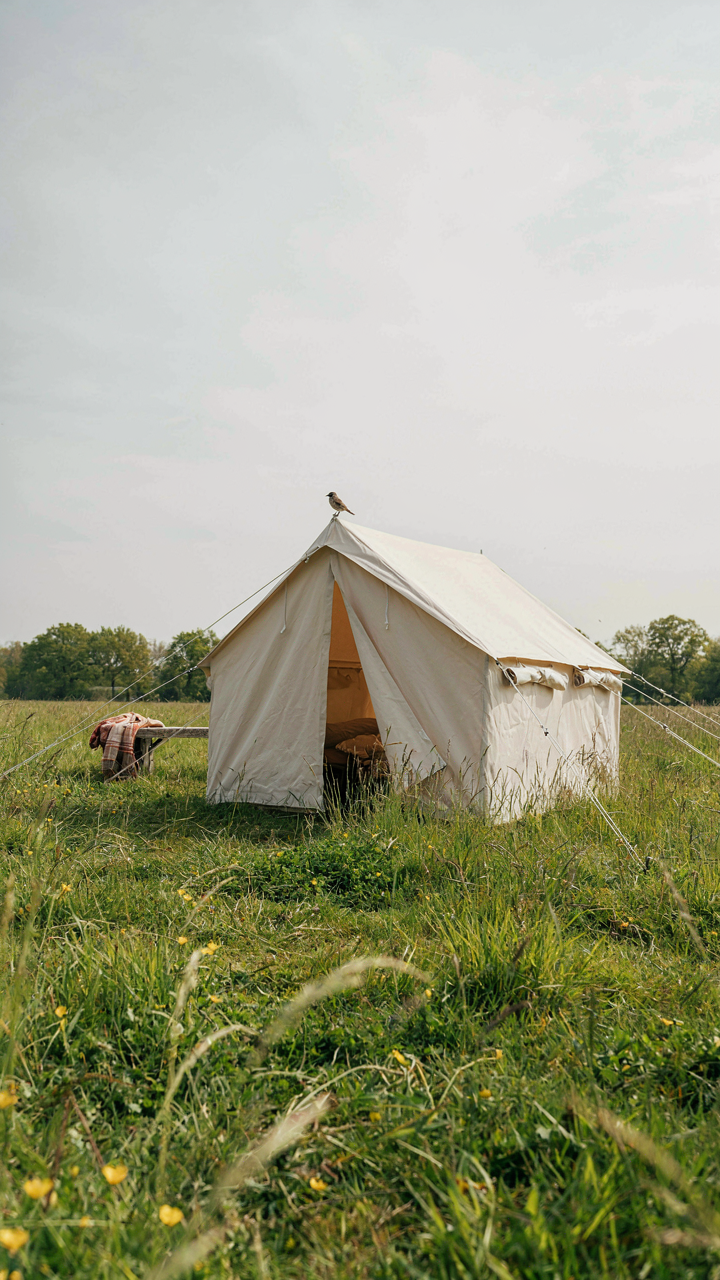
Anchoring Systems: Preventing Blanket Escape
You’re worried about looking unprepared. That’s the real reason you care about this section. The mechanism is simple: wind applies lateral force to any unsecured fabric, and a blanket with no resistance becomes a projectile. Physics borrowed from maritime anchor design applies directly here. A blanket needs both mass distribution and point resistance to stay in place. Most people throw a blanket down and hope. That’s why their setups fail.
- Corner weights or stones: Place 2-4 pound objects at each corner under the blanket edge to create downward pressure without puncturing fabric or requiring hardware.
- Picnic blanket clips: Metal or plastic clamps attach to blanket corners and stake into ground, preventing lift while remaining portable and reusable.
- Cross-weighted textile layers: Overlay a heavier linen or canvas layer partially across the main blanket to anchor it through sheer mass without visible hardware.
- Perimeter pillow placement: Position filled pillows along blanket edges to create a barrier that blocks wind while serving secondary seating function.
- Fabric tension through furniture: Tuck blanket edges under picnic basket legs, cooler bases, or furniture to create multiple anchor points distributed across the setup.

The goal is redundancy without visible strain. If wind shifts direction, a single anchor point fails. Multiple anchor systems at different depths and angles distribute force and keep your setup stable for the duration of the meal. Test your system before guests arrive by applying manual pressure from different directions.
Natural Windbreaks: Understanding Microclimates
Wind doesn’t move uniformly across open space. It clusters around obstacles, accelerates through gaps, and loses force behind solid structures. Vegetation, terrain, and existing objects create microclimates that reduce wind speed by 30 to 60 percent depending on barrier density and your blanket’s distance from it. Site selection matters more than any anchoring system because you’re using the landscape’s existing force rather than fighting against it.
Position your blanket downwind of natural features: tree lines, dense shrub borders, or elevation changes. The sheltered zone begins immediately behind the barrier and extends outward until wind velocity matches the open area velocity. A picnic under a tree canopy costs you direct sun but gains wind protection. A blanket placed in a garden alcove or against a garden wall faces half the wind pressure of the same blanket in an open lawn. Scout your location five minutes early and identify which side of every feature experiences the least breeze movement.
Beyond The Blanket: The “Picnic Date” Perimeter Defense
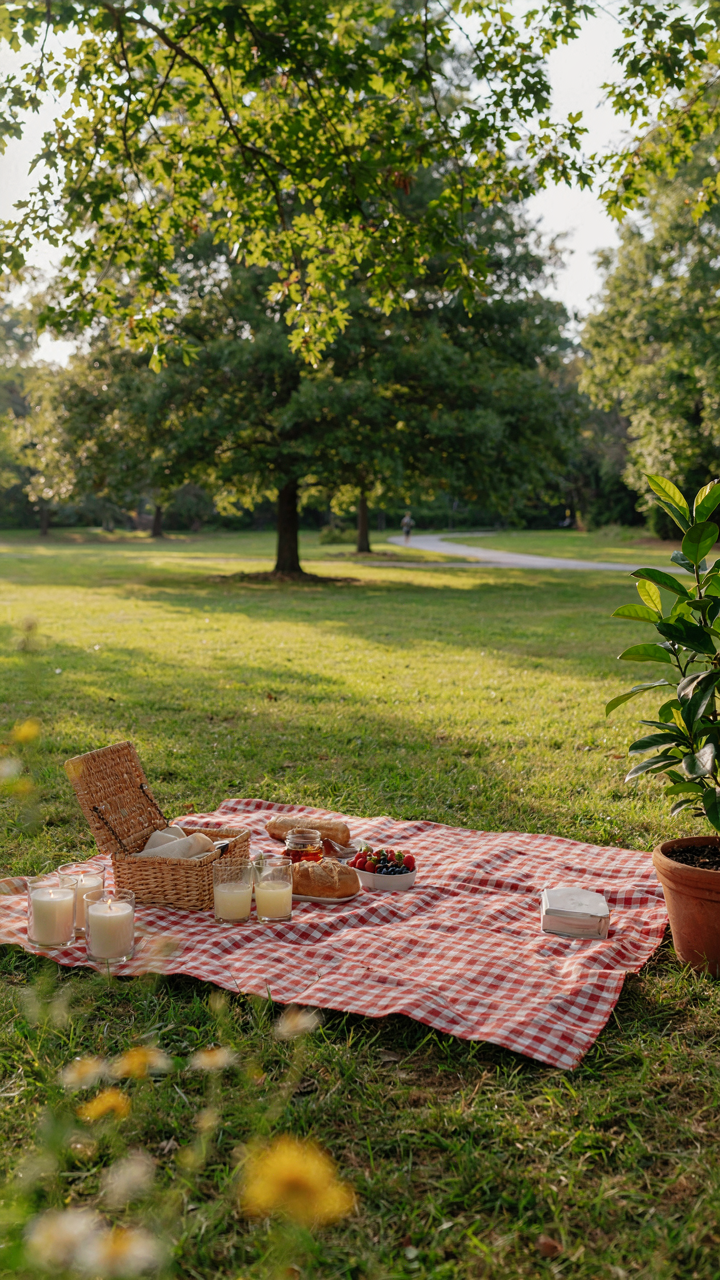
Insect Deterrence: Uninvited Guests Management
You want to look composed while sitting outside for two hours without getting bitten. That’s the real problem here, and it requires a perimeter strategy borrowed from military logistics: establish controlled zones around your blanket setup. Mosquitoes and flies operate on proximity. They don’t attack from a distance; they need to land first. A layered textile arrangement creates physical and thermal barriers that make landing zones unattractive before chemical deterrence even enters the equation.

Fabrics with tight weaves block insects more effectively than open-knit textiles. Cotton canvas and linen with high thread counts function as first-line obstacles. Position thicker throw blankets as outer boundaries rather than interior layers. Mosquitoes detect carbon dioxide and heat signatures, so elevating your textiles slightly off the ground with pillows and cushions forces them to approach from steeper angles, disrupting their landing pattern. Combine this tactical positioning with eucalyptus or lavender throws placed strategically around the perimeter, and you’ve solved the problem mechanically before spraying anything on your skin.
Shade Creation: Portable Comfort Zones
Most people treat shade as decoration when it’s actually your operational control mechanism for temperature and UV exposure. You’re not creating ambiance; you’re managing the microclimate within arm’s reach of where you’re sitting. Strategic pillow stacking and textile layering act as vertical shade anchors that turn a flat blanket into a structured environment. Without this elevation, your setup remains exposed and uncomfortable after the sun shifts. Build it correctly, and you stay comfortable for the entire duration of the event.
Oversized pillows and bolsters create the framework for layered throw blankets to function as shade panels. Position larger pillows at the western or eastern edge depending on time of day, then drape lightweight linen or cotton throws across them to form a canopy effect. This requires no additional equipment; it uses only your existing blanket and pillow inventory. The textile naturally stays in place through weight distribution rather than clips or stakes. Refresh your pillow positions every thirty to forty-five minutes as the sun moves, rotating your setup’s orientation to maintain the shade perimeter around your seated position.
The “Picnic Shoot” Illusion: Prioritizing Function Over Form
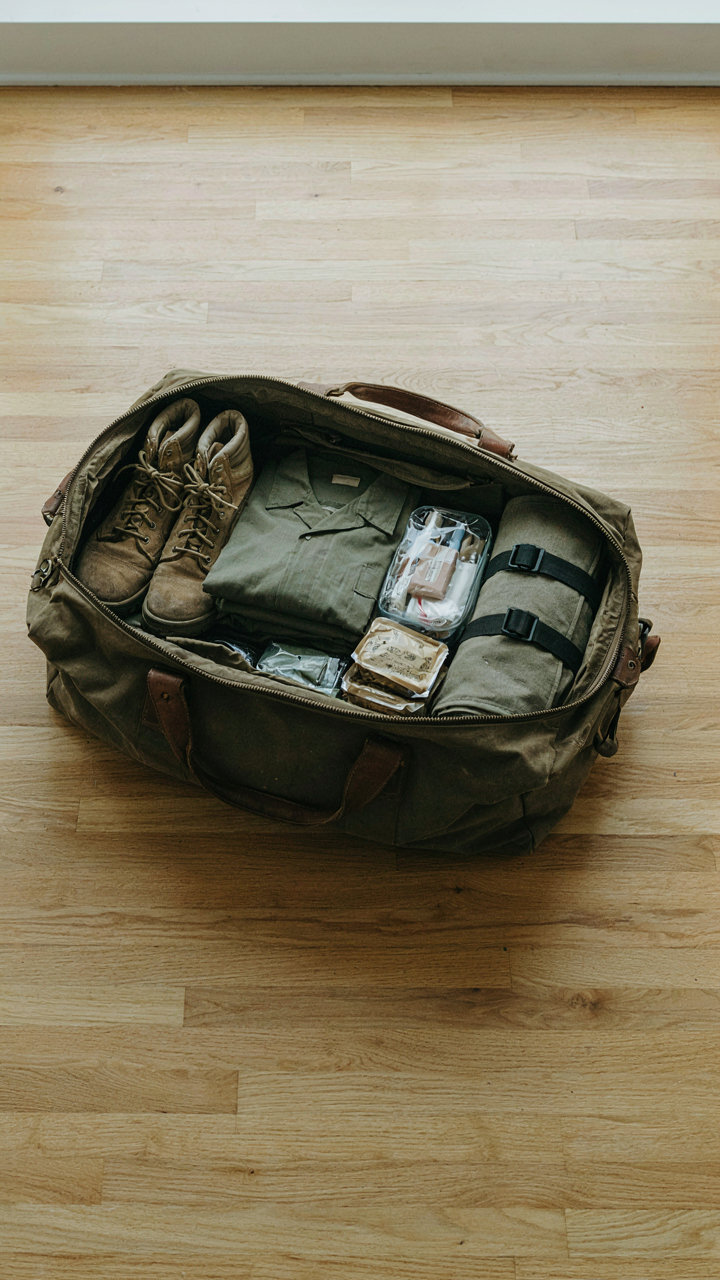
Packing Strategy Determines Visual Outcome
You want your setup to look effortless and composed. That’s not shallow—it’s actually the signal that separates competence from chaos. But here’s what nobody says: your packing method is your design system. Military logistics calls this “load sequence optimization,” where items load last deploy first. Your pillows and textiles should pack last, which means they sit on top and unfold directly into position without reshuffling everything underneath.

This reverses the usual advice. Most styling guides treat packing as separate from aesthetics. Wrong. Your blanket layers should roll or fold into a compact bundle that you grab whole, then unfurl as a single unit. Pillows nest on top in the sequence they’ll be placed. When you arrive, there’s no digging, no rearranging, no five minutes of substrate adjustment. The blanket lands flat. Textiles layer on schedule. Everything stays clean and positioned exactly as you styled it.
Dirt And Debris Management Before Leaving
People focus on what the blanket looks like during the picnic. The real burden hits after. Economics teaches us that true cost includes externalities—the hidden expenses you pay later. Your textile choice determines post-picnic cleanup time, which is where most people lose the game silently. A linen blanket with loose-weave pillows traps debris inside the fibers. You’ll spend twenty minutes picking out pine needles and grass while your friends pack the car.
Solution: choose tight-weave base blankets and designate one washable top textile as your debris shield. This textile takes the hit. You fold it outward at the end, containing what would otherwise embed in everything else. Cotton canvas or heavy cotton twill works here because you can shake it clean on-site in three seconds. Your pillows stay protected underneath. Your main blanket stays pristine. You eliminate the hidden cost that kills the memory of a good day.
Picnic Cottagecore Debunked: Authenticity In Imperfection
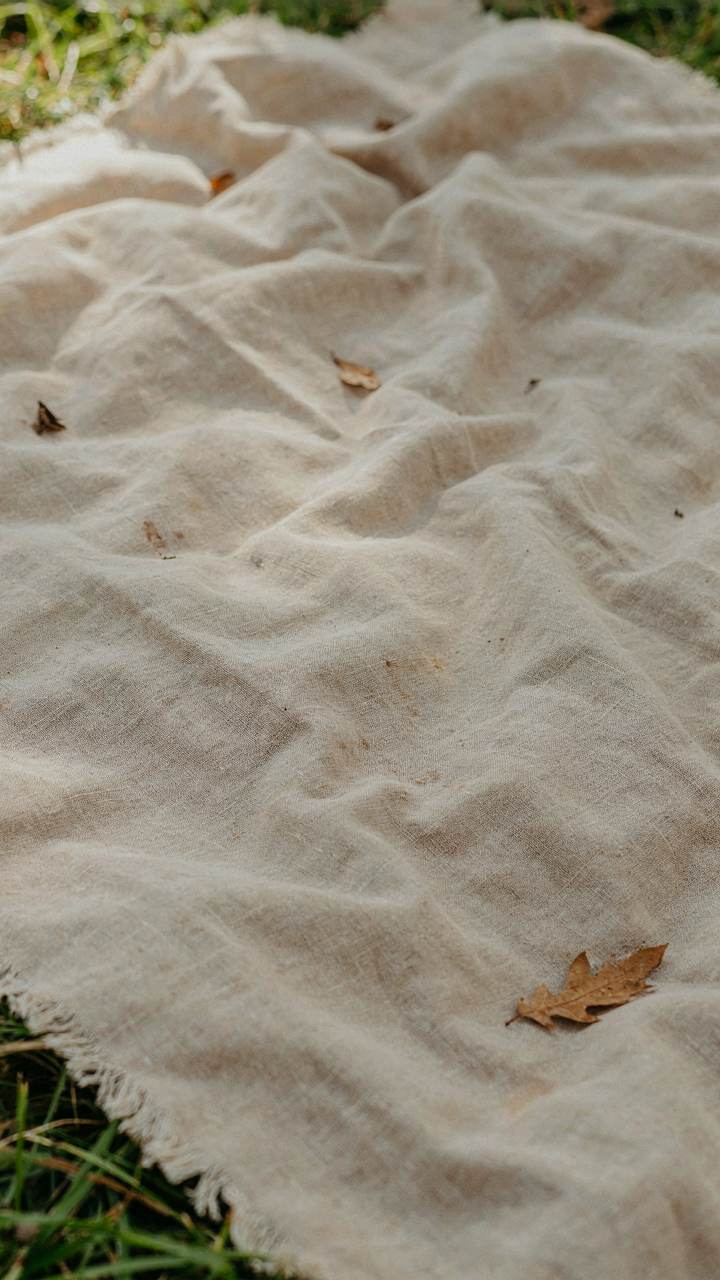
Embrace Wrinkles: The Sign Of A Well Used Blanket
You want the wrinkles because you think they signal you’re effortlessly put together. That’s backwards. The real mechanism is friction. Wrinkles exist because textile fibers compress and release under pressure and time. A blanket pulled straight from storage and flattened rigid looks artificial because it signals zero actual use. Worn blankets photograph better because they’ve absorbed body heat, weight distribution, and repeated folding. The creases map actual living onto fabric.

Stop trying to iron out the narrative. Flat blankets demand constant repositioning because they lack the micro-valleys that anchor pillows and create depth. Wrinkled blankets self-stabilize. The texture prevents sliding, keeps layered textiles locked in place, and eliminates the work of constant adjustment. This is the trade nobody admits: imperfection creates function.
Real Comfort Trumps Aspirational Aesthetics
The advice to prioritize appearance over feel is incomplete and will sabotage your setup. Comfort drives behavior, and behavior drives how your blanket actually looks in use. A rough texture that looks intentional but causes itching gets abandoned within twenty minutes. You end up standing or sitting on the grass, defeating the entire point of styling the space. Aspirational setups collapse under real contact.
Start by testing textiles against skin before committing to styling choices. Cotton blends with low thread counts look rustic but trap body heat unevenly. Linen wrinkles authentically but demands a base layer to prevent dampness transfer from ground. The blanket that performs in actual conditions is the one that stays arranged. Comfort is the mechanism that keeps your styling intact.
Achieving “Picnic Blanket Aesthetic” Through Utility
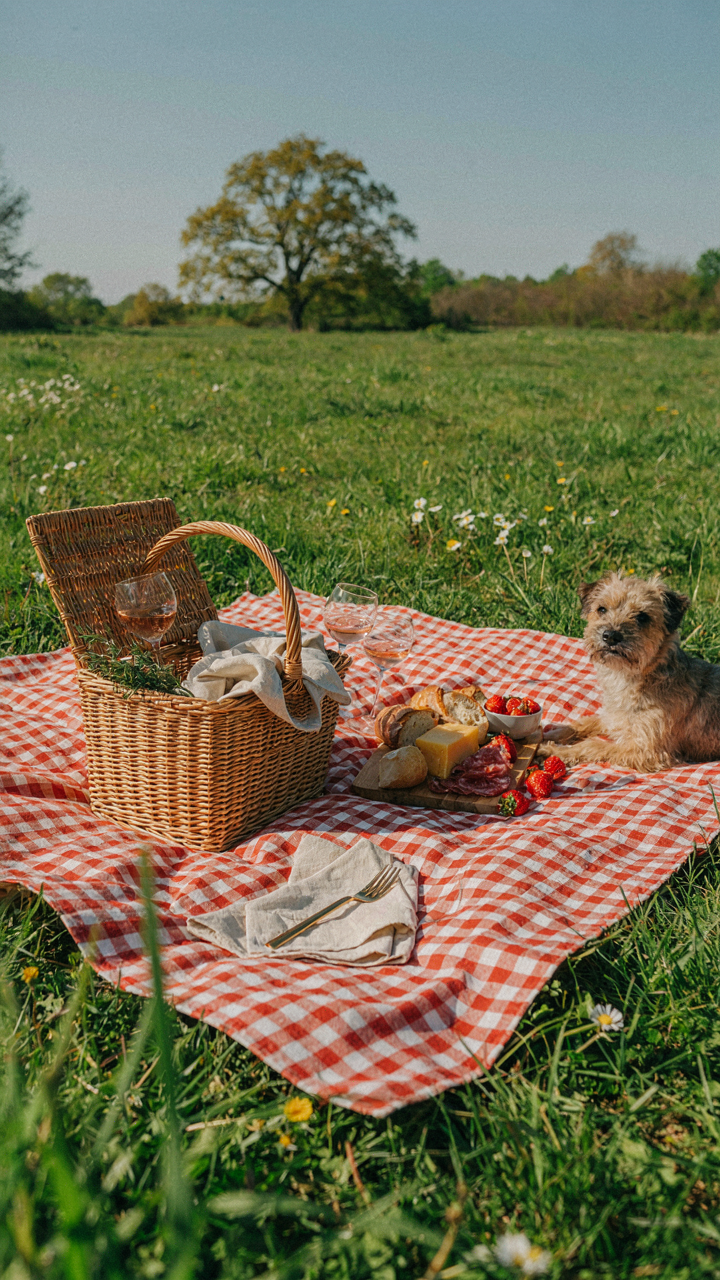
What Actually Matters When You Choose
You care about this because you want people to assume you have your life together without saying anything. Here’s the mechanism: every item on your blanket sends a signal about whether you planned or improvised. The aesthetic that reads as intentional isn’t about matching colors or buying the right brand. It’s about eliminating decisions that look accidental. When you own each choice, the blanket styling becomes coherent.

The work happens before the picnic. You decide which textiles serve a purpose first, then notice they work together visually. A linen throw keeps you warm and drapes well. A quilted base protects from ground moisture and holds its shape. Pillows elevate seating and create depth. None of these exist to look good. They exist to solve problems. The aesthetic emerges from solving them well.
Form Follows The Problem You’re Solving
Industrial design borrowed this principle from architecture, and picnic blanket styling works the same way: the visual result depends entirely on what constraint you’re actually addressing. Most people reverse-engineer this wrong. They see a styled blanket and try to copy the look without understanding what pressure created it. That fails because styling without function reads as desperate.
Start with the ground conditions. Is it wet? Damp? Hard? Your base textile must handle that first. Then layer for comfort and climate control. Throw pillows aren’t decorative cushions here, they’re support systems that happen to define the space. When each textile solves a real problem in the environment where you’ll sit, the whole arrangement communicates competence. Add items that don’t serve a function and you’ve immediately broken the coherence.
The Picnic Inspiration Feedback Loop

Environment Shapes Your Setup Every Time
You want your picnic blanket to look effortless, which means you’re avoiding the real work: systematic observation. The mechanism is simple. Each location has physical constraints and visual context that demand different textile choices. Grass requires weight distribution. Sand needs texture contrast. Shade changes your color palette entirely. You can’t port last month’s setup forward and expect it to land the same way.

The environment isn’t a backdrop you ignore. It’s a design brief. Soil moisture affects how your textiles hold creases. Wind speed determines whether layered fabrics stay composed or collapse into chaos. Ambient light at 6pm in open field versus 4pm under trees shifts every neutral color you brought. Your pillows catch and reflect light differently depending on surrounding vegetation. These aren’t minor details. They’re the difference between a setup that looks intentional and one that looks abandoned.
Each Outing Teaches You Specific Systems
Common advice says “learn from experience,” which is vague enough to mean nothing. Real learning requires protocol. After each picnic, document one variable: Did your pillow placement create usable seating or visual clutter? Did your textile layering survive actual use or shift under weight? Did color combinations read as cohesive from ten feet away? Pick one element. Test it. Record the outcome. That’s iteration, borrowed from engineering, where you can’t improve a system without measuring its performance against a specific constraint.
Your second picnic uses data from your first. You know now whether linen wrinkles create visual interest or look neglected in your specific lighting. You know if your blanket color reads clean against the grass or muddy. You know if four layers felt structured or overdesigned. Each location teaches you what works in that condition. Build a mental index of your textiles paired with their environments. This becomes your reference library. Next season, you don’t experiment randomly. You execute based on what you’ve already validated.
Your Instagram Feed Is A Lie: True Comfort Trumps Curated Pretension

Stop buying pillows to look good in photos. Buy them because your back hurts after thirty minutes on the ground. Throw that linen blanket over the cheap one. Layer what feels good, not what photographs well. Today, grab whatever textile you own that makes you want to stay outside longer and build from there. The best picnic blanket styling isn’t styled at all, it’s just you refusing to leave.