The “Less Is More” Protocol For Chic Picnic Party
Quality Over Quantity Wins Every Time
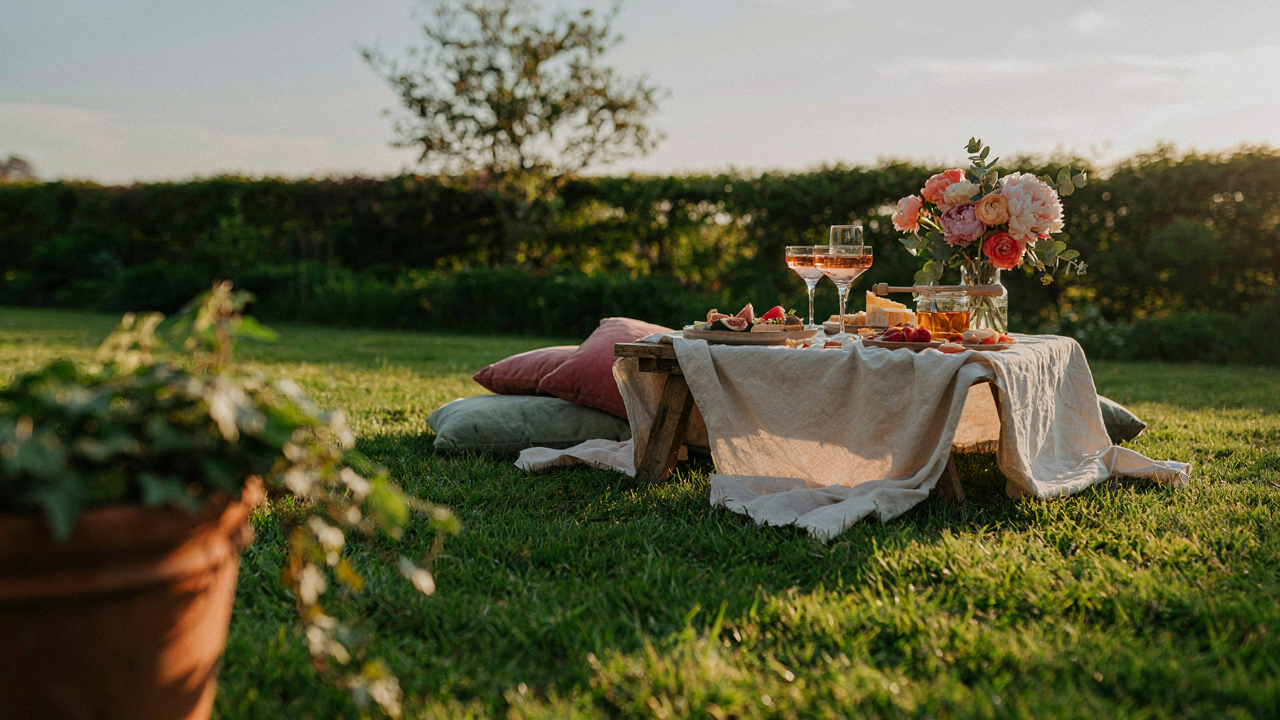
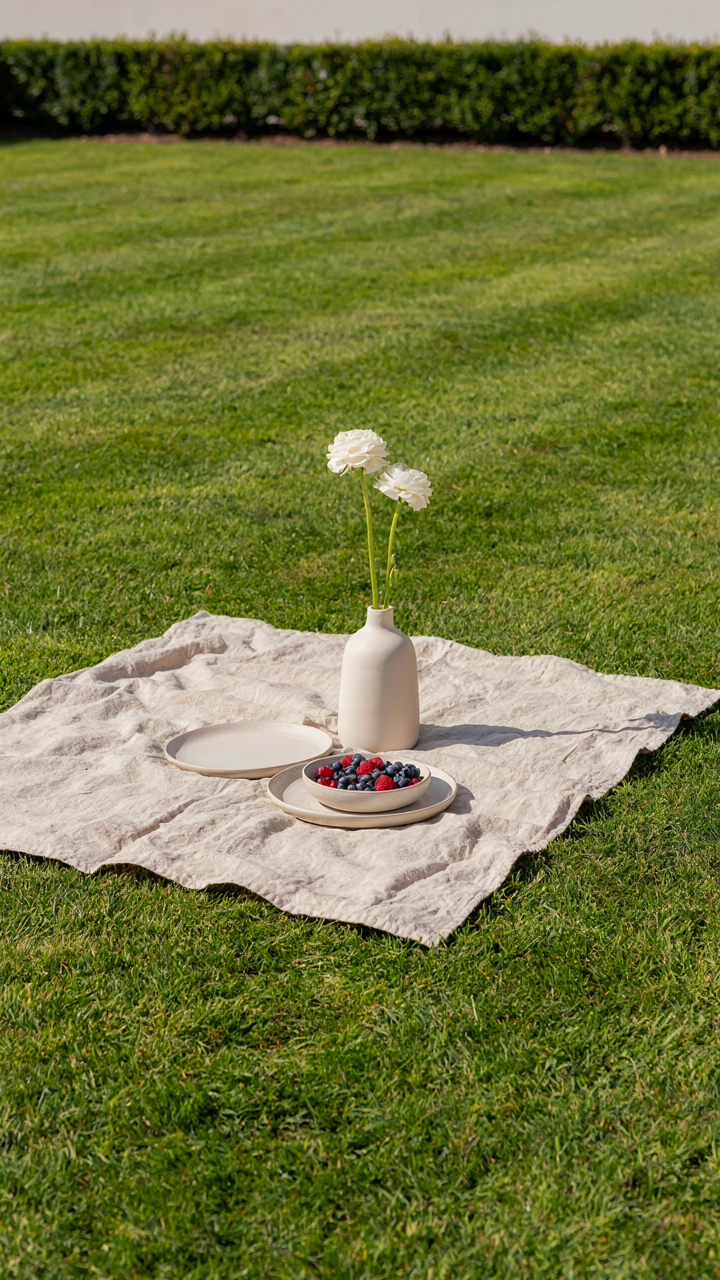
You want people to think you effortlessly nailed this without actually doing much work. The mechanism is constraint. In design thinking, constraint forces prioritization. You stop adding and start editing. Most people load their picnic with eight tablecloths, forty decorations, and fifteen serving pieces because they confuse abundance with effort. The inverse is true. One pristine linen cloth, two ceramic serving boards, and a single focal point plant cost less stress and look sharper than a cluttered table.
The real work happens before the picnic starts: deciding what stays and what gets cut. Pick your anchor piece first, usually a tablecloth in a neutral or intentional color. Everything else filters through that choice. A white linen cloth with wooden plates and glass drinkware creates visual harmony through restraint. You’re not decorating. You’re curating.
Remove Everything That Doesn’t Anchor
The most common mistake is treating empty space as a problem to solve. It’s not. Empty space is control. In visual hierarchy, negative space makes the objects that remain stand out. A bare table with one arrangement of flowers looks intentional. The same table covered in scattered candles, name cards, and trinkets looks like you raided a party store.
Walk your setup before guests arrive and remove one item at a time. If nothing feels missing, stop. Test this: arrange your picnic, step back, then remove the three objects that add the least visual weight. The table will feel cleaner and your guests will spend mental energy on conversation, not processing visual noise. Repeat this audit with every new element before you place it.
Beyond The Blanket: Strategic Seating For A Cozy Picnic
Layering Heights Creates Visual Depth

You want people to feel like they’re somewhere designed, not just thrown onto grass. The mechanism is borrowed from architecture: sightlines. When everyone sits at the same level, your eyes have nothing to track. Varied heights force visual interest and make a small gathering feel intentional.
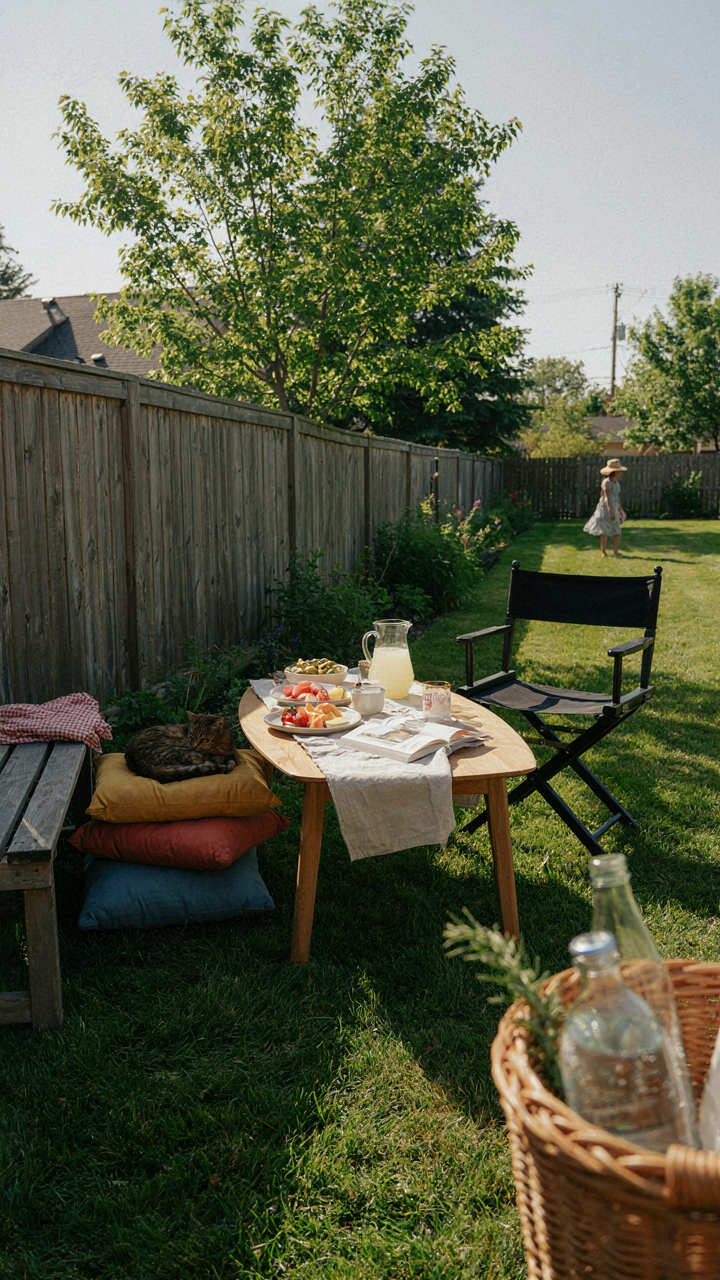
Ground seating, low chairs, and standing positions create natural focal points. A blanket with cushions sits lowest. Folding chairs rise eight to twelve inches higher. Someone standing with a drink anchors the top layer. This three-tier arrangement makes your setup feel curated without requiring money or skill.
Pillows And Cushions Ground The Experience
Forget comfort being secondary. Cushions signal that you planned this, which changes how people behave and stay longer. They transform a hard surface into a reason to settle in rather than perch temporarily.
Outdoor cushions serve a dual function: they add support and define seating zones. Place them on chairs, blankets, and low benches. Solid colors anchor a space better than patterns. Two to three cushions per person prevents the awkward shuffle where guests can’t find where to sit. This removes friction from the gathering itself.
Lighting As Mood Control For Picnic Engagement Party
Why Soft Light Matters More Than You Think

You want people to stay longer and feel like they’re part of something intentional. Here’s the mechanism: your brain processes harsh direct light as either threat or artificiality, triggering the nervous system to remain alert. Soft, diffused light does the opposite. It signals safety and lowers social friction. This is why restaurants don’t use stadium lighting. The human eye evolved to trust warm, indirect illumination. Most backyard setups fail because they either blast overhead lights or go dark. Neither works. Ambient lighting—the kind that wraps around a space rather than cutting through it—changes behavior without anyone noticing why.
Soft light removes the self-consciousness that kills engagement at outdoor gatherings. People relax their posture, lean in closer, and talk longer when they’re not squinting or casting shadows on their own faces. Warm-toned bulbs in the 2700K range mimic candlelight and afternoon sun. This isn’t aesthetic preference. It’s neurochemistry. When you can see faces clearly without strain, conversation deepens because people aren’t managing discomfort. The lighting becomes invisible infrastructure. Set your lighting first, before arranging seating or tables.
Placement That Multiplies The Effect
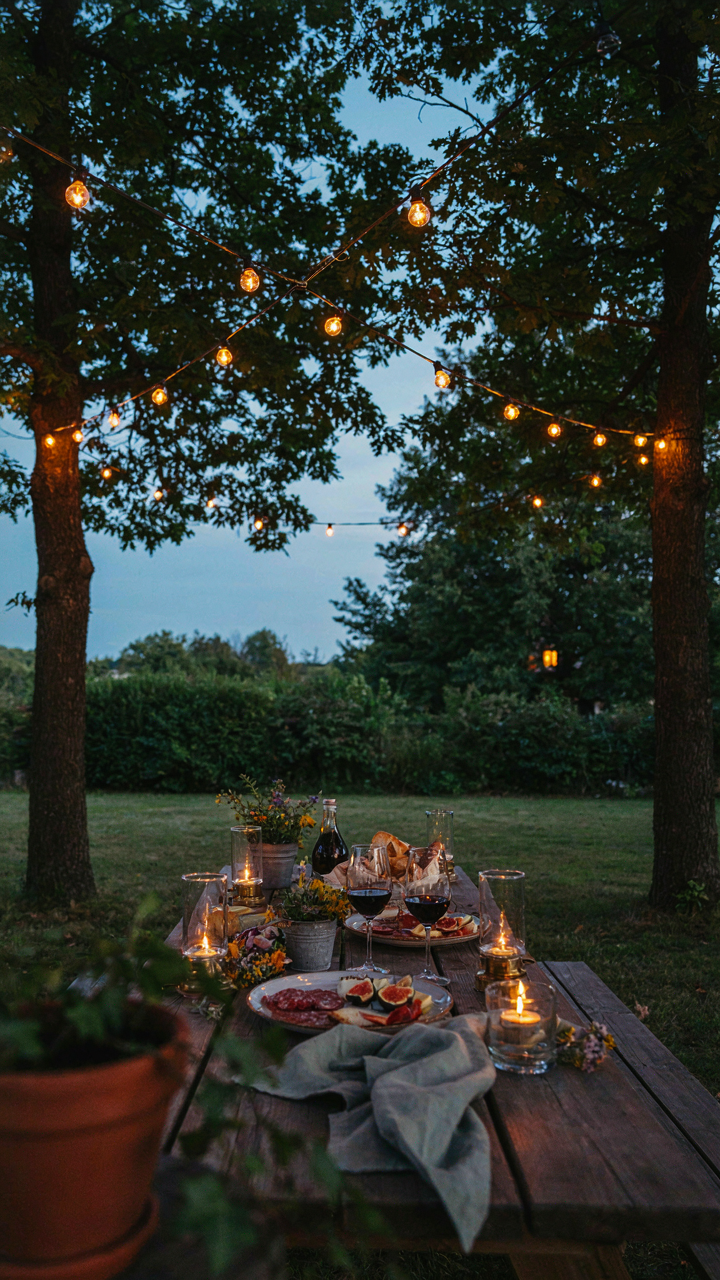
Most people string lights in a line or scatter lanterns randomly. That’s wasting the compound effect of strategic positioning. Think like an architect using layers: foreground, midground, background. Place one light source low and close to where people gather, one at eye level around the perimeter, and one diffused overhead or in trees. This creates depth and eliminates dead zones where shadows pool. Lanterns work better than exposed bulbs because the shade itself becomes a reflector, bouncing light outward instead of creating glare spots.
The math is simple: three light sources at different heights and distances cover the space without overlapping harshly. String lights work best when angled downward at 45 degrees, not horizontal. This prevents direct eye contact with bright filaments. If you’re using lanterns, hang them 6 to 8 feet high for outdoor picnics, roughly the height where they illuminate faces without casting overhead shadows. Test placement during the actual time your event happens, not during daylight. The sun’s angle and residual dusk light change everything. Walk the space, identify where people will actually stand and sit, then position your lights to follow them.
The Culinary Illusion: Simple Food, Elevated Presentation For Garden Picnic
Start With Ingredient Quality Over Quantity

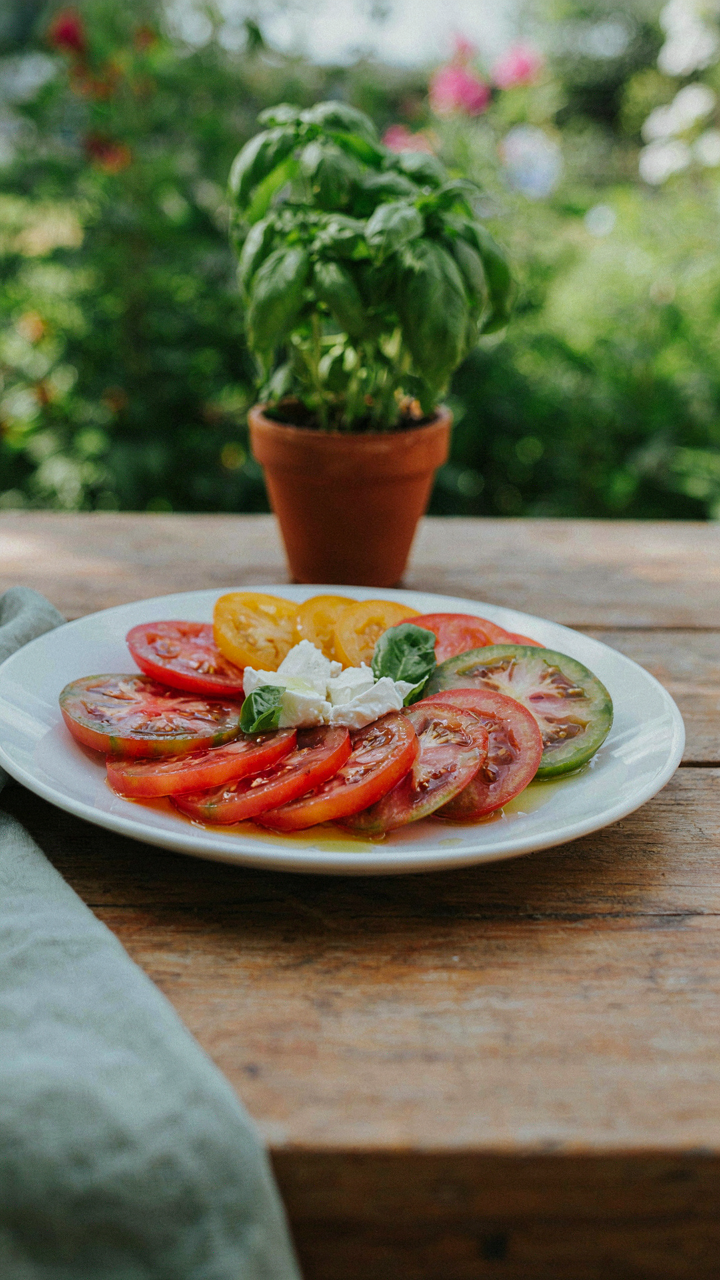
You want people to think you spent hours cooking when you didn’t. That’s the real reason you’re reading this section. The mechanism is simple: quality ingredients require almost no technique to taste impressive. A ripe tomato needs salt. Good cheese needs a knife. Fresh bread needs nothing. Most people reverse-engineer this and obsess over recipes instead of sourcing. You can’t elevate mediocre ingredients through presentation. You can only hide them.
The work happens at the market, not at home. Buy one excellent thing instead of five average things. A single heirloom tomato, burrata, quality olive oil, and sea salt beats a complicated salad every time. Seasonal ingredients taste better because they’re at peak ripeness when they’re supposed to be. Your guests taste the difference immediately. They won’t know why the food feels special. They’ll just attribute it to your effort.
Plating Creates A Permission Structure
Plating uses the principle of contrast from visual design. A small amount of food on white space reads as intentional and curated. That same food piled casually reads as rushed or cheap. The contrast between negative space and food tells your guests whether this meal matters. You’re not changing the food. You’re changing how their brain processes it.
Use oversized plates or boards. Arrange items with actual space between them. Put the best-looking piece in the center. Drizzle oils or vinegars in one deliberate line, not scattered across the plate. Garnish with single herbs or microgreens, not handfuls. These aren’t tricks. These are signals that communicate respect for the meal and the people eating it.
The “Sensory Subtlety” Method For Outside Picnic Ideas

Scent And Texture As Environmental Design

You want people to feel like you put thought into this without admitting you barely planned anything. Here’s the mechanism: biology proves scent triggers memory and emotion faster than sight. In landscape design, this principle is called “olfactory layering” – the deliberate stacking of smell sources to create atmosphere. Most picnic setups ignore this entirely and wonder why the space feels hollow.
Fresh-cut grass, crushed mint leaves in water pitchers, and cedar or pine branches placed near seating activate the limbic system before anyone sits down. These aren’t decorations. They’re neurological anchors that signal intentionality. Place a small bundle of herbs tied with twine on the table edge. The texture of rough rope against smooth leaves does cognitive work that costs nothing.
Low Frequency Sound, Not Silence
Silence at a picnic feels awkward and forces conversation. The real play is choosing sound that doesn’t demand attention. Ambient audio research shows that soft, repetitive frequencies between 40-60 decibels reduce cortisol while keeping the environment from feeling staged or artificial. This is the auditory equivalent of negative space in design.
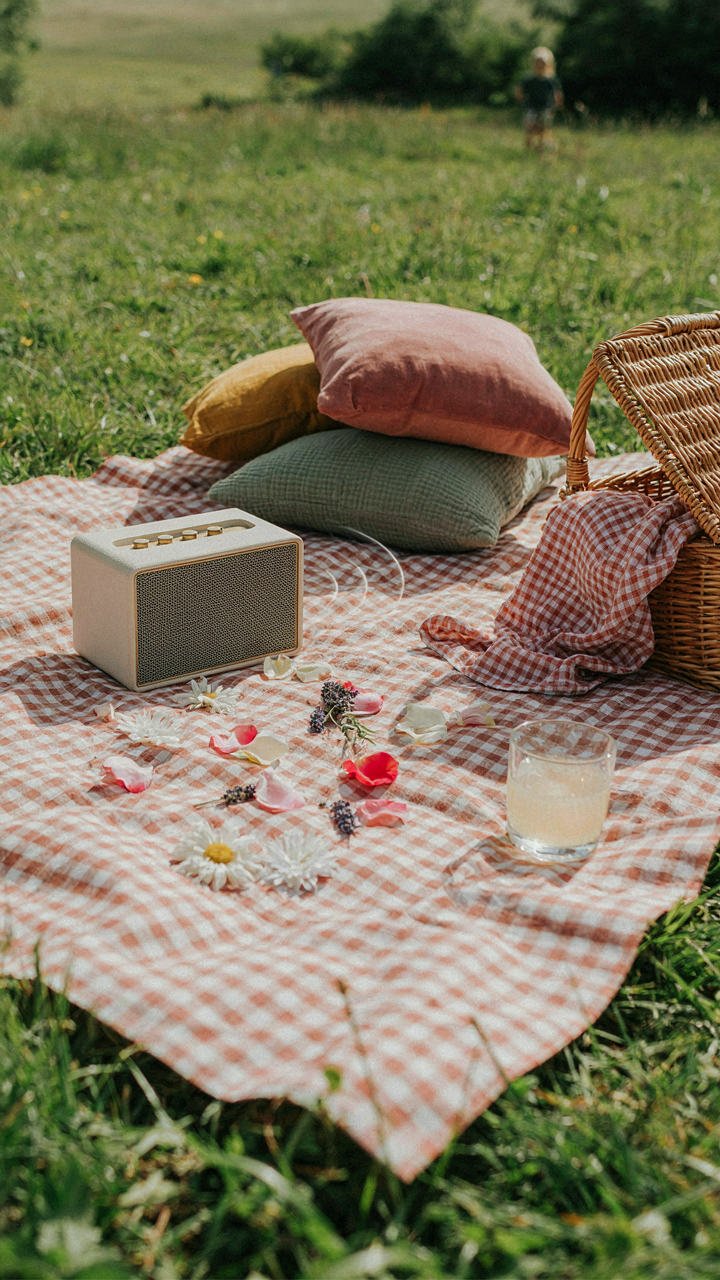
A portable speaker playing instrumental ambient music or nature recordings (flowing water, distant birds) creates psychological permission for people to relax without talking constantly. Volume matters more than content here. Keep it barely perceptible. The moment someone has to lean in to hear it, you’ve miscalibrated. Test your setup from the farthest seat and dial back what you think is right by half.
Effortless Ambiance: Music And Decor For Picnic Birthday Party
The Playlist That Doesn’t Sound Like A Playlist

You want people to think the music just happened, that you didn’t care, when really you’re terrified of dead air and awkward silence. That’s the real mechanism here: a curated playlist works because it removes decision fatigue from your guests while making you look effortless. The difference between shuffle and curation is signal versus noise. Shuffle creates jarring transitions. Curation creates continuity. Build playlists by tempo and energy, not genre. Start at 90-100 BPM for the first hour, climb to 110-120 BPM as people settle in, then drift back down after the meal. Use songs with consistent production quality so volume levels stay stable without constant adjustment.
The technical advantage of curation: you control the narrative of the event without announcing it. Guests feel the shift in mood because the music guided them there, not because you made an announcement. Choose 40-50 songs for a three-hour event, which gives you coverage without repetition in that window. Avoid songs with lyrics that demand attention during conversation. Instrumental versions of recognizable tracks work better than pure ambient music because they feel intentional without competing for focus. Load your playlist on a phone connected to a Bluetooth speaker 30 minutes before guests arrive so you’re not scrambling with cables when people show up.
Natural Elements Over Decoration Clutter
Everyone tells you to string lights and buy seasonal tablecloths. That advice is incomplete because it confuses decoration with design. The real principle is contrast: you create visual interest by placing one intentional element against a natural backdrop, not by filling every surface with purchased items. A single potted plant on the table commands more attention than six candles scattered around. The economics of effort here strongly favors you. One large element requires less maintenance and setup than multiple small ones, and it photographs better because it has visual hierarchy.
Position one statement piece at the center of the gathering area. This could be a large potted plant, a wooden cutting board with fruit, or a galvanized bucket with drinks. Let trees, grass, and natural shade do the actual work of creating ambiance. If your yard lacks natural shade, a single white umbrella inserted into a stand creates more cooling and visual interest than a tent. Avoid mixing patterns and colors across multiple decorative items. One color palette across plates, napkins, and any cloth elements creates coherence without effort. The mechanism is elimination: you’re not decorating the yard, you’re removing visual noise so what matters stands out.
The Strategic Convenience Framework For Picnic Outdoors
Build Your Staging Area First

You want people to think you didn’t try hard, which is why you’re reading this. The real mechanism is logistics. Borrow from restaurant kitchen design: mise en place. Everything in its place before service starts. Your picnic fails the moment guests arrive to chaos, not because the food is bad, but because setup takes fifteen minutes while everyone stands around watching.
- Cooler placement: Position it at table height or on a low stand before guests arrive. Prevents bending repeatedly and keeps drinks accessible without disrupting the meal setup.
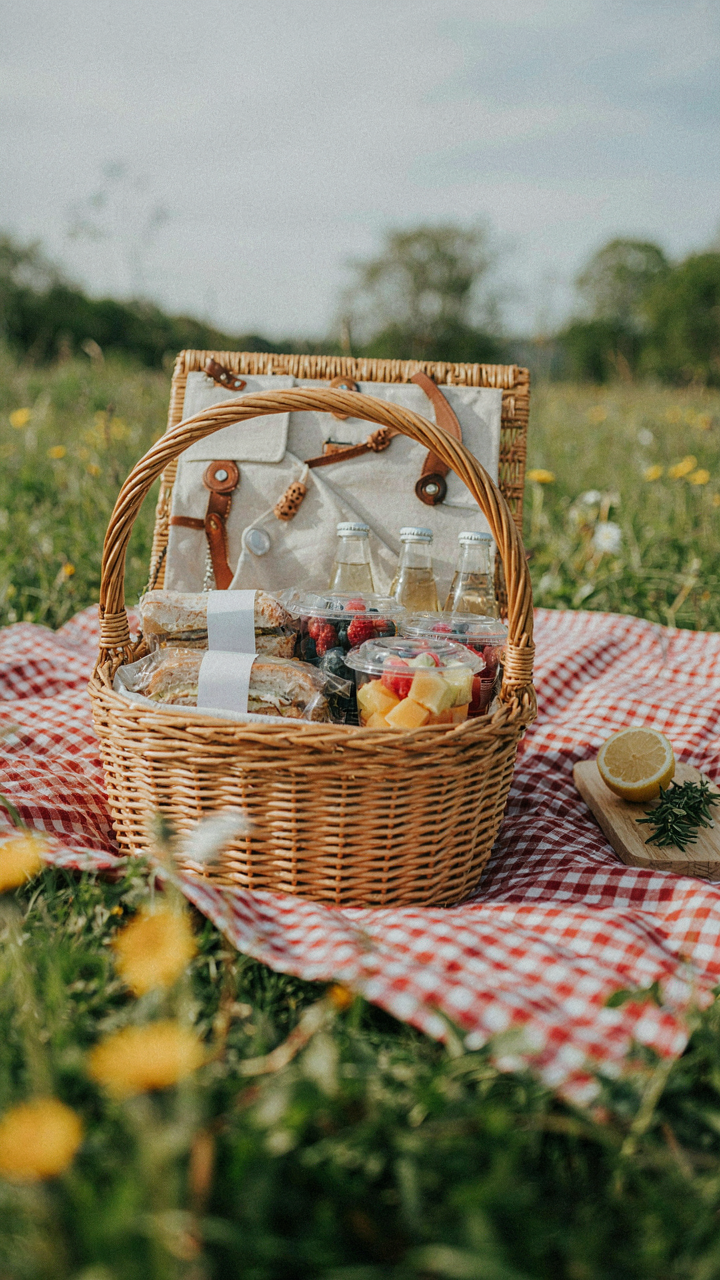
- Pre-plated items in containers: Cut fruit, cheeses, and snacks already portioned into bowls. Transfer straight from kitchen to table in under two minutes, no prep visible.
- Napkins and utensils bundled: Rubber band or stack napkins with forks and knives in sets of four. Guests grab one bundle, not fifteen loose items scattered across the table.
- Condiments in small dishes: Transfer mayo, mustard, and sauces into ramekins at home. Prevents squeeze bottles and makes the spread look intentional rather than cafeteria-style.
- Serving vessels pre-positioned: Place empty platters and bowls on the table before food arrives. Eliminates last-minute hunting for dishes and creates visual anchors for where things go.
The gap between mediocre and polished picnics is thirty minutes of preparation nobody sees. Do the staging work before anyone arrives. That’s the only variable that matters.
Design For Reach, Not Movement
Most people scatter items randomly across the table and wonder why the setup feels chaotic. The actual principle is ergonomics: minimize hand travel distance. Keep everything essential within twelve inches of where someone sits. Drinks to the right, napkins center, condiments left. Create zones instead of a free-for-all.
Guests should never ask where something is or lean across others to grab it. The moment someone has to reach over another person or ask a question about item location, your setup loses credibility. Pre-position a napkin stack and utensil bundle at every seat. Keep the cooler accessible but not in the center of traffic. Put frequently used items like napkins and straws at consistent spots, always the same spot. This removes friction from the experience and makes everything feel intentional.
Post Picnic Protocol: The Graceful Exit (Not A Chore)
Stations Beat Scattered Cleanup

You want the picnic to feel effortless to guests, which means you’re actually afraid of looking like you’re working too hard after it ends. Here’s the mechanism: humans mirror behavior. If you’re frantically gathering plates while people linger, they feel obligated to help and the social energy dies. You prevent this by treating cleanup like inventory management, not a performance.
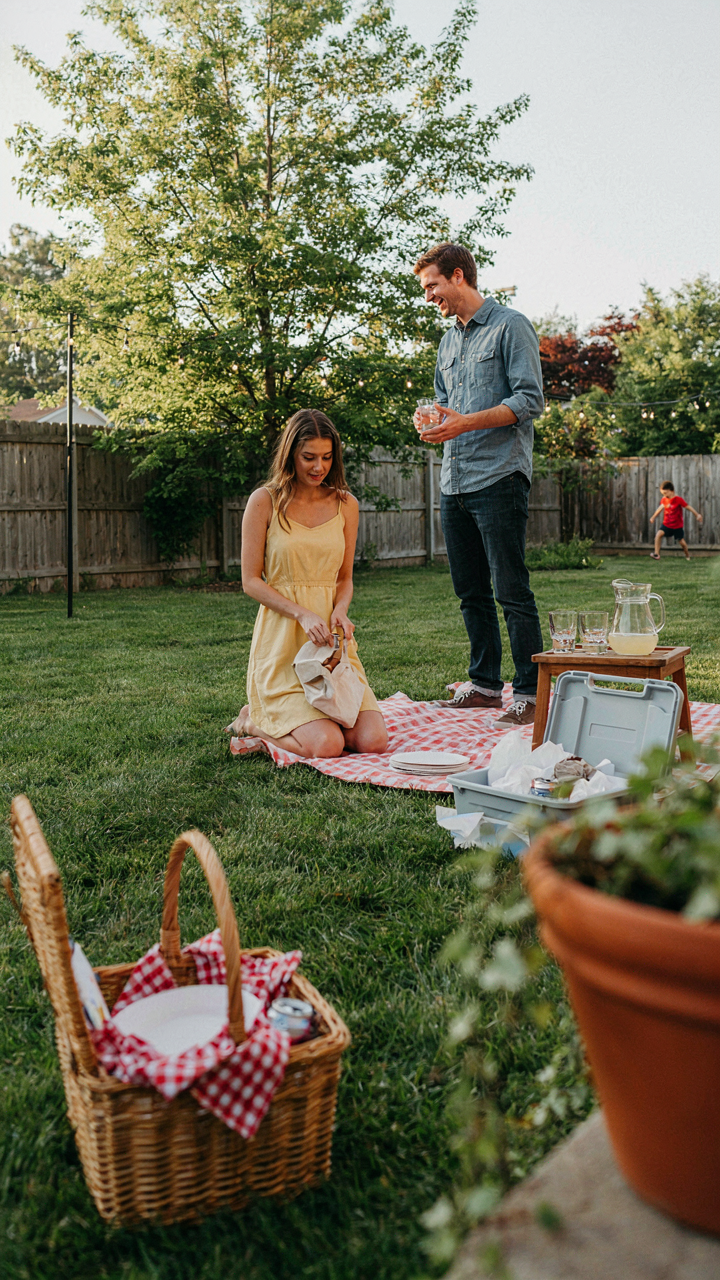
Set up two designated zones before guests arrive. One for trash, one for recycling. Place them at opposite corners of your setup area, not in the center of foot traffic. Use simple containers or bins that match your color scheme so they blend in rather than announce themselves as “cleanup stations.” This way, people naturally deposit items without being asked, and you walk a clear path at the end instead of hunting across the yard.
The Five Minute Takedown
Everyone gives the same advice here: “Have people help.” That’s useless because it reverses your entire social goal. What actually works comes from manufacturing, specifically the concept of flow optimization. You arrange your physical space so the highest-impact items get packed first, creating momentum rather than scattered effort.
Before guests leave, collapse your table. Stack chairs in a single pile. Consolidate all serving dishes into one container. This takes under five minutes solo. The trash and recycling zones you’ve already filled get rolled to the curb or garage in one trip. Return borrowed items to the front entry in a marked box. The mechanism isn’t speed. The mechanism is visibility. When the backyard transforms in under ten minutes with zero leftover trace, your guests remember the experience, not the work. You never mention cleanup again.
The Real Problem Isn’t Lack Of Ideas, It’s Your Addiction To Complexity
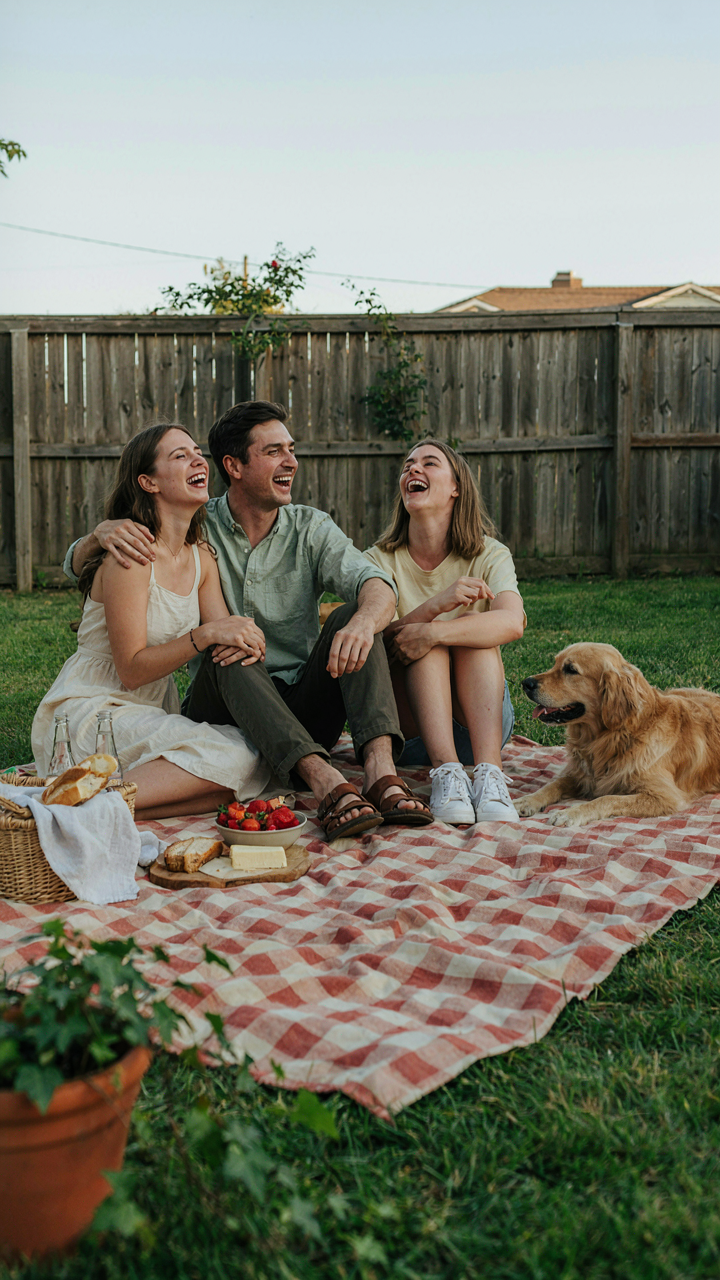

You don’t need more backyard picnic setup ideas. You need permission to stop overthinking it. Every hour you spend on Pinterest is an hour you’re not actually sitting outside with people you like. The setup that works is the one you actually do. Pick three things today. A blanket. Drinks. Food. Stop there. That’s the entire game. You’ve been waiting for the perfect moment to start living, and it’s costing you everything.