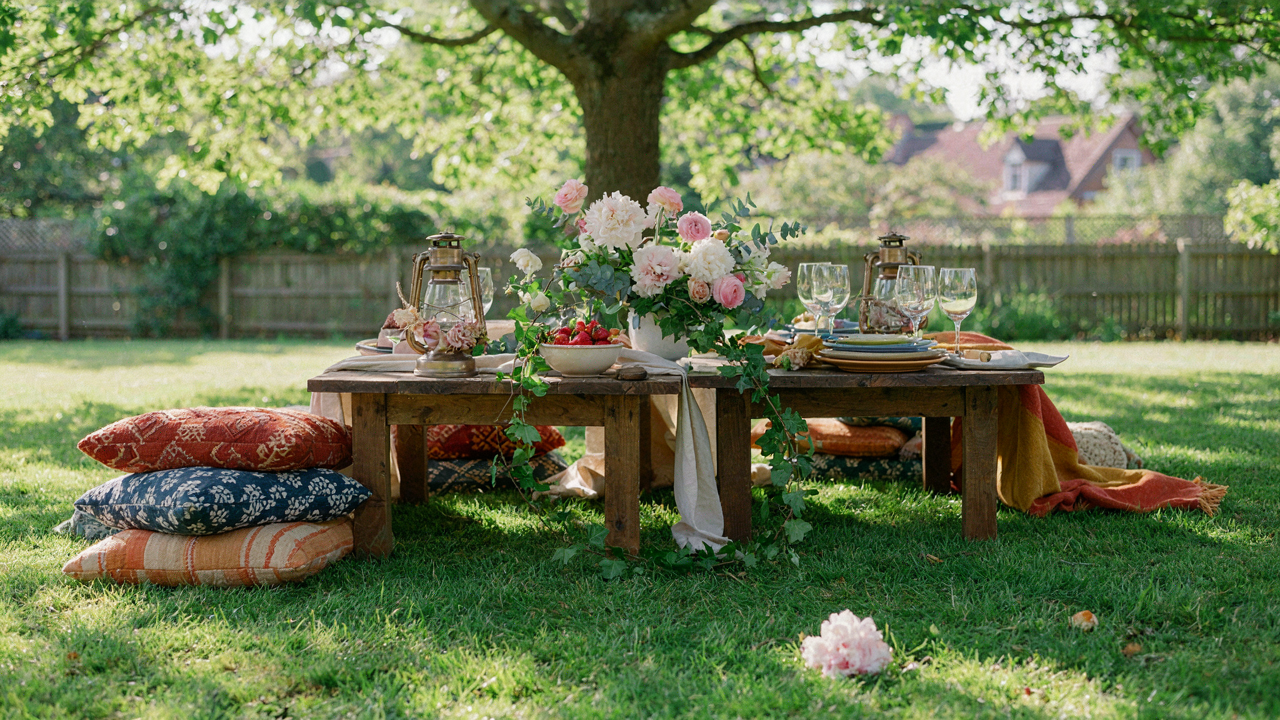
Beyond The Filters: The Authentic Boho Picnic Aesthetic
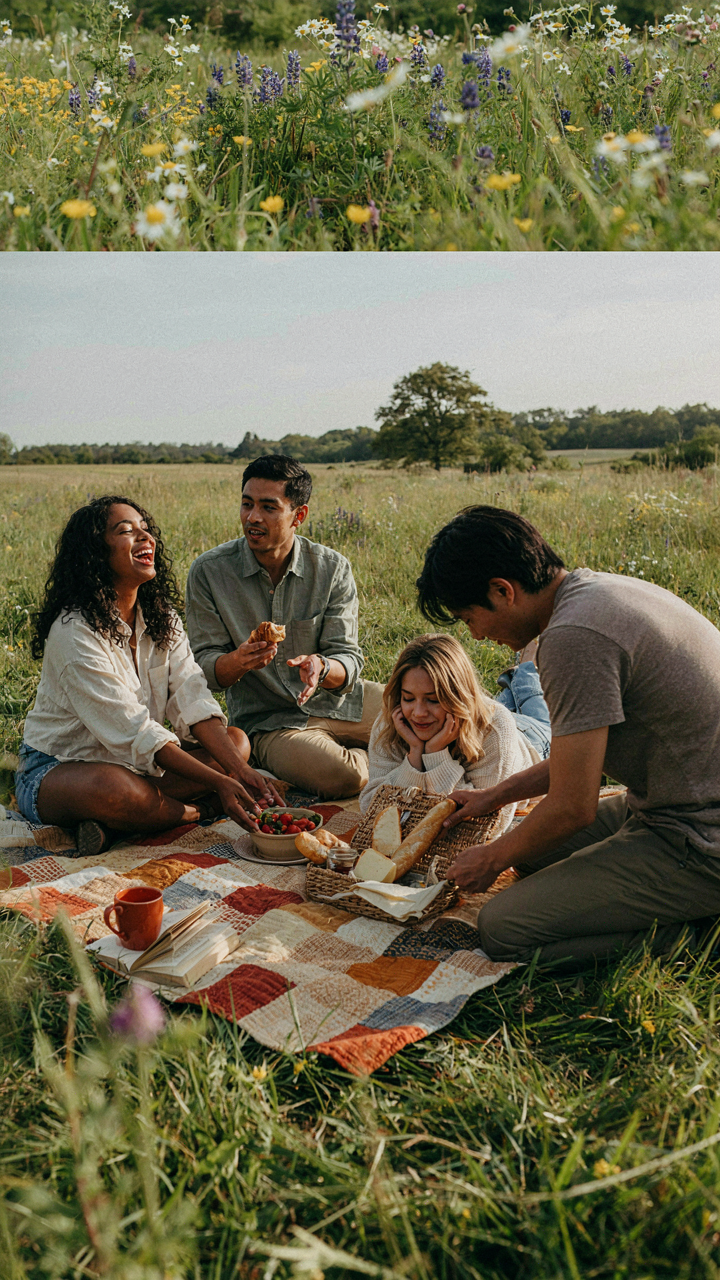
Curated Moments Beat Staged Ones
You want people to think your picnic happened organically. That’s the real motive here. The mechanism works like this: authenticity in design operates on signal theory from economics. A low-effort aesthetic signals you didn’t force it, which makes people trust the vibe more than a perfect setup would. Forced perfection broadcasts insecurity. Real boho picnics embrace visible imperfection because imperfection proves nothing was manufactured for the camera.
Most advice tells you to “embrace the natural.” That’s incomplete. The actual move is removing evidence of curation. Don’t arrange flowers in geometric patterns. Don’t color-coordinate your floor cushions. Don’t stage props to look “candid.” The guests notice when something feels deliberate, and deliberate kills the whole aesthetic. Leave gaps. Let asymmetry happen. Let some cushions face the wrong direction.
Texture Without The Theatrics
Raw materials speak louder than polished ones because they demand nothing from you. Linen, jute, unfinished wood, natural fiber rugs—these things age visibly, which means they look like they’ve been there, not like you bought them yesterday. Boho design borrowed from the counterculture’s rejection of manufactured slickness, but most people miss the actual principle: materials that show wear prove the space has history.
Imperfection is not a decorating choice you make. It’s a result you allow. Use cushions with uneven stitching. Pick blankets with fading. Select low tables with visible grain and knots. Your decor doesn’t need to look “distressed” or “vintage”—it needs to look like it survived actual use. Stop treating imperfection as a theme you’re executing and start treating it as the natural outcome of using real things. The moment you curate the roughness, you’ve lost the signal.
The Low Table Lie: Why Your Back (and Guests) Will Suffer
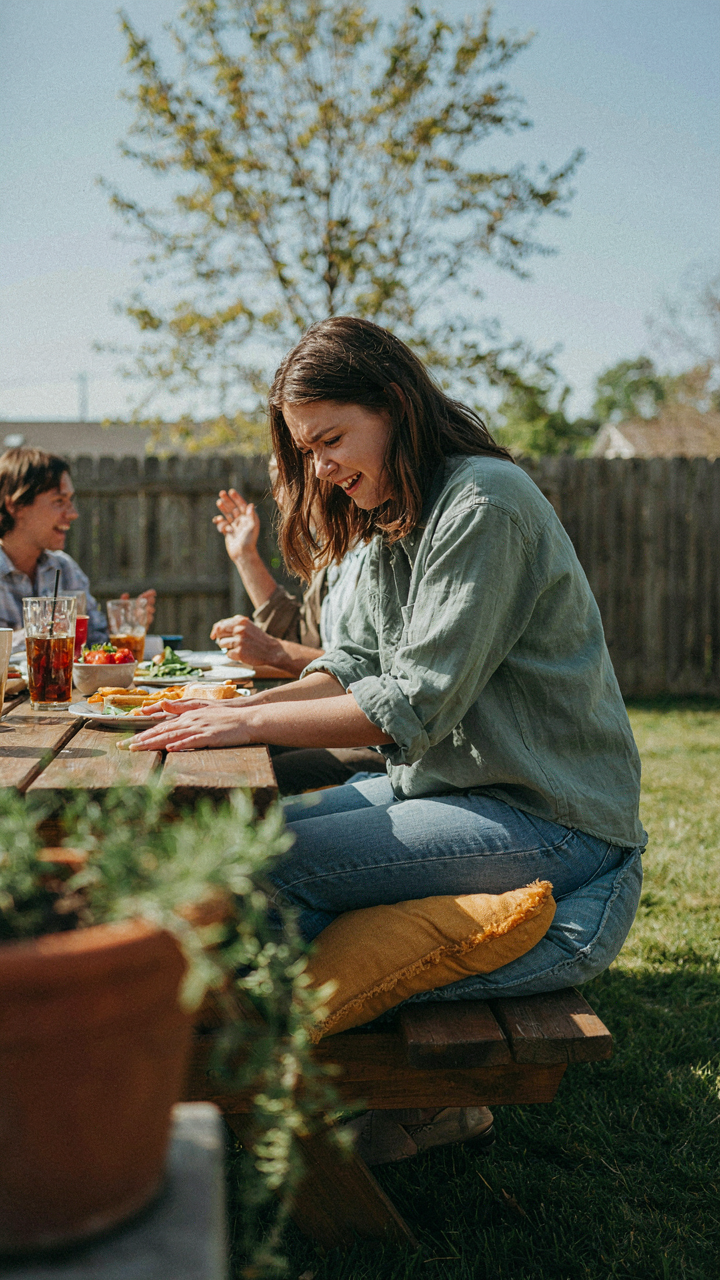
When Aesthetics Override Function

You want the Instagram version of boho, not the actual experience. That’s the real tension here. The mechanism is simple: floor-level seating creates sustained lumbar strain because your spine lacks support at the angle your body naturally demands. Humans evolved to sit upright or recline fully, not hover at 45 degrees on a cushion for two hours. Your L4 and L5 vertebrae absorb pressure that chair backs distribute. By hour three of your party, guests stop talking about the ambiance and start feeling their discs.
The boho aesthetic borrows from nomadic and low-income cultures where floor seating served practical purposes: portability, space efficiency, thermal regulation in tents. When transplanted to a manicured backyard with no functional constraint, floor seating becomes pure theater. Guests over 40 will leave early. Parents with any back history will decline the invite next time. You’ve optimized for how the space looks in photos, not whether people actually want to return.
Elevated Comfort Without Losing The Look
Raise your table surface to 16 to 18 inches. At this height, most humans can sit cross-legged or on a low bench with neutral spine alignment. Your guests’ knees stay at or below hip height, which eliminates the hip flexor strain that floor-level seating creates. A 16-inch table paired with 12-inch cushions solves the problem. You keep the boho visual language because the components remain the same. The table just functions.
Alternatively, use low benches (12 to 14 inches) around the perimeter and reserve floor cushions for decoration, not seating. This hybrid approach gives you the aesthetic texture while keeping people comfortable. Position benches with backs or lean cushions against them. Guests can recline slightly without straining. The picnic stays photogenic, but your attendees don’t spend the next week nursing lower back pain.
The Cushion Conundrum: More Than Just Pretty Pillows
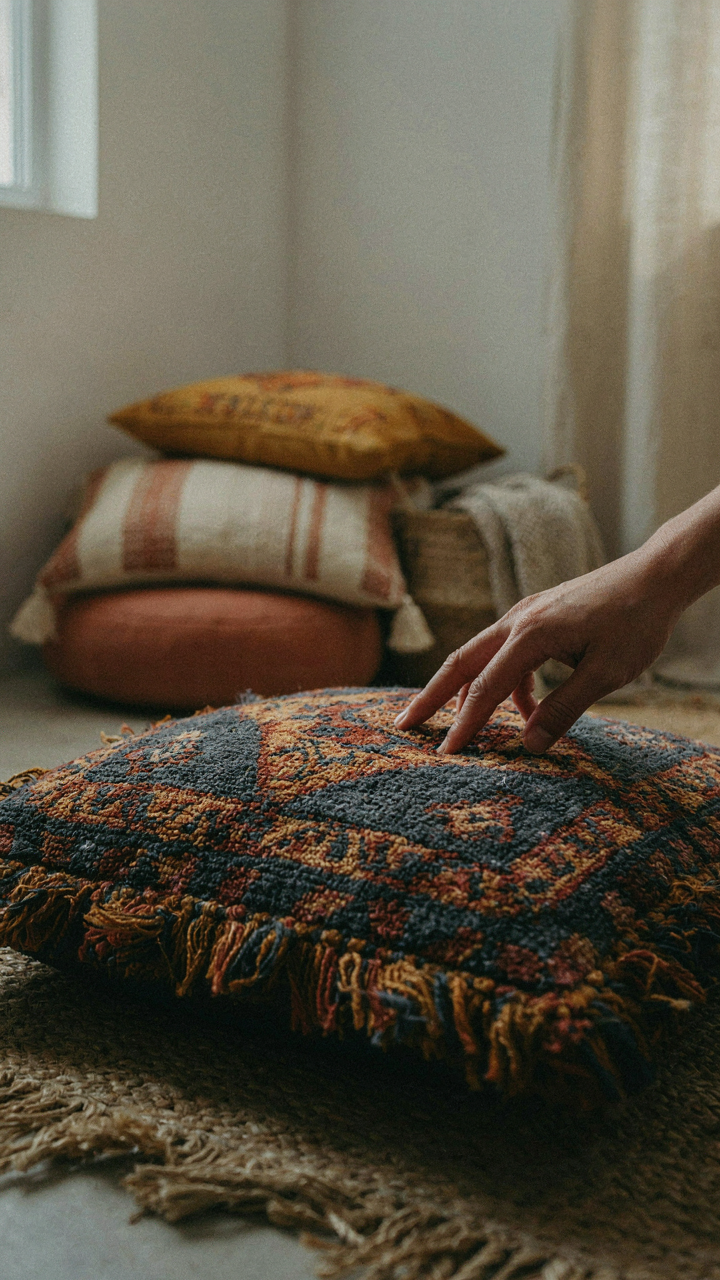
Support First, Aesthetics Second

You want the setup to look effortless because you’re worried people will judge the comfort level before they judge the vibe. Here’s the mechanism: your body sends signals to your brain about whether it trusts an environment within the first few minutes of sitting. Cushions aren’t decorative padding. They’re the difference between guests relaxing and guests mentally counting down until they can leave.
Boho aesthetics borrowed from nomadic furniture design, where cushions served load-bearing functions during long journeys across terrain. A single decorative pillow won’t support a spine for two hours. Place larger cushions at the back of seating areas where they contact the body’s heaviest points. Layer smaller ones at the sides for arm and lateral support. Angle them slightly forward to prevent slouching. This isn’t interior decoration strategy. It’s ergonomics applied to floor seating.
Fabric That Survives Contact With Reality
- Performance Polyester Blends: Resist staining and moisture better than natural fibers while maintaining a soft hand. Withstand repeated washing without pilling or fading. Cost-effective for high-use party scenarios.
- Outdoor Linen: True linen designed for exterior use resists mildew and mold growth. Handles spills quickly and dries faster than indoor linen. Retains boho aesthetic without the fragility.
- Canvas: Heavy-duty canvas accepts dye well and cleans easily. Stands up to sustained pressure from multiple guests sitting throughout the day. Develops character with age rather than deteriorating.
- Microsuede: Mimics suede texture with synthetic durability. Repels liquids and resists dust settling into fibers. Machine washable in cold water without special treatment.
- Removable Covers: Any cushion with a zippered cover you can pull off and wash independently. Lets you replace soiled covers immediately while the core cushion dries. Game-changer for managing actual party conditions.
Most boho recommendations treat cushions as permanent decor, but a birthday picnic is a high-contact event. You need washability built into your fabric choice from purchase, not after stains appear. Removable covers solve the problem cleanly. Check that zippers run smoothly and won’t snag during washing. Buy an extra set of covers before the event so you have backups ready if something spills during the party itself.
The Minimalist Boho Picnic Protocol: Less Is Actually More
What You Actually Need To Bring
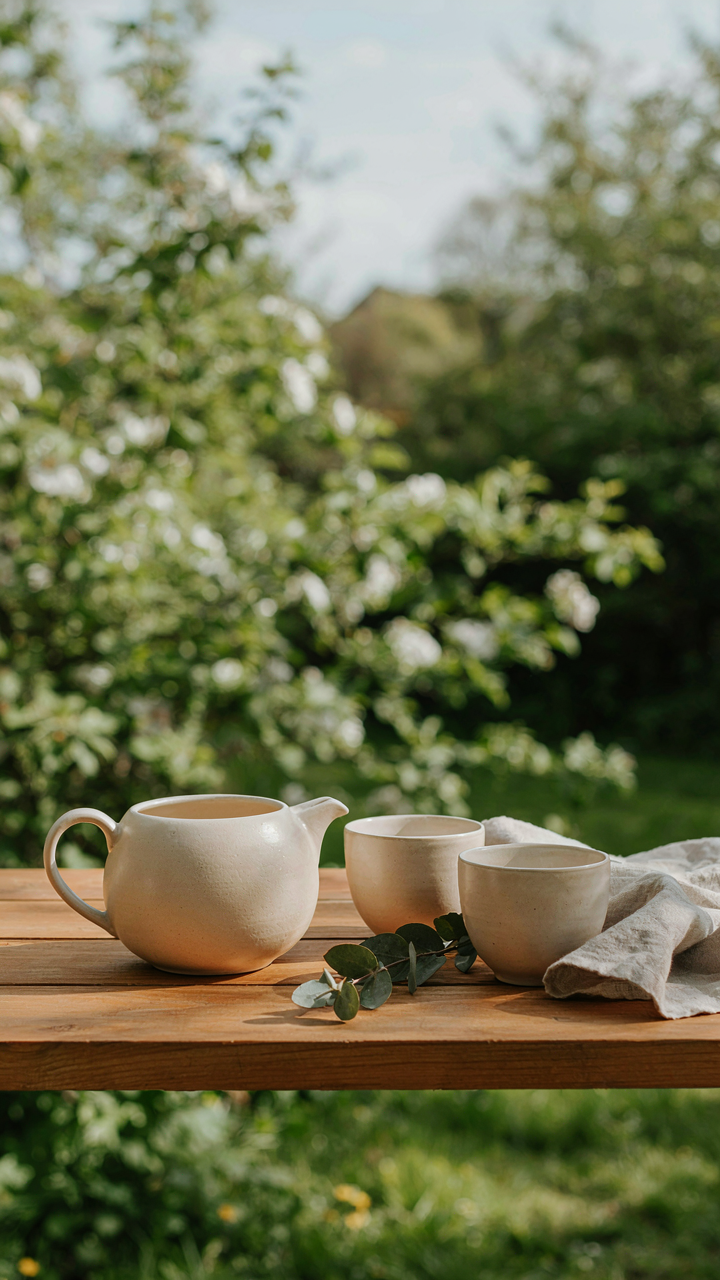
You want permission to skip the excess because you’re tired of hosting feeling like logistics work. Here’s the mechanism: boho design borrowed from mid-century modernism’s principle of form following function. Every object must justify its presence by serving a purpose or anchoring the space visually. Remove that justification and you’re just moving clutter from your house to a field.

Start with the non-negotiables: low tables, floor cushions, food, and one focal point. Everything else competes for attention and creates visual noise that contradicts the entire point of gathering on the ground. Most people load a boho picnic with string lights, fabric draping, multiple table runners, candles, and decorative objects until the space feels cramped and fussy. That’s not minimalist boho. That’s confusion dressed as abundance.
Signal Through Subtraction, Not Addition
Common advice says fill your space with texture and layers. That’s backward. Boho picnics succeed because of what’s missing, not what’s there. Think in terms of graphic design’s principle of negative space: the empty areas matter as much as the filled ones.
A single quality textile draped one way speaks louder than five competing patterns. One substantial floral arrangement beats scattered flowers everywhere. One low wooden table with cushions around it creates the gathering zone without redundancy. The eye settles, the conversation anchors, and people actually relax. Your setup disappears into the experience instead of demanding attention. Before adding anything, ask whether removing it would weaken the moment.
Food That Feeds, Not Just Photographs: Boho Birthday Party Ideas
Build Around What Travels Without Breaking
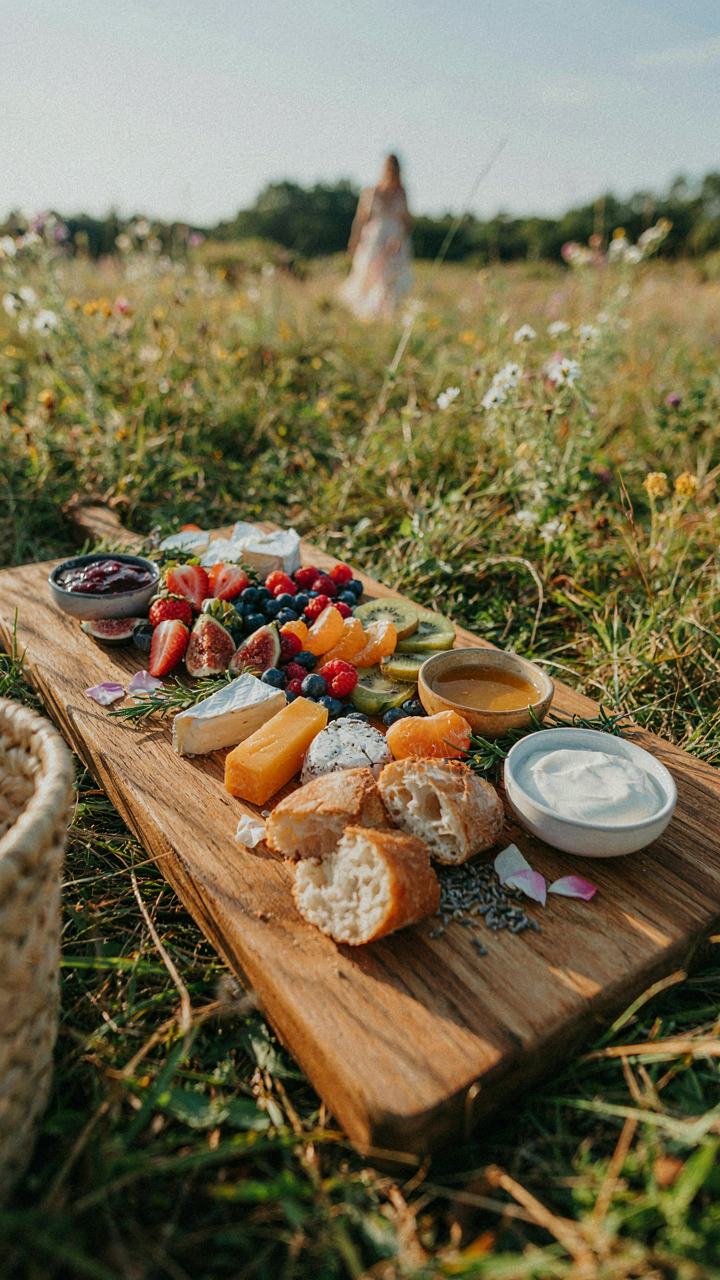
You want the food to look intentional, not like you forgot to plan. The real mechanism here is thermal mass—borrowed from physics. In a boho picnic setup, your food becomes thermal mass: items that maintain their quality and temperature without constant maintenance or attention. Bread, cured meats, cheeses, and room-temperature salads don’t demand ice packs or reheating. They sit on low tables and stay edible for hours. This is the opposite of what most picnic guides suggest: grilled proteins, pasta salads, and dishes that degrade fast.

Transport everything in stackable containers or cloth-lined baskets. Crusty bread stays dry when wrapped in linen. Cured meats layer between parchment paper. Cheese boards assemble on-site from pre-cut portions. Olives, nuts, and dried fruit require no prep at the venue. The food becomes a visual anchor on the low table because it actually belongs there, not because you staged it. Pack a small cutting board and sharp knife for the one task that makes guests notice you thought this through.
Stop Pretending Fussy Food Fits The Format
Most boho picnic advice tells you to make impressive dishes that collapse under their own complexity in outdoor heat. That’s wrong. A low-seating, floor-cushion setup demands food you can eat with one hand while seated. Sandwiches work. Grapes work. Spreads with crackers work. Anything requiring a plate held at chest height and a fork doesn’t. The boho aesthetic rewards simplicity, but people treat it as a design excuse to overcomplicate the menu.
Build your spread around raw vegetables, good bread, fermented items, and ripe fruit. A mezze board format works because guests compose their own bites and pace is self-directed. Hummus, labneh, and baba ganoush travel well in sealed containers. Fresh herbs scattered across everything read as intentional, not lazy. Pack foods that taste better at room temperature than hot. Your job is to make choosing what to eat effortless, not to prove you spent the morning cooking.
The Feedback Loop Of Flow: Engineering Effortless Celebration
How Guest Movement Shapes The Space
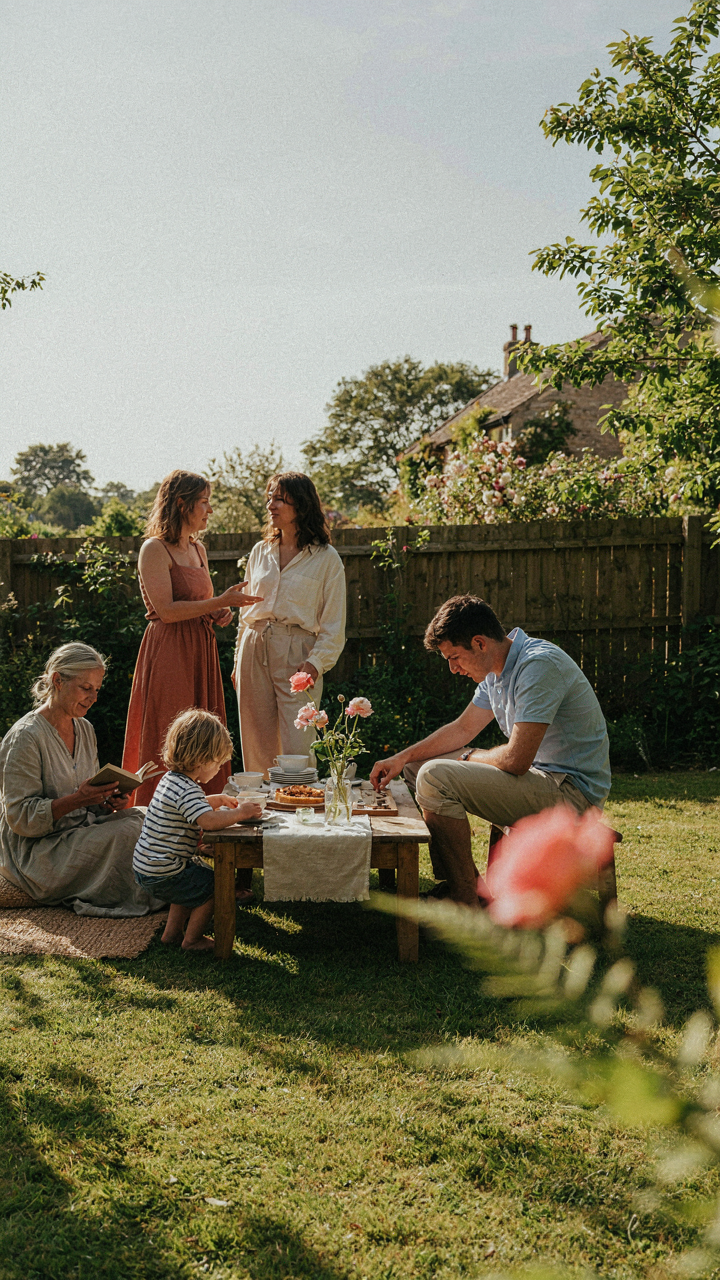
You want people to remember your party as seamless, but really you’re afraid it’ll feel chaotic and reflect poorly on you. Here’s the actual mechanism: boho birthday picnics operate on the same principle as cybernetics, where the system corrects itself through real-time feedback. Your low table setup creates zones. Guests move between them. Their movement patterns either create natural flow or bottlenecks. The instant you see people standing in awkward clusters or taking weird routes around cushions, you’ve identified your friction points.

The floor cushion layout isn’t decorative. It’s a traffic director. Place cushions in arcs, not lines, so people can enter and exit without stepping over others. Space tables so the gap between them is three feet minimum—enough for someone to walk through without apologizing. Watch the first twenty minutes. If guests clump near the food table or avoid certain seating areas, your geometry failed. Adjust the cushion angles and table distances before more people arrive, not after.
Measuring What Actually Works
The common advice to “just see what feels right” is lazy. You need observable data. Each boho birthday picnic teaches you something about your specific guest dynamics that won’t transfer to the next one. Track three metrics: where people naturally sit first, which table areas go unused, and where conversations last longest. Take phone photos of the layout after thirty minutes of guests settling in. Compare these across future events. You’re building a personal database of what works in your environment, with your typical crowd.
Adjust one variable per event. If cushion height is inconsistent, standardize it next time. If one table stays empty while another overflows, reposition them closer or swap the menu items. The protocol: photograph the layout and guest positions at thirty minutes, note where clusters form or scatter, change one element for the next gathering, repeat. This isn’t overthinking. This is the difference between luck and a system that produces results every single time.
Boho Garden Party Unplugged: Ditching The Digital Distraction

The Setup That Kills Phone Behavior
You want people to forget their phones exist because you’re afraid the party will feel dead without constant validation that something interesting is happening. The mechanism is friction. People default to phones when there’s nothing tactile demanding their attention. Low tables and floor cushions force bodies into a configuration where pulling out a phone breaks the social geometry. You’re not being virtuous about unplugging—you’re designing a physical space where phones become inconvenient.

The boho aesthetic actually supports this without trying. Vintage rugs, low seating, scattered pillows, and communal food platters create what designers call a “sunken gathering”—borrowed from interior design—where the eye naturally pulls inward toward the center. Everyone faces the same direction. Phones live in pockets because hands need to hold cups, reach for food, or stabilize against cushions. The setup does the work your rules won’t.
Engagement That Requires Presence
Forget lawn games and activities that people tolerate while half-watching a phone. Common advice tells you to provide entertainment as distraction. Wrong. You need activities that create a feedback loop where attention pays off immediately. Card games, collaborative music with actual instruments, or group storytelling work because they punish distraction with actual social cost—the game stops moving when you’re not there.
Boho gatherings historically centered around music and craft because these demand hand and ear engagement simultaneously. A ukulele circle, a collective collage project using magazines and scissors, or even a tarot card reading session creates natural pauses where conversation fills the gaps. The activity isn’t the point—it’s the container that makes standing around talking feel intentional instead of awkward. Design the event so doing nothing becomes the main event.
Beyond Instagram: Real Connection At Your Boho Birthday Party
The Setup That Actually Matters
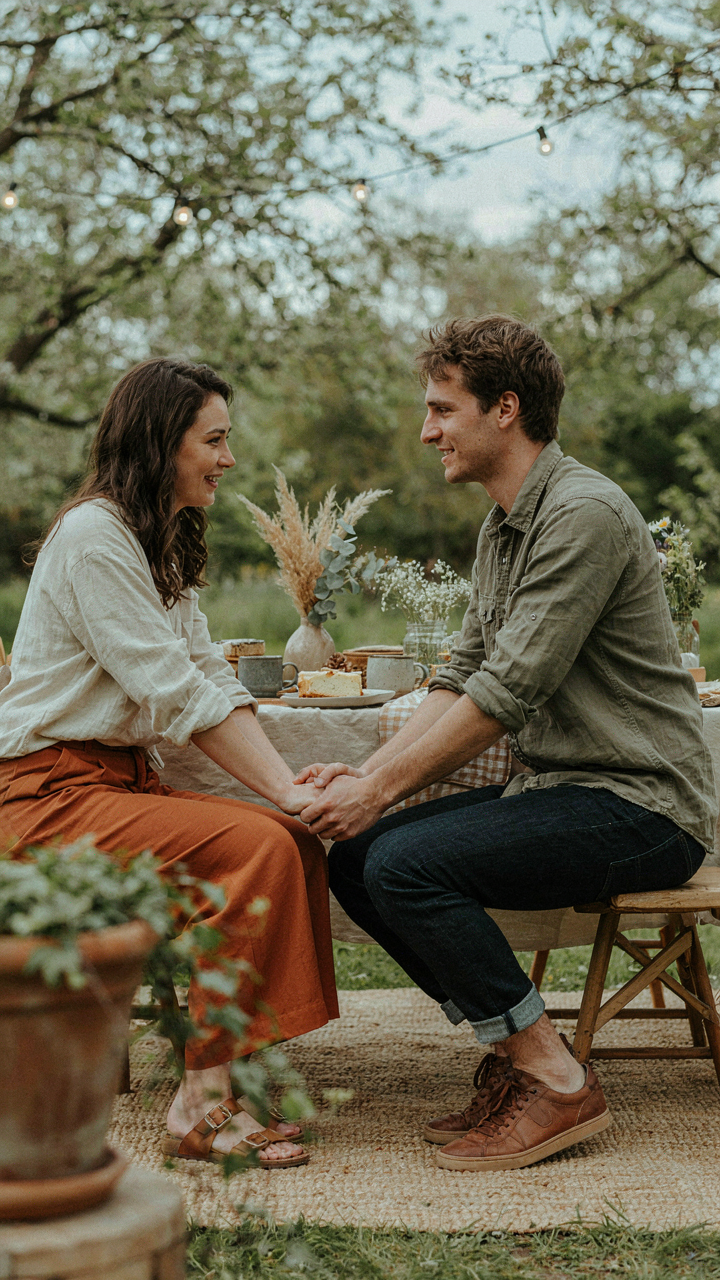
You want the party to look good so people think you’re cultured and intentional, not because good aesthetics magically create memories. Here’s the mechanism: low tables and floor cushions work because they force proximity. Guests sit at eye level. They can’t hide behind height or distance. They have to engage or awkwardly sit in silence. This is borrowed from environmental psychology—the study of how space shapes behavior. In boho birthday picnics, the layout becomes the friction that determines whether people actually talk or just scroll between photos.

Most advice says “create an Instagram-worthy moment.” That’s backward. The visual appeal should be a side effect of choosing a setup that demands interaction, not the other way around. When you prioritize comfort and closeness over aesthetic impact, the photos improve anyway because people are genuinely relaxed and present. The low-table setup eliminates the formal barrier that dining chairs create. Guests recline. Conversations drift. You stop managing the room and start enjoying it.
Connection Builds When Competition Stops
Real connection happens when there’s no status game running. The boho aesthetic actually enables this because it rejects hierarchy and polish. No assigned seating. No head table. No power positions. Everyone sits on the same cushions, eats from the same low surfaces, exists on the same plane. The decor signals that you didn’t hire a planner and rent expensive furniture to prove something. You chose simplicity. That permission spreads through the room.
Make one deliberate choice: remove your phone from the party space entirely. Not on silent. Not face-down. Gone. This single action tells guests that connection matters more than documentation. Meaningful interactions happen when someone’s full attention is there, not split between the moment and how to frame it. Conversations deepen. People remember what was said, not how the lighting looked. The boho birthday picnic becomes the thing itself instead of content to be processed later.
The Sustainable Boho Picnic: More Than Just A Trend
Actual Ethics Over Aesthetic Choices
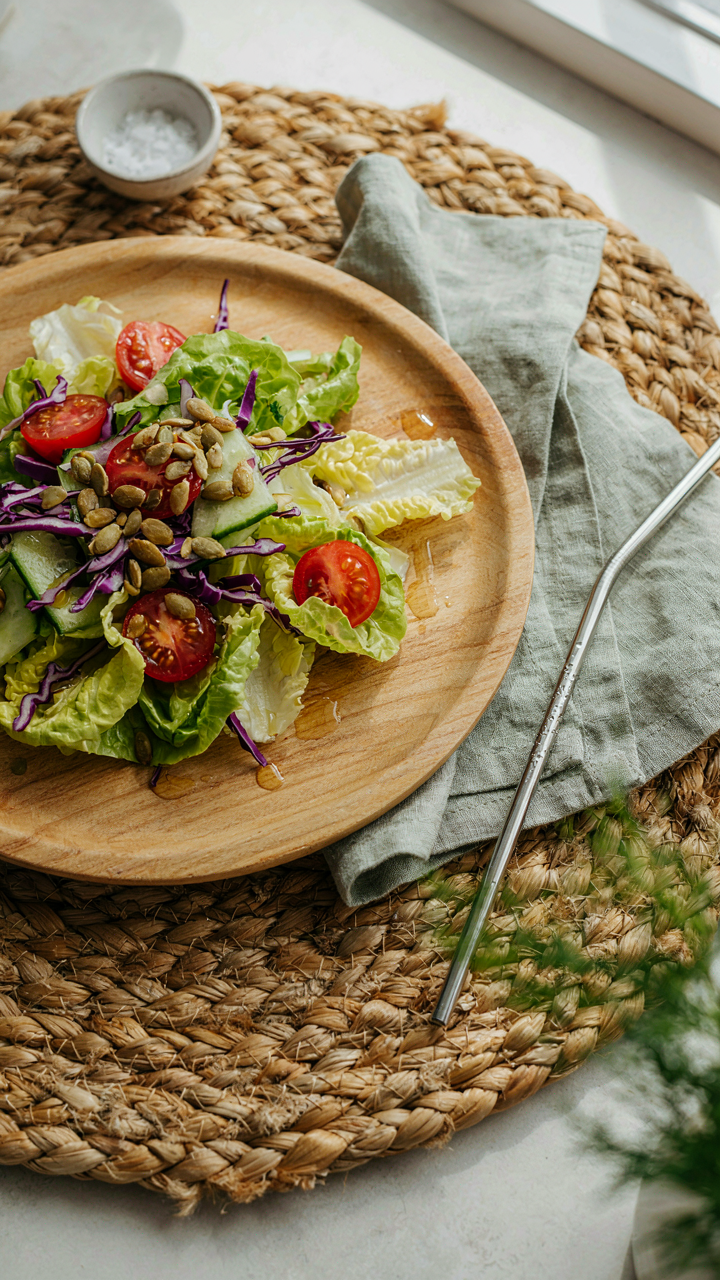
You want to feel like you’re doing the right thing without disrupting your actual lifestyle. Here’s the mechanism: most people confuse intention with impact. A boho picnic built on sustainability works because you choose materials that function better, cost less over time, and align with the bohemian movement’s historical roots in rejecting mass production. The boho aesthetic emerged in the 1960s as a direct response to consumer culture. Real sustainability here means selecting reusable items—linen napkins, ceramic plates, glass containers—that you already own or will use for years.

The math is simple. A single-use picnic generates trash you haul away. Reusable pieces eliminate that friction entirely. Opt for natural fibers like cotton, linen, and untreated wood because they decompose if lost and require less energy to produce. Source items secondhand when possible, not for virtue signaling but because vintage pieces carry zero manufacturing carbon and cost significantly less. This isn’t about being perfect. It’s about removing waste from your system rather than performing removal for Instagram.
Style That Doesn’t Require Trash
The common advice here is wrong: you don’t sacrifice aesthetics by cutting waste. You actually improve them. Boho design prioritizes texture and natural color variation, which reusable materials deliver better than disposables. Use cloth tablecloths with natural dyes instead of plastic. Choose bamboo serving boards instead of paper plates. These choices look more intentional because they are.
Comfort stays intact because you’re not changing the experience, only the material inputs. Floor cushions work the same whether they’re new or sourced from thrift stores. Low tables function identically. The guest experience depends on atmosphere and food quality, not on whether plates are compostable. Purchase modest quantities of food to eliminate leftovers that spoil. Bring home what remains. This single protocol removes the waste problem entirely without requiring guests to notice anything changed.
Nature Inspired Picnic Decor: Harnessing The Environment, Not Fighting It
Let The Landscape Do The Work
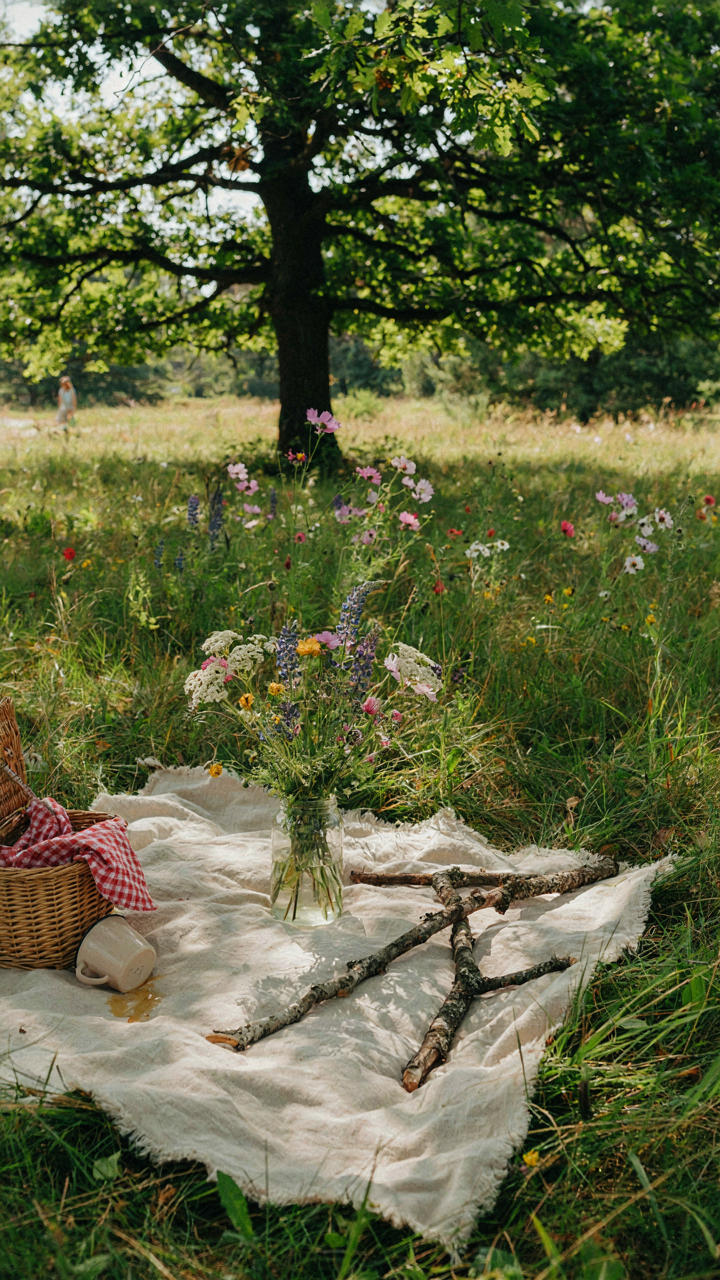
You want this to look effortless because you’re afraid spending three hours on decoration will show. The mechanism is simple: boho design borrowed from landscape architecture’s principle of “site integration.” Instead of imposing a predetermined aesthetic, you read what’s already there and amplify it. A tree becomes a natural canopy. Existing grass becomes your floor. Rock formations become seating anchors. You’re not decorating the space. You’re revealing what was already compelling about it.
This approach costs less because you buy nothing that duplicates what nature provides. Skip the fabric backdrops. Skip the string lights if the location has dappled sunlight. Observe the site one week before the event. Note shadow patterns, wind direction, existing focal points. Your decor responds to these conditions, not to an Instagram template. The picnic becomes site-specific, which is why it registers as intentional rather than generic.
Raw Materials Over Finished Objects
The conventional advice says buy matching decorative items. That’s backward. Boho design values honest materials, which means wood that shows grain, stone with texture, plants with visible soil. Collect deadwood branches from the site itself or local parks. Arrange them as natural barriers between seating areas or lean them against low tables as sculptural elements. Use unprocessed cotton rope or jute to loosely define zones. These materials cost almost nothing and anchor the aesthetic to the physical environment rather than to trend cycles.
Flowers should be whatever blooms locally in season, not florist arrangements. Scatter them in simple vessels—clay pots, glass jars, tin cans. Let some grow directly in the ground nearby rather than potting everything. This signals restraint and knowledge of the location’s ecology. Stones and pebbles from the immediate area become natural table scatter. Water features like a creek or pond become part of your visual composition, not something you need to artificially recreate with decorative elements.
The Real Obstacle Isn’t Aesthetics; It’s Your Fear Of Genuine Connection
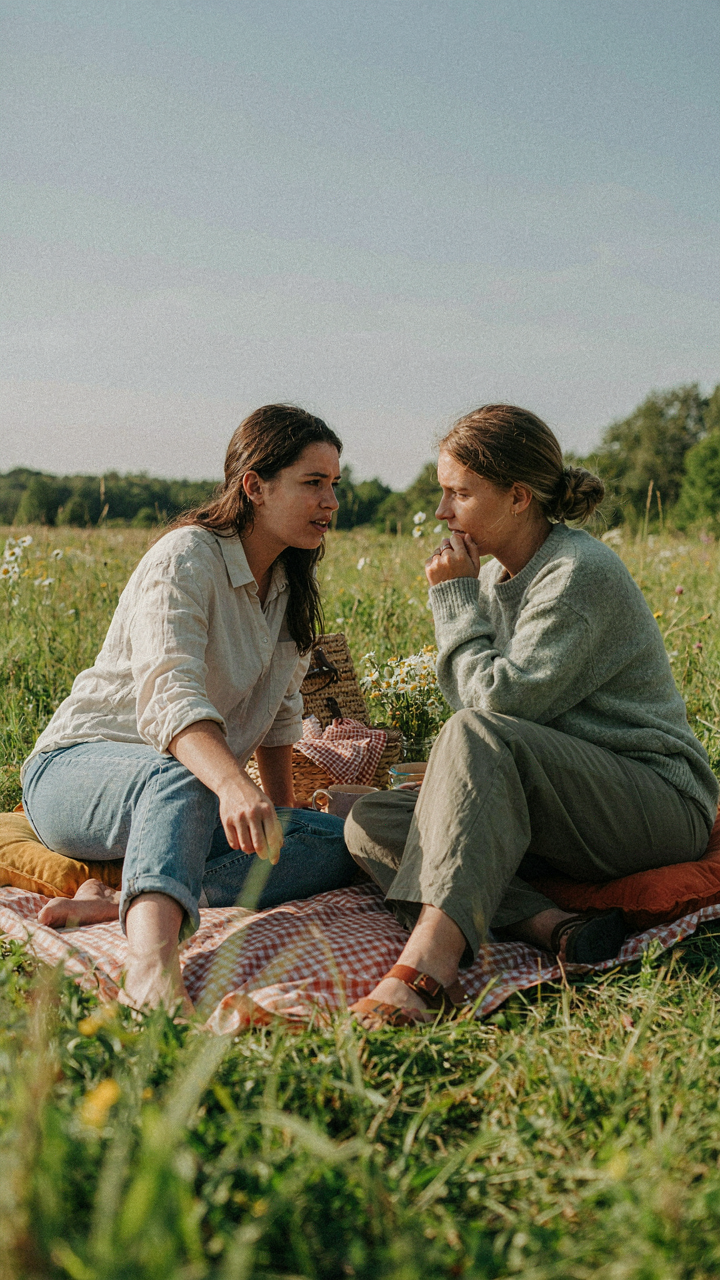
You don’t need better floor cushions or a more Instagram-worthy setup. You need to stop hiding behind Pinterest boards and actually invite people who matter. A boho birthday picnic works because low tables force eye contact. They eliminate the distance between you and your guests. The real work isn’t decorating. It’s deciding you’re worth gathering around. Send three invitations today. Real people. Real date. Real conversation. Everything else follows.