Why Your Watermelon Mocktail Strategy Fails

You’re Solving The Wrong Problem
You want people to think you’re hosting something sophisticated, not just another backyard setup. That’s the real driver. But you’re treating a watermelon mocktail like a juice problem when it’s actually a texture problem. Without carbonation, dilution, or structural contrast, watermelon juice alone collapses into syrup on the palate. The drink dies in your mouth before you swallow it.
The mechanism is simple: watermelon is 92 percent water and mostly simple sugars. It has no tannins, no acid structure, no bitter notes to anchor flavor. You need to build a framework that holds the watermelon’s actual taste in place. Most people just dump more watermelon in, which makes the problem worse. They’re adding mass to a structural failure.
The Sweetness Trap And What Actually Works
Everyone says balance your sugars. That’s lazy advice. The real issue is that store-bought watermelons vary wildly in sugar content, and most people add citrus juice without measuring it, creating an off-ratio that tastes flat or medicinal. Artificial flavors compound this because they’re engineered to dominate, so even a small amount bullies the watermelon into the background.
Here’s the protocol: taste your watermelon juice straight first. If it reads as 8 out of 10 on sweetness, you need acid at roughly 10 to 12 percent of your total liquid volume. Fresh lime juice, not bottled. One fresh lime yields about one ounce of juice. This ratio cuts through the sugar, brings watermelon forward, and prevents that cloying aftertaste. Skip anything labeled natural flavor or watermelon extract.
The Purity Protocol: Maximizing Watermelon Essence
When The Melon Actually Ripens
You want the Instagram-level payoff without admitting you’re insecure about serving mediocre juice at your cookout. Here’s what actually matters: ripeness in watermelon is a biological window, not a guess. The fruit stops accumulating sugars after it separates from the vine. You’re not looking for perfect appearance. You’re hunting for the inflection point where sugar density peaks but fiber hasn’t started breaking down into mush.
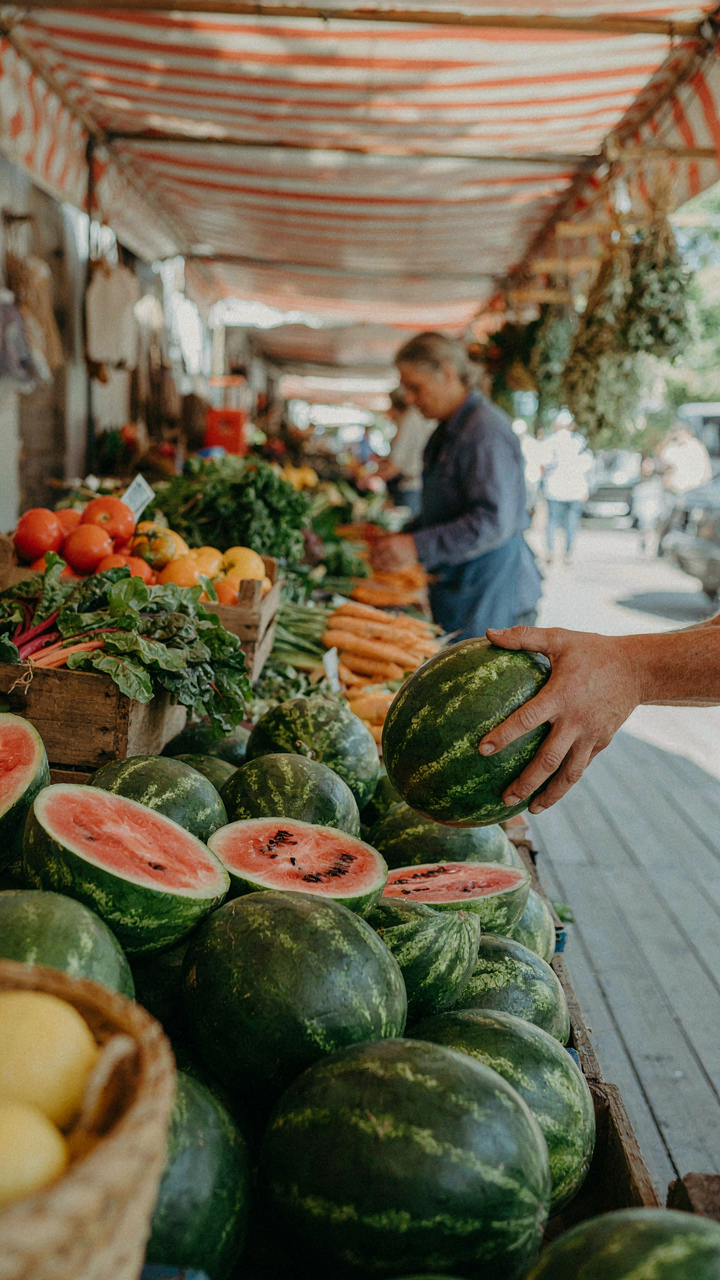
Look for a creamy yellow or orange spot on the underside where the melon rested on soil. That spot darkening signals maturity. The melon should feel heavy for its size, meaning water content is high and sugars are concentrated. Thump it: a ripe melon produces a hollow, deep sound. A hollow ring means the internal structure has the density you need. Don’t buy based on size alone. A smaller ripe melon beats a massive unripe one every single time.
Extract Before You Blend
Everyone tells you to just throw watermelon chunks in a blender and call it done. That’s wrong. Blending ruptures cell walls indiscriminately, releasing not just juice but fiber, pulp, and compounds that cloud flavor and create grittiness. You need separation first. Cold-press or hand-juice the flesh to isolate the clear liquid from the cellular debris.
Use a fine mesh strainer or cheesecloth to filter the initial juice, letting gravity do the work. This takes five minutes and removes the fibrous material that dilutes the concentrated watermelon signal your mocktail needs. The resulting liquid is sweeter, clearer, and requires less added sugar to balance other ingredients. Strain once more if you detect any sediment. This double-pass method is your protocol: extract, filter, use. The difference between a muddy drink and a clean one comes down to this mechanical separation.
The Hydration Imperative: Beyond Basic Thirst Quenching
Why Watermelon Delivers Fluid Better Than Water Alone

You want the performance edge without admitting hydration matters to you. Here’s the mechanism: watermelon operates on cellular osmosis, the same principle that moves water across cell membranes. Osmosis requires solutes—dissolved particles that create a concentration gradient. Plain water dilutes your blood sodium too fast, triggering a shutdown response. Watermelon’s natural sugars and minerals create the gradient your cells need to pull water in and hold it there, not just pass it through.
The difference is measurable. Watermelon’s 92 percent water content combined with its citrulline, potassium, and natural carbohydrates means your body absorbs and retains the fluid rather than expelling it as excess urine. This is why athletes don’t win on water alone. A watermelon mocktail with fresh lime juice and a pinch of salt amplifies this effect because you’re stacking multiple osmotically active compounds in a single drink.
When Electrolytes Matter More Than Hydration
The common advice is wrong: electrolytes are not interchangeable with hydration. Electrolytes enable hydration. Your nerves, muscles, and heart require sodium, potassium, and magnesium to function at all. Watermelon delivers all three naturally, which is why it’s not just another beverage—it’s a functional replacement for sweat loss. A typical watermelon mocktail contains roughly 560 milligrams of potassium per two-cup serving, the same ballpark as a banana, but without the heavy carb load.
The protocol is simple: after physical activity or heat exposure, reach for a watermelon mocktail instead of plain water. The natural electrolyte profile restores your body’s mineral balance without the artificial additives in commercial sports drinks. Make it by blending fresh watermelon with lime juice, a quarter teaspoon of sea salt, and sparkling water. This combination replaces what your body lost and doesn’t create a post-drink sodium crash.
Watermelon Lemonade Reimagined: The Tang Factor
When Sweet Becomes The Problem

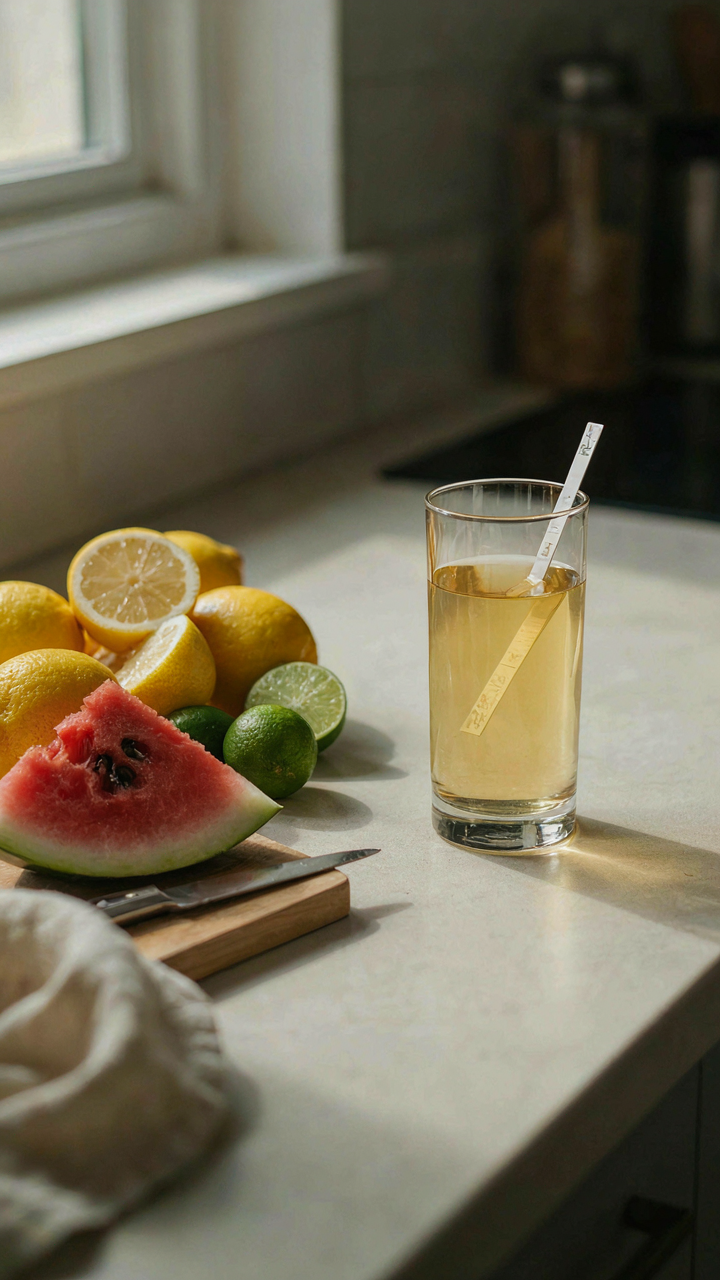
You want this to taste “refreshing” without admitting you’re afraid of serving something that tastes like melted candy at a cookout. The real mechanism is acid equilibrium. Watermelon is 92% water and contains natural sugars around 9-12% by weight. Add more sugar through simple syrup or juice concentrate, and you’ve created a drink that coats your mouth instead of cutting through heat. Acid does the opposite. It triggers salivary response and creates perceived dryness on the palate, which is why people actually drink lemonade in summer instead of, say, fruit punch.
The mistake most recipes make is treating sweetness and acid as separate problems. They’re not. Your acid percentage determines how much sweetness reads as “bright” versus “heavy.” Watermelon juice alone sits around 0.1-0.3% acidity depending on ripeness. Standard lemonade runs 1-2% citric acid by weight. The gap matters. You need enough acid to interrupt the sugar signal, but not so much that you’re drinking a pucker bomb. Start with a 3:1 ratio of watermelon juice to fresh lemon juice, then adjust downward if tartness dominates after one tasting.
Beyond Lemon And Lime
The conventional wisdom stops at lemon and lime because they’re accessible and familiar. That’s incomplete. Citric acid chemistry is identical across citrus varieties, but flavor compounds differ dramatically, which changes how drinkers perceive balance. Grapefruit carries nootkatone, which adds a bitter astringency that actually suppresses perceived sweetness more efficiently than lemon alone. Blood orange introduces anthocyanins that create visual intrigue and a subtle stone fruit undertone that doesn’t fight watermelon’s delicate flavor profile.
Persian lime is acidic but delivers a grassy top note that mutes watermelon’s subtlety. Grapefruit cuts cleaner. Meyer lemon, if you can source it, contains higher sugar content than standard Eureka lemon, which means you get acid without the sharp edge that makes people wince. The tactic: blend two citrus sources to get acid coverage plus flavor sophistication. Use grapefruit juice as your base acid, then finish with fresh lime for aromatic lift. Combine 6 ounces watermelon juice, 2 ounces fresh grapefruit juice, and 0.5 ounces fresh lime juice per 12-ounce serving, then taste before adding any sweetener.
Deconstructing The Watermelon Mojito: Mint’s True Role
Muddling Versus Infusing: Unlocking Mint Essence

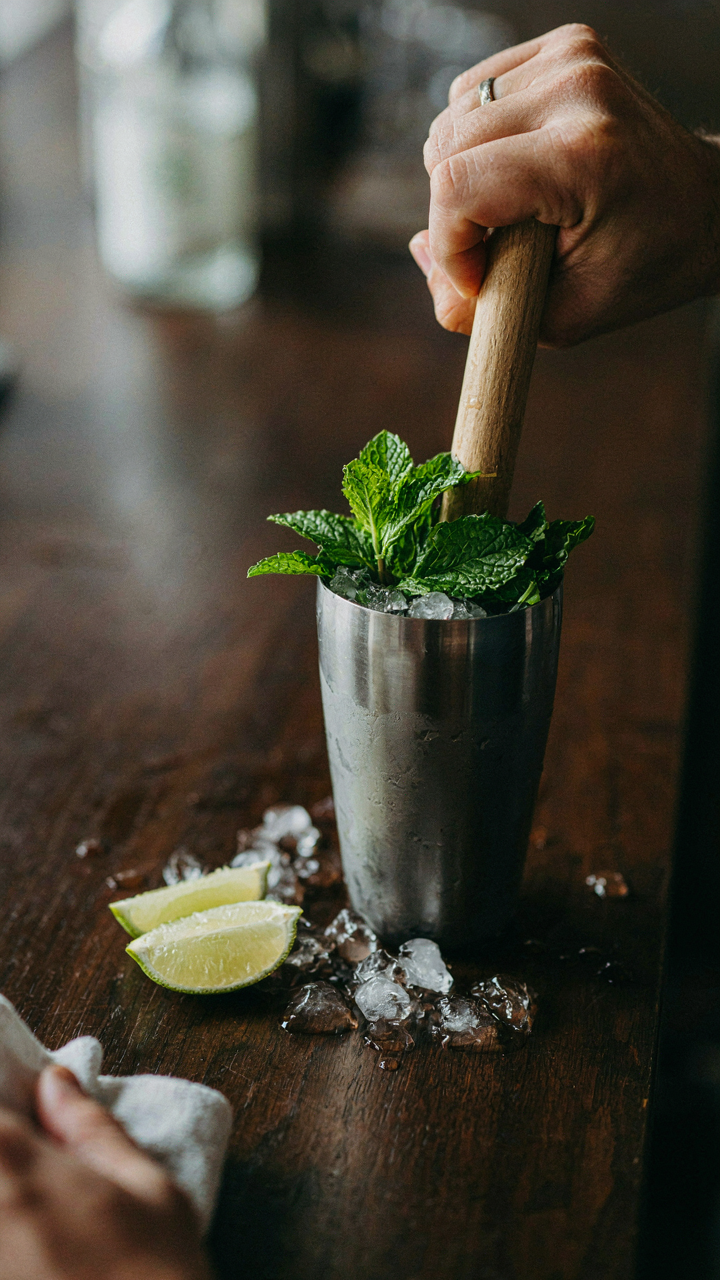
You want the mint to look intentional, like you know what you’re doing. That’s not the real problem. The mechanism here is extraction: muddling breaks cell walls through mechanical force, while infusing uses time and liquid to pull oils slowly. Muddling releases mint oils fast but damages the leaf structure, turning it bitter within minutes. Infusing preserves the volatile compounds longer because the leaf stays intact, just suspended in the liquid.
The difference shows up in your mouth, not in theory. Muddled mint tastes sharp and aggressive for the first sip, then flattens as oxidation accelerates. Infused mint tastes subtle at first, peaks around the five-minute mark, and holds for twenty minutes because the oils remain protected inside damaged cell tissue. For a watermelon mocktail served immediately, muddling works. For anything sitting on a table or served over time, infuse the mint in the watermelon juice or simple syrup thirty minutes before mixing.
Herb Pairings: Basil, Rosemary, And Beyond
Most advice here is wrong: people treat herbs as decoration instead of flavor architecture. Think in terms of botanical chemistry. Mint contains menthol and limonene; basil contains linalool and eugenol; rosemary contains pinene and camphor. Each shifts the watermelon’s sweetness in a different direction. Mint cools and lightens. Basil adds an anise undertone that deepens the fruit. Rosemary adds pine and wood, which contracts against sweetness instead of complementing it.
Basil works because its anise notes don’t compete with watermelon’s subtle floral component, they amplify it. Rosemary works only in small quantities because its resinous profile overpowers quickly. Add a quarter-teaspoon of rosemary-infused simple syrup, not fresh leaves. The hierarchy matters: mint is your base, basil is your modifier, rosemary is your accent. Build in that order, taste between each addition, and stop before the herb flavors outnumber the watermelon. Your goal is to make the watermelon taste more like itself, not to announce the herb selection.
Mocktails Watermelon: The Unexpected Spice
When Heat Cuts Through Sweet

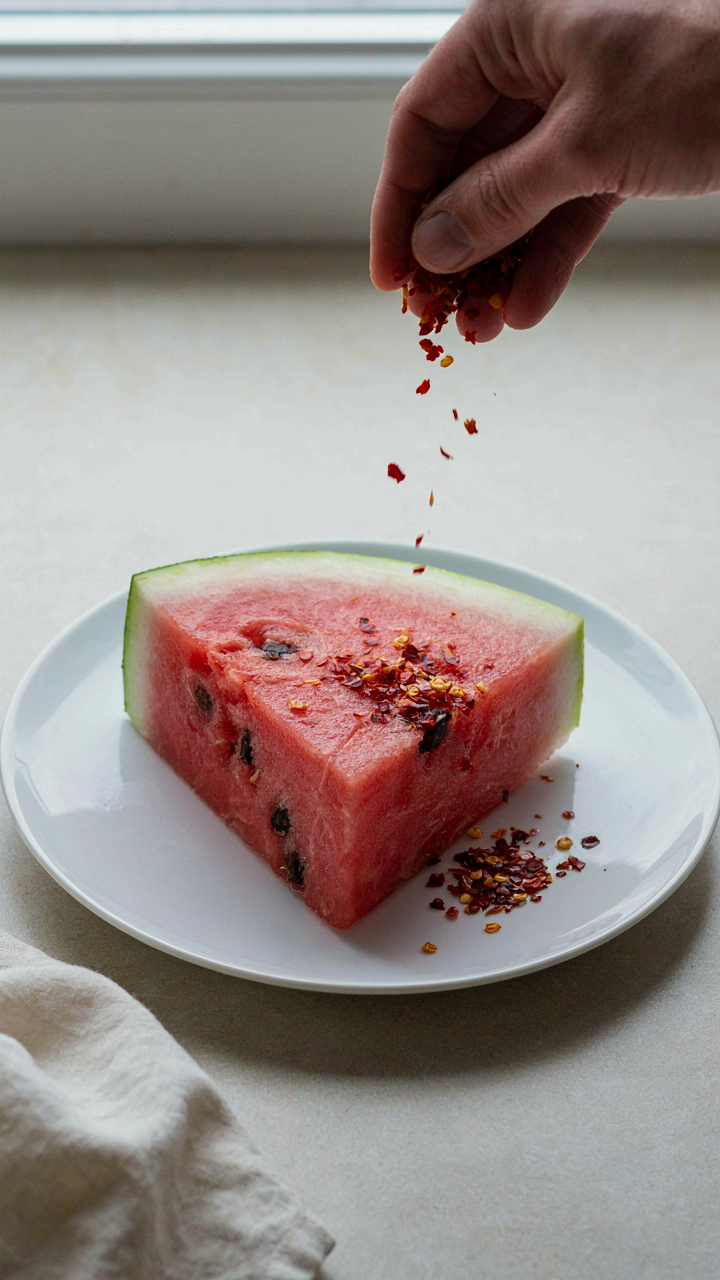
You want this section because spice makes you look like you know something other people don’t. The mechanism is simple: capsaicin, the compound in chili, doesn’t mask watermelon’s sweetness. It interrupts the palate’s expectation of it. Ginger operates on a different pathway entirely, creating a warming sensation that makes cold juice feel more complex. Black pepper adds bite without heat, sharpening perception of the fruit’s natural acids. The three work because they attack flavor through separate sensory channels, not because they’re trendy additions.
Start with a quarter teaspoon of cayenne or fresh diced jalapeño per drink. This isn’t about making it hot. It’s about the moment when sweetness and heat trade places on your tongue. Ginger works best when you infuse it cold, not steep it hot. Slice thin, let it sit in the juice for two hours. Black pepper goes in last, cracked fresh just before pouring. The timing matters because volatile oils evaporate. You’re not seasoning a finished product. You’re layering irritants that change how the brain processes what it already tastes.
Building Flavor Depth Through Sequence
Layering spice isn’t about throwing everything in at once. Chemistry demands order. The juice base gets the ginger first because alcohol and sugar accelerate extraction from roots and fibers. Let that infuse while you prep everything else. Chili goes second because capsaicin needs contact time with the liquid but degrades under light. Black pepper enters the glass itself, not the pitcher, because its compounds scatter immediately once cracked. This isn’t mystique. It’s respecting how each molecule behaves.
The complexity people chase in craft cocktails comes from temporal separation, not ingredient count. A watermelon mocktail with three spices added simultaneously tastes muddy. The same three spices added in sequence, with rest periods between, register as distinct layers on different parts of the palate. Start your infusions a day ahead. Add the chili element four hours before serving. Crack the pepper when you pour. Each step compresses time and maximizes the sensory distance between flavors.
The Watermelon Mint Margarita Mocktail: A New Standard
The Rim That Changes Everything

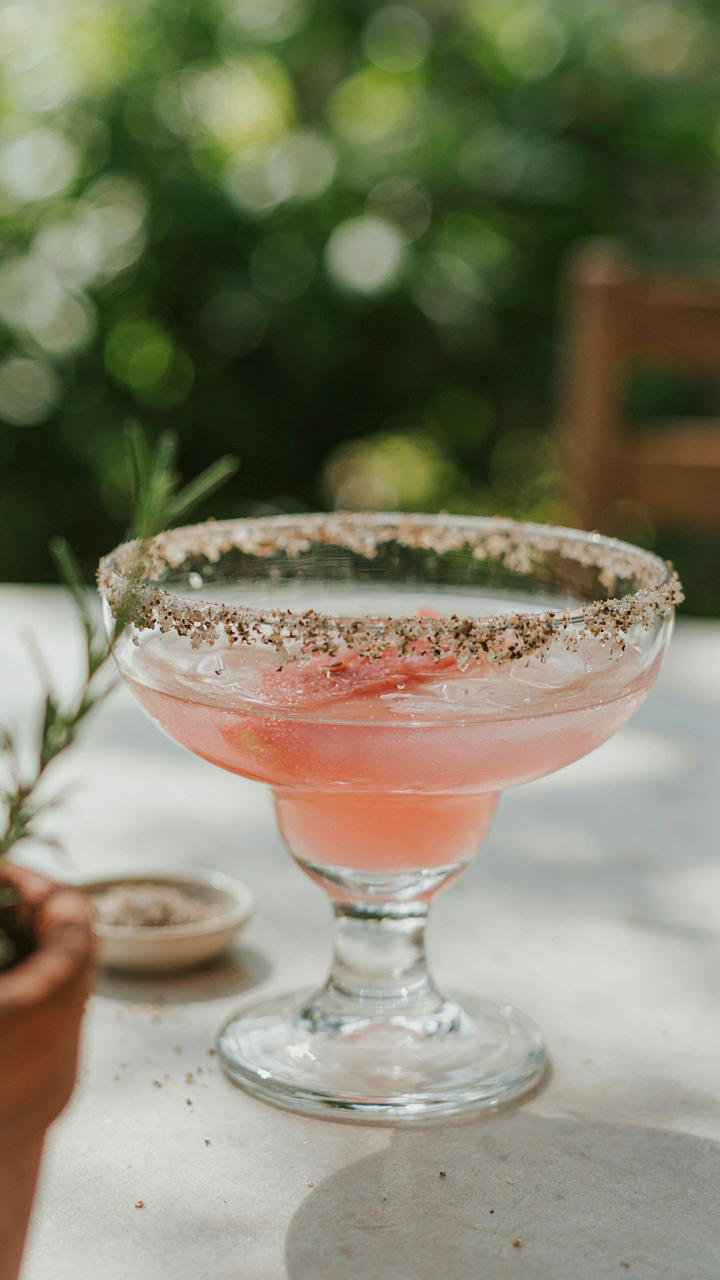
You want people to notice you’re serving something intentional, not just watered-down juice. The rim is where that happens. Salt chemistry works here: when you coat the glass edge with smoked salt instead of table salt, you’re introducing a mineral compound that doesn’t dissolve fast. It stays put through the drink, delivering smoke on every sip without requiring effort to taste it.
Smoked salt pairs with watermelon because both compete for attention. The smoke doesn’t mask the fruit. It creates contrast. Mix smoked salt with ground black pepper and a trace of tajín for a rim that feels constructed, not accidental. The pepper compounds add pungency that bounces off the watermelon’s sweetness. Apply the rim dry to the glass before pouring. Once liquid hits it, the texture locks in.
Sweetener Dosage Without The Crash
Most watermelon mocktail recipes use agave wrong. They dump it in and pretend ratios don’t matter. Agave nectar is fructose-heavy, which means it dissolves fast but hits your palate hard if you oversaturate. The mechanism is simple: fructose molecules are smaller and sweeter than glucose, so a half-ounce goes further than you expect.
Measure agave by weight, not volume. Start with 0.5 ounces per drink and taste. Watermelon juice already contains natural sugars around 9 to 11 percent by volume, so you’re not starting from zero. The agave’s job is to round the edges and stabilize the mint flavor, not to dominate. If you’re using fresh watermelon juice that’s been sitting, increase to 0.75 ounces. Cold watermelon mutes flavor compounds, so sweetness compensates for the drink’s temperature.
Mastering Watermelon Drink Textures: Foam To Fizz
Building Stable Foam Without Dairy

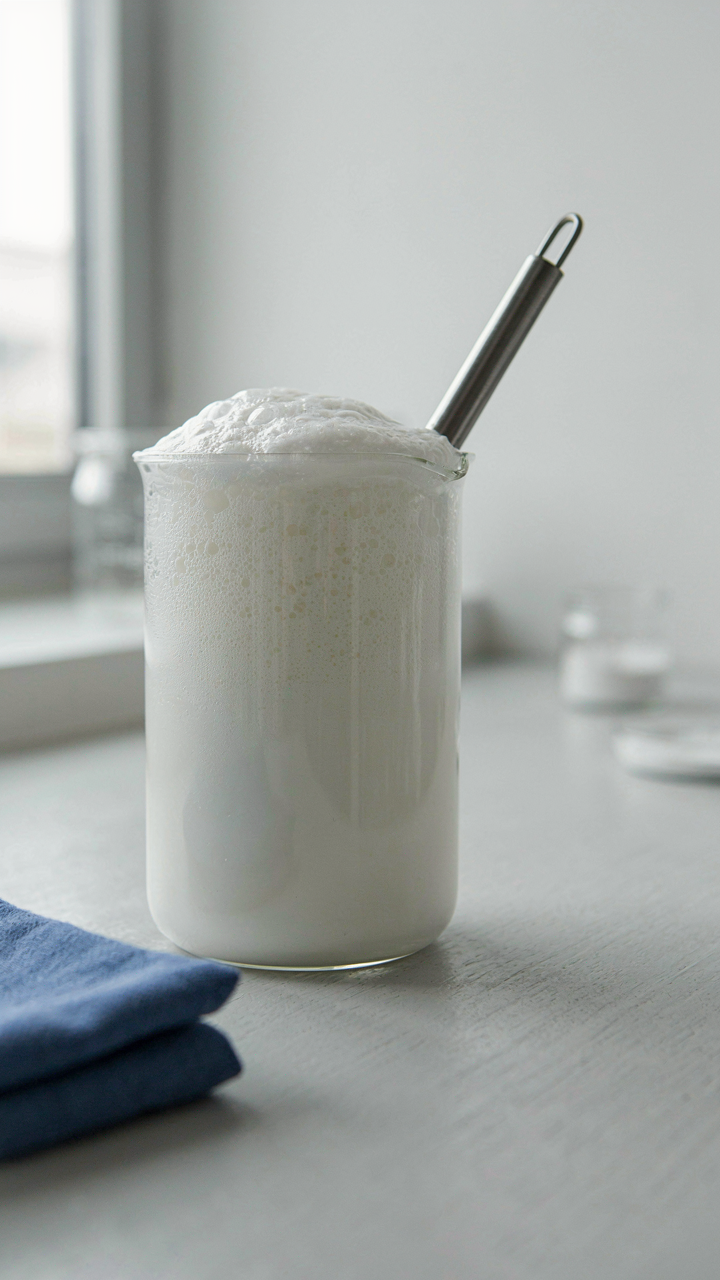
You want foam because it signals craft and makes the drink feel premium, but nobody tells you the actual mechanism: foam is just air trapped in a protein matrix. Borrowed from food science, surface tension is your constraint here. Proteins stabilize bubbles by forming a barrier around each air pocket. Without that barrier, foam collapses in minutes.
- Aquafaba: The liquid from canned chickpeas contains natural proteins and saponins that trap air effectively. Use three tablespoons per drink and shake hard for thirty seconds to build stable foam that holds for five to ten minutes.
- Egg whites: Raw egg whites create dense, long-lasting foam but carry food safety risk at cookouts. If you use them, source pasteurized eggs only and shake vigorously for one minute to reach full volume.
- Gelatin powder: Bloom one-quarter teaspoon in cold water, then dissolve in warm watermelon juice. This creates a light, delicate foam that stabilizes for ten to fifteen minutes without affecting taste.
- Xanthan gum: Half a teaspoon per liter of juice increases viscosity and stabilizes foam structure. Blend it smoothly into juice before serving to avoid gritty texture or clumping.
- Lecithin spheres: Soy lecithin creates airy foam when blended with juice. Use one-quarter teaspoon per drink and blend for twenty seconds to achieve a mousse-like texture that lasts through service.
Aquafaba outperforms because it’s accessible, safe, and already in most kitchens. Shake the mixture in a cocktail shaker with ice for thirty seconds, then strain through a fine mesh into your watermelon base. The foam sits on top immediately and stays put through the first few sips. Temperature matters: cold foam holds longer than room temperature foam.
Carbonation Techniques For Elevated Mouthfeel
Everyone assumes you need a soda siphon or SodaStream, which is incomplete advice. The real variable is how you introduce gas and when you introduce it relative to serving. Carbonation affects mouthfeel through dissolved CO2 triggering pain receptors in your mouth, which your brain interprets as sensation and complexity. The mechanism is biological, not just flavor.
Add carbonation immediately before serving, not hours ahead. CO2 escapes from watermelon juice over time because the liquid is room temperature and has low surface area in a pitcher. Pour the mocktail base into a glass first, then top with chilled sparkling water or club soda at a one-to-one ratio. This preserves carbonation and prevents flat drinks sitting on a cooler table. For stronger carbonation, use a whipped cream dispenser charged with one CO2 cartridge per half liter of juice. Release the pressure slowly into a glass to avoid violent overflow. The bubbles are smaller and distribute evenly, creating a finer mouthfeel than standard carbonation methods. Shake the dispenser before each pour to maintain consistent pressure and bubble size throughout service.
Drink Recipes Nonalcoholic: Presentation As Performance
Garnish Architecture Beyond The Basic Wedge

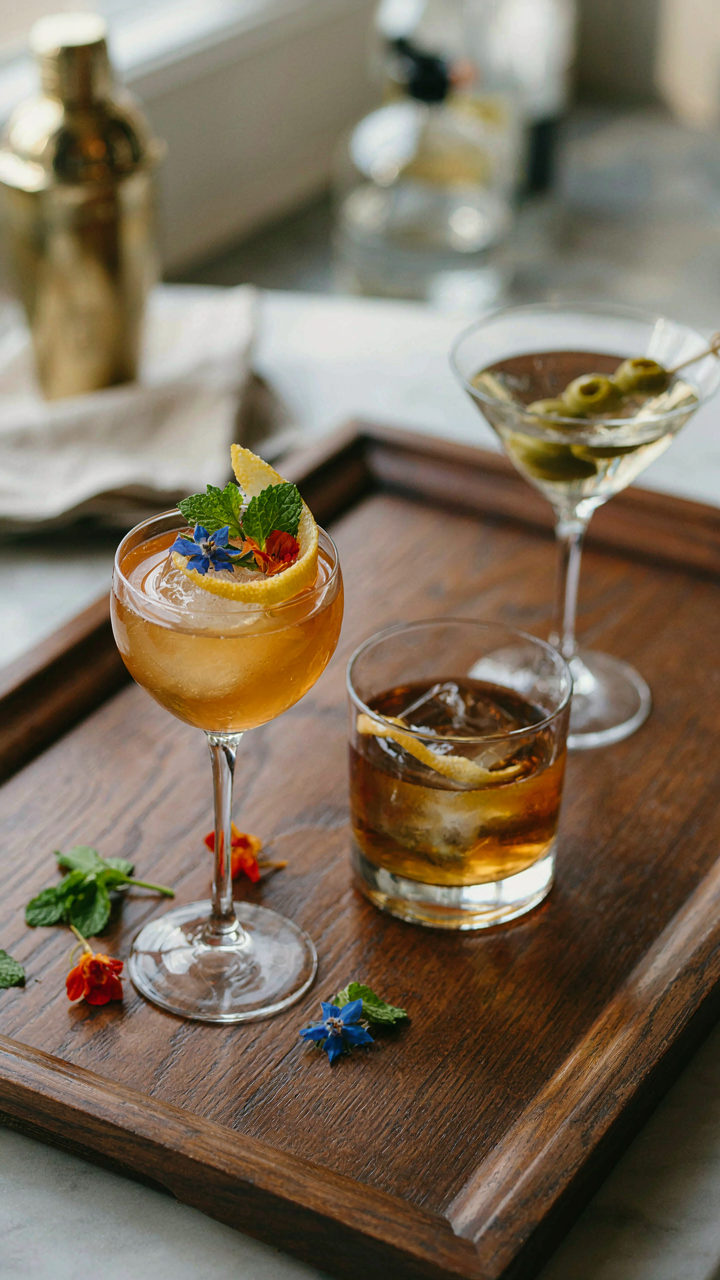
You want people to notice your drink because you’re worried it won’t taste expensive without the alcohol. Here’s the mechanism: garnish isn’t decoration. It’s a signal processor. Your brain registers visual complexity before taste, and complexity reads as intentionality. A wedge signals laziness. Layered garnish signals control.
The real work happens at the rim and float level. Rim salt with dehydrated watermelon powder creates texture contrast and extends flavor onto the entry point. A thin watermelon wheel scored in a crosshatch pattern floats on top and catches light differently than a flat surface. Float a sprig of fresh mint through the wheel so it moves slightly in the glass. These three elements take ninety seconds total and obliterate the “mocktail” association.
Glassware Selection Enhancing The Sensory Experience
The vessel is a constraint that shapes how flavor enters your mouth. In physics, we’d call this a conduit problem: different opening widths, depths, and wall angles change flow rate and air exposure. A watermelon mocktail in a rocks glass channels liquid past your front palate first. A tall collins glass forces you to tilt your head back and hit your throat center. A coupe glass widens the opening and lets ice melt faster, watering down sweetness over eight minutes.
Choose the glass based on your watermelon juice ratio, not aesthetics. Higher juice content demands a rocks glass to slow consumption and preserve intensity. Lower juice content with more sparkling water needs a collins glass where dilution actually helps the flavor progression. The rim diameter also matters: a wider opening prevents ice from blocking sips and keeps condensation from obscuring your garnish work.
The Pursuit Of ‘adequate’ Enjoyment, When ‘optimal’ Is Within Reach
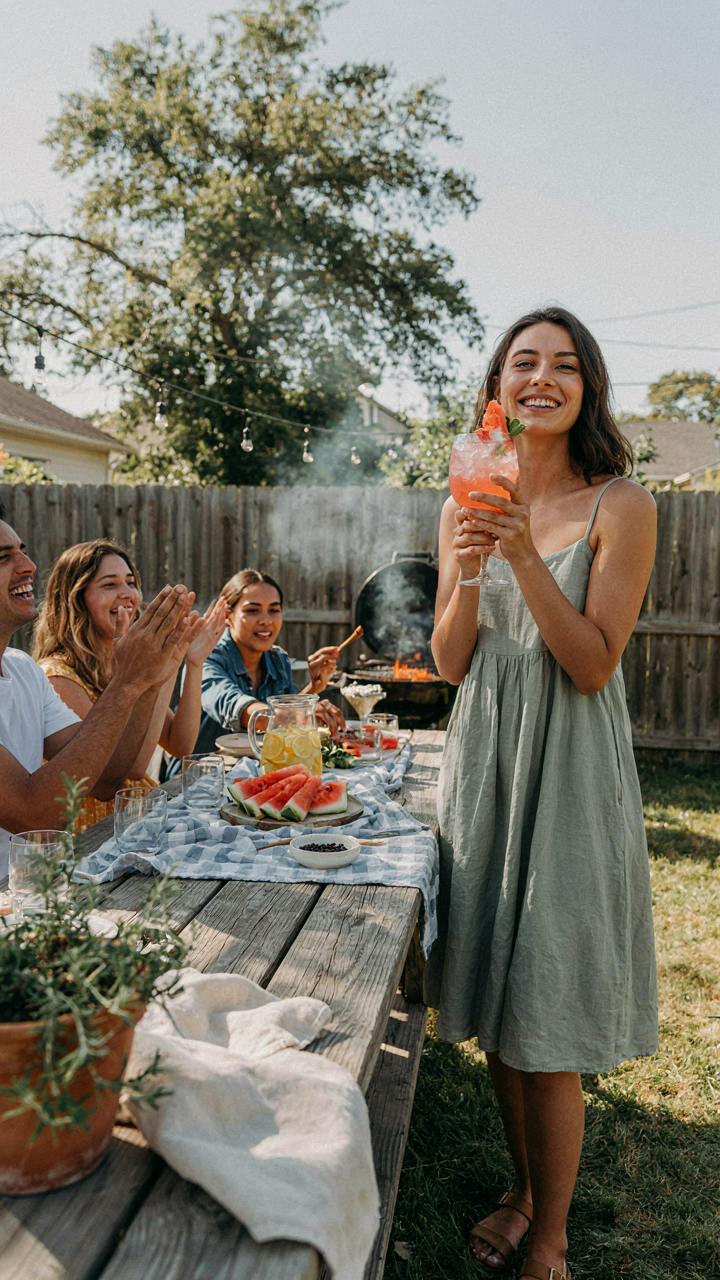
Most people serve the same bland mocktail at every cookout because it’s easy. You now have the tools to stop accepting mediocrity. Make one watermelon mocktail this weekend using the recipes here. Your guests will notice the difference immediately. The gap between forgettable and memorable isn’t skill or expense. It’s the choice to care about what you serve.