Beyond Basic: Why Your Christmas Mocktails Deserve More

Complexity Without The Alcohol
You want people to think you put thought into this. That’s fine. The real mechanism is this: alcohol masks flavor mistakes. Remove it, and every flaw compounds. Your mocktail either tastes deliberate or tastes like you gave up.
Flavor complexity in non-alcoholic drinks comes from layering acids, bitters, and aromatics. Citrus alone doesn’t work. You need opposing forces: bright against deep, sharp against smooth, hot against cold. Ginger-pomegranate-cardamom works because cardamom adds mystery to what would otherwise feel flat. Lime-turmeric-black pepper works because the pepper cuts through sweetness and creates texture on the palate. Most people skip this step and wonder why their mocktail tastes one-dimensional.
Temperature Contrast Creates Presence
Sensory physiology tells us that contrast triggers attention. Your nervous system responds to delta, not constants. A warm drink in cold air doesn’t just taste better because of the season. It creates a thermal shock that amplifies taste perception and extends the drinking experience.
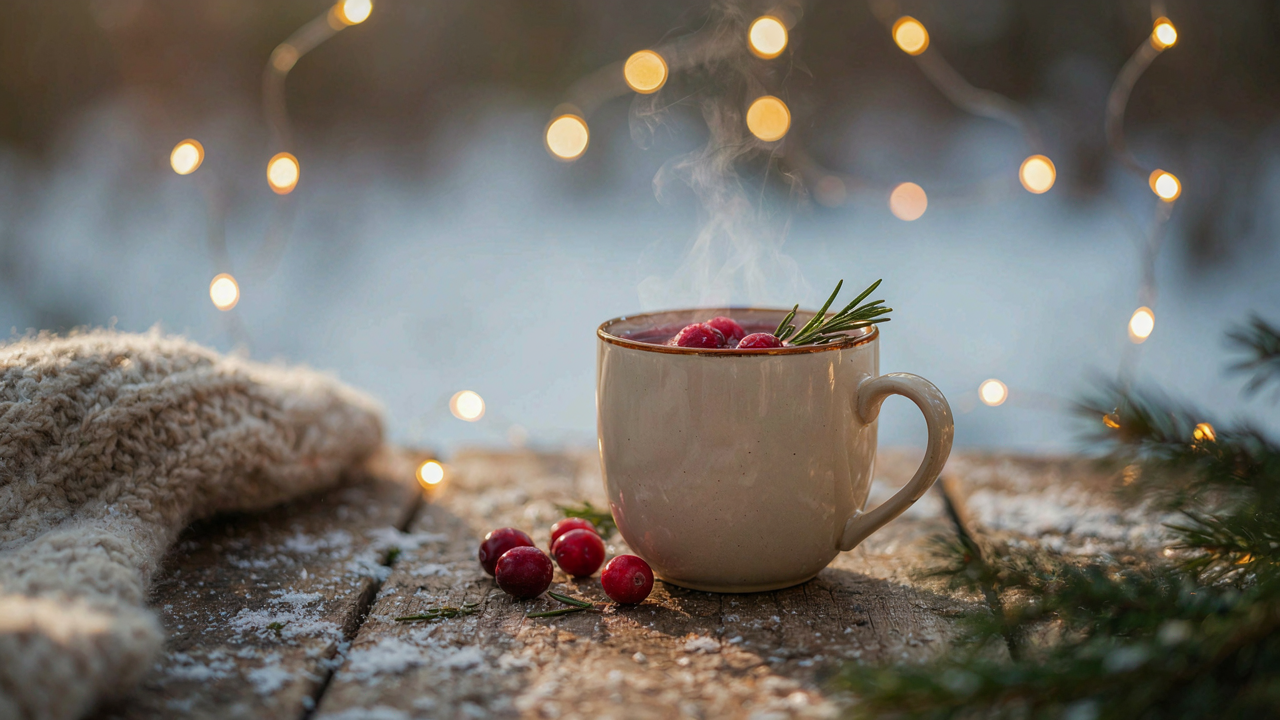
Winter outdoor settings give you an advantage most indoor bars don’t have. Your hands warm the glass while cold air cools the rim. The drinker’s mouth shifts from cold to warm liquid mid-sip. This isn’t decoration. This is a delivery mechanism that forces engagement. Serve your mocktail at 160 degrees in a ceramic mug, not room temperature in glassware, and you’ve already won half the battle.
The Winter Wonderland Brew Protocol: Christmas Mocktail Ideas
How Density Wins The Layering Game
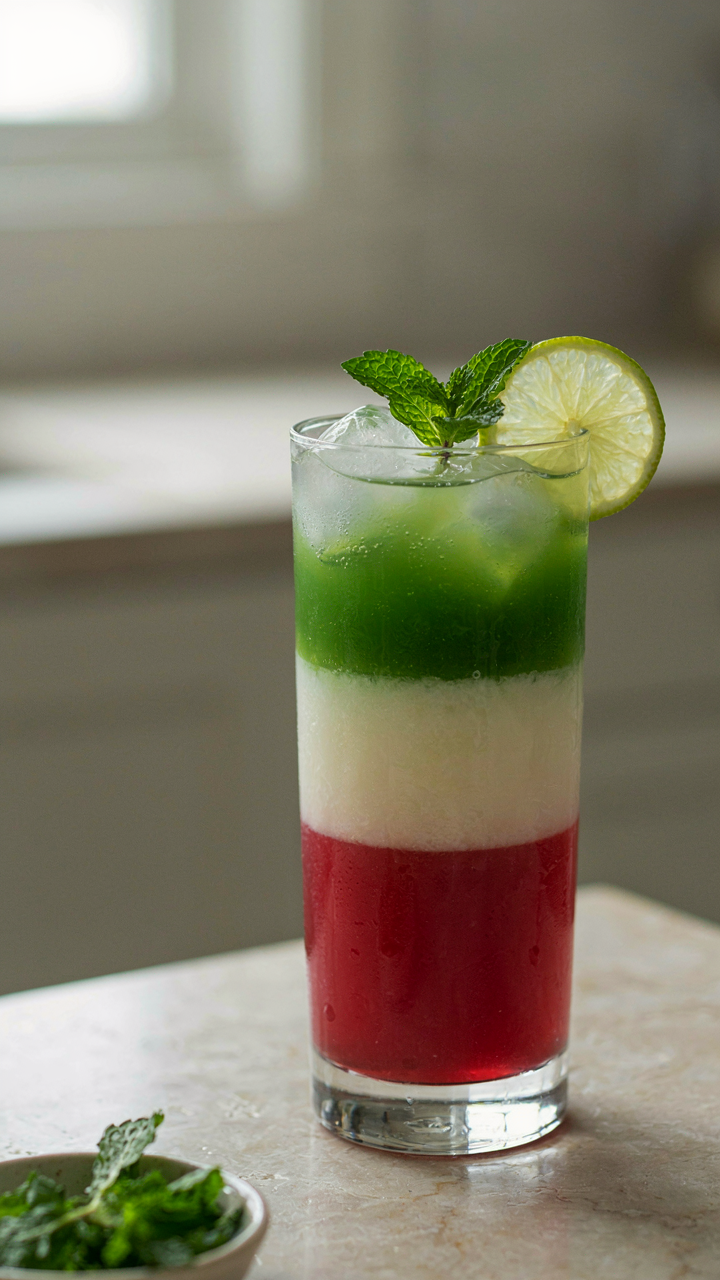
You want your mocktail to look expensive because you’re serving it to people who’ll judge the effort before they taste it. Here’s the mechanism: layering works through fluid dynamics, not magic. Denser liquids sink, lighter ones float. Specific gravity determines the stacking order. Syrups and juices with high sugar content sit at the bottom. Sparkling water, tea, and spirits with lower density float on top. Temperature matters too—warm liquid rises through cold liquid, disrupting layers. Chill every component to 35-40 degrees before building the drink.
The practical protocol: pour your densest ingredient first, always. Cranberry juice (specific gravity around 1.04) anchors the base. Add pomegranate molasses next, then herbal syrups, then citrus juice, then sparkling elements last. Pour sparkling water or ginger ale over the back of a bar spoon held just above the previous layer to slow its descent and prevent mixing. Each layer becomes a visible band. The drink stays visually distinct for the first 10-15 minutes of the gathering, which is when people photograph and compliment it.
Visual Anchors Work Harder Than You Think
Garnishes aren’t decoration—they’re the first communication your drink sends about what’s inside. A sprig of rosemary signals herbal depth before anyone tastes it. A cinnamon stick signals warmth and spice. Citrus wheels signal brightness. A pomegranate seed floating in the liquid tells the guest this drink has substance, not just color. These aren’t random choices. They’re aromatic cues that prime the palate. The nose detects flavors before the mouth does. You’re hacking that sequence.
Choose garnishes that actually appear in the drink’s flavor profile. If your mocktail contains cranberry and orange, rim the glass with crushed freeze-dried cranberry or orange peel. If it includes cardamom or cinnamon, add a whole spice as a stirrer. The garnish should be edible or at minimum not interfere with drinking. Place it where the drinker’s nose passes it before their mouth reaches the glass. This creates a flavor memory that makes the actual taste feel intentional and complete, not like an accident that happened to be in a cup.
Temperature Tectonics: Non Alcoholic Cocktails Christmas
Keeping Drinks Hot Outdoors Without Loss
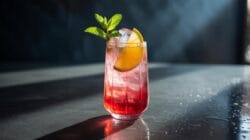
You want your guests to think you’re competent. The real problem is thermodynamics doesn’t care about your reputation. Heat moves from hot objects to cold air, always, and winter outdoors accelerates this transfer dramatically. Apply the physics principle of insulation: energy loss slows when you reduce the temperature gradient between your drink and the environment. Your job is managing that gradient, not fighting it.
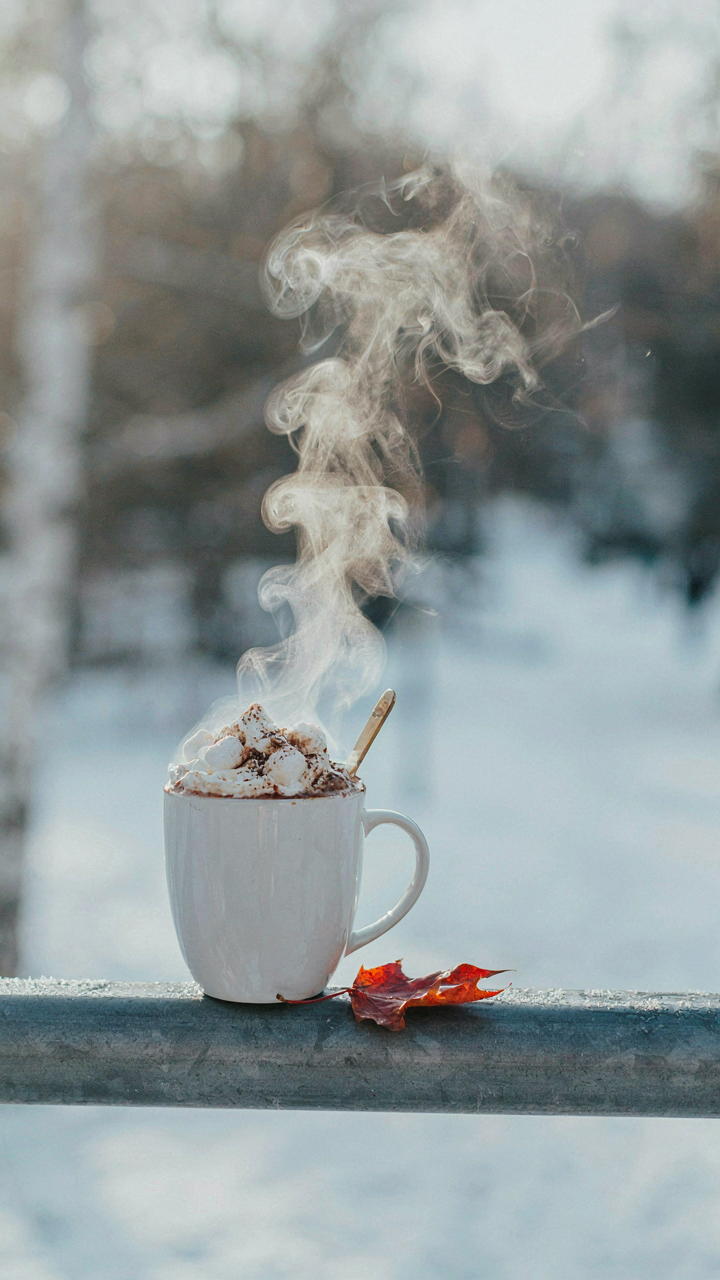
The mechanism is simple. Hot drinks lose temperature fastest in the first fifteen minutes of exposure. Start by preheating vessels with hot water, then dump it before serving. Use insulated pitchers or thermal carafes designed for outdoor use, not pretty glassware. Cover the top with a fitted lid or cloth. Serve in smaller volumes so guests finish before significant cooling occurs.
- Thermal carafes with tight seals: Designed for temperature retention, these hold hot mocktails at serviceable temperatures for two to three hours in cold weather.
- Pre-warmed ceramic or stainless steel mugs: Heat the vessel for two minutes with hot water before pouring to reduce initial heat loss at the surface.
- Double-wall insulated containers: The air gap between walls acts as a buffer, slowing heat transfer to the frigid outdoor air significantly.
- Drink cozies or sleeves: Wrap vessels in neoprene or wool to add an extra insulation layer between hot liquid and exposed hands or air.
- Lids with small openings: Covers that force drinks through a small spout reduce surface area exposure, cutting evaporative cooling losses substantially.
Rebrew or reheat your batch every thirty minutes if you’re hosting a two hour gathering. This isn’t optional if you’re serving after the first hour. Set a timer. Most hosts skip this step and serve lukewarm drinks, then blame the weather.
Ice Paradox For Hot Drinks
Hot drinks and ice seem contradictory, but ice solves a specific problem: guest comfort when holding warm vessels in freezing conditions. Thermodynamics creates tension here. Your hands get cold fast gripping a hot mug in winter, so guests either burn their palms or don’t drink. One ice cube added to a hot mocktail cools it from 180°F to roughly 160°F, a temperature that sits in the sweet spot for both flavor and hand comfort.
The mechanism works differently than you think. The ice doesn’t cool the entire drink uniformly. It creates a gradient where the core stays hot while the outer layer becomes approachable. This extends the drinkable window. For hot apple cider mocktails or spiced drinks, add a single large ice cube or two small ones after pouring. The drink cools incrementally as the guest holds it, staying warm longer than it would without ice while remaining comfortable to grip. This extends service time and prevents waste from untouched warm drinks.

The “Resonance Cascade” Method For Mocktails For Christmas
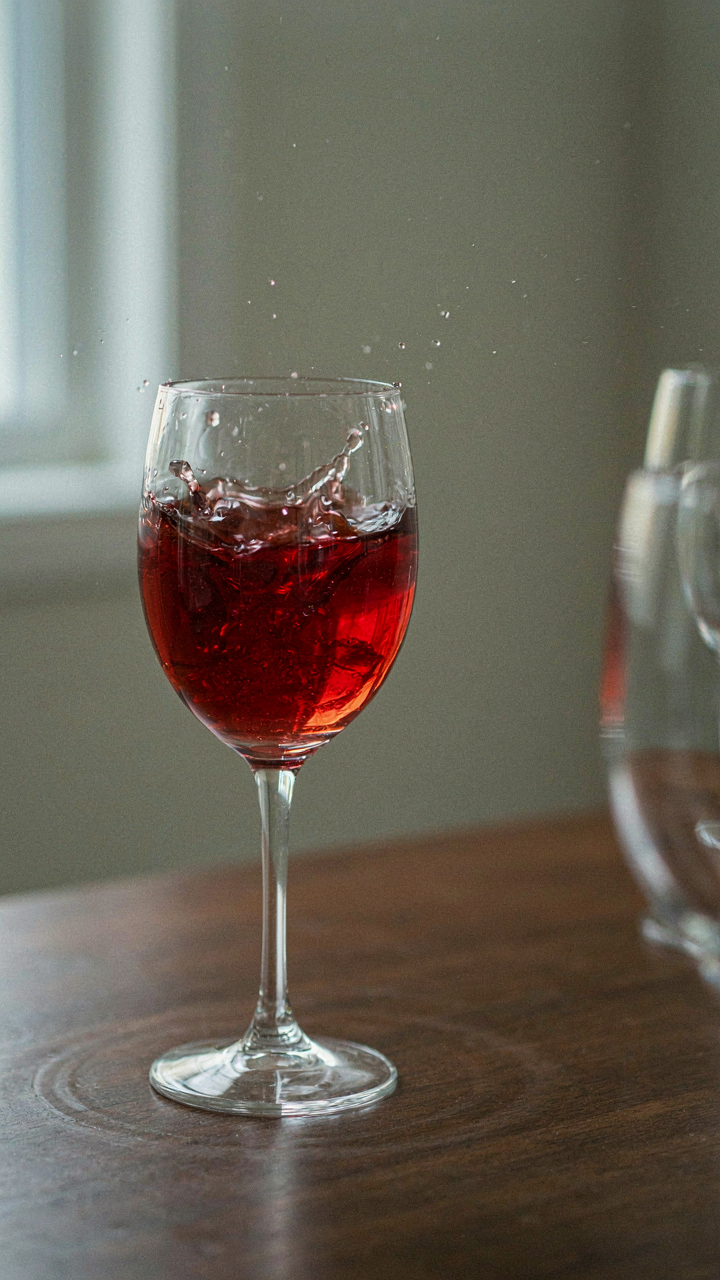
When Sound Sharpens What You Taste
You want this section to work because you suspect taste is something you can engineer rather than luck into. Here’s the mechanism: physics teaches us resonance, the principle that systems amplify when frequency matches their natural state. Your mouth operates the same way. Fizz, ice clink, and ambient sound frequencies don’t just accompany a mocktail—they train your sensory receptors to heighten flavor perception before the liquid touches your tongue.
Temperature and carbonation create baseline acoustic signatures. A mocktail served in a glass with ice produces specific frequencies when stirred or sipped. Your brain doesn’t separate sound from taste; it layers them into one perceptual event. The carbonation creates micro-vibrations that prime your palate for sweetness and bitterness detection. Serve the same recipe in silence versus with gentle background music at 60-70 decibels, and the flavor registers differently. This isn’t psychology—it’s neurology. Your trigeminal nerve responds to both chemical and mechanical stimulus simultaneously.
Building Flavor Through Structural Layers
The common advice says balance sweet, sour, and bitter. That’s incomplete. Real mocktail construction mirrors orchestration: each component occupies a distinct frequency band in the mouth. Citrus notes trigger high-frequency receptors. Spices like cinnamon and nutmeg register as mid-range warmth. Base ingredients like ginger or herbal infusions anchor the low end.
Layer your holiday mocktails with this structure: start with a base that grounds flavor (fresh juice or herbal tea), add acid to create brightness (lemon or lime), introduce spice or botanical complexity (star anise, clove, rosemary), then finish with texture through carbonation or foam. The order you combine these matters because each layer conditions how your mouth processes what comes next. When you pour a spiced syrup over ice before adding juice, the spices activate first and prime your palate for citrus brightness. Reverse the sequence and the same recipe tastes flatter. Build mocktails from bottom to top, not as ingredients mixed in a shaker.

Structural Integrity: Christmas Mocktails Recipe Endurance

When Temperatures Drop, Your Drink Architecture Fails
You care about this section because you don’t want to look incompetent when a guest’s drink separates or tastes flat after sitting outside for thirty minutes. The real problem isn’t the cold—it’s that you’re treating mocktails like static objects instead of active systems. Use the physics term “thermal equilibrium”: your drink naturally moves toward the temperature of its environment, and that shift breaks down flavor compounds and carbonation simultaneously. Citrus oils oxidize faster in cold. Syrups thicken and separate. Sugar suspensions destabilize. These aren’t minor annoyances. They’re mechanisms that destroy what you built.
The fix requires strategic ingredient selection before you ever leave the kitchen. Opt for acidic bases like lime juice or lemon juice instead of fresh-squeezed orange, which oxidizes noticeably in under an hour at outdoor temperatures. Use stabilized syrups made with gum arabic or gelatin—they hold emulsion longer than simple syrup alone. Carbonated elements belong in the glass seconds before serving, not minutes before. Frozen garnishes buy you time because they absorb heat energy from the drink itself, maintaining cold longer. Test your recipe at the exact outdoor temperature you’ll encounter, not in your kitchen at room temperature. The mechanism you’re actually controlling is molecular stability across temperature variance, not taste.
Batching Without Breakdown: The Logistics Layer
Most advice says “make a big batch the night before,” which is incomplete because it ignores what happens during scaling. When you multiply ingredient ratios, you’re not just adding more—you’re changing surface-to-volume ratios, which alters oxidation rates and flavor diffusion. A single mocktail in a glass presents less surface area to air than a pitcher containing twelve servings. That matters. Here’s the real protocol: prepare your base components separately and combine them in staged batches, not all at once. Juice and syrups go into one container. Herbs and aromatics into another. Carbonated or fresh elements—the things that degrade fastest—stay separate entirely until final assembly.
The bottleneck most people miss is timing calibration. If you’re serving over three hours, batch production every forty minutes instead of one massive batch. Use coolers with dry ice at the bottom layer (ice directly contacting liquid dilutes it as it melts) to maintain temperature without creating water. Measure your water displacement when you add coolers to your vessel, then account for that volume in your final recipe calculations. Label batches with prep time so you can pull the oldest stock first—rotation prevents sitting time from destroying flavor. This isn’t busywork. It’s the difference between serving drinks that taste like your recipe versus drinks that taste like regret.

The Alchemist’s Palette: Christmas Cocktail Non Alcoholic Infusions
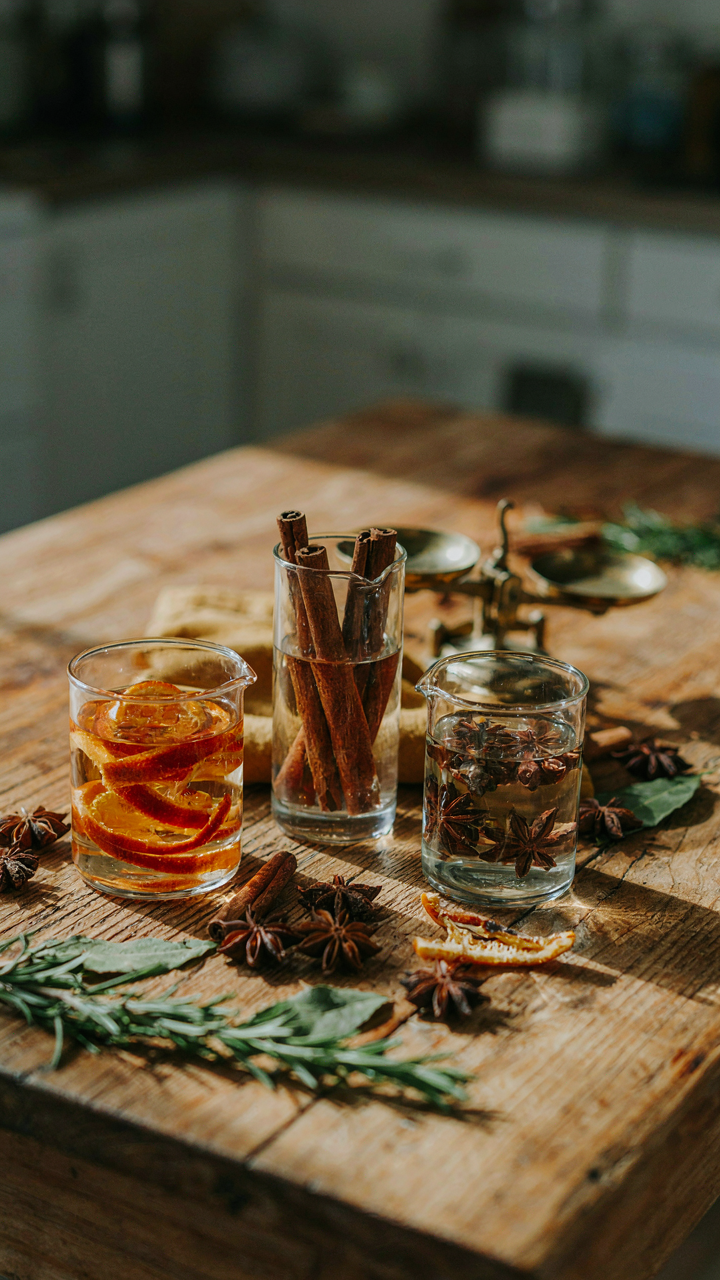
Foraged Botanicals Build Depth Without Alcohol
You want to impress people without revealing you spent three hours on prep, so you’re hunting for a shortcut that reads as sophistication. The real mechanism is extraction: winter botanicals contain volatile oils and tannins that require the right solvent to release flavor. You don’t forage randomly. Pine needles, rosemary, juniper berries, and dried citrus peel are winter-available, shelf-stable, and built into the culinary tradition already. Cold outdoor gatherings demand drinks with backbone, and these botanicals deliver it without alcohol doing the work.
Most people grab whatever’s in their kitchen and steep it until the drink tastes like lawn clippings. The difference is timing and temperature. Fresh rosemary releases its oils faster in hot water but loses volatile compounds. Dried botanicals like juniper or citrus peel need longer cold extraction to pull the resin without bitterness. A twelve-hour cold steep in room-temperature water beats a five-minute hot one every time. Start your infusion the morning of your gathering, strain it through cheesecloth, and mix it into your base liquid right before service.
Cold Brew Extraction Maximizes Flavor Intensity
Extraction is a chemistry problem, not an art form. Temperature controls which compounds dissolve into your liquid. Hot water pulls everything fast and indiscriminately, including harsh tannins that make the drink taste flat and astringent. Cold water moves slowly, selecting for the flavor compounds you actually want while leaving the bitter ones behind. This is why cold brew coffee tastes smoother than hot coffee using identical beans. Apply the same principle to your mocktail infusions.
Build a cold-brew station the night before your event. Fill glass jars with your base liquid, add whole botanicals or dried fruit, seal them, and let gravity and time do the work. Twelve to eighteen hours pulls maximum flavor without degradation. Strain through a fine mesh, not cheesecloth, to catch fine particles that cloud the drink and muddy the taste. When you’re pouring for guests, you’re pouring something with actual depth, not something that tastes like you tried.
Logistical Supremacy: Mocktails For Christmas Holiday Parties
Pre Batching Strategy And The Freshness Tradeoff
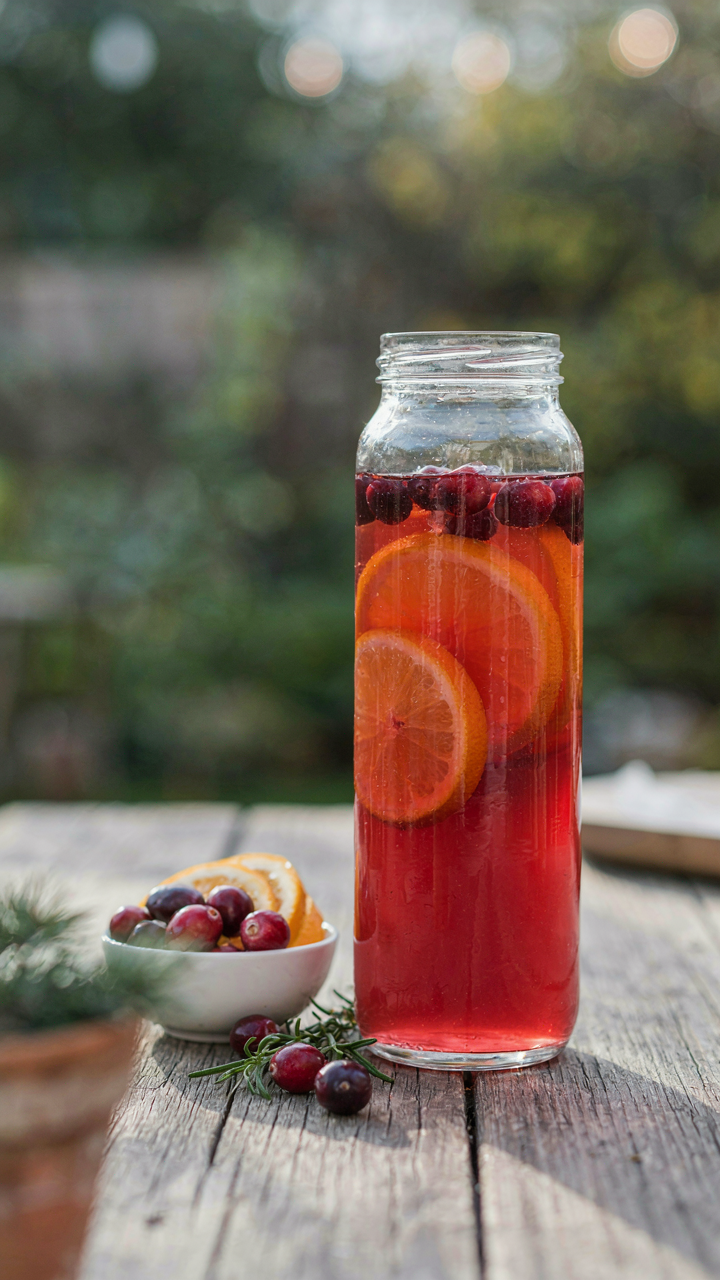
You want to look like you’re not stressed, which is why you’re considering pre-batching. Here’s the mechanism: batching trades real-time freshness for guest attention. You gain two hours of breathing room. You lose carbonation retention and citrus brightness after four hours. The economics are simple. A Cranberry Pomegranate Sparkler batched six hours ahead tastes flat and oxidized. Mixed two hours before service, it stays crisp.
The solution isn’t choosing one. Separate components by shelf life. Batch the non-carbonated base (cranberry juice, pomegranate juice, ginger syrup, base spirits if using them) up to eight hours ahead in a covered container. Keep sparkling water, tonic, or soda sealed until thirty minutes before service. Keep citrus juice separate and add it within two hours of serving. This approach keeps you efficient without sacrificing what guests actually taste.
Serving Station Architecture
Guests create bottlenecks when they don’t know the flow, so design physical sequence instead of explaining it. This borrows from assembly line logistics: throughput depends on station layout, not effort. A linear setup beats a circular one. Left to right should move guests through three stations: base selection, modifier addition, carbonation. Place pre-batched bases at the start. Modifiers and garnishes in the middle. Carbonated toppers and ice at the end.
Use separate stations if your guest count exceeds fifteen. One station handles the Sparkling Citrus Punch and Hot Spiced Apple Cider base. Another handles the Pomegranate and Rosemary Fizz build. This prevents crowding and keeps lines under three minutes. Stack glasses upside down at each station. Position ice buckets at the final station so guests don’t carry melting ice through the party. Place a small trash receptacle for citrus peels and spent garnishes at the modifier station. The throughput problem isn’t solved by friendliness. It’s solved by removing decision points and creating obvious next steps.

Beyond The Mug: Mocktails Christmas Presentation Tactics
Vessel Choice: Insulation And Aesthetics
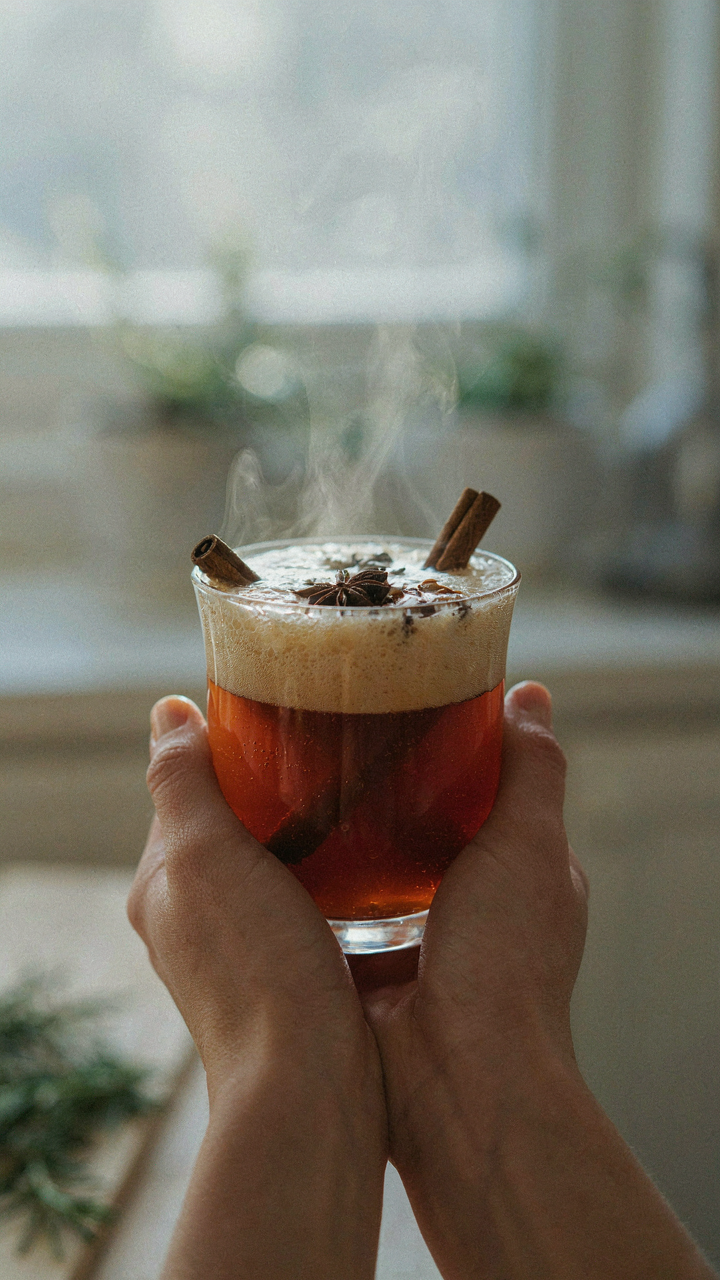
You want people to notice what you’re serving because you’re afraid a mocktail reads as less-than without visual proof of intention. The mechanism is thermal transfer: your vessel choice directly controls how long the drink stays cold and how the drinker perceives temperature through their hand. A cold vessel signals quality. A warm one signals neglect.
- Insulated stainless steel mugs: Retain cold for 45 minutes minimum in freezing conditions. Hand contact stays minimal, preventing warmth transfer to the drink. Cost-effective for group settings.
- Double-wall glass or acrylic: Aesthetic appeal without condensation dripping on clothing. Thinner insulation than metal, but acceptable for drinks consumed within 20 minutes.
- Ceramic with glaze: Holds temperature moderately well. Choose matte finishes for winter gatherings—glossy surfaces reflect harsh outdoor lighting and look cheap.
- Copper Moscow Mule style mugs: Conduct cold aggressively, making the vessel itself part of the experience. Visual signal of intentionality, though requires pre-chilling before service.
- Bamboo or wood holders: Insulate effectively while signaling natural, craft-focused preparation. Works well for spiced or warm mocktails served at 140-160 degrees Fahrenheit.
Pre-chill your vessel for at least 15 minutes before pouring. A room-temperature mug will warm your mocktail by 8-12 degrees in the first minute alone. Outdoor winter temperatures work in your favor here. Use that cold.
The Fog Effect: Dry Ice And Presentation
Dry ice creates visual theater, but most people misunderstand the mechanism: it’s not about creating fog for aesthetics alone. Dry ice sublimates at negative 109 degrees Fahrenheit, which means it actively cools the drink while producing the visible effect. The fog is a byproduct of temperature physics, not the primary function.
Never drop dry ice directly into the mocktail. It will damage teeth if swallowed and ruins the drink’s taste through direct contact. Instead, place dry ice in a separate vessel—a metal bowl or heat-safe cup—and position it near or beneath the drinking glass. The fog will cascade around the mocktail without contamination. Handle dry ice only with insulated gloves or tongs. Allow 30 seconds of active sublimation before the drinker touches the glass. The fog peaks and then diminishes as the temperature equilibrates, so timing your presentation matters.

The Real Obstacle Isn’t The Drink, It’s Your Timid Approach To Winter Entertaining
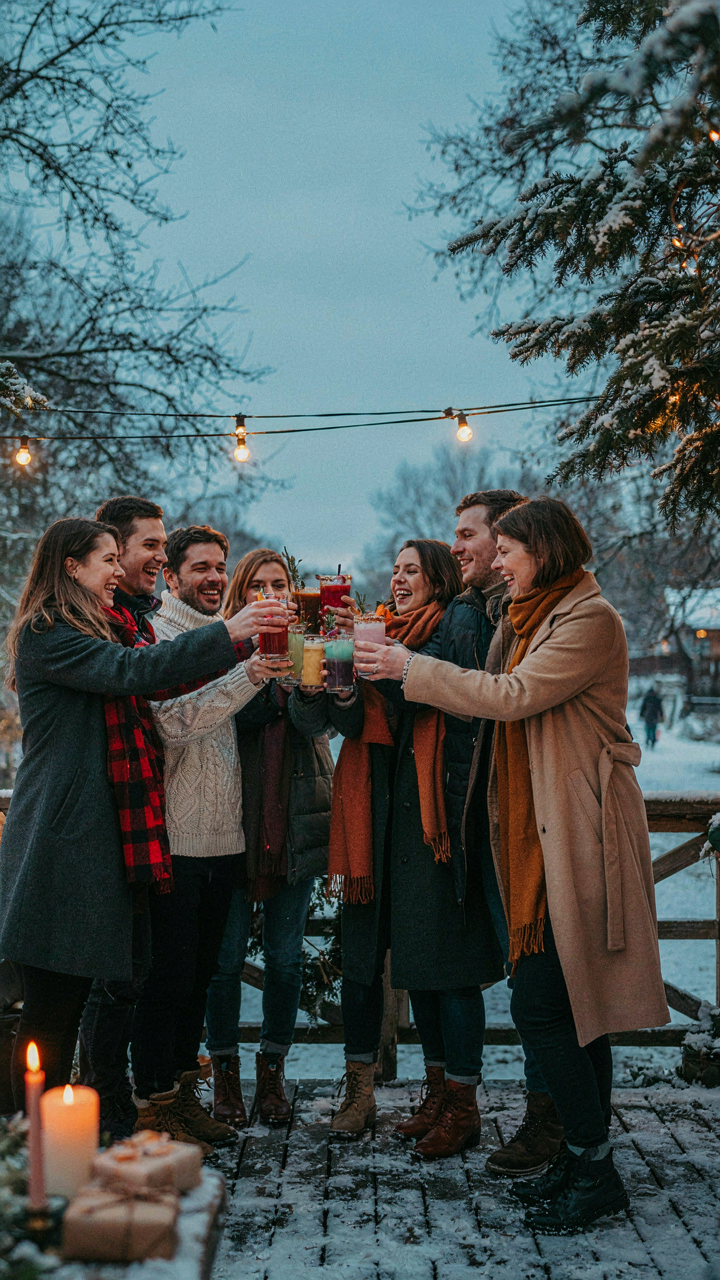
Most people skip winter gatherings because they default to boring. They think outdoor cold means boring drinks, boring company, boring vibes. Wrong. A killer mocktail recipe costs nothing extra but signals you actually planned this. Grab one of these recipes today. Make it. Invite people over this weekend. Your guests won’t remember the temperature. They’ll remember that you made something worth showing up for. A thoughtful host turns winter from a season people endure into a season they seek out.