
The Unspoken Truth: Why Your Fall Mocktails Fail
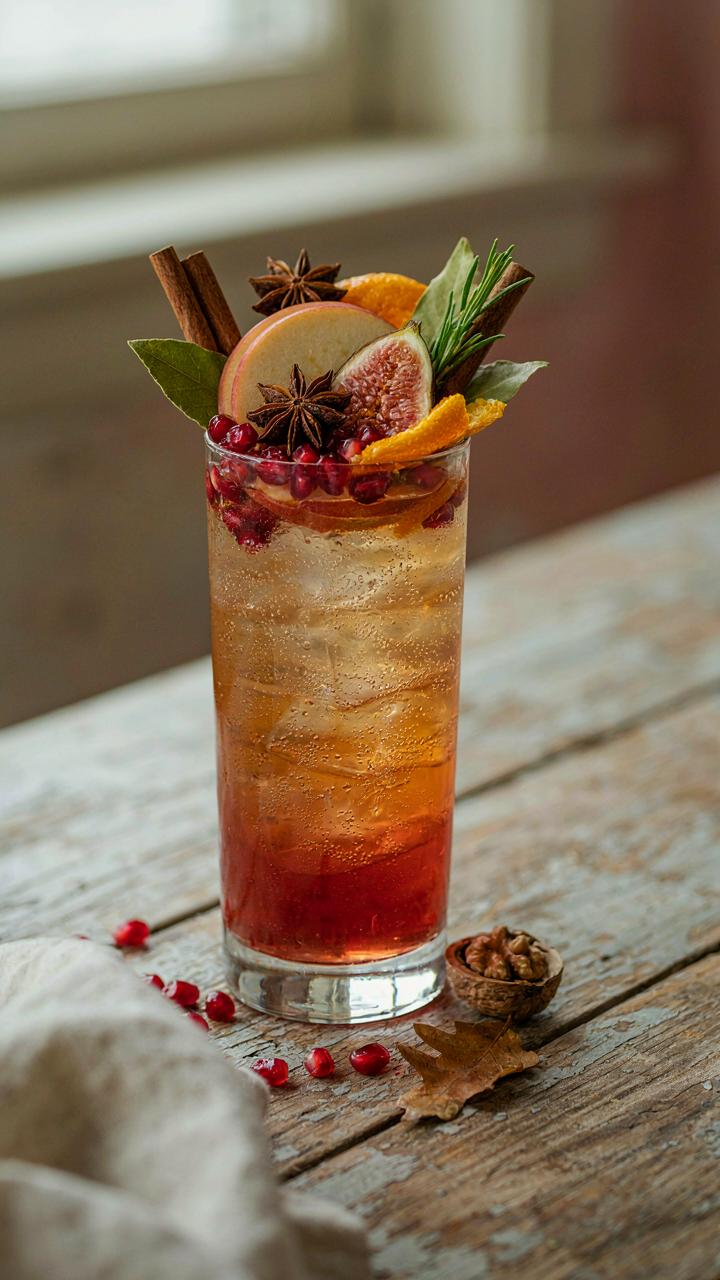
The Real Problem With Your Recipe
You’re chasing validation through complexity. You think a good fall mocktail proves you have taste, so you layer in every autumn ingredient available and hope the result feels sophisticated. Here’s the mechanism: you’re treating mocktails like failed cocktails instead of a different category entirely. Non-alcoholic fall drinks fail because people engineer them backward, starting with alcohol-based recipes and subtracting the spirit. That leaves a gap. Flavor becomes thin. Texture flattens. The drink tastes like punishment for choosing not to drink, not like something engineered to stand on its own merit.
The real problem is density. Alcohol carries flavor and creates mouthfeel through its own properties. Remove it and you expose every weak choice you made about sweetness, spice balance, and body. Most fall mocktails taste one-dimensional because people lean on cinnamon, nutmeg, and vanilla to do all the heavy lifting. Those spices are window dressing without supporting elements. You need acid to cut through spice. You need tannin or bitterness to prevent cloying. You need texture that comes from something other than syrup and ice.
Just Like A Cocktail Is Settling
The advice “make it just like a cocktail but skip the booze” is incomplete and lazy. It assumes alcohol’s only job is intoxication. Alcohol is a solvent. It extracts flavors from spices, fruit, and herbs that water alone cannot. It prevents oxidation and browning in stored syrups. It creates viscosity and rounds sharp edges in flavor profiles. A mocktail that mimics a cocktail structure becomes a technical failure the moment you remove the one ingredient that made the structure work.
Stop trying to replicate cocktails. Engineer for what a mocktail actually is: a vehicle for complex flavor through non-alcoholic mechanisms. Use brewed tea as a base instead of plain water to add tannin and depth. Incorporate acid through fresh citrus juice or vinegar to create balance. Build texture through egg white foam, aquafaba, or nut-based creams. Use spiced syrups where you infuse cinnamon sticks, star anise, and cardamom into sugar syrup over heat, then let them sit. The mechanism that matters is extraction and balance, not replication.
The Flavor Architect’s Blueprint: Building Sophisticated Seasonal Mocktails

Stacking Notes Without Collapse
You want people to taste sophistication in your drink. That requires you to name the real mechanism: flavor decay. Most recipes pile ingredients on top of each other and hope complexity sticks. It doesn’t. Each flavor has a lifespan on the palate. You layer them in the wrong order and the first sip is chaos, the second sip is forgettable.
Think of layering like chemical titration. You’re introducing components in precise sequence so each one registers before the next arrives. Start with your base note—something substantial that won’t vanish in seconds. Apple cider, pear nectar, or brewed black tea forms the floor. Add the middle note next: a bright acid like fresh lemon or pomegranate juice that cuts through the base without erasing it. The top note lands last—your spice or herbals like cinnamon, clove, or star anise. This sequencing means the drinker experiences all three layers instead of a blended mush.
Tension Creates Memory
Forget the advice about “balance.” That word is lazy and wrong. What you need is productive tension between opposing forces. Sweetness without tartness tastes cloying and registers as cheap. Tartness without sweetness tastes hostile and doesn’t belong in a mocktail. Spice without a sweet anchor becomes one-note and fatiguing. The mechanism is contrast, not harmony.
Here’s the protocol: Start your base at moderate sweetness, around 15 to 20 percent by volume from juice or syrup. Add acid until you feel the sweetness push back slightly. Your mouth should want more of both, not one overpowering the other. Then introduce spice in small increments—a quarter teaspoon of ground cinnamon per drink, not a full one. The spice should make you notice the sweetness more, not replace it. Taste after each addition and stop when you feel tension, not balance.
The “Terroir” Of Fall: Sourcing Peak Fall Mocktail Ingredients
Where Your Ingredients Actually Come From

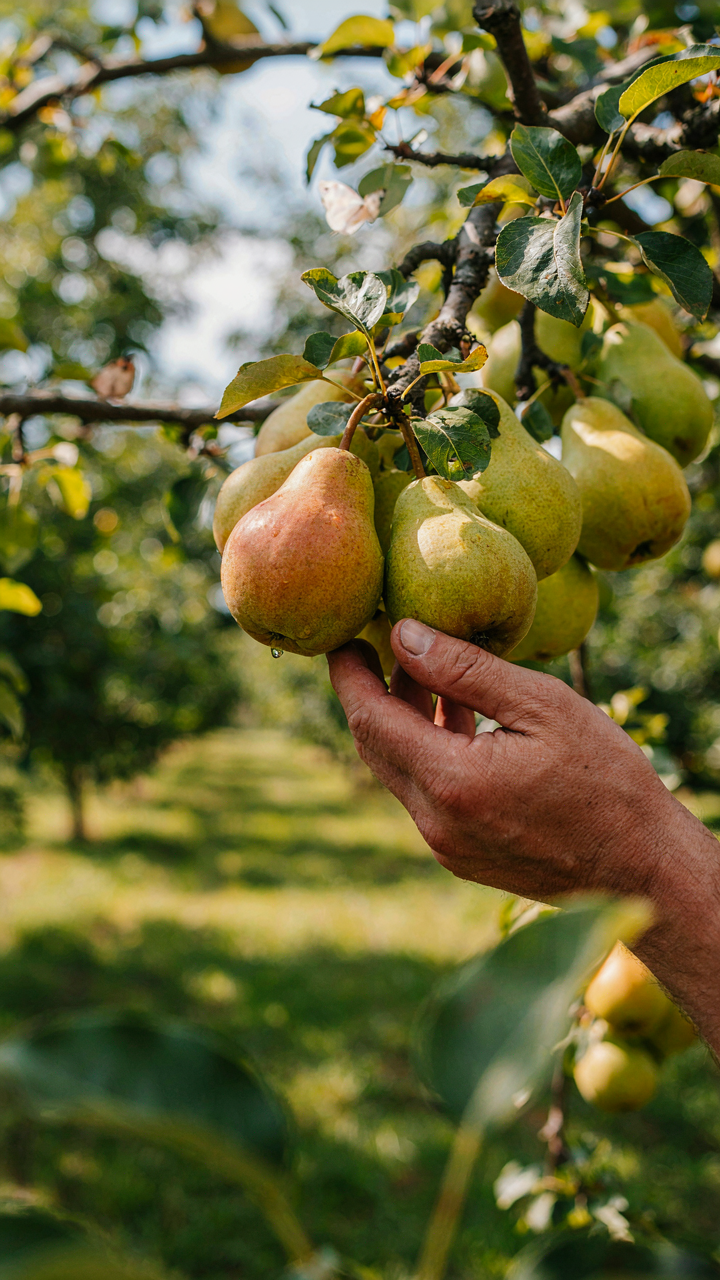
You want to feel like you’re not just copying what everyone else is doing. That’s the real reason you care about sourcing. Here’s the mechanism: a pear picked at peak ripeness in your region tastes fundamentally different than one shipped 2,000 miles and ripened in transit. Terroir—the French wine term for how environment shapes flavor—applies directly here. Local fruit has traveled hours, not weeks. The sugars haven’t degraded. The acid structure is intact.
Most people source based on what’s available at the supermarket in November and call it seasonal. Wrong move. Fall’s actual peak window is September through early October in most US regions. Farmers markets are where you find fruit at its moment, not where you find what distributors decided to stock. Call your local orchard in August. Pre-order. That’s the protocol.
Beyond Cinnamon And Nutmeg
The consensus says use cinnamon and nutmeg because they’re “fall spices.” Lazy thinking. Those two dominate every mocktail from September to December because they’re cheap and abundant, not because they’re optimal. Grains of paradise, long pepper, and cubeb pepper deliver complexity without the one-note sweetness. Star anise brings licorice depth. Cardamom—green, not bleached—pairs with apple in ways cinnamon never will.
Explore what’s actually available at specialty spice retailers and Indian grocers, not what’s pre-packaged at the supermarket. Whole dried fruits matter too: sumac, dried quince, dried cherries. These have acid and tannin structure that fresh fruit lacks. A single dried cherry steeped in sparkling water for two minutes changes the entire drink. Buy from vendors with high turnover. Stale spices are invisible poison—they taste like dust because the essential oils have evaporated.
The Golden Ratio: Precision In Your October Mocktails
Why Proportions Matter More Than Ingredients

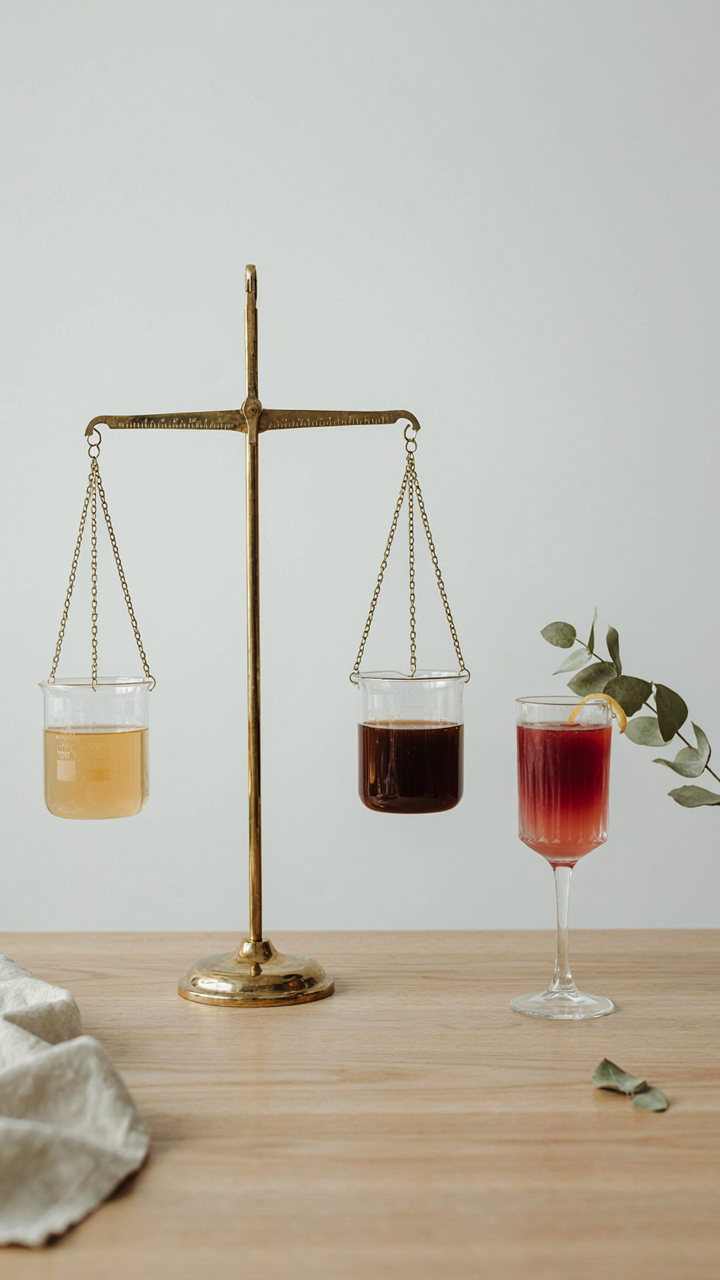
You want your mocktails to taste intentional, not like you’re guessing. That fear of serving something mediocre drives this section. The real mechanism is simple: taste comes from balance, not from what you use. Think of proportions like leverage in physics. A small shift in the fulcrum moves the entire load. In mocktails, a quarter ounce more citrus doesn’t add tartness linearly—it flips the entire drink’s center of gravity. Most people grab bottles and pour. That’s why their drinks taste flat or one-dimensional.
The standard template for fall mocktails uses a three-part structure: two parts base liquid (juice or tea), one part acid (lemon or apple cider vinegar), and one part sweetener or spice syrup. This isn’t arbitrary. The two-to-one ratio creates enough volume to let flavors bloom without drowning anything. Your fire pit mocktail needs this constraint. Without it, you’re just mixing liquids and hoping. Measure everything for the first three batches. After that, your hand memory kicks in and you adjust by feel.
Building For Your Crowd, Not The Recipe
Different people taste differently, and recipes written for strangers ignore this fact. The recipe card assumes a neutral palate. Your guests probably aren’t neutral. Someone who drinks black coffee perceives sweetness differently than someone who doesn’t. Someone with seasonal allergies tastes citrus muted. You adjust for this by shifting ratios before the night starts, not mid-pour.
For mellower palates, reduce your spice syrup by 25 percent and add an extra quarter ounce of base juice. This keeps the drink substantial while toning down what reads as harsh. For aggressive palates—people who want to taste every layer—increase your acid by half an ounce and decrease sweetener slightly. Test this on one person early in the evening. Their feedback tells you whether to shift the batch. The mechanism is immediate feedback, quick adjustment, better second round.
The “Sensory Immersion” Protocol: Beyond Taste (Festive Fall Drinks)
What You’re Actually Buying With Your Glass

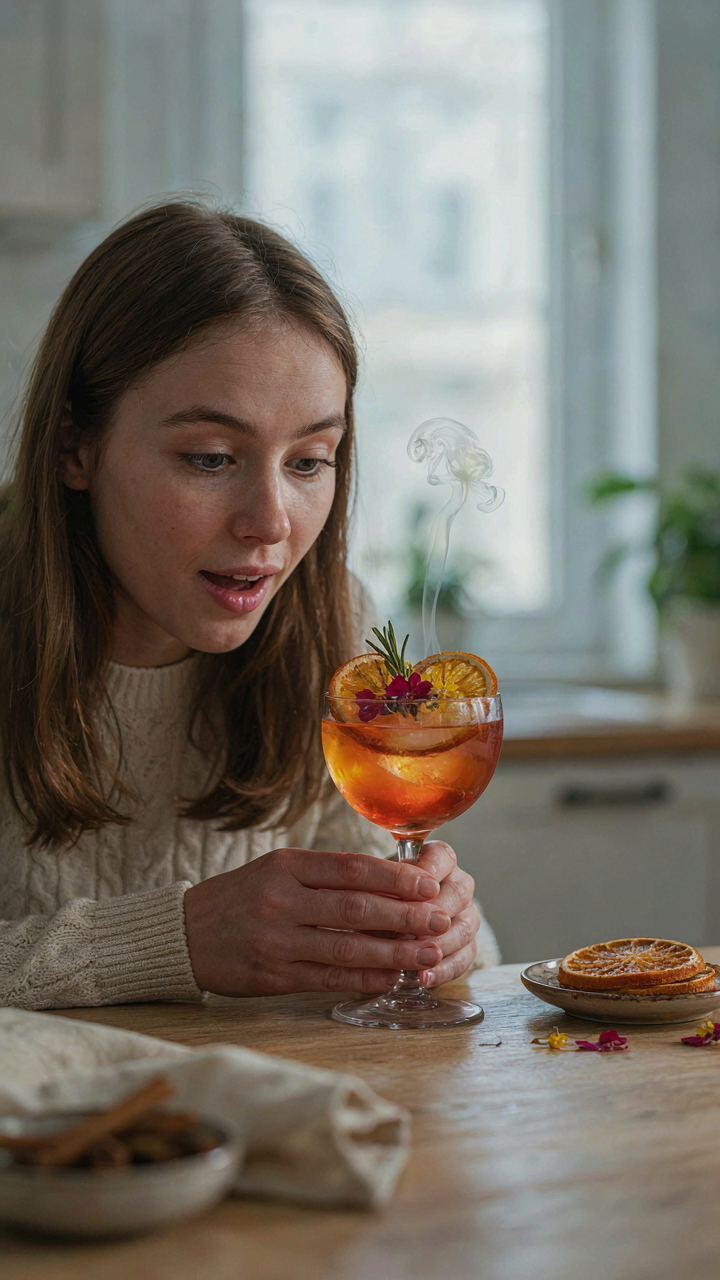
You want people to notice you got it right. That’s the real reason this matters. The mechanism is simple: taste exists for three seconds. Visuals and aroma exist for thirty. A well-constructed mocktail stops conversation because your brain processes color and scent before flavor lands. The glassware choice, the garnish placement, the drink’s opacity—these aren’t decoration. They’re the primary delivery system.
Fall mocktails live in a visual ecosystem defined by opacity, warmth, and depth. A clear coupe glass fails here. You need vessels that hold color: lowball glasses for amber drinks, mugs for spiced preparations, opaque ceramic for outdoor settings where light scatters. The garnish isn’t a afterthought. A cinnamon stick, apple slice, or dried citrus wheel telegraphs intent and controls how someone’s hand approaches the drink, which changes the drinking ritual itself.
The Aroma Texture Lock
Smell dominates taste perception by roughly eighty percent—that’s neurology, not opinion. Fall mocktails weaponize this fact. A drink can taste adequate but smell extraordinary, and your brain conflates the two. Texture amplifies this illusion further. The mechanism works like a sensory anchor in military training: one strong signal overrides weaker ones.
Carbonation creates texture that extends the aroma window. When bubbles hit the surface, they carry volatile compounds upward. Spiced syrups muddle this effect—they sit heavier, release slower, keep releasing. A still drink with apple and cinnamon dies fast on the palate. Add effervescence and the same ingredients perform for the full drink. Finish with a float of cream or coconut milk. That texture layer forces the nose back into the glass three times during consumption, resetting the aroma-taste cycle each time.
The “Strategic Pairing” Method: Food And Fall Cocktails And Mocktails
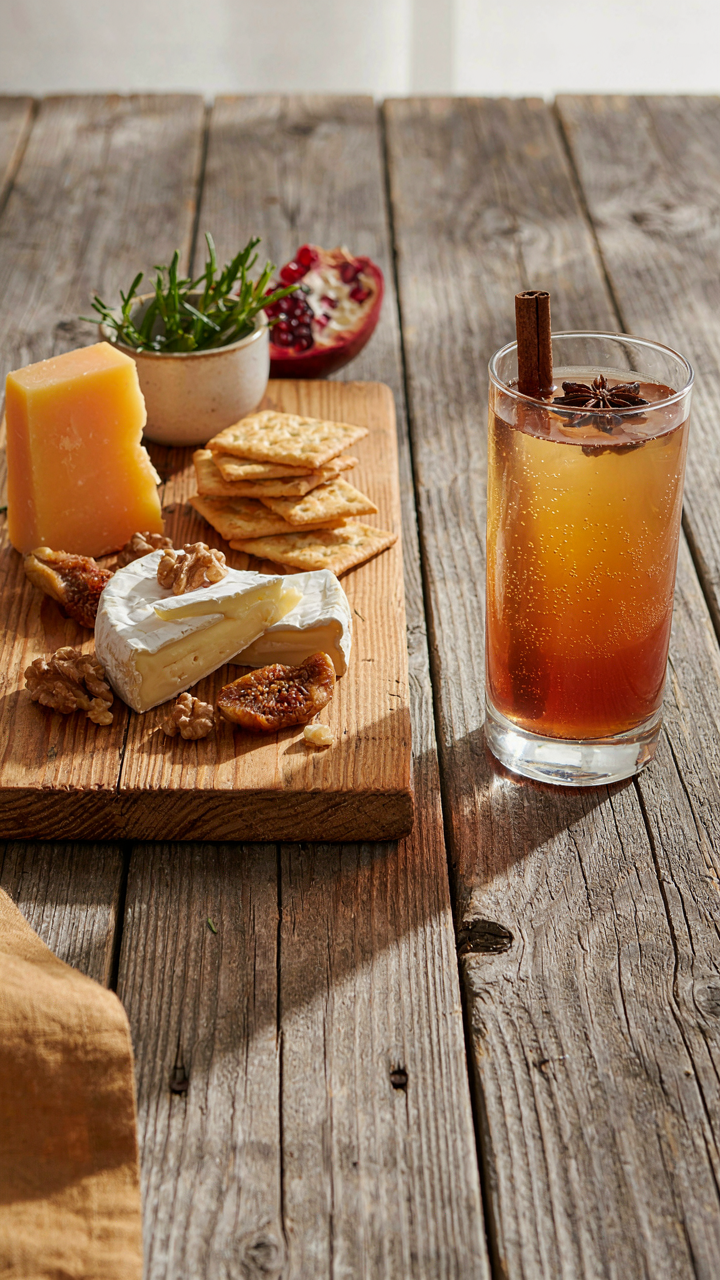
Matching Mocktails With Fire Pit Snacks

You want this to feel effortless because admitting you planned it ruins the vibe. Here’s the mechanism: taste operates on contrast and complement. Contrast cuts through palate fatigue. Complement deepens recognition. A spiced apple mocktail next to salty roasted nuts creates contrast. That same mocktail next to cinnamon-dusted popcorn creates complement. The difference determines whether your guests keep drinking or set the glass down.
Chemistry matters more than theme. Tannins in a pomegranate-rosemary mocktail bind with fat in cheese. Acidity in a cranberry-orange drink cuts through smoke from the fire pit. Sweetness in a caramel-bourbon-free sipper balances heat from candied peppers. These aren’t feelings. They’re molecular interactions. Test one pairing per batch before committing to the full night.
Creating A Cohesive Flavor Journey
The common move is rotating mocktails by sweetness level. That’s incomplete. Real progression uses temperature and intensity as the primary drivers. Start with room-temperature herbal mocktails to lower the activation energy of socializing. Shift to warm spiced drinks mid-evening when the fire becomes the focal point. End with chilled bright drinks if the night extends. This mirrors circadian biology, not arbitrary taste categories.
Structure the arc around ingredient repetition, not sameness. Serve a ginger-apple mocktail first. Introduce a ginger-pear option as the second drink. The repeated ginger grounds the journey. The shifted fruit prevents redundancy. By the third mocktail, introduce a completely new base like pomegranate, but carry forward one familiar element from earlier rounds. Each drink should feel like a deliberate next step, not a restart.
The “Alchemy Of Infusion”: Elevating Autumn Drinks Nonalcoholic
What Extraction Actually Does

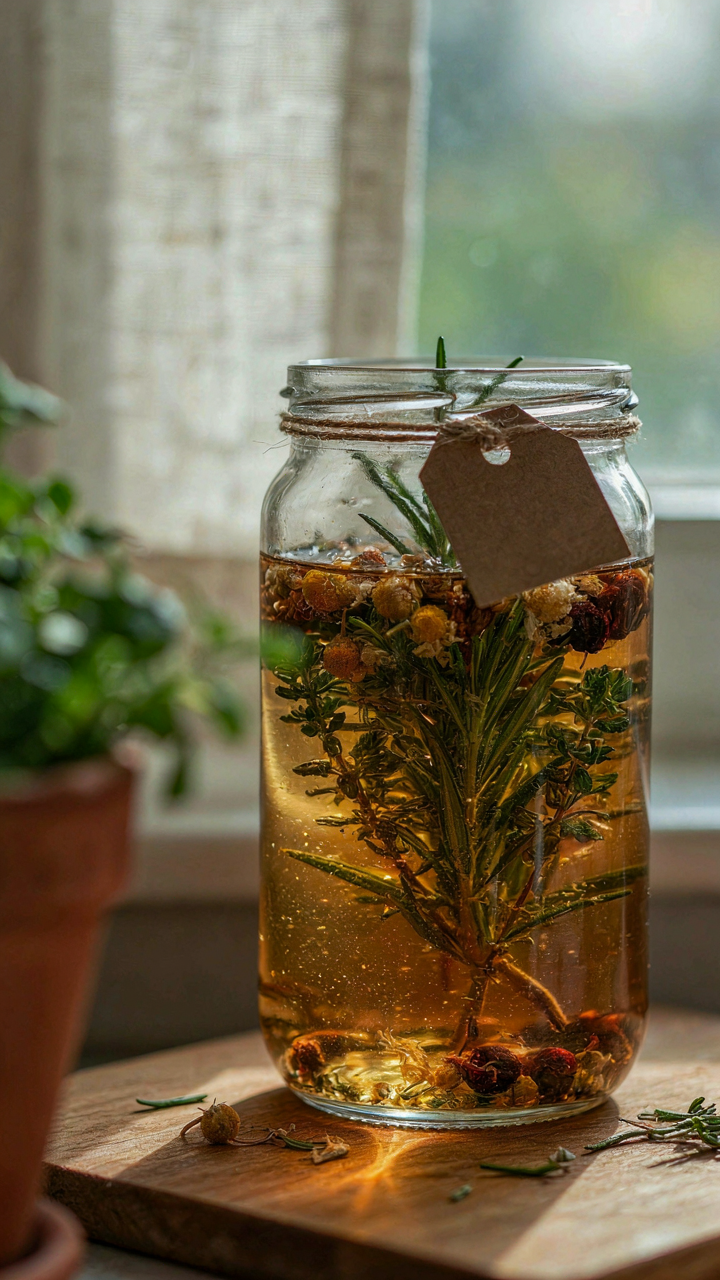
You want to seem like you know something others don’t. That’s the real reason you’re reading this. The mechanism is simple: extraction separates flavor compounds from plant material through solvent action. In biology terms, this is diffusion, and it’s the same process alcohol uses in traditional drinks, except you’re swapping the solvent. Water, oil, and time become your variables. Most people think steeping tea is the ceiling of infusion. It’s not. Temperature, duration, and material choice determine whether you get a weak hint or a concentrated note.
Autumn botanicals like cinnamon bark, star anise, and dried apple contain compounds that dissolve at different rates. Hot water pulls certain notes fast. Cold water extracts different compounds over hours, creating layers most people never taste because they default to heat. Your fire pit mocktail lives or dies on whether you understood this one principle. The difference between a drink that tastes like autumn and one that tastes like you added flavoring is the extraction method you chose before you even mixed the glass.
Cold Steep And Time Over Heat
The common advice is wrong here. People assume hot infusions taste stronger. They don’t. They taste faster, which feels like strength until the drink cools. Cold extraction pulls tannins and volatile aromatics more selectively, creating clarity instead of muddy depth. This is chemistry, not conjecture. Maceration, the formal term, means steeping solids in liquid without heat to preserve delicate flavor profiles. A cold overnight brew of apple slices with cinnamon sticks develops flavor through osmosis, not temperature shock.
Start your fall mocktail prep the night before. Place dried autumn fruit, whole spices, and water in a container at room temperature or refrigerated. Twelve to eighteen hours yields concentration without bitterness or oxidation damage. Strain through fine mesh. The resulting liquid becomes your base. This method produces what rushed hot infusions cannot: a drink that tastes intentional. Use this base as your framework for every fire pit mocktail you build that season.
The “Minimalist Mixologist”: Efficiency In Mocktails For Fall Prep
Batching For Effortless Entertaining

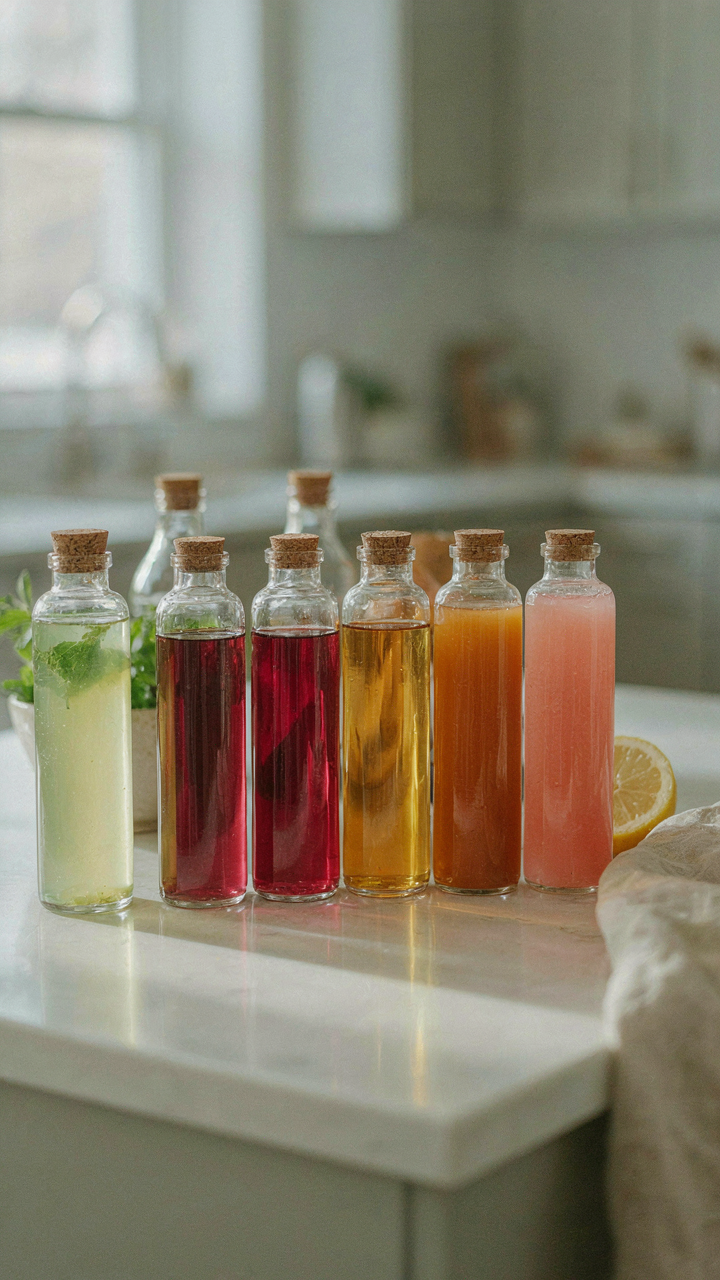
You want to look like you didn’t scramble. That’s the real reason you’re reading this. Batching solves that by stealing from restaurant prep methodology: make components ahead so assembly takes seconds when guests arrive. This isn’t laziness. It’s leverage. You gain presence at your own event instead of playing bartender in the dark.
Create fall syrups and infusions two to three days before. Spiced apple reduction, cinnamon-clove syrup, or cranberry-orange concentrate store in glass jars in your fridge for five to seven days. On fire pit night, you pour base liquid, add batched component, top with sparkling water or ginger beer. Two minutes per drink maximum. Your guests taste intention, not rushed effort.
Essential Tools For The Serious Mocktail Creator
You don’t need a jigger collection or a muddler that cost forty dollars. Buy what actually gets used. A two-ounce jigger with one-ounce marking on the reverse handles ninety percent of fall recipes. A bar spoon with a twisted handle aids stirring without introducing air into spirit-free drinks where texture matters more. A fine mesh strainer prevents pulp and debris from citrus, apple, or spice infusions.
Get a microplane zester for fresh nutmeg and cinnamon garnish. Buy a channel knife for apple or pear peels that don’t break. A Boston shaker isn’t necessary for mocktails, but a pint glass filled with ice and covered by a larger pint glass works. Purchase tools that live on your counter year-round, not props that require storage.
The “Curated Collection”: Your Go To Fall Drink Ideas Non Alcoholic
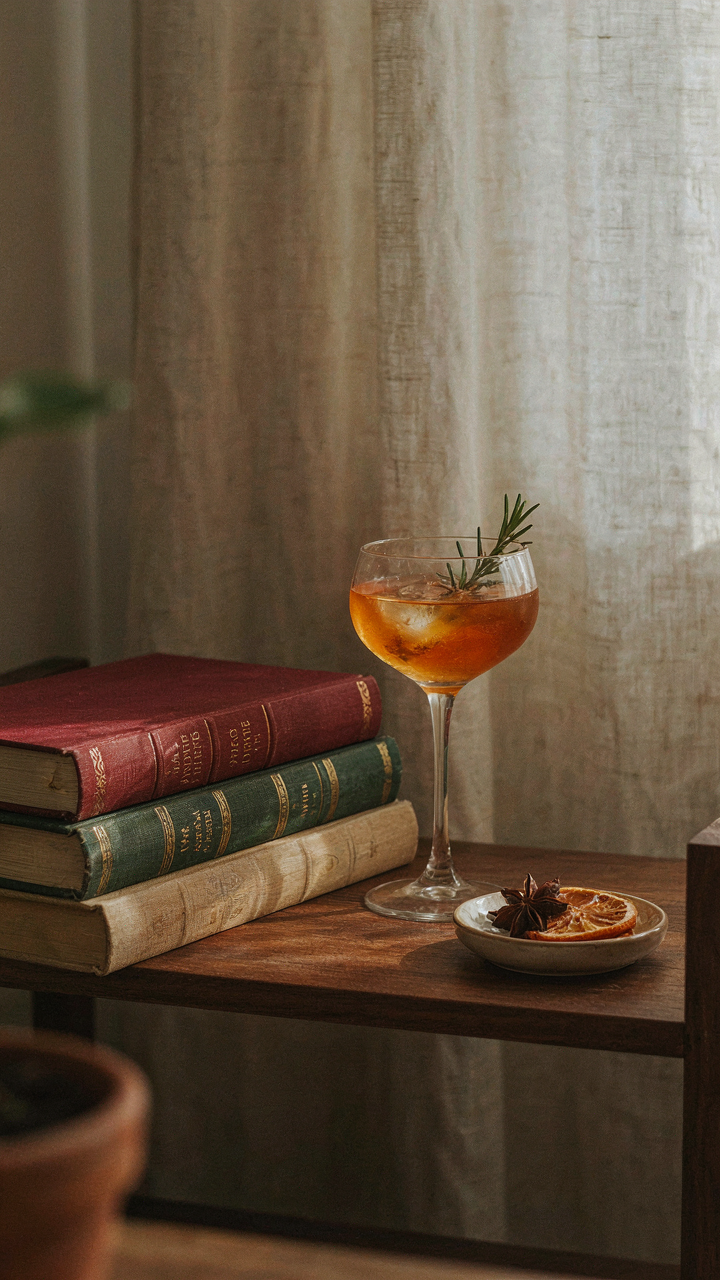
Signature Mocktails That Impress

You want these recipes because they solve a social problem: you need to look intentional, not like you’re drinking what’s left in the pantry. The mechanism is specificity. Generic “apple cider with cinnamon” reads as lazy. Named recipes with precise ingredient ratios signal preparation and taste. Fall mocktails work because they deploy seasonal ingredients as constraints, forcing flavor combinations that feel premium rather than improvised.
The best fall mocktails anchor themselves to one dominant flavor, then build supporting notes around it. This follows the culinary principle of focus: you emphasize one element and use others to frame it, not compete. Spice intensity matters here—cinnamon, nutmeg, and clove can overwhelm fast if you don’t measure them.
- Spiced Pear Punch: Pear juice, fresh lemon juice, ginger beer, a dash of nutmeg, and a star anise garnish. The ginger cuts through pear sweetness and prevents cloying flavor.
- Apple Cider Smash: Cold-steeped apple cider mixed with fresh thyme, orange juice, and a small amount of bitters. The thyme adds savory depth without herbal overpower.
- Cranberry Citrus Cooler: Cranberry juice, lime juice, sparkling water, and a touch of cardamom syrup. Tartness prevents the drink from reading as dessert.
- Maple Bourbon Alternative: Maple syrup, apple juice, lemon juice, walnut bitters, and smoked ice. The smoke replicates wood-aged character without alcohol.
- Fig and Black Tea: Brewed black tea cooled, fig syrup, fresh lemon, and sparkling water. Tannins from tea provide the structural complexity alcohol normally carries.
These recipes translate directly to your fire pit setting because they tolerate temperature shifts and sitting time better than delicate cocktails. Cold-brewed elements and syrup bases don’t separate or flatten as quickly, meaning you’re not remixing drinks every thirty minutes.
Adapting Recipes To Unexpected Ingredients
Most advice on substitution is wrong: people say “use whatever you have,” which produces mediocre drinks. The real mechanism is ingredient function, not ingredient name. Before you swap anything, identify what that ingredient does—is it providing sweetness, acid, body, or flavor complexity? Then find a substitute that performs the same role with similar intensity.
If you’re out of pear juice but have apple juice, they’re not interchangeable. Pear is subtler and slightly more floral. You’d need to add a small amount of vanilla or almond extract to apple juice to hit the same effect. If you lack fresh ginger but have ground ginger, use a third of the amount because dried spices concentrate. The problem most people hit: they substitute one-to-one and wonder why the drink tastes off.
Seasonal produce shifts your options weekly. Late October brings access to persimmons and fresh pomegranate that earlier September doesn’t have. Build a framework instead of memorizing recipes: choose a base juice, add acid, introduce one spice or herb, sweeten if needed, then carbonate. This structure lets you work with what your local market actually has on the day you’re shopping, not what a recipe demands you source.
The “Evolutionary Edge”: Adapting Your Mocktails

Refine Through Repetition, Not Guessing
You want permission to stop overthinking and start trusting your palate, which is really just fear dressed up as perfectionism. The mechanism is simple: recipes improve through iteration, not inspiration. Each time you make the same mocktail, you calibrate. You notice what temperature the spices release their oils. You see how dilution changes the flavor arc. You catch timing issues you missed before. This is compounding in beverage form. Most people make a recipe once, decide it’s “fine,” and never touch it again. They leave 60% of the potential on the table.
Start tracking one variable per batch. Week one: cinnamon-to-clove ratio. Week two: how long you muddle the apple. Week three: whether you chill the glass first. Document the results in text or a photo. After four iterations of the same base recipe, you’ll have a version that tastes noticeably sharper than the original. The calibration compounds. Your second round of mocktails that season will be objectively better because you’ve already solved the problems the first round revealed.
Building Flexibility Into Your Base
Common advice says to memorize recipes, but that’s backward. You need to understand ratios instead. The real system borrows from mixology itself: a balanced drink follows proportions, not absolutes. Two parts base liquid to one part acid to a half part sweetener works whether you’re using apple cider or pear juice. This framework lets you swap ingredients without recreating from scratch. When the cinnamon runs out or you want to test cardamom, you know exactly what to adjust because you understand the skeleton, not just the costume.
Build three modular mocktail bases by late August. One spiced, one herbal, one citrus-forward. Keep them as simple concentrates you can batch in advance. When guests arrive or your mood shifts, you add different sparkling water ratios, ice, or fresh garnish. This approach scales. You’re not reinventing the wheel each time someone wants a drink. You’re mixing from a toolkit you’ve already tested. That’s how you stop wasting September evenings and start enjoying them.
The Real Obstacle Isn’t The Drink, It’s Your Adherence To Outdated Social Scripts

You don’t need fall mocktails because you’re sober or health-conscious. You need them because you’ve accepted the lie that social bonding requires alcohol. The shift? Stop performing for people who confuse intoxication with connection. Build your fire pit ritual around intention, not tradition. Make one mocktail this weekend and watch who actually shows up for the experience instead of the buzz. Presence beats poison every time.