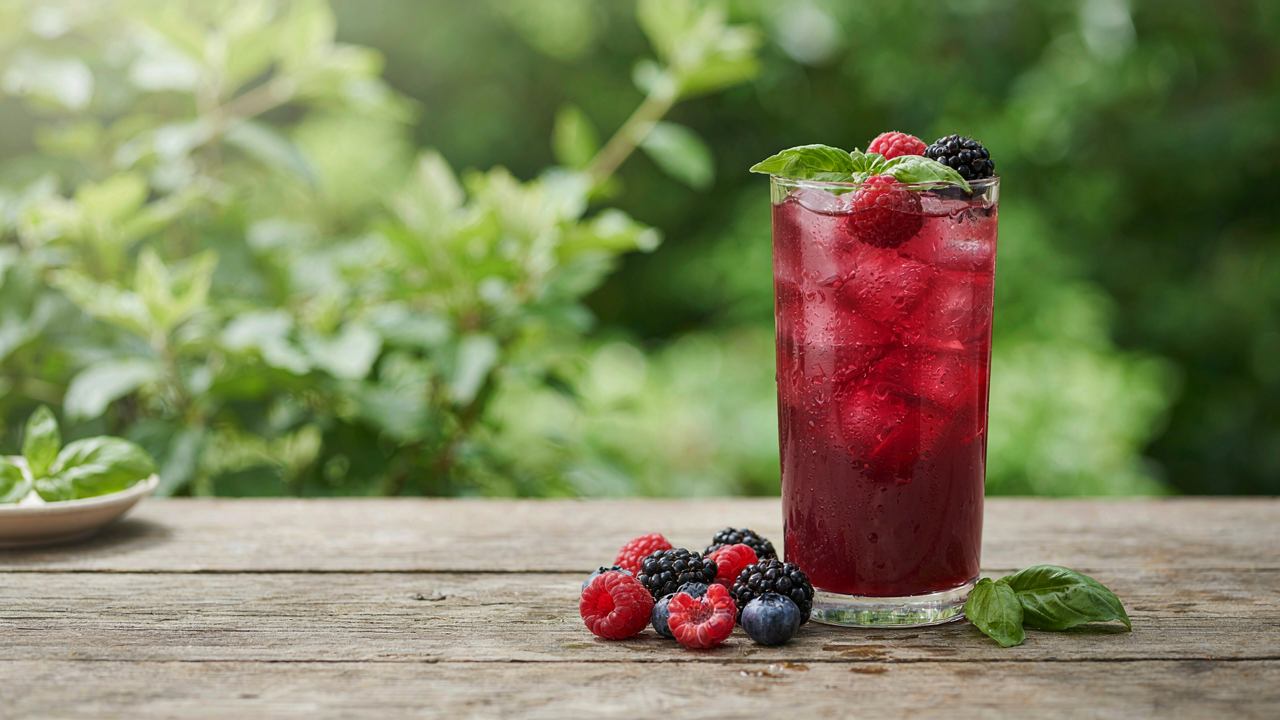
The Purity Principle: Rethinking Your Mixed Berries Base
Fresh Vs Frozen: Quality Not Convenience
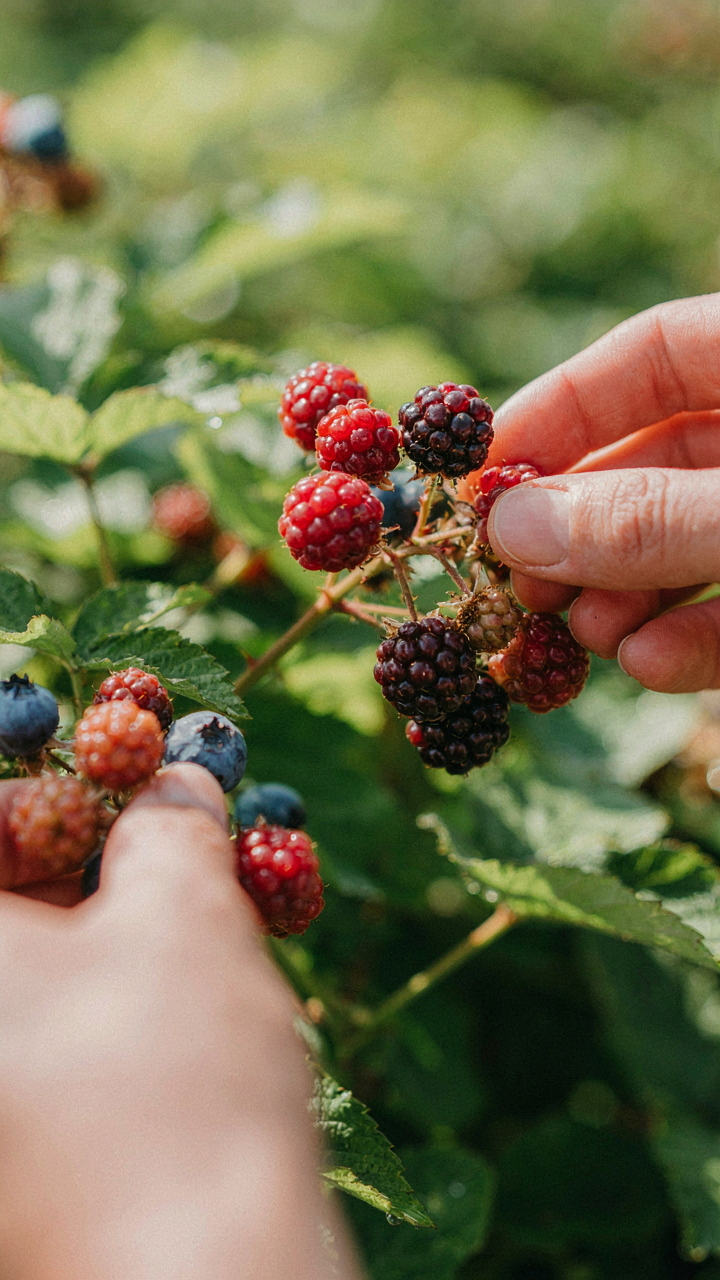
You want fresh berries because you think it makes you look like you care. The real reason to choose fresh is mechanism, not status. Fresh berries oxidize slower and retain volatile compounds that frozen berries lose during ice crystal formation. Frozen berries sacrifice cellular integrity the moment water expands inside the fruit. You get mush instead of juice.
Fresh berries work for outdoor gatherings because they hold their structure during muddling and release juice gradually as you build the drink. Frozen berries dump all their liquid at once, watering down your base and forcing you to compensate with more sugar or citrus. Time your berry purchase for one to two days before service. Buy berries that show no soft spots or mold. Inspect the container bottom for crush damage before checkout.
Berry Ratios: Mastering Natural Sweetness Balance
Economics teaches marginal utility: each additional unit of value decreases as quantity increases. In a berry basil mocktail, each berry type contributes diminishing flavor returns past a certain ratio. The mechanism is competition at the palate level. Blackberries dominate with tannins. Raspberries bring brightness. Blueberries provide earthiness and natural sugar. Mix them equally and they cancel each other out.
The working ratio is 40 percent blackberries, 35 percent raspberries, 25 percent blueberries by volume. This hierarchy lets each berry express its profile without fighting for dominance. Measure by weight, not eyeball estimation. One pound of mixed berries yields roughly twelve ounces of usable juice after muddling and straining. Taste your base before diluting with other ingredients. Adjust berry ratios in your next batch based on what you tasted, not what you think should work.
Basil’s Silent Power: Beyond The Garnish
When You Muddle, You’re Extracting Chemistry
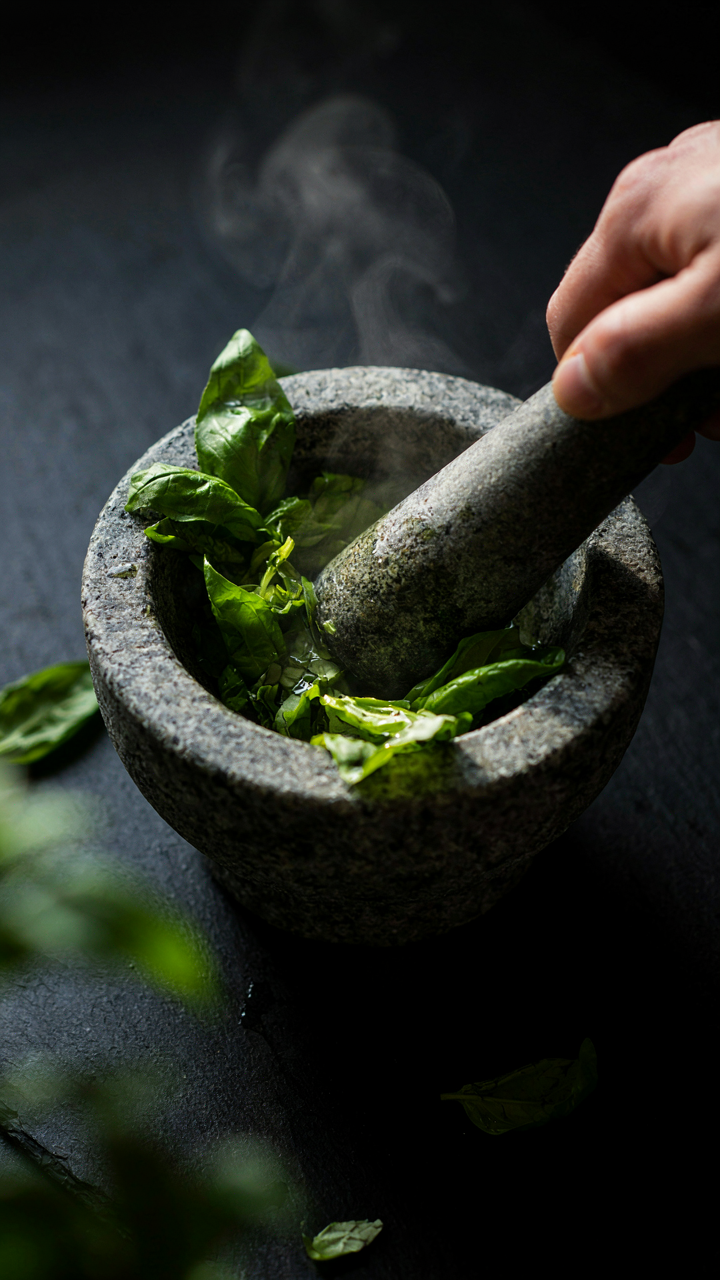
You want basil to look intentional, not like you forgot to remove it. Here’s what actually matters: muddling breaks cell walls in basil leaves, releasing volatile oils like linalool and eugenol. These compounds dissolve into your liquid and define the flavor profile. Without muddling, basil sits inert on the surface. With it, basil becomes the drink’s backbone.
The mechanism matters because timing changes everything. Muddle for two to three seconds maximum. Hit the leaves against the glass wall, not the bottom. Over-muddling bruises the plant tissue and pulls bitter chlorophyll into your mocktail. You want aromatic extraction, not plant destruction. The difference between a sharp, clean basil note and a muddy, vegetal one comes down to restraint and precision.
Building Flavor Through Cold Infusion
Most people think infusion means steeping hot water over basil. That’s wrong for mocktails. Cold infusion preserves aromatic compounds that heat destroys. Place fresh basil leaves in your berry base, refrigerate for two to four hours, then strain. The alcohol-free environment lets the oils transfer without volatilizing away.
The real power lies in timing your infusion to match your event. Pre-infuse six hours before serving if you want deep basil presence. Infuse thirty minutes before if you prefer subtlety. Basil flavor compounds migrate into liquid gradually and unevenly, so earlier infusion concentrates the effect. Strain through fine mesh to remove particles that cloud the drink. This single step separates a professional mocktail from something that tastes like you threw ingredients together.
The “Less Is More” Sweetener Protocol
Natural Alternatives And Strategic Sugar Reduction

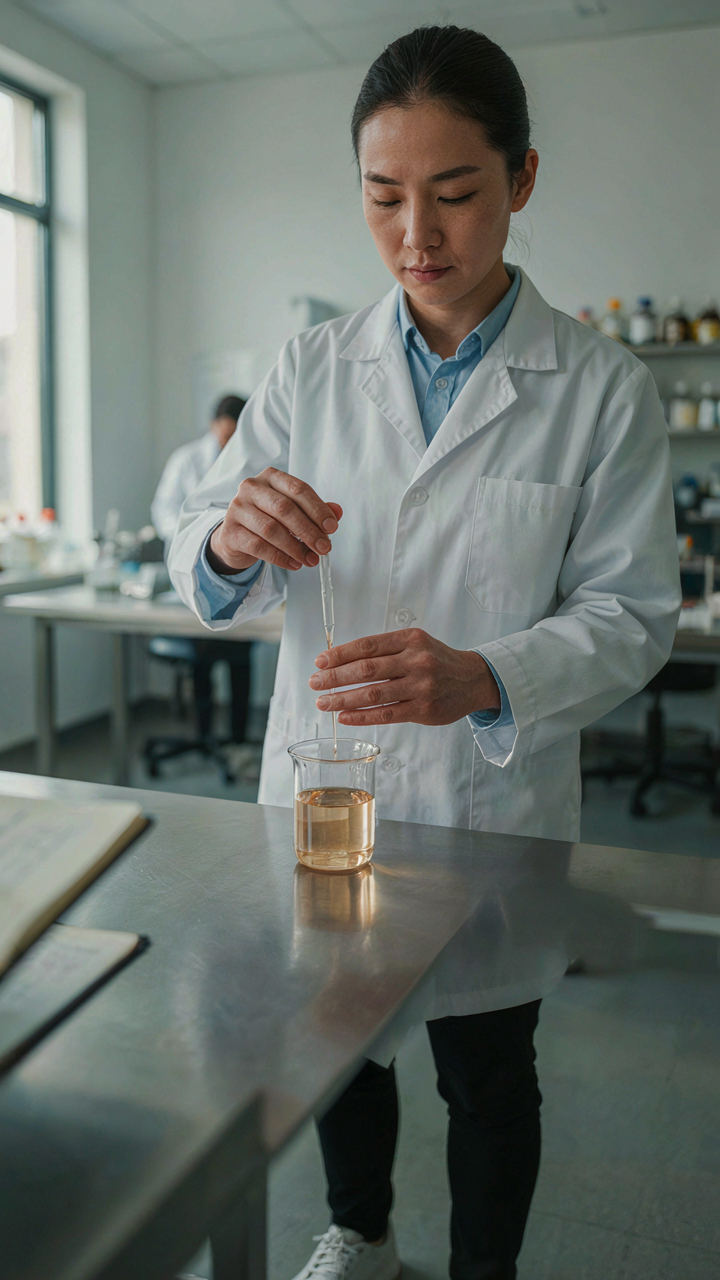
You want to serve something that looks intentional, not lazy. The real mechanism here is dosage control, borrowed directly from pharmacology: the minimum effective dose produces results without toxicity. A berry basil mocktail hits different when you use less sugar but distribute it strategically through acid and aromatic intensity instead of relying on sweetness alone.
Most recipes dump a quarter cup of simple syrup into the pitcher and call it done. That’s the mistake. Fresh berries already carry sugar. Basil carries volatile oils that read as complexity to your palate, which your brain interprets as “more” even when total sweetness drops. Start with one tablespoon of simple syrup per drink, taste, then add half a tablespoon more if needed. Honey works here too, but it masks basil’s peppery edge. Agave dissolves faster in cold liquid and doesn’t crystallize.
Avoiding The Cloying Trap
Cloying drinks fail because they silence other flavors, not because they’re sweet. Your job is making sweetness work alongside basil’s bite and berry tartness, not drowning them. Lime juice is non negotiable here. One half-ounce per drink cuts perceived sweetness by a third without anyone tasting “sour.” Lemon works but feels generic. Lime creates tension.
The protocol: build the drink with berries, basil, and ice first. Add sweetener second. Add acid third. Taste after each step. This order matters because sweetness coats your mouth and dulls the next flavor you add. Acid cuts through what’s already there. You’re not balancing flavors equally, you’re layering them so nothing dominates. That’s how you keep people coming back for a second drink instead of ditching the first one half-finished.
Carbonation Conundrum: The Right Fizz Matters
When Bubbles Actually Matter

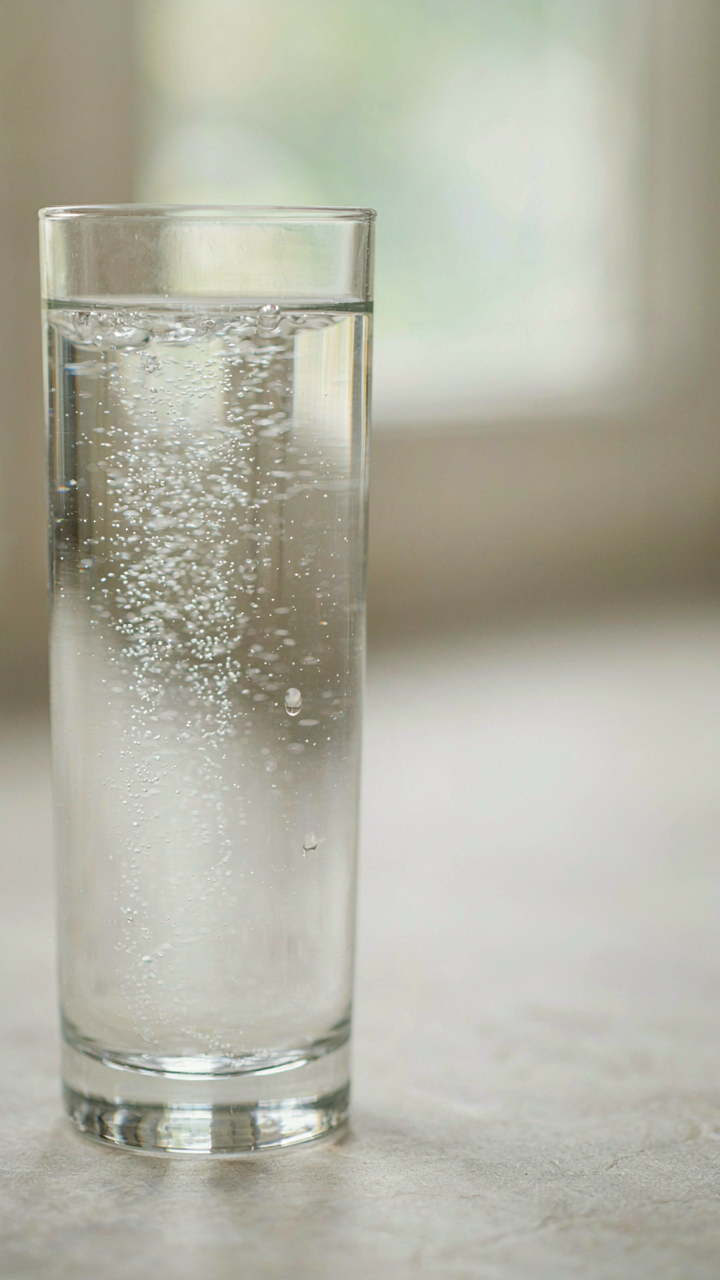
You care about this because fizz feels like an upgrade you can’t quantify. You want permission to spend more. Here’s the mechanism: carbonation works on texture, not taste. Soda water and sparkling water differ in mineral content and pH. Soda water contains added sodium bicarbonate, which creates larger bubbles and a sharper mouthfeel. Sparkling water relies on injected CO2 alone, producing finer, more persistent bubbles that integrate with berry and basil flavors rather than dominating them.
In a berry basil mocktail, sparkling water wins because small bubbles distribute the botanical notes evenly across your palate. Soda water’s alkalinity fights the acidity of berries and muddies the herbal clarity you’re after. The bubble size determines how fast carbonation breaks down and how long flavor lingers. Pick sparkling water if you want the drink to taste intentional. Pick soda water if you want the drink to announce itself.
Homemade Carbonation Changes The Game
Most people skip home carbonation because they assume it requires equipment they don’t own. That’s incomplete thinking. A carbonation bottle system gives you control over bubble intensity that commercial options don’t. You carbonate the base liquid, then add berries and basil after, preventing over-saturation of delicate flavors. The CO2 stays trapped in the liquid itself rather than escaping before the drink reaches your guest.
The protocol: chill your berry basil base to 38 degrees or colder, load it into a carbonation bottle, charge with CO2, and refrigerate for two hours minimum. Serve within six hours to maintain carbonation. Homemade carbonation lets you dial fizz to the specific density you want, something batch production can’t touch. This is the real separator between a drink someone forgets and a drink people ask you to make again.
Ice Is Not Just Ice: The Thermal Dynamics Of Refreshment
Surface Area Controls Dilution, Not Temperature Alone

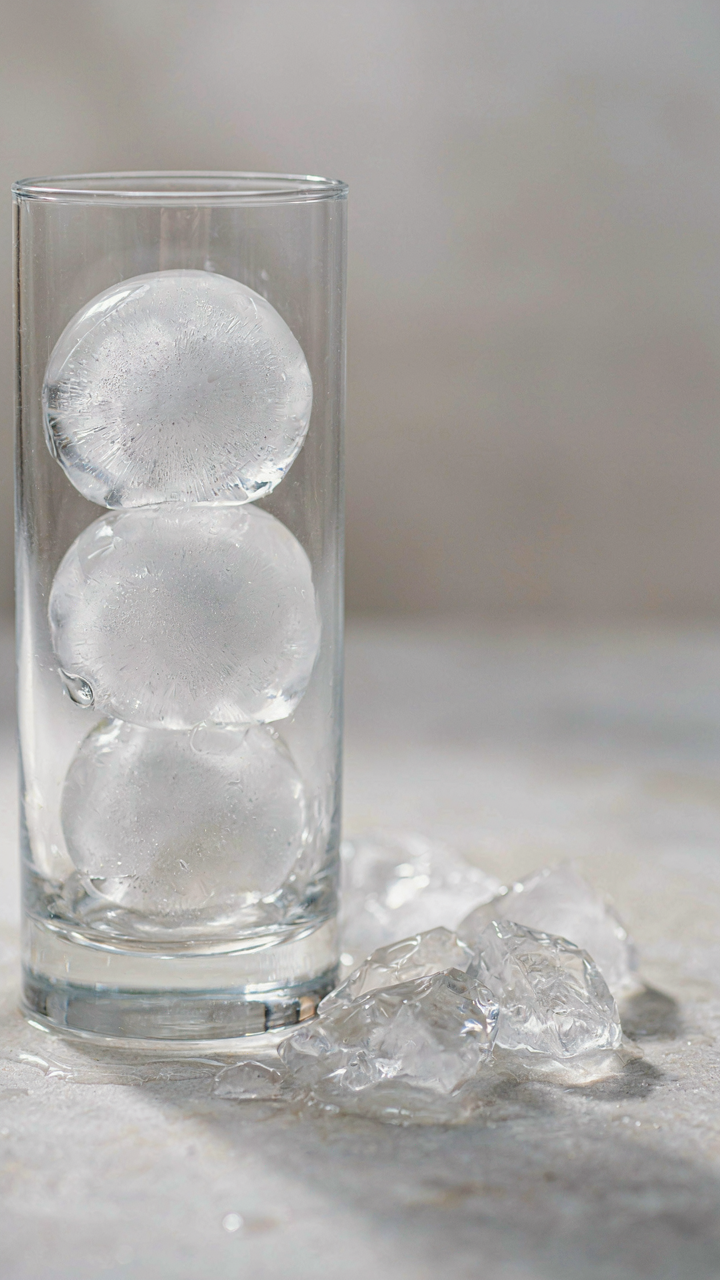
You want ice that keeps your berry basil mocktail cold without turning it into flavored water by hour two. That’s the real problem nobody names. Physics teaches us that surface area determines heat transfer rate, and your ice cubes are the thermal interface between cold and dilution. Larger cubes expose less surface to the liquid, melting slower and releasing water more gradually into your drink.
Standard crushed ice fails because it maximizes surface area, accelerating melt and flooding your mocktail with meltwater before the basil and berries finish releasing their compounds. A single large cube or a few medium cubes (roughly one and a half to two inches) maintains temperature while controlling the pace of dilution. The geometry matters because physics doesn’t negotiate.
Rapid Chill Without The Watery Compromise
Thermal conductivity measures how fast heat moves through a material, and ice beats every alternative at transferring ambient warmth away from your drink. Most people believe any cold liquid requires crushed ice for speed, but that trades efficiency for control. Dense, larger ice pieces chill faster than you’d expect because they conduct heat aggressively while their reduced surface area resists premature melting.
Pre-chill your glassware before pouring. Fill the glass with ice and cold water two minutes ahead, then dump and refill with your mocktail and fresh ice. This eliminates the first ten seconds of heat loss to the glass itself, keeping your berry basil mocktail at target temperature for twice as long without adding extra meltwater. The protocol compounds the effect.
The Strawberry Basil Mocktail Deconstructed: An Icon Reclaimed
Why Strawberry And Basil Actually Work

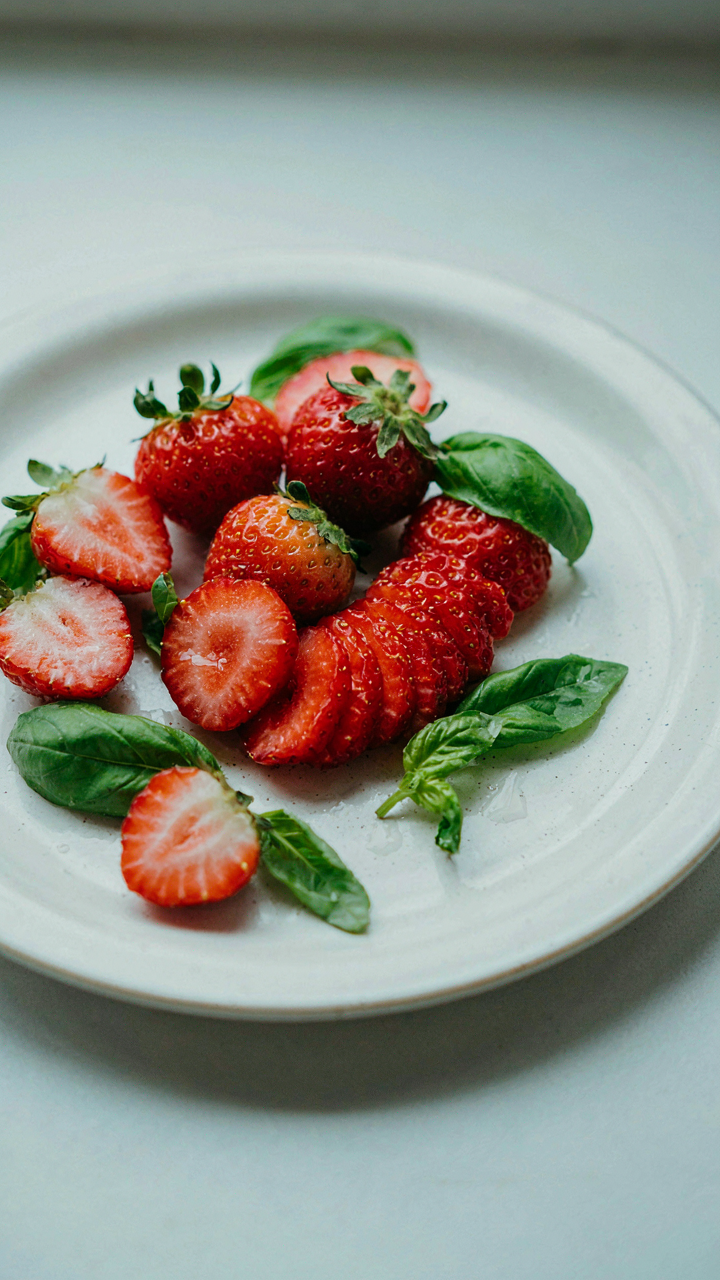
You want to know this pairing works because you’re tired of guessing which flavors belong together. The real mechanism is chemical: strawberries contain esters and aldehydes that create sweetness and slight fruitiness, while basil’s linalool and eugenol compounds trigger peppery and anise-like notes. These molecules don’t compete. They occupy different taste receptors, so your palate reads them as complexity instead of chaos. The acid in strawberries also brightens basil’s inherent bitterness, which prevents the herb from flattening the drink.
Temperature and timing control whether this pairing sings or collapses. Crush basil leaves seconds before mixing, not minutes. The longer basil sits, the more chlorophyll oxidizes and turns the drink muddy and herbally harsh. Strawberry juice oxidizes too, so use fresh berries within a few hours of blending. Cold temperatures slow oxidation, which is why chilling the base before adding the herb preserves the clean flavor profile. Heat accelerates breakdown, which kills the drink entirely.
Mint, Thyme, And Rosemary: The Conversation Nobody Has
Most berry mocktail recipes default to mint because it’s safe and familiar, not because it’s optimal. Mint masks rather than complements strawberry, burying the fruit under cooling menthol. Thyme works instead. It contains thymol, a compound that adds earthiness without overwhelming sweetness. Fresh thyme pairs with strawberry the way rosemary pairs with citrus: the herb’s volatility creates tension that makes the base fruit taste more alive. Rosemary pushes harder. Its piney notes work only if you use a single small sprig steeped for thirty seconds maximum, or the drink tastes medicinal.
The variation that actually delivers is thyme. Strip the leaves from two small sprigs, don’t bruise them, and add during the basil muddle step. Thyme’s flavor profile sits lower on the taste spectrum than basil, so it supports rather than competes. Rosemary belongs in a different category entirely: it works as a secondary garnish element, not a base herb. Test the ratio with one sprig per sixteen ounces of liquid, taste, then decide whether to add more. Never guess the herb quantity. Measure it.
Building A Better Mocktail: The Layered Approach
The Order Of Your Ingredients Matters More Than You Think

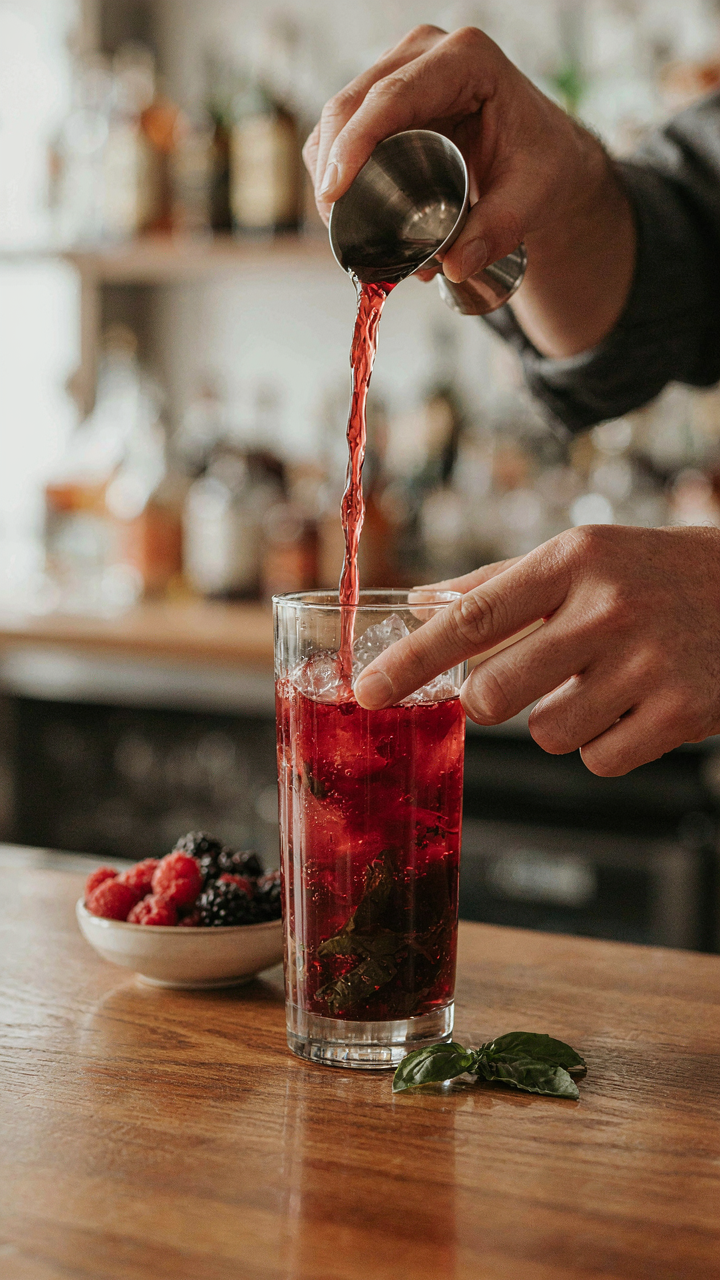
You want people to think you know what you’re doing. That’s why ingredient sequence actually matters—it’s not theater, it’s chemistry. The berry basil mocktail teaches order like thermodynamics teaches heat transfer: what you add first shapes what comes next. Sugar dissolves fastest in liquid, so it goes in the base. Citrus goes after, cutting through sweetness. Basil goes last—its volatile oils dissipate quickly, so late addition preserves the aroma that makes people notice the drink exists.
Most recipes skip this entirely and just dump everything together. That’s why most homemade mocktails taste like regret in a glass. The mechanism is simple: early ingredients set the foundation, middle ingredients create balance, late ingredients deliver the sensory punch. Build your berry basil mocktail in sequence—muddled berries and sugar first to extract juice, fresh lemon or lime second to brighten, basil leaves last to stay aromatic. This order forces the drink to taste intentional instead of accidental.
Stir With Purpose, Not Vigor
Vigorous stirring kills the thing you paid for—carbonation and the delicate basil aroma. Gentle stirring combines without destroying. The physics term is momentum transfer: you’re moving mass through liquid to integrate flavors while preserving gases and volatile compounds. Basil essential oils escape into air when agitated. Carbonation escapes the same way. Both losses happen fast, both are permanent.
Use a long bar spoon and stir in a slow, deliberate motion for 10-15 seconds maximum. The goal is integration, not aeration. Cold ingredients already help flavors blend—you’re not fighting resistance. This is why temperature control matters: chill your glass and ingredients before assembly. Stir once gently, pour over fresh ice, and serve immediately. The berry basil mocktail survives on timing, not technique.
Blackberry Basil Mocktail Non Alcoholic: Dark Horse Flavor
Taming Blackberry’s Assertive Edge

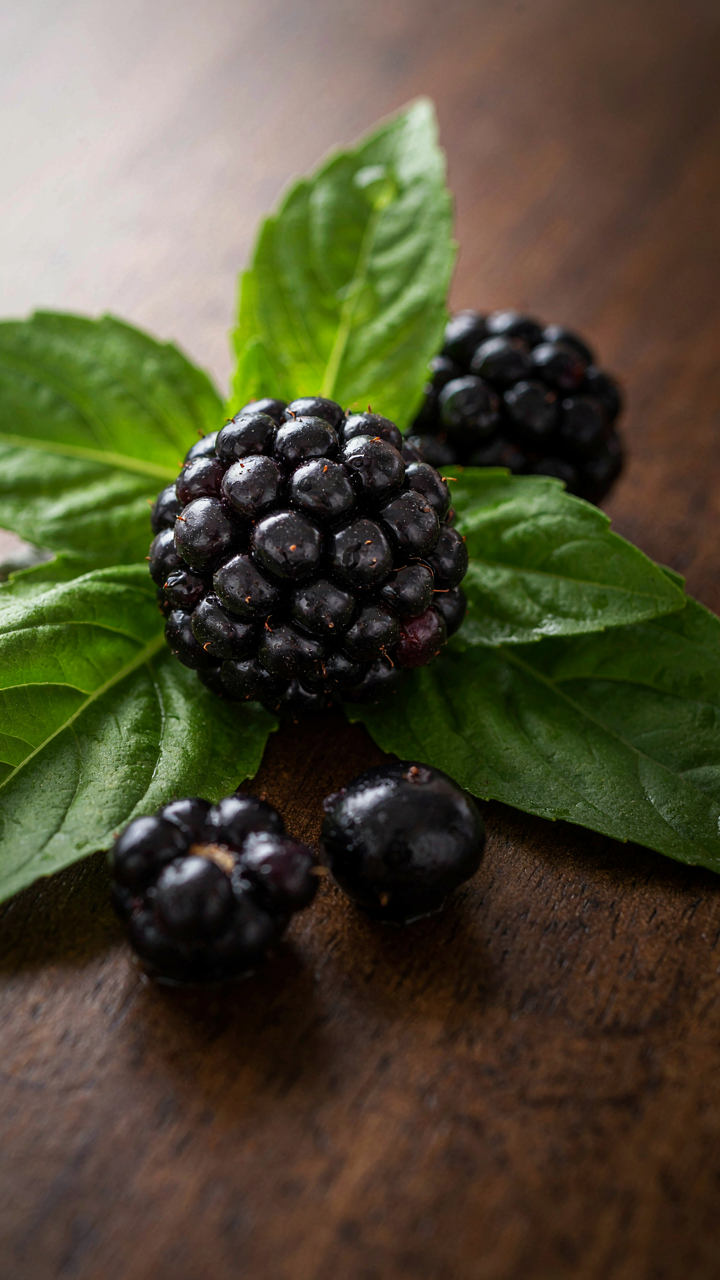
You want people to think you know something about flavor balance that most hosts don’t. Here’s the mechanism: blackberries contain tannins, the same compounds that dry your mouth in red wine. In chemistry terms, tannins bind to proteins in your saliva, creating that astringent sensation. This is the real problem everyone dances around. You don’t need less blackberry. You need to understand what’s actually happening in the glass.
Basil counteracts tannin aggression through its aromatic oils and slight alkalinity, which softens the drying effect. Fresh basil added during the final pour, not muddled early, preserves these oils and prevents them from oxidizing into bitter compounds. The timing matters more than the quantity. One ounce of fresh basil per four servings keeps blackberry’s depth without the harsh edge that kills conversation at outdoor events.
Unexpected Black Pepper And Ginger Notes
The consensus says use fruit and herbs only. That’s incomplete advice built on fear of doing something “wrong.” Culinary science borrowed from spice pairing reveals that piperine in black pepper and gingerol in fresh ginger share chemical pathways with basil’s linalool and eugenol. They don’t clash. They amplify each other’s brightness while masking the tannin roughness.
Add one quarter teaspoon of cracked black pepper per pitcher and a half-inch slice of fresh ginger steeped for three minutes before straining. The pepper dissolves into the liquid without grittiness. The ginger dissolves its compounds without leaving fibrous debris. Neither ingredient should be visible in the final drink. Layer these additions thirty seconds after pouring blackberry juice, before adding the basil, so the ginger’s heat primes the palate for basil’s cooling effect.
The Outdoor Gathering Imperative: Logistics Of Freshness

Prep Ahead Strategies That Actually Work

You want to show up looking prepared instead of sweating over a cooler. The mechanism is simple: berry and basil both oxidize and wilt at different rates, so you don’t prep them the same way. Most people muddle everything at home, arrive with brown mush, then blame the ingredients.
- Freeze berries separately two hours before departure: Cold berries release juice slower during transport and maintain structure longer. Store in a sealed container, not loose in ice.
- Keep basil leaves on stems until mixing: Whole stems stay fresher than stripped leaves. Wrap in damp paper towel inside a plastic bag to prevent bruising and moisture loss.
- Pre-cut citrus at home, store in airtight container: Lemon and lime juice oxidizes immediately but sealed citrus halves stay bright for six hours. Bring extras.
- Chill your mixer and serving glasses in advance: Cold glass slows dilution from melting ice. Pack them wrapped in towels or bring a separate cooler just for glassware.
- Mix syrup base before leaving: Combine sugar, water, and any infusions at home in a sealed jar. This cuts prep time at the gathering to under two minutes per drink.
The math here is about surface area and time. Whole berries and intact basil stems have less exposed surface for oxidation. You assemble the drink on site, not hours before, so flavor compounds stay stable until the moment someone drinks it.
Portable Presentation Without Compromise
Elegant doesn’t mean fragile. The best portable setup uses design thinking from industrial packaging, not hospitality theater. You need vessels that protect the drink, not costumes that make the drink harder to consume.
Pack a dedicated cooler with drink components separated by category: spirits section, mixers section, ice section, glassware section. Use clear containers so you see inventory without opening. Basil and berries travel separately from liquids to prevent flavor bleeding. Bring a small cutting board and one sharp knife instead of a full bar kit. One heavy-duty cocktail spoon and a jigger handle both mixing and pouring. Glassware should be durable glass or high-quality plastic that doesn’t cloud. The person mixing the drink should spend thirty seconds max per batch, not five minutes hunting supplies.
Elevating Alcohol Free Drinks: A New Standard
The Primary Choice, Not The Backup
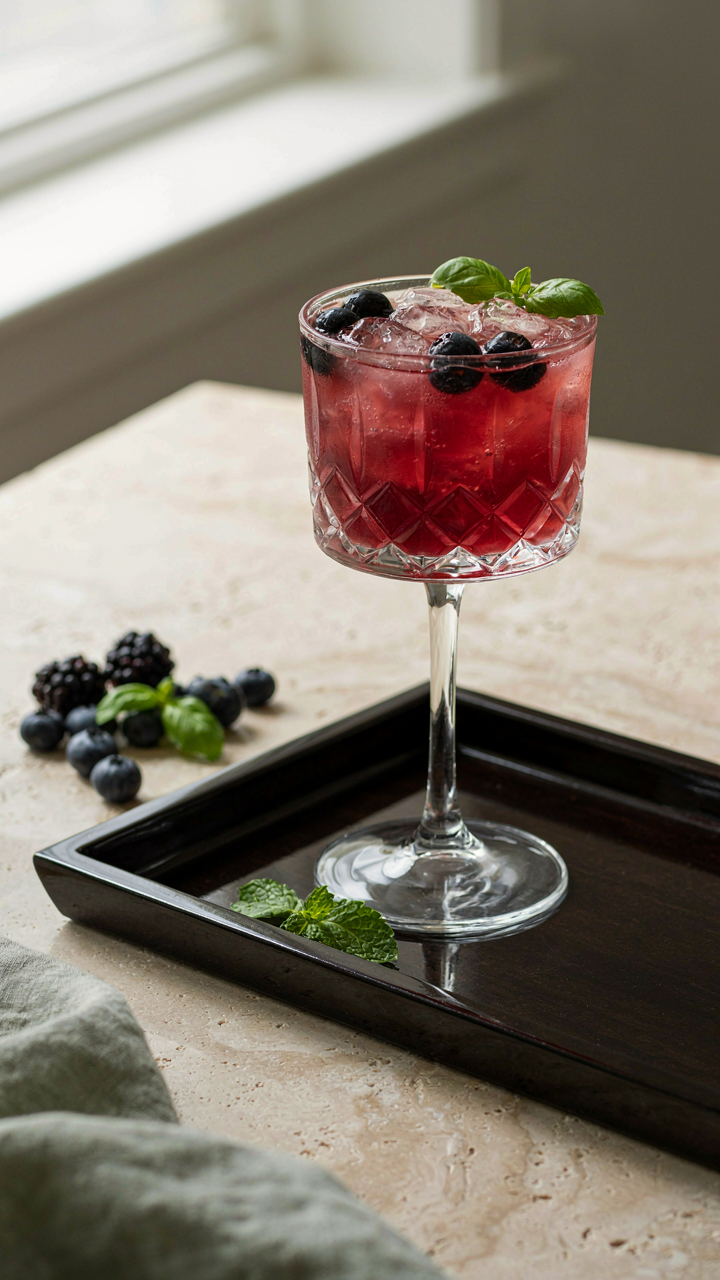
You want permission to serve mocktails without apology. That’s the real ask. The mechanism is simple: the moment you frame a drink as a substitute, you’ve already lost the room. A berry basil mocktail isn’t a “non-alcoholic alternative”—it’s a distinct beverage category with its own design rules. Bartenders solved this problem decades ago by building mocktails from first principles instead of copying cocktail templates and removing one ingredient. A mocktail demands intentional flavor architecture, layered texture, and technical execution that alcohol-free status actually enables rather than limits.
The shift requires one operational change: stop sourcing recipes from cocktail books and start treating mocktails as a standalone discipline. Your berry basil mocktail should deliver complexity through fresh herb saturation, fruit acidity balance, and carbonation timing that a spirit-based drink would mask. When guests understand the drink was engineered for clarity and botanical presence, not designed around compromise, perception flips entirely. Serve it first at your gathering, not after the bar runs dry.
The Four Sensory Leverage Points
Sensory architecture borrows from industrial design—every element must solve a specific perception problem. Think of the berry basil mocktail as a four-channel system: visual clarity signals freshness, aroma triggers appetite, texture creates mouthfeel expectation, and taste delivers the payoff. Most hosts neglect two of these channels completely and wonder why guests feel like they’re drinking cordial.
- Sight: Use clear glassware and float fresh basil leaves or berry slices on the surface. Cloudiness signals inferior ingredients or poor technique. Clarity communicates control.
- Smell: Slap basil leaves between your palms thirty seconds before garnishing to release volatile oils. Guest’s olfactory system processes aroma before taste reaches the tongue, so this layer primes expectation.
- Texture: Combine crushed ice with still and sparkling components. The contrast between dilution from ice melt and carbonation’s bite creates a dynamic mouthfeel that holds attention through multiple sips.
- Taste: Layer berry juice (fresh pressed, not concentrate) with basil infusion, citrus acid, and a touch of sweetener that never dominates. Each sip should register three distinct flavor notes in sequence.
- Temperature: Serve at 38-42 degrees Fahrenheit. Too cold numbs flavor. Too warm accelerates oxidation. Precision here separates beverage from mistake.
The execution path is concrete: prepare your basil infusion six hours before service by steeping two ounces of fresh basil in one cup of filtered water at room temperature, then strain and refrigerate. Fresh berry juice must be pressed within two hours of service. Build each drink to order rather than batching, adding ice last to prevent over dilution before guests arrive.
The Real Obstacle Isn’t The Alcohol; It’s Your Low Standards For What A Drink Can Be
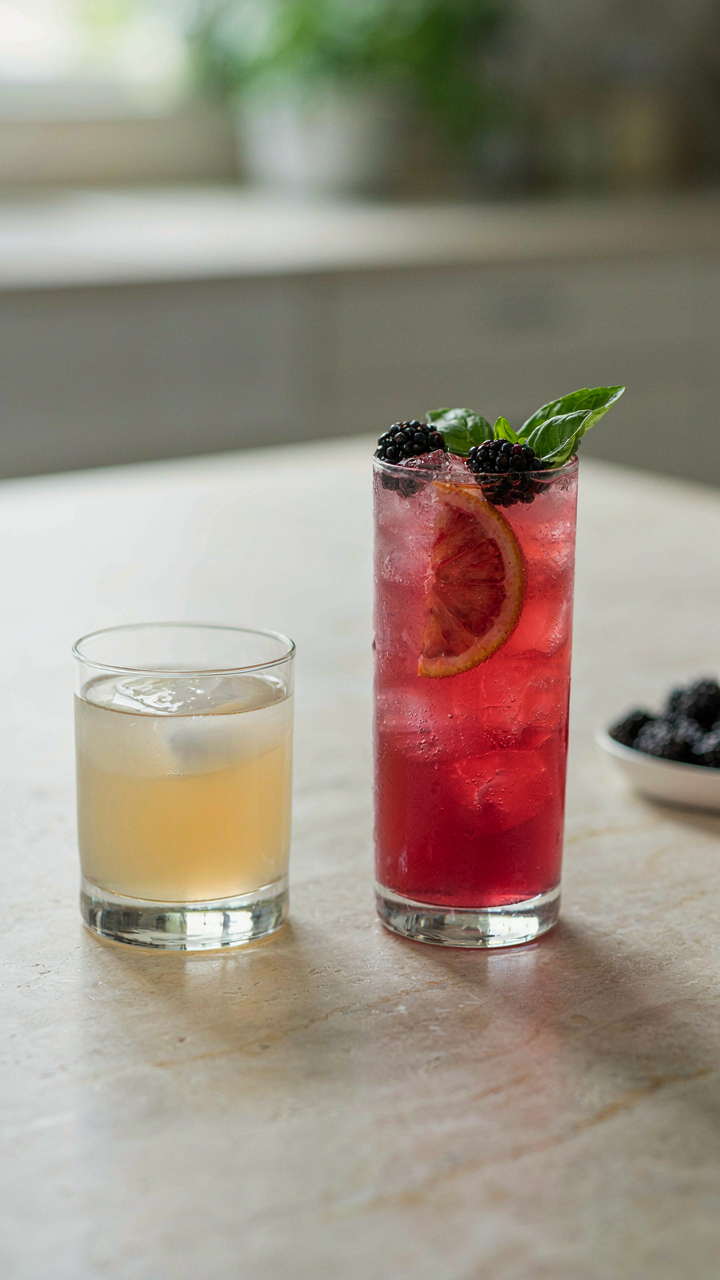
Most people accept whatever gets poured in front of them. A berry basil mocktail forces you to decide: do you want something that tastes like nothing, or something that tastes like intention? Make one today. Not tomorrow. Today. Notice how a real drink changes the entire vibe of a gathering. Once you experience that shift, you’ll never settle for mediocre refreshment again. Your taste buds have been lying to you about what’s possible.