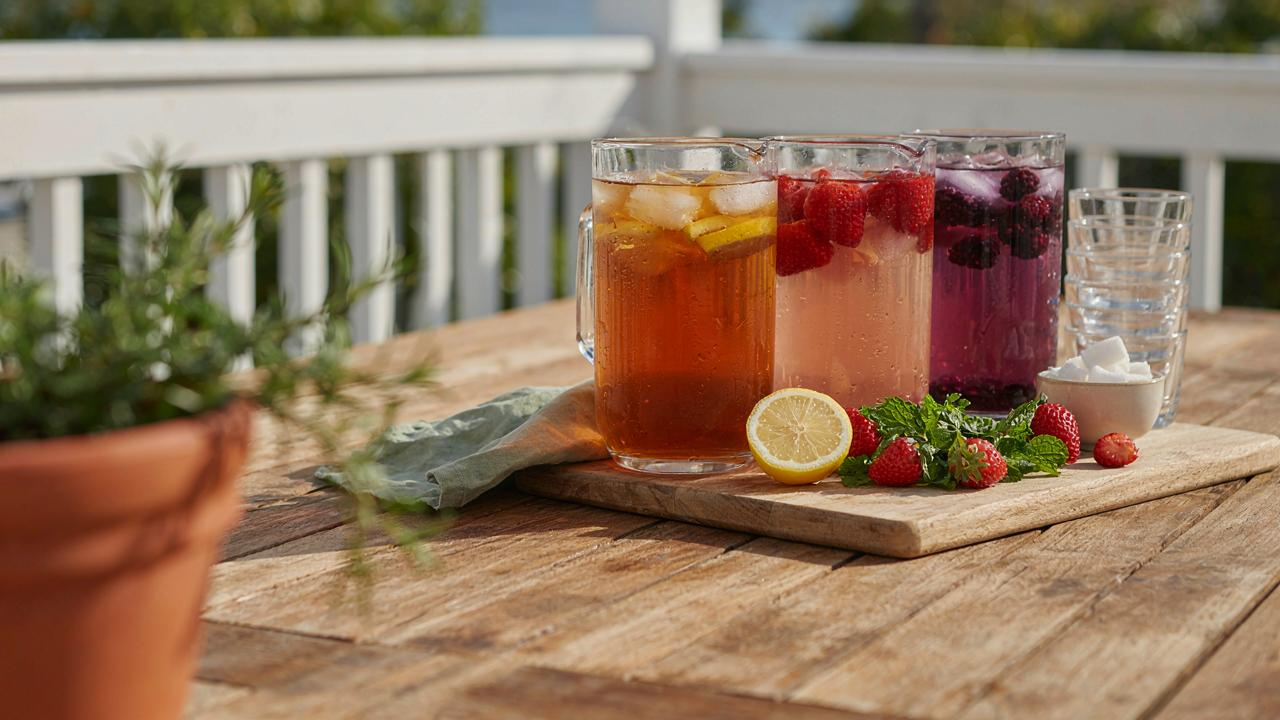
The Unnecessary Complexity Trap Of Most Iced Tea Bar Setups
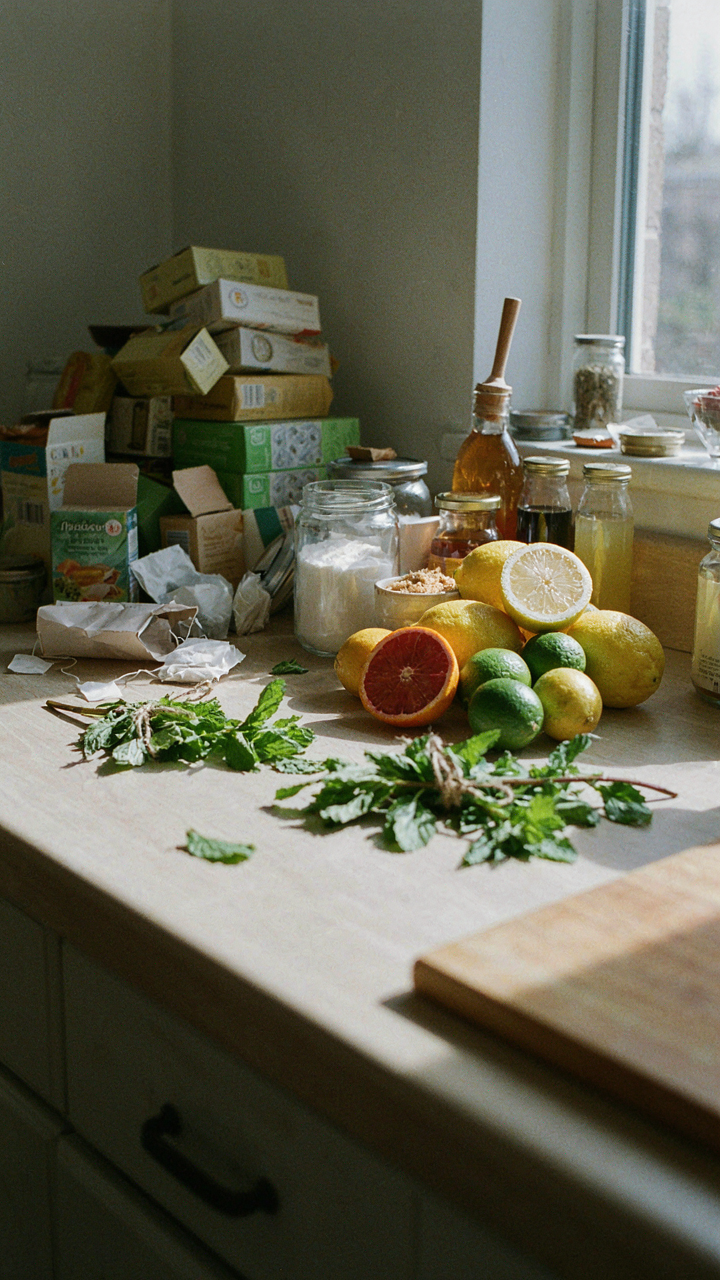
The Real Cost Of Feature Creep
You want guests to think you’re thoughtful. That’s the actual driver here. So you stock eight tea varieties, four sweetener options, three citrus types, and a mint selection. The mechanism is status anxiety masquerading as hospitality. More choices signal effort and taste. But effort doesn’t translate to enjoyment, and your guests don’t track your inventory anyway. They want tea. Cold tea. You’re building a museum when you should be building a system.
The problem compounds fast. Each addition requires prep work, shelf space, mental load during the event, and cleanup after. You’re trading guest experience for perceived sophistication. Your job isn’t to showcase every tea on the market. Your job is to serve cold tea so well that people don’t think about it. Simplicity is the constraint that forces actual design decisions instead of just accumulation.
When More Selection Kills The Decision
Economic theory calls this the paradox of choice, and it applies directly to your bar setup. Too many options create friction. Guests spend mental energy deciding instead of enjoying. They second-guess their selection. They wonder if they picked wrong. A guest standing in front of twelve tea varieties for two minutes has already mentally left your gathering.
The real move is to offer one or two core options, then one optional upgrade. Black iced tea as your anchor. Maybe a herbal option. One premium tea as a third choice. Sweetener and lemon on the side. That structure gives choice without paralysis. Guests make a decision in five seconds and move on. They remember the tea experience, not the menu. Your prep time drops by seventy percent. Set your bar to this standard and watch how much easier your event runs.
Minimalist Tea Bar: The 3 Ingredient Rule For Summer Iced Tea Bar Success
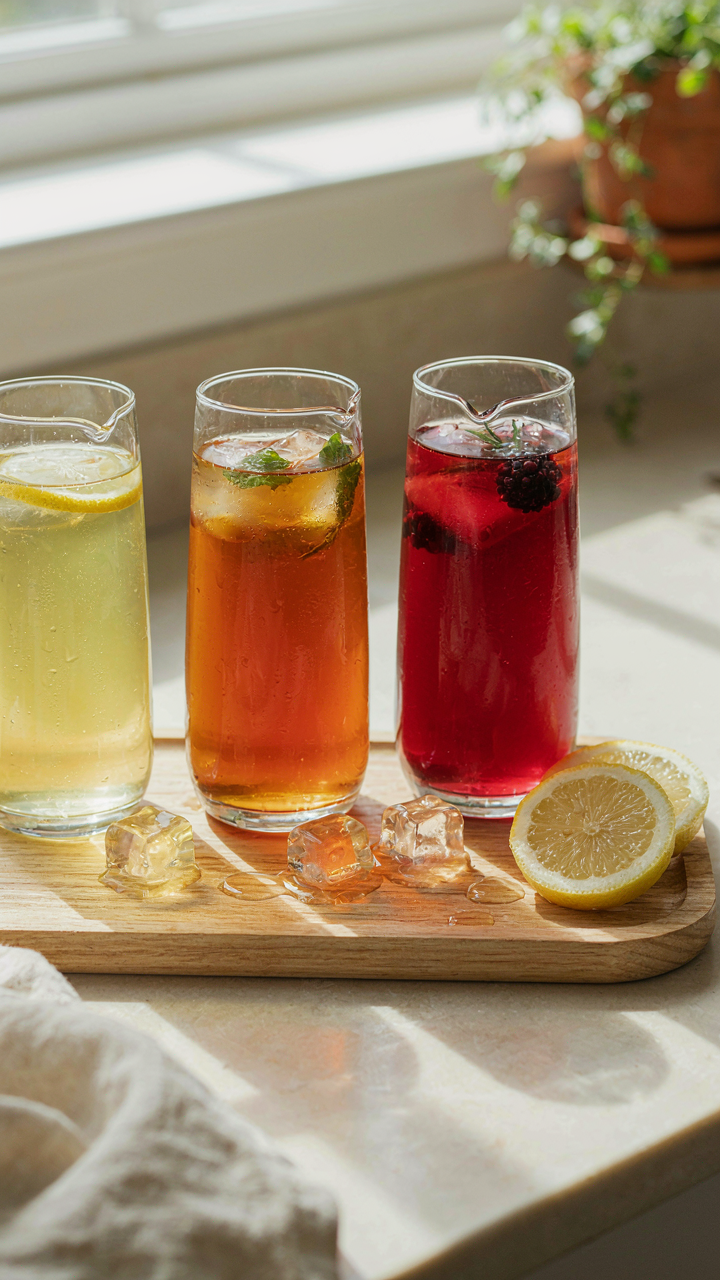
The Core Setup That Actually Works

You want your guests to feel like they have options without you spiraling into prep work the night before. Here’s the mechanism: constraint increases satisfaction because it removes the friction between desire and action. Tea, ice, and one sweetener is not a limitation. It’s a system.
Most hosts think more choice equals better experience. Wrong. A guest walks up to your tea bar, sees fifteen flavor combinations, and freezes. They either grab something fast without thinking or skip it entirely. Three components eliminate that paralysis. Brew strong tea, keep ice cold, let them sweeten to preference. That’s the entire operation.
When Your Guests Choose, You Stop Working
Decision fatigue is borrowed from cognitive load theory, which measures how much mental energy a choice requires. Every option your guest considers is a small drain on their attention. You’re hosting them to relax, not to tax their brain.
The single most effective protocol: set up the bar with tea already brewed and cooled, ice in a designated container, and sweetener in a small bowl with a spoon. Guests pour their own. No asking. No you behind the counter explaining options. You return to your actual gathering while they handle a thirty-second decision that feels like control. Station everything within arm’s reach so someone never has to ask where the sugar is.
The Strategic Placement Of Your Iced Tea Bar Station

Where People Actually Walk, Not Where You Think They Should

You want your bar positioned where guests naturally congregate because you’re afraid it’ll look neglected in a corner. Here’s the mechanism: foot traffic isn’t random. Apply the concept of “desire paths” from urban planning. Guests follow the shortest, most obvious route between entry points, seating areas, and bathrooms. Your iced tea bar must sit on an existing traffic corridor, not perpendicular to it. Position it where people already move, not where symmetry looks good.
The secondary benefit is surveillance. From your bar location, you should see 60 to 80 percent of your gathering space without turning your head. This lets you monitor consumption, ice levels, and refill timing in real time. Place it near a natural pause point—the transition between lawn and patio, or kitchen to outdoor space—where people naturally slow down. This converts passing traffic into actual customers. A bar that requires guests to deviate from their path converts nobody.
Ice Survival And Temperature Management
Thermodynamics isn’t optional here. Every iced tea bar sits inside an environment where ambient heat attacks ice the moment it enters the space. Direct sun exposure melts ice three times faster than shade. Position your bar in partial or full shade if possible, or use shade cloth stretched over the service table. The barrier blocks radiant heat, not just light. Without shade, you’ll refill ice every 45 minutes instead of every 2 hours.
The second tactical layer is insulation timing. Pre-chill your tea to 38 to 40 degrees Fahrenheit before service starts. Stock ice in an insulated bin separate from the serving vessel, only transferring what you need into the guest-facing dispenser every 20 to 30 minutes. This slows the total melt rate because the reserve supply stays protected. Place the insulated bin under the table, out of sight and out of the sun, with a simple scoop system for restocking. Temperature control starts with planning the workflow before guests arrive, not improvising once they do.
Beyond The Brew: Crafting The Perfect Pitcher For Your Sweet Tea Bar
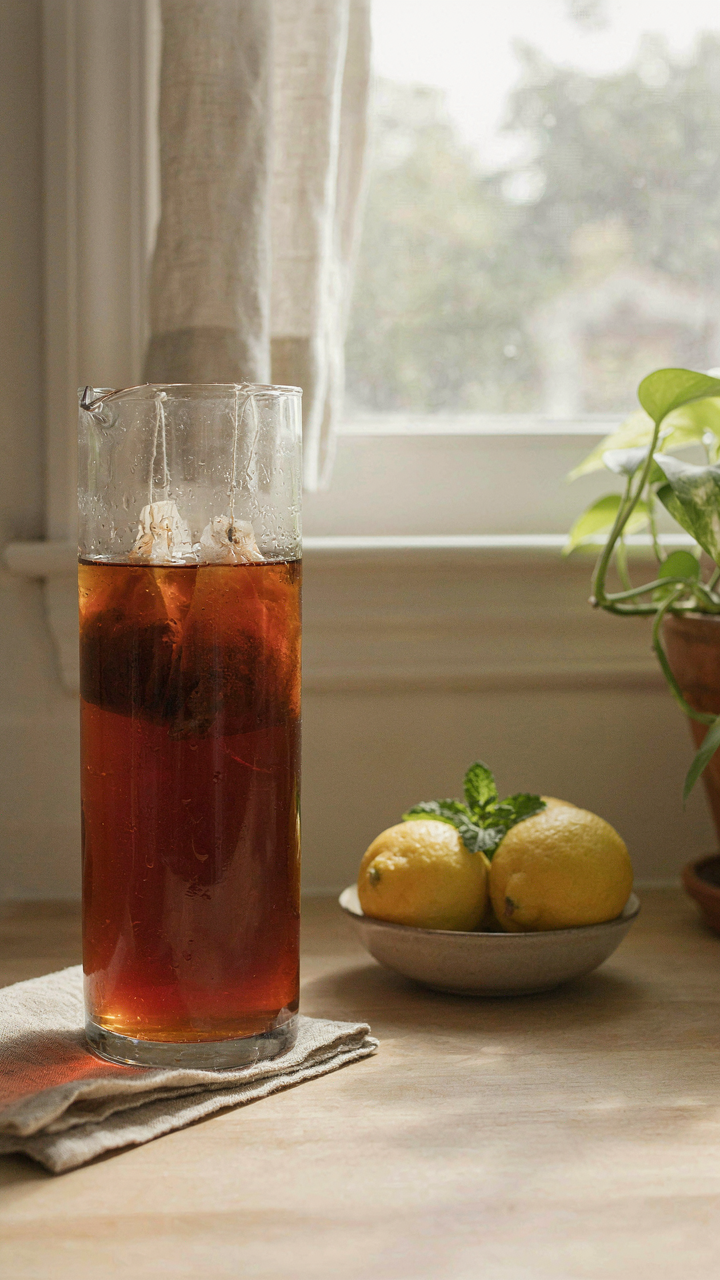
Cold Brew Versus Hot Brew

You want to look like you have your act together without actually spending your afternoon babysitting a kettle. Here’s the mechanism: cold brew extracts slower and more selectively than hot water, which means fewer tannins end up in your pitcher. This matters because tannins taste bitter. Hot brew pulls them fast, giving you a sharper, more astringent result that most people mask with extra sugar. For a bar serving 20+ people, cold brew wins on two fronts: superior flavor without the bitterness, and you brew it overnight while doing nothing.
Hot brew has one legitimate advantage: speed. You can produce cold-brew-quality flavor in three to four hours using the Japanese flash-chill method (brew hot, pour over ice immediately). But this requires active attention and ice discipline. Cold brew just sits. For summer gatherings where you’re already managing food and guests, cold brew removes a variable. Brew 24 to 48 hours before service. The flavor stays stable and improves slightly as it sits.
The Math Behind Bulk Batches
The ratio everyone repeats is one part tea to four parts water, which is incomplete nonsense. Tea leaves vary wildly in density and surface area depending on grade and cut. What actually works: start with one ounce of loose leaf tea per gallon of water for cold brew, then adjust by tasting at 18 hours. For hot brew destined for ice, use the same ratio but reduce your water by 15 percent because the ice melt will dilute it further. This prevents that watered-down finish people mistake for “refreshing.”
Document your ratio the first time you nail it. Write it down. Most hosts rebrew the same batch three years later and wonder why it tastes different. Temperature matters too. Cold brew works best between 65 and 75 degrees Fahrenheit. If your kitchen runs hotter, extraction accelerates and you risk over-steeping. For hot brew, let it cool to room temperature before adding ice, never ice it hot. Hot glass and thermal shock ruin both the pitcher and the flavor profile you just spent time building.
The Illusion Of Choice: When More Iced Tea Bar Ideas Undermine The Experience

Why Your Brain Breaks With Too Many Options

You think more flavors mean more impressive. The real issue is that your guests’ brains shut down when they face too many decisions at once. Psychologist Barry Schwartz documented this in consumer behavior research: beyond a certain threshold, choice becomes a liability. Applied to an iced tea bar, this means every flavor you add past the optimal number creates friction instead of delight. Your guests stand there longer, feel less satisfied with their pick, and mentally blame you for the paralysis.
The mechanism is simple. Decision fatigue is real. When someone confronts eight different iced tea options, five flavored syrups, three types of ice, and four garnish choices, their brain switches from “excited” to “overwhelmed.” They make a choice faster to escape the decision, not because they found what they wanted. You’ve optimized for abundance instead of clarity. The bar becomes a source of mild stress at an event designed to be relaxing.
Constraint Drives Better Execution
Curated selection wins every time. This isn’t opinion, it’s how high-end beverage programs actually operate. A Michelin-rated restaurant doesn’t offer thirty cocktails because limitations force intentionality. The bartender masters each drink. The flavors complement the food. The experience feels deliberate. When you commit to five iced tea options instead of twelve, you gain something real: you can actually execute them well.
Fewer options also change how people approach the bar. With three to four choices, guests make a faster decision and feel satisfied because scarcity creates perceived value. You spend less time restocking, preparing syrups, and managing waste. You also control the narrative. The bar tells a story instead of screaming “pick something, anything.” Limit your iced tea bar to one base tea preparation, two flavor options maximum, one syrup station, and one garnish tier. This is the protocol that converts an iced tea bar from a logistical headache into a functional asset.
Maintaining Your Tea Bar: A Zero Effort Resupply System
Pre Batch Your Base Tea The Night Before

You want people to think you spent no time on this. That’s the real fear driving most hosts—they want the casual look while secretly dreading the labor. Here’s the mechanism: batching operates on inventory principle, the same logic warehouses use. You’re creating stock, not making fresh batches on demand. Brew your base teas twelve to twenty-four hours ahead. This kills the bottleneck that kills your gathering.
- Cold Brew Concentrate: Brew loose leaf or bags at double strength in large pitchers. Store in the fridge. Dilute with water or ice at service time to control flavor intensity without rushing.
- Steeped and Cooled Batches: Brew hot tea normally, let it cool to room temperature uncovered for thirty minutes, then refrigerate. This prevents bacterial growth and maintains flavor better than immediate chilling.
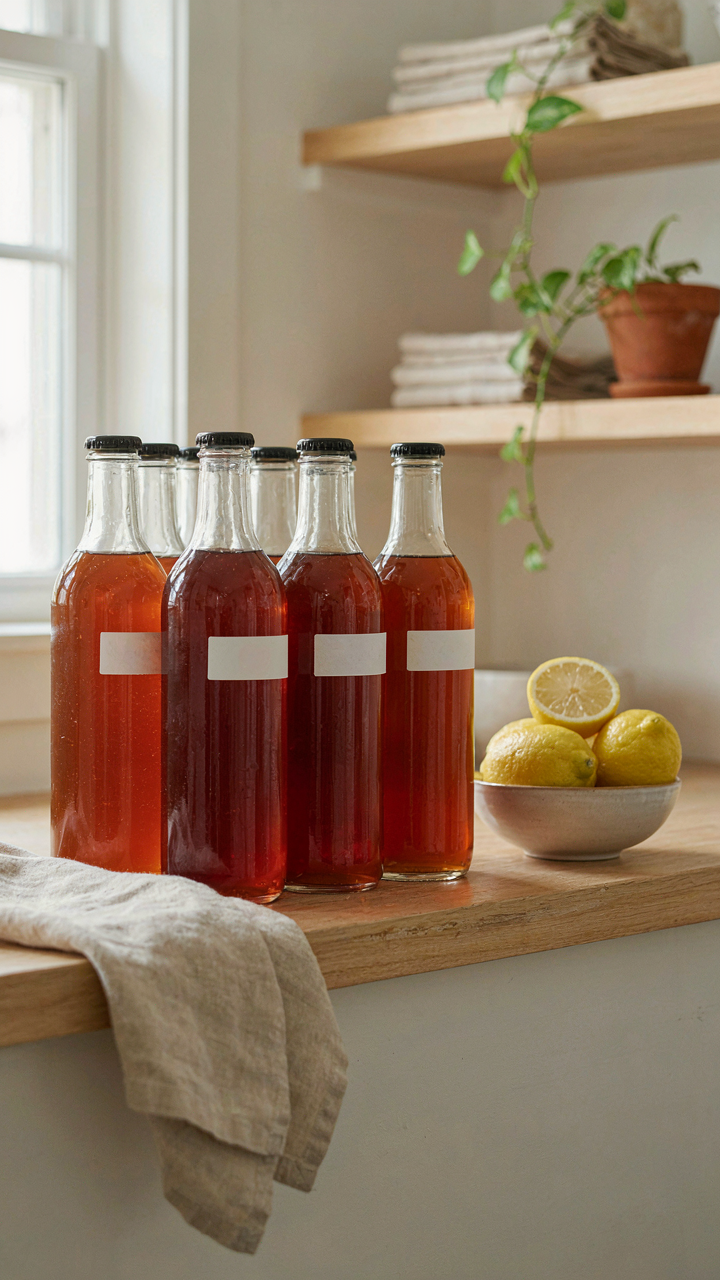
- Flavor Infusions Prepared Separately: Create lemon water, mint-steeped water, and simple syrup ahead. Keep these in labeled squeeze bottles. Mix into base tea only as guests request variations.
- Ice Reserves in Designated Containers: Fill shallow hotel pans with ice two hours before guests arrive. Keep backup bags in a cooler. Ice melts faster than people expect when ambient temperature is high.
- Garnish Prep in Sealed Containers: Slice lemons, limes, and prep herb sprigs the morning of service. Store in damp paper towels inside airtight containers. This prevents browning and keeps them fresh through your event.
Resupply happens on a fixed schedule, not by eyeball. Check every thirty to forty minutes. If a pitcher falls below one-third full, swap it immediately with a backup from the fridge. You’re managing inventory, not responding to emergencies.
Assign One Person The Tea Station, Not Multiple People
Most advice says “get helpers involved.” That’s how tea bars collapse. When three people think they’re responsible for refills, nobody is. Pick one person—ideally someone who likes structure over creativity. Their single job: monitor levels, swap empty pitchers, keep the station clean between rounds. Give them clear rules, then leave them alone.
That person should check the station every twenty to thirty minutes without needing reminders. Set a phone timer if they’re uncertain about intervals. They don’t rearrange cups, suggest flavor combinations, or make decisions about the tea. They stock and maintain. Everything else is guest-facing. This separation of duties prevents the chaos of well-meaning chaos.
The Unseen Cost Of “Cute”: Why Aesthetic Overload Fails Your Iced Tea Bar
Function Before Instagram Appeal

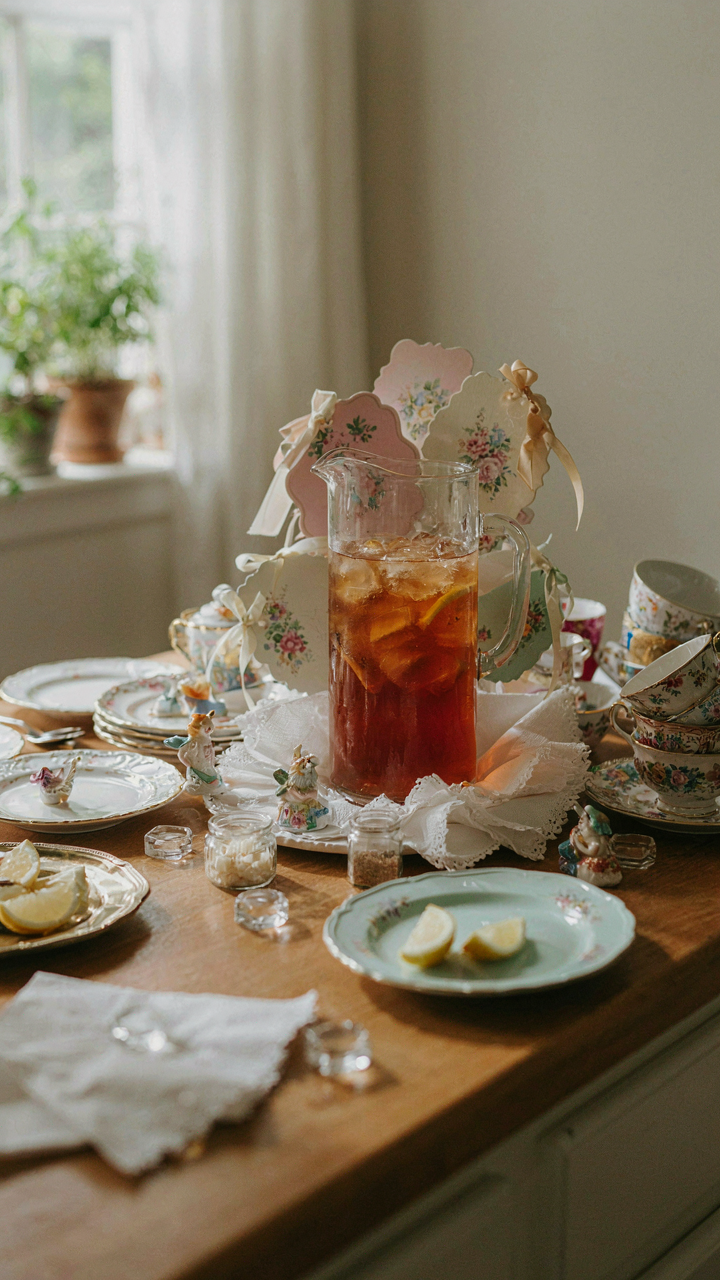
You want people to notice your setup and think you’re thoughtful. That’s the real driver here, and it ruins most iced tea bars. Borrowing from systems design, every element at your station has either load capacity or friction. Decorative items that don’t serve pouring, chilling, or ingredient access create friction. A mason jar with twine looks charming but blocks sight lines to the actual tea. A tiered stand looks professional but forces guests to reach across bottles to grab what they need.
The mechanism is simple: guests move slower around cluttered stations, they ask more questions instead of self-serving, and the whole operation collapses under minor traffic. Remove anything that doesn’t hold liquid, chill liquid, or hold ingredients. That’s your filter. A clear glass dispenser with a spigot works. Decorative ceramic pitchers don’t. Your job is making it easy to grab a drink, not winning design approval.
What Empty Space Actually Does
Most advice says “add character with styling touches.” That’s wrong. Empty space is your working surface. Restaurants design stations with white space intentionally because it speeds transactions and reduces errors. Your iced tea bar needs at least six inches of clear counter space on either side of the dispenser. This prevents bottles from tipping, allows two people to work simultaneously, and makes refilling obvious when levels drop.
The cluttered bar breaks down in the second hour when someone knocks over a sweetener jar or can’t find fresh cups. Place only what’s being used right now on the surface. Store extra supplies, backup jars, and all decorative elements below or behind. Keep ice buckets, glasses, and spoons within arm’s reach of the pour point. This single protocol eliminates ninety percent of service failures and makes your bar run like it’s staffed.
Optimizing Your Iced Tea Bar For Guest Autonomy

Make The Setup Impossible To Misread

You want guests to serve themselves so you stop playing bartender. That’s the real reason this matters. The mechanism is friction reduction: every unclear step is a guest standing there waiting for instruction instead of moving. Label every container with what’s inside and how to use it. Use white adhesive labels with black text, positioned at eye level on pitchers and jars. Font size matters—go large enough that someone reading from twelve inches away gets it instantly. Include brew temperature and steep time if guests might brew fresh batches.
The positioning of your bar follows a single-line logic: guests move left to right in sequence without backtracking. Cold tea first, then bases or concentrates, then mixers and garnishes last. Put ice at the end so it doesn’t dilute while someone decides between honey and agave. Your layout should eliminate questions before they form in someone’s head.
Remove The Need For Your Input
People ask the host questions because the system doesn’t answer them first. Write the answers down and post them at eye level on a small card or printed sheet. Include ratios: how much concentrate to water, how much syrup per glass, what garnish works with what flavor. The card removes ambiguity and keeps you free. A guest who knows the formula acts independently instead of seeking permission or guidance. This is the actual win.
Your job transitions from server to setup engineer. Once the bar is running, you’re not managing it—the system is. Prepare extra ice before guests arrive so the bucket never empties mid-party. Refresh garnishes and bottles when they run low, not when someone asks. This prevents the bar from becoming a stalled checkpoint where the experience breaks down.
The Single Best Indicator Of A Successful Tea Bar

You Want People To Forget You’re Hosting

You’re reading this section because you want validation that your setup will impress people, but that’s the trap. The real measure of a tea bar’s success isn’t compliments or Instagram photos. It’s the moment guests stop asking you questions about it and start making their own choices independently. In systems theory, this is called negative feedback: the host disappears from the interaction loop entirely.
When your tea bar runs without your intervention, the mechanism is working. Guests navigate the display, combine flavors, adjust sweetness, refill cups, and clean up after themselves without seeking permission or guidance. This only happens when the physical layout and labeling are so clear that every option’s purpose and method become self-evident. Confusion generates dependency. Clarity generates autonomy.
What Success Actually Looks Like In Numbers
The common wisdom is that a successful tea bar gets used throughout the event. That’s incomplete. Track this instead: the time gap between when you stop actively talking about the bar and when guest participation levels drop by half or more. If people gravitate back after you step away, the bar succeeded. If traffic dies the moment you stop promoting it, the design failed.
Measure in discrete actions, not feelings. Count how many guests refill their own cup without asking for help. Notice whether people linger around the station or grab and go. The highest-performing bars have a dwell time of two to four minutes per visit, with guests making deliberate flavor combinations rather than grabbing the first thing available. This happens because the flavor profiles, brewing times, and mixing ratios are labeled clearly enough that experimentation feels safe, not risky.
The Real Obstacle Isn’t The Tea; It’s Your Misguided Pursuit Of Perfection
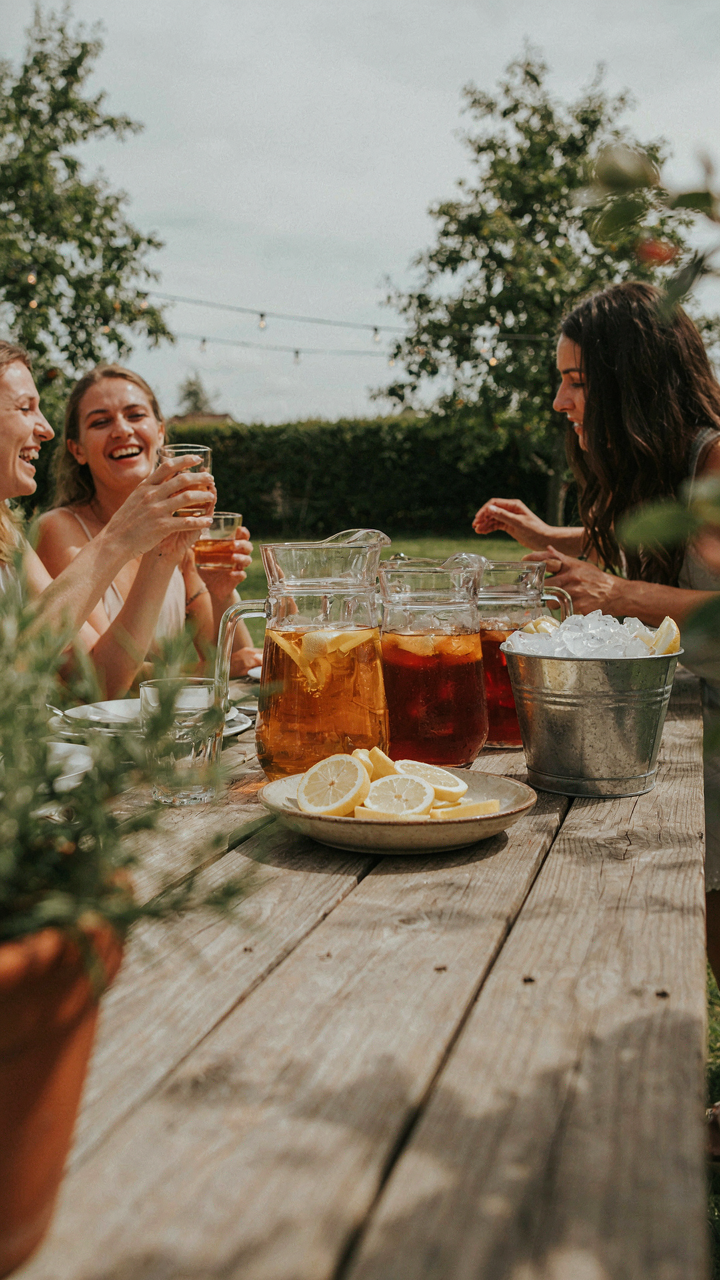
You’re overthinking this. Your iced tea bar doesn’t need eight brewing methods or rare leaves from a mountain monastery. It needs three solid flavors, cold water, and people around it. The real problem is you want permission to keep it simple. Stop waiting for the perfect setup. Buy tea today, chill it tonight, invite someone tomorrow. Your guests don’t care about perfection, they care about you actually showing up and giving a damn.