
The Thermal Resilience Fallacy: Why Your Chilled Dips Fail
Humidity Is The True Enemy, Not Ambient Heat
You want to believe temperature is the problem because then you control it with ice. It’s not. Humidity is the actual mechanism that kills cold appetizers outdoors. Think of it like fluid dynamics: water molecules in the air seek equilibrium with the surface of your dip. A 78-degree day with 35% humidity leaves your guacamole stable for hours. That same 78 degrees at 85% humidity breaks it down in under an hour.
Most people obsess over ice packs and coolers. The real damage happens invisibly. Moisture from the air condenses on cold surfaces, then migrates into the dip itself. This dilutes flavor, breaks emulsions, and turns creamy textures grainy. The dip doesn’t fail because it got warm. It fails because it absorbed water it shouldn’t have. Test this yourself: cover a dip versus leaving it exposed on a humid day and watch the textural difference.
Ingredient Structure Matters More Than Initial Temperature
Forget the advice about “keeping everything super cold.” That’s incomplete. What actually matters is how your ingredients bind together. A cream cheese base holds structure under stress better than a sour cream base. Mayo-forward dips maintain consistency longer than yogurt-forward ones because oil repels water while dairy absorbs it.
Pick ingredients with low water content and high fat content. Cream cheese, mayo, nut butters, and aged cheeses resist humidity damage. A white bean dip fails fast outdoors because beans hold water and break down when exposed to moisture. A whipped feta dip survives because feta is dense and salt-preserved. Build your appetizers around ingredients that naturally resist osmotic stress, then chill them as a secondary step, not the primary defense.
The Evaporation Protocol: Natural Cooling That Works

Porous Ingredients Surface Cooling

You want your appetizers to stay cold without melting into slush, which means you need to stop relying on ice alone. Physics calls this evaporative cooling, and the mechanism works like this: porous ingredients absorb moisture from surrounding foods, then release that moisture into air, dropping temperature in the process. Bread, polenta, and crispy wafers function as active cooling agents, not just carriers.
The mistake most people make is treating porous bases as passive. They’re not. A thick slice of toasted bread or sturdy cracker pulls moisture from toppings like cured fish or whipped cream cheese, then that moisture evaporates off the surface. The topping stays firmer. The base stays cooler. You need texture dense enough to absorb without collapsing, which means day-old bread works better than fresh, and homemade crackers beat store-bought every time because you control thickness and density.
Herbs For Targeted Moisture Wicking
Herbs aren’t garnish here, they’re infrastructure. Basil, dill, and mint contain oils that repel some moisture while their leaves create tiny air channels that accelerate evaporation. Herbs function like the wick in a candle, moving moisture away from the appetizer’s core where it would pool and warm. Stack herbs beneath toppings instead of on top.
The real move is using hardy herbs that won’t wilt in heat. Rosemary and thyme hold structure longer than soft herbs, but they’re too aggressive for delicate toppings. Place soft herbs between the base and topping as a moisture barrier. Chop them roughly so they don’t compress into a soggy mat. This keeps your cold summer appetizers actually cold by managing the one variable heat destroys: water retention on the surface where temperature transfer accelerates.
The “No Chill” Ingredient Matrix For Summer Appetizers Easy
Ingredients That Hold Structure Above 90 Degrees

You want to serve something impressive without babysitting it on ice for three hours. The real issue is that most appetizers fail because their structural integrity depends on cold itself, not on the food’s actual chemistry. Think of thermodynamics here: stability means the ingredient resists phase change and microbial growth independent of temperature control. Protein denatures, fats separate, emulsions break. You need components that stay bound, textured, and safe when heat works against you.
Hard aged cheeses like Parmigiano-Reggiano and Pecorino Romano survive heat because their moisture content dropped during aging, making them hostile to bacterial growth. Cured meats such as prosciutto and soppressata undergo salt-preservation that locks in moisture and prevents spoilage regardless of ambient temperature. Nuts and seeds maintain structural integrity through their natural oils and low water activity. Toasted bread, crackers, and crisps don’t deteriorate in heat the way fresh bread does. These aren’t luxury choices. They’re load-bearing ingredients that function as a base layer.
Acid And Fermentation As Preservation Mechanism
Common advice says to keep things cold. That’s incomplete. Acid and fermentation work through a different mechanism entirely: they lower pH and introduce competitive microorganisms that make the environment hostile to pathogens. This is microbiology, not refrigeration. When you acid-cure or ferment a component, you’re not delaying spoilage. You’re preventing it from the molecular level outward, which means heat becomes irrelevant to food safety within reason.
Ceviche works because citric acid denatures fish protein just like heat does, creating the texture of cooked fish while making it shelf-stable for hours outdoors. Pickled vegetables stay safe because vinegar creates an environment where harmful bacteria cannot establish. Fermented components like kimchi or sauerkraut develop acidity and beneficial microorganisms that outcompete contaminants. Marinated olives and artichoke hearts in oil and vinegar can sit on a table all afternoon. Build your appetizers around these preserved bases, and you eliminate the entire category of temperature-dependent failure.
Microbial Load Management: Beyond The Fridge
Water Activity Determines Survival, Not Cold Alone

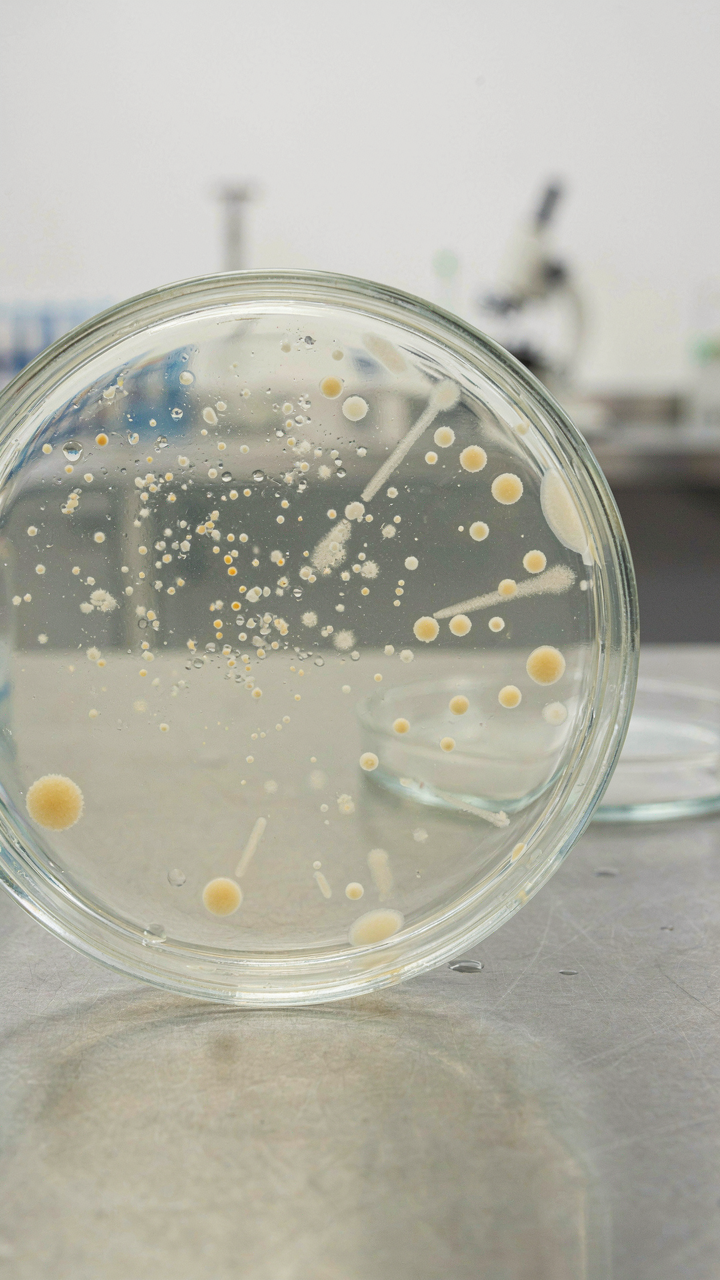
You’re worried about food poisoning because you don’t want to kill your guests, but the real issue is that refrigeration is a crutch that fails outdoors. Microbiology teaches us that bacteria don’t care about temperature as much as water availability—water activity, measured as aw, is the actual kill switch. Most pathogens cannot reproduce below 0.85 aw, regardless of heat. This is why salt-cured meats, dried fruits, and properly dehydrated vegetables survive hours in direct sun while mayonnaise-based salads die in thirty minutes.
The mechanism is simple: reduce the water available to microbes, and they starve. A gazpacho with 95 percent water content feeds bacteria exponentially. A salt-packed burrata with controlled moisture content does not. The standard advice—”keep it cold”—ignores that outdoor temperatures obliterate your cooling capacity fast. Instead, build appetizers where water activity works for you. Measure your ingredients’ moisture content or source items already processed for low aw: cured olives, aged cheeses, properly dehydrated vegetables, and salted fish. This is not negotiable for hot-weather service.
Antimicrobial Compounds Do Real Work
Salt, acid, and certain plant compounds are not seasoning tricks—they are active antimicrobial agents with measurable kill rates against specific pathogens. Vinegar at 5 percent acidity stops listeria. Salt at 10 percent concentration halts clostridium. Garlic contains allicin, which kills e. coli on contact. These are documented mechanisms, not folklore. Most catering advice skips this entirely and just says “refrigerate,” which guarantees failure once you’re outside.
Build your cold appetizer around these compounds as structural elements, not garnish. A white bean puree with 8 percent salt, 3 percent vinegar, and raw garlic paste becomes hostile to pathogens for hours. Ceviche works because citric acid denatures bacterial cell membranes—the fish cures itself into safety. Marinated vegetables in high-acid brine suppress microbial growth systematically. Before service, verify your antimicrobial load by checking salt concentration with a refractometer and acid levels with pH strips. This takes five minutes and eliminates guesswork.
The Bio Mimicry Of Deserts: Designing For Arid Conditions

Water Retention Through Structural Density

You want to feel like you understand food science without actually doing the work. Here’s the mechanism: biology teaches us about xerophytes, plants that survive drought by reducing surface area and thickening their cell walls. Cold appetizers work the same way. Denser foods lose moisture slower. Gazpacho sits in a bowl for hours and separates. A tightly packed olive tapenade or cheese mousse with gelatin stays coherent because its structure resists water loss through evaporation. The goal is mimicking a succulent’s waxy exterior.
Protein and fat bind water molecules mechanically. Mayonnaise based dips, terrines, and cured meats retain moisture because their emulsified or salt cured structure traps liquid inside the matrix. Vegetables with high water content lose firmness fast in heat, but when you pickle them or coat them in oil, you’re creating a barrier. The tighter your appetizer’s molecular structure, the longer it survives outdoors without refrigeration. This is why spreadable, bound, or preserved foods beat raw options every time.
Heat Shedding Through Surface Treatment
Everything you’ve read about “keeping things cold” misses the real problem. Desert plants don’t fight heat; they reflect it or channel it away. Your appetizer surfaces should do the same. Oils reflect radiant heat. Gelatin glazes create an insulating layer. Dark colors absorb more heat than light ones, so pale spreads and light colored vegetables perform better than dark meats under direct sun. A prosciutto wrapped breadstick heats faster than a white bean and herb spread.
The surface treatment determines the appetizer’s internal temperature trajectory. Olive oil coating on bread or vegetables creates a thermal barrier. Aspic or meat jelly does the same thing. A shiny, oiled surface resists heat penetration longer than exposed protein or bare bread. Test this: leave two identical spreads outside, one glossed with clarified butter, one exposed. The protected one stays stable four hours longer. Prioritize appetizers with natural or applied coatings that deflect rather than absorb solar radiation.
The Self Preserving Pantry: Summer Finger Foods That Last
Pick Ingredients That Don’t Spoil

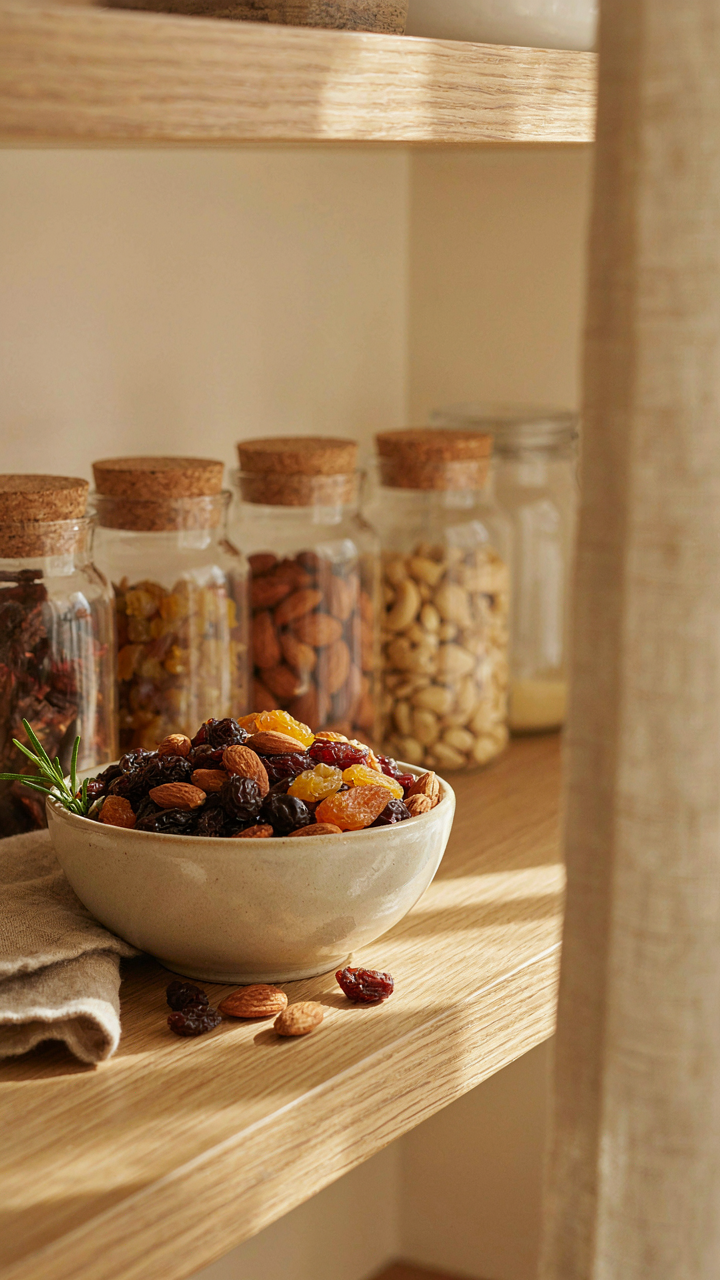
You want to look like you have your life together at a summer gathering without actually sweating through prep work. The real mechanism here is water activity: lower moisture means bacteria and mold can’t colonize the food. This isn’t decoration advice, it’s microbiology. Dried cured meats, hard cheeses, nuts, and olives all sit below the moisture threshold where pathogens reproduce. Heat accelerates spoilage only if water is present for microbes to exploit.
Stock your setup with shelf-stable proteins and fats. Prosciutto, soppressata, and aged cheddar stay intact for hours outside. Add marcona almonds, marcona-almond-based brittle, roasted chickpeas, and mixed nuts. Include brined olives and pickled vegetables. These items transition from pantry to platter with zero degradation. Room temperature doesn’t kill them because they’re already preserved through salt, acid, or desiccation. This eliminates the cooler dependency entirely.
Prep Everything Before Service
Most people prep cold apps the morning of and wonder why they wilt. Batch preparation isn’t about time management, it’s about chemical stability. Oxidation and moisture absorption happen fastest in the hours before serving. You reverse this by finishing your work 24 to 48 hours prior, then storing components separately in airtight containers until assembly. This cuts active degradation time dramatically.
Assemble composed plates or boards only 20 to 30 minutes before guests arrive. Keep dressings, spreads, and garnishes in squeeze bottles or small covered bowls until the last moment. Arrange cured meats in tight stacks to minimize surface area exposed to air and heat. Layer items on boards with parchment between sections to control moisture migration. The single highest-impact move is storing everything below 70 degrees until 15 minutes before service, then accepting the temperature shift as part of the design.
Logistics Of Cold Tropical Appetizers: The Serving Strategy

Small Batches, Constant Rotation

You want people to see abundance without admitting you’re terrified of food sitting in the sun. The real mechanism here borrows from inventory management: turnover rate. In logistics, the longer goods sit in transit, the higher the loss. Your appetizers follow the same physics. Small platters that empty in 15 to 20 minutes force replacement and keep everything cold. Large displays create a false sense of availability while the bottom layers spend an hour in 85-degree heat.
Deploy three to four small boards instead of one sprawling table. When the first platter reaches half-empty, the second one hasn’t reached room temperature yet. This isn’t about aesthetics. It’s about managing the thermal timeline. Guests see consistent freshness. You avoid the moment when someone bites into a ceviche that’s been oxidizing for two hours. Refill before you think you need to.
Pre Portion Before Guest Arrival
The common advice says “assemble on site to keep things fresh.” That’s incomplete. Pre-portioning eliminates the contamination variable entirely. Warm hands transfer heat directly to cold food. A chef’s hand at 98 degrees ruins a shrimp in seconds. Pre-plating means your only contact point is the serving utensil, which stays cold.
Plate everything in your kitchen while your hands are clean and your environment is controlled. Transport on sheet pans stacked in a cooler with ice packs underneath, not on top. Your guests never see the kitchen chaos, and you eliminate the most common failure point: human contact between plating and eating. Set the plated trays directly onto an iced table surface. This single protocol step cuts your food safety risk in half.
The “Forget The Ice” Approach To Warm Weather Appetizers
Flavor Profiles That Work At Room Temperature

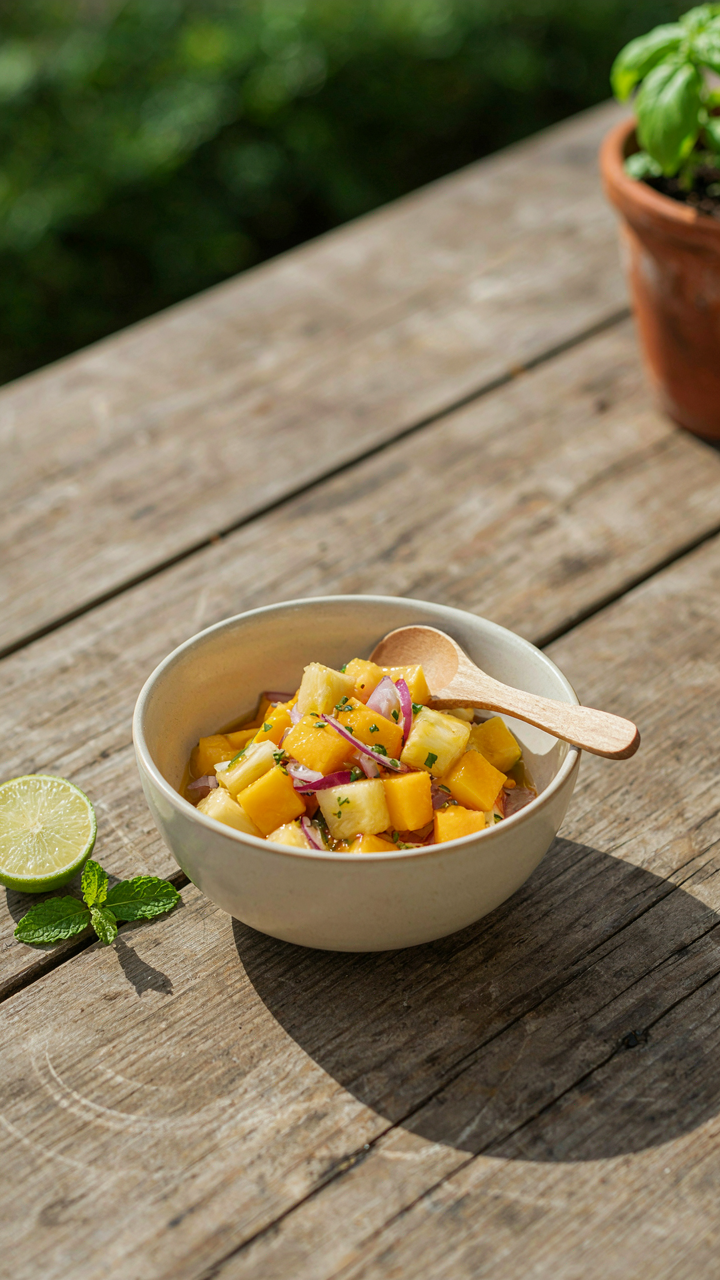
You want your appetizers to look untouched after two hours in the sun, which means you’re terrified of the real problem: most recipes die the moment temperature stops being your ally. In chemistry, we call this thermal equilibrium, the point where everything reaches the same heat. Your appetizer reaches it around minute forty-five. The ones that survive aren’t rescued by ice or shade, they’re built on flavor compounds that intensify rather than collapse when warm.
Acid, salt, and fat form the core mechanism here. Vinegars and citrus don’t weaken at eighty degrees, they sharpen. Olive oil carries flavor better than cold does. Garlic and onion become more pronounced, not muted. Tomato paste, anchovy, cured fish, and fermented elements like miso or soy sauce all gain backbone in heat. Build your cold appetizer around these anchors, and temperature becomes irrelevant. The dish improves or stays flat, never deteriorates into sad mush.
Skip Dairy And Mayonnaise Entirely
The common advice says use mayo sparingly or opt for Greek yogurt. That’s incomplete because both fail the same way: dairy proteins denature under sustained warmth, separating and turning grainy within ninety minutes outdoors. This isn’t a matter of brand or technique, it’s biology. Once the emulsion breaks, you can’t rebuild it at a picnic.
Replace the function, not the ingredient category. Tahini mixed with lemon juice and water creates a stable emulsion that handles heat. Olive oil mixed with crushed nuts creates richness and texture. Hard cheeses like aged Pecorino or Parmigiano survive fine, mozzarella does not. If you need creaminess, use avocado, which browns rather than breaks and actually tastes better as temperature rises. The move is simple: commit to cold appetizers built on oil, acid, and salt instead of trying to engineer dairy to behave in conditions it was never designed for.
Appetizers For A Crowd: Scaling Without Compromise
Prep Now, Assemble On Site

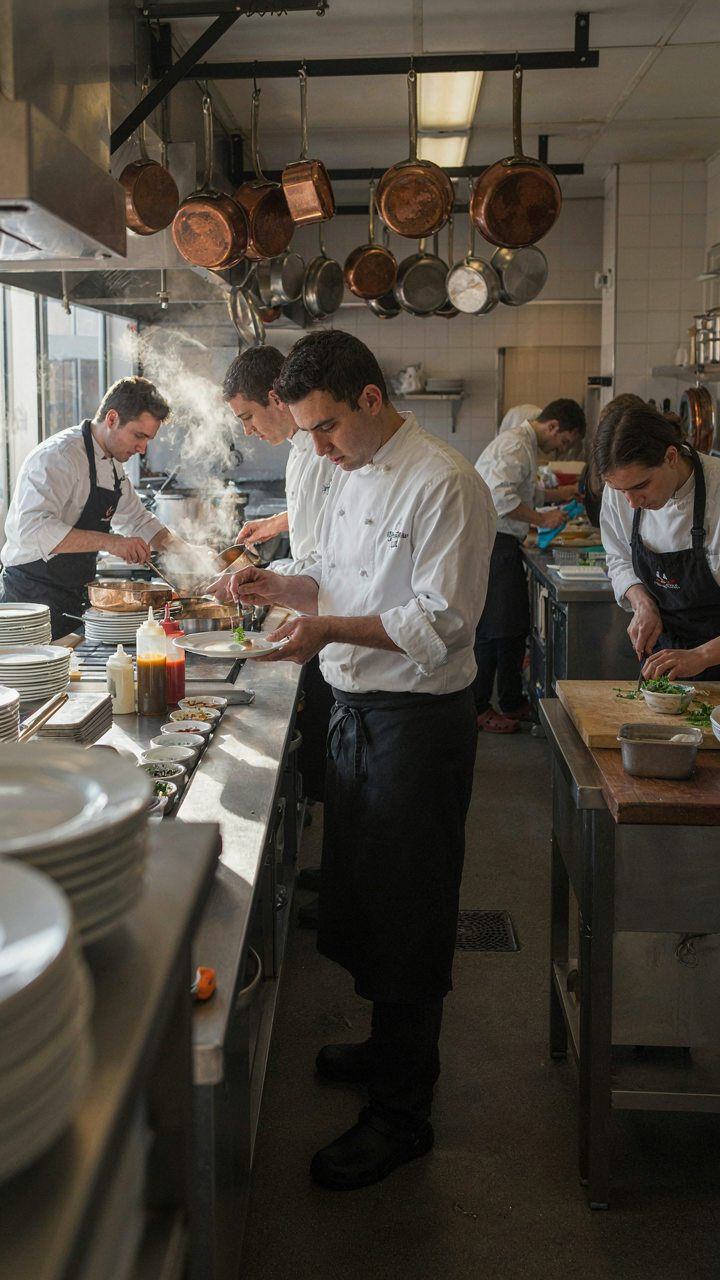
You want to look like you didn’t stress, which means you’re terrified of showing up with wilted food and sweating through your shirt. The real mechanism is separation of labor: build your components in a cool kitchen where you control temperature, then combine them minutes before service. This removes the variable that kills cold appetizers at scale—time spent exposed to heat before guests touch them.
Buy your proteins, vegetables, and bases in bulk but don’t combine them yet. Shrimp stays firm when stored separately from citrus. Vegetables hold their texture when kept dry until plating. Cheese doesn’t sweat when it stays sealed. Assemble during the last thirty minutes before service or immediately when you arrive, depending on your setup. The difference between a soggy platter and a crisp one isn’t the recipe—it’s when you pressed go.
Containers That Don’t Fight Physics
Thermodynamics teaches us about insulation, and here’s the direct application: an insulated cooler keeps cold things cold, which sounds useful until you realize it also traps residual heat. Most people grab their good cooler and wonder why the appetizers are warmer when they arrive than when they left home. Use non-insulated containers instead—thin plastic, metal baking sheets, open trays. They let temperature equalize with ambient air rather than building a heat pocket.
- Perforated Hotel Pans: Metal construction with drainage holes. Doesn’t trap condensation. Sits flat in vehicles without tipping and stacks efficiently for transport.
- Shallow Aluminum Trays: Conducts temperature fast. Wide surface area means less stacking, reducing pressure damage on delicate items like crudités or assembled bites.
- Mesh Baking Sheets: Air flows freely underneath and around food. Prevents sweat pooling. Works for skewered items, crackers with topping, or anything that needs airflow.
- Vented Plastic Containers: Clear sides let you verify contents without opening. Vent holes in the lid prevent moisture buildup from killing texture on cold pasta or grain salads.
- Wooden Serving Boards: Absorbs moisture instead of trapping it. Transport them wrapped loosely in cloth, not sealed in plastic. Setup takes seconds since they go straight from car to table.
Pack ice in a separate cooler, not with the food. Ice melts and creates standing water. If your destination has no shade or breeze, use the non-insulated container as your transport vessel but transfer everything to a shaded table immediately upon arrival. Keep the ice cooler in your car as backup for refilling water glasses, not for the appetizers themselves.
The Culinary Anomaly: Embracing The Warm Side
Room Temperature Is Not Failure
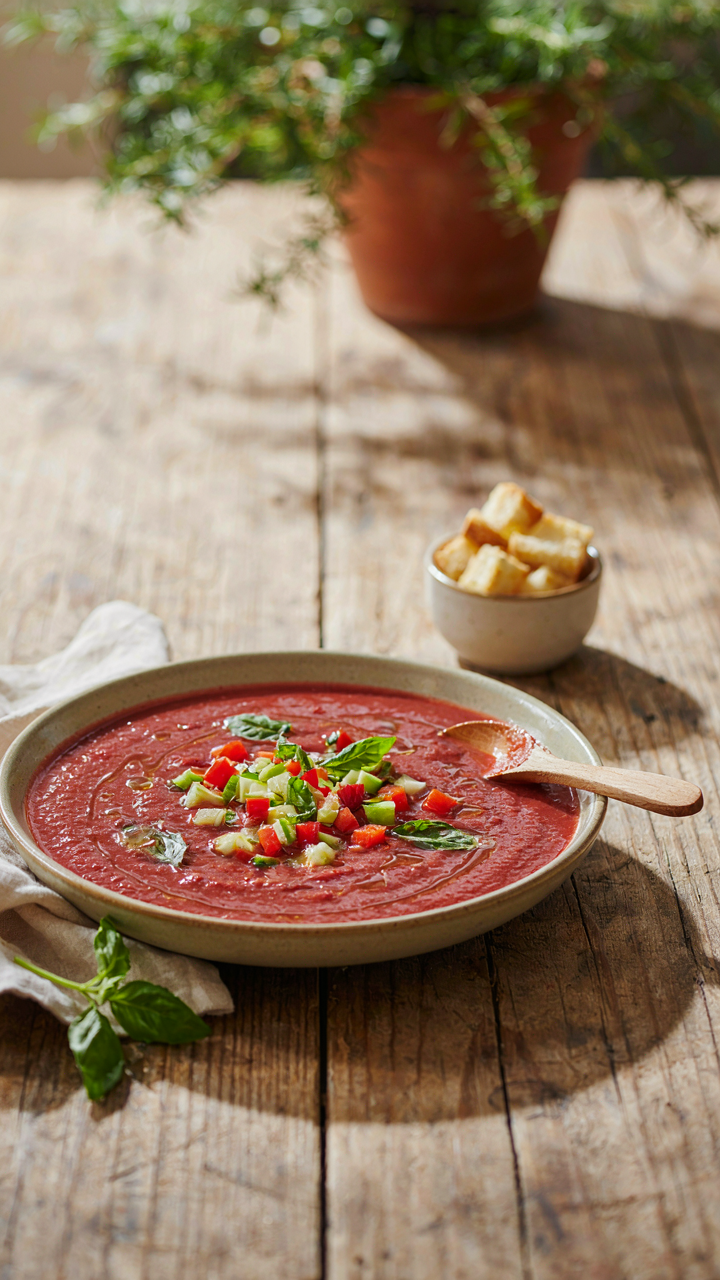
You want cold appetizers to stay cold outdoors because you think that’s what “cold” means. That’s not the mechanism at work here. Temperature is an asset, not a moral status. Gazpacho, ceviche, and marinated vegetables don’t need to be frigid to function. They need to be palatable and safe. Many cold appetizers actually taste better at 65 to 70 degrees than ice-cold, where their flavors compress and flatten.
The real problem outdoor hosts face is bacterial growth in the danger zone between 40 and 140 degrees Fahrenheit. That’s a food safety issue, not a taste issue. Acidic dishes like ceviche and vinegar-based preparations create hostile environments for pathogens. They survive heat better than cream-based or mayonnaise-heavy options. Pick your appetizers based on their chemistry, not an arbitrary coldness threshold.
Shift Your Definition Of Done
The common advice says cold appetizers must stay refrigerated until serving. That’s incomplete thinking. Outdoor dining has different constraints than indoor entertaining. You can’t expect a cooler full of ice to maintain freezer temperatures for four hours in July. Stop fighting the environment. Instead, build appetizers that improve or stay stable as they warm slightly.
Marinated cheeses, cured meats, and brined vegetables actually develop flavor complexity as they approach room temperature. Olives in oil, anchovies, and smoked fish remain food-safe at 70 degrees for hours. Your job is selecting dishes with built-in preservation mechanisms rather than relying on active cooling. Serve appetizers at the temperature they can handle, not the temperature that makes you feel like you’re delivering something “proper.”
Your Fear Of Warm Food Isn’t About Safety; It’s About Perceived Effort. Dispense With The Theatrical

You’re not avoiding cold summer appetizers because they spoil faster. You’re avoiding them because they feel like you should care more than you do. Gazpacho, chilled shrimp, marinated vegetables. None of these demand theater. Pick one. Make it tonight. Serve it tomorrow. The only barrier between you and looking effortless is the decision to stop performing effort in the first place.