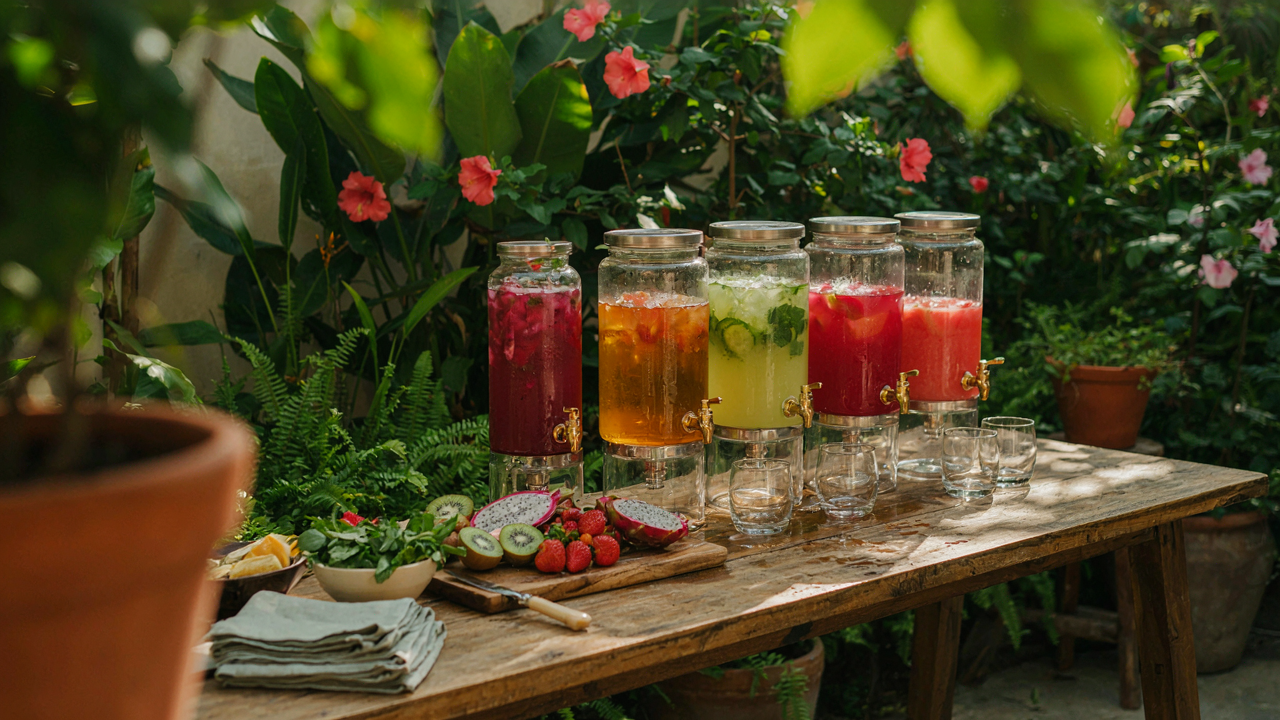
The Illusion Of Effortless Hosting: Why Your “Convenience” Is A Lie

Setup Cost Versus Actual Outlay
You want the self serve drink bar because you think it buys you freedom on party day. It doesn’t. Economics calls this the sunk cost fallacy—you’re paying upfront in money and time to avoid paying in attention later, except you still pay in attention. A functional setup demands coolers sized correctly, ice supply calculated for duration and heat, glassware quantities that account for breakage, backup bottles positioned within reach, and garnish prep staged before guests arrive. Most hosts underestimate by half.
The real cost emerges in what you buy but don’t use. Extra coolers sit in storage eleven months yearly. Ice melts faster than predicted because you miscalculated volume per person. Backup bottles cost money but solving a shortage mid-party costs more in guest experience. You’re not saving money with this setup. You’re redistributing it from obvious line items into hidden ones. Calculate your actual per-guest spend on equipment, supplies, and replacement inventory before pretending this is economical.
The Labor You’re Not Seeing
Your guests notice an empty ice bucket. They don’t notice you refilling it. This isn’t hospitality theater—it’s labor economics disguised as a service feature. The self serve model doesn’t eliminate your work. It moves it backstage. You monitor consumption rates, restock depleted bottles, replace melted ice, clean spilled liquids, and manage glassware rotation because people abandon cups or break them. You’re working the entire party, just invisibly.
Set a concrete refill protocol before guests arrive. Check the ice bucket every thirty minutes, not when it’s empty. Designate one backup bottle per drink type positioned in a visible location so you don’t sprint to retrieve it. Station a bus tub nearby for used glassware so it doesn’t scatter across tables. Assign one person to monitor the bar if the party exceeds twenty guests. This isn’t a suggestion. This is the operational requirement you must execute for the setup to function.
The “Flow State” Protocol: Engineering Guest Movement With Drink Stations

Where People Actually Stand While Drinking
You want this section because you’re worried your party will look dead or awkward. The real mechanism is this: guest movement follows the physics of least resistance, not your intentions. Borrowing from fluid dynamics, your drink station acts as a pressure point. Guests flow toward it, through it, and away from it based on physical placement alone. Most hosts put the bar in the obvious spot and wonder why everyone clusters there like water backing up behind a dam.
Position your station perpendicular to the main social zones, not directly in the path between them. When guests enter your garden, they should encounter the bar as an option, not a bottleneck. Place it along a garden edge or corner, at least six feet from seating areas. This forces lateral movement instead of direct collisions. The station becomes a waypoint people pass by and return to, not a choke point they get stuck at.
Breaking The Crowding Collapse
Most advice says “make the bar accessible,” which is useless. The actual problem is density threshold. When more than four people occupy a drink station simultaneously, the entire system fails. People wait, block others, and abandon the station. Stagger your setup with two smaller stations instead of one large one, placed thirty to forty feet apart. This distributes demand and prevents the psychological pile-up that kills party momentum.
Depth matters more than width. A station that’s three feet deep but six feet wide creates bottlenecks at the front. Invert this: make it narrow and deep so people queue single-file, grab their drink, and move. Install your supplies vertically and behind the service line, not across it. When guests see what they need without leaning or reaching across others, crowd psychology shifts from frustration to efficiency. Your job is controlling the interval between transactions, not hoping people stay polite.
Choice Architecture: Manipulating Thirst And Decision

How Nudges Shape What People Actually Drink

You want this section because you’re tired of watching guests ignore half your options while three people crowd around the lemonade. That’s not a supply problem—it’s a design failure. Behavioral economics calls this “choice architecture,” and the mechanism works identically to how retailers position products in stores: the environment decides the outcome before the person even decides. Your self serve drink bar is a nudge machine. Most people don’t make conscious choices about beverages. They follow invisible prompts: proximity, visibility, social proof, and friction.
The standard advice says stock variety and let guests choose. Wrong. Guests don’t want more options—they want permission to not overthink. Place your highest-margin or preferred drinks at eye level in the center. Position water slightly left of center because people scan left-to-right and expect it there, reducing decision fatigue. Bury the cheap sodas low and to the right edge. People make 90 percent of their drink choice in the first three seconds of looking at your bar. After that, they’ve already committed mentally.
Arrangement Signals Status And Limits Indecision
Horizontal layout beats vertical stacking because the human eye processes width faster than height. Arrange glasses in a visual hierarchy: premium on left, accessible in middle, functional on right. This signals sophistication without stating it directly. When you tier placement this way, guests don’t feel judged choosing sparkling water over wine because the arrangement normalizes it as an equal option, not a consolation.
Most hosts randomize placement out of habit. Stop. The order you arrange drinks rewires how guests perceive their own preferences. A guest who sees wine first, then craft mocktails, then soda will gravitate toward wine because your bar suggested it was the priority. Flip the order and behavior shifts. Preposition all glasses right-side up and stacked by drink type before guests arrive. This removes the friction of hunting for the right vessel and signals that you’ve already made decisions for them, which paradoxically makes them feel more in control.
The Supply Chain For Self Serve: Never Run Dry, Never Overstock
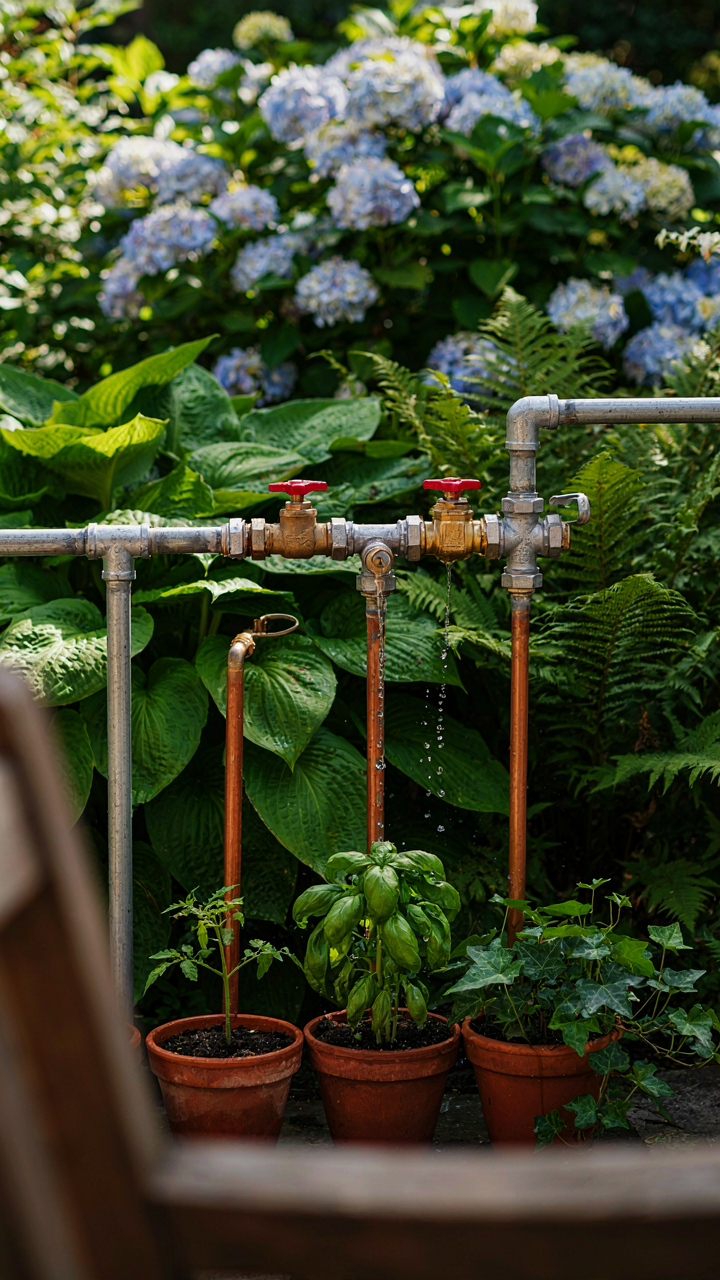
Reading Consumption Patterns Before Party Day
You’re worried about looking unprepared. The real mechanism is that consumption velocity isn’t random—it follows observable patterns you can measure and predict. Think of this like load balancing in network engineering: you’re distributing demand across time and resource availability. Most hosts guess quantities based on vague rules like “two drinks per person per hour.” That fails because consumption clusters. Guests arrive thirsty. Mid-party momentum peaks. The tail end drops off sharply.
Track what actually gets consumed at similar events you’ve hosted or attended. Note the time windows: arrival rush, steady middle period, wind-down phase. Count bottles and mixers that remain. Seasonal factors matter too. Summer heat drives consumption up. Indoor winter events flatten demand. Party duration shifts the curve entirely. A four-hour event and a six-hour event don’t scale linearly. Record specifics: guest count, weather, start time, alcohol versus non-alcohol ratio. This data becomes your baseline for the next setup.
Restocking Cadence That Prevents Both Gaps And Waste
Running out mid-party is visible failure. Overstocking creates waste and cost leakage. The answer isn’t complicated: monitor and restock on a fixed interval, not when you think you’re low. Set a timer for every 45 to 60 minutes. Walk the bar. Count what’s left in each container. Top off ice first—it depletes fastest and kills the whole operation when gone. Refill spirits at the 75 percent mark, not when bottles sit empty. Mixers deplete unevenly depending on drink preference, so restock by type, not by time alone.
Organize your storage zone three feet from the bar. Keep backup stock visible and grouped by category. This cuts restocking time to under two minutes per interval. One person owns this task for the entire event. They’re not tending the bar. They’re not talking to guests. Their only job is the timer and the top-off. This separation prevents the common failure where the bartender gets distracted, the bar runs dry, and suddenly everyone’s standing around waiting. The protocol is simple: timer goes off, you check, you restock within five minutes.
Beyond Booze: The Non Alcoholic Dominance
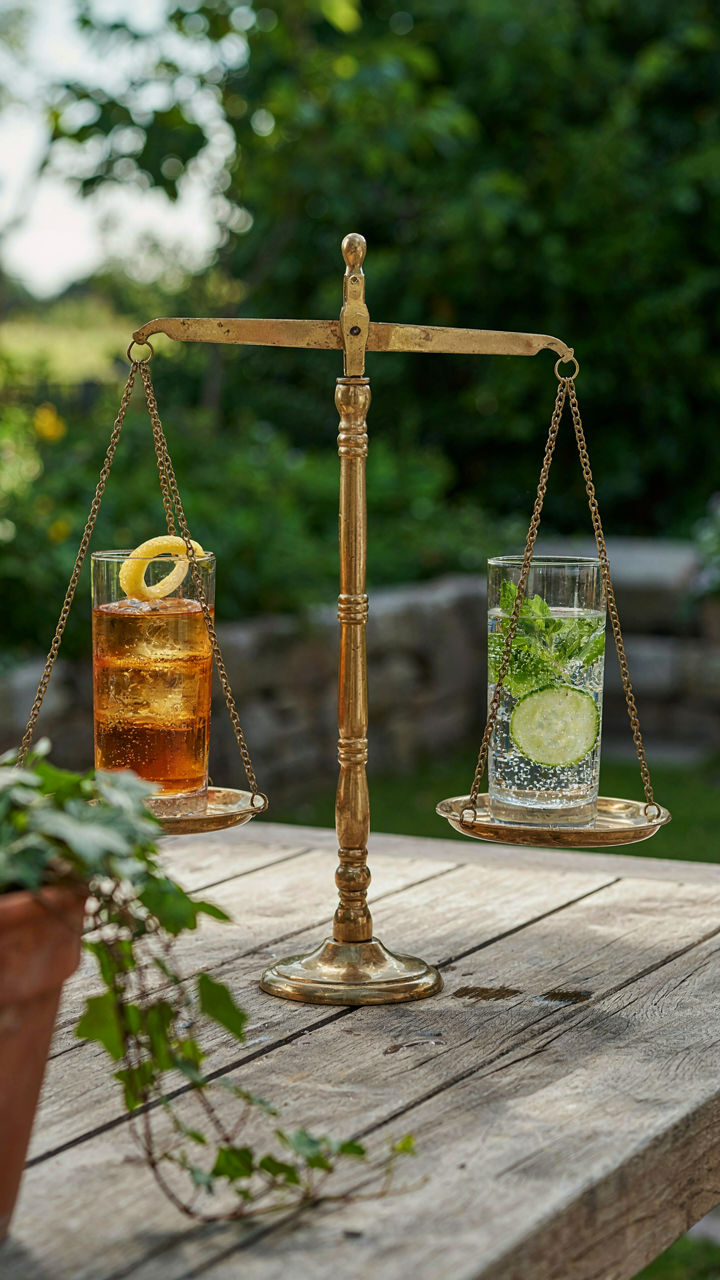
Stop Treating Sobriety Like A Constraint
You’re worried sober guests will feel neglected, which tanks your host credibility. Here’s the mechanism: a self serve drink bar without parity non alcoholic options signals you didn’t plan. Economics calls this signaling—your setup communicates what you actually value. Most hosts reverse engineer this backward. They build the alcohol station, then bolt on juice and water like life rafts. The real move flips the ratio. Non alcoholic drinks should occupy at least fifty percent of your bar real estate, with equal visual weight and ingredient complexity.
The constraint forces better design. When you stop defaulting to “just add vodka,” you build actual flavor systems. Citrus layering, herb infusions, syrup ratios, carbonation placement—these demand thought that basic cocktails skip over. Your sober guests end up with the better drinks because you had to earn them. The bar becomes less about alcohol availability and more about drink craft. That’s the reputation shift that matters.
Flavor Architecture Without The Ethanol
Build non alcoholic drinks on the same framework as their spiked cousins: base, sweetener, acid, dilution, and garnish. Sparkling water replaces soda for dilution control. Fresh citrus juice replaces pre made mixes every time. Herbal syrups made from mint, ginger, or rosemary replace generic simple syrup. This isn’t substitution—it’s specification. A virgin mojito built this way outperforms most rum versions because the base ingredients carry the entire drink. Your guests notice the difference even if they can’t name it.
Station layout matters more for non alcoholic drinks because they demand fresh construction. Place your syrups, juices, and sparkling water in the coldest section of your bar. Group garnishes by drink type so guests build drinks with intention, not confusion. Label each syrup and juice clearly with ingredients and ratios if guests are mixing themselves. Temperature drops drink quality faster than any other factor on a warm garden afternoon. Cold infrastructure decides whether your non alcoholic station feels premium or like a concession stand.
The Unseen Hand: Subtle Cues For Self Service Etiquette

How Layout Speaks Louder Than Signs
You want people to behave without feeling controlled, which is really about avoiding the social friction of explicit rules. Think of this like wayfinding in architecture—the field that designs spaces so people move through them intuitively. A self serve drink bar operates on the same principle: the physical arrangement becomes the instruction manual. When cups sit directly beside the drink dispenser with no gap, hands reach for them first. When ice is positioned between the cups and the liquids, the sequence becomes obvious without a single laminated card.
The mistake most people make is thinking signs matter. They don’t. A person at a garden party isn’t reading your typography. They’re scanning the visual landscape in two seconds and copying what feels natural. Position everything in the order someone actually uses it: cups, then ice, then primary drinks, then mixers, then garnishes on the far end. Stack cups high and visible. Put trash directly under the pour zone. The bar doesn’t ask for tidiness—it makes tidiness the path of least resistance.
Friction Points Kill Cleanliness Before Spillage Starts
Common advice says to use drip trays and absorbent mats, which treats cleanup like damage control instead of prevention. That’s backwards. The real mechanism is reducing the decision load between wanting a drink and having it in hand. When someone has to hunt for a cup, navigate around a crowded station, or reach across three other people’s elbows, accidents compound—not because they’re careless, but because the environment forced them into a chaotic interaction.
Eliminate reach. Use a narrow, linear bar layout with space on both sides so two people never collide. Keep the pour height consistent so guests don’t adjust their grip mid-pour. Use cups with adequate depth so the margin for error expands. Station a second bar on the opposite side of the garden if you’re expecting more than fifteen people. One clean transaction beats ten people fumbling at a single bottleneck.
Durability Over Delicate: Why Robustness Trumps “Pretty”
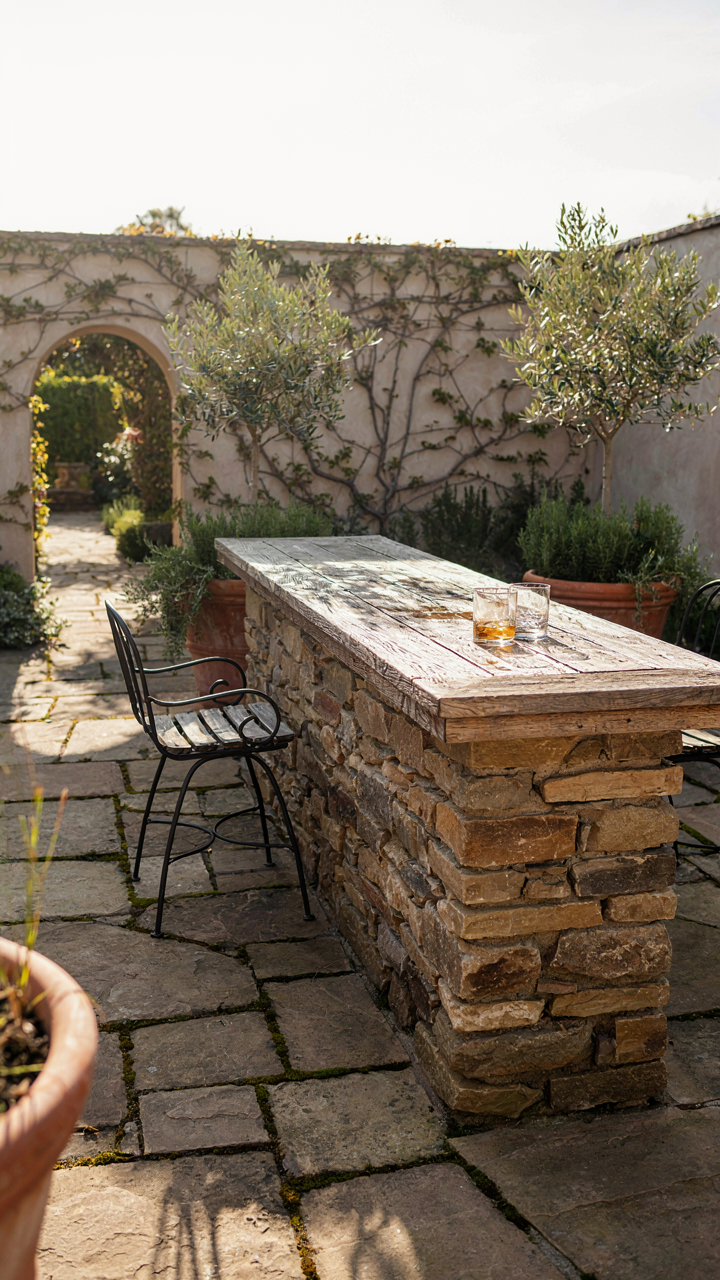
Materials That Actually Survive Contact
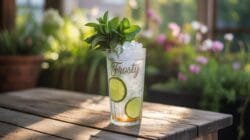
You want your setup to look intentional, not like you’re hosting a disaster. Here’s the mechanism: materials fail under three forces—UV exposure, temperature swings, and repeated human contact. Pick wrong, and your bar looks trashed by hour two.
Polycarbonate and high-density polyethylene outperform glass and ceramic at outdoor parties. They resist UV degradation, tolerate temperature shifts without cracking, and survive being knocked over. Metal frames corrode unless stainless steel or powder-coated. Avoid anything untreated wood or fabric that absorbs liquid and mildew. The real cost isn’t what you buy, it’s replacing it mid-party.
Engineered For Weather, Not Just Aesthetics
Think of your bar setup like load-bearing infrastructure. It has to handle wind load, moisture infiltration, and thermal expansion without failing. Most people treat it decoratively instead of structurally, then act surprised when things collapse.
Your surface needs drainage. Standing water destroys finishes and breeds bacteria. Tilt surfaces one-eighth inch per foot minimum so liquid runs off naturally. Legs need non-slip feet that grip grass or concrete, or your entire bar shifts when someone leans on it. Seal all joints and fasteners against moisture creep. Check bolts before each use. The bar holds because you engineered it to hold, not because you hope.
The Bio Feedback Loop Of Hydration: Optimizing Guest Comfort

Measuring Thirst Before It Breaks The Party

You want your guests to remember the party, not their dry mouth. The real mechanism here is cybernetics: a system that measures output, compares it to a desired state, then corrects course. Your self serve drink bar operates the same way. You measure consumption rate and guest behavior patterns, then adjust supply before demand crashes.
Most hosts guess at hydration needs. Wrong move. Watch your bar every fifteen minutes during the first hour. Track which drinks empty fastest, how often guests return, and whether they’re taking seconds or thirds. This data tells you whether your setup matches your guest list’s actual thirst. If cups vanish but nobody’s visibly drinking, your portions or glass sizes are off. If people queue at the bar, your station layout forces bottlenecks. Adjust immediately, not after half your guests leave parched.
Ice And Temperature As Operational Constants
Temperature kills a self serve drink bar faster than bad planning. Ice doesn’t just cool drinks, it’s your system’s buffer against ambient heat and high-volume use. Every thirty minutes on a warm day, your ice supply depletes and drink temperature rises. You need a replenishment cycle, not a reactive scramble.
Set a timer. Check ice depth every twenty to thirty minutes. If the level drops below the halfway mark in your cooler or bucket, add more before it matters. Cold drinks sit at the bar longer. Warm drinks get abandoned. Guests won’t tell you they’re unhappy, they’ll just stop using the bar. Stock extra ice before the party starts, not during it. Keep backup ice in a freezer indoors so refills take ninety seconds, not ten minutes of searching.
The “Wedding Bar Ideas Self Serve” Myth: It’s Still A Party, Not A Restaurant
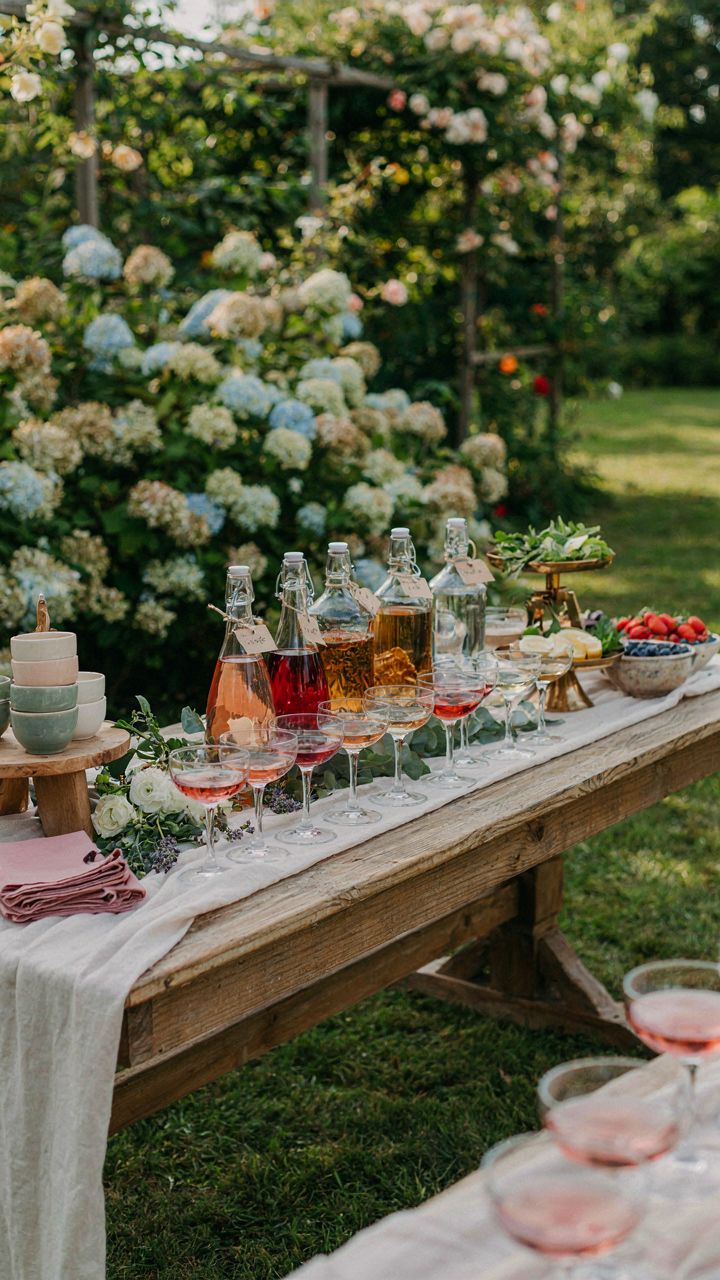
When Restaurant Logic Breaks Down

You want the setup to look intentional and curated because you’re worried guests will think you cut corners. Here’s the mechanism that matters: commercial bars optimize for speed and throughput because strangers pay per drink. Your garden party optimizes for conversation and belonging because people came to see you. These are inverse problems requiring inverse solutions.
A restaurant bar minimizes decision time. Guests order. Staff pours. Transaction closes. A self serve drink bar at a garden party does the opposite. It becomes a gathering point precisely because it slows people down enough to talk. You’re borrowing the physical structure of a commercial bar but abandoning its operational core. That distinction changes everything about what actually works.
Constraint Creates Better Design
Everyone says “make it elegant but practical” as if those words mean something. They don’t. Elegance in a garden setting means removing what doesn’t belong. Practicality means the bar survives four hours of amateur bartenders without looking demolished by hour two.
The real constraint is this: you have limited table space and unlimited weather exposure. This forces specificity. A commercial bar uses standardized glassware because it stocks twelve types of spirits. Your garden bar uses two to three drinks maximum because you’re not running inventory—you’re hosting. That limitation isn’t a weakness. It’s what makes the whole thing feel intentional instead of scattered. Set up your station with one spirit, one mixer, one garnish, repeated twice for redundancy.
The Post Party Deconstruction: Efficiency In Breakdown
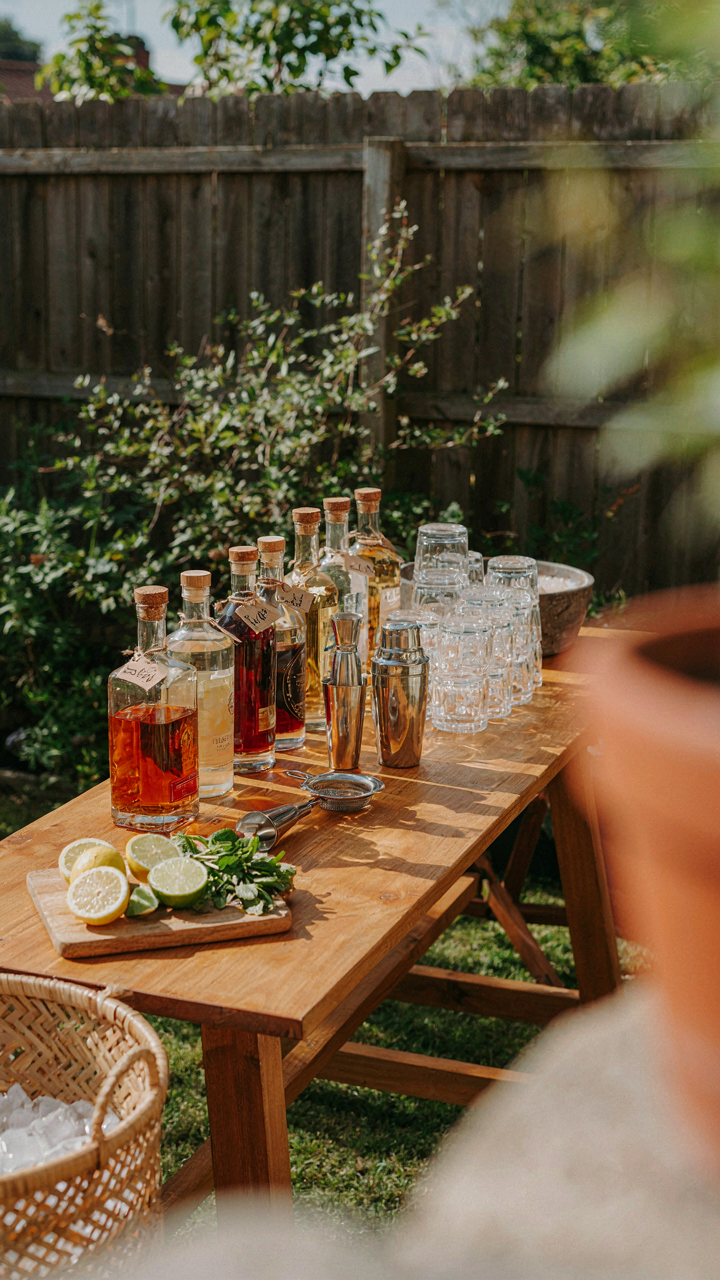
Cleanup Strategy Without The Guilt
You want breakdown to feel manageable so you’ll actually set up a drink bar next time instead of defaulting to hiring a caterer. Here’s the mechanism: cleanup burden scales with decision points, not volume. Every unique container, every surface type, every leftover category forces a choice. Consolidate containers before the party ends. Use matching dispensers. Stage a single waste station. The math is simple: five decisions beat fifty.
Treat cleanup like inventory management from supply chain logistics. Your drink bar is a closed loop system with inputs and outputs. During service, liquids move from storage to dispenser to cup. After service, you reverse that flow. Assign one container per liquid type. Stack cups in towers before breaking them down. This prevents the chaos of sorting mixed debris. One focused task beats scattered tidying.
Repurposing What Remains
Most guides tell you to seal everything and date it. That’s incomplete thinking. Opened bottles lose carbonation, spirits oxidize slowly in sunlight, and fruit juices separate. The real play is knowing what actually survives well versus what doesn’t. Unopened bottles store exactly as they arrived. Opened spirits in sealed bottles last months in cool darkness. Juices and syrups separate and ferment fast. Most decorative citrus peels go to compost the next day.
Reusable containers become your actual asset. Glass dispensers clean and store flat. Metal bins return to your garage or storage closet unchanged. Reusable ice packs go back in the freezer immediately after the party. Cloth napkins and table linens go straight to laundry. The strategy isn’t sentimental storage of leftovers. It’s protecting the infrastructure so your next setup costs less in time and money. Consolidate open bottles into one container labeled with the date, then use it as your base for the next event’s batch cocktails.
Stop Serving Drinks; Start Curating Experiences. Your Garden Party Is A System, Not A Spontaneous Combustion
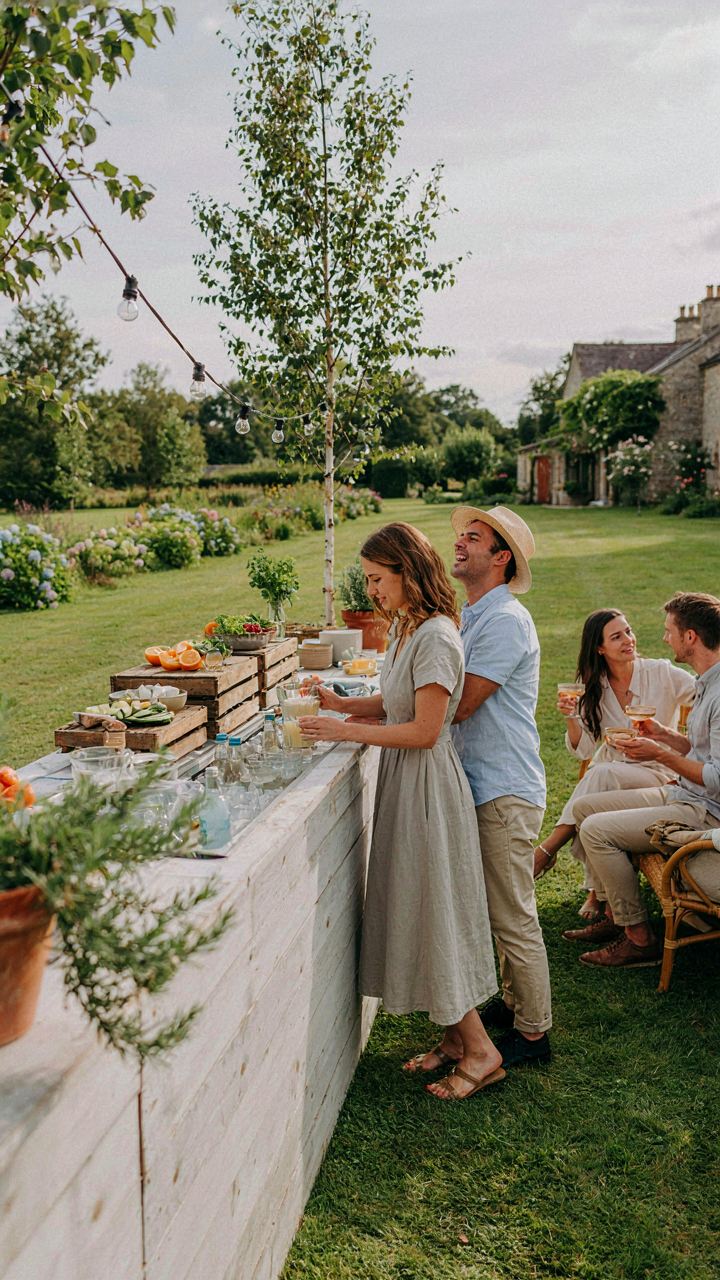
Most hosts treat a self serve drink bar like a buffet. You don’t. You’re designing a decision architecture that makes people feel smart for choosing, creates natural conversation points, and removes you from bartender duty. That’s the shift. Today, sketch your three drink stations on paper: the anchor (your main cocktail), the escape route (non-alcoholic option), and the wild card (something unexpected). That single constraint forces intentionality. Your garden party doesn’t need more options. It needs fewer decisions and more delight.