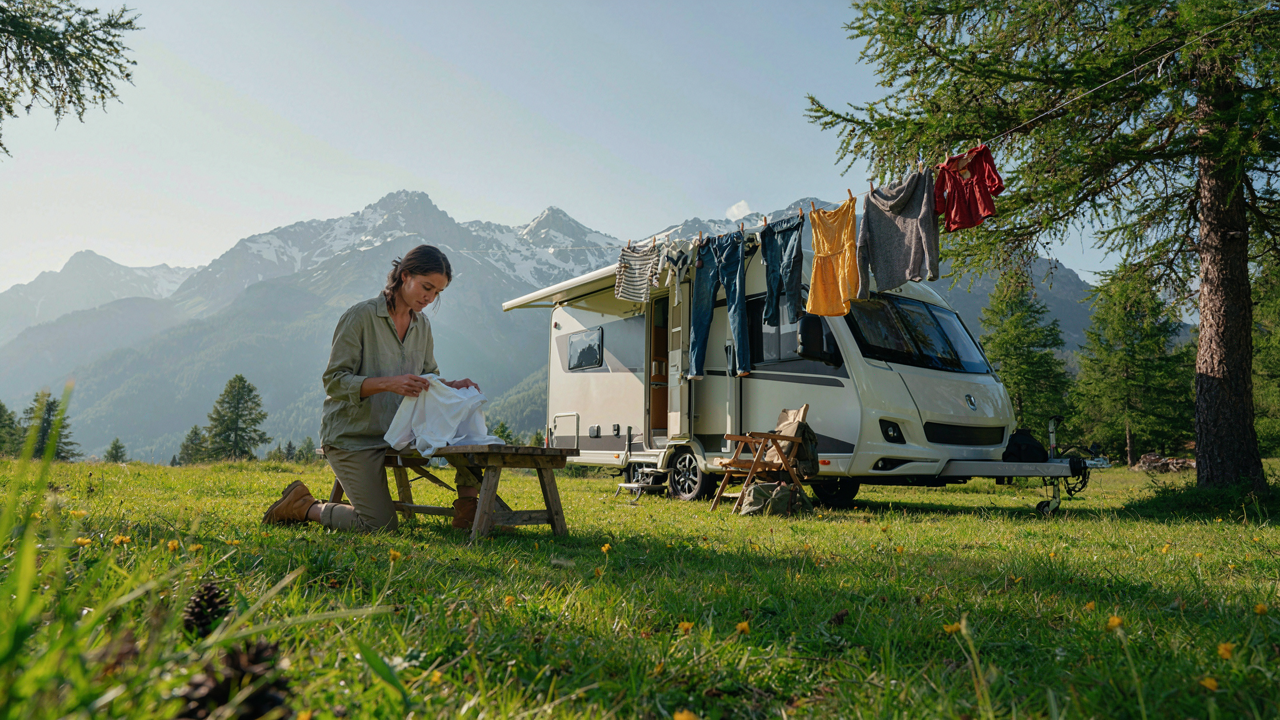
The “Laundry Day” Delusion: Why You’re Already Losing
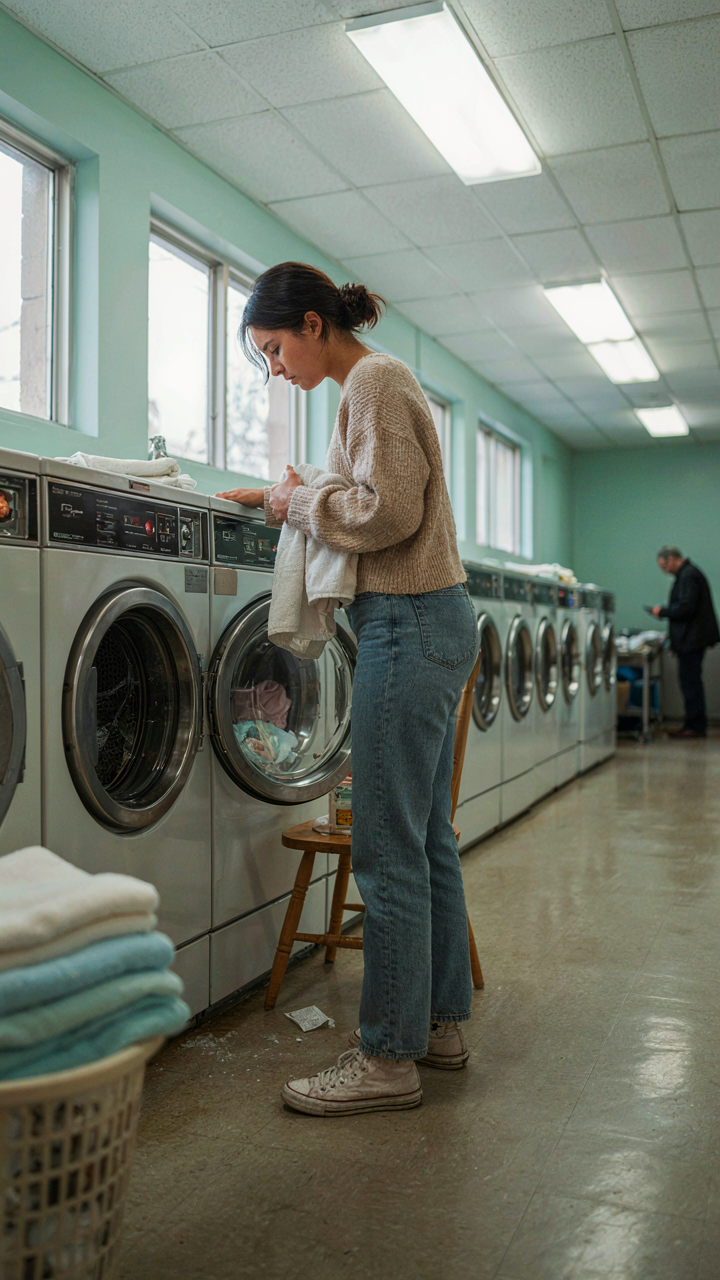
The Real Price Of Waiting
You think laundry day saves money. It doesn’t. The mechanism here is borrowed from economics: you’re experiencing loss aversion, which blinds you to your actual cost per load. A commercial laundromat charges three to five dollars per wash cycle in most US markets. You’ll spend two to four dollars on detergent per load. Add in driving time, waiting time, and the wear on your vehicle. Most RVers undercount this by fifty percent because they don’t track the friction.
The hidden cost sits in frequency. If you wait until laundry fills your storage, you’re running a single massive load weekly instead of two smaller loads. That one trip eats four to eight hours of road time you could’ve used elsewhere. You’ve compressed your week around laundry instead of compressing laundry around your week. The math shifts when you stop thinking about cost per wash and start thinking about cost per hour of freedom lost.
The Water And Power Tax Nobody Names
RV systems operate on constraint, not abundance. Powering a washer and dryer simultaneously pulls fifteen to twenty amps on a standard RV circuit. Most full-hookup campgrounds charge thirty to fifty dollars nightly. You’re paying site fees partly to access utilities you could use more efficiently at home, not less. Fresh water tanks hold twenty to sixty gallons. A standard washing machine cycle uses thirty to forty gallons, depending on the load size and machine age. That’s one tank gone for laundry alone.
The real drain isn’t the utilities themselves—it’s the opportunity cost of staying put to use them. Every hour spent at a laundromat or waiting for a wash cycle is an hour not spent moving, working, or exploring. Your RV’s entire value proposition breaks down the moment you stop thinking of it as mobile and start treating it like stationary infrastructure. Minimize wash cycles by hand-washing undergarments and strategic rotation instead of waiting for a full load to accumulate before hitting a laundromat.
The Minimalist Wardrobe Protocol: A Pre Emptive Strike
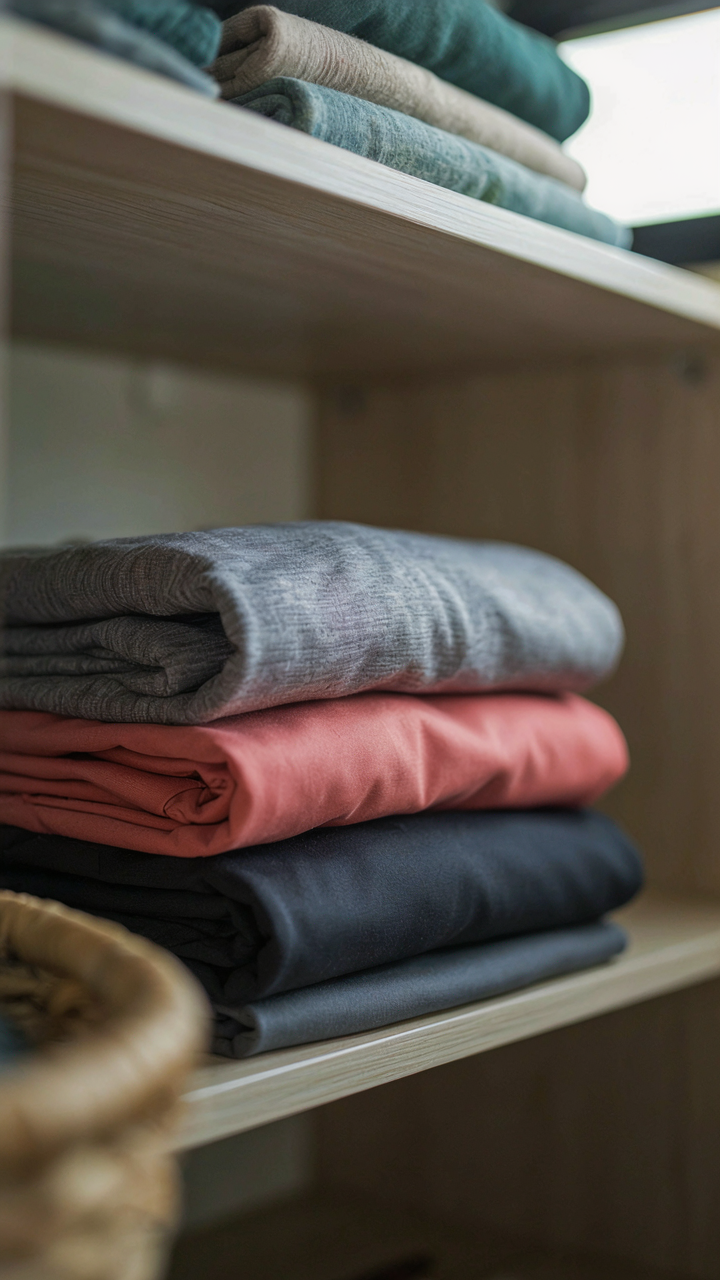
Fabric Choice As First Defense

You want to believe you’ll do laundry more often on the road. That’s not what happens. The real mechanism here is material science: synthetic fibers dry faster, resist wrinkles, and tolerate repeated washing without degradation. Natural fibers demand the opposite conditions an RV provides: humidity control, proper drying time, and careful handling.
Merino wool, polyester blends, and nylon dominate RV wardrobes for one reason: they survive neglect. Merino regulates temperature across twenty-degree swings without odor accumulation. Polyester dries in hours, not days. Cotton demands space, time, and perfect conditions you don’t have. Stop fighting material limitations and work with what physics allows.
Garments That Compound Function
Most people pack clothes that do one job. You need clothes that solve multiple problems simultaneously. A pair of lightweight pants that work as both casual wear and sleep bottoms cuts laundry frequency in half. A merino base layer functions as underwear, workout gear, and layering piece across seasons. Neutral colors matter here because they let you mix pieces without visual conflict.
The protocol is simple: every garment must serve at minimum two purposes across different contexts. A black button-up works over a t-shirt, under a jacket, and as a sleep shirt. Khaki shorts convert to capris with a cuff fold and function across temperature changes. You’re not buying less clothing. You’re buying clothing that doesn’t demand laundry as often because it covers more ground between washes.
The “Wear More, Wash Less” System: Decontaminating Your Mindset

Odor Elimination, Not Just Stain Removal

You care about this because you’re afraid you’ll smell bad and lose status. The mechanism is simple: odor comes from bacteria, not dirt. Stains are visual noise. Bacteria is the actual problem. Most RV dwellers wash clothes to feel clean, but they’re conflating two separate systems. You can have a stain and zero odor. You can have no visible stain and rancid smell. The bacteria die from heat, UV exposure, or antimicrobial action. Stains fade from surfactants and agitation. Treating them as one problem wastes water and wear on fabric.
Between wash cycles, deploy targeted odor kill before submersion. Hang damp clothes in direct sunlight for four to six hours. UV light kills bacteria. Spray problem zones with white vinegar diluted 1:1 with water, let it dry, then air in sunlight again. Baking soda sprinkled on the fabric overnight neutralizes odor compounds without requiring water. These interventions happen in hours, not laundry day cycles. You extend garment life, cut water consumption by half, and stay functionally odor-free in an RV tank that cannot handle daily laundry loads.
Spot Cleaning Versus Full Submersion: Efficiency
Laundry economics teach us resource allocation: the 80/20 principle applies here. Twenty percent of your clothes generate eighty percent of your laundry load volume. A shirt with a coffee stain on the cuff does not need full submersion. Only the affected area requires surfactant and friction. Full submersion wastes water, detergent, and electrical power in an RV where each is finite and costs money per mile. Spot cleaning works because you’re targeting the actual problem zone instead of treating the entire garment as contaminated.
The protocol is mechanical and repeatable. Wet only the stained section with cold water. Apply a small amount of concentrated detergent directly to the spot. Agitate with a soft brush or cloth for two minutes. Rinse with cold water until soap residue clears. Hang to dry. A shirt treated this way uses one liter of water versus fifteen to twenty liters in a coin laundry or RV washer. Reserve full submersion for garments with distributed soil: work pants, gym clothes, bedding. Everything else lives on spot cleaning until multiple spots trigger a wash cycle.
Microbial Load Management: An Evolutionary Approach To RV Laundry

Your Immune System Isn’t Your Enemy

You want permission to wash clothes less often without feeling gross. That’s the real ask here. The hygiene hypothesis from evolutionary biology states this plainly: your immune system evolved in an environment saturated with microbes, and the sterilization obsession of the last fifty years has weakened your baseline resilience. Your RV laundry problem isn’t about eliminating bacteria. It’s about managing microbial load to the threshold where your skin microbiome stays stable and odor doesn’t activate. Most people keep washing because they’ve been sold fear, not because clothes actually need daily cleaning.
The mechanism is straightforward. Bacteria generate odor through metabolic waste, not through simple presence. A shirt worn once accumulates roughly 10 million bacteria per square inch, but these haven’t yet reached the density where they produce detectable compounds. By day three or four, population doubling accelerates and volatile fatty acids spike. Your nose detects this, not cleanliness. The shift from day two to day three marks the actual threshold. Extending wash cycles to this point saves water, reduces detergent buildup in RV tanks, and costs nothing.
Fabric As A Petri Dish You Control
Treat your clothes like managed ecosystems, not contamination vectors. Cotton and synthetics behave differently because their fiber structure creates distinct microhabitats. Cotton’s cellulose lattice retains moisture deeper, creating anaerobic pockets where odor-producing bacteria thrive. Synthetic fabrics dry faster on the surface but trap heat near skin contact zones during wear, accelerating bacterial reproduction in those specific areas. The hack isn’t choosing one fabric type. It’s understanding which clothes create conditions for rapid microbial growth and rotating them strategically to interrupt the cycle.
Minimize growth rate by controlling moisture and temperature between wears. Hang worn clothes outside or near RV vents immediately after removal, not in a pile. Airflow breaks the sealed environment bacteria need to reproduce. UV exposure from sun kills surface microbes but takes time. The faster you move from enclosed wear to exposed air, the slower the population grows. In an RV where space is constrained, this single behavioral shift extends washable intervals by two to three days without odor problems or fabric degradation.
DIY RV Laundry Solutions: Beyond The Bucket
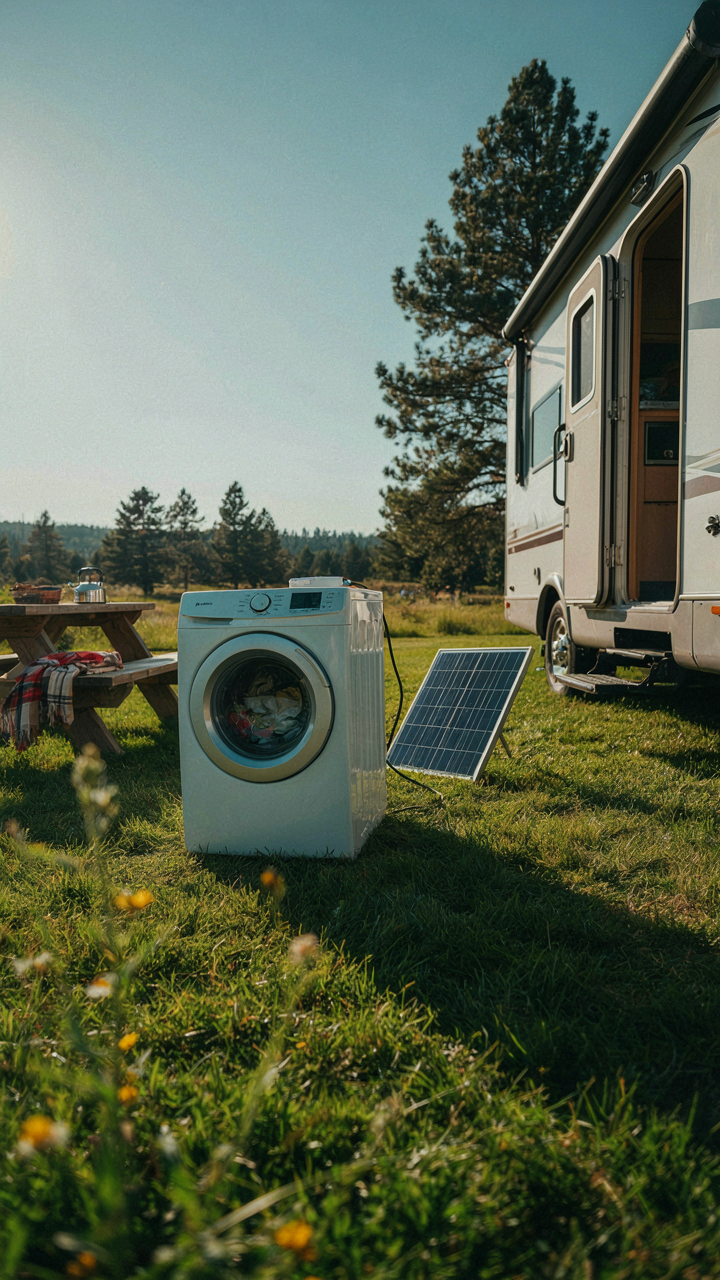
Portable Washing Machines: Efficiency Vs. Convenience

You want the machine because you’re afraid hand washing will consume your life. The real mechanism is load capacity versus power source dependency. A portable washer trades manual labor for battery drain or generator runtime. Small drum machines (3-5 pounds) won’t justify their weight. Mid-size units (7-10 pounds) demand shore power or sustained generator use, which defeats the mobility premise of RV life.
The efficiency math breaks against you on the road. Most portable washers use 20-40 gallons per cycle. You’re trading time saved against water tanks, waste tanks, and power constraints. Hand washing in a bucket uses 5-10 gallons and zero electricity. If you’re stationary for two weeks, a portable washer works. If you move every three days, the setup time and water logistics kill the advantage.
Sun, Air, And Creative Rigging
This section demands thinking in thermodynamics: the science of heat transfer and moisture removal. Evaporation rates determine dry time, and evaporation requires three conditions: heat, airflow, and low humidity. Most RV owners ignore the airflow variable and wonder why clothes stay damp.
Hanging wet clothes inside an RV cabinet traps moisture and breeds mildew. The solution is forced air movement. Open the roof vent fan while clothes hang on an interior rod or tension line. If weather permits, rig an exterior clothesline on the RV frame using carabiners and paracord. Sun accelerates evaporation, but sustained airflow matters more than direct heat. In high humidity or cold climates, a small clip fan positioned to blow across hanging clothes cuts dry time by half. Position the fan to push moisture toward an open window or roof vent.
The Water Wise Wash: Optimizing Resources In RV Laundry
Where Your Greywater Actually Goes

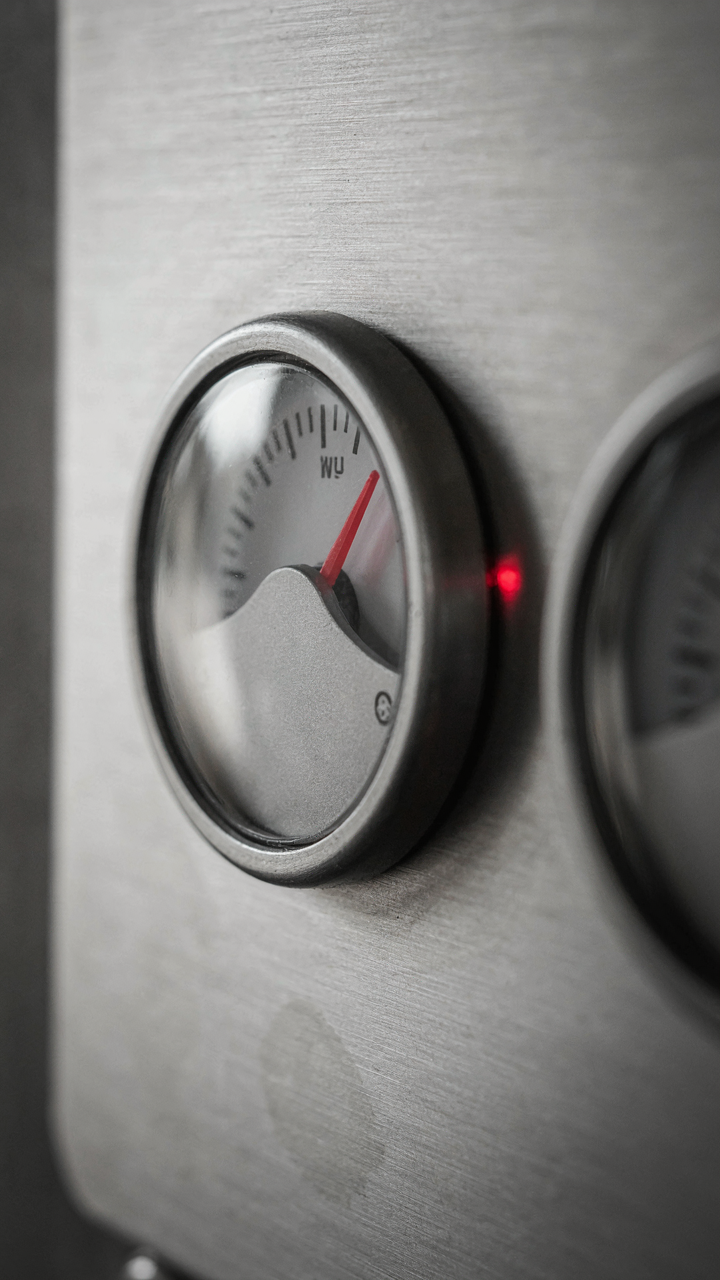
You care about this because you want permission to stop feeling guilty about waste. Here’s the mechanism: greywater from your washing machine enters your RV’s tank system, and that tank has a finite capacity that determines your autonomy on the road. Most RV owners don’t grasp that their greywater tank fills faster than their freshwater depletes, which inverts the typical resource constraint. You’re limited by discharge, not consumption.
Your greywater system works in one direction: drain outlet connects to tank, tank connects to dump station. The math is straightforward. A standard washing machine cycle uses fifteen to twenty gallons. Your typical RV greywater tank holds thirty to fifty gallons. That means two loads and you’re forced to find a dump station or risk overflow damage to your system. The real move is routing your washing machine directly to an external tank when stationary, bypassing your RV’s internal greywater entirely, which preserves tank capacity for shower and sink discharge you can’t redirect.
Soap Chemistry That Actually Works Outdoors
Biodegradable soaps work through microbial decomposition, a principle borrowed from soil biology. When you dump greywater with standard detergent, those surfactants persist in soil and groundwater for months. Biodegradable formulas break down into harmless compounds within days because soil microbes recognize them as food. Most RV owners think “biodegradable” is marketing noise. It’s not. The term is regulated by ISO standards and Federal Trade Commission guidelines that define degradation rates and toxicity thresholds.
Greywater dumped near campsites or dispersed camping areas matters because it seeps into local water tables. Camp suds never stay contained. Use soap with plant-based surfactants and zero phosphates. These formulas cost slightly more but eliminate the guilt and potential legal liability at managed campgrounds where environmental compliance matters. Check the label for specific claims about aquatic safety, not just the word “natural.” Your dump protocol changes nothing, but your soap choice changes what happens after the water leaves your tank.
RV Laundry Storage: The Unsung Hero Of Organization
Ventilated Storage Prevents Mildew And Odors

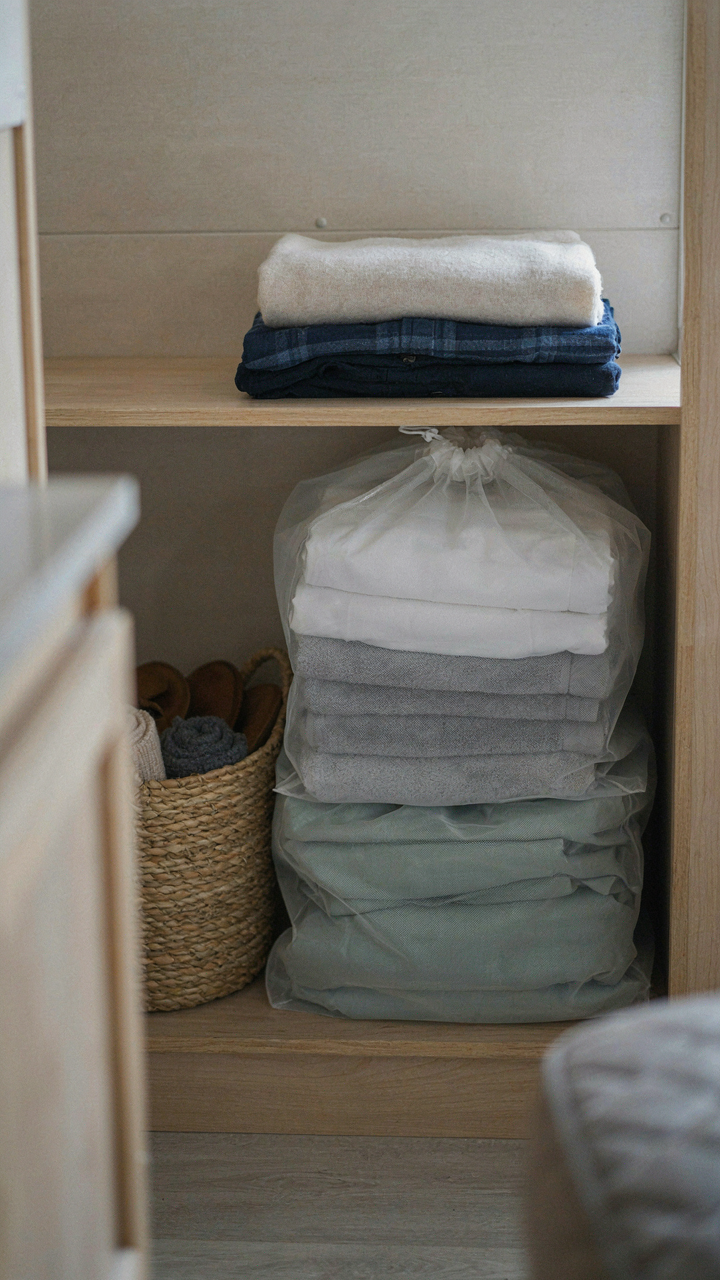
You want clean laundry to stay clean so you don’t have to rewash it and waste water, propane, and time. The mechanism is simple biology: mildew grows when moisture meets dead fabric fibers in still air. An RV’s enclosed storage creates the exact conditions mildew needs. Moisture from damp clothes or ambient humidity has nowhere to escape, so spores colonize your clothes while they sit in a cabinet.
Stop treating storage like a closet at home. Drill or cut ventilation holes into cabinet doors, or replace solid doors with louvered versions that let air move through constantly. Position wet clothes on open shelves or hanging bars rather than stacking them in closed bins. The goal is airflow that prevents water vapor from settling on fabric. Even a small battery-powered USB fan pointed at stored laundry creates enough circulation to break the mildew cycle.
Compression Folding Maximizes Cabinet Space
Most folding advice wastes your time because it ignores the RV constraint: you have maybe eight cubic feet of storage for laundry. Garment folding has a direct mechanical function—reducing surface area to fit more items per shelf. Rolling clothes instead of flat-folding them cuts occupied volume by 30 to 40 percent because you remove the dead air trapped in traditional folds.
Roll each item tightly, starting from one end and creating a compact cylinder. Stack these rolls vertically like files rather than laying them flat in piles. Vertical stacking lets you see every item without excavating the stack, and gravity doesn’t crush lower pieces the way horizontal stacking does. This is storage density that actually works in practice, not theory.
Camping Laundry Hacks: Adapting To The Wild
Hand Washing Clothes In Remote Areas

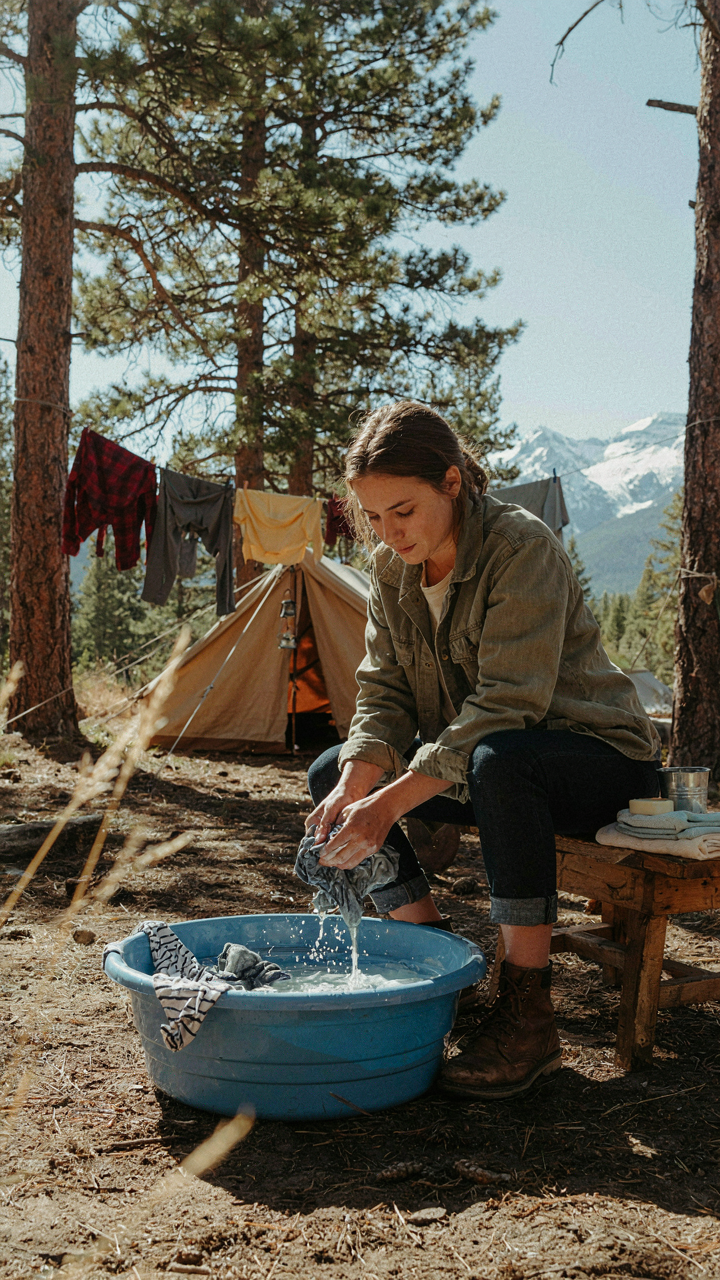
You want to believe you can disappear into nature without the logistics catching up with you. The real issue: water temperature and mechanical action determine clean clothes, not magic or willpower. Handwashing works because friction replaces the drum’s job. Cold water won’t break down oils or detergent effectively. You need warm water, agitation, and time. Most people skip the warmth step and wonder why their clothes still stink.
- Agitation method: Stomp clothes in a bucket or basin for two to three minutes per load. The up and down motion mimics a washer’s drum action and dislodges dirt particles trapped in fabric fibers.
- Water temperature: Heat water over a camp stove or use solar heating by leaving water in dark containers in direct sun for two hours. Warm water activates detergent molecules and breaks down body oils and sweat residue.
- Soak first: Submerge dirty clothes in soapy water for ten to fifteen minutes before agitation. Pre-soaking lets detergent penetrate fibers and loosens embedded grime, cutting your active scrubbing time in half.
- Rinse strategy: Use two separate rinse buckets instead of one. The first bucket removes bulk soap, the second removes residue. One rinse bucket leaves detergent in fabric, which attracts dirt faster on the road.
- Squeeze, don’t wring: Press water out gently by hand or fold clothes and step on them. Aggressive wringing damages elastic and seams, especially on synthetic materials that degrade faster under tension.
The bottleneck isn’t effort, it’s knowing the actual variables. Handwashing beats laundromats in remote areas because you control water temperature and drying timeline. Detergent choice matters more than technique. Use a concentrate like Dreft or travel-specific packets that work in cold water if necessary, though warm water cuts drying time by a full day.
Makeshift Drying Racks And Lines
Most people string a line between two trees and call it done. That ignores evaporation physics. Clothes dry faster when air moves across all surfaces, not just one side pressed against itself. A line dries one side first while the other stays damp, creating mold risk and incomplete drying.
Build a rack instead of a line whenever possible. Use PVC pipe or collapsible camping frames to create horizontal drying space. Lay clothes flat or drape them over multiple rungs so air circulates beneath and around each piece. Position the rack perpendicular to wind direction, not parallel. Parallel placement creates a wind shadow. Perpendicular placement forces air to move across the entire surface. In high humidity or cloudy conditions, position your rack in direct sun and rotate it every two hours to shift which side faces the heat. Ultraviolet light accelerates water evaporation and kills odor bacteria.
The RV Life Hacks Laundry Edition: Beyond The Obvious
Stop Treating Clothes Like They’re Disposable

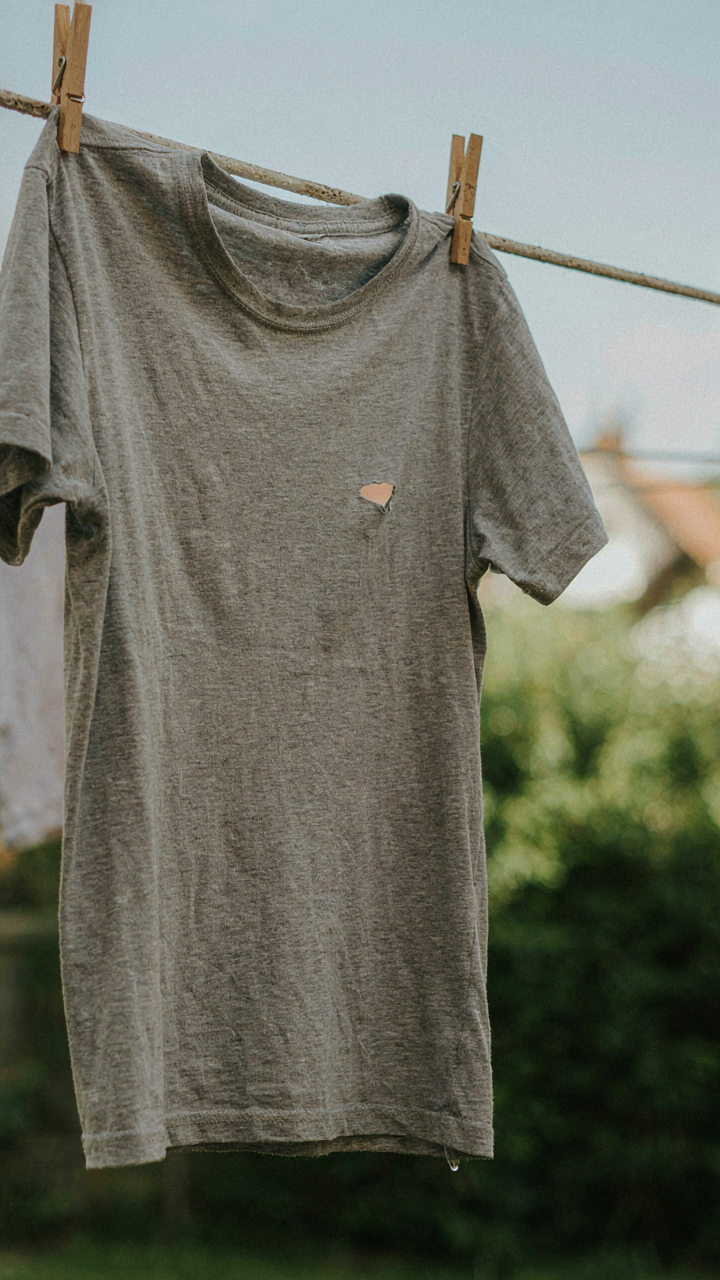
You care about this because RV space forces the issue: you can’t just buy more. The real mechanism is fabric degradation, which follows the same decay pattern as any material system. Heat, friction, and chemical exposure compound over time. Most people wash hot, dry hot, and fold wrong. Each cycle accelerates fiber breakdown. RV laundry isn’t about cleaning—it’s about slowing the inevitable death of your wardrobe in a confined space where replacements take deliberate effort.
Prevention starts before water touches fabric. Wear items twice when possible. This cuts wash cycles in half. Turn everything inside out before washing to reduce surface friction. Use cold water for 90 percent of loads—detergent works fine without heat. Air dry whenever your RV setup allows. The dryer is your wardrobe’s fastest enemy because heat degrades fibers exponentially faster than water alone.
Quick Fixes When Everything Goes Wrong
The laundromat isn’t always nearby, and sometimes you spill, sweat through, or grab the wrong shirt. Spot cleaning beats a full wash for minor stains. Mix a small amount of detergent with cold water, apply directly, let it sit for ten minutes, then rinse. For sweat or deodorant buildup, use white vinegar. For ink or set-in stains, do not use hot water—heat locks them permanently. Keep a travel-size enzyme stain remover in your RV. Apply it immediately, wait the recommended time, then wash normally.
Odor removal requires different thinking than stain removal. Baking soda kills smell without water. Sprinkle it inside the garment, let it sit overnight in a sealed bag, then shake it out. For emergency quick-dry situations after a full wash, use your RV’s heating system. Hang damp clothes near (not directly against) a vent. Rotation matters: move items every twenty minutes to ensure even drying. This prevents mildew better than cramming wet clothes into a compact closet.
Full Time RV Living: When Laundry Becomes A Lifestyle

The Rhythm That Actually Sticks
You want to believe you’ll stay on top of laundry because you fear looking like you can’t manage basics on the road. Here’s what actually matters: laundry works like a supply chain. You don’t wash when clothes run out. You wash before capacity collapses. Pick a day each week, same day, same laundromat or setup. This removes the decision fatigue that kills consistency. Most people wash reactively, then scramble when nothing clean remains.
Your schedule owns you or you own it. Full time RV life exposes laziness fast. Set laundry day for the same weekday every week, ideally Tuesday or Wednesday when laundromats have fewer people and machines available. Do it then, not when you feel like it, not when you’re near a laundromat. The discipline creates breathing room. You move through your week knowing laundry is handled, not lurking as a background anxiety.
Finding The Right Laundromat Network
Laundromats aren’t interchangeable. Some have equipment that destroys fabric. Some have wait times that steal half your day. Build a mental map of three to five reliable laundromats on your regular routes. Check for: functional dryers that actually heat, washers that don’t vibrate the whole building, and hours that align with your schedule. A laundromat worth returning to is worth a 20-minute drive. Consistency beats convenience.
Talk to other RV dwellers at each location. They know which machines work, which ones steal quarters, which owner actually fixes things. Information flows through this network fast. Many full timers stick with regional laundromats because they’ve tested the equipment and trust the owner. You’re not hunting randomly each time you need clean clothes. You’re executing a known system that works. Do that and laundry stops being a problem that consumes your mental energy.
The Real Obstacle Isn’t The Dirt On Your Clothes, It’s The Dirt In Your Thinking
Most people fail at RV laundry because they treat the road like home. They expect the same setup, timeline, and results. That’s your mistake. Stop fighting the system and start designing around it. The hack isn’t some cleaning trick. It’s accepting constraints as your competitive advantage. Your load today: pick one laundry task and do it wrong on purpose. See what happens. Limitation breeds innovation, and innovation breeds freedom on the road.