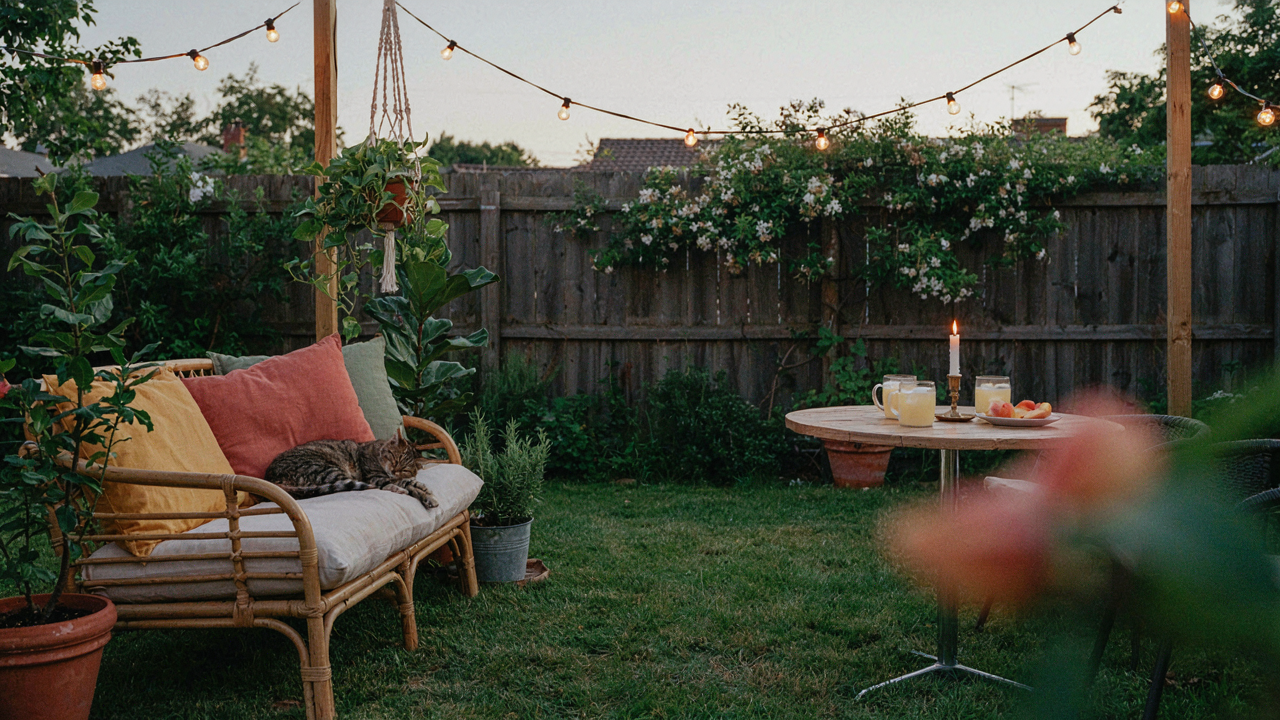
The Illusion Of Limitation: Why “Small” Is Your Superpower

Maximize Intimacy, Minimize Obligation
You’re worried people will think your yard is too cramped to throw a real party. That’s the actual concern, stripped of pretense. The mechanism is simple: constraint forces selectivity. You cannot invite everyone, so you stop performing for the crowd and start curating for connection. Small spaces kill the default party problem, which is that most guests stand around waiting for permission to matter.
A twelve-person gathering in a compact yard generates forced proximity. People talk longer because they cannot escape into the safety of distance. You eliminate the dead zones where guests cluster in silence. Intimacy emerges from physical necessity, not from trying harder. This is why restaurants with tight table spacing report higher repeat visits and stronger social bonding among diners than sprawling venues with the same food.
Creative Constraints Breed Unconventional Solutions
Everyone tells you to maximize space. That’s half the insight and the lazier half. Design constraints actually accelerate problem-solving. In product design, limited resources force teams toward the most elegant solutions. Apply this: a ten-by-twelve yard cannot host a conventional buffet setup, so you move toward passed appetizers, which create circulation and interaction patterns that larger yards never achieve.
Small garden parties demand specificity instead of excess. You choose a precise number of guests, a defined timeframe, a focused activity. This removes the dilution that kills most social gatherings. You decide whether this is a standing wine hour or a seated dinner, not both. When you work within real constraints instead of pretending they do not exist, your execution becomes sharper and your guests experience something deliberate rather than something cobbled together.
The Scarcity Protocol: Optimizing Every Square Foot
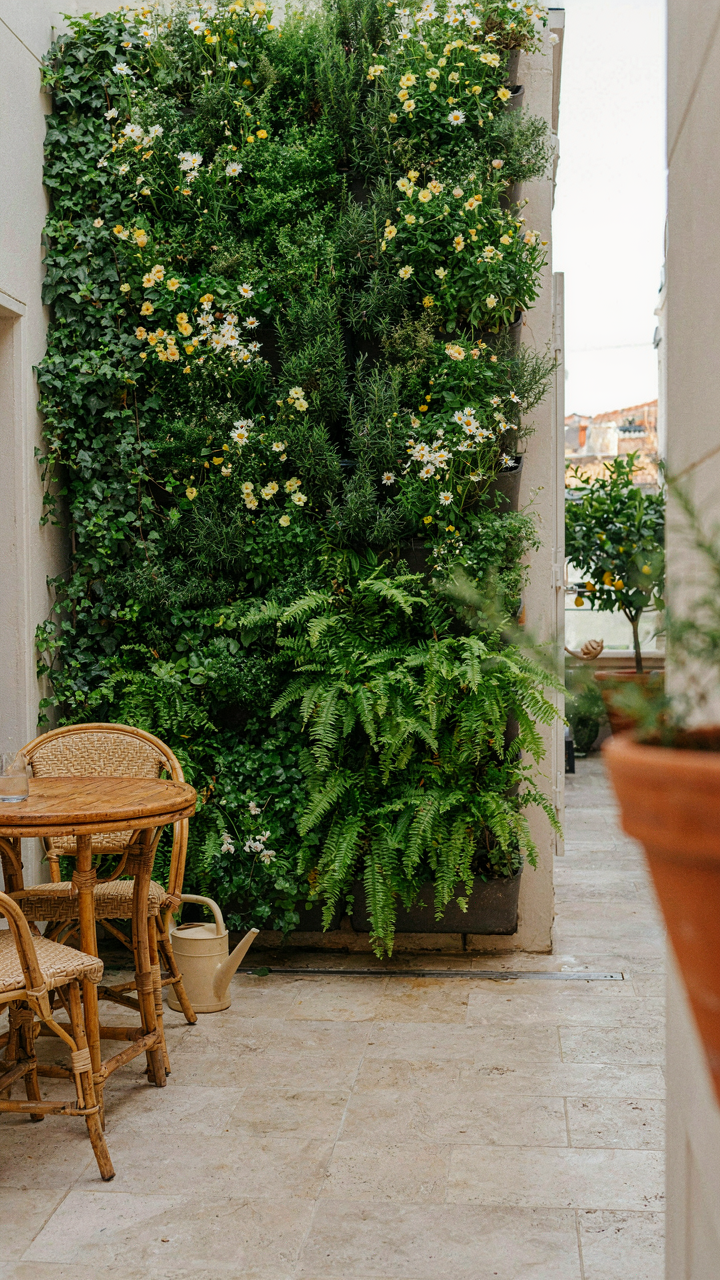
Go Vertical Before You Expand Horizontally

You want your tiny yard to feel larger than it is. That’s the real motive here, and it won’t happen by spreading things flat. Verticality is the mechanism. Wall-mounted planters, trellises, and tiered stands transform wasted vertical space into functional surface area. A six-foot fence becomes a growing wall. A corner becomes a tower of seating or plants. You’re not adding square footage—you’re multiplying usable planes.
Multi-use elements eliminate the false choice between aesthetics and function. A bench with built-in storage seats guests and holds supplies. A raised planter becomes a table edge or standing space during the party. Folding furniture disappears after the event. The constraint forces you to design for overlap instead of single purposes. Every object earns its position through dual function or it doesn’t deserve the space.
Choreograph Movement Like Troop Deployment
Military logistics solves the actual problem small yards create: bottlenecks and collision points. Think of your guests as units that must flow, not cluster. A command post in military terms has clear entry, staging, and exit points. Your garden party needs the same structure. Position the food station at one boundary, seating at another, and the circulation path between them wide enough for two people to pass without touching elbows.
Flow collapses when you ignore sightlines and pathways. Guests bunch near the entrance because they have no visual reason to move deeper into the space. Remove obstacles that break the path. Create a subtle reason to move—a focal point, a second seating cluster, or a narrow passage that opens into breathing room. The party dynamics shift entirely when people can move without calculating their steps. Establish one clear entry and one clear secondary area. This single decision prevents the cramped feeling that kills small garden parties.
Beyond Birthday Decor Outdoor: Crafting Intentional Ambiance
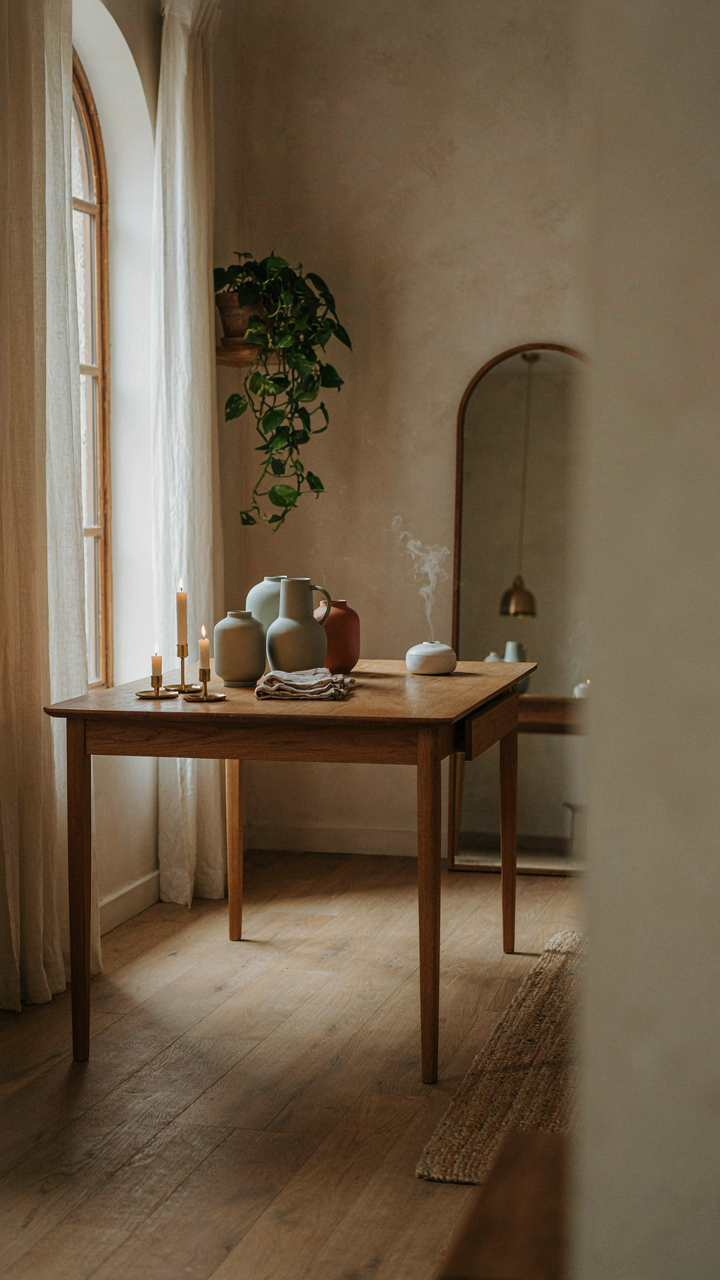
The Sensory Stack That Replaces Decoration

You want people to feel like they’re somewhere else, somewhere better than your cramped yard. That’s the real goal. But decoration alone won’t do it. Borrow from retail design: retailers engineer what’s called “sensory layering” to extend perceived time and increase perceived value. A small garden party works the same way. Most people slap up lights and call it done. Wrong. Sound, scent, and texture create spatial depth that decoration cannot. They fill gaps. They distract from limits.
Start with sound as a spatial tool, not background noise. A water feature, even a small recirculating fountain, reframes acoustics. It masks neighbor noise and creates acoustic privacy. Scent works faster: herbs brushing against guests, citronella if bugs are present, or just freshly cut grass. The brain processes scent differently than visual input. It doesn’t criticize it; it accepts it as environmental fact. Texture matters most people miss entirely. Rough wood, smooth stone, soft moss underfoot. Guests touch these things unconsciously and trust the space more because of it.
Mood Through Strategic Light Placement
Most people think lighting means brightness. Brightness is the opposite of what you need. Light serves one job: control where attention lands and how long guests linger in each zone. Theaters and nightclubs understand this. They don’t light the whole room equally. They create pools of attention. A small garden party with limited space needs the same discipline.
Avoid overhead light entirely. It flattens everything and reveals every flaw in your yard. Instead, place light sources low and behind sightlines. Path lights keep people moving through the space without feeling herded. String lights create horizontal planes that make a cramped yard feel contained rather than exposed. Candlelight, despite its inefficiency, works because the flicker registers as life in the brain. Use it near seating areas where people spend most time. The mechanism is simple: control light position and intensity, and you control how guests perceive and navigate your entire space.
The Micro Menu Manifesto: Quality Over Quantity

Curated Bites, Minimal Fuss

You want people to think you’re sophisticated without revealing you spent all weekend cooking. That’s the real game here. The mechanism is constraint: when you serve five exceptional things instead of fifteen mediocre ones, guests remember the five. Their brain doesn’t compute “limited menu” as “lazy.” It computes it as “intentional.”
Small yards force you into this anyway, so lean into it. Pick dishes you can prepare in advance, plate in your kitchen, and serve without last-minute scrambling. Avoid anything that requires active tending at the party—grilling, frying, plating to order. Your attention belongs on guests, not on being a short-order cook in your own backyard.
Self Service Sophistication
The DIY drink station removes the bartender bottleneck that kills small-space parties. Instead of you playing server, guests grab what they want when they want it. This isn’t laziness masquerading as modern. It’s a proven operational model: give people autonomy over their own experience and you free yourself to actually host.
- Pitcher of base cocktail: Pre-batch one drink ahead of time—a punch, spritzer, or simple mixed drink. Keep it chilled and let people pour over ice. Reduces traffic to your kitchen by half.
- Wine and beer on ice: No fridging needed. Set bottles in a bucket or cooler filled with ice. Guests self-serve, temperature stays stable for hours.
- Water and sparkling water: Non-alcoholic guests or pace-setters need clear options. Fill a dispenser or carafe so people don’t ask “where’s water” every five minutes.
- Garnish station: Small bowls with citrus slices, herbs, or edible flowers next to the pitcher. People customize their own drink and feel like they’ve accomplished something.
- Label everything simply: Use small cards or tape to name each drink and any key ingredients. Prevents repeated questions and creates a deliberate, organized feel in a tight space.
A self-service station sends a clear signal: this isn’t a formal event where you’re being served. It’s an intentional gathering where you participate in your own experience. That shift in psychology changes how people behave in your yard. They relax.
Whimsical Backyard Party: Elevating The Guest Experience
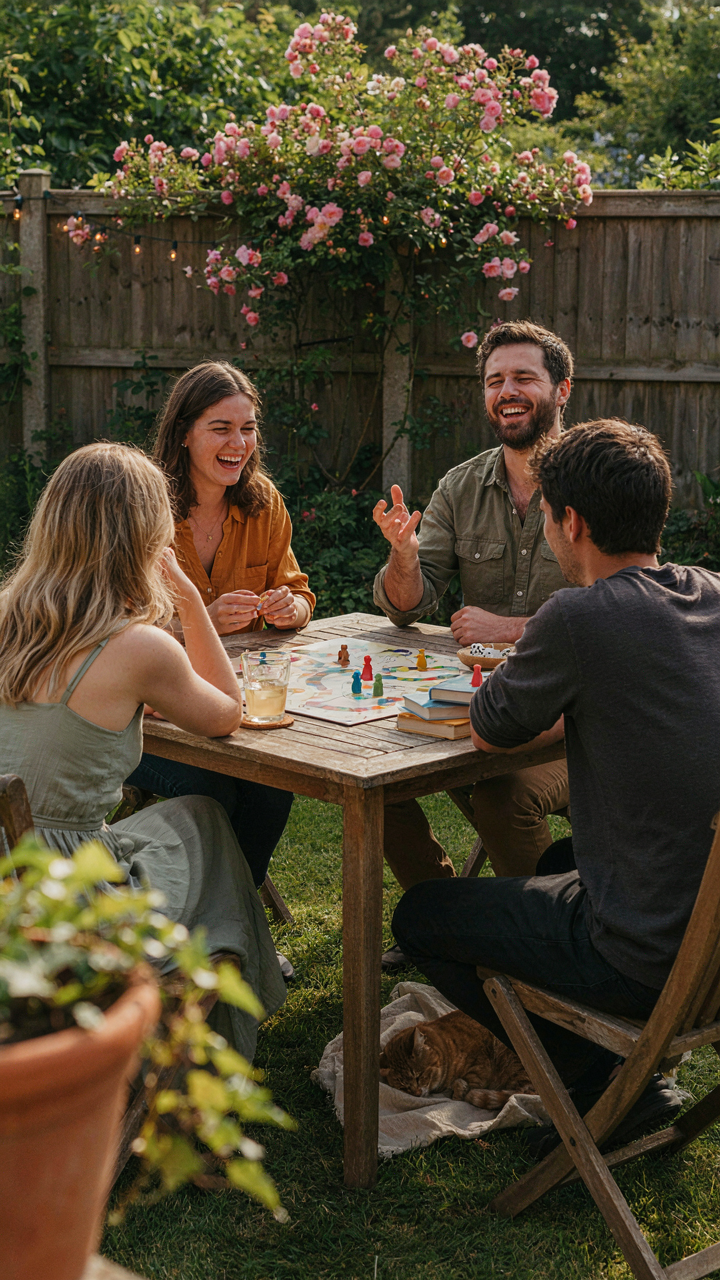
Activities That Anchor Attention

You want people to remember your party because it reflects on you, not because they actually had fun. The mechanism here comes from attention economics: your guests arrive with divided focus, and you need to give them a single point of convergence. Activities aren’t entertainment—they’re permission structures that eliminate the dead air where people check their phones or cluster into the same three conversations.
The mistake most people make is loading a small yard with too many options. A lawn game in one corner, music playing, someone grilling, drinks table elsewhere—this fragments your group into isolated clusters. Instead, choose one focal activity that demands low but genuine participation. A small fire pit, a simple card game tournament, or a shared cooking station creates natural rotation and conversation threads that persist even after people leave the activity itself.
Seating That Forces Connection
The real reason people fail at small garden party seating is they treat it like a waiting room instead of a social infrastructure problem. Borrow from spatial design: density and proximity determine interaction frequency. Put six people in a circle on lawn chairs spaced two feet apart, and you get crosstalk and fragmentation. Same six people on a bench and two stools arranged at a table create forced eye contact and makes interruption feel natural rather than rude.
Asymmetrical seating breaks the stiff dinner-party vibe that kills small gatherings. Mix bench seating with individual chairs, place some pieces slightly offset, avoid perfectly parallel arrangements. This minor friction makes people adjust their positioning, which triggers actual conversation adjustment instead of the same person monopolizing talk. The goal is seating that makes it awkward to zone out, not comfortable to withdraw.
The Un Decorated Aesthetic: Rustic Birthday Party Simplicity
Natural Elements As Your Primary Layer

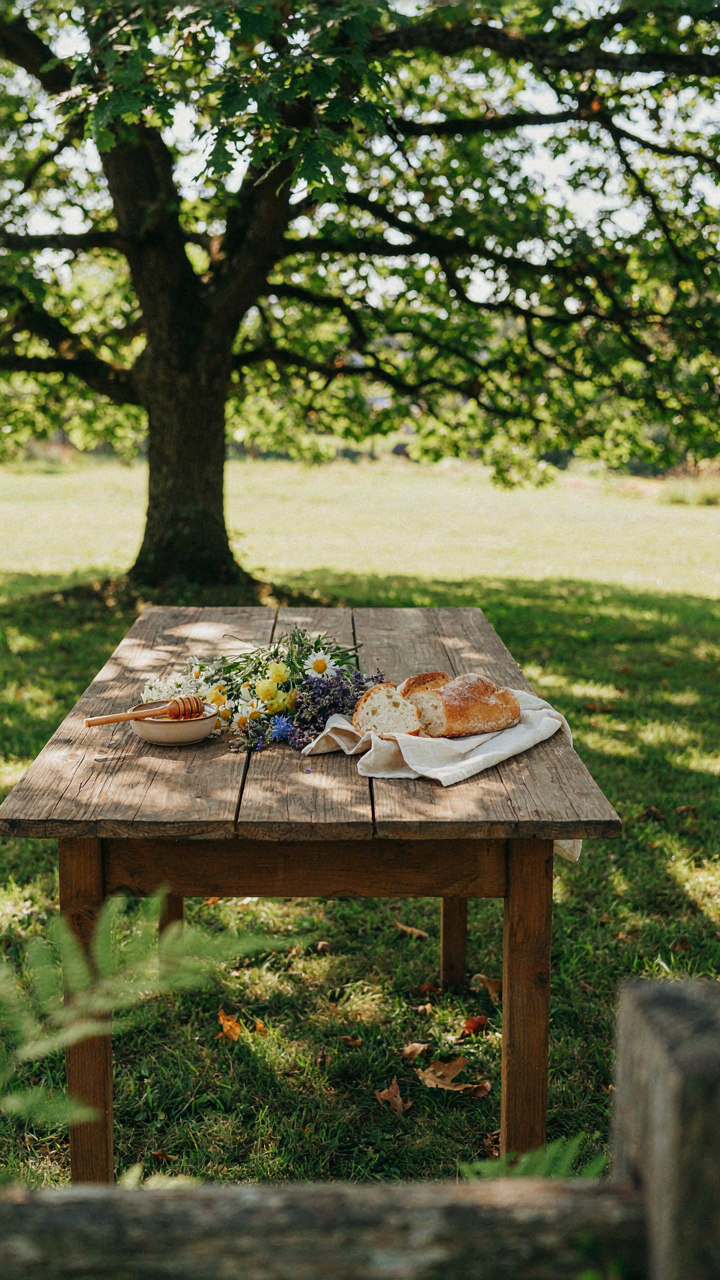
You want to skip the decorations because you’re afraid spending money on stuff nobody remembers makes you look cheap. The mechanism is simple: nature does the visual work for free, and guests read authenticity faster than they process balloons. A small yard already has trees, soil, grass. These are your baseline. Rocks, branches, potted plants you already own—these become your palette. The constraint isn’t the problem. It’s the advantage.
Rustic design emerged from necessity, not aesthetics. Farmers and rural communities used available materials because they had no other option. The style stuck because it works. In a tiny yard, this means letting existing landscape features dominate rather than fighting them with store-bought décor. Arrange seating to face a tree. Position food tables near a garden corner. Use what’s already there as the reason people look in that direction. The yard’s existing bones become your actual design system.
Focal Points Replace Visual Noise
Generic advice tells you to “decorate throughout the space.” Wrong. Scattered decoration in a small yard creates chaos, not charm. You need one or two anchors that pull the eye and justify the entire gathering. This is the principle of constraint from graphic design: remove everything except what matters, then that thing becomes impossible to ignore.
Pick one focal point. A food table with height variation. A fire pit with seating around it. A string of lights between two fixed points. Everything else stays minimal. The focal point gives people a reason to move and gather. It prevents the awkward spread where guests stand isolated in empty corners. Build the party architecture around that single anchor, then let the background stay quiet. This structure costs nothing and makes the tiny space feel intentional instead of cramped.
Logistics Of Laughter: Smooth Flow For Tiny Spaces
Where People Actually Enter And Exit

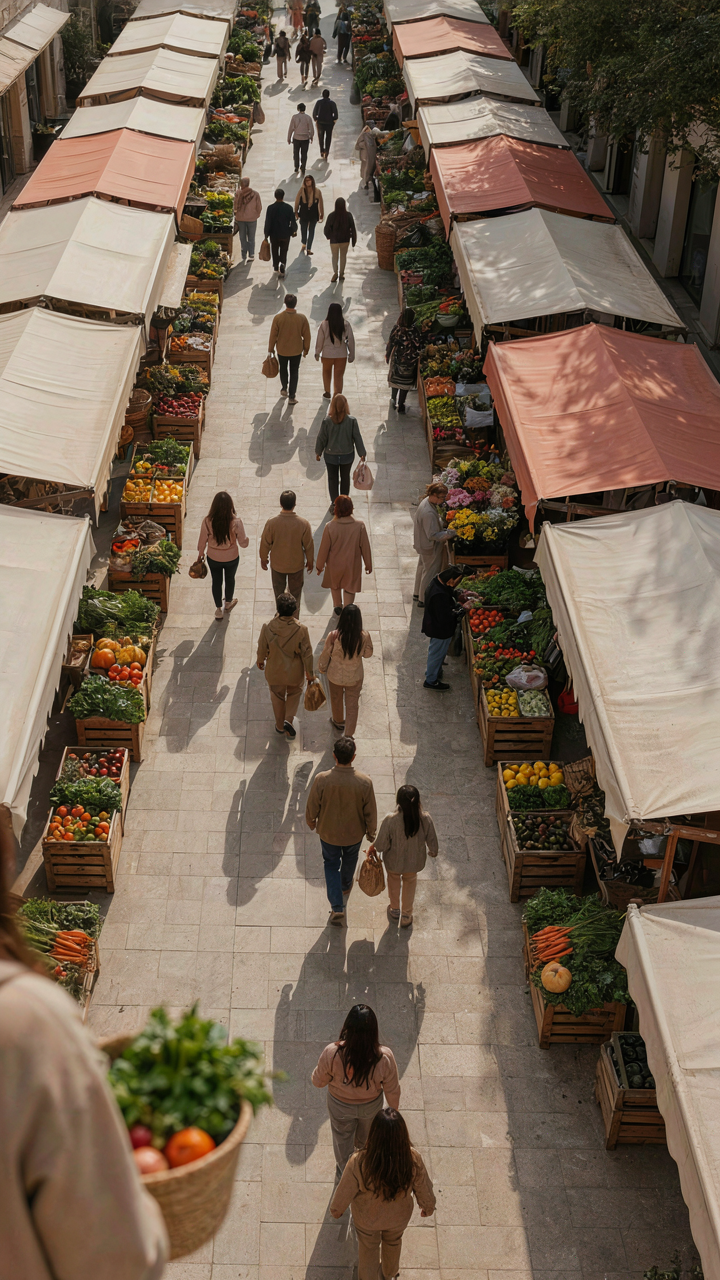
You’re worried guests will feel cramped and judge your space. The real problem isn’t the size—it’s bottlenecking. Borrow from crowd flow engineering: identify your “choke points,” the narrow passages where bodies physically cannot move past each other. In a tiny yard, this is usually the gate, the patio entrance, or the path between plantings. You solve this before the party starts, not during it.
Clear these zones entirely one day before the event. Remove any chairs, planters, or decorations blocking sightlines or walkways. A three-foot minimum passage width prevents the awkward shuffle where guests apologize and shuffle sideways. If your gate opens inward, swing it fully back and prop it open. If your patio has a single entry point, position seating so people can reach all areas without crossing through occupied space. This single move eliminates the trapped feeling that makes tiny yards feel smaller.
Trash Handling That Doesn’t Scream “Party Waste”
Most hosts hide trash bags in corners or behind structures, then watch guests pile garbage on tables because they can’t find the bin. This signals disorder and makes the space feel dirty. Position one discreet receptacle—a bag-lined basket or bin—at the exit point where people naturally leave. Make it obvious without making it prominent: place it near the gate or at the patio threshold, not center yard. Use a container that matches your outdoor aesthetic or drape it neutrally. Set a second smaller bin indoors for indoor guests. Empty both bins one hour into the party if attendance is high, so guests never see overflow. This prevents the cascade effect where a full trash bin becomes a visual focal point that degrades the entire experience.
Garden Party Aesthetic Decor: The Art Of Subtraction
Remove Before You Decorate
You want to feel like you have taste, and decor makes you feel like you do. The mechanism here borrows from design reduction: in visual composition, negative space increases perceived value. A tiny yard has natural constraints that force this principle. Most people fight it by cramming more objects in, hoping density reads as intention. It doesn’t. Three well-placed elements beat twelve scattered ones. Your job is subtraction, not addition.

Start by clearing everything that doesn’t serve the party itself. Remove garden tools, stored items, broken planters, and overgrown edges. This isn’t about achieving sterility. It’s about creating visual quiet so the few things you choose actually register. A single statement piece in open space has weight. The same piece surrounded by clutter disappears. Your small yard’s constraint becomes an advantage once you accept it.
What Actually Matters Over Instagram
People photograph what they can recognize and feel something about, not what matches a digital mood board. Authentic decor means choosing one or two objects that reflect how you actually gather, not how you imagine gathering. A worn wooden table you already own beats a rented bistro set. String lights strung haphazardly because you hung them yourself beat perfectly symmetrical market lights. The gap between what you own and what you rent shows immediately.
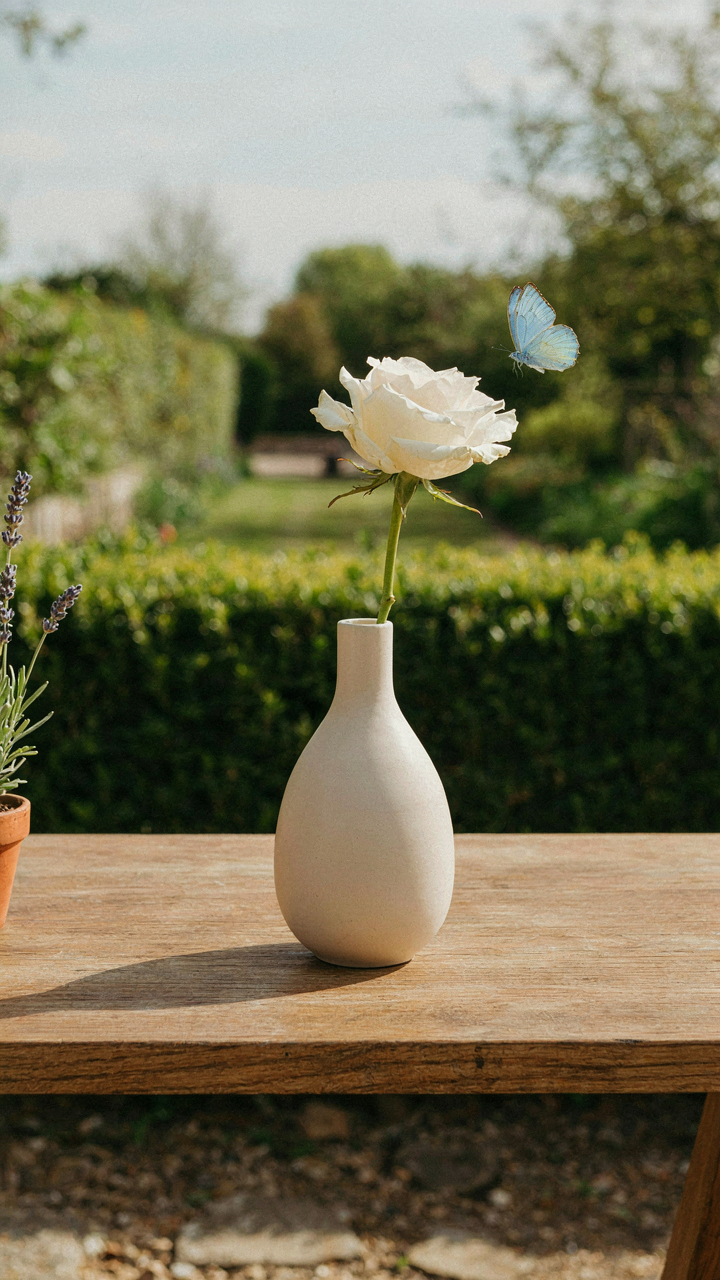
Build decor around what’s already there. If you have a fence, that’s your backdrop. If you have mature plants, that’s your texture. If you have brick or stone, work with it. One or two fresh flowers in jars you already own creates more authenticity than a florist’s arrangement that screams “occasion.” The guests remember the feeling of being in your actual space, not the feeling of being on a set. Pick one personal element and let everything else support it.
The Only Thing Truly Tiny Here Is Your Ambition To Break From Tradition
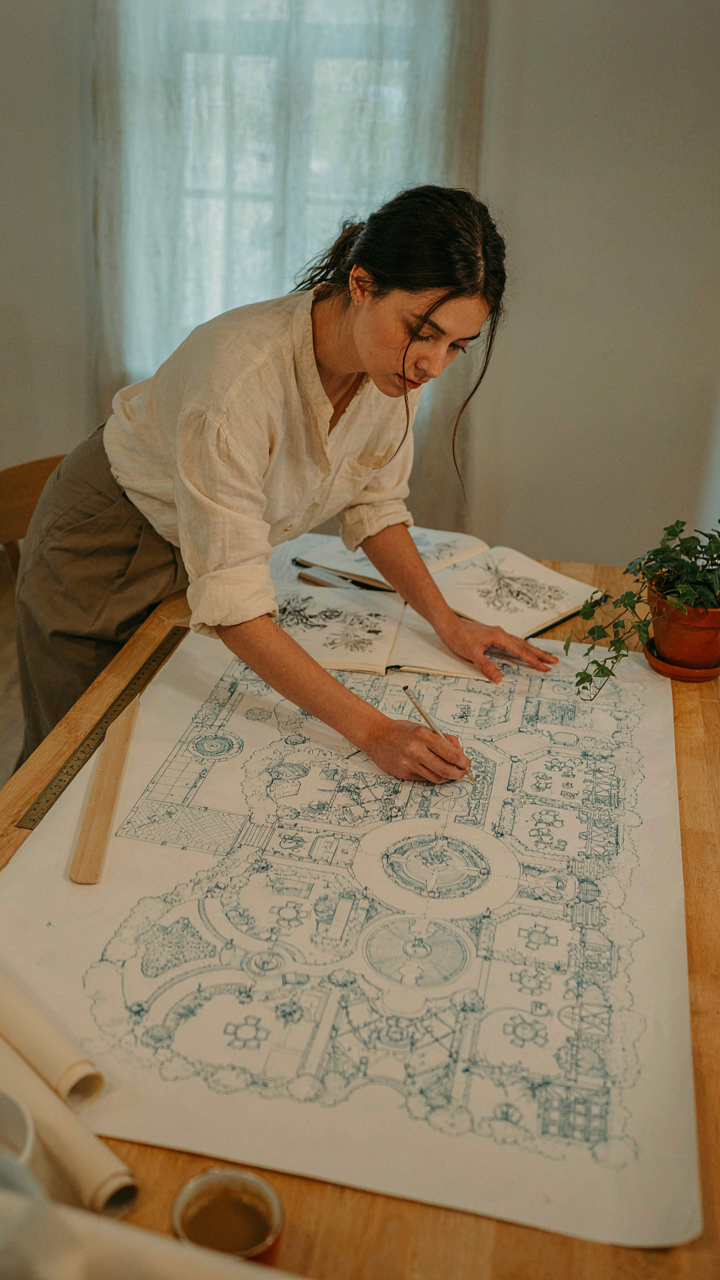
Most people shrink their party expectations to match their yard size. You’re doing the opposite. Stop designing around limitation and start designing around intention. Your small garden party doesn’t need more space, it needs more courage. Text three people right now and invite them to something unconventional next weekend. The constraint isn’t your yard. It’s your willingness to ignore what everyone else does.