The Minimalist Camp Kitchen Protocol
One Pot, One Pan, Done
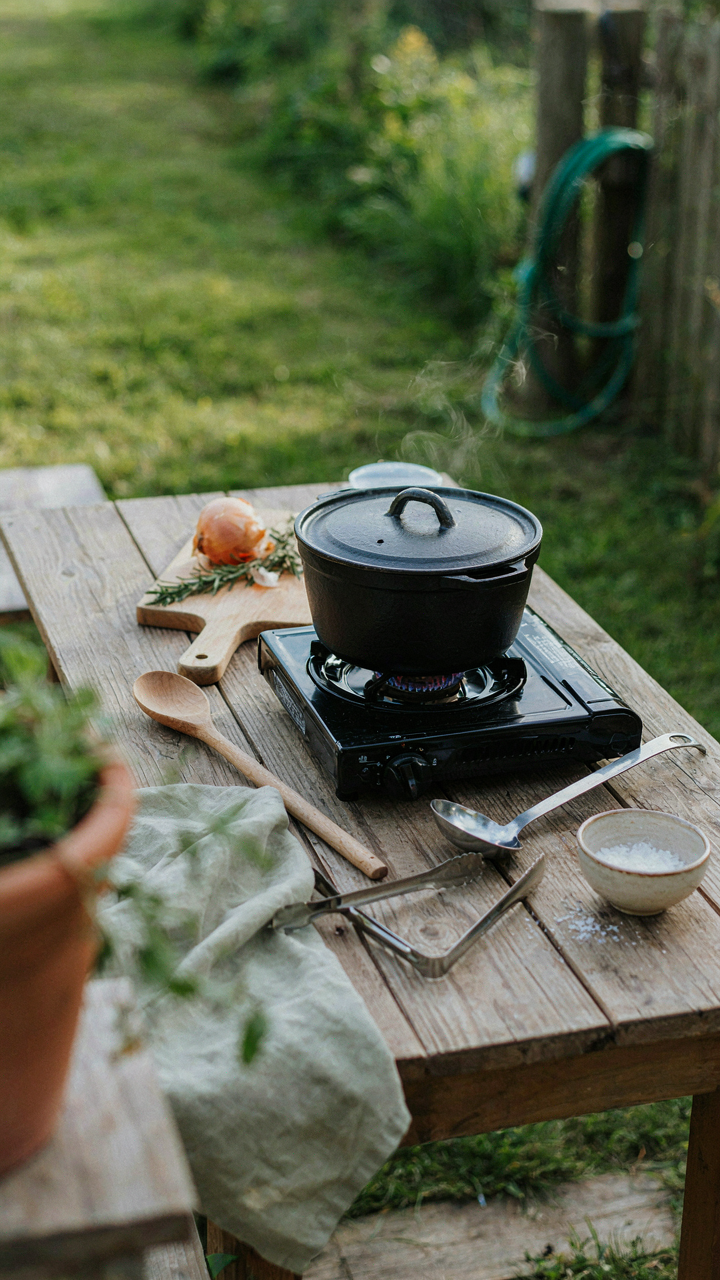
You want to feel competent without overthinking. The real mechanism here is constraint. Physics teaches us that systems with fewer variables behave predictably. Apply that to camp cooking: fewer tools mean fewer failure points and faster problem-solving. A single pot handles 80% of backyard campout food. A single pan handles the rest.
The pot does boiling water for pasta, rice, or dehydrated meals. It steams vegetables. It simmers sauce. It brews coffee. The pan sears meat, fries eggs, and toasts bread over flame. That’s your entire operation. Everything else is friction dressed up as capability. You don’t need a griddle, a Dutch oven, a wok, or specialty cookware when you’re thirty feet from your back door.
Use What You Already Own
Most people buy camping gear to feel prepared. What actually works is owning fewer, better tools you’ve already tested. Grab a stainless steel pot from your kitchen cabinet and a cast iron skillet from under your stove. You know how these behave. You’ve used them. No learning curve. No surprises at 7 PM when hunger hits.
Cast iron holds heat for hours, which matters when fire intensity fluctuates. Stainless steel won’t react with acidic foods. A wooden spoon you have works. A spatula you own flips food fine. Aluminum foil from your drawer manages heat and storage. Your existing kitchen equipment has zero cost and 100% familiarity. Buy nothing new. Set up what you own, cook, move on.
Pre Game Prep: The Time Leverage Strategy
Chop And Mix Before You Leave
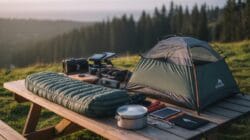
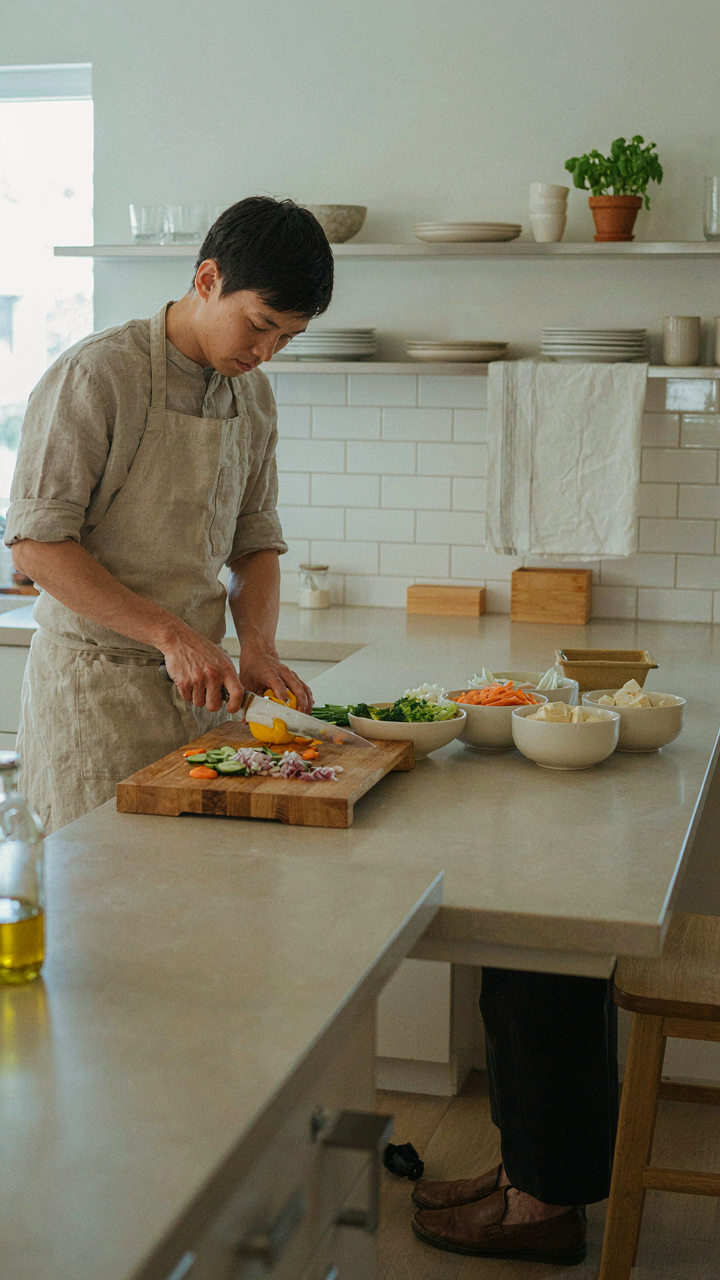
You want to feel spontaneous at the campfire, like the meal happens naturally. That’s the real reason you’re reading this. Here’s the mechanism: prep indoors where you have light, counter space, and clean hands. Every vegetable you chop at home is time you don’t spend fumbling with a cutting board balanced on a cooler in the dark.
Wash and cut onions, peppers, and potatoes the morning of your trip. Store them in sealed containers so they stay cold and don’t oxidize. Pre mix dry ingredients for any recipes you’re cooking outdoors. Measure spices into small bags labeled with the dish name. This collapses setup time from twenty minutes to two minutes when hunger hits.
Portion Everything Into Single Use Packs
Most advice says “bring what you need and adjust.” That’s incomplete. Portioning is an economics problem: you’re trading a small time cost upfront for zero waste and zero space loss downstream. Every ounce of food you portion out tells you exactly what you have and stops you from overpacking.
Pre portion proteins into meals before you pack. Use ziplock bags or aluminum foil wraps marked with the date and contents. Do the same with breakfast items, snacks, and condiments. Pack meals by day so you grab one bag instead of five containers. You’ll know immediately when you’re out of something instead of discovering it mid meal.
Bonfire Basics: Master The Flame, Not The Recipe
Coals Over Flame For Real Heat Control

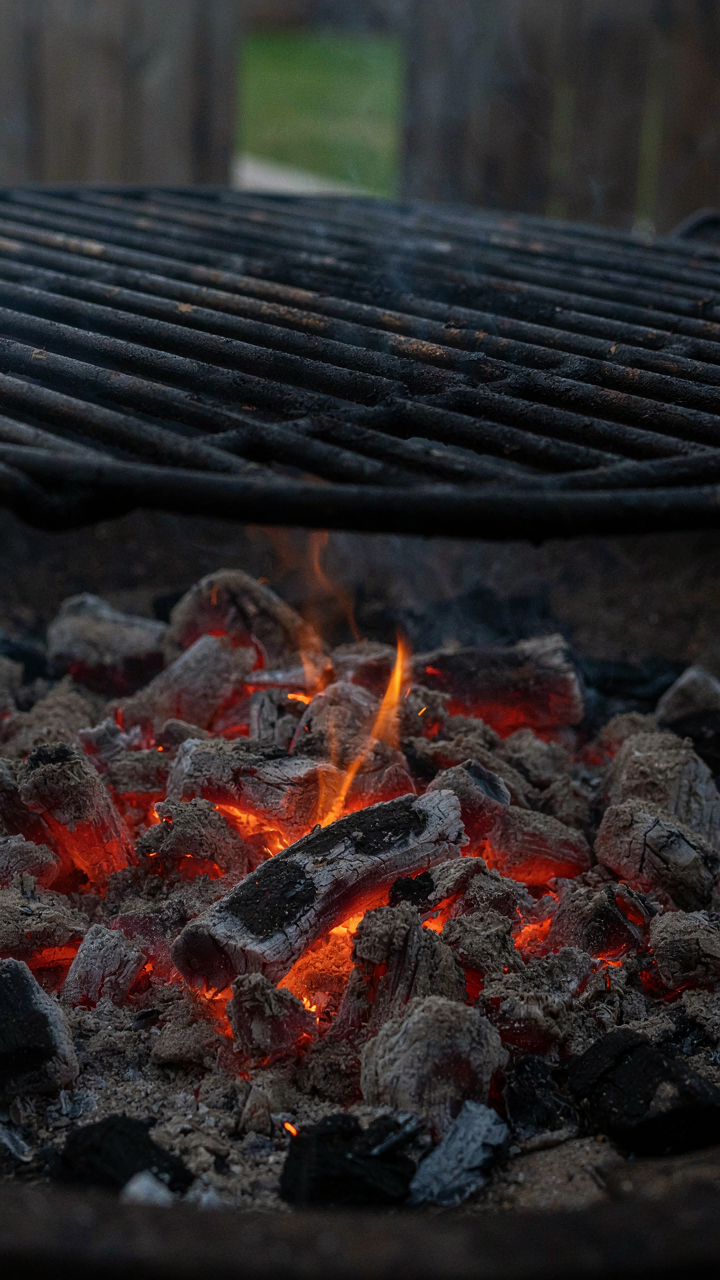
You want to look like you know what you’re doing around a fire. The actual mechanism is thermodynamics: coals radiate steady, indirect heat while flames spike and cool unpredictably. Most people cook over flame because it’s visible and feels active. That’s why their food burns outside and stays raw inside.
Coals take fifteen to twenty minutes to form from a wood fire, but once they do, they hold temperature. Rake them into a perimeter around your cooking area, then place your pan or grill grate above them. Direct flame is for starting fires and visibility. Direct flame is not for cooking food. Move your coals closer or farther from the grate to adjust temperature, not by waving things around over the heat source.
Cast Iron And Water: Minimal Fuss Maximum Output
One-pot cooking isn’t romantic. It’s efficient. A cast iron skillet or Dutch oven sitting over coals handles proteins, vegetables, and starches in a single vessel. You control temperature by coal proximity and lid placement. Everything cooks together, flavors consolidate, and you wash one pan instead of four.
Start with diced protein and aromatics if you have them. Add your vegetables and grains or potatoes. Pour water or broth until everything is just covered. Cover the pot and let coals do the work for thirty to forty minutes. Check it once halfway through. Stir only if something sticks to the bottom. The mechanism is time and contained moisture, not your attention or skill.
The “Scavenger Hunt” Pantry: What You Already Have
Pantry Staples Work Differently Over Fire
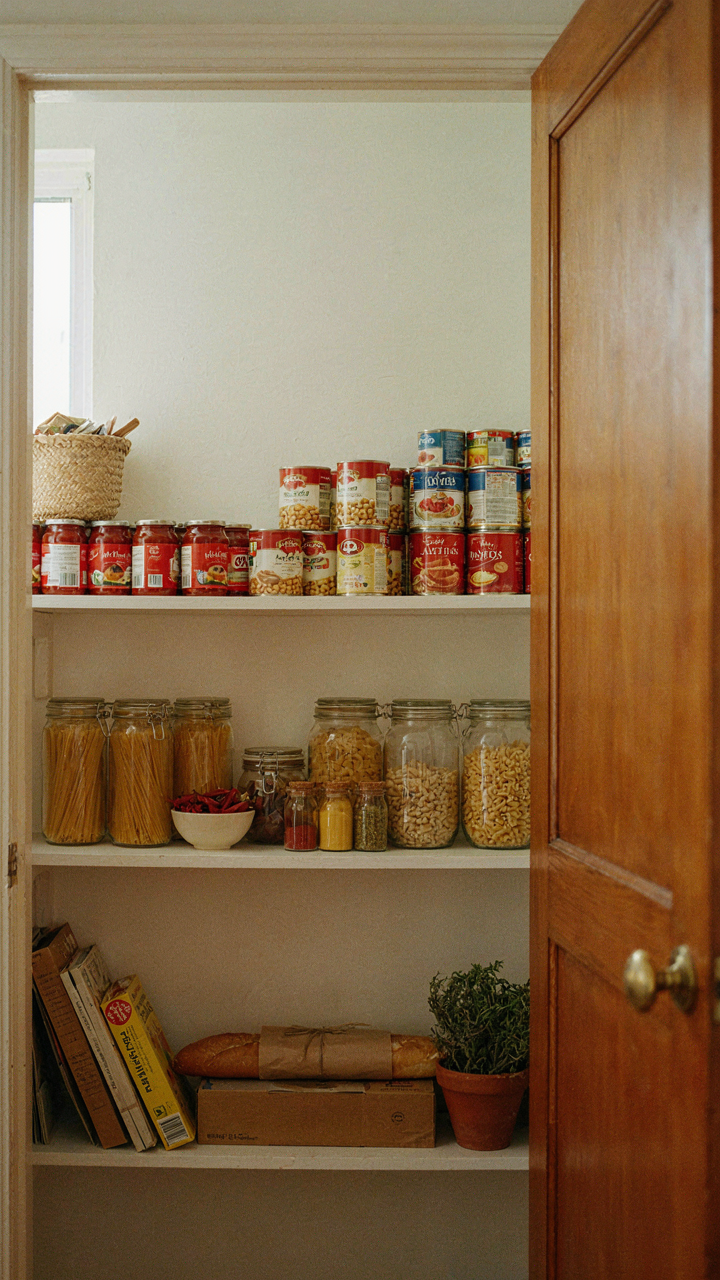
You think you need special camping food. You don’t. What you actually fear is looking unprepared in front of people, so you buy the wrong gear instead of using what works. The mechanism is simple: heat transfer changes which pantry items perform. Dry goods like pasta, rice, and beans don’t care if heat comes from a stove or fire. Oil, salt, and canned goods become more valuable outdoors because they solve the core problem—bland, cold food. Everything already in your kitchen has a camping application if you understand how fire changes cooking time and moisture loss.
Most people waste money on prepackaged camping meals because they don’t map their pantry to fire cooking. Canned soup heats faster over a campfire than stovetop because direct flame concentrates heat. Pasta cooks identical. Flour, sugar, and baking powder make functional campfire bread without specialty products. The real advantage of your pantry is redundancy. You already own backup supplies. You already know how these ingredients taste. Grab them, test them over fire once at home, then pack them.
Leftovers Become Camp Meals, Not Waste
The common advice says pack fresh ingredients. Wrong. Leftovers have three tactical advantages: they’re cooked, they’re already seasoned, and they don’t spoil as fast as raw food. Roasted chicken from yesterday’s dinner travels better than raw chicken breast. Cold rice reheats in ten minutes over flames. Last night’s vegetables won’t spoil overnight in a cooler. Leftovers reduce your prep time at the campsite by hours.
Strategy here is ruthless: cook extra the night before, store it in airtight containers, pack it cold. Reheated leftover steak with canned beans tastes better than most camping meals most people eat. Day-old pasta with jarred sauce and canned tuna creates a complete protein without opening multiple fresh items. The protocol is simple: identify what you cooked this week, pack what doesn’t require refrigeration for more than 24 hours, reheat it over coals.
Kid Proof Fuel: Easy Campfire Meals For Kids
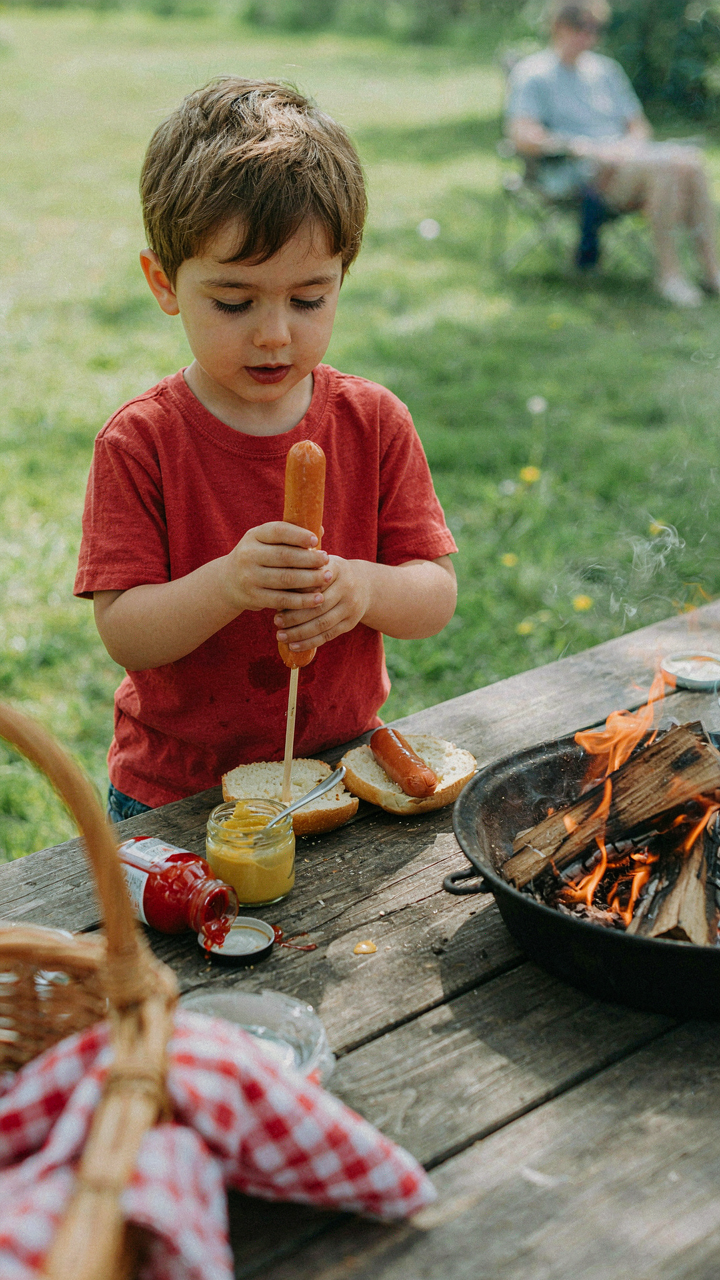
Let Them Build It

You want your kids to eat without complaint and feel independent. The mechanism is simple: ownership kills resistance. When a child assembles their own meal, they’ve already committed to eating it before it’s done cooking.
Skewers work best here. Thread hot dogs, bell peppers, or marshmallows onto sticks and let kids rotate them over low flames. Foil packets work too—kids layer cheese, ground beef, potatoes, and onions inside aluminum, then place it at the fire’s edge. The act of construction triggers investment. They monitor their own food instead of asking when dinner’s ready. Boredom vanishes when they have a job.
Vegetables They Won’t Notice
The common advice says hide vegetables in sauce or blend them into other foods. That works but wastes effort. Better move: cook vegetables until they lose their vegetable texture, then serve them as part of a structure kids already want to eat.
Corn on the cob doesn’t read as a vegetable to kids—it reads as texture and butter. Grilled zucchini rounds become crispy chips when you char them hard enough. Bell pepper strips caramelize over fire and taste like candy. The trick isn’t deception. The trick is texture transformation. Vegetables that get dark, crispy, or soft lose their threat profile. Build foil packets with diced potatoes, carrots, and onions mixed with ground beef and cheese. Kids eat the whole thing because the vegetables are just part of the mass, not identifiable targets on the plate.
Snack Supremacy: Optimize For Fun Camping Snacks & Energy
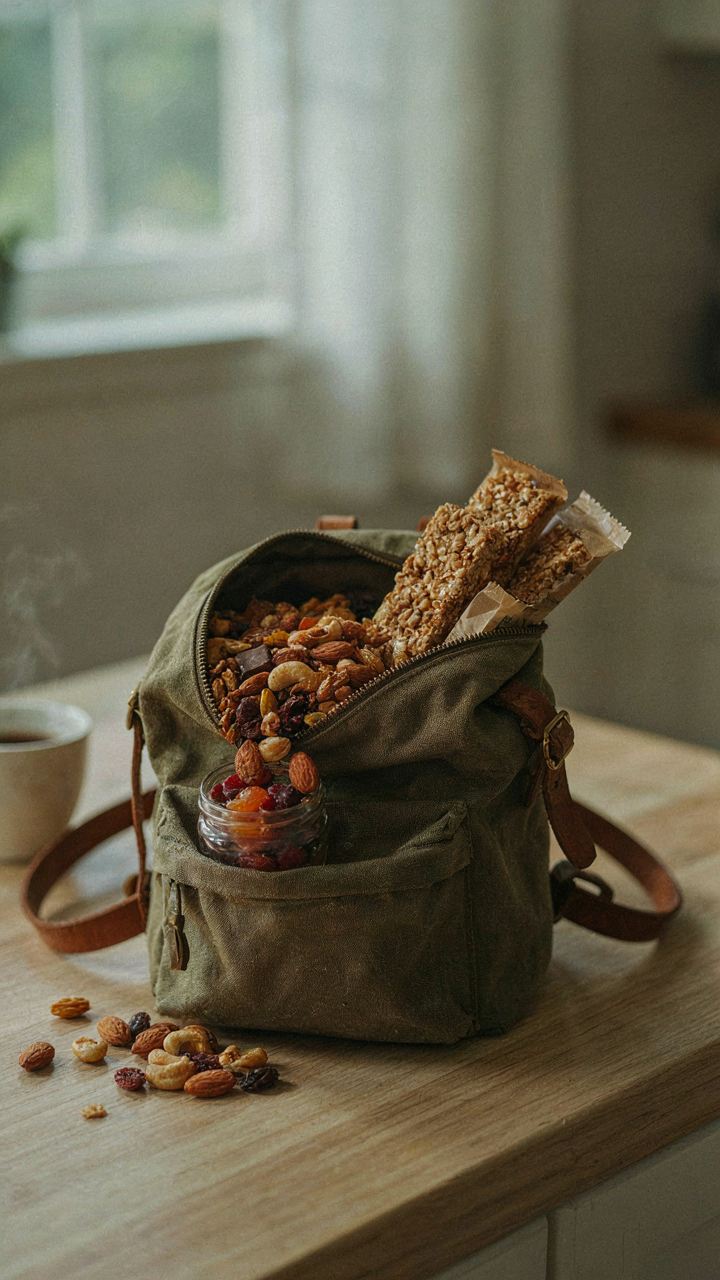
Calorie Density Wins Every Time

You want snacks that feel like an upgrade, not rationing. That’s the real reason you care about this section. The mechanism is simple: thermodynamics. In physics, energy density measures how much power you pack into a given mass. Apply that directly to camping snacks. A pound of peanuts delivers four times the calories of a pound of apple slices. You need foods where the caloric output justifies the weight you carry and the space it takes in your cooler.
- Nuts and Seeds: Almonds, cashews, and sunflower seeds pack 160-200 calories per ounce. No preparation needed. They store for days without refrigeration.
- Nut Butter Packets: Single-serve almond or peanut butter pouches deliver 180-200 calories per packet. Eat straight or pair with crackers. No spoon cleanup required.
- Beef Jerky: Provides 80-100 calories per ounce with high protein density. Satisfies hunger longer than carbs alone. Lasts unrefrigerated for days.
- Dried Fruit and Nut Mix: Combine dried mango, coconut flakes, and almonds for 150-170 calories per ounce. Carbs plus fat equals sustained energy without crash.
- Chocolate Chips or Dark Chocolate Squares: 150 calories per ounce. Fat content slows digestion. Works as morale boost and caloric anchor between meals.
The mistake people make is treating snacks as replacements for meals. They’re not. They’re energy insurance. Pack them dense, pack them tight, and you’ll notice you don’t hit that 3 PM wall where everything feels like work.
Keep Your Hands And Gear Clean
Most camping snack advice ignores the actual friction: sticky fingers destroy gear. Your phone screen smudges. Your sleeping bag gets grease spots. Your fire-starting materials fail when damp from residue. This isn’t about politeness. It’s about function. Sticky snacks create failure points in your entire system.
Dried nuts, jerky, and chocolate don’t transfer to your hands or equipment. Granola bars work only if they’re the low-moisture type. Fresh fruit gets messy fast and attracts insects to your campsite. String cheese binds your fingers and melts onto gear. Pretzels, crackers, and popcorn stay dry on your hands and break down easily if they spill. The rule: if you can lick it off your fingers afterward without residue, it’s acceptable for the campout.
The “Set And Forget” System: Your Overnight Advantage
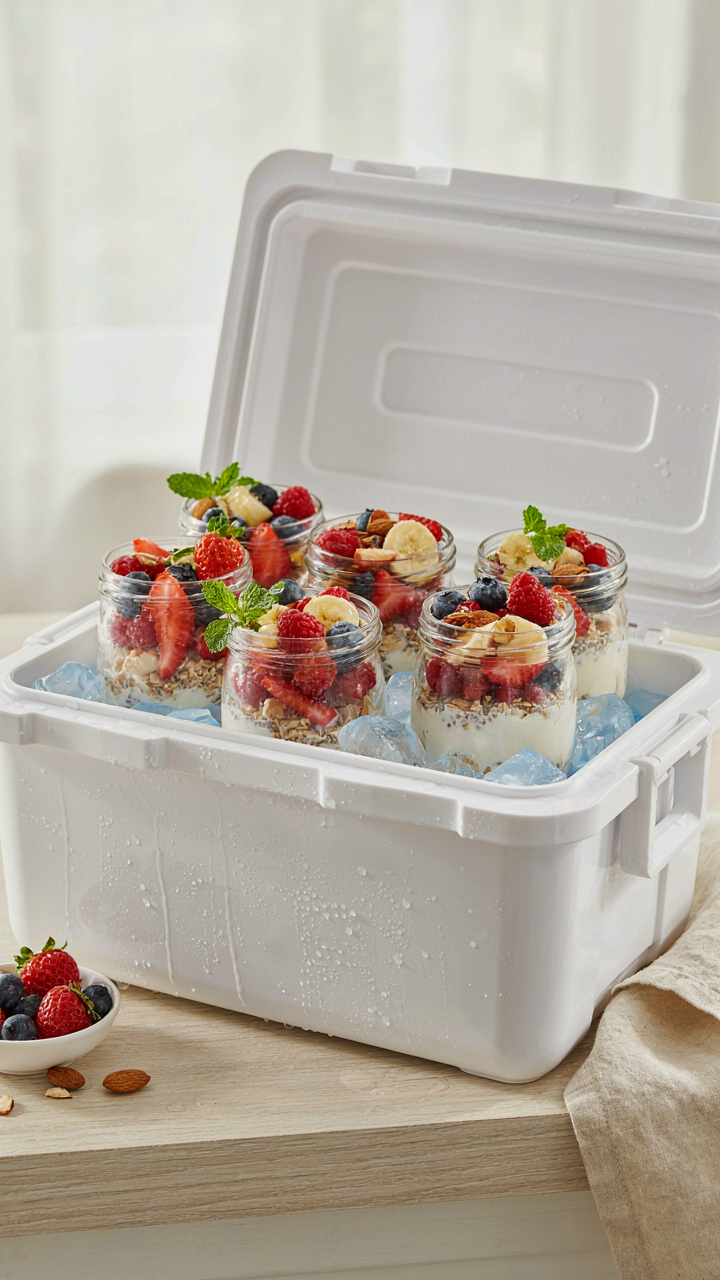
Overnight Oats: Breakfast While You Sleep
You want breakfast ready without waking up at dawn to cook. The mechanism is simple: oats absorb liquid overnight, softening without heat, so you eat a finished meal straight from the cooler. This works because oat starches hydrate in cold water over 8-12 hours, converting them into digestible carbs without a stove.
Prep this the night before you leave for the campout. Mix rolled oats, milk or water, yogurt, and toppings in mason jars or a sealed container. Refrigerate at home, then pack it cold. Grab it in the morning and eat straight from the jar or pour into a bowl. No fuel needed. No cleanup. No decision fatigue.
Slow Cooker Magic: Unattended Meals
Everyone thinks slow cookers only work at home. Wrong. Slow cookers run on 12V car power or battery packs, turning a set-and-forget approach into portable deployment. Economics calls this “leverage”—your input of prep time yields output of finished food with zero intervention during the campout.
Prep meat and vegetables at home in the cooker’s insert, then transfer it to the unit at your site. Plug into a power source in the morning and cook for 8-10 hours while you do other things. Stews, pulled chicken, and ground beef chili work best because they need low, steady heat to break down connective tissue. Dinner arrives hot and ready. This frees your attention for actual camping instead of food management.
The Economics Of Effort: Maximize Taste, Minimize Work
Time Is The Actual Cost

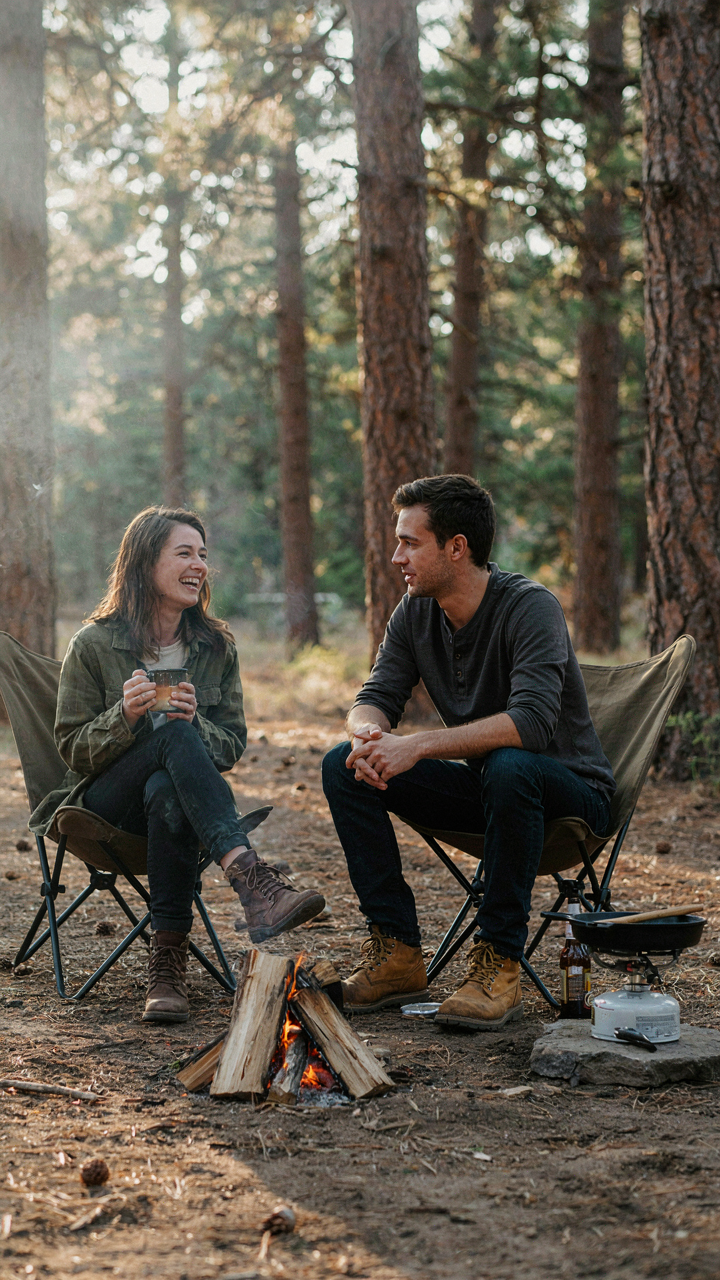
You’re not worried about effort because you’re lazy. You’re worried because every minute spent standing over a camp stove is a minute you’re not sitting by the fire with people you drove out here to see. Economics calls this opportunity cost: the value of what you give up to do something else. In backyard campout food, your real currency is relaxation time, not ingredients.
The common advice says “prep everything at home.” That’s incomplete. You need to separate tasks by their time-to-taste ratio. Some foods give you flavor return with near-zero active cooking time. Others trap you. A cast iron skillet with pre-marinated chicken takes eight minutes of actual attention and tastes excellent. A slow cooker meal requires setup but then demands nothing from you for hours. A campfire hot dog requires constant rotation and vigilance for marginal results. Stop cooking things that demand your presence without rewarding it.
The Eighty Twenty Split
The Pareto Principle from business optimization applies directly here: eighty percent of your meal quality comes from twenty percent of your effort. Identify which components of your meal do the heavy lifting for taste and build everything else around minimal-effort fillers. A properly seasoned, slow-roasted protein generates satisfaction that carries the whole meal. Mediocre sides and rushed preparation kill it instantly.
Pre-cook your protein at home in an oven. Wrap it in foil. Reheat it in coals or on a grate for texture refresh. This takes four minutes maximum at the campsite. Now spend your actual cooking energy on one element that changes: grilled vegetables, a fresh sauce, bread toasted over flame. Skip the myth that everything must cook outdoors. You’re maximizing taste-per-minute by doing the heavy lifting before you arrive, then finishing with the element that actually benefits from live fire exposure.
Post Camp Cleanup: The Efficiency Loop
Dishwashing Station Optimized Flow
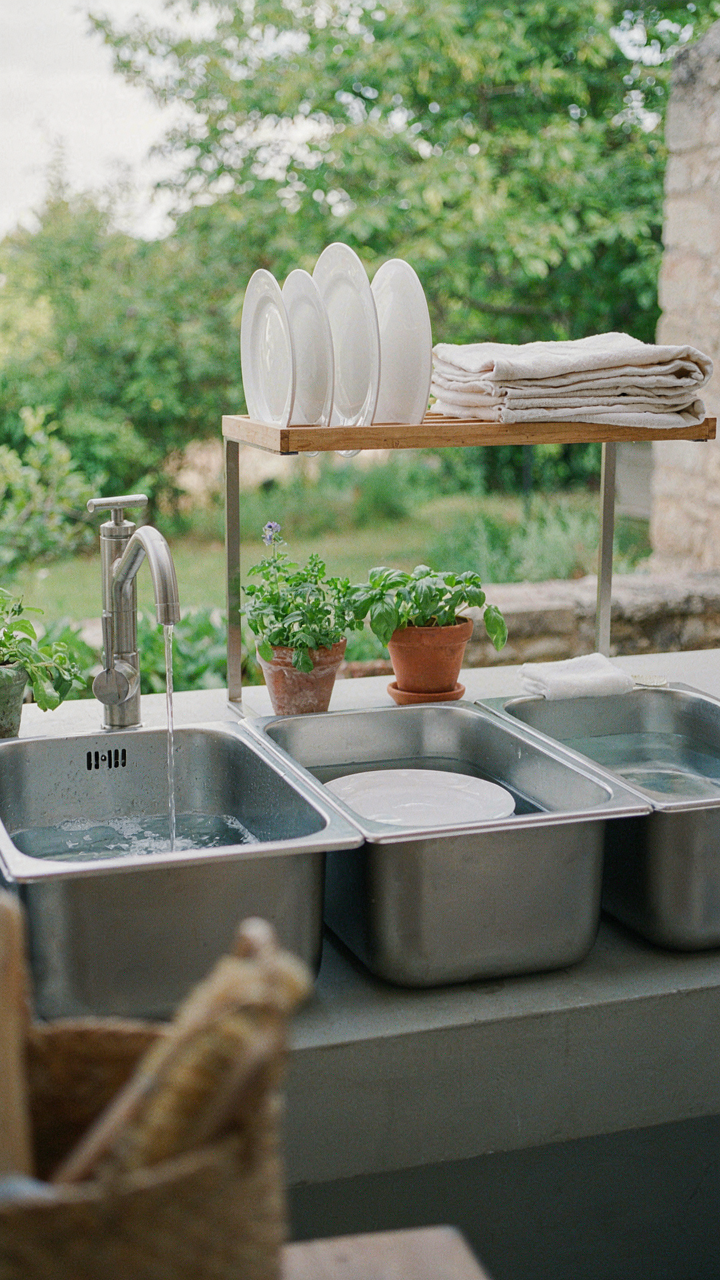
You want to avoid looking like the person who leaves a mess. But the real mechanism is this: most people set up their wash station wrong, which doubles cleanup time and wastes water. Think of dishwashing as a production line from manufacturing. You need stations, not chaos. Water flows one direction. Dirty dishes enter at one end, clean ones exit at the other.
Set up three containers in a line: hot soapy water, rinse water, sanitizer. Position them low enough to work standing or crouching without strain. Use a grill grate or screen over the soapy water to scrub off food debris before submersion. This stops grease from coating every dish in the rinse water. One person works through the line. Scrape first, wash second, rinse third. Cold water works for rinse if you have no heat source. Dry dishes on a cloth or rack immediately to prevent bacterial growth and reduce water spots that require extra scrubbing later.
Leave No Trace Waste Protocol
The “leave no trace” advice everyone repeats is incomplete. It assumes you know what waste actually is at a campout. Food scraps, grease, ash, and wet wipes look different when you’re not thinking clearly at dusk. You need a sorting system before cleanup starts, not during it.
Compostable food waste goes in one container. Grease goes in a separate sealed bag you pack out. Ash from the fire gets cooled completely, then sealed in foil or a container. Never pour grease down drains or into soil. Never bury food scraps. Never burn trash. Pack everything out in the same bags or containers you brought food in. This closes the loop and removes the temptation to leave something behind.
Healthy Campout Hacks: Fueling Fun, Not Fatigue
Trade Energy Crashes For Steady Fuel
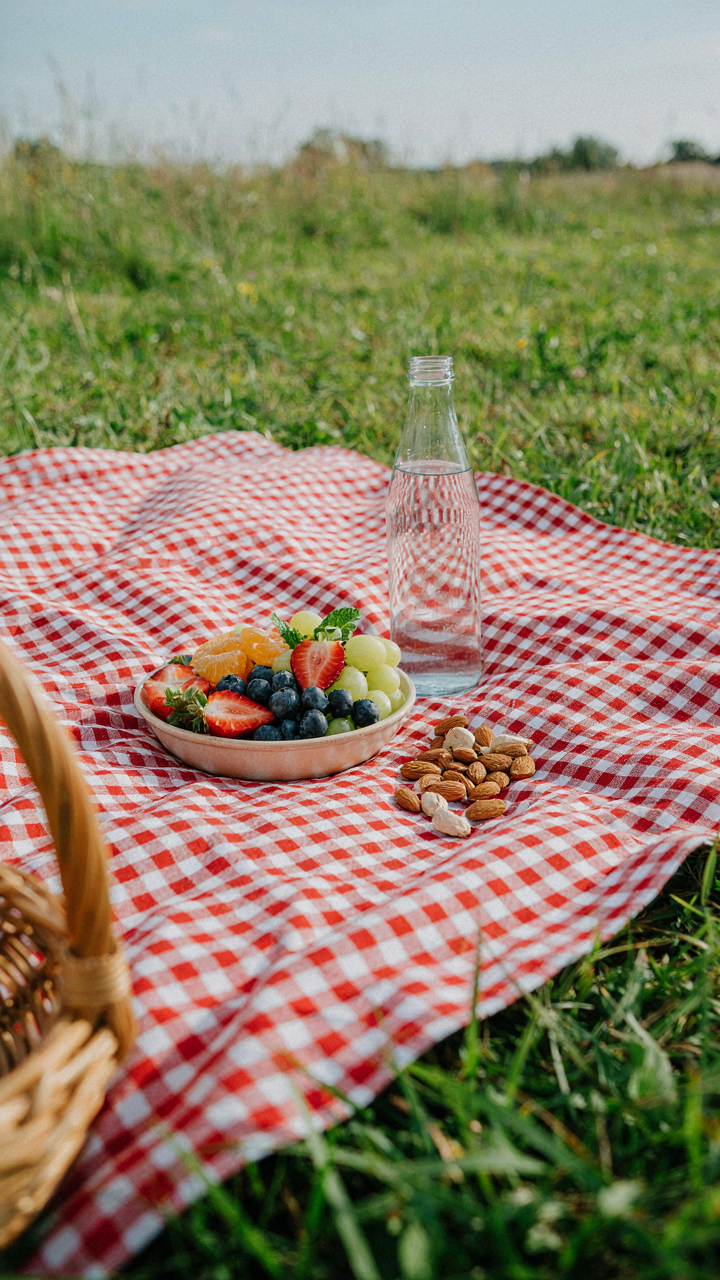
You want to feel capable at the campfire instead of crashing at 7pm. The mechanism is glycemic load: backyard camping’s real energy problem isn’t calories, it’s blood sugar stability. Most people pack simple carbs that spike then crater. Whole grains, proteins, and fats create a buffer that keeps your system level for hours. This isn’t wellness theater. It’s biochemistry.
Bring oats instead of cereal. Pack nuts with dried fruit instead of candy alone. Cook ground beef or canned beans into your meals rather than relying on bread. Your blood sugar stays flat. You stay useful. The difference compounds across a full day of activity in heat.
Water Before You Feel Thirsty
Thirst is a lagging indicator in outdoor heat. By the time you notice it, you’re already performing worse. Bring more water than the math suggests you need and drink on a schedule, not demand. A gallon per person per day is the baseline for mild weather. Double it if temperatures exceed 80 degrees or if you’re active.
Set water bottles at your cooking station and sleeping area before you settle in. Drink a full cup every hour during daylight, every two hours at night. Dehydration kills appetite and mood before it kills performance. Keep it visible. Keep it accessible. Make it impossible to forget.
The Real Obstacle Isn’t The Food; It’s Your Compulsion To Complicate What Should Be Simple
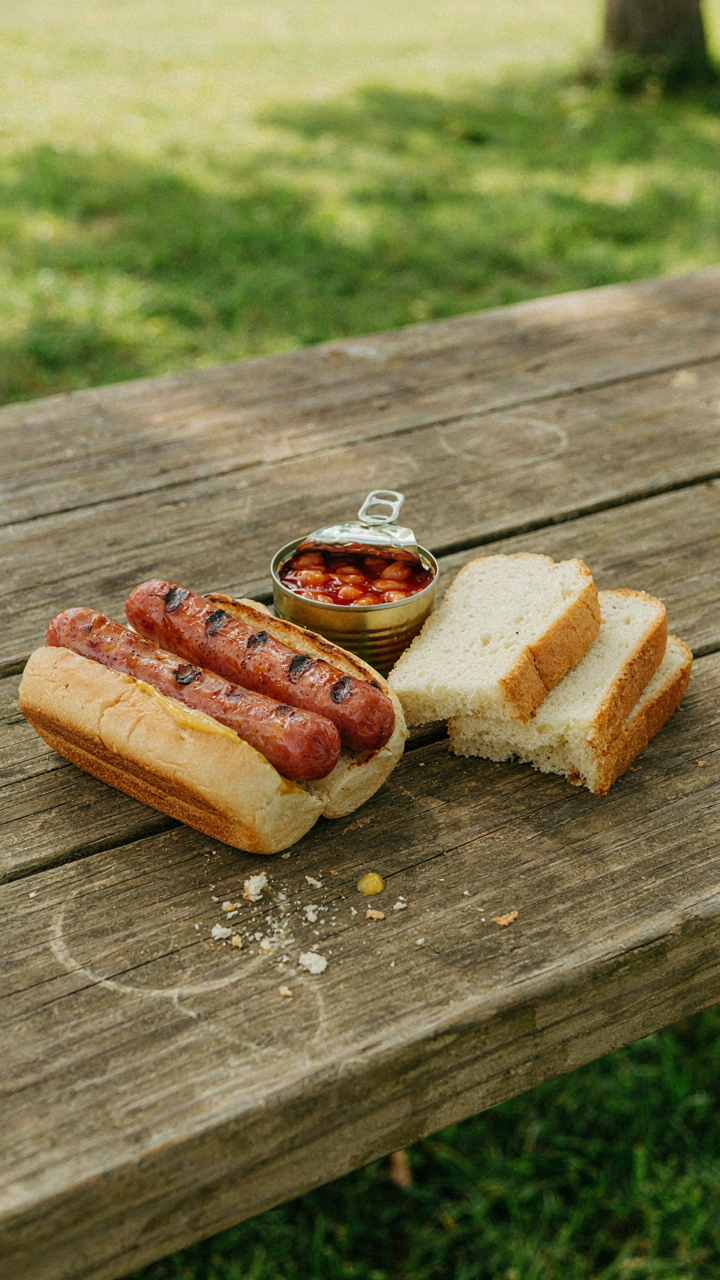
You don’t need fifteen recipes or specialty gear for backyard campout food. You need hot dogs, beans, and bread. The real problem is you’ve been trained to believe simple isn’t impressive. Stop optimizing the unimportant. Pick one meal you can execute blindfolded, buy the ingredients today, and commit to it. Everything else you add is just noise disguising your fear that easy won’t feel earned.