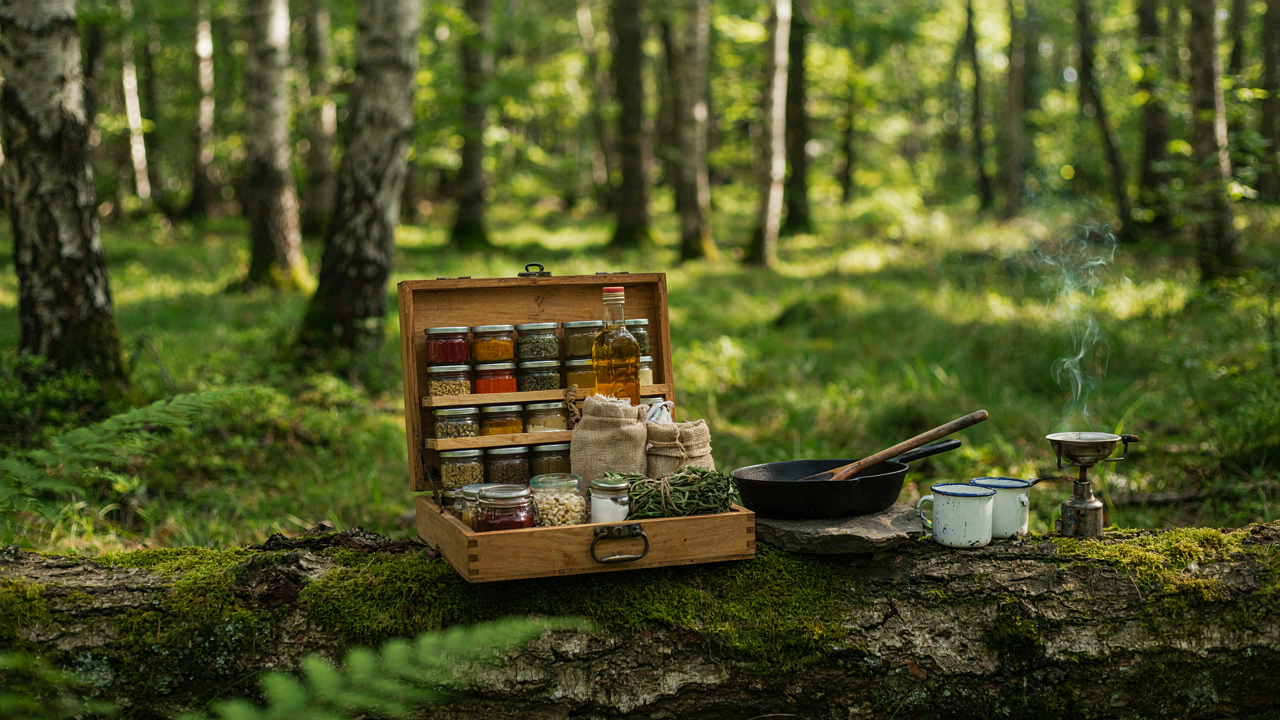
The Minimalist Chuck Box Camping Manifesto
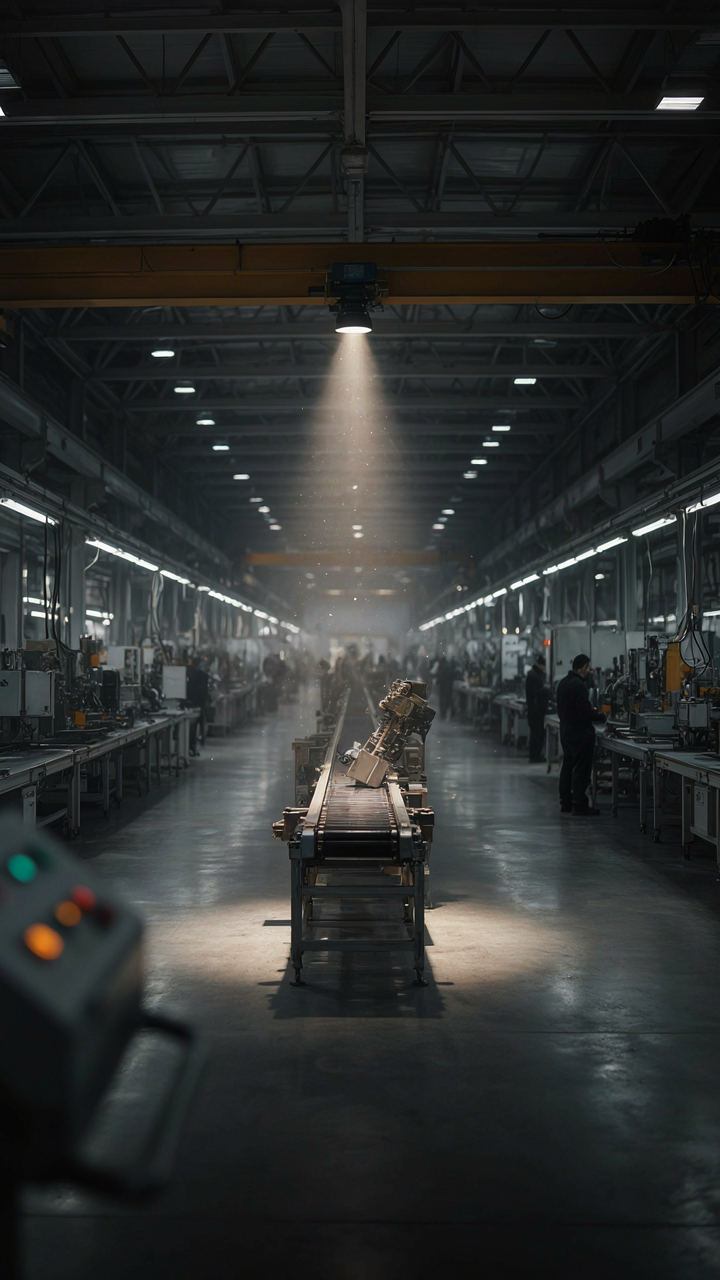
Efficiency Through Constraint
You want to feel prepared without admitting you’re scared of looking incompetent in the woods. The mechanism is simple: constraint forces priority. In systems design, this is called the bottleneck principle. Your camp pantry box bottleneck isn’t storage space or weight capacity. It’s decision fatigue. Every item you add multiplies the mental load of setup, cooking, and cleanup. Fewer items mean faster execution and fewer failure points. You move from “what should I bring” to “here’s what works.”
Overstuffed boxes create the illusion of readiness while destroying actual readiness. You spend more time searching for one item than you would have spent if you’d simply owned fewer items. The traditional chuck box—a lidded wooden or metal container—enforces a hard limit by design. That constraint isn’t a limitation. It’s the entire point. Work within it and you optimize everything else.
The Real Essentials Versus What You Think You Need
Most camping advice conflates “nice to have” with “essential,” and people believe it because the advice comes from trusted sources. Stop that now. An essential item solves a core problem: cooking, storing food safely, or serving meals. Everything else is decoration. Your camp pantry box needs items that handle multiple functions. A single pot replaces five single-purpose items. A multi-tool replaces a drawer of gadgets. A cutting board that doubles as a lid serves two needs with one object.
Perceived necessities enter your box because other people own them, not because you need them. Specialty camping spices, themed dishware, decorative utensils, backup utensils, “just in case” ingredients. These add weight and volume while solving zero problems. Identify what you actually cook on camping trips. Build your box around that reality, not aspirational cooking. If you never make coffee, don’t pack a French press. If you grill over fire, you don’t need a stove. Strip everything until what remains solves a genuine need.
Deconstructing The Camping Cook Box Illusion
Why You Pack Too Much

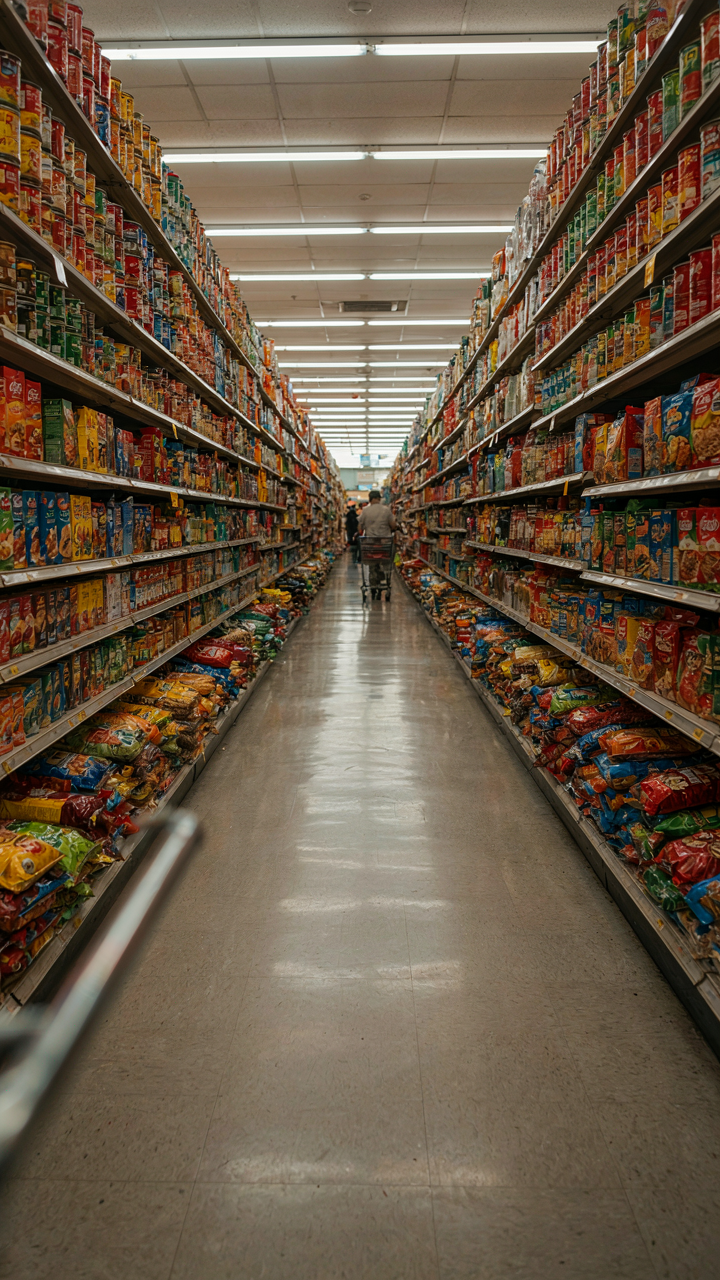
You’re afraid of looking unprepared. The real mechanism at work here is inventory bloat—same principle retailers use when they stock shelves. More items visible equals more perceived value, so your brain defaults to jamming the box full. You think abundance signals competence. It signals the opposite. Overpacking kills efficiency because you waste time sorting through clutter to find what you actually need. Every extra item is a decision tax during meal prep when you’re tired and hungry.
The consequences compound fast. A bloated pantry box takes up more space in your vehicle or pack, reduces mobility, and forces you to carry weight that does nothing. You spend mental energy managing items instead of managing the meal. On a three-day trip, redundant items aren’t insurance—they’re dead weight that crowds out the things that matter. The box becomes a status symbol instead of a tool.
The Just In Case Trap
Psychology calls this “regret avoidance”—you’d rather haul unnecessary items than face the small discomfort of improvising. Nobody talks about this explicitly, so you keep stacking items labeled “just in case” without asking if you’ve ever actually needed them. That extra set of dishes, the backup fuel canister, the three types of seasoning for meals you’ll never cook. You’re not building a pantry box. You’re building an anxiety container.
The real cost isn’t weight or space. It’s decision fatigue and the erosion of constraint-based thinking. Constraints force creativity and efficiency. Removing the “just in case” mentality forces you to match inventory to actual meals, quantities, and trip duration. Before packing, write down every meal you will cook, count portions you will serve, and list exactly what that requires. Pack only that. When you know the trip duration and meal count, the box packs itself.
The “Single Tool Multi Function” Protocol
The 80/20 Rule In Your Cooking Box

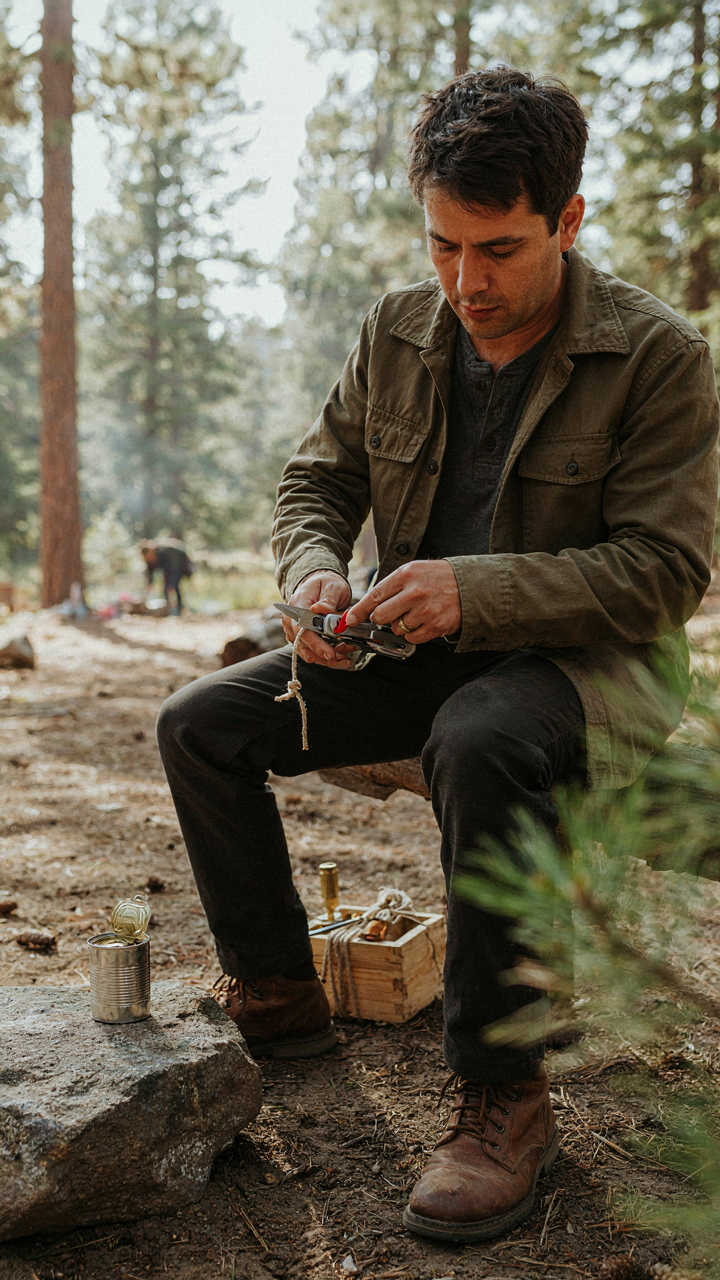
You want to feel prepared without hauling a kitchen’s worth of gear. That’s the real anxiety underneath this section. Economics calls it the Pareto Principle: 80 percent of your results come from 20 percent of your inputs. In a camp pantry box, this means identifying which tools actually generate the meals you’ll eat, then cutting everything else. Most people do the opposite—they pack redundancy and feel virtuous about it. A titanium spork, a full knife set, three cutting boards, specialized utensils for tasks that happen once a trip. The mechanism is simple: constraints force specialization.
Start by tracking what you actually cook in the first three camping trips. Not what you think you’ll cook. What you make. A cast iron skillet handles 70 percent of camp meals—proteins, vegetables, bread. A single sharp knife does what five dull specialty blades pretend to do. One lighter, one pot with a lid, one sturdy spatula. Everything else is psychological comfort dressed as preparedness. The pantry box that fits in a 12-inch cube and weighs under eight pounds outperforms the overloaded 30-pound alternative because you’ll actually use it. Constraint creates execution.
Cross Functional Gear Stacks Efficiency
The real solution isn’t owning fewer things—it’s owning things that do multiple jobs without compromise on any single job. A stainless steel bowl works as a mixing vessel, a serving dish, and a makeshift pot. A wooden cutting board becomes a plating surface and a base for prep. A long-handled spoon stirs, serves, and breaks up cooked meat. The dishonest advice tells you to buy multipurpose gadgets designed to do three things badly. Ignore that. Buy single-purpose tools that happen to serve multiple purposes naturally through their design.
Your cast iron skillet with a fitted lid becomes a dutch oven. Your sharp knife becomes a scraper and a spreader. Your lighter ignites fuel and seals rope ends. A cloth towel dries dishes, wraps food, insulates hot handles, and patches gaps. Stacking these cross-functional pieces reduces total weight and volume while increasing what you can actually prepare. The pantry box becomes efficient not because it’s smaller, but because every item solves two problems instead of one. Pack only tools where the secondary use is as practical as the primary use.
Building Your DIY Chuck Box Camping Command Center
Layout That Eliminates Decision Friction

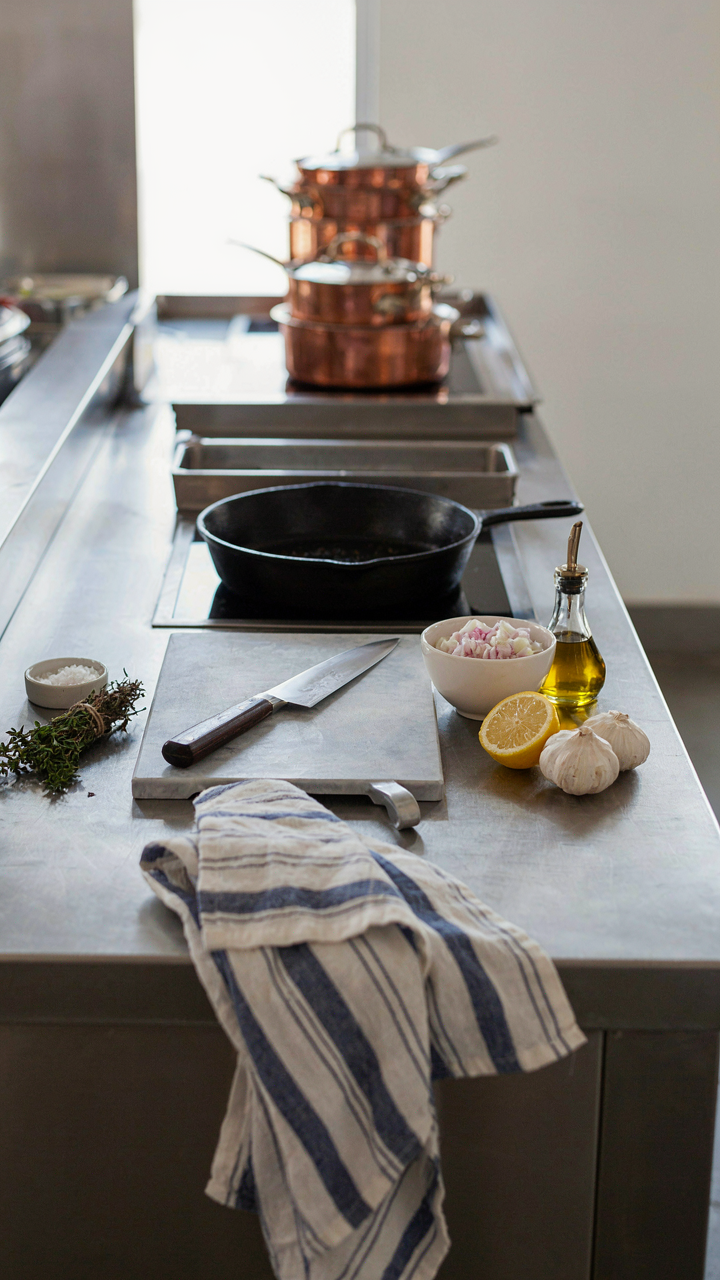
You want a camp pantry box that makes you look organized. What you actually need is a system that removes decisions when you’re tired and hungry. Think in terms of workflow zones like a kitchen station does—the principle is ergonomic sequencing, not aesthetics. Arrange your box so your hand moves through one logical path: heat source on one side, prep items in the middle, serving tools on the exit side. This collapses the time between hunger and eating from minutes to seconds.
The mistake most people make is treating the chuck box like a storage locker instead of a workflow. They cram everything into one depth and waste fifteen minutes excavating for a spatula. Your box needs vertical hierarchy. Frequently used items live at eye level when the lid opens. Less common items sit below. Tools you touch every meal sit front and center. This isn’t decoration—it’s operational efficiency that compounds over every trip.
Materials Built For Repetition
People recommend plastic storage containers because they’re cheap and lightweight. That’s incomplete advice. Plastic degrades under UV exposure and temperature cycling. After three seasons, the latches crack and lids warp. Wood—specifically plywood with sealed edges and stainless steel hardware—outlasts plastic by a factor of five and handles impact better when you’re loading it into a truck bed or portaging it to a site.
Weight matters only if you’re hiking it. Most camp pantry boxes sit in a vehicle or at a basecamp. A 25-pound box made from quarter-inch plywood and aluminum framing beats a 12-pound plastic box that needs replacing every other year. The real cost is replacement cycles, not initial ounces. Use exterior-grade plywood, seal all cut edges with polyurethane, and install stainless steel hinges and latches. This box handles a decade of use without degradation.
The “Adaptive Inventory” Method For Your Camp Box Kitchen

Resilience Through Strategic Redundancy
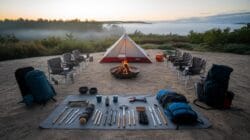
You want your camp pantry box to work in any condition so you don’t have to improvise or fail in front of others. Here’s what ecology teaches: ecosystem resilience comes from functional redundancy, not diversity for its own sake. Your box needs multiple ways to accomplish the same meal outcome across different environments and equipment states. This isn’t about having ten options. It’s about having three pathways to breakfast that work whether you have fire, a stove, or neither.
The mechanism is simple. Build your inventory around cooking methods, not ingredients. If you stock only pasta, you’re locked into boiling water. If you stock pasta, instant rice, and granola, you’ve created three separate meal paths from overlapping base ingredients. One fails, two remain viable. This strategy scales down to weight and space constraints that actually matter in camp settings. You’re not preparing for luxury. You’re preparing for failure.
Compartmentalization For Different Meal Demands
Niche partitioning in biology describes how species occupy specific roles within an ecosystem to reduce competition and maximize resource use. Apply this directly: your camp pantry box works best when different food categories occupy distinct compartments designed for their specific meal function, not lumped together by convenience. Breakfast items, lunch bases, dinner proteins, and emergency calories each demand different storage conditions and accessibility patterns.
Compartmentalization forces you to think about meal architecture instead of grabbing randomly. A breakfast niche needs shelf-stable items that don’t require fuel: granola, nuts, dried fruit, instant oats. A lunch niche prioritizes items that work cold or with minimal heat: jerky, crackers, nut butter, canned goods. Your dinner niche holds items requiring active cooking: dried beans, rice, pasta, dehydrated vegetables. This separation prevents decision fatigue and ensures you actually eat according to plan instead of defaulting to whatever’s visible first.
Beyond Chuck Box Plans: The “No Recipe” Approach
Stock For Combinations, Not Meals

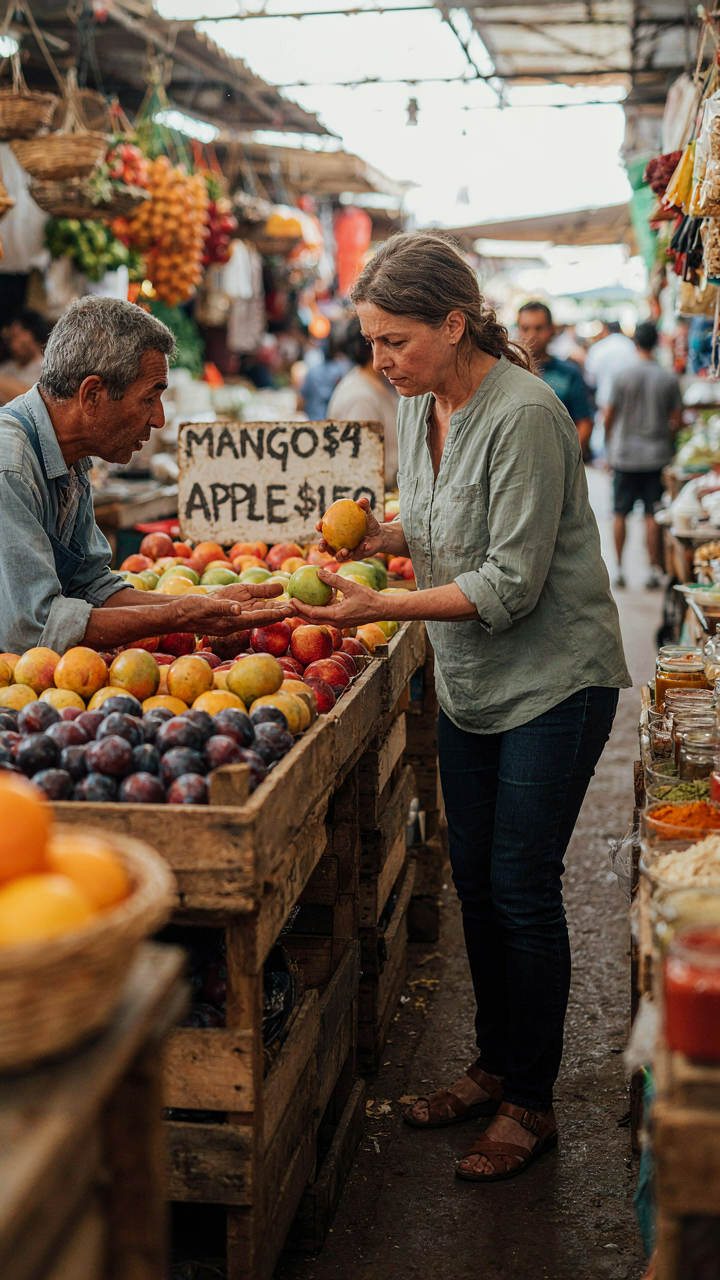
You want permission to wing it without looking unprepared. Here’s the mechanism: most camp pantry box advice treats ingredients like a locked recipe. That’s wrong. Economics calls this the “substitution effect”—when one input performs multiple functions in different contexts, scarcity pressure drops and flexibility rises. Your box needs ingredients that work across three completely different meal structures, not ingredients tied to one dish.
Fat, acid, starch, and protein are your four inputs. Salt amplifies all of them. Build around these primitives instead of “breakfast items” or “dinner items.” Olive oil works for pasta, roasted vegetables, and morning eggs. Canned tomatoes work in rice, beans, or soup bases. A dried chili pepper shifts flavor without adding bulk. You stop asking “what meal do I make?” and start asking “what combinations haven’t I tried?”
Planned Waste Is Cheaper Than Wasted Planning
- Shelf-stable proteins in two forms: Canned beans rotate through soups, salads, and sides. Cured sausage or jerky handles immediate-consumption meals when cooking time shrinks.
- Fats with different smoke points: Olive oil for finishing and raw uses, coconut oil for high-heat cooking, butter packets for flavor-forward applications without waste.
- Acids beyond vinegar: Lemon powder, lime juice powder, or instant bouillon cubes add brightness without creating moisture problems or spoilage risk.
- Starches that consolidate: Pasta, rice, and hardtack cover different cooking times. Hardtack stores longest and requires minimal fuel for preparation.
- Dried vegetables with actual flavor: Mushrooms and peppers contribute umami depth. Skip dried carrots—they’re filler masquerading as nutrition.
The math is simple: buying three pounds of what you’ll use across four trips costs less than buying four pounds of one item and discarding it. Rotate stock before expiration. Mark purchase dates on cans with a marker. Use older items first, replace them with fresh stock. This system removes the guilt of “wasting” expensive camping food and makes your box genuinely efficient.
Maintaining Your Camping Tool Box Kitchen For Longevity

Clean It Before Rust Wins
You skip this because you’re tired when you get home, and you tell yourself you’ll do it later. You won’t. Rust doesn’t care about your intentions. The camp pantry box operates under the same decay principle as military equipment storage: oxidation accelerates in damp environments, so the window to prevent it closes fast. Clean everything the day you return, while residue is still soft and moisture hasn’t bonded to metal surfaces.

Break the ritual into two phases. First, remove all items and wipe down the interior with a dry cloth to catch crumbs and moisture. Then scrub the exterior and any metal hardware with warm soapy water, dry completely with a towel, and leave the box open to air for two hours minimum. Don’t store a damp box.
Moisture Control Beats Everything Else
Off-season storage kills more pantry boxes than actual use does. Garages and basements hold moisture year-round, and sealed containers trap it. Use food-grade desiccant packets inside the box during storage, replacing them monthly if you’re in a humid climate. Stack the box on wooden pallets or blocks, never directly on concrete, which wicks moisture upward constantly.
Store the box in the coolest, driest room available. If you have a basement, put it upstairs instead. Temperature swings between seasons expand and contract metal joints, but consistent cool temperatures slow that wear. A simple hygrometer inside tells you when humidity creeps above 50 percent, which is your signal to add fresh desiccant or move the box to better location.
The “Emergency Prep” Fallacy In Camping Kitchen Box Design
What Actually Counts As An Emergency
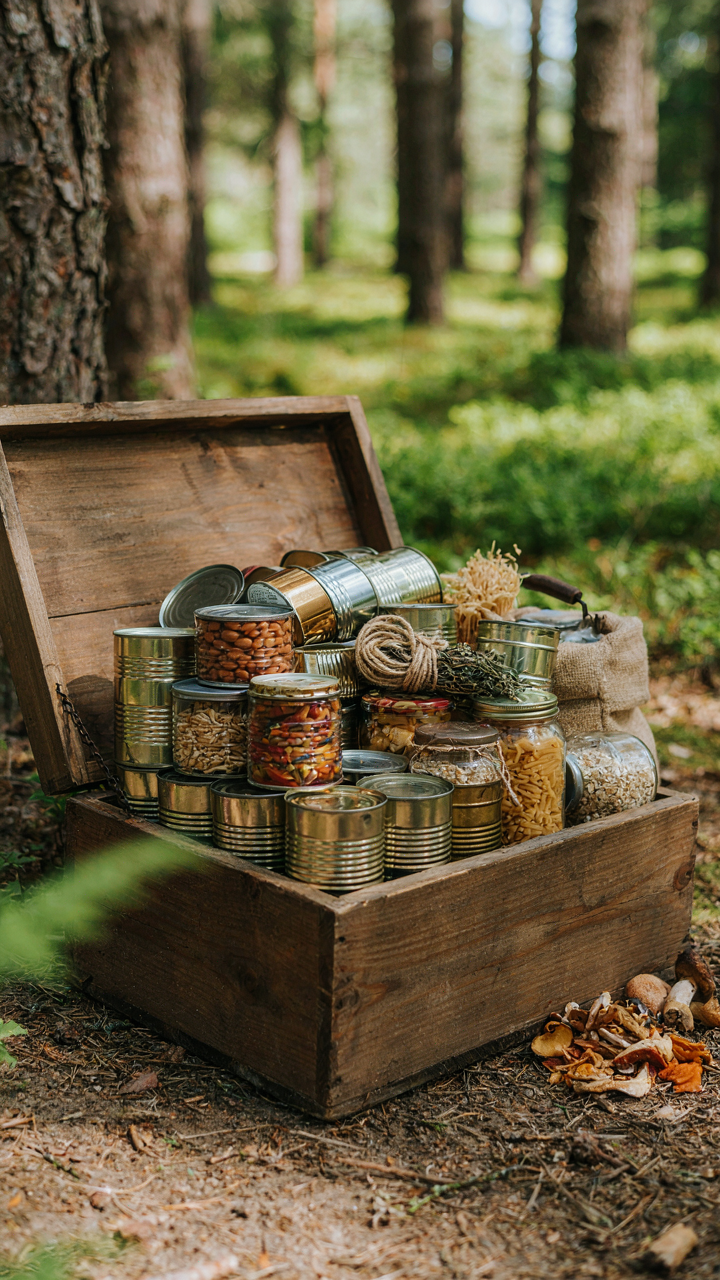
You’re stocking extra food because you’re afraid of looking unprepared in front of others or being caught short. That fear drives most camp pantry boxes into bloat. The mechanism is simple: you confuse inconvenience with crisis. A missing spice packet is an inconvenience. Running out of calories when isolated in bad weather is an emergency. The box should solve one, not pretend to solve both.

Real emergencies in camping happen when external conditions trap you: weather delays, vehicle failure, or injury that prevents resupply. These are binary states. You either have the calories and nutrients to sustain a group for the delay, or you don’t. Everything else is convenience shopping disguised as preparedness. Strip your box to handle the actual binary. Leave the rest behind.
Redundancy With Purpose, Not Paranoia
Systems theory calls this “graceful degradation.” Your camp pantry box degrades gracefully when one item fails or runs out, and you shift to a backup without breaking the meal plan. This isn’t the same as buying three of everything. Redundancy means: one primary option, one functional backup, zero theater.
Build redundancy around staples that anchor meals, not around edge cases. Carry two types of carbs that store well and serve different meals. Carry two protein sources that don’t require identical prep. Carry salt and fat as universal backups since they fix almost any bland outcome. Skip the third pasta sauce. Skip the backup backup. One failure point per category. Prepare for that point. Execute when it happens.
The Only Thing Limiting Your Camp Cooking Isn’t Space, It’s Your Imagination
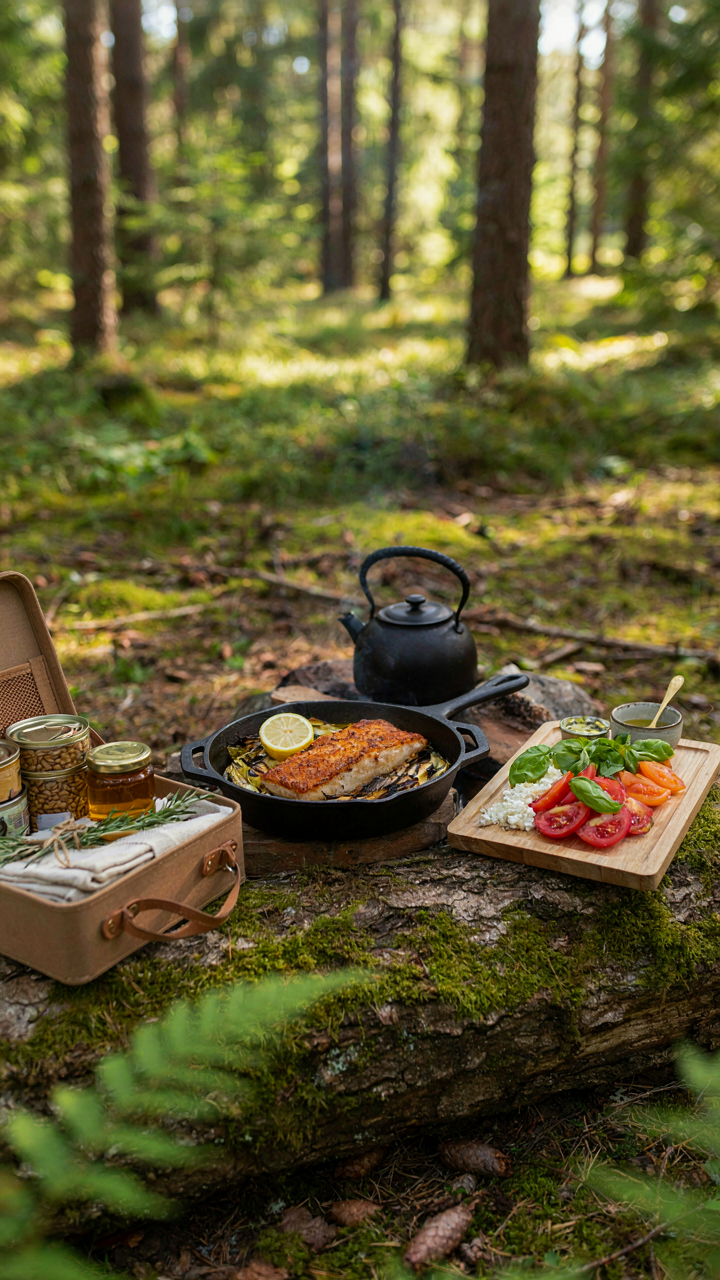
Most people treat their camp pantry box like a storage container. They stuff it, forget it, then eat the same bland meals every trip. The shift happens when you stop thinking inventory and start thinking intention. Your camp pantry box becomes a tool for creativity, not convenience. Pick one meal tonight that intimidated you at camp. Build that box around it. Cook it this weekend. You’ll realize the only real limitation was admitting you could actually do it.