The Minimalist’s Manifesto: Essentials Only Outdoor Birthday Decoration Ideas
What Actually Needs To Be There
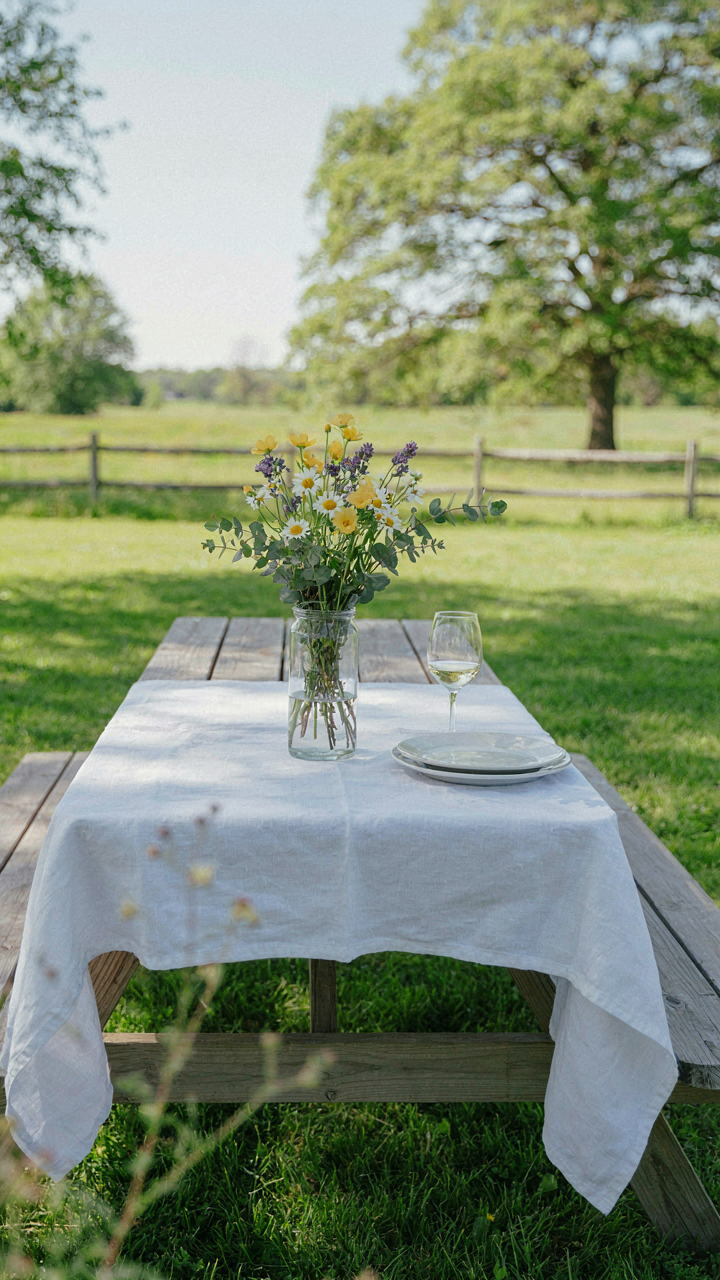
You want permission to skip the décor arms race because you’re tired, not because you believe in minimalism. Here’s the mechanism: decoration serves one function in a picnic birthday party—it signals to guests that this gathering matters enough to plan. Everything beyond that signal is waste. Shade, seating, and a focal point for the birthday person satisfy that entire requirement. Food tables and restrooms matter more than balloon arrangements.
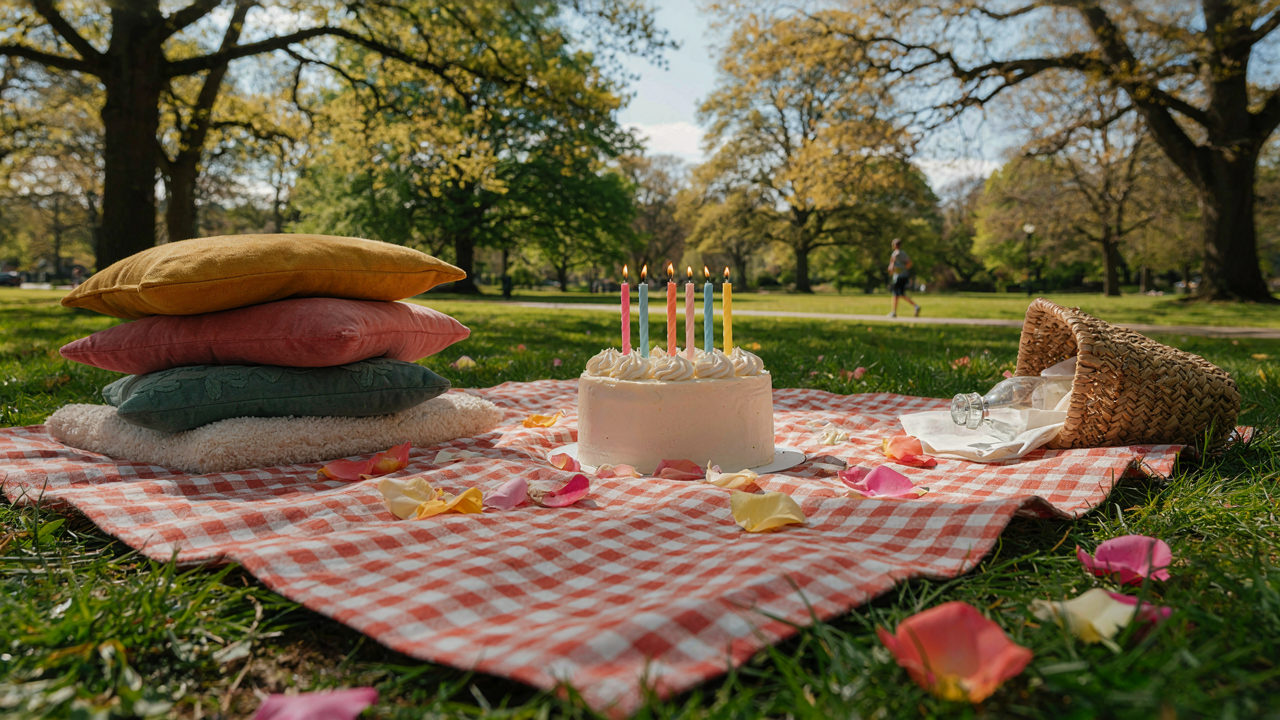
The common advice says decorate everything. That’s wrong. A picnic birthday party succeeds or fails on whether people are comfortable and know whose birthday it is. A simple banner with the person’s name, a designated seating area under a tent or tree, and a cake table accomplish both. Add a single color scheme through napkins and plates—that’s it. You’ve signaled intention without creating labor or expense that ruins your afternoon managing decorations instead of guests.
Comfort Over Visual Performance
Functional design wins. Every element you place should solve a physical problem first, then look intentional second. This applies to any system where the stakes are human experience, not image—whether military logistics or restaurant layout. Your picnic birthday party decoration strategy should prioritize shade, wind protection, and accessible surfaces before considering aesthetics.
A large umbrella or pop-up tent handles heat and rain. Tables positioned to block wind keep food and napkins in place. Seating arranged in a circle or small clusters helps conversation flow. These decisions force your layout. Once the functional skeleton is set, your décor choices fit into it naturally. You’re not decorating an empty space—you’re enhancing infrastructure that already works. That constraint removes half the decisions and makes the remaining ones obvious.
The “No Show” Food Strategy For Your Summer Birthday Picnic

Build Your Menu Around Physics, Not Preference

You’re worried the food will look bad in photos and people will judge your planning. Stop. The real mechanism is thermodynamics: outdoor heat kills temperature-sensitive dishes faster than you can serve them. Pick foods that tolerate neglect. Sandwiches, pasta salads, fruit platters, and cheese boards don’t require active management. They sit in the sun for two hours without spoiling or looking worse than when you started. This isn’t about being casual—it’s about removing the variable that derails most picnic hosts.
- Sandwiches and Wraps: Bread-based proteins stay edible for hours without refrigeration. Pre-assemble or set up a simple station so guests build their own.
- Pasta Salads: Oil-based dressings preserve texture and flavor in heat better than mayo-heavy versions. Make these the day before.
- Fruit and Vegetable Platters: Cut produce holds its integrity longer than hot dishes. Grapes, berries, melon, and carrots need zero active maintenance.
- Cheese and Cured Meat Boards: These items handle temperature swings without degrading. They’re also visually complete before guests arrive, requiring zero plating stress.
- Dips and Spreads in Coolers: Hummus, guacamole, and dairy-based dips stay safe in insulated containers. Set out only what fits on the table for the next two hours.
The math is simple: every food you pick should survive four hours unattended without becoming inedible or unsightly. That eliminates hot dishes, cream-heavy items, and anything requiring precise timing. Your job is curation, not cooking theater.
Hand Off The Labor Entirely
Most people say delegate but still maintain control through texts and questions. That’s not delegation—it’s remote management with anxiety. The mechanism here comes from organizational psychology: tasks fail when ownership splits between two people. Pick one person per category and give them the budget, the deadline, and silence. They buy the drinks. They bring the dessert. They handle the ice. You don’t check in. You don’t remind them. You trust the answer or you find someone else before the event.
This works because it removes the cognitive load of tracking multiple moving pieces and eliminates the shame spiral of micromanaging. The person taking on the task actually owns it, so they care about execution. You show up to a picnic where food appears, not to a production you’re half-running from your phone. Pick your delegators early, confirm once, and stop thinking about it.
Location, Location, (De)Stressing: Choosing Your Picnic Birthday Party Spot
The Shade Problem Is Not About Comfort

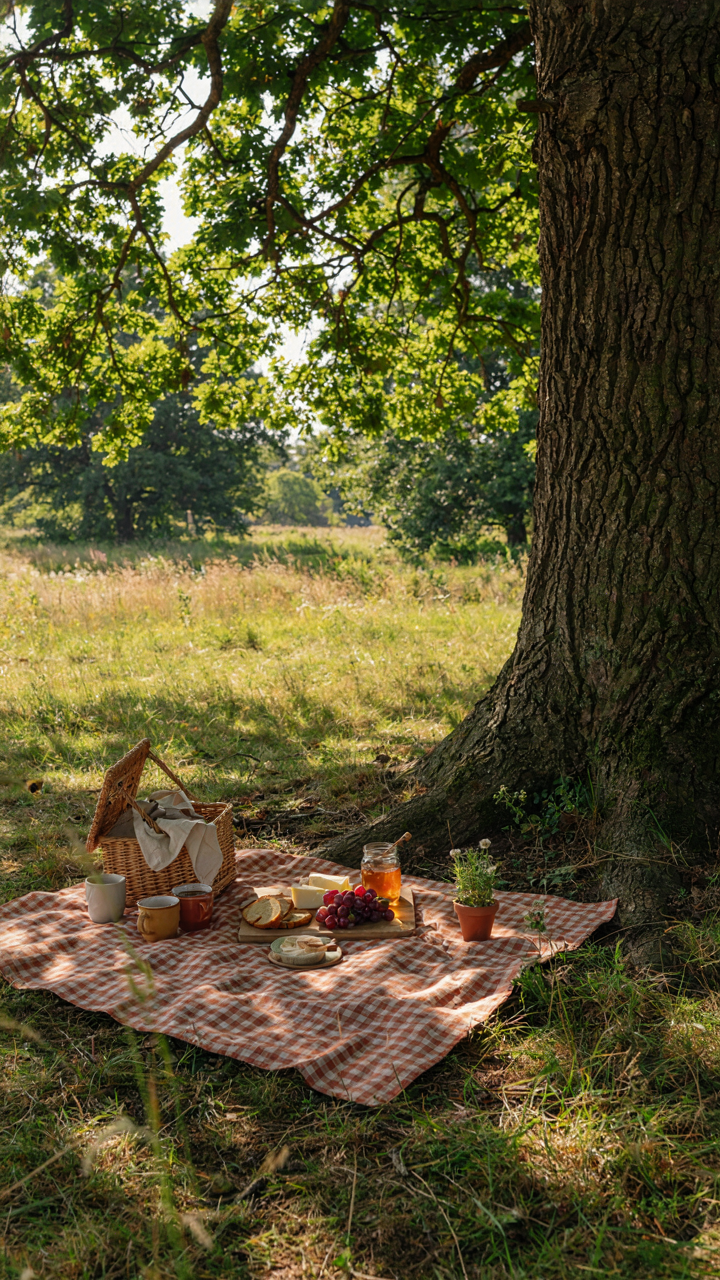
You care about this because a bad location choice makes you look unprepared. Here’s the mechanism: shade isn’t a luxury—it’s load management. Sunlight degrades food, changes guest behavior, and creates stress you can’t see until people start leaving early. Prioritize locations with natural shade structures: mature trees, pavilions, or hillside positions that block afternoon sun. Check shade patterns at the exact time you’ll hold the party, not just whenever you scout. Morning shade moves by noon.
Accessibility determines who actually shows up and how they arrive. A location requiring a quarter-mile hike from parking sounds charming until someone needs a bathroom or your coolers need three trips. Verify parking within fifty feet of the space, path quality to the actual eating area, and whether vehicles can drive closer for setup and breakdown. Existing amenities matter: water access, bathrooms, picnic tables. Don’t plan around these—plan where they already exist. You’re not building infrastructure; you’re borrowing it.
Scout For Traps, Not Views
The common advice says pick somewhere scenic. That’s incomplete. Scouts identify friction points nobody mentions until the day of. Wind channels through valleys and destroys setup. Low spots collect water and flood during rain. Open fields force everyone into sun while “shaded” areas have only dappled cover that shifts. Visit the location at the same day of the week and same time you’ll hold the party. Weekend park traffic differs from weekday conditions. Note cellular coverage, distance to nearest restroom, whether the ground is level or has hidden slopes.
Logistical traps include no trash receptacles, inadequate parking enforcement leaving you blocked in, restricted hours you didn’t verify, or permit requirements nobody told you about. Call the park office or property manager directly. Email confirmation prevents disputes. Walk the space and mark where guests will eat, where coolers sit, where children have sight lines, and where you’ll store backup supplies. Document ground conditions: mud, root hazards, uneven terrain. Create a setup diagram marking these positions before the party date.
The “Adults First” Rule: Kids Birthday Picnic Ideas
Comfort Trumps Entertainment

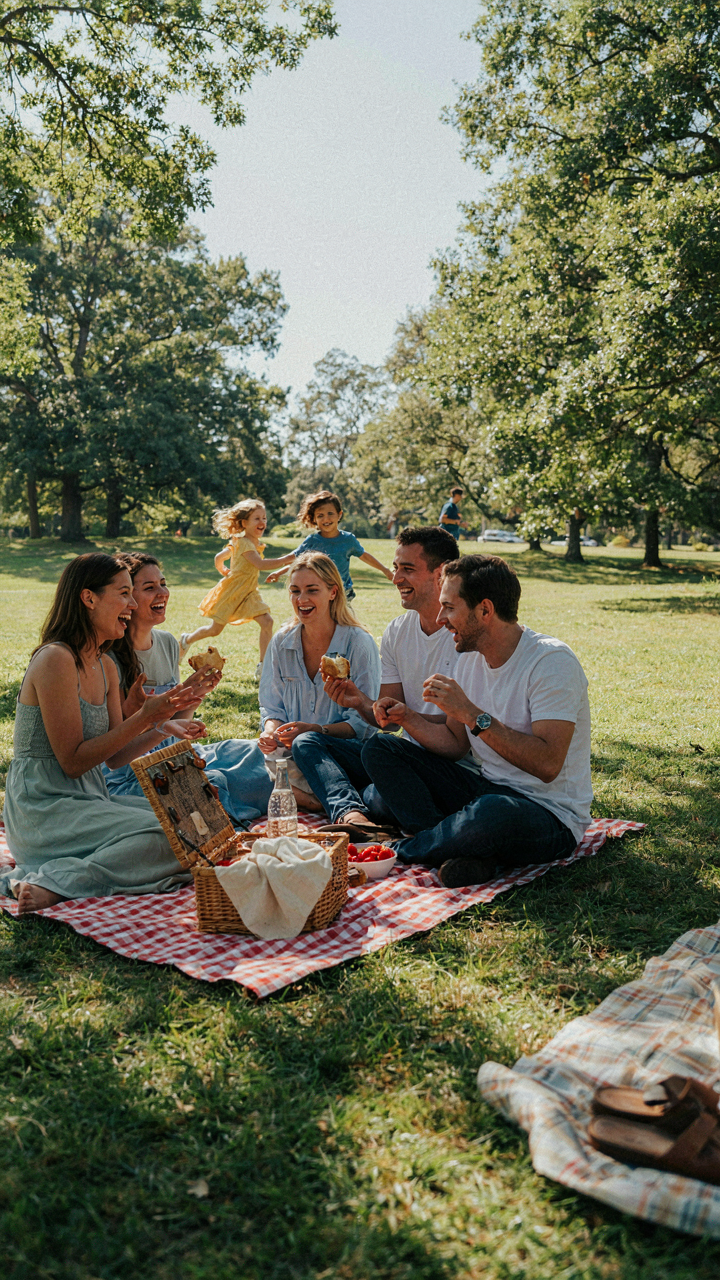
You want the kids happy because it reflects on you as an organizer. Here’s the mechanism: a comfortable adult is a present adult. When parents sit in shade with food within reach and bathroom access clear, they stay engaged with supervision. Kids sense this stability. They stop testing boundaries and self-direct. The picnic fails when adults are hot, hungry, or frantically managing logistics. Solve for the host and supervising adults first. The children’s experience improves as a side effect.
Uncomfortable adults create chaos disguised as “the kids are just being kids.” They get irritable, leave early, or hover over children to manage their own stress. A shaded seating area with adequate tables, cold water stations, and clear sightlines to the play zone costs nothing but planning. The adults relax. The kids play within visible range. This is operational design, not philosophy.
Let Them Solve Their Own Boredom
The conventional approach loads a birthday picnic with planned activities, games, and structured entertainment. This is wrong. You’ve turned a relaxed gathering into an event that requires constant facilitation. Kids with unstructured space and basic materials—a field, a ball, a sandbox, sticks—generate their own engagement. They don’t need your creativity. They need permission and safety.
Provide one or two simple tools: a frisbee, a badminton set, or chalk for sidewalk games. Then step back. Children occupy themselves for hours when adults aren’t inserting ideas every five minutes. The adult role becomes supervision and basic mediation, not entertainment direction. This frees you to actually enjoy the picnic instead of performing activities management. Set the environment, then let boredom become the kid’s problem to solve.
The “Entropy Maximization” Protocol: Managing Chaos
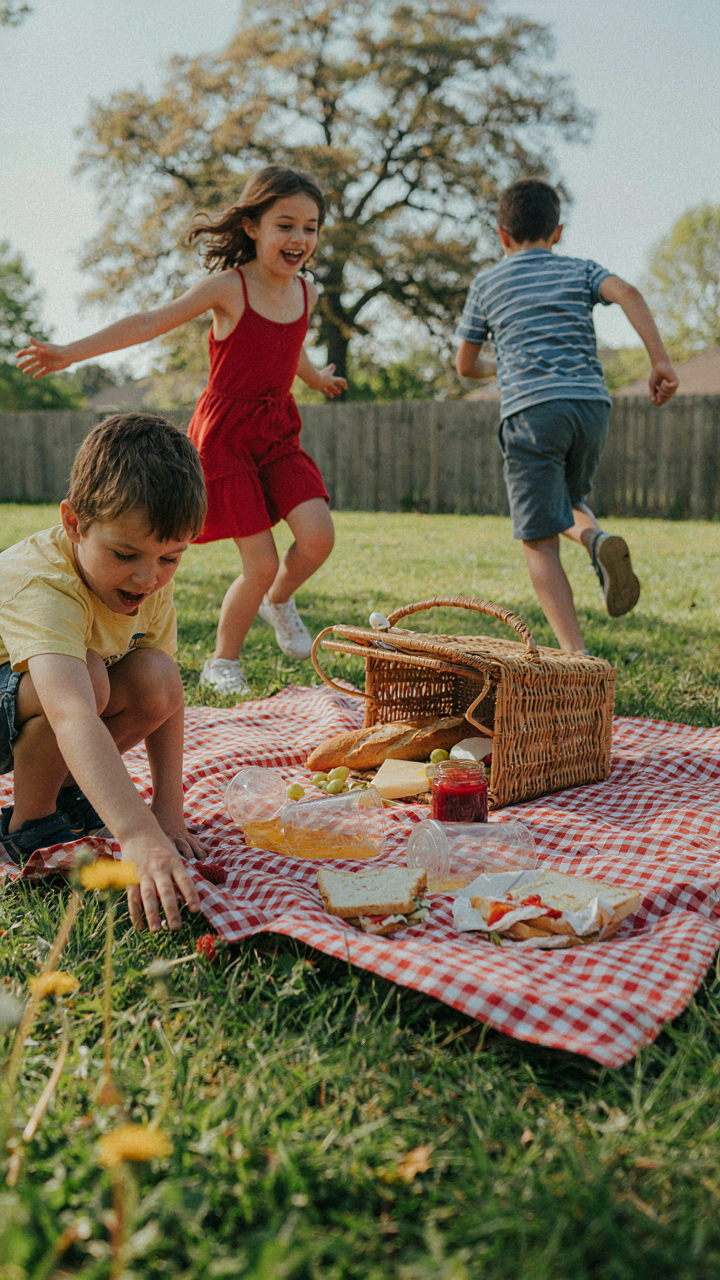
Design For Inevitable Mess, Not Pristine Order

You want to believe you can control a picnic birthday party. You can’t. Thermodynamics says energy disperses. In picnic terms, that’s food going everywhere, kids spreading across the lawn, drinks tipping, trash migrating. The real mechanism is this: systems naturally trend toward disorder. Stop fighting it. Instead, architect spaces where mess happens in contained ways.
Setup surfaces that expect damage. Use dark tablecloths instead of white. Put food stations on the ground rather than waist-height tables where wind becomes a problem. Position trash receptacles at natural gathering points, not at the edge where people ignore them. A picnic birthday party with no plan for mess becomes a cleanup disaster disguised as a party. The alternative is designing around what will happen, not what you hope happens.
Minimize Friction Points In Energy Flow
Energy distribution in a picnic isn’t just physics—it’s logistics. Thermodynamics teaches us that systems with high friction waste energy. In a picnic birthday party, friction points are bottlenecks: one cooler for thirty people, one restroom option, one table for all the food. These create collapse zones where the event slows down.
Map human movement before the party starts. Where do people arrive? Where do they get drinks? Where do they eat? Where do kids play? Each transition is a friction point. Reduce them by positioning coolers in two spots instead of one. Set up food stations that let people grab without queuing. Create clear pathways between lawn areas. The event runs on distributed access, not centralized control. If people have to hunt for basics, entropy wins and your party fragments into frustrated clusters.
Weathering The Storm: Practical Picnic Ideas For Birthday Party Contingencies
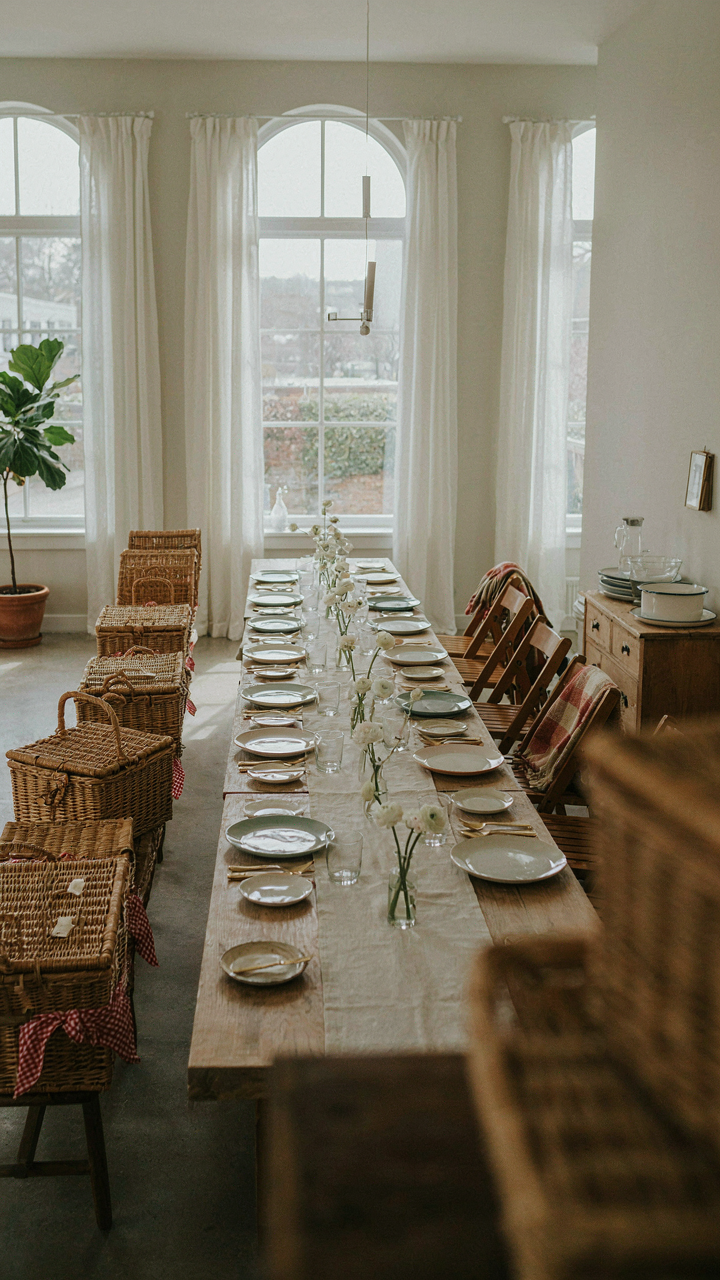
Have A Location B Ready

You’re scared of looking unprepared in front of your guests. Here’s the mechanism: weather doesn’t care about your plans, so you need a secondary venue locked in before you send invitations. This isn’t backup thinking—it’s risk management. A covered pavilion, a garage, or a friend’s screened porch becomes your insurance policy. Book it now, even if you never use it. The cost of securing a backup space is trivial compared to the chaos of rerouting thirty people mid-celebration.
Your backup location needs the same baseline infrastructure as your primary spot: shelter from rain, access to power or a way to keep food cold, and enough seating. Don’t assume you’ll figure it out on the day. Visit it beforehand. Test if your coolers fit through the door. Confirm the person responsible for access will actually be there. A vague “we’ll figure something out” fails the moment the first drops fall.
Tell Guests The Plan Before They Arrive
Most people give contingency updates on the day of, which creates panic and scrambling. Wrong timing. Communicate your rain plan in the original invitation or a follow-up message one week before. This removes uncertainty and signals competence. People actually prefer knowing there’s a plan to discovering chaos exists when they show up.
Keep the message factual and brief. Something like: “If weather turns, we’re moving to [Location B]. I’ll confirm by [specific time] on [date].” No need for dramatic detail or apologies. This establishes you’re in control, reduces decision paralysis, and gives guests time to adjust their own schedules mentally. Send a confirmation message the morning of the event confirming whether you’re staying put or activating Plan B. One decision, one message, everyone aligned.
The “Guest Filter”: Crafting Your Picnic Birthday Party Guest List

Invite Based On Signal, Not Obligation

You’re worried people will think you’re rude if you don’t invite them. That’s the real problem here. In network theory, you’re treating every contact as equally valuable when they’re not. Some people drain energy. Some add it. A picnic birthday party isn’t a wedding where you perform social debt collection. You’re designing an actual experience, which means guest composition determines whether the day works or collapses.
The mechanism is simple: people you genuinely want around create momentum. They arrive ready to engage, help without being asked, and make others comfortable. People you invited out of guilt show up late, contribute nothing, and create tension by their mere presence. Filter ruthlessly before the invitations go out. Your guest list is the first design decision. Get it wrong and no amount of food or setup fixes it.
Set The Participation Rule Upfront
Most advice says “just make it clear what people should bring.” That’s incomplete. You need to state what you actually need from people, not just what food to grab from Trader Joe’s. A picnic birthday party requires active participation to function. Someone needs to set up. Someone needs to manage games or activities. Someone needs to stay through cleanup. If you don’t name these expectations explicitly before people commit, you’ll end up running the party solo while guests consume.
Send invitations with a single sentence about what you need: “This is a bring-something-shareable event, and I’m asking [specific people] to arrive early to help set up tables.” Be specific about who and what. Don’t phrase it as a question or suggestion. Frame it as the actual structure of the day. People respect clarity. They respond to a role, not a vague prompt. This separates the committed from the convenient.
Post Picnic Purgation: Efficient Breakdown And Exit
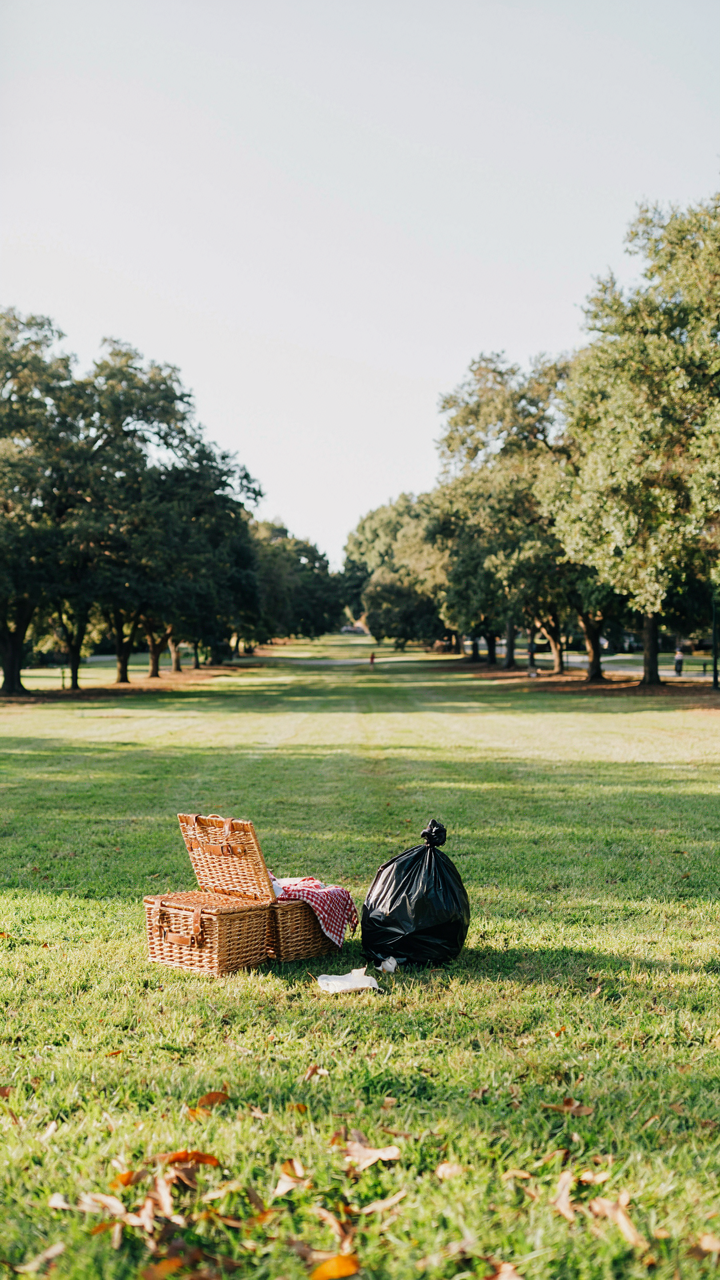
Waste Station Protocol

You care about cleanup because a messy exit kills the memory of the event itself. People judge the host by the state of the ground when they leave, not the food they ate. Think of waste management through the lens of supply chain logistics: your picnic generates inventory that must flow through designated checkpoints before it leaves the venue.
- Trash receptacles staged at entry: Place garbage bins near where guests arrive, not scattered across the picnic area. Guests deposit waste immediately rather than carrying it or leaving it behind.
- Compost and recycling sorted separately: Set up three stations labeled clearly. Most guests will comply if the sorting requires no guesswork or decision fatigue.
- Food waste contained immediately: Use sealed bags for scraps, bones, and plate remnants. Open containers attract insects and create odor that lingers on the grass.
- Beverage bottle collection bin: Designate one high-traffic spot for empty bottles and cans. Prevents them from rolling under blankets or getting stepped on.
- Pre-breakdown sweep at designated time: Before guests leave, walk the perimeter with a team. Catch stragglers, napkins, and forgotten items before they become invisible ground debris.
The mechanism is simple: friction determines behavior. Remove the friction of finding a trash location and people throw things away. Add friction, and they leave it for you. Your job is engineering flow, not hoping guests are conscientious.
Swift Departure And Site Restoration
Leaving quickly matters because the longer you stay, the more you’ll find to do. The site doesn’t actually need restoration to a pre-picnic state. It needs to return to a condition where the next users won’t notice your event happened.
Do a final perimeter check in expanding circles from the center. Scan low: under tables, beneath blankets, around tree bases where small items roll. Scan high: branches, fence lines, overhead areas where wind deposits napkins. Use a handheld grabber for items you find. Pack everything into one central bag to avoid multiple trips. Leave the site cleaner than you found it as a matter of protocol, not philosophy.
The Art Of Intentional Imperfection: A Cute Picnic Birthday Ideas
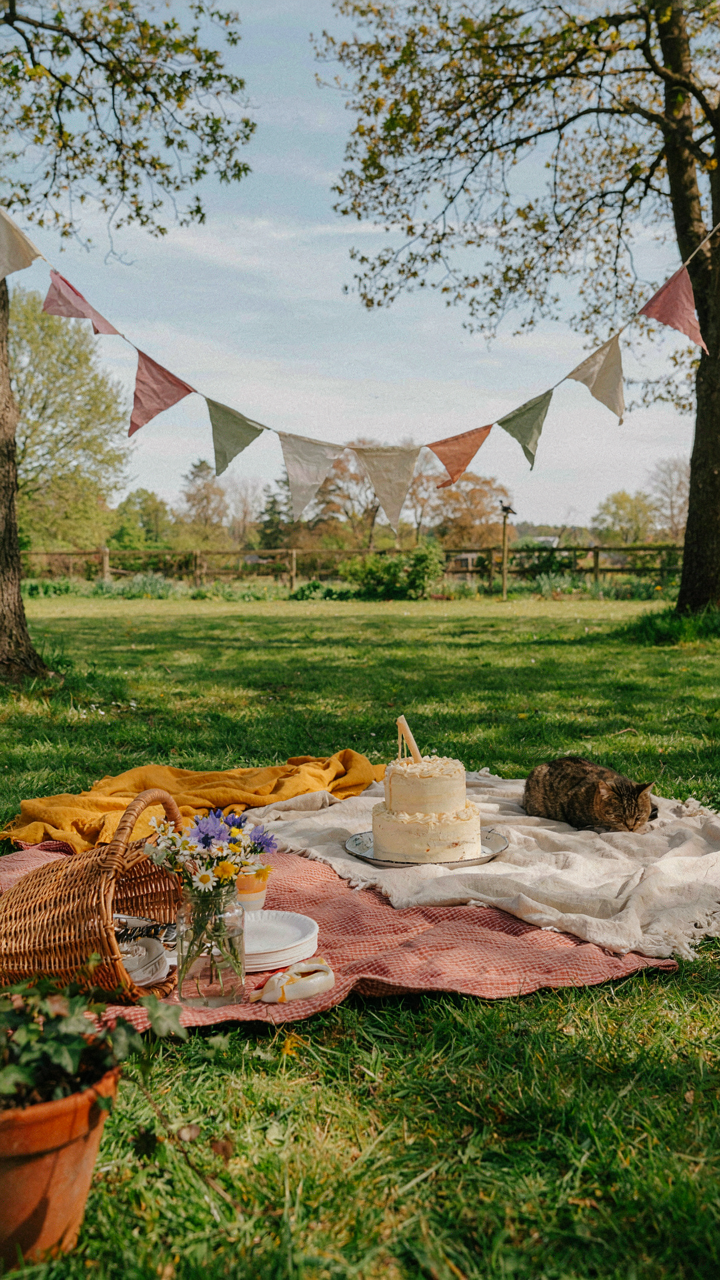
The Flaws That Signal Realness

You want permission to stop obsessing over control because you’re terrified that visible mistakes mean you failed as a host. Here’s the mechanism: a picnic birthday party that looks staged repels people. Staged events create distance. Your brain reads perfection as either expensive or artificial, and either way, you don’t relax. The moment someone notices a wrinkled tablecloth or a slightly melted dessert, they stop performing and start being present. That’s when the party actually begins.
Imperfection is the signal that this gathering exists for connection, not for Instagram validation. When the cupcake topples or the napkins blow away, you have two moves: laugh or scramble. Laughing compounds the moment. Scrambling kills it. Your guests follow your lead on whether mistakes are disasters or details. Choose the former and you’ve manufactured tension into your own event. This isn’t philosophy. This is operating mechanics.
Presence Over Production
The common advice says balance ambition with realism. That’s incomplete. You don’t balance them. You pick one. Most people pick production then wonder why they spent the party fixing things instead of eating cake with people who showed up for them. Presence means you sat down at some point. You actually played games. You didn’t work the event like it was a catering job.
The protocol is simple: build your setup so thoroughly that it requires zero management after guests arrive. Anchor food stations so they don’t need restocking. Arrange seating so no one stands searching for a place. Set the music on a playlist so you’re not DJing. This sounds like more work upfront. It is. But the payoff is you vanish into the party instead of hovering over it. Your absence as the anxious host becomes the presence that lets everyone else actually enjoy the day.
The Real Obstacle Isn’t The Picnic; It’s Your Need For External Validation

You don’t need Instagram-worthy tablescapes or catered spreads to throw a memorable picnic birthday party. You need permission to stop performing. Most people sabotage their own celebrations by chasing approval from guests who won’t remember the details anyway. They’ll remember how you made them feel. Pick a location tomorrow. Send three texts. Show up relaxed. The rest follows because simplicity is magnetic.