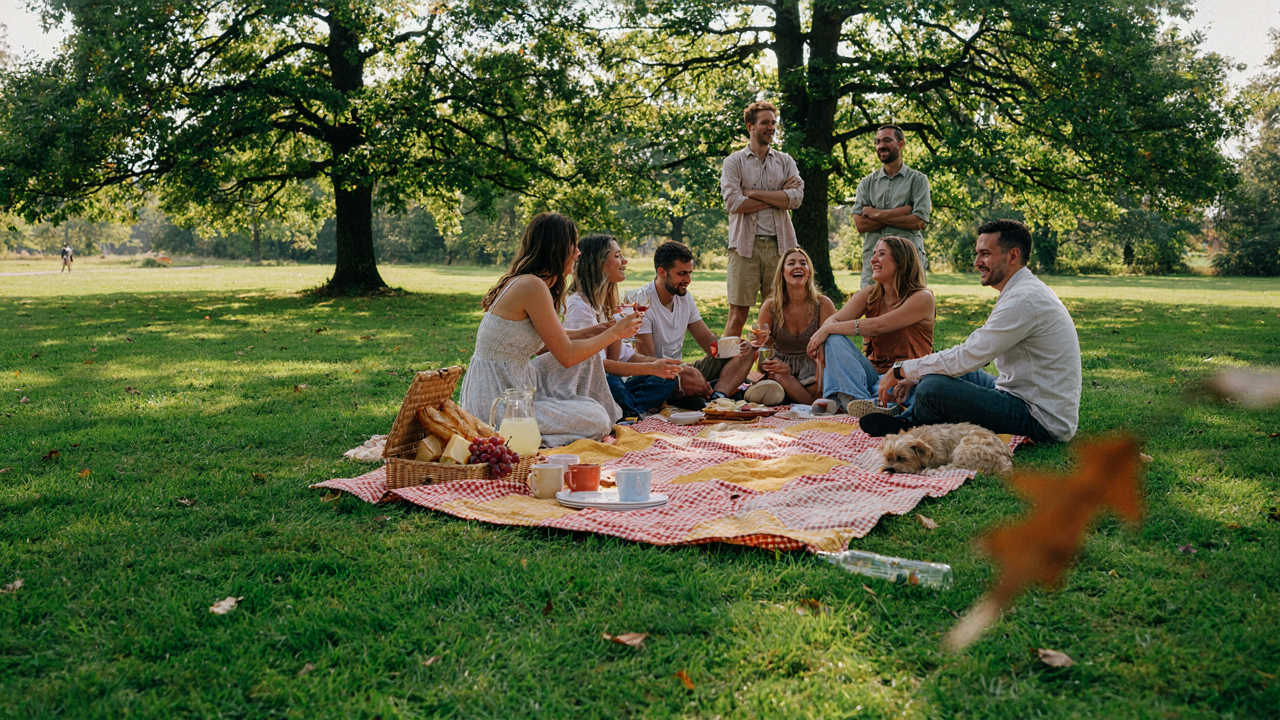
The “Effortless” Illusion: Why Your Picnic Plans Fail
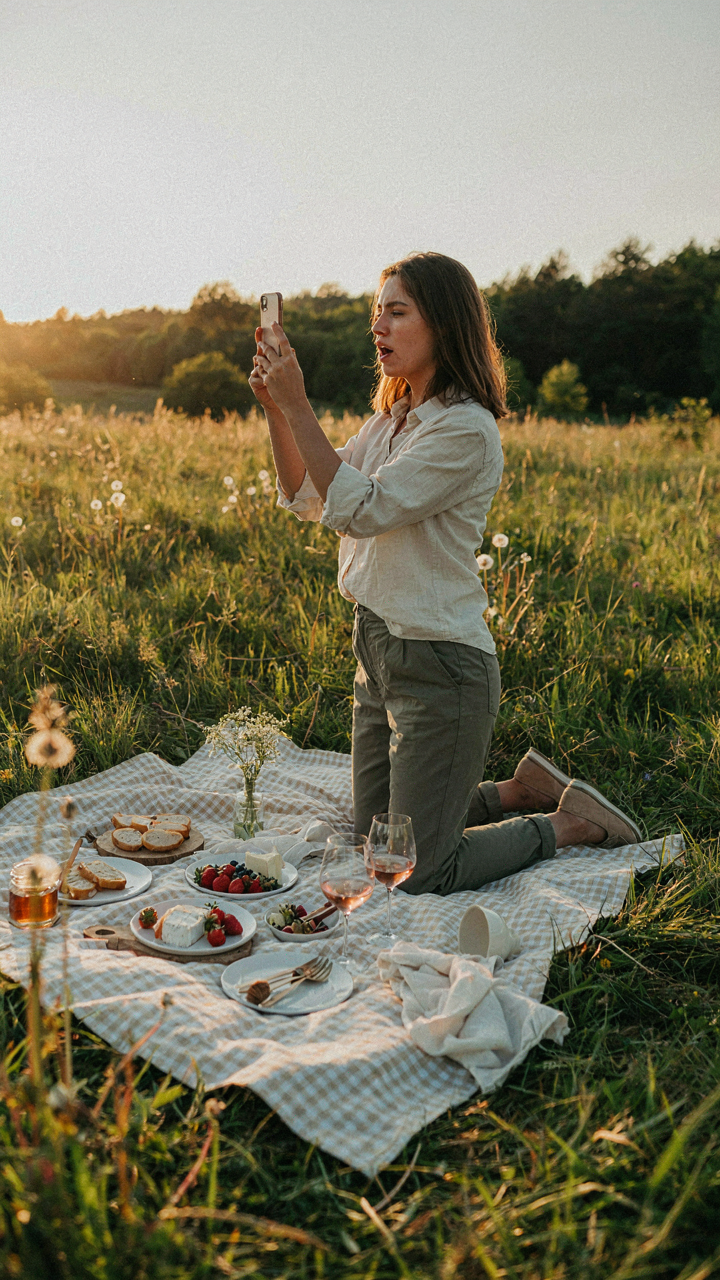
Aesthetics Over Function Kills The Event
You want people to think you didn’t try. That’s the real fear driving this section. But here’s the mechanism: when you design for the photo instead of the experience, you optimize for the wrong constraint. Picnics fail because hosts treat them like a production design problem instead of a logistics problem. The Instagram aesthetic demands fragility—delicate glassware, styled arrangements, surfaces that demand constant maintenance. None of that survives contact with actual people eating outdoors.
Function precedes aesthetics in every working system. Your job is to reverse-engineer what makes a picnic actually work, then dress it up only if time remains. Set up zones for eating, movement, and waste before you consider linens. Choose durable materials over beautiful ones. A plastic plate that survives the afternoon beats a ceramic one that chips on the grass. This isn’t about lowering standards. It’s about understanding that a picnic that functions looks better than one that doesn’t.
The Price Of Trying Too Hard
The common advice says a picnic is cheap entertainment. That’s incomplete. Picnics get expensive the moment you try to make them look effortless. Coordinated tableware costs money. Specialty food that photographs well costs money. Multiple serving pieces, backup linens, and decorative elements cost money. You’re paying a hidden tax every time you prioritize appearance over practicality.
Real savings come from accepting constraints. Use what you own. Serve food that needs minimal plating. Let the setting be the setting instead of staging it. When you stop fighting the casual nature of outdoor eating, you eliminate the expense category that drowns most casual entertaining. Buy one cooler that works well instead of three themed ones. Spend on the meal, not the mise en place.
Ground Up: Reclaiming The Raw Garden Picnic

Embrace What The Lawn Already Is

You want permission to skip the staging, the perfectionism, the sense that your yard needs to look like a magazine spread before anyone can eat on it. The mechanism is simple: imperfection signals authenticity, which lowers the social friction your guests feel. They relax because you’re not performing.
A lawn picnic works precisely because it removes the formality that kills casual gathering. Uneven grass, bare patches, slight slopes—these aren’t failures. They’re proof you’re using the space as it exists, not as a controlled construct. The Romantic movement of the 18th century rejected manicured gardens for this exact reason: raw nature feels more honest than curated nature. Your job is to stop fighting the site and start building on top of it.
Strip Away The Unnecessary Props
Most lawn picnic advice tells you to add more stuff: decorative elements, themed setups, layered textiles. That’s backwards. Every object you introduce competes for attention and creates a maintenance burden during the actual event.
Start by identifying what the space genuinely needs to function: a flat or near-flat area for sitting, access to food and water, shade if available. Everything else is friction. Decorative lanterns, coordinated tablecloths, themed centerpieces—these generate a false sense of polish that your guests don’t actually need or remember. They remember whether they were comfortable and whether the food arrived hot. Strip the setup down to the essentials, then stop. The lawn and trees do the visual work already.
The Resourcefulness Protocol: Unlocking Your Lawn’s Potential For Large Picnic
What You Already Own

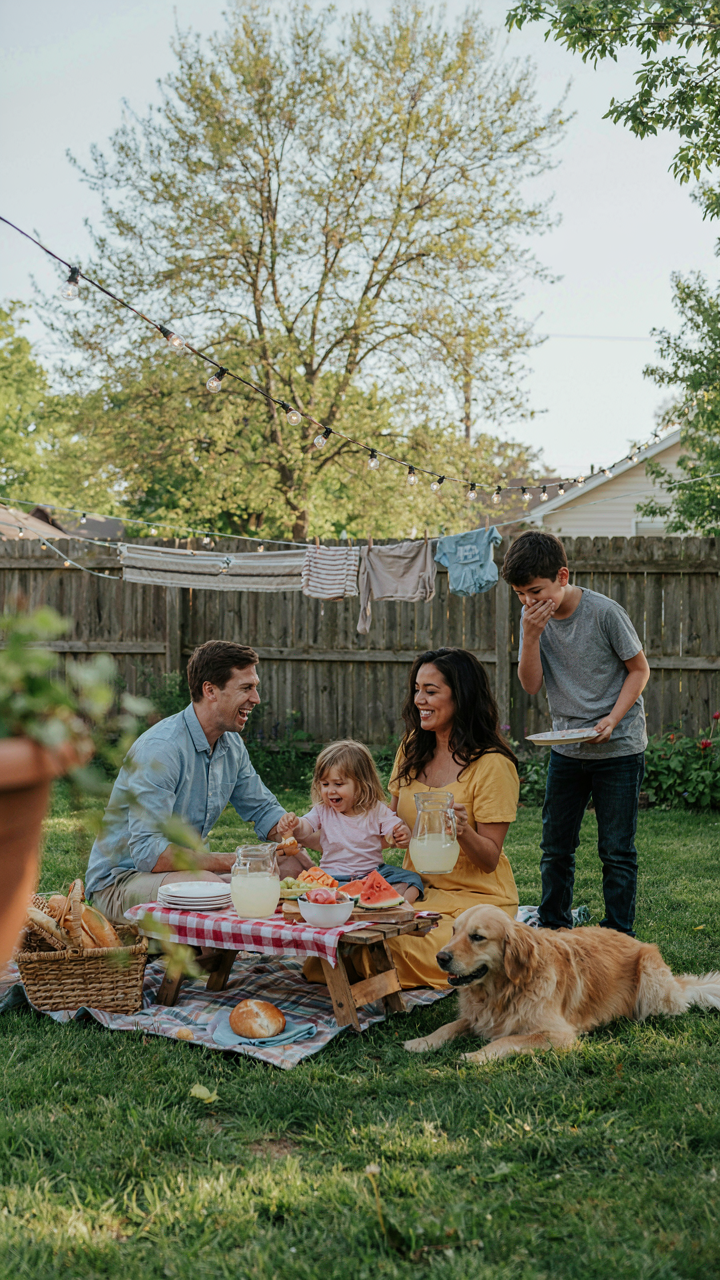
You’re hoping your existing setup will magically work so you don’t have to spend money or admit you need to plan. Here’s the mechanism: most lawns already contain the infrastructure for a picnic party—you just haven’t inventoried it as such. Trees provide shade anchors. Existing pathways dictate foot traffic flow. Garden beds create natural zones. Slope and drainage patterns determine where water pools and where guests naturally stand.
Walk your lawn with a camera or notebook. Mark tree locations, measure open flat areas, note existing structures like fences or raised beds, and identify power access points. Document shadows at the time of day your party happens—shade moves. Identify the spot where wind typically dies down. This isn’t decoration planning. This is site surveying, the same work a contractor does before building anything. Your lawn’s existing assets eliminate decisions and reduce what you need to bring in.
Converting Household Staples Into Picnic Infrastructure
The standard advice is to rent everything or buy outdoor furniture. Wrong. Most homes have items that function identically to picnic equipment when repositioned. This is the inventory principle from operations management: reducing external inputs by maximizing existing asset utilization. Your dining room chairs, folding tables, bed sheets, and storage bins are all picnic-grade tools if you stop thinking of them as confined to their original locations.
- Dining chairs and kitchen stools: Transport these to the lawn as seating. Four dining chairs create a cluster point. Stools tuck into spaces near food tables. They’re sturdy and require no setup beyond placement.
- Bed sheets and tablecloths: Layer these over existing tables or rope them between trees for shade. Cotton sheets block enough UV to create functional shade zones without the cost or storage burden of a canopy.
- Coolers and storage bins: Repurpose these as both temperature control and side tables. A cooler placed at waist height becomes a surface. Bins hold supplies and create visual organization without extra purchases.
- Wooden planks or boards: Lay these across bricks or stacked pavers to create temporary elevated surfaces for food, drinks, or serving stations where lawn tables don’t exist.
- Extension cords and power strips: Route these from your house outlet to the lawn perimeter to enable speakers, lighting, or phone charging stations without purchasing outdoor-rated equivalents.
The transport and repositioning cost nothing. The setup time is minimal because you’re using familiar items you understand already. Your guests won’t notice the items came from your home—they’ll notice the function. Start pulling items now and lay them on your lawn to see what arrangement works. Adjust based on actual sight lines and guest flow, not assumptions.
The Guest Centric Gambit: Optimizing For Connection, Not Presentation
Why People Actually Cluster Together

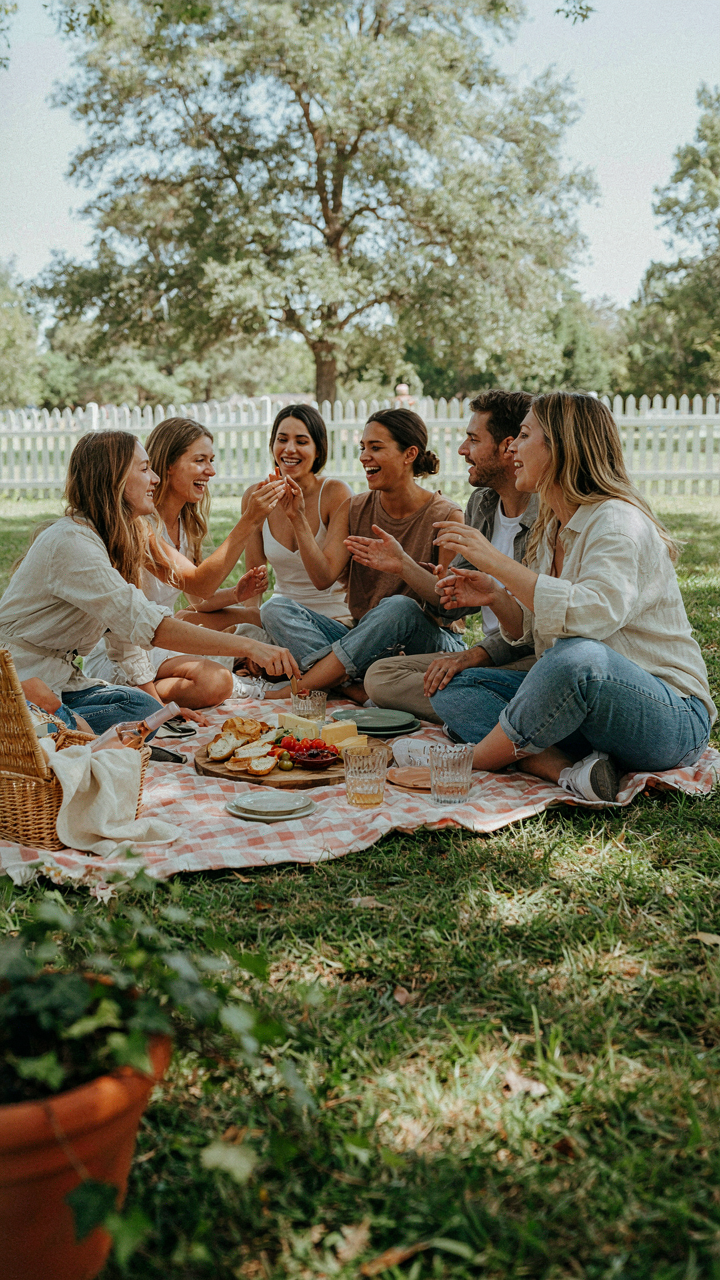
You want a lawn picnic party that feels effortless because you’re worried people will scatter into their phones or stand in awkward silence, making you look like you can’t host. The real mechanism here is borrowed from spatial psychology: proximity breeds interaction. Group theory tells us that physical closeness reduces the activation energy required for conversation. Guests won’t naturally cluster unless you eliminate the friction that keeps them separated. Most hosts spread furniture across the lawn. That’s the mistake.
Tight seating zones force proximity without feeling forced. Create one primary gathering area with chairs or blankets positioned within arm’s reach. Eliminate the temptation to wander by keeping sight lines short. When guests can’t see an escape route, they stay engaged with whoever is nearby. Distance kills spontaneity. The three-foot rule works: if people sit more than three feet apart, conversation drops sharply.
Remove The Physical Friction Points
Most lawn picnic party advice tells you to “make guests comfortable,” which means nothing. Real discomfort that kills interaction is specific: uneven ground, insufficient seating, temperature swings, poor bathroom access. Fix these mechanics and conversation happens naturally. Guests won’t bond if they’re actively managing pain or logistics.
Level the sitting area. Rake the patch where guests will gather. Provide seating options before people resort to standing. Offer lightweight blankets and cushions for people to adjust their own comfort. Position the picnic setup close enough to your home that bathroom trips don’t feel like an expedition. Place a water station within the main seating zone so people don’t leave to find drinks. Small obstacles compound into reasons guests retreat to their phones or leave early.
Logistics Of Laissez Faire: Smart Setups For Any Picnic Event Ideas
Carry In Carry Out Without The Friction

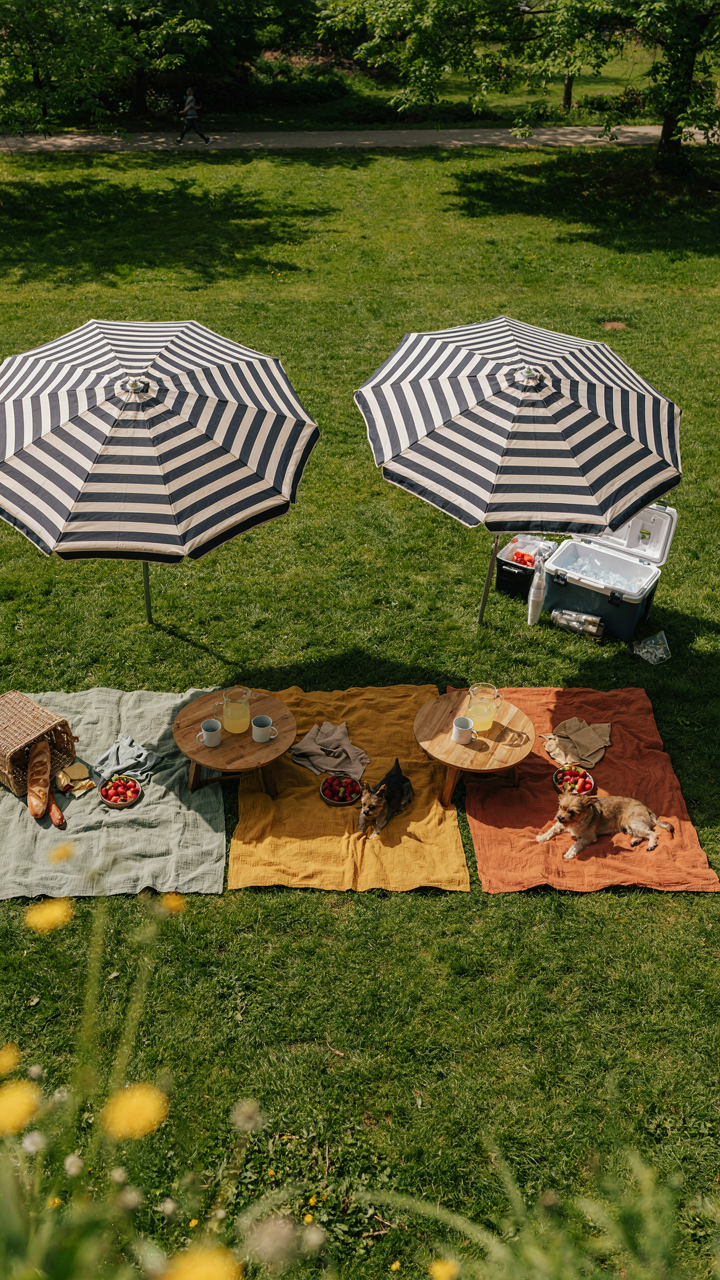
You want people to think you didn’t work hard. That’s the real reason this section matters to you. The mechanism is simple: friction kills casual gatherings. Every item you bring requires a decision tree on exit. Most lawn picnic party hosts ignore this and create cleanup chaos that poisons future invites.
The carry-in, carry-out principle isn’t environmental virtue signaling. It’s operational ruthlessness. You bring exactly what fits in your vehicle. You remove exactly what you brought. This forces a hard constraint upfront: no excess inventory, no abandoned coolers, no half-empty bottles left for someone else to handle. Design your menu and beverage list backwards from removal capacity, not appetite.
Territorial Anchoring For Crowd Flow
Zone defense comes from military strategy, and a lawn picnic party operates the same way: you allocate physical space to specific functions to prevent collision. Drinks go in one corner, food in another, seating in a third. The mechanism prevents the congestion that kills conversation and multiplies accidents.
Don’t scatter amenities across the lawn hoping people self-organize. They won’t. You pick fixed anchor points before guests arrive. Coolers stay stationary. Serving tables lock in place. Seating clusters occupy predetermined zones. This reduces foot traffic overlap and cuts cleanup time by forcing people toward defined pathways. Clear the route from entry to the nearest seating area, then design the rest around that.
Food That Fuels, Not Feeds The ‘Gram: Practical Spreads For Big Picnic Party
Build Around Temperature Stability

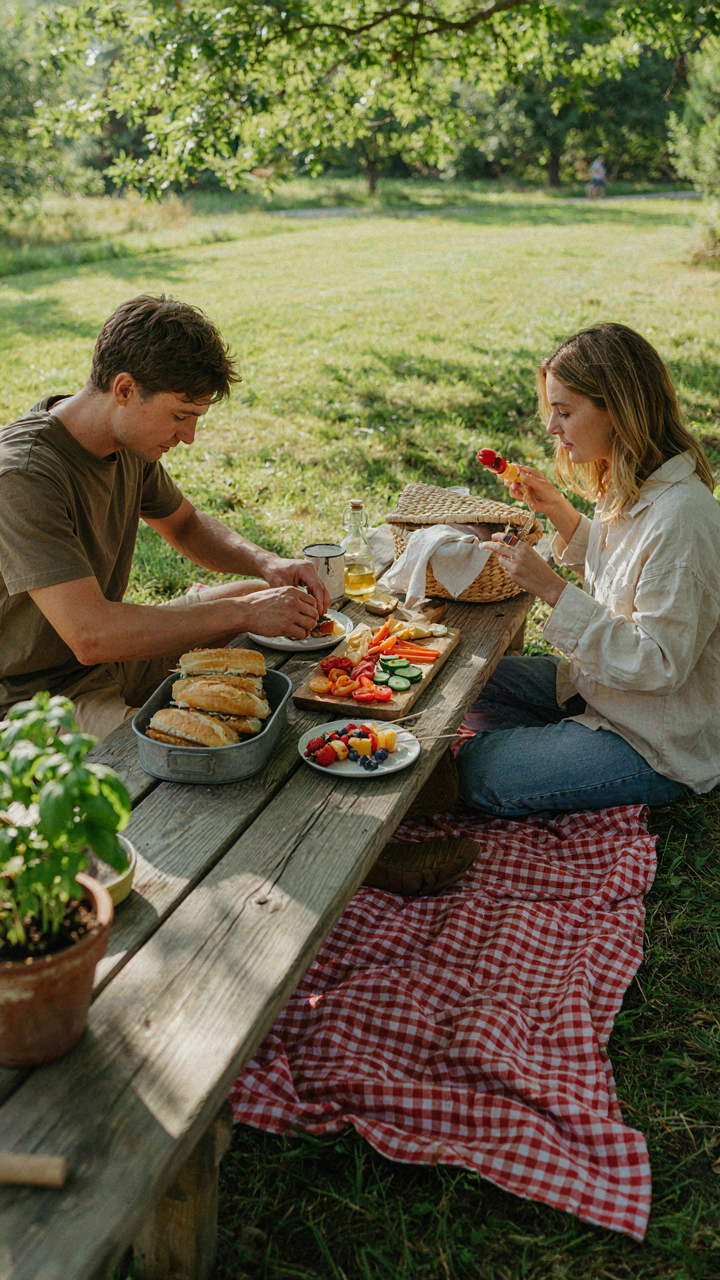
You want food that photographs well enough to post later, but that’s not actually why you’re overthinking the menu. The real problem is you’re afraid of serving something that falls apart or spoils before anyone eats it, which kills the whole event. Think in terms of thermodynamics: a lawn picnic party succeeds when dishes maintain their integrity across wide temperature swings. Room-temperature foods and chilled items that don’t wilt beat hot foods that require constant attention or die under sun exposure.
Pasta salads, grain bowls, cured meats, hard cheeses, and bread hold their structure for hours. Mayonnaise-based sides curdle. Delicate greens wilt. Hot dishes cool and congeal. The constraint forces a better menu anyway. Pick foods that taste intentional at any temperature between 45 and 75 degrees, and you stop fighting physics. Your guests eat better food, and you actually sit down instead of playing food police the entire afternoon.
Skip Fragile Foods Entirely
The common advice says to bring whatever you want and just keep it cold. That’s wrong. Foods that require precise conditions during transport and display waste your mental energy and create a failure state you can’t control. Anything that demands ice packs, timing windows, or constant adjustment creates friction that spreads to your guests and ruins the experience.
Tiramisu sweats. Cream pies separate. Soft cheeses weep. Hummus oxidizes and browns. These aren’t minor cosmetic issues, they’re signs that you chose foods working against the environment instead of with it. Bring foods that improve or stay neutral as they sit. Cured Italian meats, aged cheeses, crackers, nuts, olives, and preserved vegetables operate independently of your intervention. You set them out once and forget them. Your guests notice the difference immediately, even if they can’t name why the spread feels effortless.
Beyond The Blanket: Creating Micro Experiences For Garden Picnic
Unstructured Elements Drive Engagement

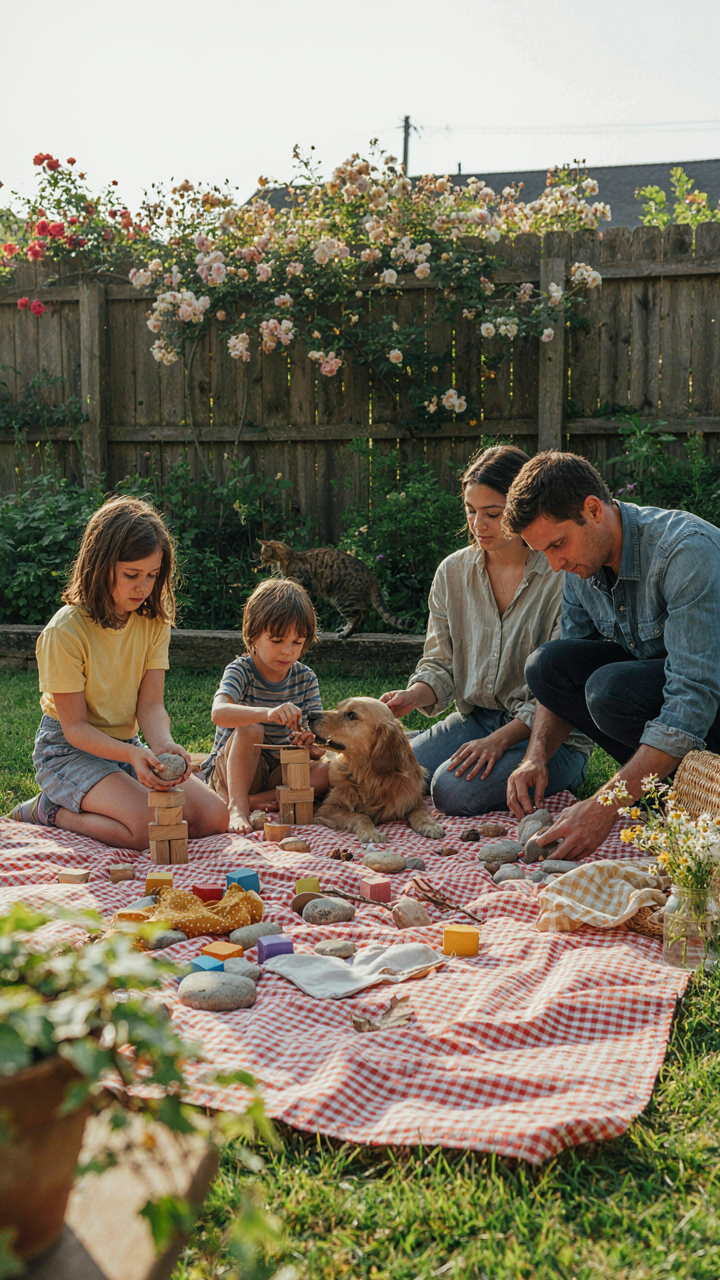
You want your lawn picnic party to feel effortless so guests think you’re naturally talented at hosting. The real mechanism is borrowed from play design: loose parts theory states that unstructured, movable elements spark more engagement than fixed installations. A blanket and chairs are architecture. Open-ended objects are possibility. Stones to stack, branches to arrange, unfamiliar plants to examine, or items guests can rearrange themselves trigger active participation instead of passive consumption.
The distinction matters because a curated aesthetic (matching plates, themed decor) signals completion. It tells guests the experience is finished before they arrive. Loose parts signal potential. Leave a basket of smooth stones near a garden bed. Set out a small side table with multiple ways to use it. Place unmatched cushions that can be repositioned. These don’t require explanation. Guests naturally grab them, experiment, and own the moment they reshape their environment.
Simple Friction Points Activate Participation
Most lawn picnic advice stops at “provide entertainment options” then lists games nobody plays. The real shift happens through constraint, not abundance. A prompt works when it creates just enough friction to break autopilot thinking but not enough to frustrate. Ask guests to identify three plants they don’t recognize instead of handing them a plant guide. Suggest they photograph one moment from an unexpected angle instead of assuming they’ll take selfies. Set out materials for one specific activity rather than a pile of possibilities.
The mechanism is cognitive load reduction through direction. People paralyzed by open-ended choice perform better under light structure. One task eliminates decision fatigue. One simple rule (“make something from materials in this basket”) generates more creative output than “do whatever you want.” Execute this by designing one deliberate prompt per gathering, communicated casually at the start, never forced or gamified into obligation.
The Aftermath Advantage: Efficient Breakdown For Picnic Events
Waste Separation Before The Party Ends

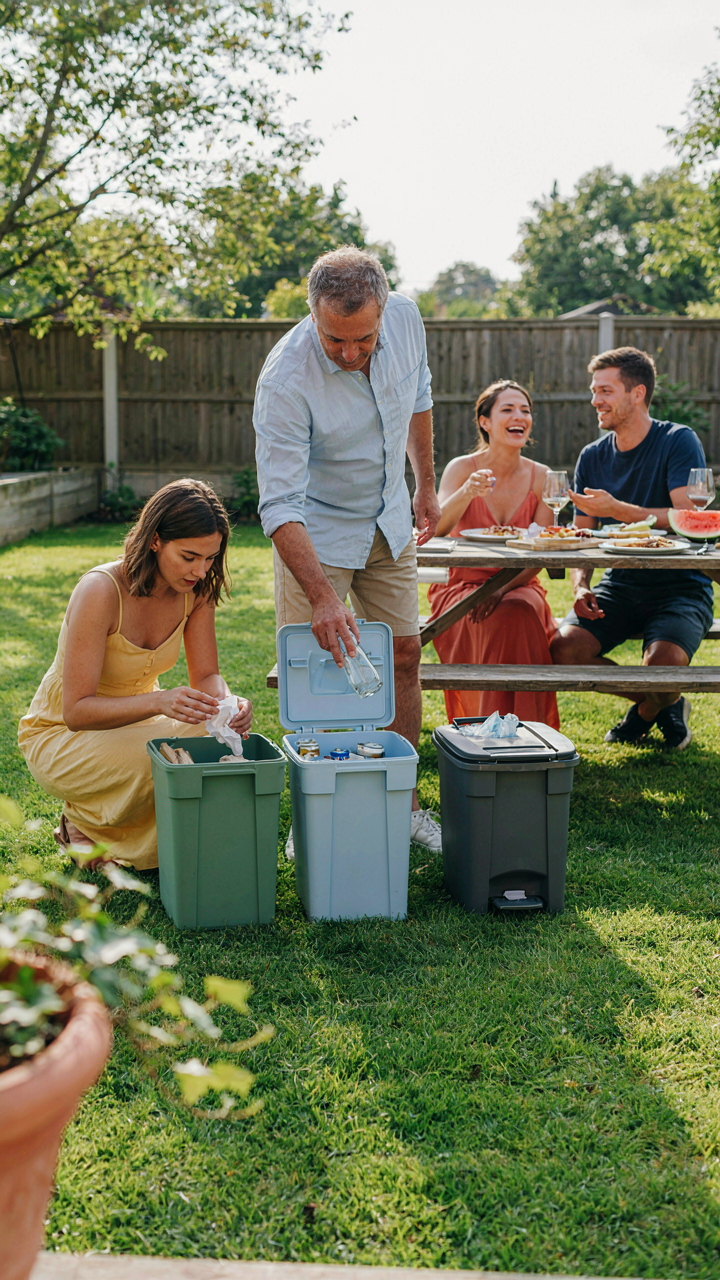
You want people to think you’re organized without actually working harder afterward. The real mechanism is garbage triage during the event, not after it. Bring separate bins for compost, recycling, and trash to the lawn before guests arrive. Label them clearly. Station one near the food setup and another near seating. Most people will sort correctly if the system is visible and obvious in the moment.
The cost of bins is negligible compared to the time you spend hunting scattered plates and cups across the grass at dusk. Set up disposal zones at logical traffic points where people naturally accumulate waste. Designate one person during the party to monitor fill levels and swap out full bags before overflow happens. This prevents the scattered-trash problem entirely rather than solving it after the fact.
Expect The Specific Problems That Always Occur
Common advice says “clean up as you go.” That’s incomplete. The actual problem is anticipating which messes happen predictably at lawn picnics so you can prevent them before guests leave. Spilled drinks soak into grass if you wait six hours to address them. Greasy plates attract insects. Condiment residue hardens and becomes permanent staining on furniture. Food scraps draw animals overnight.
Deploy absorbent materials like paper towels and small towels on a dedicated cleanup station before the party starts. Keep a wet cloth in a sealed container for immediate spill response. Wipe down serving utensils and platters as the event winds down, not the next morning. Ask guests to stack plates in one designated spot rather than leaving them scattered on blankets. This single protocol reduces your cleanup time by roughly sixty percent and eliminates the biological problems that compound after guests depart.
Stop Striving For Perfect And Start Cultivating Actual Enjoyment
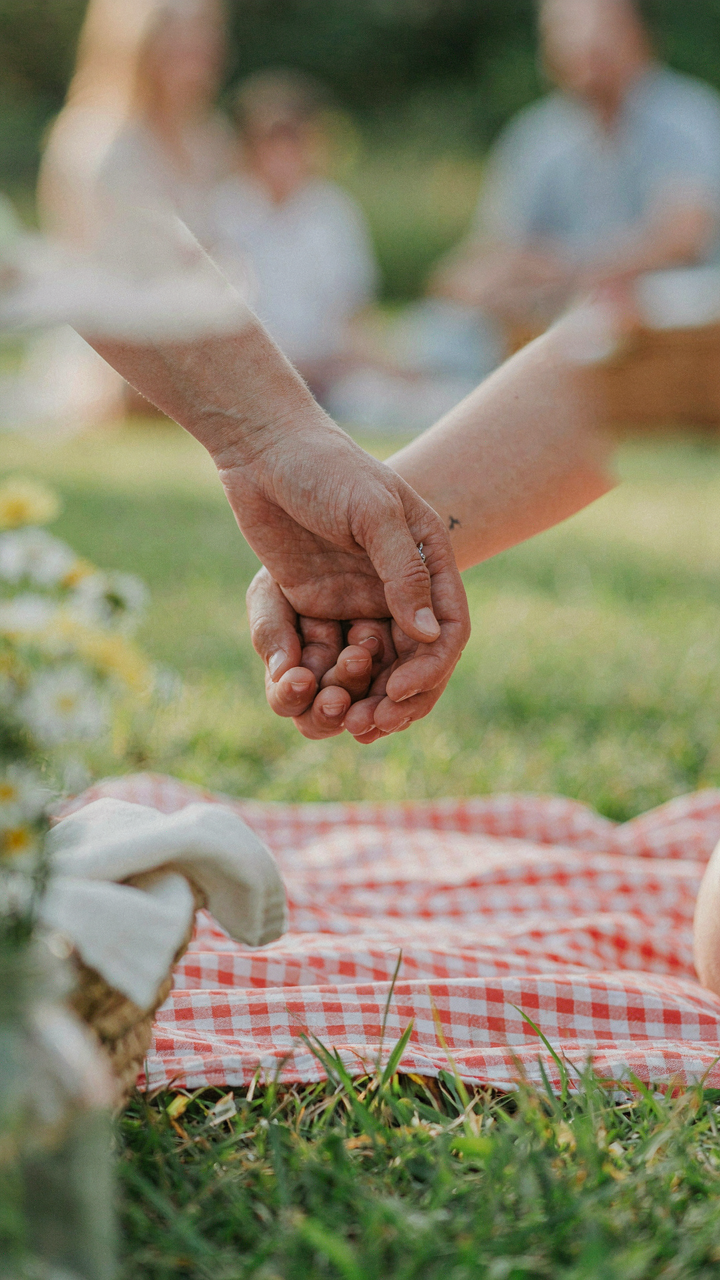

Your lawn picnic party doesn’t need Instagram lighting or a catering menu. It needs you present. The shift that matters: stop treating the setup as the event. The setup is just the container. People came for connection, not your grass height or napkin fold. Today, invite three people over this weekend. Pick a time. Grab some food. Watch what actually happens when you stop performing and start hosting. A lawn picnic party thrives when the host stops trying to impress and starts wanting to hang.