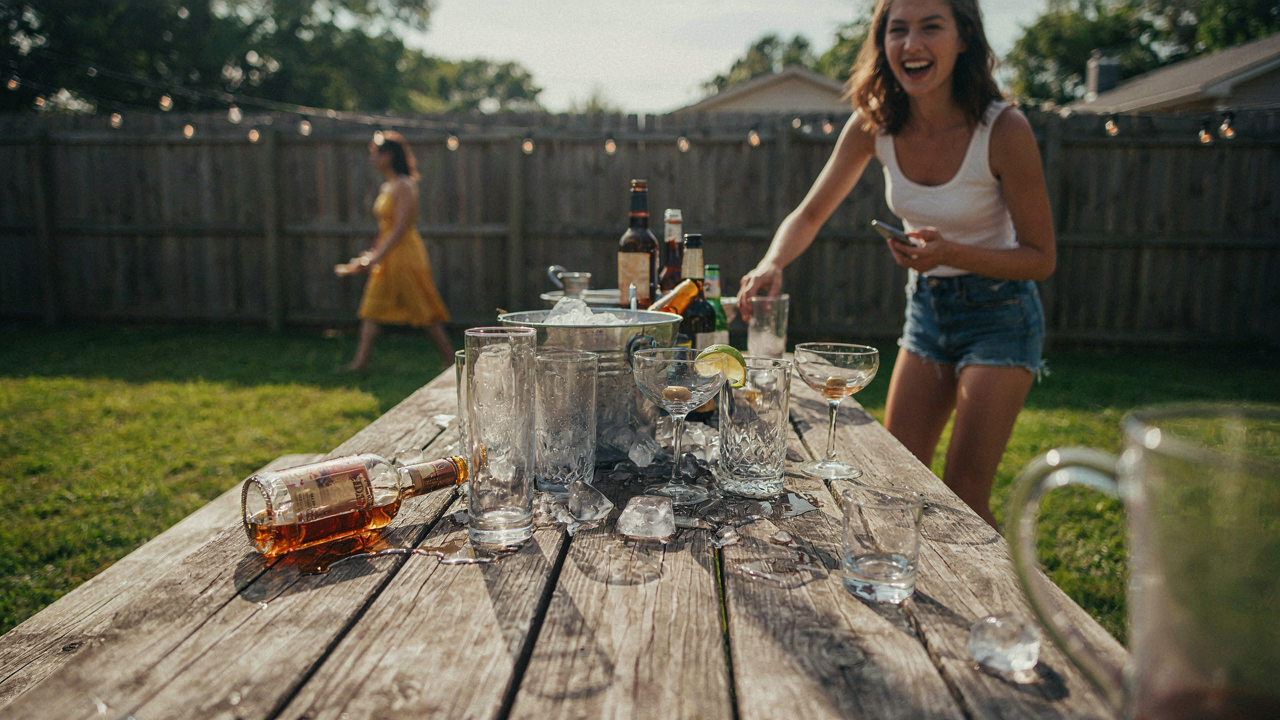
The Illusion Of Choice: Why More Options Kill Flow
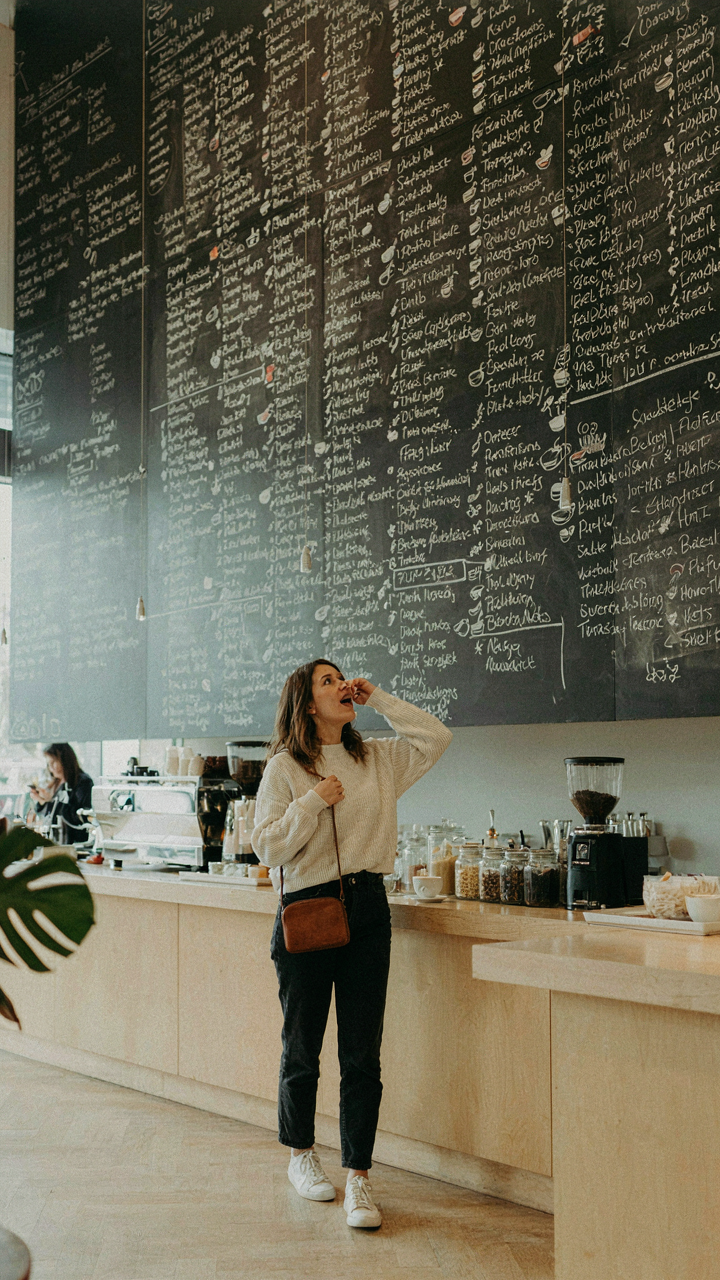
Your Guests Freeze When You Give Them Too Much
You think offering twelve drink options makes you look generous. You’re actually watching decision paralysis destroy your entire event’s rhythm. Neuroscience calls this the “paradox of choice”—the more options available, the longer it takes to decide and the less satisfied people become with their selection. Your backyard drink station isn’t a restaurant menu. It’s a throughput problem. More options mean longer decision time per guest, which means longer lines, which means people stop coming back to the station.
The math is brutal and non-negotiable. A guest facing three choices decides in seconds. A guest facing twelve choices deliberates, second-guesses, asks what you’d recommend, then waits while you explain the difference between two similar cocktails. That’s not hospitality. That’s friction. You need guests cycling through the station in steady intervals. Every extra option adds cognitive load and kills velocity. The goal is movement, not variety.
The Host’s Logistics Collapse Under Complexity
More drinks mean more bottles, more ice consumption, more glassware, more space taken up on your station surface. You don’t have unlimited real estate on that table, and you definitely don’t have unlimited time during the event to manage restocking and refills. Each additional drink requires ingredient prep, tool placement, and mental overhead while you’re actually serving. Complexity compounds. You started trying to impress people and ended up creating a logistical nightmare that makes you stressed and slow.
When you’re stressed, guests feel it. When you’re juggling too many drink recipes in your head, you make mistakes. You forget measurements, you run out of a key ingredient because you miscalculated demand, or you spend twenty minutes restocking the station instead of maintaining service. The real constraint isn’t your skill or your bar. It’s the number of items you can actually execute at speed without degrading quality. Limit your menu to three signature drinks plus one backup option, then drill those recipes until you execute them on autopilot.
The Single Source Protocol For Rapid Refill
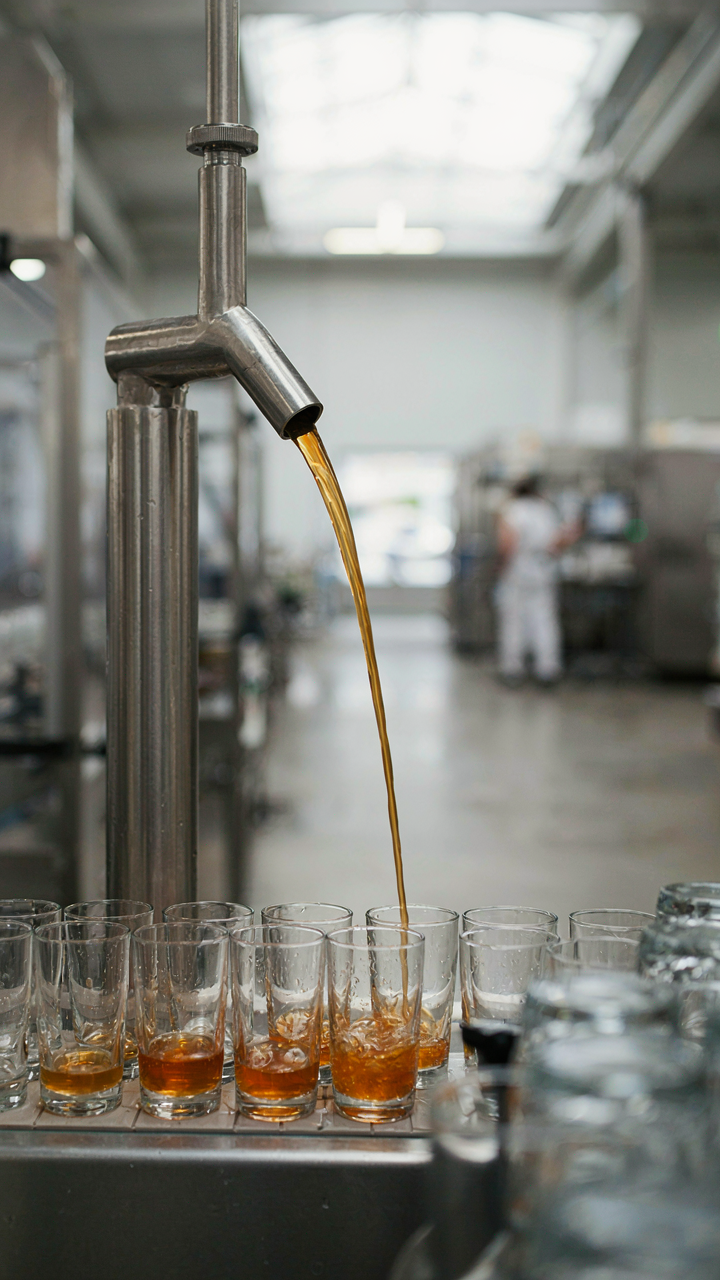
Dominate One Drink Type, Scale Volume
You want guests to see you as someone who can handle a crowd without breaking rhythm. The mechanism is simple: constraint forces efficiency. Pick one signature drink, nail its execution, then pour it relentlessly. Most hosts try to stock a full bar and end up fumbling between bottles, creating bottlenecks that feel like incompetence.
The math works against variety. Every additional drink type requires separate ingredient prep, glassware, mixing steps, and mental overhead. One drink minimizes decision paralysis for both you and your guests. You memorize proportions, standardize pour size, and move people through in sequence. A mojito station, a margarita setup, or a punch bowl beats a confused bartender reaching for ten bottles.
Pre Batch, Then Replenish On Rhythm
Don’t mix individual drinks to order. Make your drink in batches two hours before guests arrive, then refresh the vessel every thirty minutes. This is the supply chain principle applied to spirits: batch processing outperforms job shop production. You eliminate the handoff delay between request and delivery.
Pre batching removes the real bottleneck, which is your attention span under social pressure. You pour from a pitcher, not a mixing glass, and refill behind the scenes on a timer. The guest experiences instant service because the work happens invisible to them. Set a phone alarm for every half hour to top off your batch before it depletes, and your station never looks empty or desperate.
Gravity As Your Bartender: The Unsung Hero Of Speed
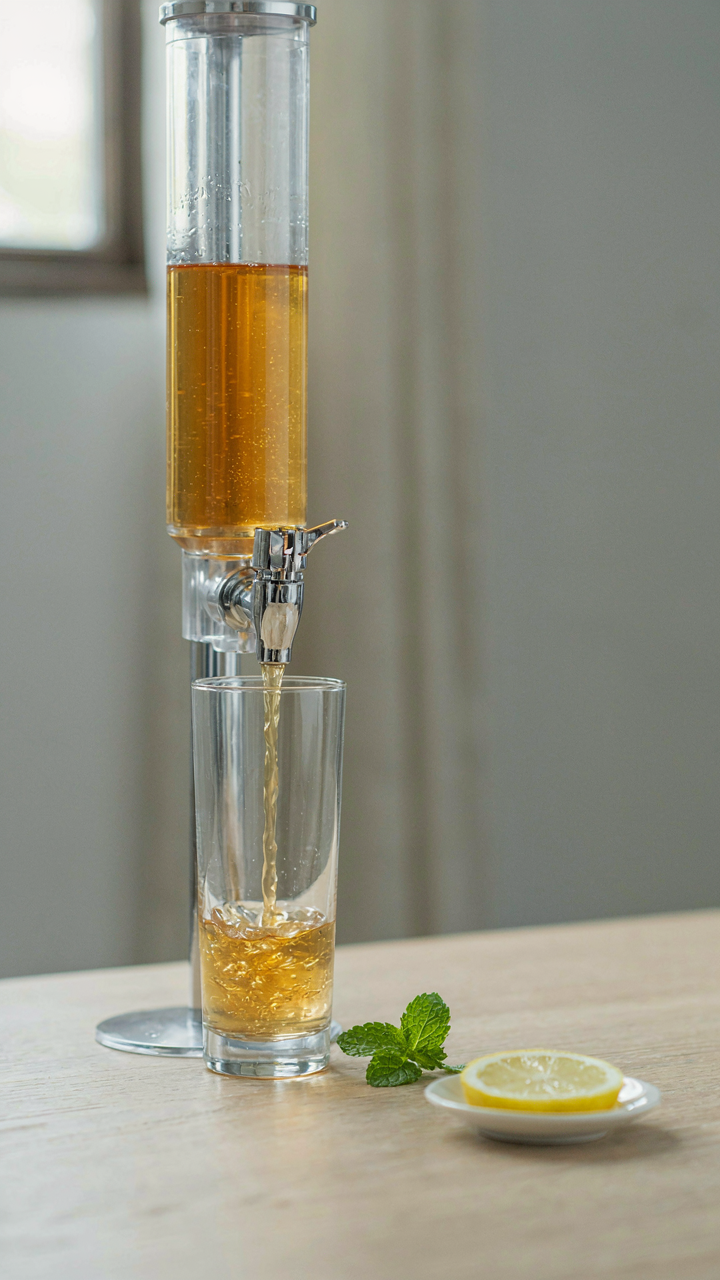
Elevated Dispensers Create Continuous Flow

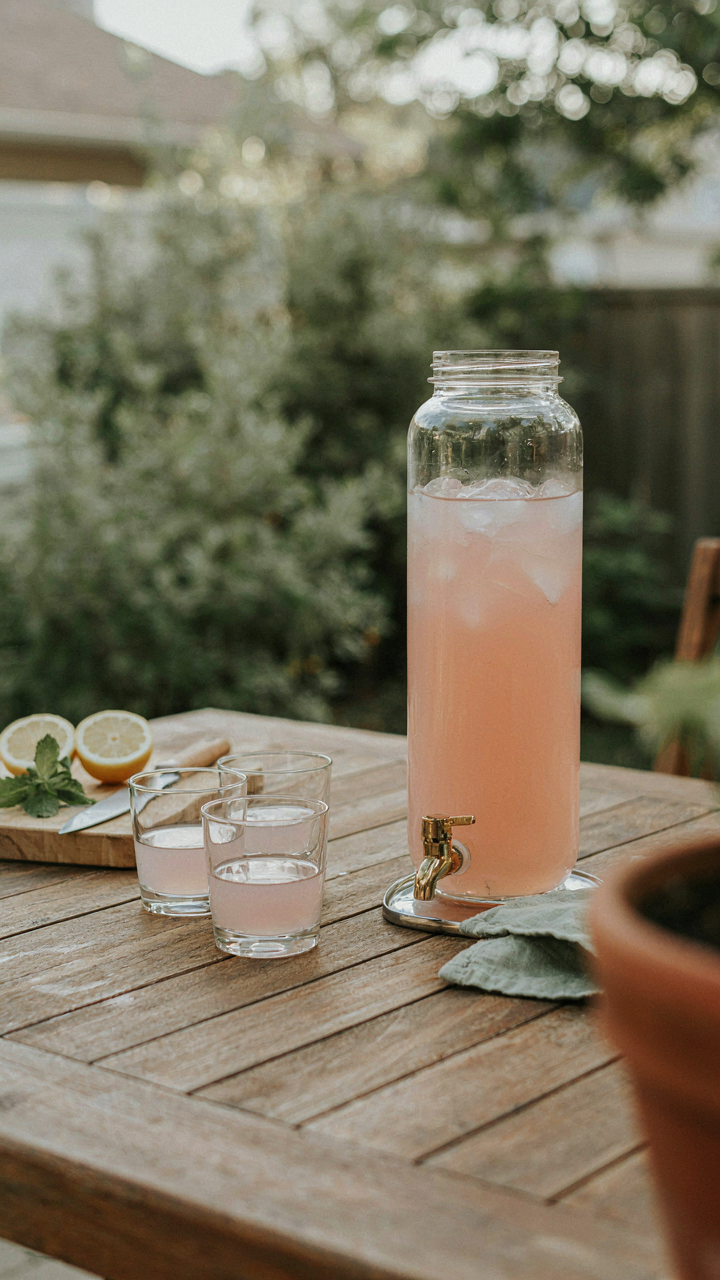
You want your guests to think you’re organized. The real mechanism is simpler: physics does the work instead of your arm. Gravity in fluid dynamics is leverage. A beverage dispenser positioned above the glass eliminates the effort threshold that slows service. Most backyard setups fail here because hosts treat the drink station like a kitchen counter, not a dispensing system.
Height matters mechanically. When a tap or spout sits 18 to 24 inches above the glass, gravity pulls liquid down consistently without you applying pressure. Kegs, coolers with spigots, or beverage dispensers work only when elevated on stands or tables. The lower the dispenser, the harder you work. The harder you work, the longer each pour takes and the more you resent refilling.
Minimize Motion, Maximize Throughput
Everyone says to stock your station well. That’s incomplete advice. The real bottleneck is pouring effort, not inventory. Each unnecessary movement steals seconds. You pour 20 drinks in an hour, that’s dozens of wasted motions compounded. A waist-level dispenser with a downward pour requires less arm engagement than reaching or tilting.
Position ice, glasses, and mixers within arm’s reach of the tap. The pour itself should be a single fluid motion from dispenser to glass. If guests watch you bend, reach, or reposition, your station design failed. Test your setup by pouring 10 drinks in sequence and timing it. Anything beyond two minutes per drink means repositioning the dispenser higher or moving supporting materials closer.
The “Drink Table Ideas Beverage Stations” That Betray You
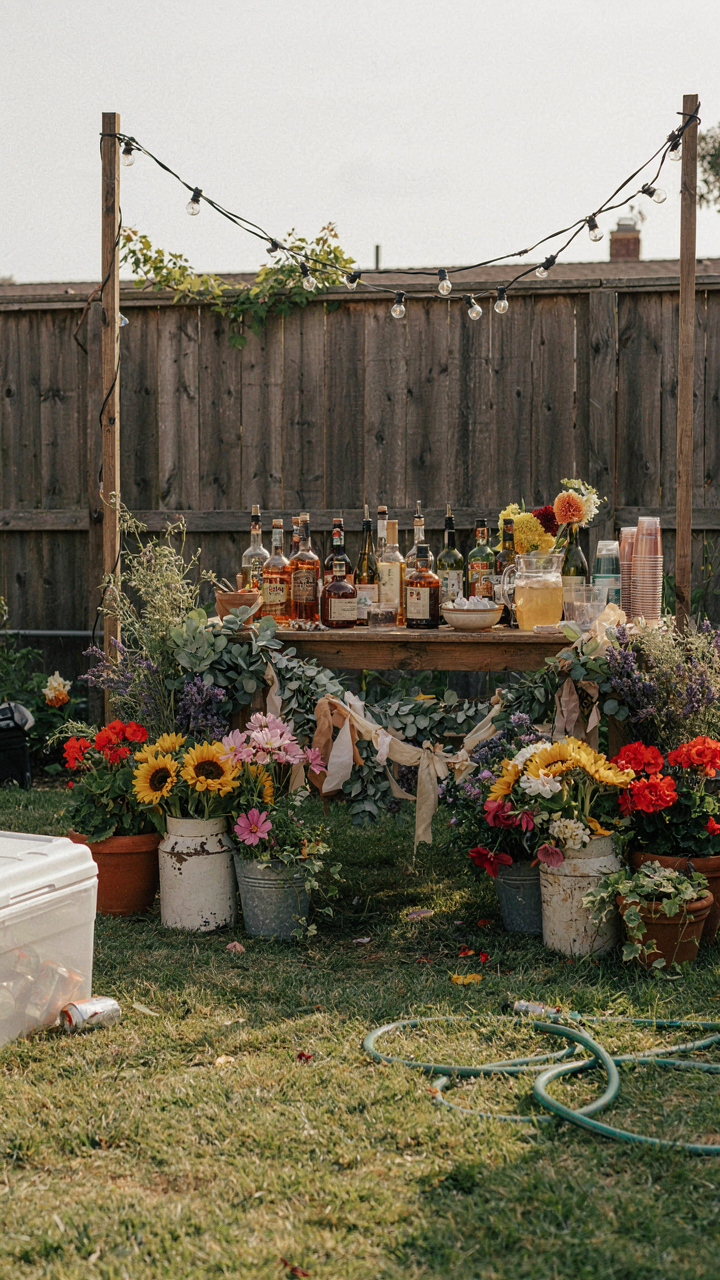
When Beauty Blocks The Pour
You want guests to think your setup is effortless. That’s the real driver here—status disguised as hospitality. The mechanism is simple: Instagram-worthy arrangements sacrifice the actual workflow. Cramped bottles, decorative ice buckets that hold three pounds of ice, flower arrangements between liquor bottles, and tiered displays that look good in photos all create the same problem. Guests can’t reach anything without asking. You’ve built a display, not a station.
The difference between a functional bar and a decoration is arm reach and sightlines. A standard backyard drink station needs 36 to 42 inches of linear space minimum per bartender position. When you prioritize visual balance over this spacing rule, service speed drops. You spend the event moving bottles instead of pouring drinks. Every 6 inches of lost workspace costs you 10 to 15 percent efficiency on throughput. That’s not theoretical—that’s how spatial constraints work. Remove the centerpiece flowers. Move decorative items to the edges. Keep the center clear.
Obstacles Disguised As Decoration
Most advice says to “layer” your drink station with visual interest. That’s incomplete thinking. What they mean is scatter obstacles between your bottles and your guests. This borrows from industrial design: friction is any point where a user must deviate from their direct path. In a backyard station, friction includes decorative coasters stacked under bottles, candles positioned between spirits, small bowls of garnishes that tip when reached around, and ice buckets on the actual work surface instead of beside it.
Move everything non-essential off the table itself. Candles, flowers, decorative serving pieces—position them 12 inches behind the bar surface or lower, on shelves below. Your ice bucket sits on the ground or a separate cart within arm’s reach but not on the work plane. Garnish bowls stack in a compact unit at one end, not scattered. The work surface stays a clear line from guest to bottle to glass. Measure twice before setup and do a dry run: walk through pouring three drinks in sequence without moving your feet. If you move more than one step, something is in the way.
The Feedback Loop Of Emptiness: From Cybernetics
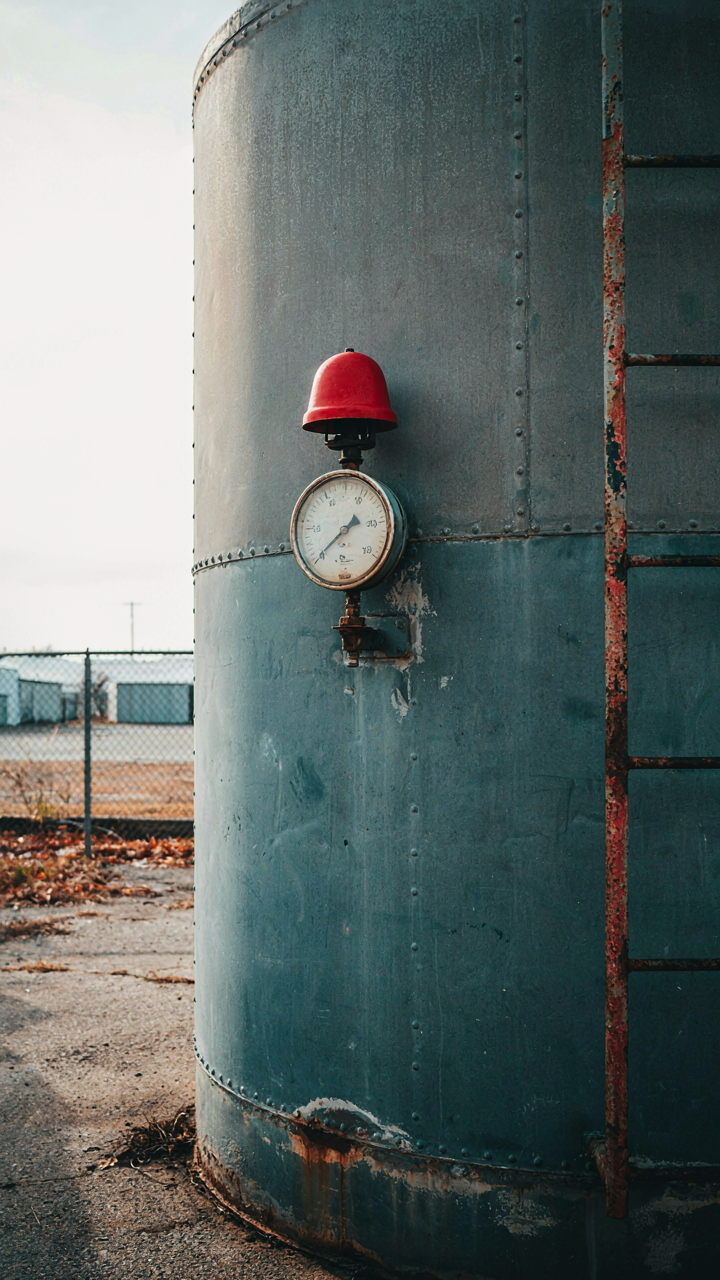
Watch Before Things Break
You want your station to run without you standing there counting ice. That’s not laziness—that’s the actual goal of a functional system. Cybernetics, the study of feedback loops in self-regulating systems, teaches us that the best operations catch drift before failure. Your backyard drink station needs input monitoring: tracking what depletes and how fast it depletes, not waiting until someone asks for vodka and you’re empty.
The mechanism is simple. Every consumable at your station has a depletion rate tied to guest count, time of day, and season. Ice melts faster in July than April. A crowded Saturday burns through mixers different than a Thursday dinner party. You measure these patterns once, then set thresholds. When ice hits 30 percent capacity, you refill. When you’re down to two bottles of tonic, you open a fresh one. Observation becomes protocol, not improvisation.
Refill Before You Run Dry
Most people tell you to “keep plenty of stock.” That’s the lazy answer because it doesn’t work. Overstocking creates waste, spoilage, and clutter. Understocking creates those dead moments where you’re hunting for limes while guests watch you scramble. Proactive replenishment is about rhythm, not panic buying.
Set a weekly audit day. Walk your station Tuesday or Wednesday morning—off-peak time—and log what you have. Compare it to what you used the previous weekend. If you went through six bottles of club soda, order seven or eight for next week. If your lime supply lasted three days before browning, buy smaller quantities more often. This isn’t guesswork; it’s pattern recognition applied to inventory. The outcome: nobody waits, nothing expires, and your cost per drink stays predictable.
Ice: The Unseen Choke Point Of Any “Drink Station”
Where Your Ice Actually Goes
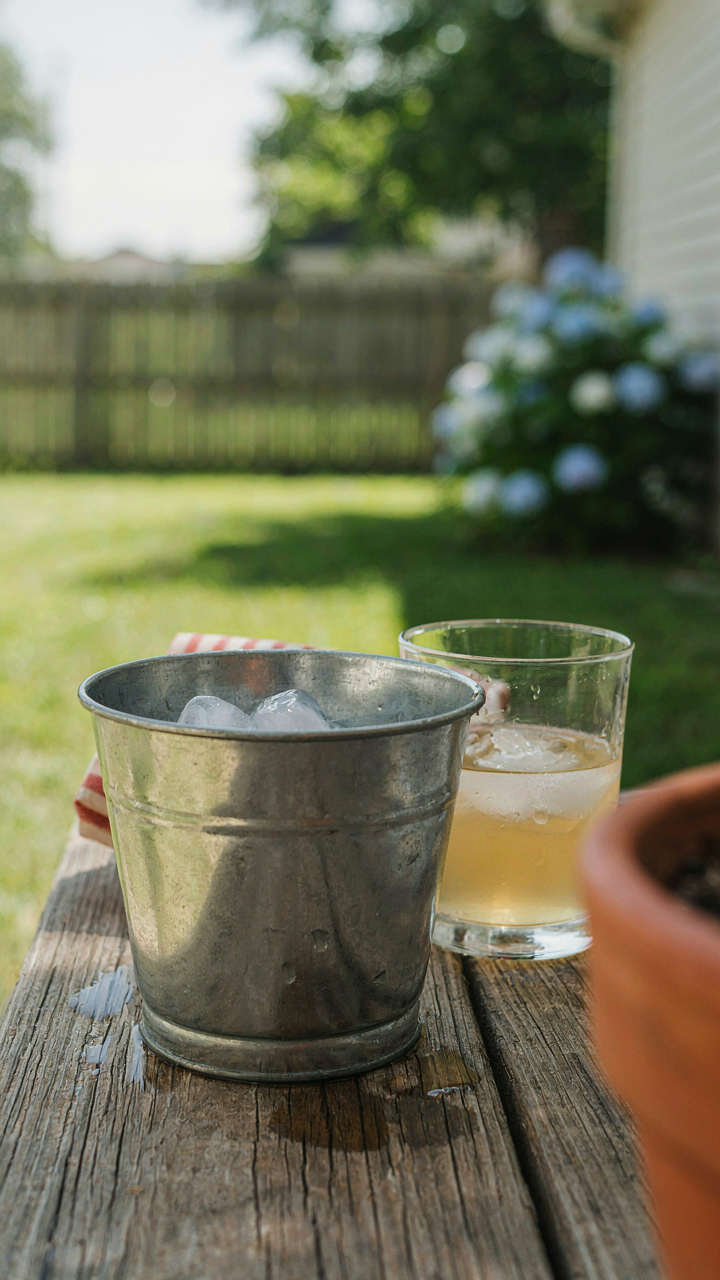
You want your guests to think you’re organized. What actually happens: ice melts, runs out mid-party, and you’re scrambling to the freezer while conversations die. Here’s the mechanism nobody states plainly. Think of ice supply through a thermodynamic lens. Your ice isn’t a static resource—it’s in constant state change. Ambient temperature, drink volume, and sun exposure create a melt rate that most people wildly underestimate. You need 1.5 pounds of ice per person for a four-hour event, minimum. Most backyard setups assume half that and wonder why the cooler empties by hour two.
The real problem isn’t quantity alone. It’s visibility. When ice sits in a bucket or cooler, people can’t see how much remains until it’s gone. They grab handfuls without measuring. They leave it exposed to sun. They don’t refill on schedule because there’s no system telling them when to. Place your ice station where you can monitor it from inside the house. Set a timer to check levels every 45 minutes. Have backup ice stored separately, indoors, where temperature stays stable.
Strategic Placement Beats Big Buckets
Most people put the ice where it’s convenient. That’s backward. Put ice where it reduces the distance between drink-pouring and consumption. If your station is 40 feet from the seating area, people abandon their cups before they’re finished, or they skip ice entirely. The topology matters more than bucket size. Your station works only if the path from it to guests is shorter than 20 feet, ideally shorter than 15. This isn’t opinion. It’s behavioral economics applied to drink logistics.
The second layer: insulation. A standard cooler or bucket loses ice speed based on material and shade exposure. Use insulated coolers with tight-fitting lids, not open buckets. Position the station under a pergola, umbrellas, or tree cover. Direct sunlight accelerates melt by 300 percent or more. Keep backup ice in your freezer indoors, not in a garage or shed where temperature fluctuates. When the primary bucket drops below half full, swap it with a fresh one and refill the empty bucket inside. This prevents the dead-zone moment where guests arrive at an empty station.
The 3 Second Rule: Optimizing Bar Station For Party Flow
Pour, Grab, Move
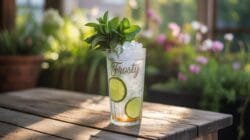
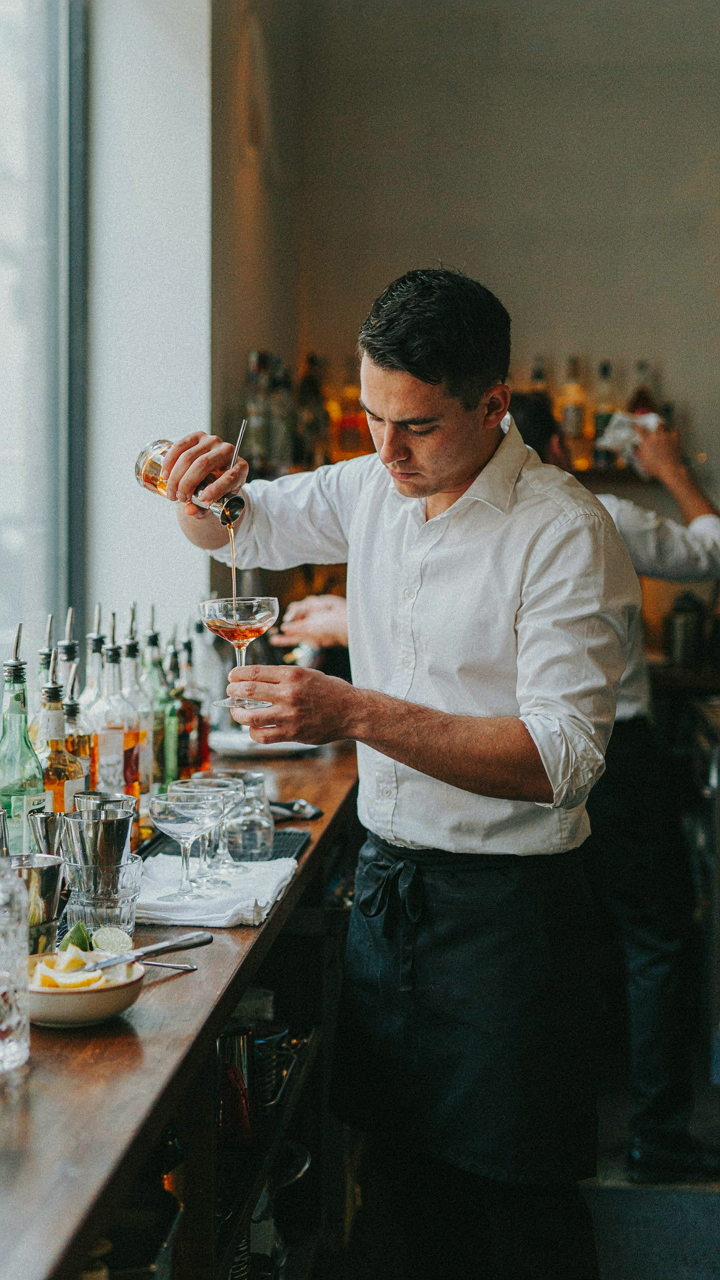
You want people to think your setup is effortless. That’s the real motive here, and it only works if guests never wait. The mechanism is simple: treat your bar station like a production line, not a social hub. In manufacturing, throughput depends on cycle time. Your cycle time is the three seconds between when a guest arrives and when they leave with a drink in hand. Anything longer creates a queue, kills momentum, and makes your station look disorganized.
The pour-grab-move sequence eliminates decision paralysis. The guest pours or you pour for them. They grab their glass and any immediate garnish. They move away from the station. No lingering. No restocking mid-service. No hunting for ice while three people stand behind them. Position everything within arm’s reach so the person serving never takes more than one step. The bar rail or table edge becomes the boundary. Beyond that boundary, nothing belongs. This keeps sightlines clear and hands free.
Station Layout That Stops Backups
The real mistake isn’t what you stock, it’s how far apart you stock it. Most setups scatter glassware on one end and garnishes on the other. Guests and whoever’s pouring waste motion. Motion is time. Time is a queue.
- Glassware zones: Stack three types max within 18 inches of the pour point. Coupe, highball, rocks. Don’t use martini or specialty glasses unless that’s your only drink. Every additional glass type adds friction.
- Ice container placement: Position directly beside the pour point, not behind it. Guests or servers should grab ice without turning. A small cooler or bucket works better than a large cooler that forces people to lean over.
- Garnish station: Keep limes, lemons, herbs in small prep bowls directly in front of the glassware. Pre cut. Pre portioned. No knife work during service. No hunting in bags.
- Bottle arrangement: Arrange by pour order, not brand. Liquor, then mixer, then modifier. Left to right or top to bottom. The person pouring should never reach across their body or pivot to a second tier.
- Napkin and garnish pick placement: Stacks of napkins and cocktail picks sit directly where the finished drink lands. The guest grabs all three items at once. One hand motion, not three separate ones.
Bottlenecks form where decisions happen or where hands collide. If two people reach for the same garnish at the same time, you’ve lost the three second window. Pre portioning eliminates the decision. Zoning eliminates the collision. Test your layout with one person serving five guests in rapid succession. If anyone has to wait more than three seconds for the next drink to be ready, move something closer.
Designing For Drunken Logic: Wedding Bar Ideas Self Serve
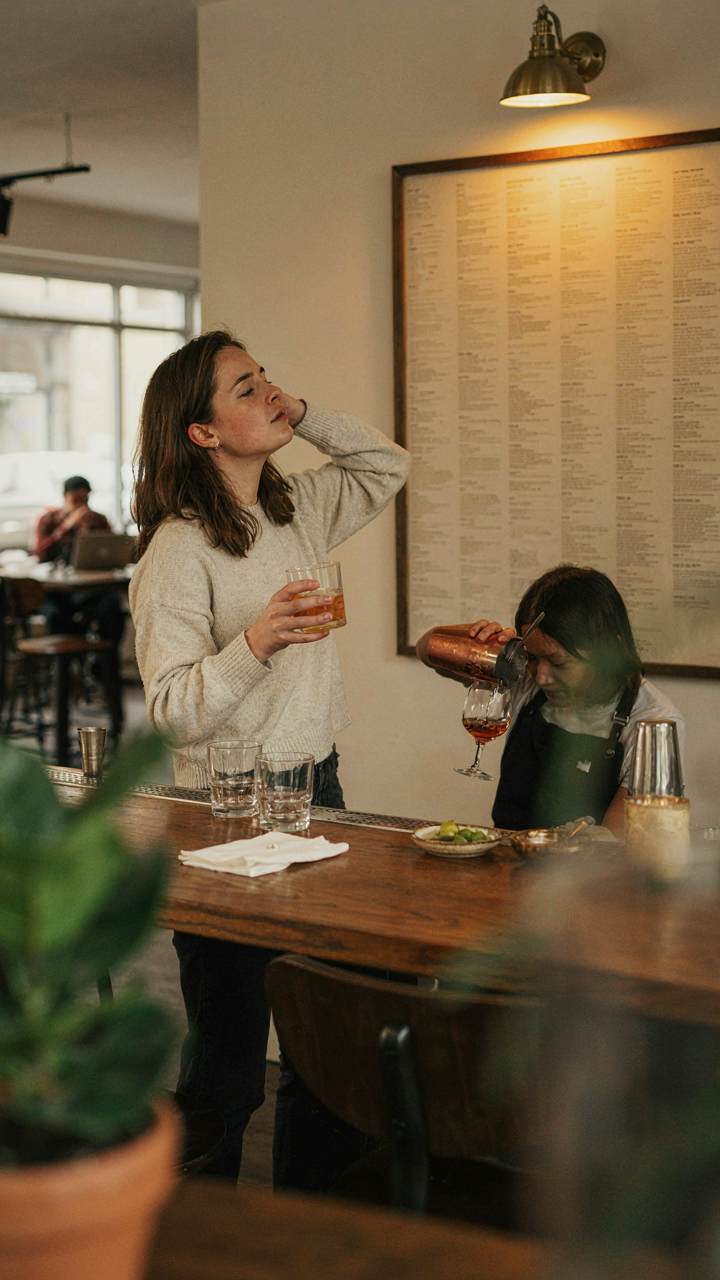
Signs That Don’t Require Reading
You want people to think your setup is sophisticated. Reality: drunk people don’t read past three words, and sober people won’t read at all if they can avoid it. The mechanism is cognitive load. When someone approaches your bar, they have maybe four seconds of attention before they default to asking you to make their drink, which defeats self-serve entirely.
Use symbols instead of text. A bottle with a rocks glass next to it means spirits and neat pours. A bottle with a pitcher means it’s the mixer station. A bottle with a cocktail glass and two items beside it means pre-batched drinks. Arrange stations left to right in the order drinks are built: spirits, then mixers, then garnish. This mirrors how bartenders actually work, so even drunk logic follows the path.
Dispensers That Survive Contact
Everyone says use pumps for syrup and citrus. Wrong answer if your pump clogs at hour three. The real constraint is that drunk hands are imprecise and spill-prone, and you’ll refill these stations mid-party with guests nearby.
Use gravity-fed pour spouts on bottles instead of pumps. They work without batteries, without clogs, and without thinking. For mixers, use wide-mouth dispensers with bail handles, not push-button tops. Bail handles are self-explanatory to anyone over age five and resist accidental activation. For pre-batched drinks, use a cooler with a spigot at the base, not ladles or pour-from-the-top setups. The spigot lets people control the pour without overfilling cups. Keep backup ice in a separate cooler, not in the drink cooler itself. When ice melts, it dilutes everything sitting in that cooler.
The Myth Of The Beverage Station Ideas For Party Upgrade
Why You Don’t Need That Fancy Dispenser

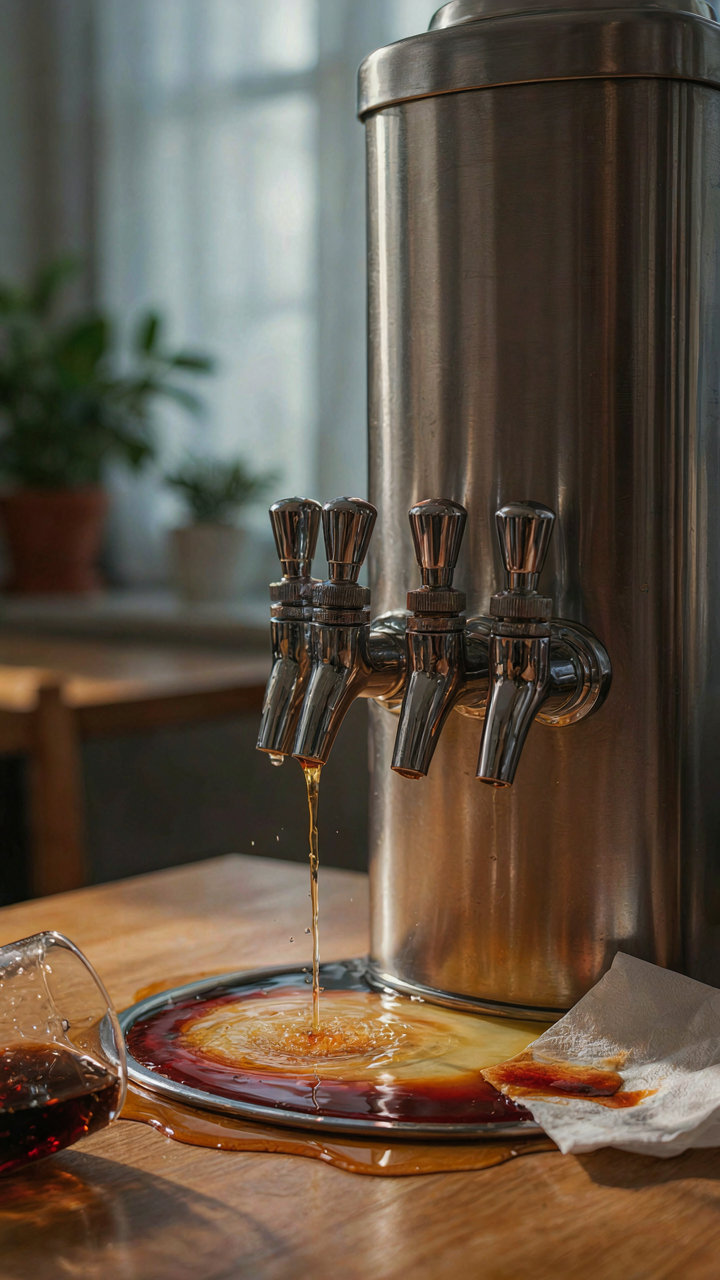
You want the setup to look like you have your life together. Here’s the mechanism: every gadget you add creates a maintenance failure point. Add a chilled beverage tower with multiple spigots, and you’re now responsible for keeping each line clean, each seal functional, and each temperature zone stable. Most people buy these because Instagram showed them a polished version. The reality is simpler. A well-organized table with ice, bottles, and clean glassware handles 90 percent of what a party demands.
The common advice says invest in quality equipment. That’s incomplete. Investment only works when the tool solves a real operational constraint. A beverage tower doesn’t speed up service if your constraint is actually restocking or guest confusion about what’s available. It creates the illusion of sophistication while adding labor you didn’t budget for. Test this yourself: run a party with a basic setup first. Only add equipment after you’ve identified what actually slows you down.
The Math Of Adding Complexity
Economics teaches the concept of diminishing returns: each additional unit of input produces less additional output. A backyard drink station follows this exact curve. Your first addition—a cooler with ice—cuts service time significantly. Your second addition—a dedicated spirits shelf—helps somewhat. Your third addition—a custom garnish station with multiple refrigerated compartments—might save thirty seconds across an entire party while costing you two hundred dollars and weekly maintenance.
Most people reverse this logic. They buy the third thing first because it’s available and looks impressive. Then they wonder why their setup feels burdensome. The cost of complexity compounds. Every element needs cleaning, storage space, setup time, and monitoring during the event. Start with ice, bottles in logical order, clean cups, and a trash bin. Scale up only after that foundation proves insufficient at your actual party size.
The Only Bottleneck Is Your Inability To Choose Simplicity
You don’t need more ice buckets or fancy glassware. You need to stop overcomplicating what should take thirty seconds. Your backyard drink station fails because you’re building for an imaginary crowd instead of the people actually showing up. Pick three drinks. Set them up. Done. Today, walk outside and remove everything you don’t touch. The fastest bartender isn’t the one with the most tools, it’s the one who knows exactly where everything lives.