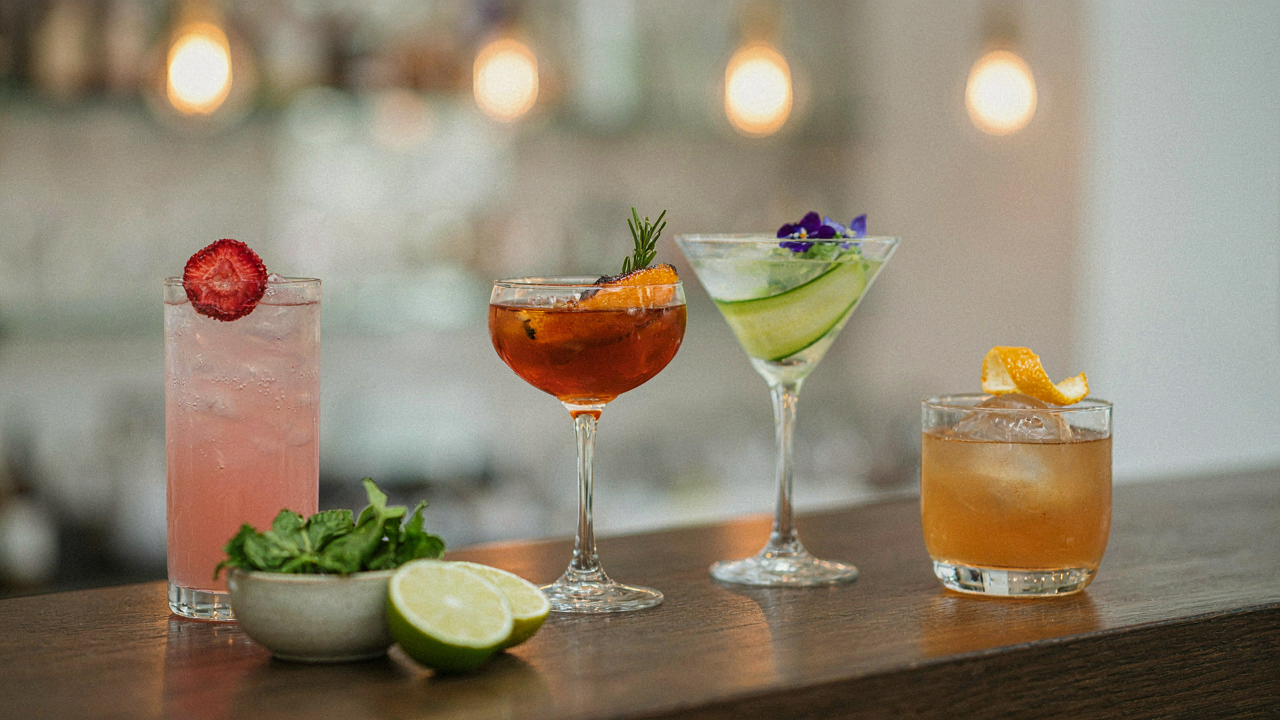
The Garnish Deception: Why More Isn’t Bar Quality
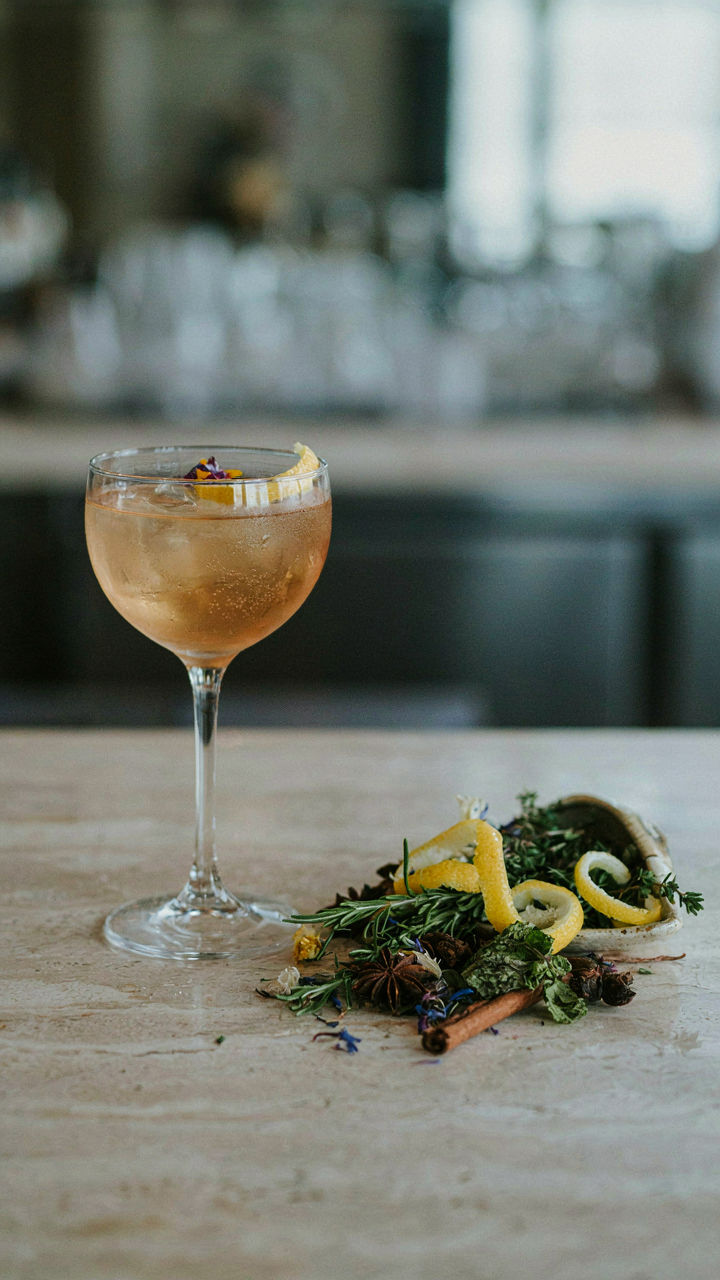
Clutter Versus Craft
You want people to think you know what you’re doing. That’s why you’re reading this. The mechanism is simple: amateur drinkers pile garnishes on top of each other. Professional bartenders remove them until only the essential ones remain. Most online garnish guides show overcrowded drinks because clutter reads as effort on camera. It’s not.
The difference between a craft cocktail and a cluttered one comes down to intention. A professional bartender selects one garnish that serves the drink’s flavor profile or aroma. Everything else is decoration masking uncertainty. Strip your mocktail to its core function, then add one element that either enhances taste, releases essential oils, or provides textural contrast. The drink becomes intentional instead of defensive.
Signal Through Restraint
Perception in design follows the same principle as signal-to-noise ratio in engineering. The more irrelevant elements you add, the weaker your actual signal becomes. One pristine herb sprig signals confidence. Five random garnishes signal you don’t trust the base drink. The brain interprets minimalism as authority because it requires more skill to execute well.
Execution matters here. A single lime wheel placed at the drink’s rim requires the wheel to be fresh, thinly sliced, and positioned precisely. A muddle of citrus peels, edible flowers, and herbs can hide poor technique. When you commit to fewer garnishes, every detail becomes visible. Choose garnishes that withstand a thirty-minute drink lifecycle without wilting, browning, or falling apart. This is the protocol: one primary garnish, one secondary textural element if the drink’s profile demands it, nothing more.
Deconstruct Your Mocktail: Flavor First Mocktail Garnishes

Taste Profile Mapping: Complementary Vs. Contrasting
You want people to think you know what you’re doing. The real mechanism is this: garnishes aren’t decoration. They’re flavor architecture. Borrowing from chemistry, a garnish acts as a catalyst—it accelerates flavor perception before the drink hits your mouth. You map garnishes against your base flavor profile in two directions. Complementary garnishes echo what’s already there, amplifying the signal. Contrasting garnishes create tension, making the base flavor pop by introducing opposition.
Most advice says “match the flavor.” That’s incomplete. A lemon garnish on a lemon mocktail disappears—your palate skips it. A lemon garnish on a strawberry mocktail rewires perception. The drink tastes sharper, the strawberry more vivid. Choose complementary garnishes when your base is subtle or delicate. Choose contrasting garnishes when your base needs definition. Test both on the same drink to see which shifts the experience forward instead of sideways.
Aromatic Integration: Scent As A Flavor Enhancer
Flavor lives in your nose, not your mouth—this is olfaction, the biological mechanism every bartender relies on and almost none name directly. A garnish’s aromatics reach your olfactory receptors before you sip. This priming effect shapes how you taste the drink itself. Mint garnishes don’t add mint flavor to a citrus drink; they open your nasal passages and heighten acidity perception. Rosemary smoke does the same thing with depth and warmth.
The garnish must release scent on contact with air or heat. Crushed herbs, expressed citrus oils, and charred elements work. Whole leaves or untouched peels don’t. Place the garnish where the drinker’s nose passes on the approach—rim height or floating at the surface. The aroma hits first, priming expectation, then the sip confirms or surprises. This sequence is what separates a bar quality drink from a home version.
The Visual Anchor Protocol: Mastering Drink Presentation Ideas

One Focal Point Wins

You want the drink to feel intentional because you’re afraid it looks like you threw something in a glass. Here’s the mechanism: human attention follows contrast, not abundance. Graphic design uses the principle of figure-ground separation to isolate what matters. In mocktails, your garnish is the figure. Everything else recedes. A single architectural element—a dehydrated citrus wheel standing upright, a sprig positioned at the rim’s edge, a single herb leaf fanned perpendicular to the glass—creates immediate visual hierarchy. Multiple competing garnishes destroy this. They fragment attention and signal indecision.
The mistake everyone makes is treating garnish as decoration. It’s not. It’s a focal point that tells the drinker where to look first. When you place one element with intention, the entire drink gains perceived sophistication. The garnish directs the eye downward into the liquid, making the color depth and clarity feel deliberate rather than accidental. This works because restraint reads as control. Place your anchor element where light hits it directly, and the shadow it casts becomes part of the presentation. That’s the entire play.
Strategic Placement Elevates Perceived Value
Position determines whether a garnish enhances or clutters. Rim placement works for texture and aroma—citrus peels, salt, sugar crystals sit where they interact with your mouth first. Float placement adds dimension to the drink’s surface and creates reflection points for light. Spear placement through ice or spanning the glass rim creates a visual line that elongates the composition and adds perceived height. The real move: place garnishes where they create shadow or highlight on the liquid itself, not just the glassware.
Your garnish position should force the drinker to engage with the drink before consuming it. A citrus twist that coils into the glass creates a sensory ritual—uncoil it, smell the oils, twist it over the surface for expression. This transforms the drink from something you consume into something you experience. The placement also signals temperature and freshness. A frost-rimmed glass with a cold garnish pressed into the rim says “this was prepared with precision right now.” Place the garnish last, after the ice settles, so it sits at the exact angle that catches light when you lift the glass to your lips.
Texture As Tactic: Beyond The Basic Drink Garnish Ideas

Contrast In Bite: Adding Unexpected Elements

You want people to think you know what you’re doing. That’s the real reason you care about this section. Texture contrast works on the same principle as visual contrast in design: opposing surfaces create tension that holds attention. When a drinker expects softness and hits crunch, the brain registers novelty. That registration is what separates a forgettable drink from one someone talks about.
The mistake everyone makes is treating garnish as decoration instead of sensation. A citrus wheel is invisible to your palate by the time you drink it. A candied ginger slice paired with a ginger-forward mocktail creates actual friction between expected and delivered flavor. Salt on a rim works because it interrupts sweetness. Toasted coconut flakes on a tropical drink work because they’re rough, not smooth. The texture has to arrive at the mouth before the liquid does.
Surface Dynamics: Foam, Crystals, And Dusts
Foam isn’t just visual theater. It’s a delivery mechanism that extends the drinking experience across multiple stages. When you layer aquafaba foam or egg white substitute on top of a mocktail, you’re creating a barrier that slows down how fast flavor hits the palate. The drinker tastes the foam first, then transitions into the drink. This staged tasting feels intentional, not accidental.
Crystals and dusts work through contrast of another kind: they sit on the surface and dissolve on contact with the liquid or saliva. Sugar crystals rough-cut and left unsanded dissolve slower than granulated sugar, extending the sweet sensation. Citric acid dust or dehydrated fruit powder creates a flavor pop that happens before the mocktail flavor registers. The sequence matters more than the ingredients. Add the dust last, right before serving, so it hasn’t dissolved into the drink itself.
The “Military Precision” System For Drink Garnishing

Do More With Less
You want your drink to look expensive without spending thirty seconds per glass. That’s the real reason you’re reading this. Military strategy calls this economy of force: maximum impact using minimum resources. Apply it to garnishing and you stop wasting garnish on invisible details. You choose one focal point per drink, execute it flawlessly, then stop. A single perfect citrus wheel beats five competing elements fighting for attention.
The mechanism is attention scarcity. Your guest’s eye lands once. It either hits something intentional or scatters across clutter. A bartender who knows this places the garnish where light hits it first, where the hand reaches naturally, where it frames the glass opening. Everything else disappears. You’re not decorating the drink. You’re directing the viewer’s focus to prove the drink was made with intention.
Prep Like A Line Cook
Most home bartenders treat garnishing like an afterthought, which is why their drinks look amateurish even when the liquid tastes correct. A line kitchen runs prep stations because consistency only exists through systems. Set up your garnish station before service starts. Cut all citrus wheels to uniform thickness using a mandoline or knife guide. Dry herbs go into labeled containers. Ice stays separate. Edible flowers get sorted by size and stored in damp paper towels in a sealed container.
The time you save compounds across drinks. You’re not hunting for a knife, measuring, or deciding thickness mid-drink. Your hands execute the same motion fifty times. Repetition burns muscle memory. Muscle memory produces consistency. Consistency reads as quality. Finish prep fifteen minutes before your first guest arrives so garnishes stay fresh and your hands stay calm when the order comes.
Seasonal Cycles: Dynamic Mocktail Garnishes
Local Sourcing Beats Imported Consistency

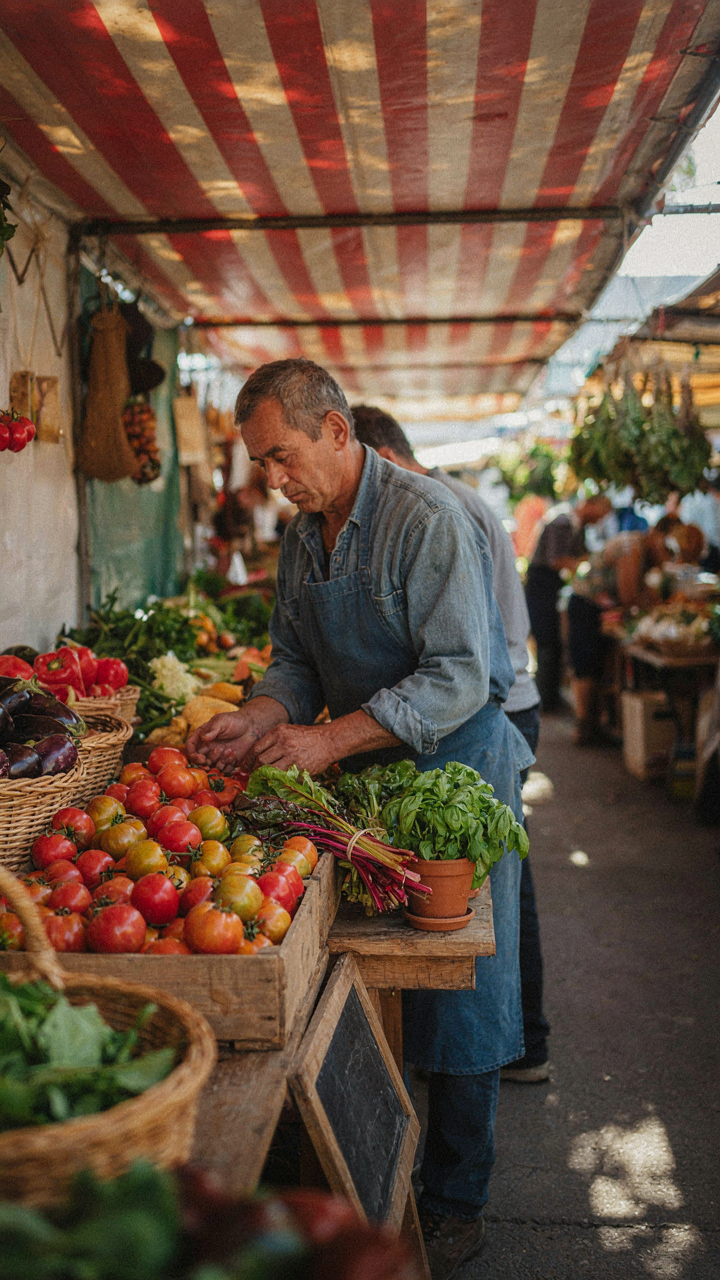
You want your drink to look expensive without the markup. That’s the real reason this matters. The mechanism is simple: seasonal local garnishes signal freshness and scarcity, which your brain reads as higher value than year-round imports.
Sourcing locally means your garnishes change with what grows nearby. Spring citrus differs from fall citrus in color, oil content, and visual punch. Winter herbs like rosemary and thyme hold structure better than soft summer basil. Your supplier’s inventory forces you to adapt rather than default to the same tired lemon wheel.
This constraint is actually your advantage. Restaurants that rotate garnishes based on season train customers to expect quality shifts. You’re not being lazy by changing your garnish menu quarterly. You’re signaling that you’re paying attention to what’s actually good right now, not what’s convenient year-round.
Visual Language Changes With The Season
Seasons have a visual grammar in landscape design. Apply that same principle to your garnish strategy: use color blocking that matches what people see outside their windows. Summer calls for bright, high-contrast elements. Winter reads darker, more mineral, more restrained.
Spring drinks need upward energy. Use thin herb sprigs standing vertical, fresh shoots, emerging citrus peels with shine. Summer demands cooling signals: heavy ice, pale greens, white flowers, or translucent fruit slices. Fall introduces texture through dried elements, deeper colors like pomegranate, and woody stems. Winter uses evergreen, frost-touched aesthetics, dried citrus wheels, and metallic or dark accents that complement cold-weather psychology.

The visual consistency between what’s in the glass and what’s outside creates a coherent experience. Your customer’s brain stops compartmentalizing the drink as separate from their environment. It becomes integrated into their sense of time and place. This integration is what separates a drink someone notices from one they remember. Match the season’s palette and your garnish strategy shifts from decoration to context.
Tool Mastery: Essential Drink Decor For The Discerning
Beyond The Peeler: Specialized Implements For Precision
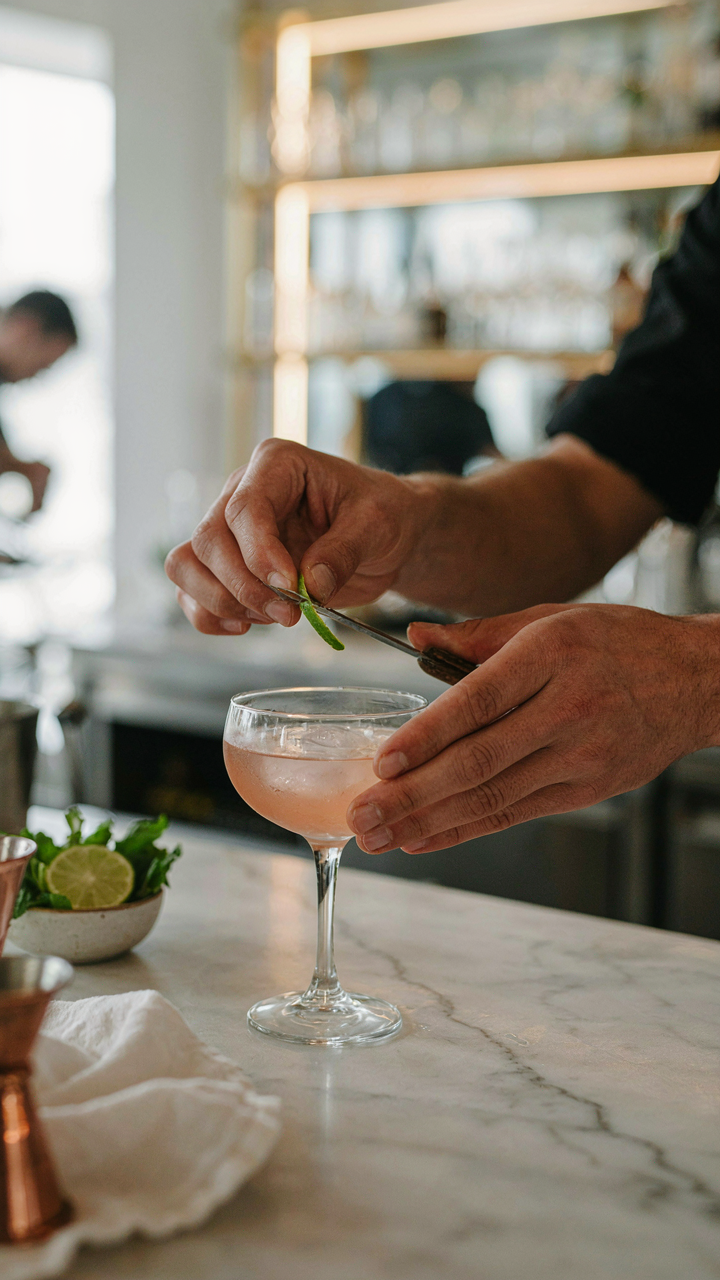
You want the visual edge without looking like you’re trying too hard. The real mechanism is control. A vegetable peeler works for broad strokes, but bars use specialized tools because precision garnishes signal competence. Channel strippers, microplanes, and channel knives each solve a specific problem: depth, surface area, and repeatability. The peeler is the amateur move because it’s forgiving. Professional garnish work demands tools that make mistakes visible.
A channel knife cuts parallel grooves into citrus skin, creating visual rhythm without removing flesh. The microplane shaves impossibly thin ribbons that catch light differently than thick cuts. A bar spoon’s weighted bowl isn’t just for stirring, it’s engineered to drag through citrus oils without tearing skin. A channel stripper removes thin strips for twists that spiral without breaking. Each tool forces precision because they’re unforgiving by design. Buy tools from bar supply distributors, not kitchen stores, because bars source tools for speed and control, not home use.
Maintaining Your Arsenal: Sharp, Clean, Ready
Dull tools destroy garnishes and waste time. A channel knife loses its edge after twenty citrus peels, and most home bartenders never sharpen anything. The real cost isn’t replacement, it’s the invisible tax of imprecision. You’ll spend fifteen minutes struggling with a dull peeler instead of two with a sharp one. Wash tools immediately after use. Citrus acid corrodes metal if left sitting. Dry them before storage. A five-minute maintenance protocol now prevents tool failure mid-service.

Sharpen your channel knife and microplane monthly if you’re making garnishes weekly. Use a simple ceramic rod or have tools professionally sharpened by a bar supply company. Keep your bar spoon polished with a microfiber cloth to prevent oxidation. Store tools in a dry drawer, separated so blades don’t dull against each other. Maintaining your arsenal means garnishes take three minutes instead of ten, which means you actually make them consistently.
Best Garnish For Cocktails: The Unseen Ingredient
Confidence In Execution: The Final Flourish
You want the garnish to signal competence because you know people judge drinks before tasting them. Here’s the mechanism: garnish execution is theater design applied to a glass. Every element either reinforces or undermines the drink’s promise. A wilted citrus wheel doesn’t look intentional. A precise cut, placed with one motion, does. The difference isn’t effort. It’s deciding what stays and what gets removed.
Most bartenders treat garnish as decoration. Wrong. It’s the punctuation mark that says whether you control the experience or stumbled through it. Confidence shows in three ways: clean cuts with no jagged edges, placement that frames the drink rather than clutters it, and knowing when to strip everything away. A perfect cocktail sometimes needs nothing but ice and spirit. A mocktail needs the garnish to do the work your alcohol isn’t doing. Own that choice visibly.
Standing Out Through Restraint And Repetition
The design principle of signature style comes from graphic design: constraint breeds recognition. Most home bartenders throw everything at a glass and call it creativity. The opposite move works. Pick one garnish technique and execute it perfectly across every drink you make. Citrus wheels cut at exact quarter-inch thickness. Herbs always stripped and slapped to release oils before floating. A single dehydrated element that becomes your mark.

Your signature isn’t the garnish itself. It’s the consistency of how you apply it. Customers remember not the ingredient but the reliability of the result. When someone orders from you twice, they expect the same precision both times. This repetition builds authority faster than complexity ever will. Choose one primary garnish method for your mocktails, refine it until it becomes automatic, then let that become what people recognize when they see your work.
Your Garnish Isn’t The Problem; Your Approach To Problem-solving Is
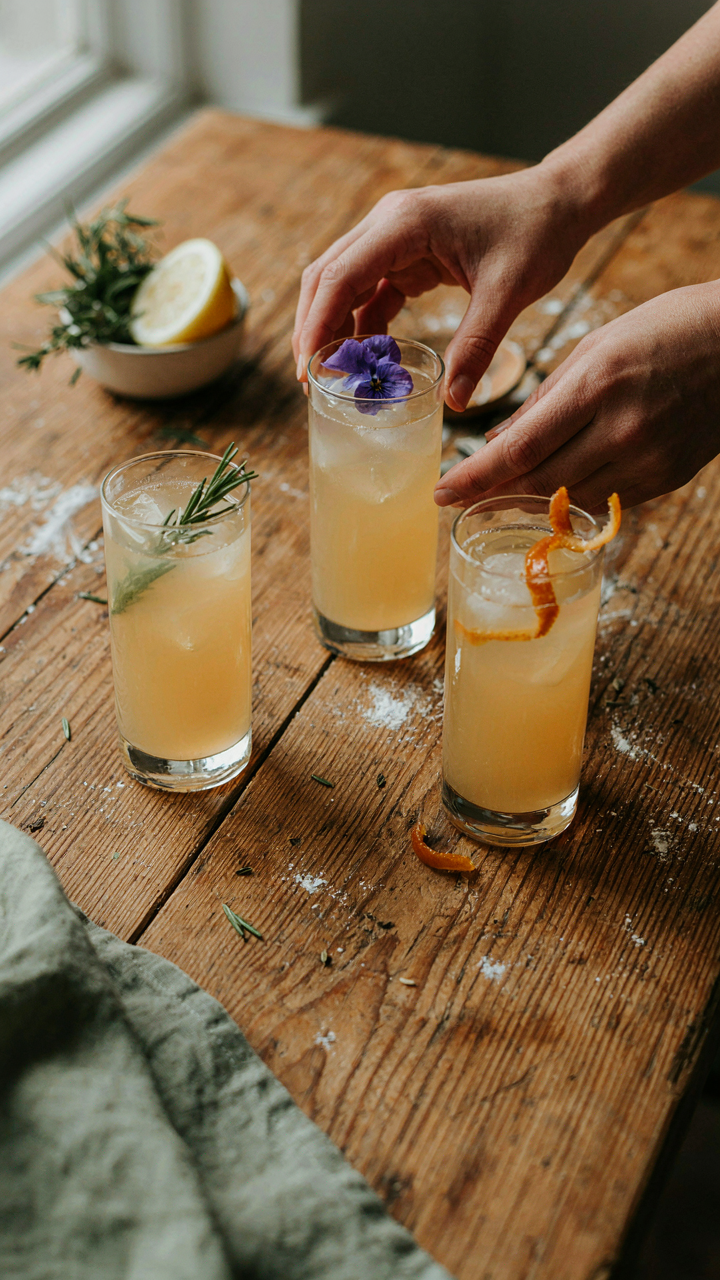
Most people see a boring drink and blame the garnish. They don’t. They blame themselves for not experimenting. Stop waiting for permission to test ideas. Grab three garnishes you’ve never tried today. Put them on the same mocktail. See what sticks. Your guests won’t remember the perfect citrus twist. They’ll remember the person confident enough to try something they’ve never seen before. Confidence beats perfection every single time.