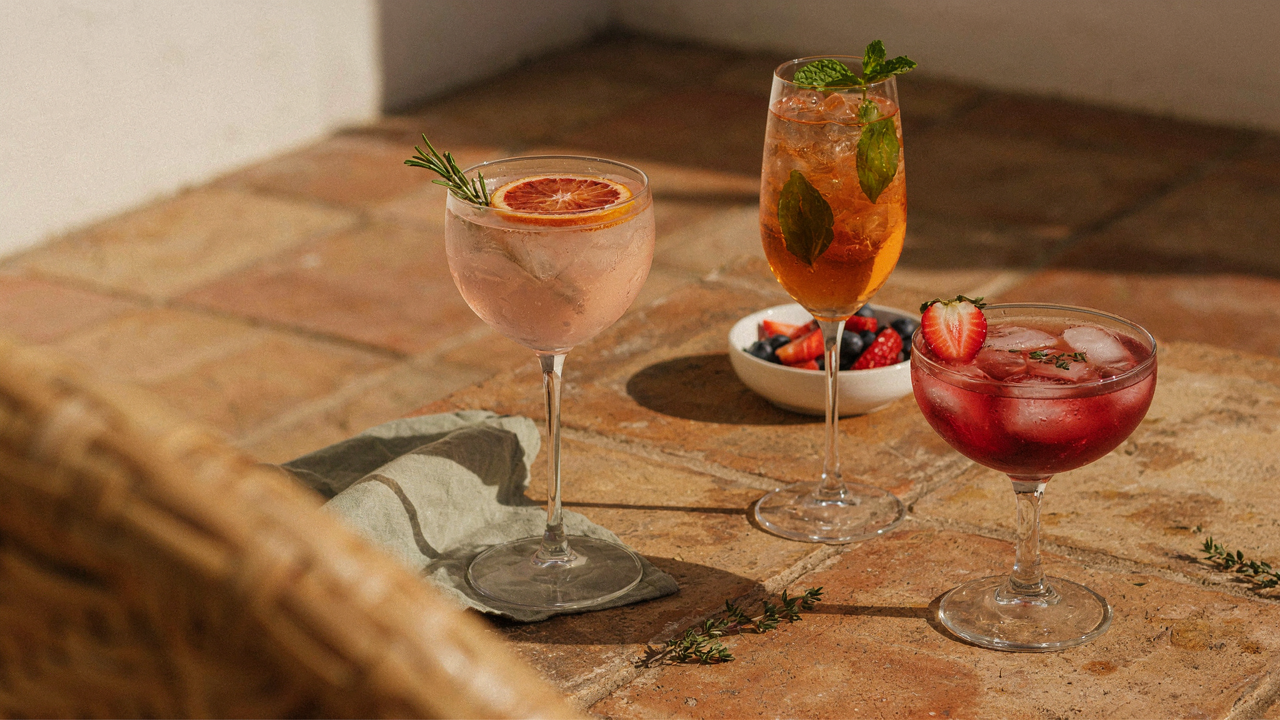
Beyond Ersatz: The Spritz Mocktail’s True Identity
What A Spritz Mocktail Actually Is
You want permission to skip alcohol without feeling like you’re drinking a health shake. Here’s the mechanism: a spritz mocktail is a three-part ratio structure, not a flavor category. It combines a base (juice, tea, or syrup), carbonation, and a bittering or aromatic element in proportions that create the sensation of aperitif culture, not the alcohol itself. The architecture does the work. A spritz lives on tension between sweet and bitter, dilution and intensity. Strip out the prosecco and you’re left rebuilding that tension with different tools.
The spritz format originated in the Veneto region of Italy as a practical solution to cutting harsh wine with soda. The ratio problem persists today: too much juice reads as cordial, too little carbonation feels flat and thin. A mocktail spritz solves this by treating bitterness and aroma as structural elements instead of flavor decoration. Tonic water, herbal bitters, or Italian amari substitutes create the aperitif framework. The drink’s identity rests on this construction, not on what’s missing.
It’s Not A Substitute
The substitute narrative is lazy thinking, and it tanks execution. A mocktail spritz isn’t alcohol-free prosecco with training wheels. It’s a distinct drink format with its own design logic. Marketing it as “spritz without the guilt” trains your brain to hunt for what’s missing instead of recognizing what actually works. That’s a recipe for disappointment because you’re comparing against the wrong reference point.
When you design a mocktail spritz around the core spritz mechanism, you stop chasing the prosecco ghost. The game becomes: balance dilution, carbonation, bitterness, and aroma in the same proportions that made the original aperitif work. The constraint isn’t alcohol absence, it’s achieving that specific sensation of refreshment plus complexity in a glass. That’s not substitution. That’s translation.
The Flavor Architecture Of A Superior Summer Spritz Mocktail

Three Elements That Actually Matter
You want people to think you know something about taste. Here’s what most people miss: a summer spritz mocktail works like a chemical equation, not a suggestion. You need sweet, sour, and bitter in precise proportion or the drink collapses into syrup, vinegar, or medicine. The mechanism is simple. Your palate expects tension between opposing forces. Remove one and you’ve removed the reason to drink it.
Sweet comes from juice, syrup, or fruit. Sour comes from citrus or vinegar. Bitter comes from herbal components like gentian root, wormwood, or even tea. Most homemade spritzes fail because they stack sweet on top of sweet and call it balance. Test this: if you taste the juice first and it coats your mouth, you need acid and bitterness to cut through. That’s not optional.
Building Layers Without Sabotage
Layering in flavor design means introducing components that build on each other, not fight each other. Think of it like acoustic engineering: each sound occupies a different frequency so they don’t collide. Your base spirit substitute sets the foundation. The acid defines the middle. The bitter or herbal note arrives last and lingers. Stack them wrong and they cancel out.
Most people dump everything into the glass at once and wonder why it tastes flat. Order matters more than ingredients. Build your mocktail by pouring the heavier, sweeter element first, then the acid, then the herbal or bitter top note. Each layer should reveal itself on the palate at a different moment. Taste as you layer, not after. Adjust acid before you adjust sweetness.
The “Terroir” Method: Sourcing Ingredients For Impact
Where Your Ingredients Actually Come From
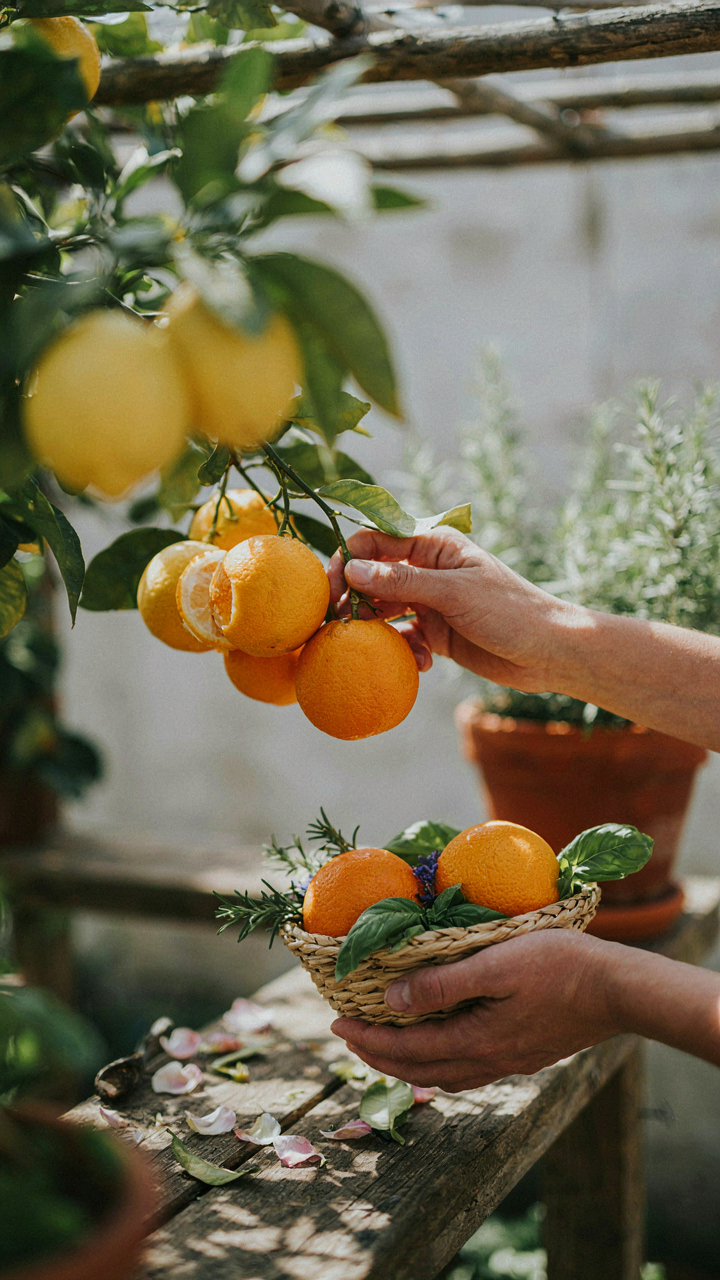
You want people to taste the difference and credit you for knowing something they don’t. That’s the real motive here, and it’s honest. The mechanism is simple: flavor compounds in citrus, herbs, and botanicals are biochemically different depending on soil mineral content, water availability, and harvest timing. This isn’t marketing language. Borrowed from viticulture, terroir describes how geography shapes the chemical composition of what grows there. Apply this to a summer spritz mocktail and you stop thinking about citrus as a commodity.
A lime from a particular microclimate contains different acid ratios and volatile aromatic compounds than a lime from somewhere else. The difference registers on your palate before your brain names it. When you build a mocktail with ingredients sourced for their origin story, you’re actually selecting for specific flavor chemistry, not collecting status symbols. The person drinking it tastes precision, not just “natural” or “premium” branding.
Seasonal And Local Changes Everything
Everyone says to use seasonal ingredients. They’re right, but they miss why it matters tactically. When citrus, berries, and fresh herbs are in season locally, they require less time in transit and storage, which means higher concentration of volatile compounds that create the drink’s actual brightness. The longer an ingredient sits in cold storage or travels distance, the more its flavor profile flattens. This isn’t opinion.
Find suppliers who harvest within 48 hours of your purchase window. Local farmers markets work. Direct relationships with growers work better. Ask them specific questions: when was this picked, where exactly was it grown, what conditions this season. You’ll discover that a strawberry in July tastes nothing like a strawberry in December because one came from seasonal abundance and one came from forced agriculture. Build your mocktail menu around what’s actually peaking, not what’s available year-round.
Carbonation Cadence: The Underrated Spritz Mocktail Mechanism
How Carbonation Carries Flavor

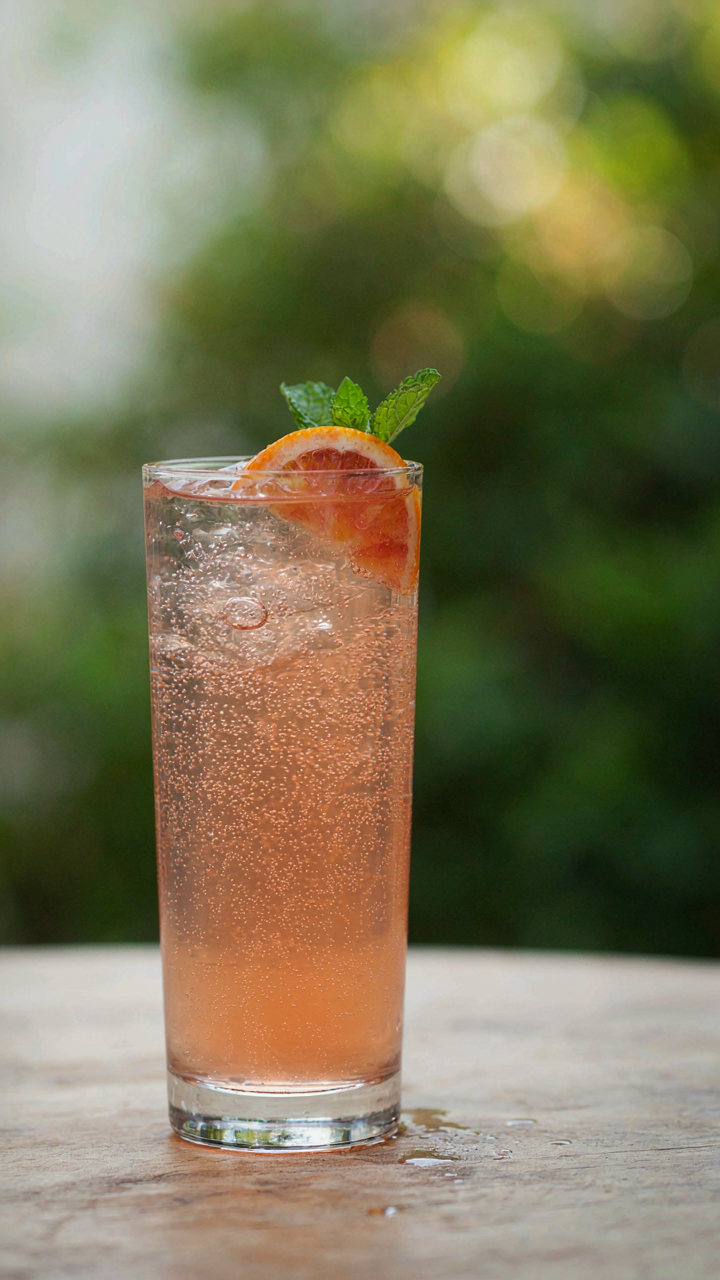
You want carbonation to feel premium because you’re serving it to people who judge you on details. But the real reason carbonation matters is mechanical, not aesthetic. Carbonic acid—the compound formed when CO2 dissolves in liquid—lowers pH slightly and triggers pain receptors on your tongue that perceive sharpness as complexity. This is pure sensory engineering. More carbonation doesn’t mean better flavor. It means altered perception of the flavors already present.
The spritz format relies on this mechanism to compress multiple flavor layers into one sip. Carbonation amplifies the botanical notes in non-alcoholic spirits, brightens citrus, and masks flatness in juice-based bases. Without effervescence, the same liquid tastes thin and forgettable. With it, the same liquid reads as intentional and balanced. Carbonation cadence—the rate and consistency of bubble release—determines how long that amplification lasts on the palate. Flat carbonation dies fast. Properly charged carbonation sustains the flavor arc across the entire drink experience.
The Right Bubble Architecture
Most advice here is wrong. You don’t “just pick soda water” and move forward. Carbonation source controls both bubble size and longevity, which directly impacts mouthfeel and flavor delivery window. Commercial soda water from a SodaStream or canister has larger, faster-dissipating bubbles. Naturally carbonated waters from bottles retain finer bubbles longer. Tonic water and ginger beer add their own flavor compounds on top of carbonation structure, which either complements or competes with your base.
For a summer spritz mocktail, choose your carbonation source before you choose your other ingredients. If you’re building around bitter non-alcoholic aperitif, use tonic’s quinine to reinforce that profile. If you’re leaning into floral or herbal notes, use plain soda water to avoid flavor collision. If you want residual sweetness and spice, ginger beer becomes your structural element. The carbonation isn’t a garnish. It’s the delivery system that determines how your drink reads to someone drinking it.
The Alchemist’s Ratio: Crafting Your Signature Spritz Mocktail Recipe

The Three Component Structure

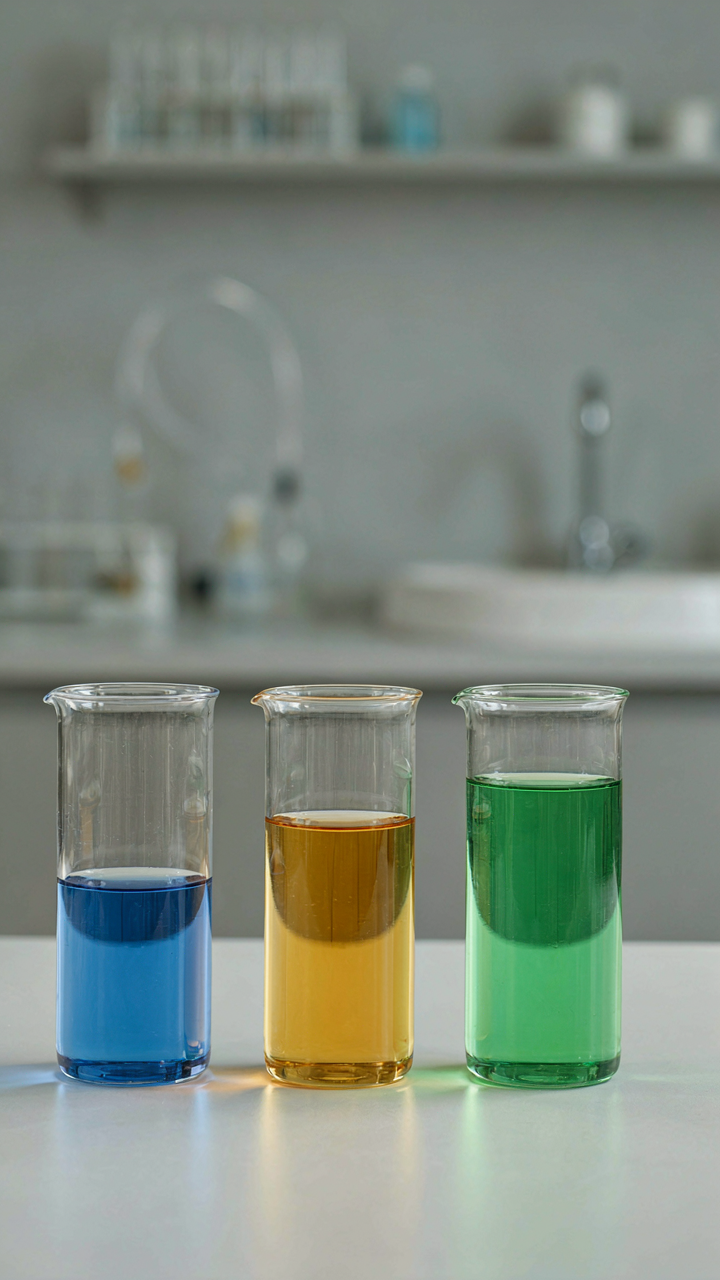
You want this section because you’re tired of making spritzers that taste like carbonated juice or flat disappointment. The real mechanism here is borrowed from chemistry: a spritz mocktail is a system of ratios, not a collection of ingredients. Just like a chemical compound fails if proportions drift, your drink collapses if you don’t understand how base, modifier, and lengthener interact. Get the ratios wrong and you’re just mixing liquids in a glass.
The base is what carries flavor and body. This is your fruit juice, your cordial, your shrub, or your infusion. The modifier adds complexity and cuts through sweetness, playing the role that alcohol plays in traditional spritzes by providing structure. Common modifiers include bitters, vinegar, citrus juice, or herbal tea. The lengthener adds volume and lift, introducing carbonation and dilution. This is your sparkling water, your tonic, or your ginger beer. Start with a 1:0.5:2 ratio: one part base, half that in modifier, twice the base in lengthener. Taste that framework first before improvising.
Building Through Iteration
The common advice is to taste as you go. That’s incomplete. You need a protocol, not vibes.
- Create a baseline: Mix your 1:0.5:2 ratio in a test glass with room temperature ingredients first. Carbonation masks flavor imbalance, so you need to evaluate the core blend without it.
- Adjust the modifier first: If it tastes flat, add more modifier before touching the base. Most failures come from insufficient complexity, not bad fruit juice.
- Test carbonation impact: Once the core ratio works, add your lengthener and evaluate again. Carbonation raises perceived sweetness and can hide acidity you need.
- Document your edits: Write down what you changed and why. A tablespoon more vinegar, a splash less juice. The pattern emerges only in writing.
- Batch test before serving: Make your full recipe in quantity and let it sit two hours. Flavor compounds settle differently in volume than in a single glass.
Every iteration teaches you how your specific modifier responds to your specific base. You’re not chasing someone else’s recipe. You’re mapping the behavior of your ingredients at your ratios. When you’ve completed five iterations and documented each one, you stop guessing and start building.
Elevate The Vessel: Presentation As A Core Component
The Glass Does The Work

You want people to think your mocktail is worth their time. That’s the real reason you care about glassware. The glass isn’t decoration—it’s a signal that changes how the drink tastes before it touches their lips. In materials science, we call this “substrate effect”: the container alters perception of what’s inside. A summer spritz mocktail in a plastic cup versus a proper coupe shifts the entire experience. Shape controls sip rate, temperature retention, and whether aromatics hit your nose first or last.
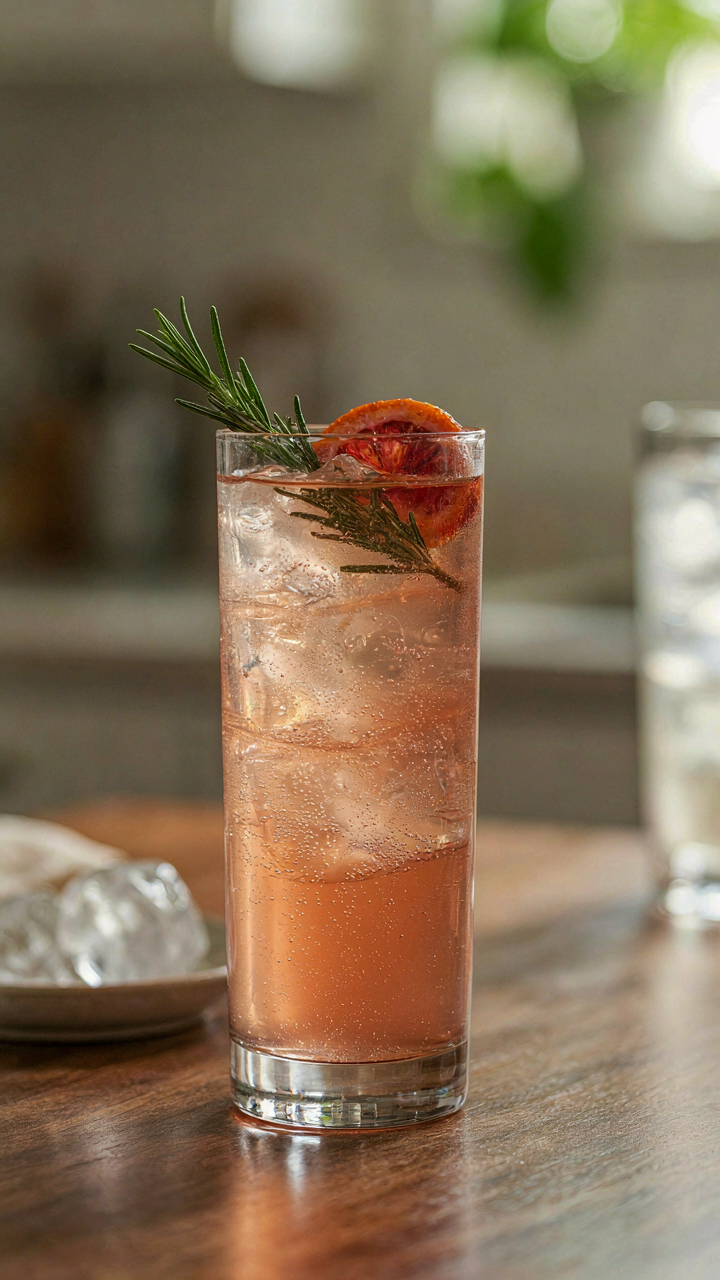
The mechanism is straightforward: bowl-shaped glasses (coupes, coupes-style) concentrate volatile compounds at the rim. Tall glasses (highballs, spritz flutes) cool the drink faster and dilute it gradually as ice melts, which matters for balance in a mocktail where alcohol isn’t there to carry weight. Choose based on your drink’s architecture, not aesthetics. If your spritz relies on citrus oils and herbal top notes, use a coupe. If it’s built for dilution and sustained chill, use a tall glass.
Garnish As Chemical Delivery
Most garnish advice is surface level garbage. People talk about “visual appeal” like that’s the mechanism. It’s not. The garnish is a flavor system that you activate the moment the drinker engages with it. A citrus wheel, sprig of herbs, or edible flower isn’t there to look nice—it’s a delivery mechanism for aromatic compounds that your nose processes before your mouth does, which is where 80 percent of taste actually happens.
The protocol: choose garnishes with active aromatic oils. Citrus peels (expressed over the drink to release oils), fresh mint, rosemary, and basil all work because they’re volatile. Place them where the drinker’s nose encounters them first—either floating on top or positioned at the rim. Freeze edible flowers into ice cubes for a slow-release effect over five to ten minutes. This isn’t decoration; it’s a staged flavor release that extends the experience and masks the absence of alcohol’s mouthfeel and burn.
The Organic Drinks Imperative: Clean Ingredients, Clear Mind
Why Your Ingredient Labels Matter
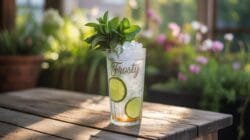
You want to feel virtuous about what you’re drinking. That’s the real play here. But virtue means nothing if the mechanism behind clean ingredients doesn’t actually work. In chemistry terms, a summer spritz mocktail is a delivery system, and what you deliver matters more than the vessel. Artificial sweeteners, preservatives, and synthetic flavors create metabolic friction your body has to process. Real ingredients require less biochemical overhead. Your energy stays available instead of going to cellular cleanup.
The difference shows up in two places: how you feel in an hour, and whether you crash after. Conventional spritz recipes load up on high fructose corn syrup, sodium benzoate, and flavor compounds engineered in labs to trigger reward pathways without nutrition behind them. Your body recognizes this mismatch. Natural fruit juices, real citrus, and whole plant extracts don’t trigger the same false signal. You avoid the blood sugar spike and the subsequent flatline that makes you reach for the next drink.
What Real Ingredients Actually Do
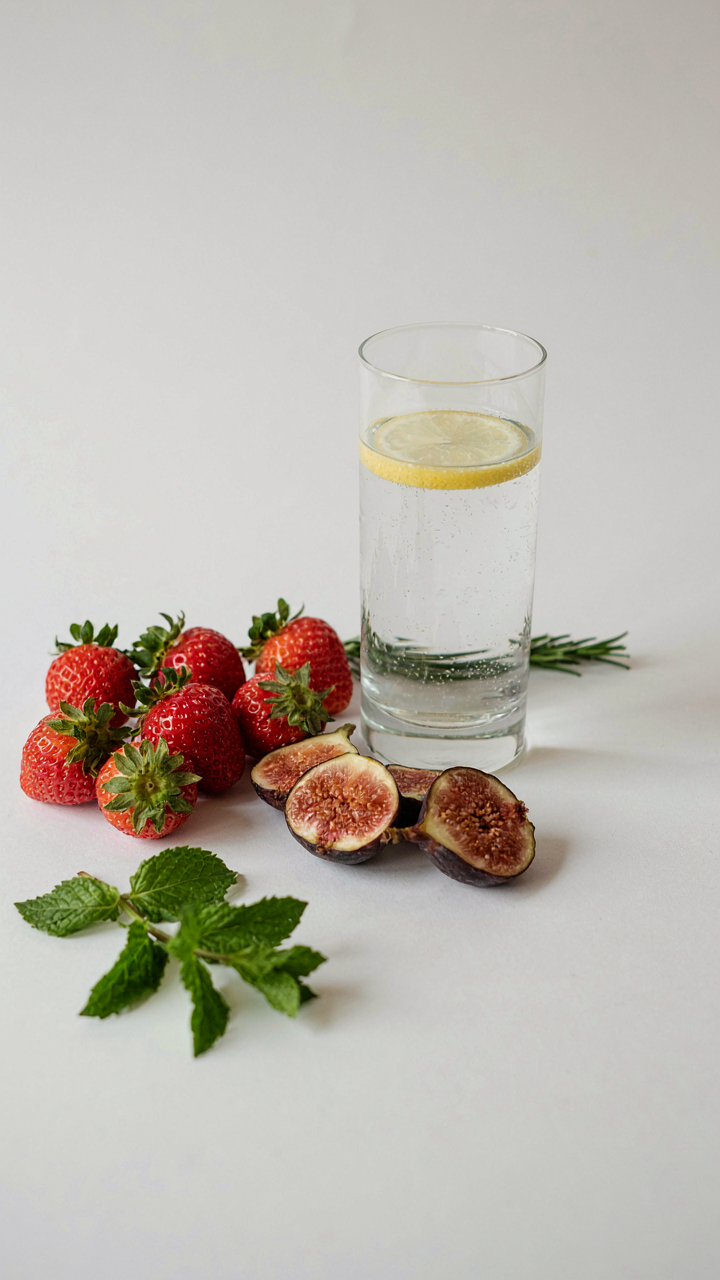
Most advice treats “natural” like a marketing checkbox. Wrong. Natural components in a mocktail create physiological signals that artificial ones cannot replicate. When you use fresh citrus instead of citric acid powder, you get not just flavor but also bioflavonoids and vitamin C that your system actually recognizes and processes. When you add sparkling water with actual mineral content instead of carbonated corn syrup derivatives, you’re hydrating instead of creating thirst.
The mechanism is straightforward: whole plant compounds contain cofactors that support nutrient absorption. A summer spritz mocktail built with fresh lemon juice, actual ginger root, and herbal infusions like hibiscus or mint delivers hydration plus usable micronutrients in one action. Your digestion handles this load efficiently. You stay alert, hydrated, and satisfied. Start with one base rule: if an ingredient name requires a chemistry degree to pronounce, it doesn’t belong in your glass.
The Flavor Dynamics Protocol: Engineering Taste From Thermodynamics
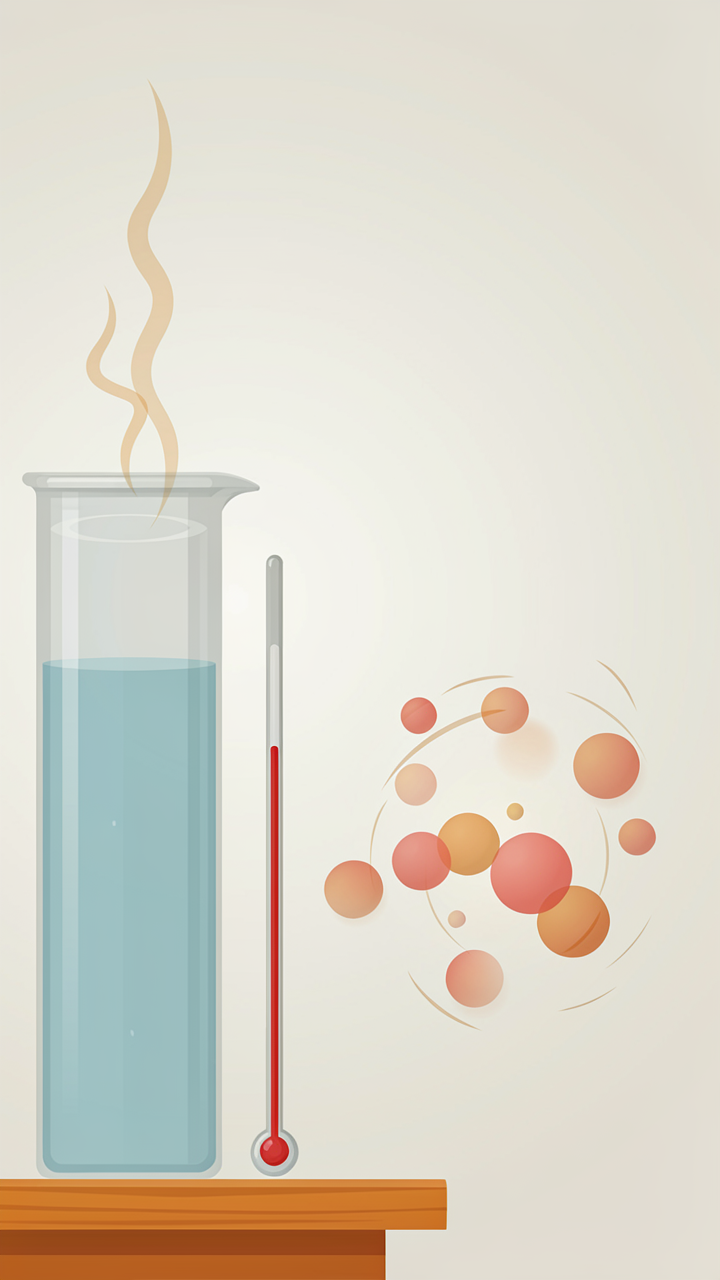
How Temperature Controls Ingredient Activation

You want this section to make you sound sophisticated at dinner parties. Skip that. What actually matters is that temperature controls which flavor compounds dissolve and activate in your drink. Thermodynamics teaches us about energy transfer, and in a summer spritz mocktail, temperature is the primary lever that determines which taste molecules stay dormant or become perceptible to your palate.
Cold suppresses volatile compounds. When you chill a mocktail below 45 degrees Fahrenheit, you slow molecular movement, which mutes aromatic top notes and emphasizes sweetness and acidity instead. The inverse is true: warm ingredients release more aroma and complexity. This is why flat room-temperature juice tastes different than the same juice served ice-cold. Build your mocktail by controlling temperature at each step, not by hoping ingredients taste good together.
Ingredient Integration Through Molecular Movement
Most advice says to stir your mocktail longer. Wrong. Stirring speed matters far less than understanding that diffusion happens faster at higher temperatures and slower when cold. The molecules of citrus juice, herbal infusions, and sparkling water need time and the right thermal environment to integrate into a cohesive flavor profile, not more aggressive mixing.
Let ingredients sit at room temperature for 15 to 20 minutes before chilling if you’re using fresh herbs or specialty syrups. This allows flavor compounds to migrate across the liquid evenly. Once you add ice and chill the final drink, diffusion nearly stops. Chill your glassware first, pour all ingredients simultaneously, add ice last, and serve within two minutes. Speed matters more than technique once the drink is assembled.
Beyond The Garnish: Creating A Non Alcoholic Drinks Recipes Experience

The Room Shapes The Drink

You want people to think your mocktail matters because you need permission to care about something without alcohol in it. Here’s what actually works: environment controls perception through sensory priming. Dim lighting drops color temperature, making citrus tones pop and ice sparkle. A curated playlist at conversational volume keeps energy steady without demanding attention. Temperature matters too—cool surfaces near where you build drinks signal intention and reduce ambient heat stress on the liquid itself.
Venue design teaches this principle to bartenders for a reason. The glass you serve in, the table height, the distance between guests—these aren’t decoration. They’re mechanical inputs that either activate or suppress the drinker’s attention. Set up in a space where light comes from the side rather than overhead. Position your prep surface so people watch the construction. This flips the script from “I’m drinking without alcohol” to “I’m experiencing something specific.”
Attention As The Active Ingredient
Common advice says to slow down and enjoy the moment—useless because it ignores how attention actually works. You don’t choose to be present; you build systems that force presence. Neurology borrowed from economics calls this “attention scarcity”: your focus has limited supply, and every stimulus competes for it. A summer spritz mocktail competes against phones, conversation, and background noise. Win that competition by engineering a single point of focus.
Hand someone a drink and immediately ask them to notice one element—the aroma of fresh mint, the crack of ice hitting glass, the way citrus oil catches light. This isn’t forced mindfulness. It’s a protocol that redirects the nervous system from distraction mode into observation mode. The flavor lands harder when attention arrives first. Repeat this same focus cue every time you serve. The pattern becomes automatic, and presence becomes the default state rather than something you have to manufacture through willpower.
Spritzer Cocktails Non Alcoholic: The Mastery Of The Alcohol Free Spritz
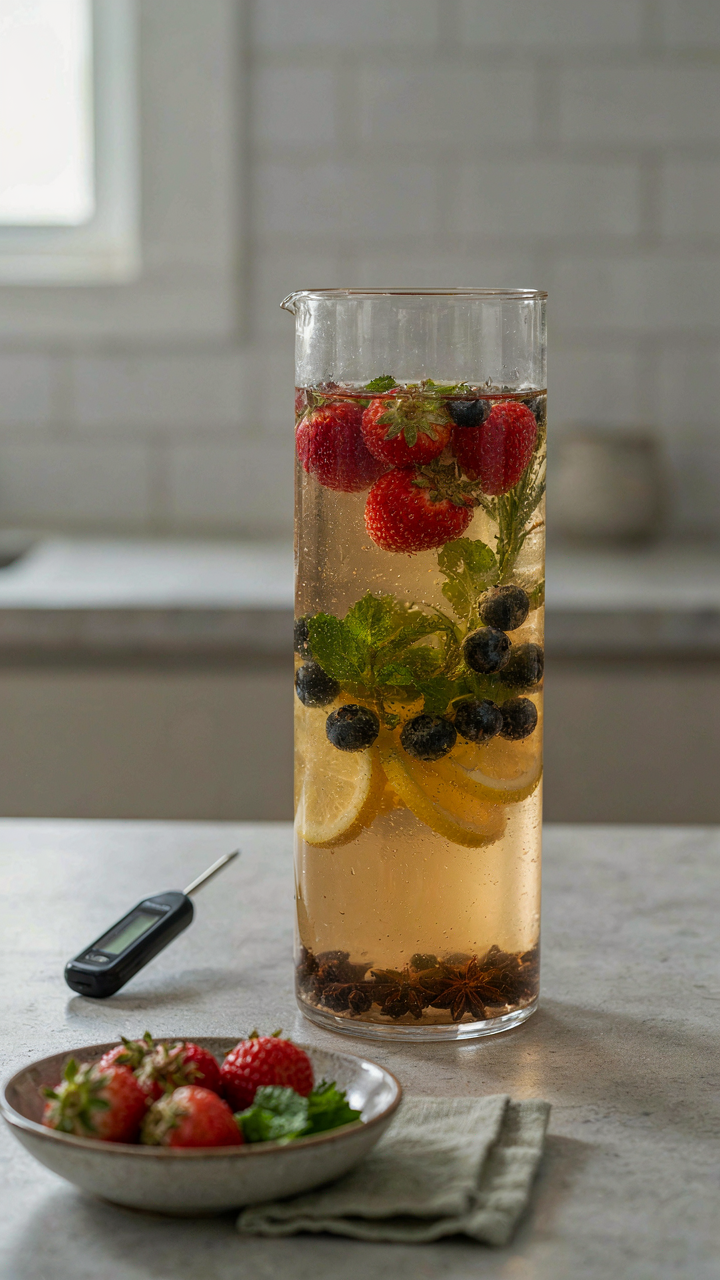
How Cold Extraction Actually Works
You want this section because you’re tired of flat, boring mocktails that taste like you’re punishing yourself. The real mechanism is time and temperature control. Cold infusion isn’t a shortcut—it’s a precision tool borrowed from chemistry. Think of extraction as diffusion rate: alcohol accelerates molecular transfer, but cold slows evaporation and oxidation, locking flavor compounds in place longer than heat ever could.
Cold infusing citrus peels, herbs, and spices for 12 to 48 hours pulls volatile oils and bitter compounds at different rates depending on liquid temperature. Your base matters here. Using filtered water with mineral content (not distilled) keeps the infusion balanced. The mistake everyone makes is assuming longer equals better. Overextraction happens around 72 hours—the flavor turns flat and astringent because you’ve pulled tannins and degraded aromatics. Start at 24 hours, taste daily after hour 20, and stop the moment the flavor peaks.
Building Your Core Flavor Formula
Most spritz recipes treat the three elements—base, acid, carbonation—as equal players. They’re not. Carbonation is just texture; acid is the foundation that makes every other flavor land. You need to reverse-engineer this from taste, not guesswork.
Start with a 2:1 ratio of chilled base (juice, tea, or infusion) to acid (fresh citrus juice—never bottled). The base should be mild enough that you taste the infusion, not the base hiding it. Add your carbonated element last, always. Flat water with bubbles added carries flavor cleanly; pre-carbonated mixers compress and dull complexity. Taste incrementally. A spritz that works at home in a controlled setting might fall apart in heat or under ice melt. The real skill is knowing your formula can shift by 0.25 ounces and still work.
The Real Problem Isn’t The Alcohol; It’s Your Fear Of Demanding More From Your Glass

Most people treat mocktails like consolation prizes instead of experiences worth crafting. You skip the effort because you assume alcohol does the work. It doesn’t. A summer spritz mocktail demands you actually pay attention to flavor layers, quality ingredients, and presentation. Stop waiting for permission to make something good. Buy one premium bottle of alcohol-free spirit today and build one drink that makes you stop mid-sip. That one drink rewires how you see the entire category. Your taste buds have been lying to you because you never asked them to do anything hard.