Beyond Basic: Why Your Mocktail Must Perform

The Drink As Social Currency
You want people to notice you picked something thoughtful. The mechanism is simple: a lavender lemonade mocktail signals taste discrimination without requiring alcohol or pretense. It works because it occupies a specific social position—craft enough to suggest intention, approachable enough to avoid gatekeeping. People unconsciously read beverages as statements about the host. A generic punch says nothing. A lavender lemonade mocktail says you understand proportion, flavor layering, and restraint.
The garden party context amplifies this. Lavender itself carries historical weight tied to European gardens and herbalism, which adds unspoken credibility to your choice. You’re not trying to impress with obscurity. You’re communicating competence through simplicity. The drink performs the moment someone tastes it and realizes the flavors are balanced, the concentration isn’t watered down, and you didn’t rely on processed syrups to hide incompetence.
The Discipline Of Understating Effort
The common mistake is making your mocktail look like you labored over it. You didn’t. Borrow from product design here: the best interfaces hide complexity. A lavender lemonade mocktail should taste intentional but feel inevitable, like the only logical choice for the moment. This means no garnish theater, no elaborate presentation ritual, no explanation of where you sourced the lavender.
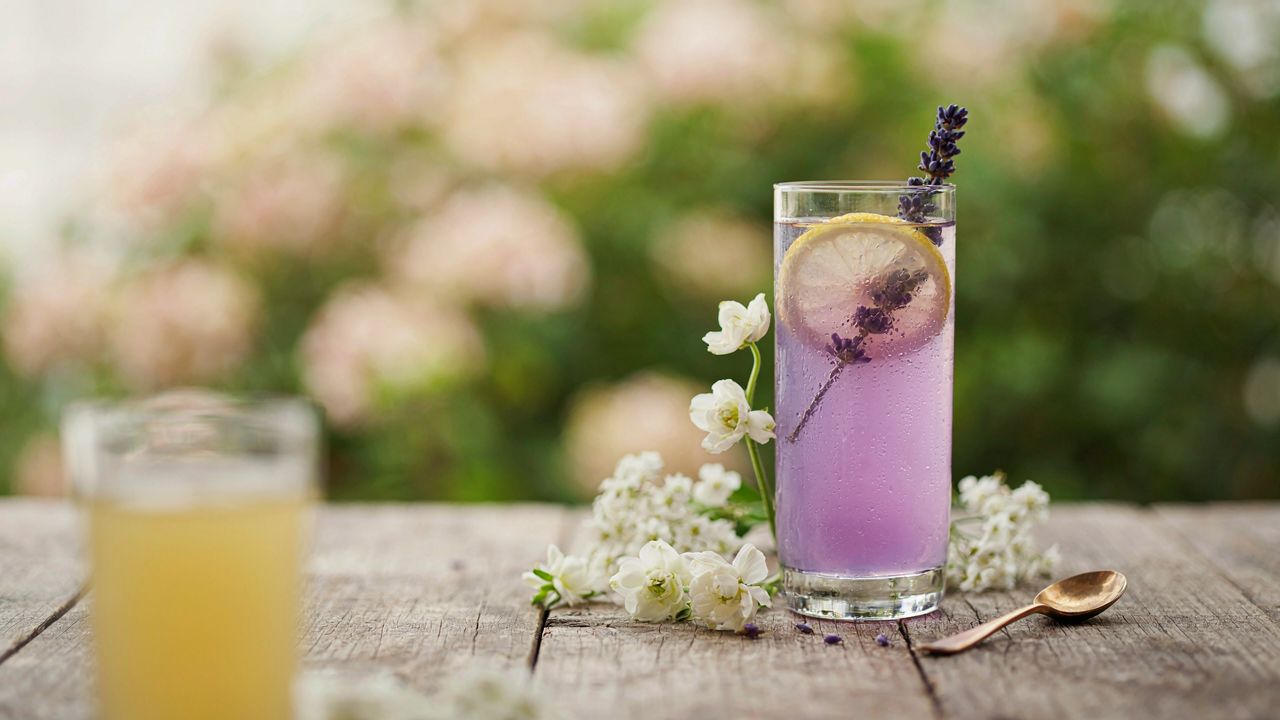
Serve it cold in clear glassware. Let the pale purple color do the work. The guest should taste fresh lemon, detect subtle floral notes without naming them, and assume you squeezed lemons that morning. That’s the entire performance. The real effort—balancing lavender intensity so it doesn’t overpower, controlling syrup viscosity, timing the chill—happens invisible. Make people feel like drinking well is effortless, and they’ll trust your judgment on everything else.
The Culinary Lavender Commandment: Source Like A Specialist

Which Lavender Actually Tastes Like Lavender
You want people to think you know what you’re doing. That’s why this matters. The mechanism is simple: most lavender sold online and in grocery stores is ornamental lavender, bred for appearance and oil yield, not flavor. English lavender (Lavandula angustifolia) and French lavender (Lavandula stoechas) taste fundamentally different. English lavender delivers a clean, slightly peppery note with citrus undertones. French lavender tastes more herbaceous and camphoraceous, bordering on medicinal. For a mocktail, English lavender is the only choice.
Sourcing matters because flavor compounds vary by growing region and harvest time. Lavender harvested in peak bloom contains higher linalool and linalyl acetate, the molecules that create that pleasant floral taste. Ornamental varieties lack these compounds in meaningful quantity. Buy dried culinary lavender from specialty spice suppliers or verified sources that specify Lavandula angustifolia. Verify the source sells to restaurants or food manufacturers, not just gardeners.
The Real Reason Your Drink Tastes Like Soap
Forget the myth about “sensitive palates.” The soapy taste isn’t about who you are. It’s about dosage and extraction method. Lavender contains linalool, which also appears in soaps and detergents. Oversteeping lavender or using too much volume floods the drink with linalool at concentrations that trigger the soapy sensory response. The mechanism is biochemical, not psychological.
Most guides say “use a pinch.” That’s useless. Use one teaspoon of dried culinary lavender per quart of lemonade, steeped for exactly three minutes in hot liquid, then strain immediately. Do not let it sit longer. The longer lavender steeps, the more it releases compounds that shift from pleasant to chemical. Time the steep. Remove the flowers. Cool before serving.
The Alchemist’s Ratio: Perfecting Your Lavender Syrup

The Math Behind The Flavor

You want this to taste refined, not like you’re trying too hard. That fear drives most people to either oversweeten the syrup or drown it in lavender until it tastes like soap. The mechanism here borrows from chemistry: saturation point. Just as a solution can only hold so much dissolved solute before it precipitates out, lavender flavor has a threshold beyond which it becomes bitter and medicinal instead of floral and bright.
The working ratio is one part sugar to one part water by weight, with roughly one tablespoon of dried culinary lavender buds per cup of finished syrup. This ratio dissolves completely, holds flavor stability for two weeks refrigerated, and balances the tartness of fresh lemon juice without competing with it. Cook the mixture until the sugar fully dissolves, never letting it boil hard. Cool it completely before adding the lavender. The syrup itself is neutral until the infusion happens.
When To Stop Steeping
Every guide tells you to steep lavender in hot syrup for ten to thirty minutes and call it done. That’s incomplete. The actual mechanism is extraction time, and it’s nonlinear. Lavender yields its volatile oils and flavor compounds progressively, but only up to a point. After eighteen to twenty minutes in warm syrup (around 160 to 170 degrees Fahrenheit), you hit maximum extraction without bitterness. Strain immediately at that mark. Leave it longer and you extract tannins that make the syrup taste astringent.
Strain through fine mesh, pressing gently on the buds without crushing them. The liquid should pour cleanly with no sediment. Discard the spent buds entirely. Taste a small amount mixed into still water before using it in the full mocktail. If it tastes medicinal or dusty, you over-steeped. If it tastes faintly floral but not assertive, you nailed it. That’s your benchmark for the next batch.
The Lemonade Protocol: Acidity As An Accelerator
When Sweet And Sour Collide

You want the drink to taste effortless, which means you’re really asking how to hide the work. The mechanism is simple: acid and sugar fight each other on the palate. Too much sugar masks the lavender. Too much acid burns it out. Using chemistry’s principle of equilibrium, a lavender lemonade mocktail succeeds when neither element dominates but both amplify the other.
The standard ratio is one part acid to two parts sugar by volume. Fresh lemon juice at 5 to 6 percent citric acid content needs roughly equal parts simple syrup to balance. The lavender syrup adds another layer, so reduce the plain sugar slightly. The goal isn’t sweetness or tartness alone. The goal is tension that makes your mouth water and your brain register complexity.
Squeeze Your Own Lemons
Most advice says store-bought is “convenient.” That’s code for accepting oxidized juice and added preservatives that flatten flavor. Fresh squeezed lemon juice loses its bright top notes after two hours. Bottled juice loses them before you buy it. A lavender lemonade mocktail built on dead juice is just colored sugar water.
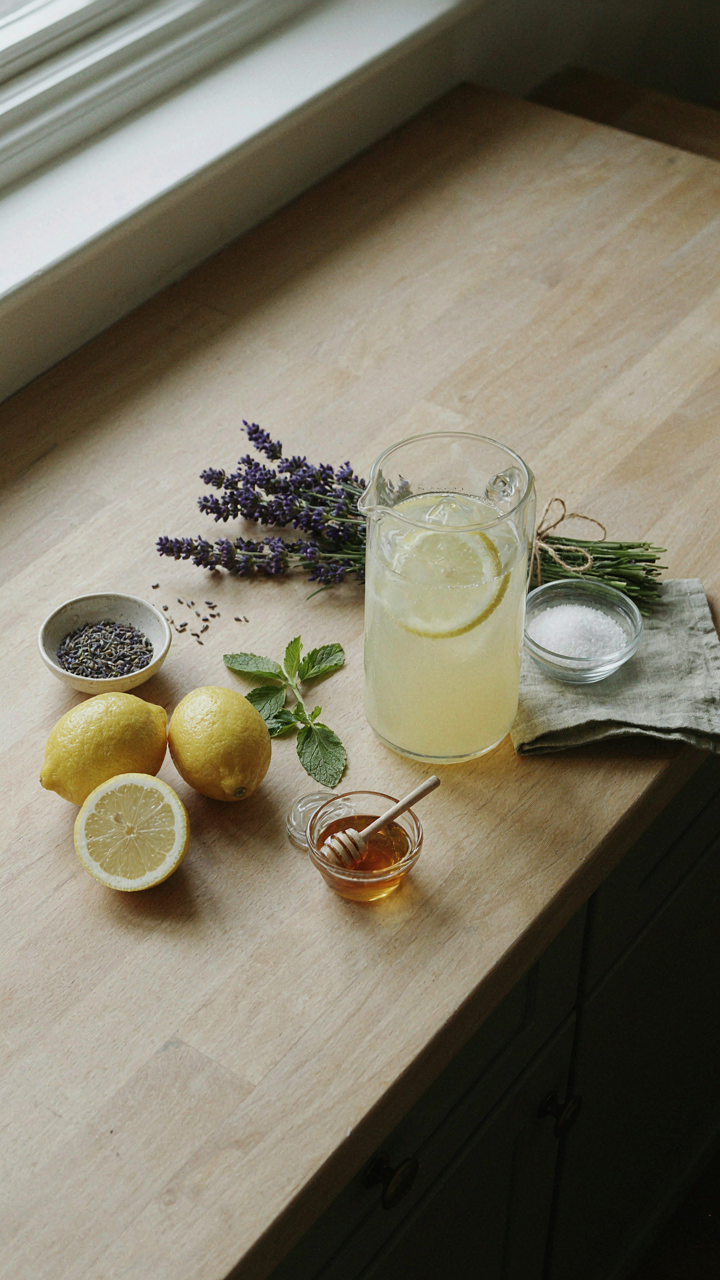
Buy lemons the morning of your event. Roll them on the counter to break down the cell walls. Cut them in half and squeeze by hand or with a basic citrus press. You need about two ounces of juice per six-ounce serving of mocktail. One lemon yields roughly one ounce, so plan accordingly and squeeze the juice directly into the pitcher thirty minutes before serving.
The Mocktail Recipe Manifesto: Building Your Masterpiece
The Assembly Protocol

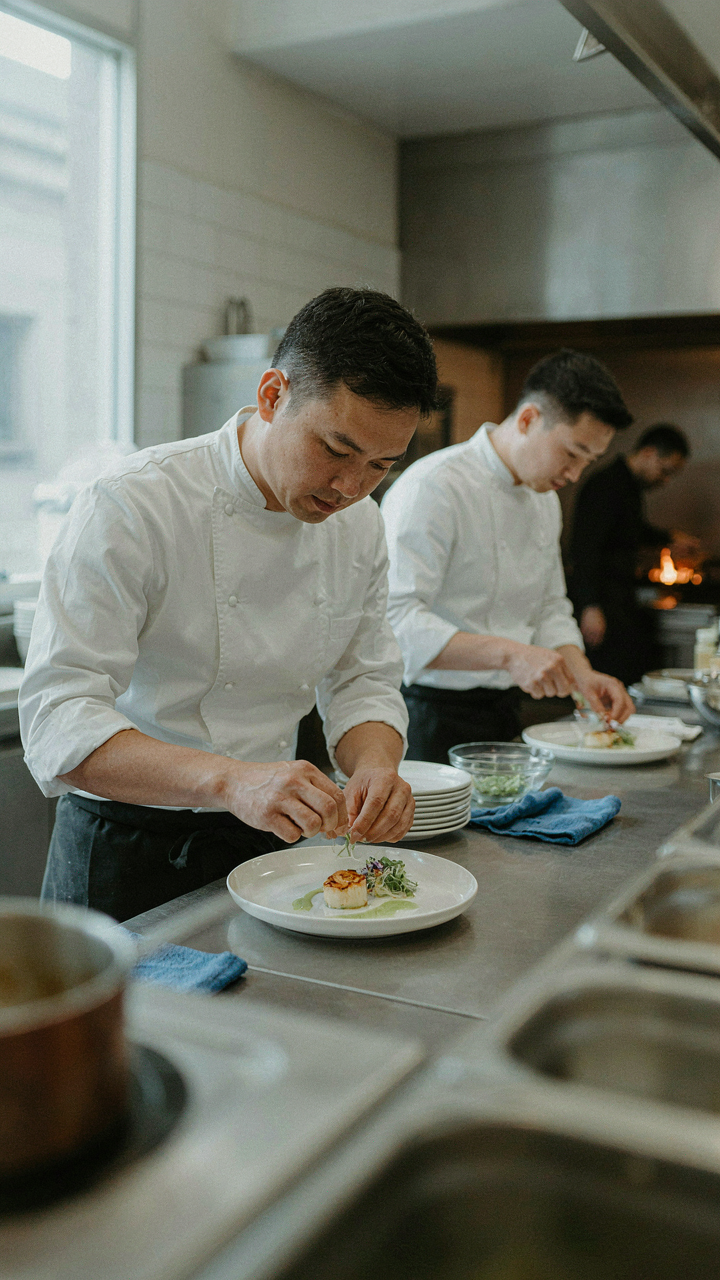
You want this to look effortless because you’re hosting and can’t afford to fumble in front of guests. Here’s the real mechanism: execution speed in mocktail building mirrors mise en place in professional kitchens. Everything staged before you pour eliminates hesitation and keeps the drink cold.
- Chill your glassware first: Place rocks glasses in a freezer for ten minutes minimum. Cold glass prevents the drink from warming during assembly and extends the window before dilution accelerates.
- Fresh lemon juice only: Squeeze juice immediately before building. Bottled lemon juice oxidizes and tastes flat. You need the citric acid sharp and alive against lavender’s herbal weight.
- Lavender simple syrup measure: Use one part lavender syrup to two parts fresh lemon juice. This ratio prevents the floral notes from overpowering the citrus backbone. Too much syrup kills the drink’s clarity.
- Water or sparkling water ratio: Add one part water or sparkling water to one part syrup and juice combined. This dilution is intentional, not accidental. It opens the flavor profile instead of compacting it.
- Stir before serving: Combine all components in the glass with ice and stir for eight seconds. Stirring integrates the ingredients instead of layering them, and the temperature drop cools the liquid faster than sitting.
Timing matters here. Build your drinks two minutes before guests need them. The ice melts incrementally, creating a second flavor phase as the drink opens up. This isn’t a bug in the system—it’s the actual benefit of mocktails over bottled alternatives.
Garnish As Signal
Garnish separates the drink you made from the drink that signals you know what you’re doing. Most advice treats garnish as a decoration afterthought, which is wrong. The garnish is the first visual contact your guest has with quality.
A single lavender sprig placed across the rim, stem pointing down into the liquid, works. The sprig releases subtle aromatics as the drinker’s nose approaches the glass. Pair this with a thin lemon wheel balanced on the rim—not floating loose in the ice, but positioned deliberately. The combination signals restraint and intention, which is the real currency in beverage service at garden parties. Avoid the impulse to overload. One or two elements. That’s the entire protocol.
Beyond Alcohol: The Strategic Advantage Of Alcohol Free Drinks
The Inclusion Equation

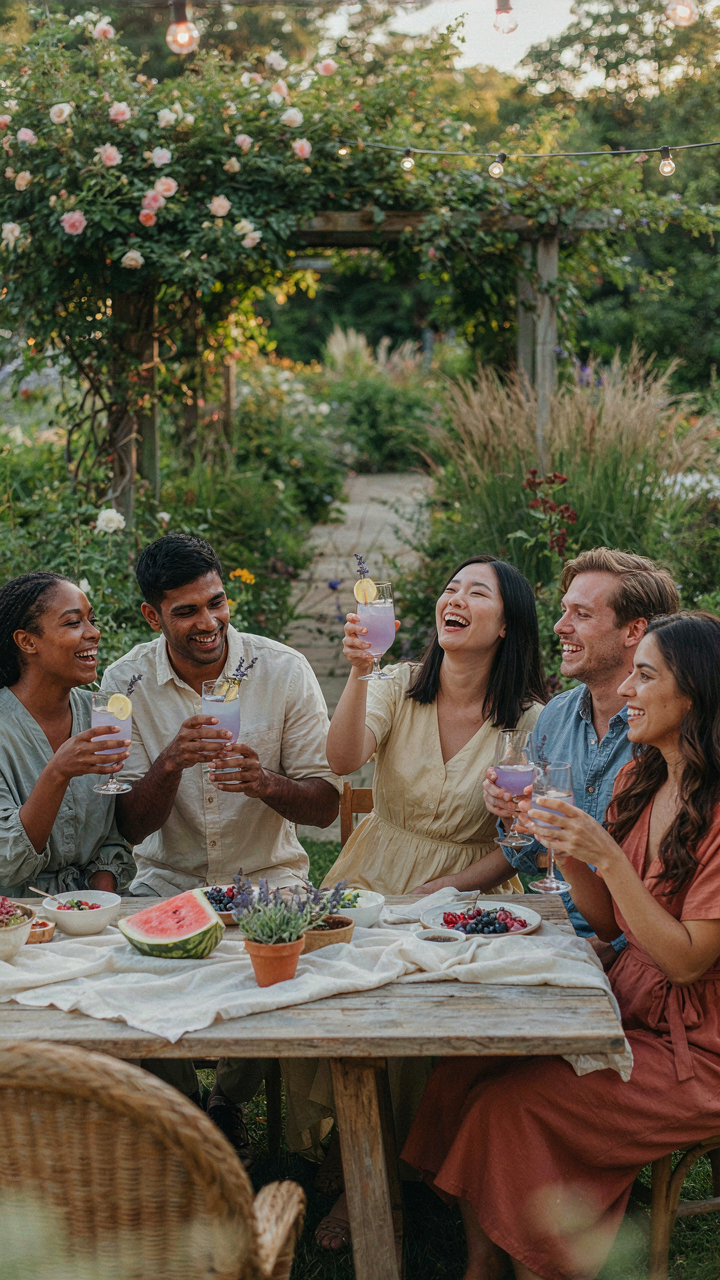
You want your party to feel exclusive. But exclusion kills reach. Game theory exposes the real move: a lavender lemonade mocktail functions as a dominant strategy because it removes the friction point that forces guests to self-select out. No one leaves early because they don’t drink. No one feels managed or othered. The drink becomes invisible as a constraint.
The mechanism is simple. You’re not virtue signaling by serving mocktails. You’re removing a decision tax from every attendee who isn’t drinking alcohol. They arrive, they grab a glass, they integrate. The social energy stays on the garden and the conversation, not on managing their own absence from a tradition. This is why mocktails work at scale: they make participation costless.
Precision Over Assumption
Most hosts assume mocktails are a compromise. They’re not. Military strategy teaches the concept of economy of force: deploy resources where they matter most. A lavender lemonade mocktail is precision-targeted because it delivers flavor intensity without the depressant that blurs mental clarity. Your guests stay present.
Alcohol softens edges. It lubricates small talk but dulls memory and judgment. A mocktail keeps the nervous system sharp while delivering the same ritual satisfaction. You gain control over the energy level of your event because you’re not fighting neurochemistry. When people leave, they remember the conversation, the lavender notes, the people. They don’t remember fog. That’s the competitive edge: clarity moves through the day intact, and your brand as a host attaches to an event that felt good, not one that felt necessary.
Scaling Success: Batching Your Lavender Lemonade For A Crowd
Make It Once, Serve It All Night

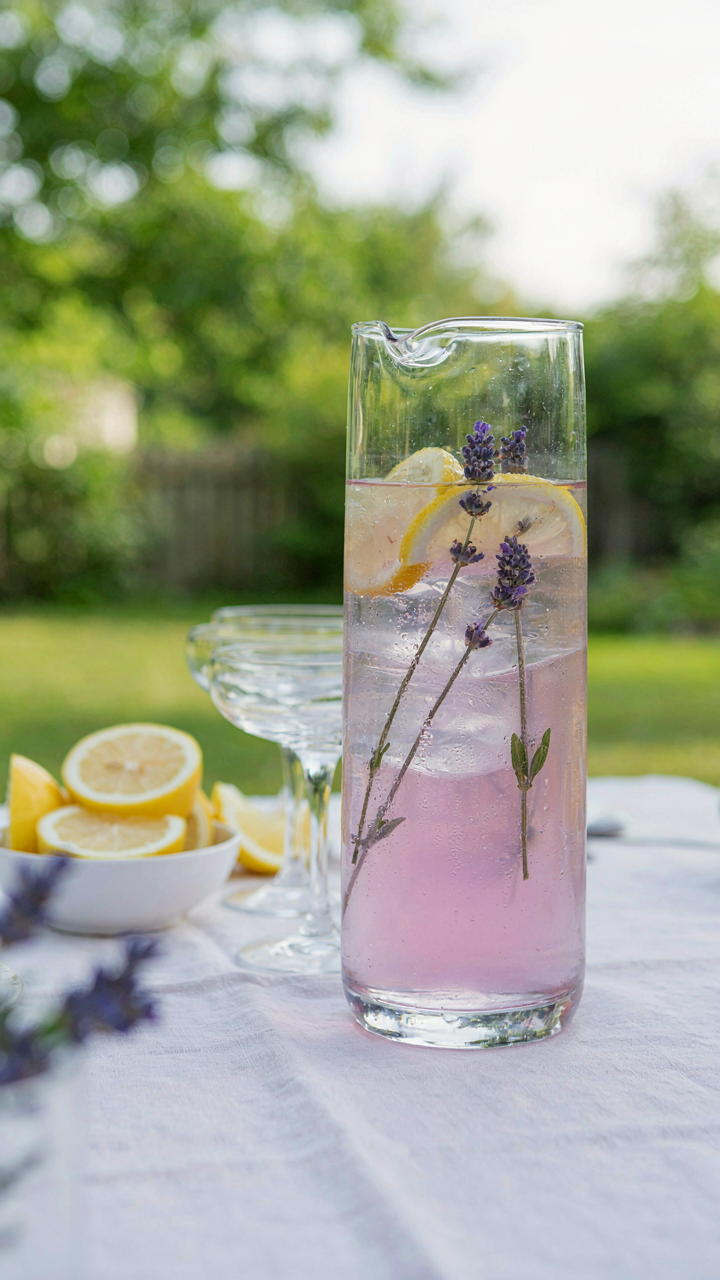
You want to look unbothered while your guests drink. That’s the real reason you care about batching. The mechanism is simple: you eliminate the bottleneck of making individual drinks while people wait. Pre-batch your lavender lemonade mocktail in a large dispenser the morning of your party. Mix your steeped lavender syrup, fresh lemon juice, and still or sparkling water in a ratio that holds for volume. Keep it cold. Your guests pour their own or you pour once, not repeatedly.
The math here matters. A standard recipe serves one person with about 8 ounces. For twenty guests with two rounds each, calculate forty servings. That’s five quarts minimum. Use a clear glass or food-grade plastic dispenser so people see the level drop and refill naturally. Don’t overthink presentation at this stage. Function first. Your only job during the party is to swap out the empty dispenser for a fresh one.
Chill Strategy And Timing
Temperature control determines whether your batch tastes flat or alive after three hours sitting out. This isn’t about making it cold once, it’s about maintaining cold. Fill your dispenser with ice at the base before adding the mixed mocktail. Replace the ice every ninety minutes. If you’re using a metal or insulated dispenser, this extends your window. Prepare your batch no more than four hours before guests arrive. Lavender’s volatile oils fade under prolonged exposure to air and light. Store the batch in your refrigerator in a covered container until thirty minutes before service.
Position your dispenser in the shade. Direct sun breaks down both the lavender notes and the lemon’s brightness. If your garden party has no shaded spot, drape a lightweight cloth over the upper half of the dispenser. Keep a backup batch chilled indoors. Running out forces you to either make drinks on demand or watch people drift to other beverages. The second batch ready to swap eliminates that choice. Serve from the dispenser with simple glassware and one stack of napkins nearby. Your setup solves for low friction.
The Aftermath: Solidifying Your Status As The Host
What People Actually Remember

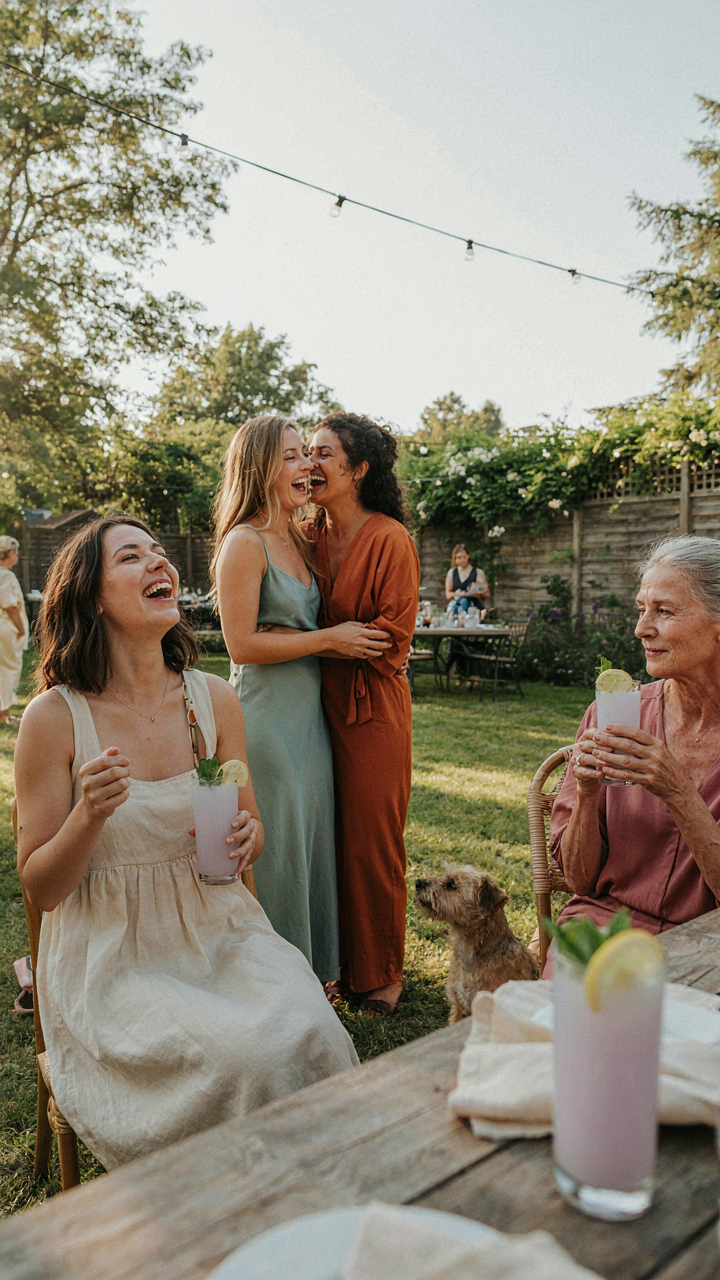
You want proof that your event mattered. That’s the real reason you care about this section. The mechanism is simple: people don’t remember perfection. They remember the drink that solved a problem they didn’t know they had. A lavender lemonade mocktail works like a signal in information theory. It cuts through noise. When guests taste something they can’t immediately categorize, their brain locks onto it. That’s when they start talking about your event to others.
The lavender lemonade mocktail creates a moment of recognition. Guests arrive expecting standard lemonade or flat punch. Instead, they encounter a flavor combination that requires actual attention. This isn’t accident. The floral note of lavender paired with citric acid and sugar creates a profile that demands a second sip. They’ll mention it by name when retelling the story. That specificity is what compounds your reputation as a host who actually thinks.
The Mechanism That Builds Your Next Invitation
Don’t believe the nonsense about “creating memories.” That’s vague and useless. What actually happens is this: a well-executed event becomes a reference point. When your guests plan their own gatherings, they unconsciously reach for what worked at yours. The lavender lemonade mocktail becomes the template they copy or try to improve upon. You’ve established a standard. That standard now defines how they think about hosting.
Execute a protocol after the event ends. Identify which guests mentioned the mocktail specifically and note their reasons. Did they praise the flavor balance, the visual appeal, or the fact it was nonalcoholic? That data tells you what resonated. When you host again, you amplify that element deliberately. You’re not hoping for the same result. You’re engineering it. That’s how a single well-made drink becomes the signature people expect from you.
The Only Thing Worse Than A Bad Drink Is A Forgettable Host. Don’t Be Either


Stop treating a lavender lemonade mocktail as decoration. Treat it as your opening move. The drink primes guests to relax before they arrive. It signals you’ve thought beyond the basics. Make one batch today. Taste it. Adjust it. Own it. When your garden party starts, you won’t be explaining the drink. You’ll be hosting like someone who actually planned something worth showing up for.