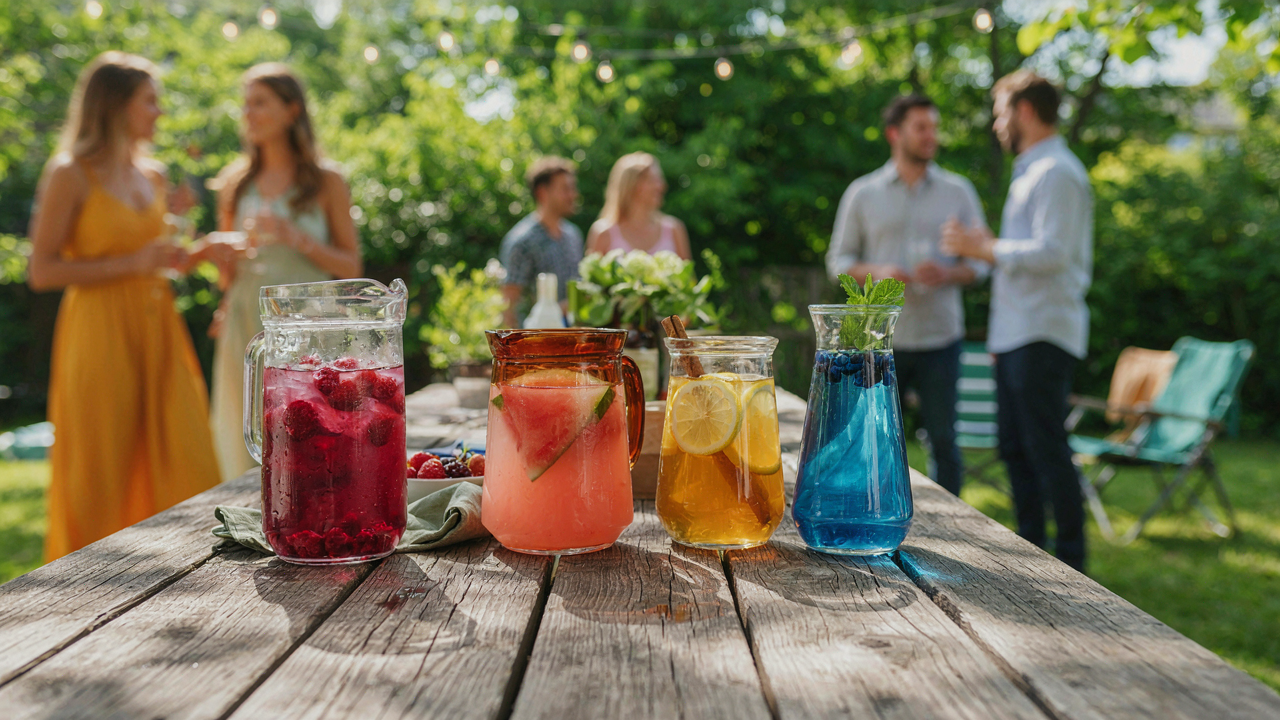
The Unspoken Truth About Your Backyard Party Drinks
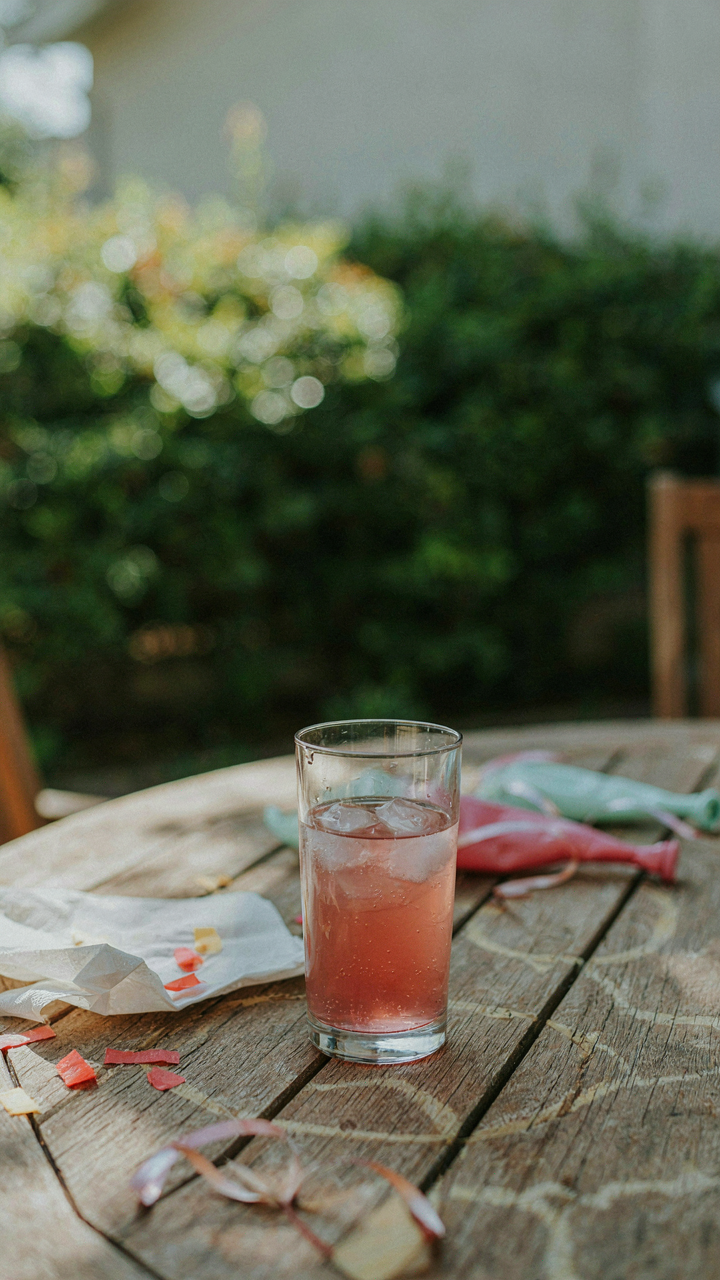
Why Most Refreshing Drinks Fall Flat
You want people to remember your party for the right reasons, not forget it happened at all. The real problem: most backyard drinks fail because they chase “refreshing” without understanding what refreshing actually does to a human nervous system. Refreshing isn’t a flavor. It’s a physiological signal. Your guests need contrast, not just cold liquid with sugar and citrus.
The mechanism is simple. Your mouth and throat have temperature and texture receptors. When a drink hits them, those receptors fire. The brain registers this as either “wake up” or “more of the same.” Most pitcher recipes drown this signal in sweetness. You add juice, you add syrup, you add more juice, and you’ve built a one-note delivery system that tastes identical at sip one and sip twelve. The drink flatlines because you killed the sensory novelty before the party started.
Sensory Impact Beyond The Basic Hydration Angle
Hydration is the floor, not the ceiling. Borrowing from neurobiology, you need tonic variety in your pitcher the same way your nervous system needs varied stimuli to stay alert. One-dimensional sweetness desensitizes your guests’ palates in under ten minutes. They stop tasting. They start drinking mechanically.
Real impact requires at least three sensory layers working together: temperature contrast, textural change, and flavor complexity. A proper mocktail pitcher builds these. Cold liquid hits warm air. Herbs release volatile compounds as ice melts. Citrus acidity cuts through sweetness instead of stacking on top of it. Spice creates a subtle burn that keeps receptors engaged. You’re not making a beverage. You’re engineering a reset for the human mouth every seven to twelve seconds per sip.
The Dilution Delusion: Why Ice Is Your Enemy
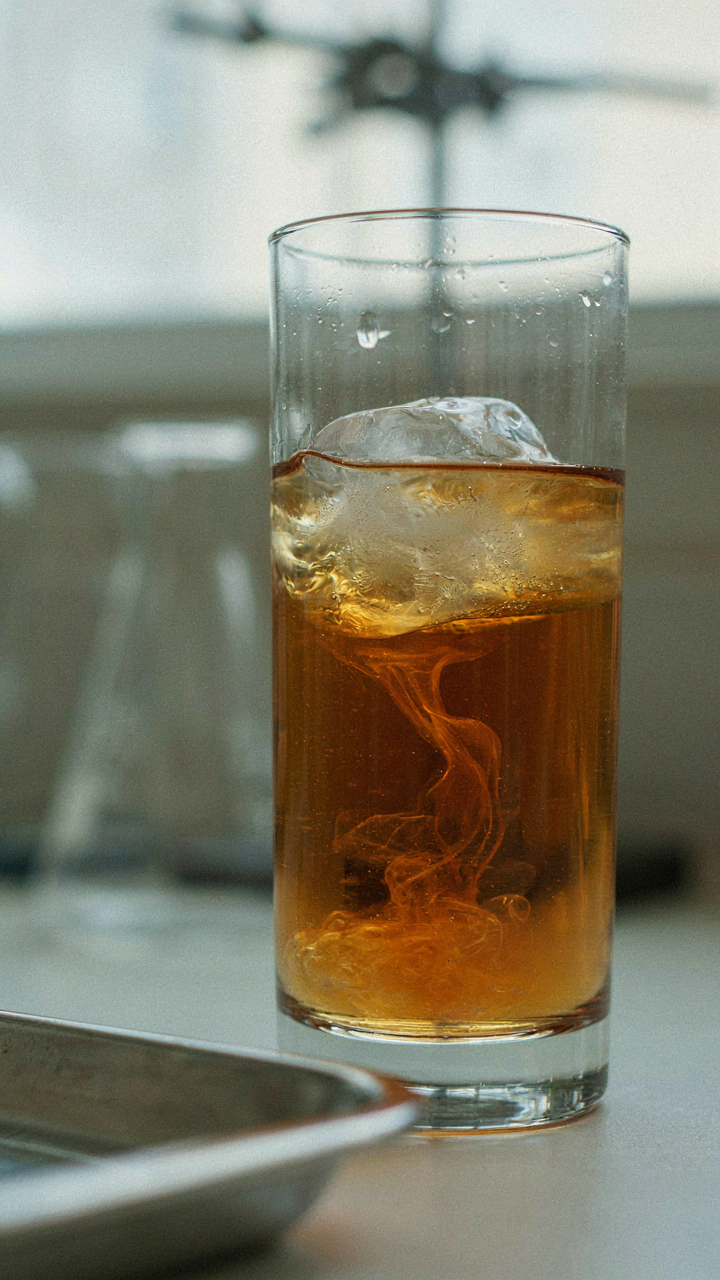
The Ice To Liquid Ratio Simple Thermodynamics
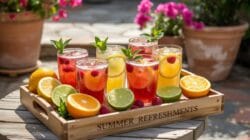
You want your pitcher to look full and impressive when guests arrive. Here’s the mechanism: ice melts, water dilutes your drink, and thermodynamics doesn’t negotiate. The ratio that matters is surface area to volume. More ice touching liquid means faster melt. Most people dump ice into a pitcher, then pour cocktail over it. That’s backwards. The ice starts absorbing heat immediately from the surrounding air and whatever liquid hits it first.
The standard mistake is using a 1:1 ice-to-liquid ratio. This gives you maybe ninety minutes before dilution becomes noticeable. A mocktail pitcher needs restraint here. Calculate for one-third ice by volume, maximum. This accounts for the fact that ice doesn’t pack efficiently and melts unevenly. Start with a base of ice, add your liquid, then top with a thin layer of ice only if the pitcher will sit for longer than two hours before serving.
Pre Chilling The Overlooked Game Changer
Most people skip this because they don’t understand what it prevents. Pre-chilling your pitcher and glassware drops the ambient temperature of your entire service system. This extends your melt timeline significantly because the ice isn’t fighting warm glass from the moment it lands inside. Fill your pitcher with ice fifteen minutes before you add liquid. Leave it empty. This forces the pitcher walls to reach the same temperature as the ice itself.
When you pour your mocktail base into a pre-chilled pitcher, the liquid temperature stays lower longer. The ice melts slower because less thermal energy enters the system. Use ice from your freezer, not the counter. Store your serving glasses in the freezer for at least ten minutes before the party starts. The difference in dilution rate between a cold glass and a room-temperature one is forty to fifty percent over a three-hour window.
Beyond Sweet: The Flavor Architecture Of A Great Mocktail Recipe
The Acid Bitter Aromatic Triad

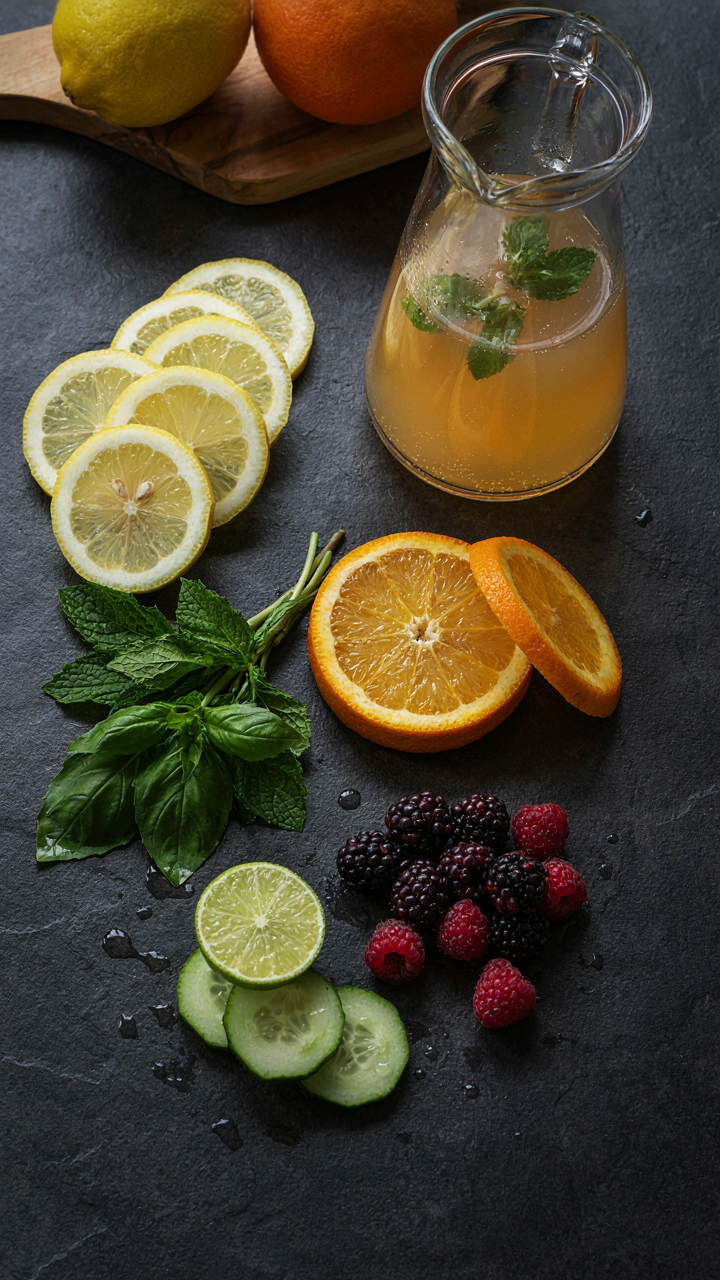
You want people to remember your mocktail, not just drink it because alcohol wasn’t available. The mechanism is this: your palate has no memory for sweetness alone. Borrow from chemistry. Acid, bitter, and aromatic compounds create contrast and persistence. Acid (citrus, vinegar) triggers salivation and cuts through sweetness. Bitter (gentian, quinine, herbal infusions) adds grip and prevents cloying. Aromatic (mint, basil, cardamom) gives your brain a sensory anchor to recall later.
Most people throw fruit juice and syrup into a pitcher and call it done. That’s why most pitcher mocktails taste flat after the first sip. Balance these three elements in measurable ratios. For every four ounces of base liquid (juice, tea, coconut water), use one ounce of fresh citrus, a quarter teaspoon of bitters, and one muddled aromatic component. This isn’t intuition. This is structure that prevents your drink from collapsing into sugar water.
Depth Through Layering, Not Volume
Complexity doesn’t come from throwing more ingredients at the pitcher. It comes from adding ingredients that do different work in different moments. Start with a base that carries flavor without dominating (unsweetened tea, sparkling water, or light juice). Add one primary flavor that makes the drink identifiable (ginger, cucumber, berries). Add one counterpoint that reframes the primary flavor (lime against berry, mint against stone fruit). Add one finishing element that arrives only on the finish (a dash of cardamom bitters, a float of herbal syrup, fresh citrus oil expressed over top).
The difference between forgettable and memorable is whether your second sip tastes different from your first. Most pitcher recipes fail here because they mix everything at once and you taste the whole thing immediately. Layering means some elements stay suspended or float. It means your palate encounters flavors in sequence, not all at once. Prepare the base and primary flavor two hours ahead. Add the counterpoint and finishing element thirty minutes before serving. This timing protects aromatic compounds and keeps bitters from oxidizing into bitterness.
The “Batch Efficiency” Protocol For Pitcher Mocktail Drinks
Prep Your Station Before You Pour

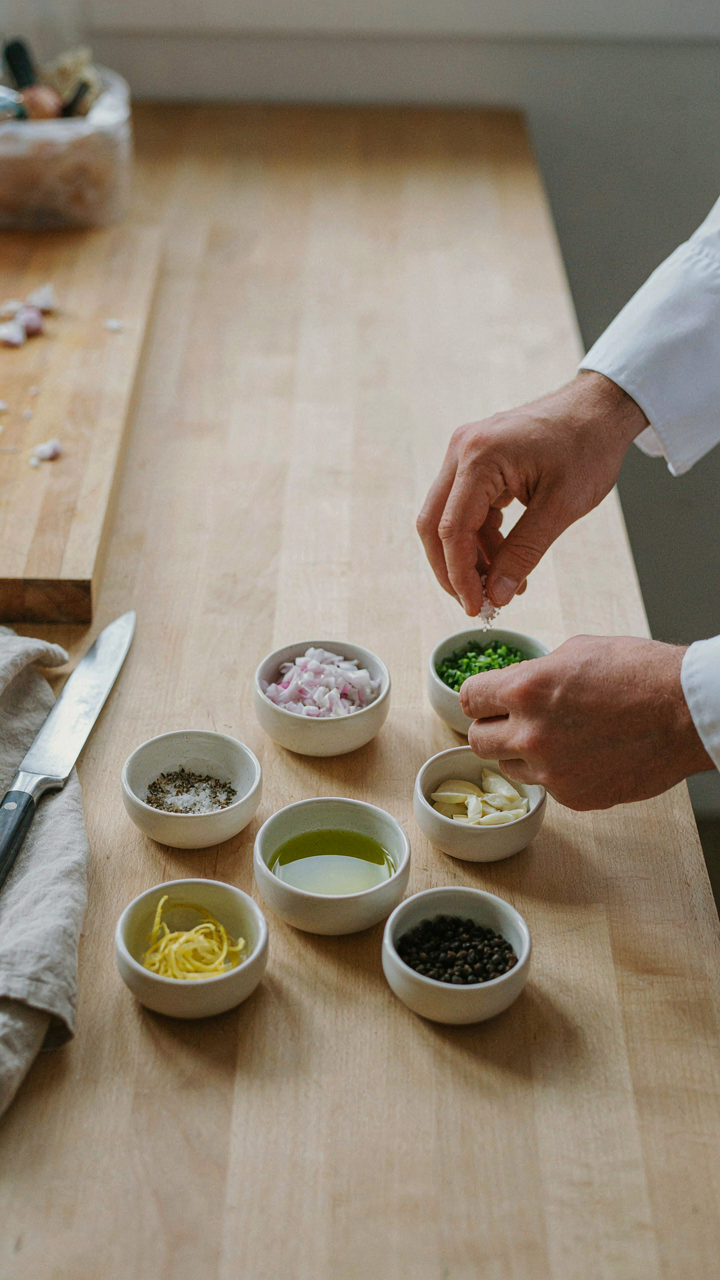
You want to look like you aren’t stressed while guests arrive. The real mechanism is simple: preparation eliminates decision-making under pressure. Mise en place, borrowed from French kitchen discipline, means every ingredient and tool sits in its designated spot before service starts. For pitcher mocktails, this means juices in squeeze bottles, syrups in small bowls, ice in a separate bucket, and garnishes prepped and stored. Write down your recipe on a card and tape it to your pitcher. This single step removes the need to remember ratios while juggling conversation and refills. Your brain stops running calculations and starts running the event.
The difference between amateur and competent is whether you measure once or three times. Pre-measure your base spirits and modifiers into shot glasses before guests arrive. Line them up in order. When someone requests a pitcher refill, you grab the shot glasses in sequence, pour without thinking, and move to the next task. No spilling. No remeasuring. No wasted motion. Your hands work while your attention stays with people.
Scale Without Diluting The Drink
The common advice says multiply everything by the pitcher volume. That’s incomplete. Dilution from ice melting scales differently than your other ingredients. A single mocktail sits in ice for three to five minutes maximum. A pitcher sits in ice for thirty to forty-five minutes. The ice melt percentage jumps dramatically, which means you need stronger base flavors to compensate. Use 15-20 percent more concentrated juice and syrup than you’d think necessary. Test your ratio in a small batch first. A single miscalibration ruins two gallons.
Citrus juice oxidizes and loses brightness after eight hours. Herbal infusions grow bitter over time. Carbonated elements go flat within minutes of mixing. Build your pitcher on a staggered schedule: non-carbonated bases go in first, fresh juice additions happen thirty minutes before service, and sparkling elements get added as guests pour. This isn’t multitasking complexity. It’s chemical honesty. You’re acknowledging what time does to flavor, then scheduling around it.
Deconstructing The Non Alcoholic Sangria Myth
Fruit Juice Plus Soda Isn’t Sangria

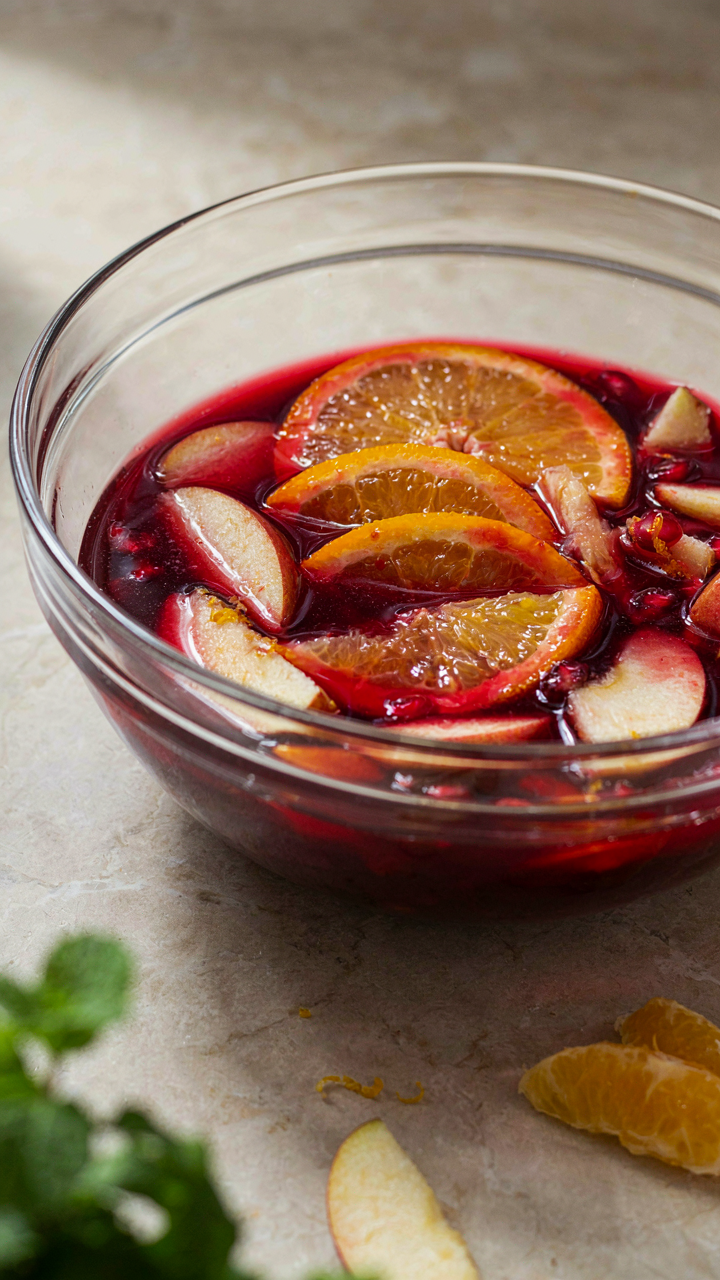
You want to serve something that sounds sophisticated without the alcohol commitment. Here’s the mechanism nobody states: sangria works because wine acts as a solvent and preservative that lets fruit macerate and release compounds over hours or days. Juice plus soda skips this entirely. You’re mixing finished products instead of building flavor through extraction. The soda adds carbonation and sugar, masking the fact that nothing has actually infused. It tastes bright for thirty minutes, then flat and cloying.
Real sangria structure comes from time and solvent chemistry. Wine holds fruit compounds in suspension while drawing out juice and essence through osmosis. When you pour juice into a pitcher and crack open soda, you’re not creating anything. You’re just combining pre-made beverages. The fruit sits there decorative and inert. Guests notice the difference because their palate expects depth. They get sweetness instead. For a pitcher recipe, this distinction matters because your setup time determines your result quality.
Infusion Techniques True Flavor Extraction
Infusion applies osmotic pressure: the principle of moving solutes across membranes through concentration gradients. Your goal is to rupture cell walls in fruit and herbs so their oils and juices migrate into your base liquid. Cold infusion works slower than heat, which is why time becomes your actual ingredient. Room temperature liquid plus whole fruit plus thirty-six hours beats juice concentrate plus ice every time. The mechanism is passive but relentless. Enzymes break down cellular structure. Flavors migrate outward.
Start with a base of sparkling water or unflavored seltzer instead of juice. Add whole citrus rounds, berries, stone fruit, and fresh herbs. Let it sit covered at room temperature for one to two days before serving. The longer it sits, the more compounds transfer. When you’re ready to pour, you’ve created actual depth through extraction, not masked weakness with sweetness. Add ice and a touch of honey only after tasting. This protocol turns a pitcher into a functional extraction vessel instead of a mixing bowl.
The Alchemist’s Approach: Turning Simple Ingredients Into A Peach Mocktail Recipe
Pick Fruit Like You’re Reverse Engineering Quality

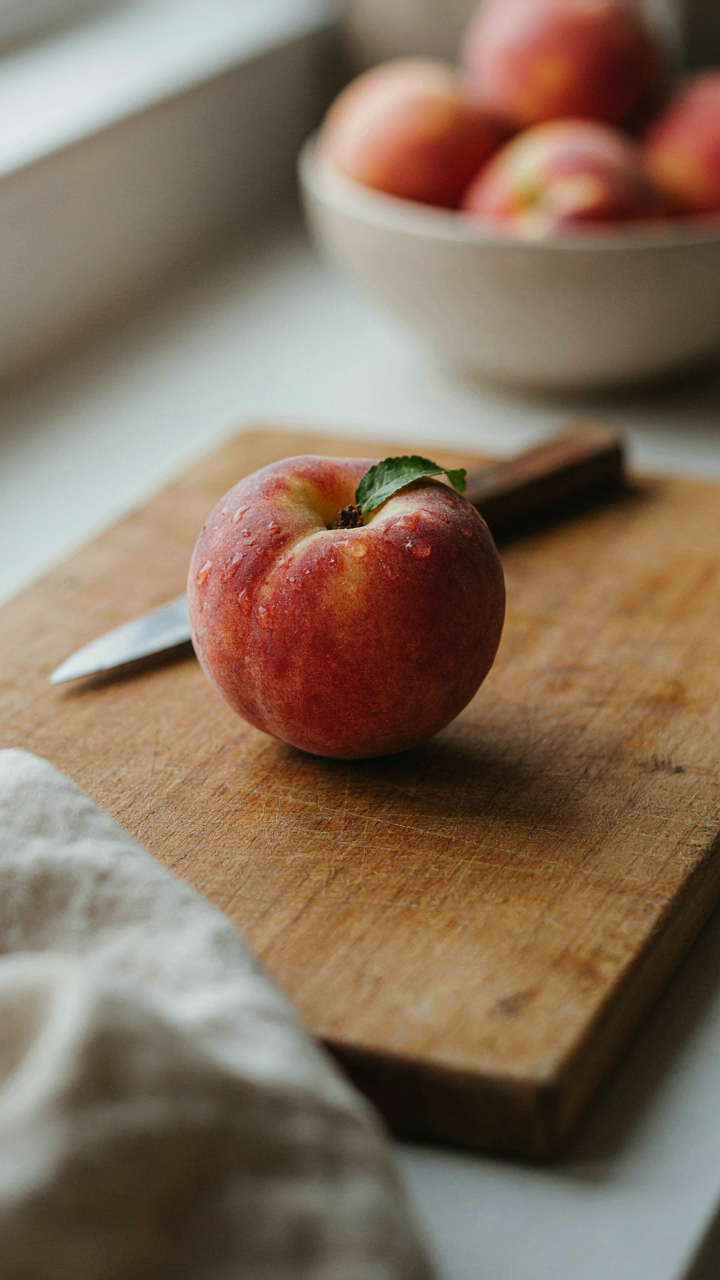
You want people to think you’re sophisticated without effort. That’s the real reason you care about ingredient selection. Here’s the mechanism: ripeness isn’t a feeling, it’s a sugar concentration problem. A peach at peak ripeness has converted starches into fructose and glucose. That’s your flavor baseline. The mistake everyone makes is buying pretty peaches. Buy ones that yield slightly to palm pressure and smell like peach at the stem. That’s the signal that enzymatic breakdown has finished.
The second variable is acid. Green or underripe peaches contain malic acid in high amounts. Ripe peaches shift toward citric acid, which tastes brighter and cleaner in a pitcher drink. You need both ripeness and slight tartness working together. A perfectly ripe peach tastes boring in isolation. One with a touch of green firmness adds the tension that makes the drink land. Test this: cut a peach in half. If the flesh is uniformly soft and pale, it’s overripe and will collapse into mush when you muddle it. You want resistance.
Heat Creates Compound Depth You Can’t Buy
Chemistry does this work, and the Maillard reaction is your extraction tool. When you apply gentle heat to fruit juice and sugar, amino acids react with reducing sugars and create hundreds of new flavor compounds. That’s not caramelization. It’s actual molecular restructuring. A peach syrup made by heating peach puree with sugar for eight to twelve minutes develops notes that raw peach juice cannot produce, period.
The protocol: puree fresh peaches, strain through cheesecloth to remove solids, combine equal parts peach juice and sugar in a small saucepan over medium heat. Stir occasionally. Stop heating when the mixture reaches 215 to 220 degrees Fahrenheit on a kitchen thermometer. This temperature signals that the Maillard reaction has peaked without pushing toward caramelization. Cool completely before adding to your pitcher. The syrup keeps five days refrigerated. Heated peach syrup is why your pitcher tastes like craft, not fruit punch.
Forget “Cocktail And Mocktail”: Crafting Standalone Excellence
Stop Making Them The Understudy

You want mocktails at your party because you think they solve the problem of non-drinkers. That’s backwards. The real mechanism is simple: a pitcher of actual good mocktail is a statement about what you serve, not an apology for who shows up. When you treat mocktails as the primary offering instead of the backup plan, the entire dynamic shifts. People don’t compare them to cocktails anymore because they’re not positioned as lesser versions.
This is economics applied to beverage design. In economics, substitution happens when two products compete for the same role. But if mocktails own their own category with their own flavor logic and technique, there’s no comparison currency. A strong lemon-ginger-elderflower pitcher isn’t trying to replace bourbon. It’s doing something different. The shift from secondary to primary changes what ingredients you source and how you build flavor depth, which is where most people fail with mocktails.
Source For Depth, Not Decoration
The common advice here is wrong: “add fresh herbs and fruit to make it look nice.” That’s decoration thinking. You need ingredient sourcing based on flavor concentration and actual taste work, not Instagram appeal. A quality ginger syrup made from fresh ginger juice changes the drink’s backbone. Bottled lemon juice from concentrate doesn’t. This distinction matters because pitcher drinks sit for hours, and weak flavors fade fast while strong ones hold.
Build your sourcing strategy around three layers: base flavor, acid, and texture modifier. For base, you need either fresh juice, quality syrups, or infused spirits like amari (non-alcoholic options exist). For acid, use fresh citrus or quality vinegars. For texture, bitters, syrups, or spice work. When you shop this way, you buy fewer ingredients but buy better versions. Start with one strong base syrup you make yourself, then build pitcher recipes around that core instead of chasing novelty.
The Rebellious Host: How To Elevate Drink Recipes Nonalcoholic
Flavor Pairings That Actually Work

You want people to remember your party for the right reasons, not forget it happened. The mechanism is contrast, not complexity. Most hosts dump five ingredients into a pitcher and call it sophisticated. The real move borrows from gastronomy’s principle of flavor bridging: find two opposing tastes and connect them with a third element that makes both sing.
Savory and sweet collide the hardest. Combine tomato water with watermelon juice and hit it with fresh basil to anchor both sides. Citrus and umami seem incompatible until you add miso paste to a yuzu-based pitcher drink, which grounds the bright acid in umami depth. Heat plus sweetness reads as cheap unless you balance it with salt and bitterness. A habanero-ginger-lime pitcher with a pinch of Angostura bitters stops tasting like a gimmick. The pattern: one bright note, one grounding note, one bridge. That’s the structure.
Garnishes With Function
Every garnish on your pitcher should justify its existence beyond Instagram potential. The rule most hosts break is treating garnish as decoration instead of flavor correction. A dried citrus wheel adds tannin to a heavy stone fruit pitcher. A fresh herb sprig aerates the surface and releases volatile oils into each sip. Crystallized ginger on the rim provides texture contrast and cuts through sweetness mid-drink.
- Citrus peels (twisted): Release essential oils into the drink itself through the action of squeezing. Adds aromatic complexity without dilution.
- Herb sprigs (bruised, not cut): Bruising damages cell walls and releases flavor compounds faster than cutting. Use mint, basil, or rosemary based on pitcher base.
- Edible flowers (freeze in ice cubes): Serve dual purpose: visual interest and slow flavor release as ice melts. Nasturtiums add peppery bite.
- Salt or spice rims: Function as palate reset between sips. Tajín on a mango pitcher cuts sweetness with salt and lime dust.
- Frozen fruit as ice: Prevents dilution while flavoring the drink as it melts. Berries work best because they don’t overpower base flavors.
A garnish either changes the taste or wastes your preparation. Measure garnish quantity by pitcher volume: one herb sprig per two liters, one citrus wheel per liter. Your guests drink the drink, not the rim styling.
The Unbearable Lightness Of Being A “Refreshing Mocktail Recipe”
Texture Beyond The Bubble

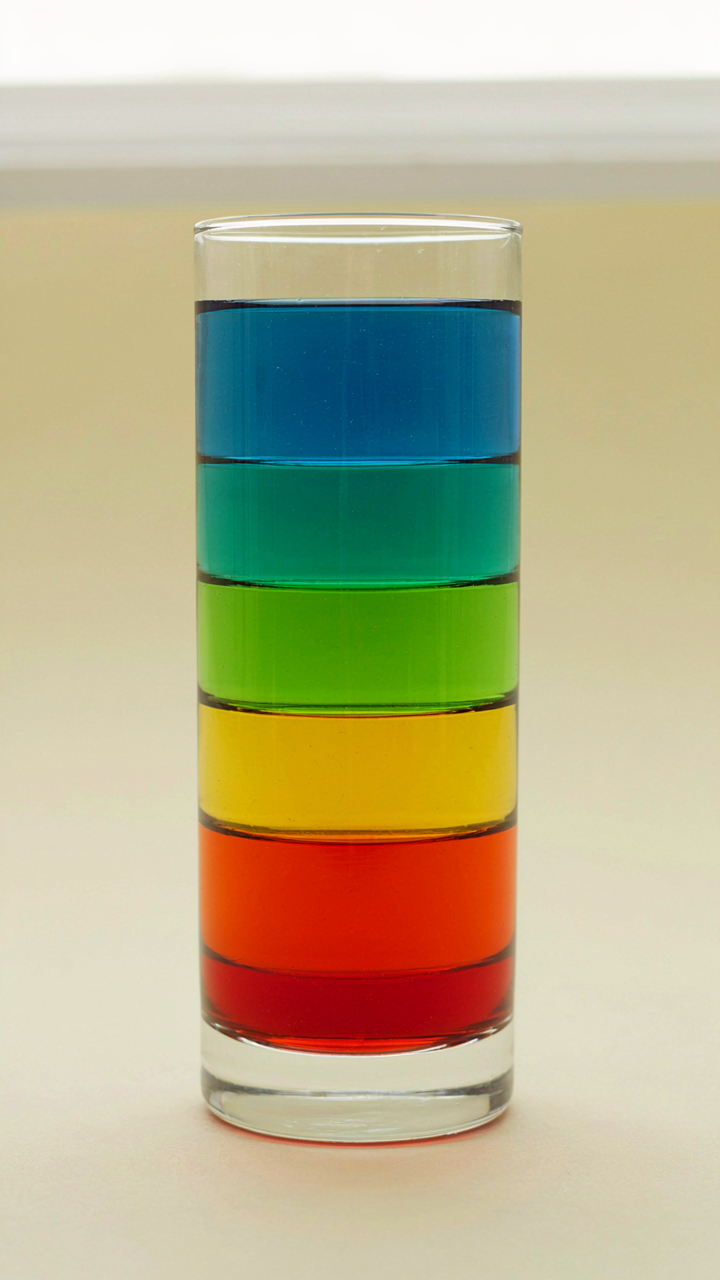
You want people to remember your pitcher as the one that felt luxurious, not watered down. The real mechanism here borrows from materials science: density stratification. Most mocktail pitchers fail because they treat texture as optional, as if carbonation alone creates mouthfeel. It doesn’t. A well-designed pitcher mocktail maintains distinct layers of body and sensation from first sip to last. Juice, syrup, acid, and carbonation all have different weights. Stack them wrong and you get flat, homogenous sludge by the second round.
The practical difference between a forgettable pitcher and one people ask for again comes down to how you build density. Add your syrups and bases first, let them settle slightly, then introduce citrus and water. Toast your garnish herbs like mint or basil to release oils, which float on the surface and create a sensory signal before the liquid even reaches your mouth. Carbonate last or introduce it through layers as people pour. This isn’t about being fancy. It’s about maintaining structural integrity from glass one to glass ten.
The Aftertaste You Can’t Ignore
Everyone talks about the first sip. No one plans the finish, which is why most pitcher mocktails taste abandoned after three minutes. The aftertaste reveals your actual ingredient choices. Cheap citric acid leaves a chemical sting that builds with each glass. Real lemon juice fades clean. Artificial sweeteners create a metallic tail that won’t quit. These aren’t aesthetic preferences, they’re chemical facts that shape whether someone drinks two glasses or eight.
Build your pitcher recipe by tasting it at five minute intervals, then at fifteen. Notice what you taste after the liquid leaves your mouth. If bitterness intensifies or sweetness turns cloying, your acid ratio is off or your sweetener concentration is too high. The aftertaste test separates recipes designed for one party from recipes designed to be repeated. Finish with a whisper of salt or a dash of bitters. These amplify the positive notes and suppress the chemical lag that makes drinkers stop reaching for their glass.
Your Party Isn’t About The Drinks; It’s About Your Inability To Genuinely Connect

Most people hide behind mocktail pitcher recipes because they fear silence. A well-made drink buys conversation time. It gives nervous hands something to hold. But here’s the truth: your guests didn’t come for the flavor profile. They came because you invited them. Stop perfecting recipes and start asking better questions. Make one pitcher today. Then shut up and listen.