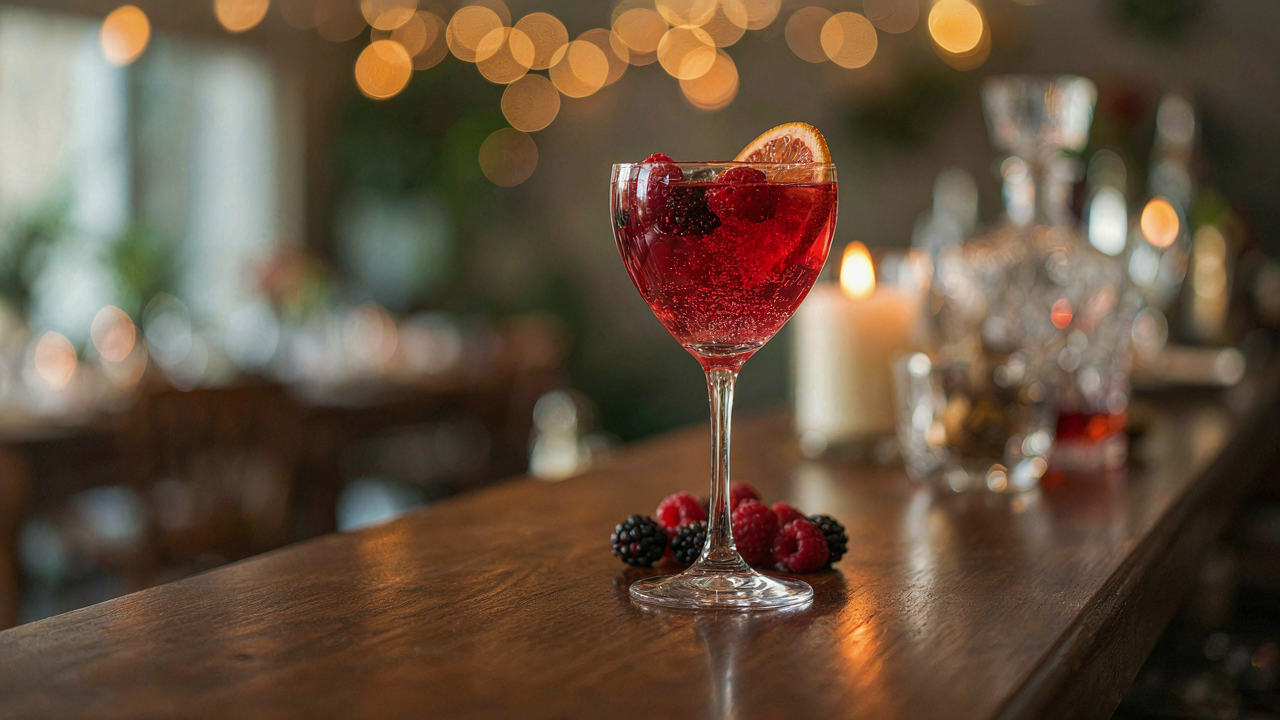
The Mocktail Protocol: Deconstructing The “Fancy” Fallacy
Restraint Signals Status
You want people to think you have taste. That’s the real reason you care about this section. The mechanism is simple: constraint creates the illusion of sophistication. In design, this principle is called negative space. A mocktail with three ingredients and intentional emptiness reads as deliberate. One with eight ingredients reads as confused, regardless of how good it tastes. The fewer elements you use, the harder each one has to work.
Most bartenders default to oversaturation because they confuse abundance with quality. Wrong. A sparkling mocktail needs a base, a flavor note, and carbonation. That’s the functional skeleton. Citrus, herb, and bubble. Add anything beyond this and you’re decorating weakness, not building strength. The five-minute timeline forces this discipline. You won’t have time to second-guess yourself.
The Garnish As Architecture
Visual hierarchy determines whether someone perceives your drink as deliberate or lazy. Borrowing from architecture, your garnish is the load-bearing wall. Everything else is decoration. A single citrus twist, positioned at the rim’s edge, does more work than a handful of herbs scattered across the surface. Placement matters more than quantity. A sprig of rosemary standing vertical in the glass creates vertical emphasis. The eye follows it. The brain registers intention.
Strategic garnishes solve a specific problem: they bridge the gap between what the drink tastes like and what the drinker expects to see. A grapefruit mocktail with zero garnish feels unfinished. Add one grapefruit wheel resting against the glass and suddenly the presentation justifies the flavor. The garnish isn’t decoration. It’s visual proof that someone thought about this drink before serving it to you. Make the garnish do the talking so the simplicity of your ingredients doesn’t appear like laziness.
Alcohol Free Drinks: The Power Of Intentional Omission
What Abstinence Actually Signals
You want people to think you have your life together. Here’s the mechanism: alcohol is the default choice because it’s easy and socially expected. Removing it forces intentionality. You can’t hide behind a drink—you have to know why you made what you made. This shift in perception happens instantly. A mocktail isn’t perceived as “less than” a cocktail when it’s crafted with the same rigor. The absence becomes evidence of deliberate choice, not deprivation.
Constraint drives creativity in design the way material limits do in sculpture. Your mocktail’s carbonation, citrus balance, and visual clarity become the entire toolkit. Without alcohol’s masking power, every component shows. This transparency is the actual status signal. People notice precision. They notice when you’ve eliminated the noise and kept only what matters. That’s what registers as sophisticated.
Precision Over Sugar Dependency
Generic mocktail advice tells you to dump juice and syrup together and call it balanced. This is wrong. Most mocktails fail because they rely on sweetness to compensate for the missing alcohol’s depth and mouthfeel. You end up with a drink that tastes like candy water with bubbles.
The real move: use acid and structure first, sweetness second. Citrus juice (fresh lemon or lime), a measured pinch of salt to amplify flavor perception, and sparkling water as your base create a platform. From there, one flavoring element—ginger syrup, muddled mint, a dash of bitters—completes the drink without pushing sugar above eight grams per serving. Taste as you layer, stopping before sweetness becomes the dominant note.
Sparkling Drinks: Carbonation As A Status Signal
Why Bubbles Matter More Than You Think
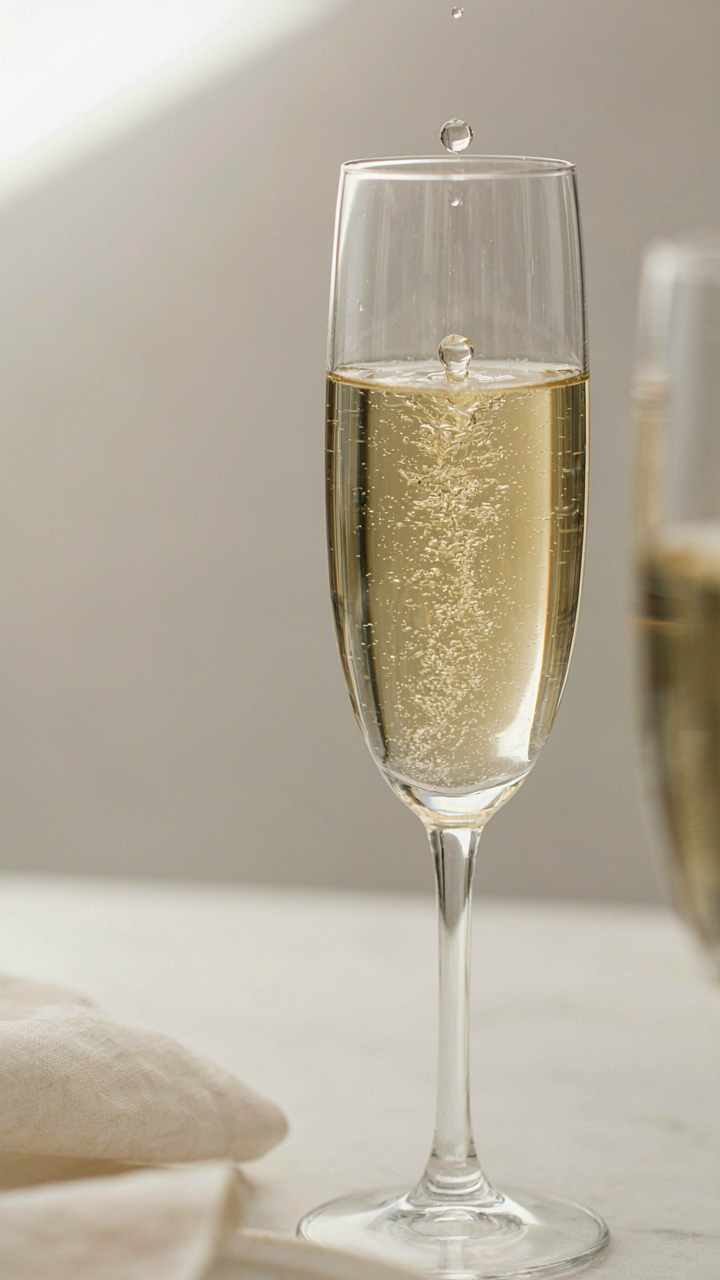
You want this drink to signal that you have taste and time. Carbonation creates that signal instantly because effervescence triggers a neurological response that flat drinks cannot replicate. Psychology calls this the “novelty bias”—your brain flags movement and sensation as premium. Bubbles move. Your brain interprets movement as craft, effort, care. A still drink reads as lazy. A sparkling drink reads as intentional.
The mechanism is tactile and immediate. Carbonation creates a tingling sensation on your mouth’s nerve endings, which your brain registers as complexity. This sensation costs nothing to produce—you’re literally buying it from a bottle or a machine—but your guest’s brain categorizes it as luxury. That’s not manipulation. That’s how perception works. The drink tastes better because your nervous system says it does.
The Right Base Changes Everything
Carbonation amplifies whatever flavor you build on top of it. Your choice of sparkling base determines whether your mocktail lands or falls flat—pun intended, because the base carbonic acid actually sharpens flavor perception by increasing saliva production, which is chemistry’s way of saying carbonation makes taste buds more sensitive.
- Club Soda: Zero flavor, pure carbonation. Use this when your fruit juice or concentrate needs zero competition. It’s the blank canvas base.
- Tonic Water: Bitter quinine backbone adds structure. Pairs with citrus, ginger, and herbal syrups. Carbonation here enhances the quinine’s dry edge.
- Sparkling Water with Mineral Content: Brands like San Pellegrino or Perrier carry mineral notes that complement botanical flavors. The minerality lingers after the bubble sensation fades.
- Ginger Beer: Already flavored with spice and sweetness. Carbonation amplifies the ginger burn. Use less additional sweetener when you choose this base.
- Kombucha Carbonated Varieties: Fermented tang plus carbonation creates complexity without added sugar. Works with berry juices and citrus. The fizz carries the fermented note forward.
Your base choice isn’t decoration—it’s the foundation that determines mouthfeel, flavor trajectory, and how long the drink stays interesting. Pick your base first, then build everything else around its inherent profile. The carbonation amplifies whatever you choose, so choose with precision.
The “Apple Mocktail Recipe” Blueprint: Simple Elegance
Why Apple Works When Everything Else Feels Forced

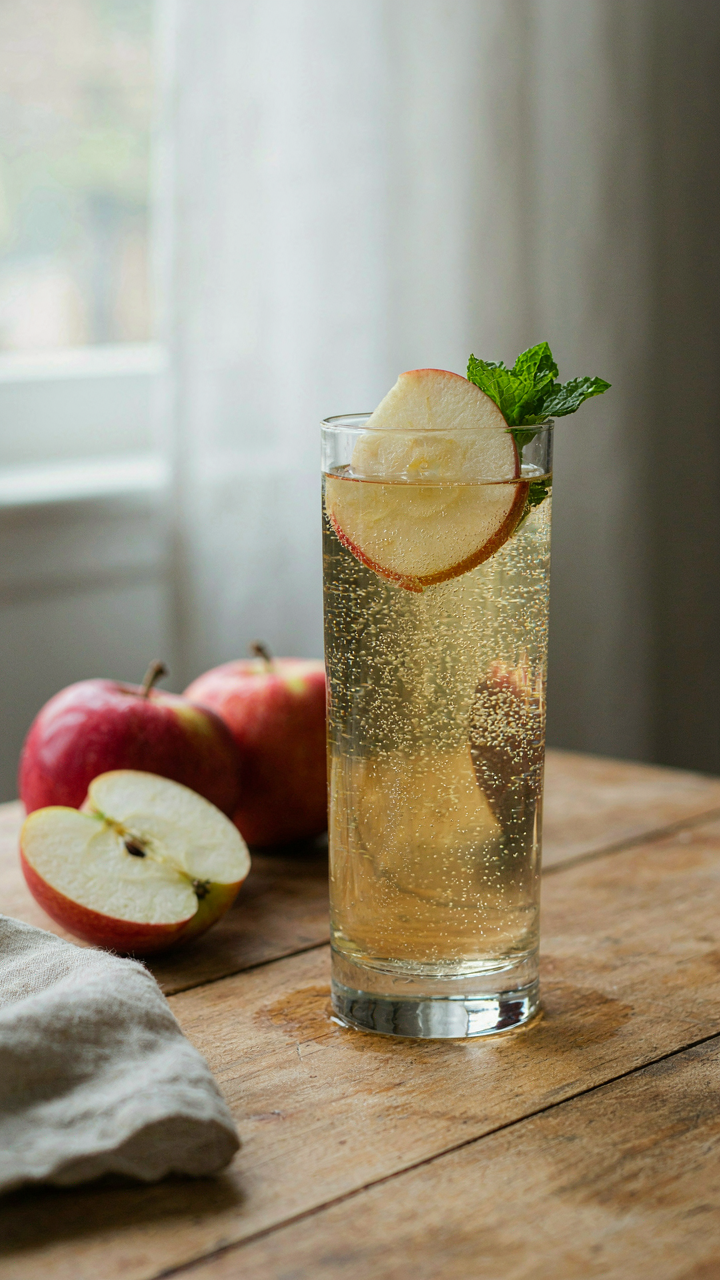
You want to look competent without effort. That’s the real reason you care about apple mocktails. The mechanism is simple: apple is the only base flavor that reads as intentional whether you add one ingredient or five. Most fruit bases require heavy intervention to avoid tasting flat or one-dimensional. Apple’s natural acidity and mild sweetness create stability. Fresh apple juice paired with sparkling water gives you a foundation that works. Ginger ale cuts through the sweetness with spice. A squeeze of lemon adds complexity without overwhelming the drink. This isn’t about choosing the “best” fruit. It’s about selecting the one that forgives poor execution.
The reason apple dominates in beverage chemistry is its balance of malic acid and natural sugars. These elements don’t clash with carbonation or other mixers. They complement them. When you reach for apple, you’re not inventing the wheel. You’re using a flavor profile that bartenders have relied on for decades because it functions reliably. Take fresh apple juice, pour it over ice with a 2-to-1 ratio of sparkling water, add three thin slices of fresh ginger and one lemon wheel. That’s your baseline. Everything else is refinement, not rescue.
Speed Beats Perfection Every Single Time
The common advice here is wrong: you don’t need special tools or premium ingredients to make mocktails look intentional. You need a system. Think of carbonation like leverage in physics. A small amount applied at the right moment multiplies your effort. Add sparkling water last, not first. This preserves the bubble structure and creates visible effervescence when the drink hits the glass. Use larger ice cubes instead of crushed ice. They melt slower, dilute less, and look deliberate. A single large cube signals control. A glass full of fragments signals you’re filling time.
Prep the fruit component before your guest arrives. Juice the apple, slice the lemon, cut the ginger. Pour everything into a single pour bottle. When someone asks for a drink, you execute in under two minutes: pour juice, add ice, top with sparkling water, add the fruit slice, hand it over. This removes decision-making from the moment. The drink looks like you maintained focus and intentionality. The mechanism is simple: eliminate variables in real time so you appear composed.
Pear Ginger Alchemy: Engineering Flavor Profiles
Contrast Creates The Feedback Loop
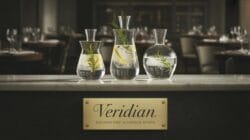
You want people to think you spent an hour on this. The mechanism is simple: your palate registers contrast, not individual ingredients. Borrow from cybernetics—the study of feedback systems—and you’ll see how flavor works. A feedback loop requires input, output, and correction. Pear provides sweetness. Ginger delivers heat and bite. Your mouth detects the gap between them and reports “complexity” to your brain. That gap is where the five-minute magic lives.
The common advice says “balance flavors.” Wrong. You don’t balance them. You amplify the opposition. Pear juice alone tastes flat in sparkling water. Add ginger and suddenly the pear tastes more like itself because contrast sharpens perception. The carbonation reinforces this by carrying volatile compounds across your palate faster, intensifying the feedback cycle. Your taste buds fire harder. The drink reads as intentional. This is why expensive bars use this exact structure.
Synergy Multiplies Impact With Fewer Ingredients
Stop adding six ingredients hoping something sticks. Ingredient synergy means two or three components produce a result stronger than their sum. Pear and ginger don’t just coexist in this drink—they activate each other. Pear contains sorbitol, a natural sweetener. Ginger contains gingerol, a compound that triggers heat receptors. When carbonation hits both simultaneously, the sweetness makes the heat feel sharper, and the heat makes the sweetness feel cleaner. You need fewer elements because the elements do more work together.
The formula: start with one base (pear juice, two ounces), add one accent (fresh ginger syrup, half ounce), top with sparkling water (four ounces), and finish with one texture element (ice or a single thin slice of pear). That’s it. The pear and ginger synergy carries the whole drink. Your job isn’t to create flavor complexity—it’s to choose ingredients that amplify each other’s existing properties and let carbonation distribute that amplification across your mouth in under sixty seconds.
The Alcohol Free Spritz: Mastering The Art Of The Pour
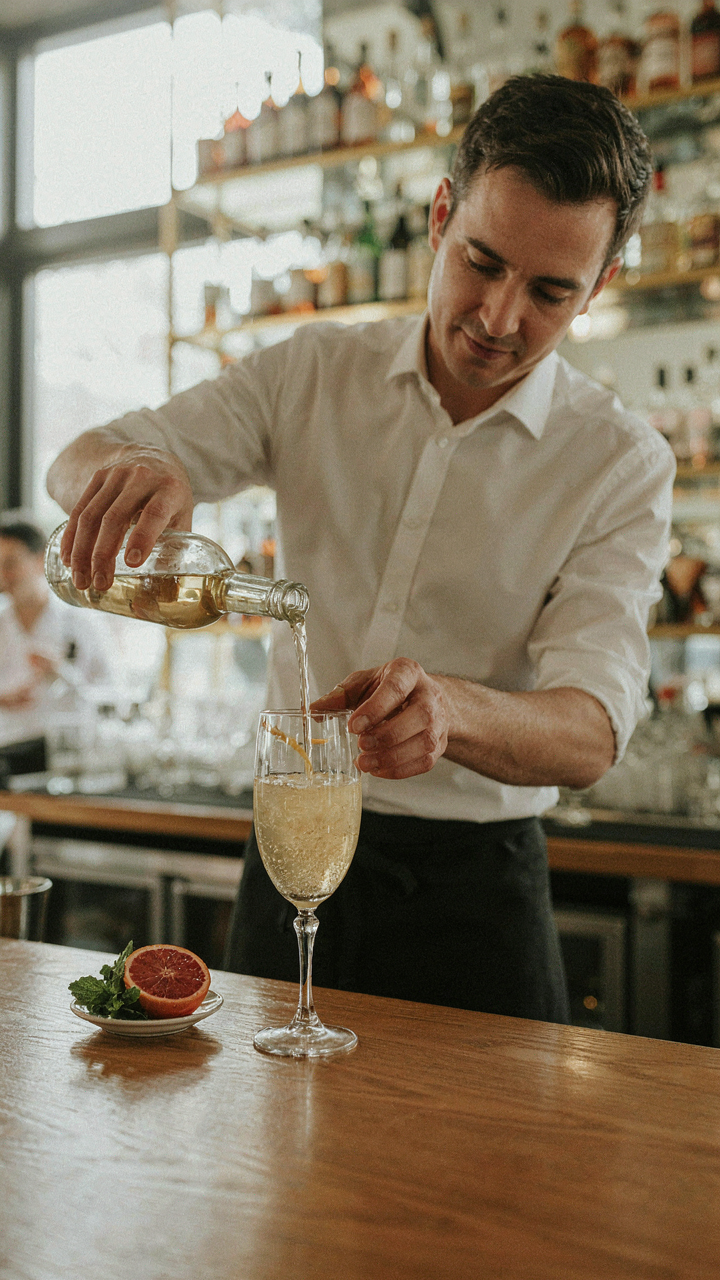
The Glass Is The First Ingredient
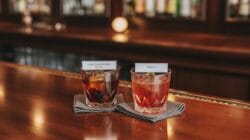
You want people to perceive your mocktail as premium before they taste it. The glass is where that happens. In design, form and function are inseparable—pick the wrong vessel and your drink reads as amateur hour regardless of what’s inside. A coupe, wine glass, or highball glass signals intentionality. A red plastic cup signals the opposite. The rim diameter, bowl shape, and stem length all communicate value to the brain before liquid touches lips.
Stemmed glassware creates distance between hand and drink, which prevents heat transfer and keeps carbonation alive longer. It also forces the drinker to slow down. A 5-ounce coupe holds a properly proportioned spritz and creates visual impact through negative space. Skip mason jars and tumblers for sparkling mocktails unless you’re committing fully to a casual aesthetic. The glass choice is a compression of your entire effort.
The Pour Determines Carbonation And Visual Hierarchy
Common advice says pour slowly to preserve bubbles. That’s incomplete. The real mechanism is controlling nucleation sites, the microscopic imperfections where CO2 molecules gather and release. You want bubbles visible and streaming, not flat and still. Start with a cold glass chilled in the freezer for at least fifteen minutes. Pour your base liquid first at a 45-degree angle, then introduce the sparkling component perpendicular to the surface. This creates agitation without violent overflow.
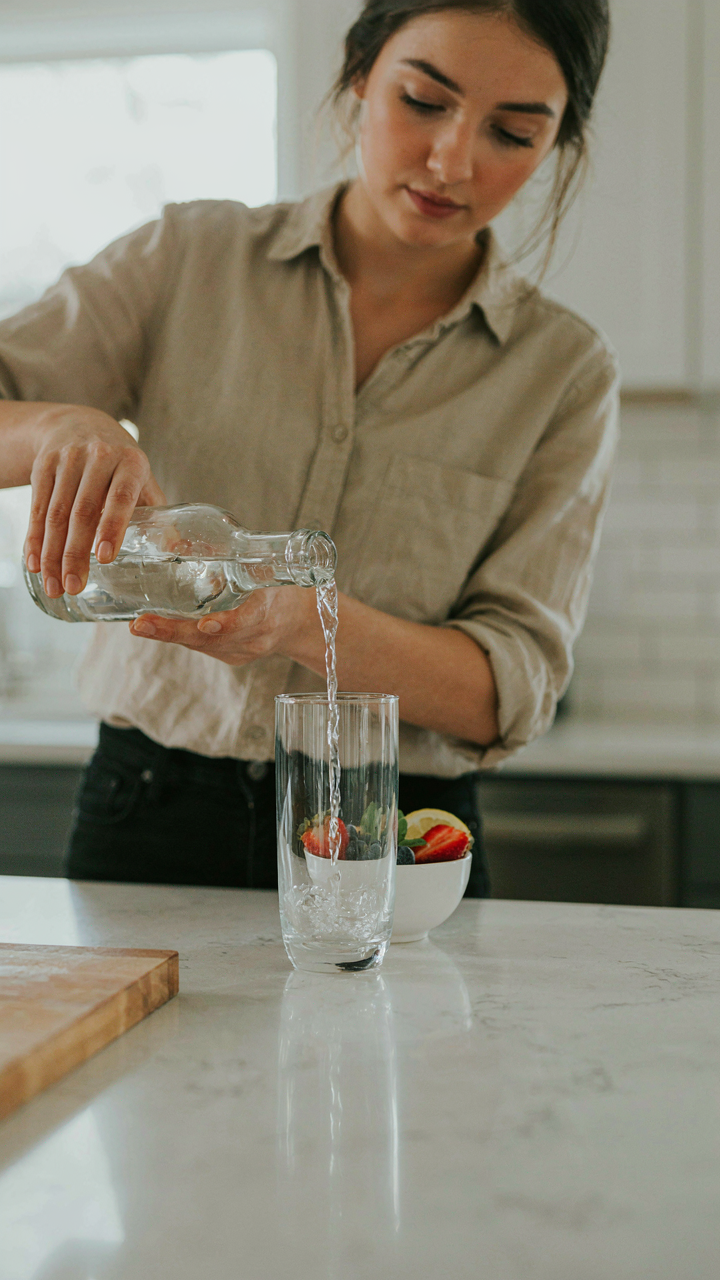
The final pour is where the visual payoff happens. Tilt the glass upright and pour the sparkling water or soda slowly down the inside wall. This generates the column of rising bubbles that makes the drink look alive. Wait three seconds between components to let each layer settle. The drink’s visual architecture—dark base, light middle, carbonated crown—creates perceived complexity that justifies the premium price you’re selling.
Mocktail Party Mastery: Batching For The Discerning Host
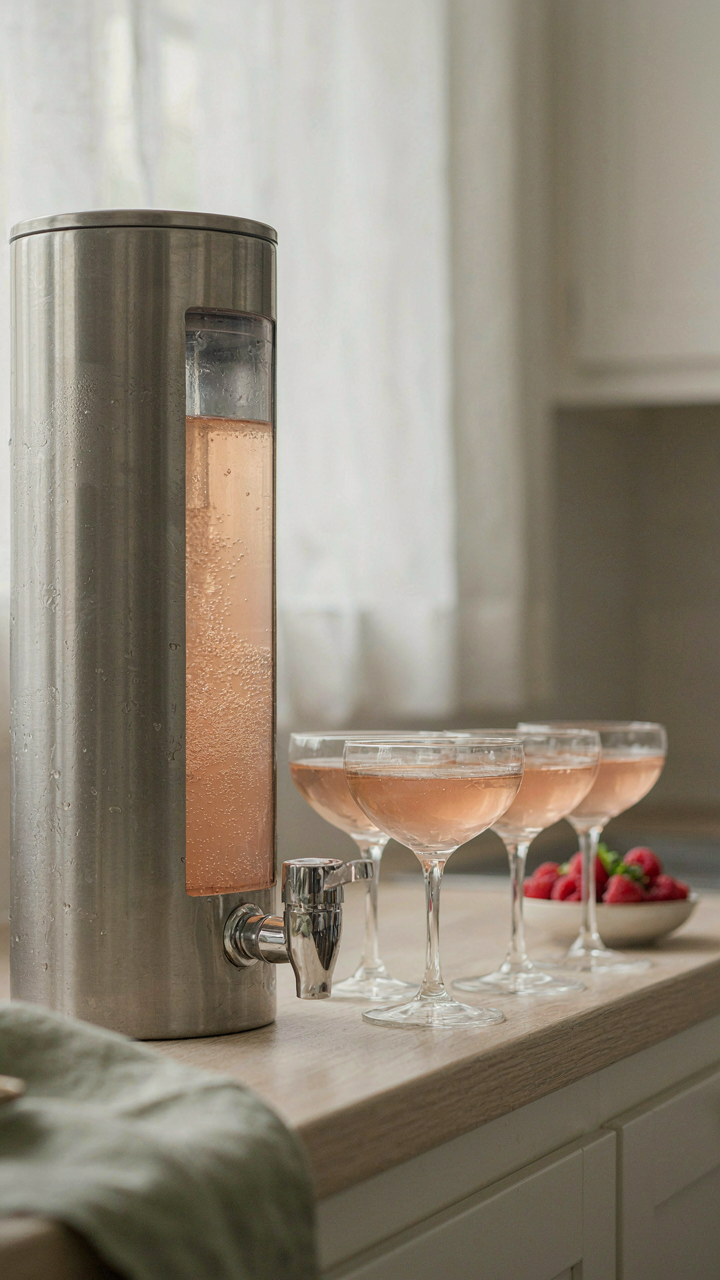
The Math Of Multiplying Without Collapse
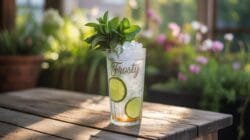
You want to look like you didn’t sweat this, which means you’re actually terrified of the math falling apart when you scale up. Here’s the mechanism: batching mocktails follows the principle of load distribution from systems engineering. You’re not multiplying ingredients uniformly. You’re isolating the components that don’t degrade under volume, then adding the volatile elements at service time. Citrus juice oxidizes fast. Carbonation dies in minutes. Herbs bruise under their own weight in large batches. The base—your juice blend, syrups, spirits replacements—scales linearly. The finish components don’t.
Calculate your base recipe as a single-serve unit, then multiply only the shelf-stable elements by guest count. Store everything in labeled containers at room temperature or cold storage depending on the ingredient. When guests arrive, you’re not making five mocktails. You’re pouring one pre-batched base into five glasses, then finishing each with fresh ice, carbonation, and garnish in under sixty seconds per person. That’s the difference between looking competent and looking frantic.
Prep Timing That Doesn’t Require A Timeline
Most advice tells you to prep everything the day before. That’s incomplete. Pre-batching works when you understand what breaks and what holds. Citrus juices stay stable for four to six hours if stored in an airtight container. Simple syrups last weeks. Herb infusions last three days refrigerated without flavor collapse. Sparkling water loses its punch within two hours of opening. Your strategy: batch juices and syrups two hours before guests arrive. Infuse herbs one day prior if they’re not the main ingredient. Open carbonated components thirty minutes before service. Keep the bottles sealed until the moment you pour.
Set up your station with all batched components in the order you’ll use them. Label each container with ingredient name and prep time so you don’t second-guess yourself mid-service. This removes decision-making friction and drops your per-drink execution time below ninety seconds. The host who doesn’t have to think is the host who looks in control.
Drinks Recipe Nonalcoholic: Beyond The Basic Beverage
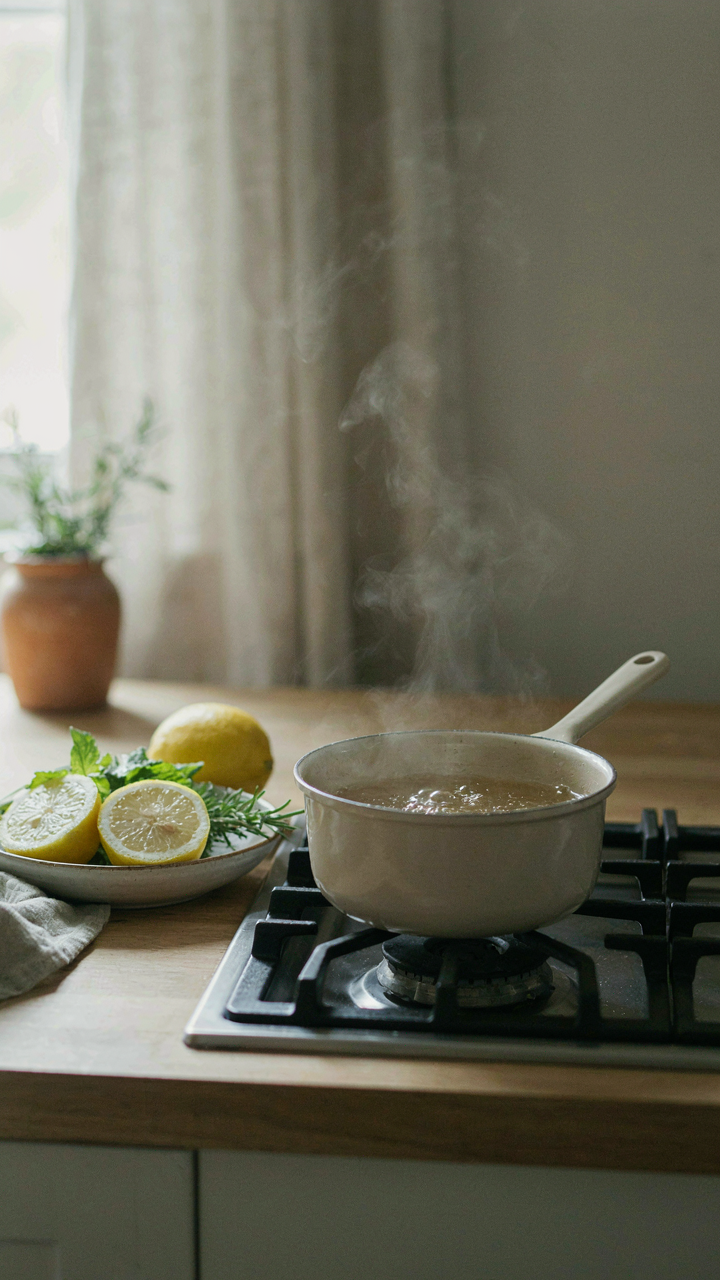
Make Your Own Syrup Fast

You want to look like you know what you’re doing without the effort. That’s the real reason you care about this section. The mechanism is simple: flavor concentration. A basic simple syrup takes five minutes and multiplies the perceived complexity of any sparkling mocktail by forcing taste onto the drinker instead of relying on diluted juice. One part sugar, one part water, heat until dissolved, cool, done. Infuse it while cooling with fresh ginger, lemon zest, or herbs.
Most people buy pre-made syrups and wonder why their drinks taste generic. That’s because retail syrups use stabilizers and extend shelf life over flavor intensity. When you make your own, the sugar dissolves completely into water, creating a vehicle that carries flavor directly to your palate without waste. A cardamom-infused syrup takes the same five minutes as plain syrup but transforms a basic sparkling water and citrus combination into something that registers as intentional.
Bitter, Umami, And Acid Stack
Flavor chemistry borrowed from cooking teaches us that drinks need contrast tension to register as complex. Umami is the savory fifth taste that most mocktails miss entirely because bartenders still think nonalcoholic means sweet. Add a teaspoon of quality bitters, a dash of miso paste dissolved in hot water before cooling, or a small pinch of sea salt to any sparkling drink. The bitters won’t make it taste like alcohol. They make it taste like someone who understands balance made it.
Acid stacking is where most recipe writers fail. They use one citrus source and call it done. Layer citrus instead: lime juice for brightness, lemon for body, a quarter teaspoon of apple cider vinegar for depth. The vinegar doesn’t taste vinegary when rationed correctly. It teaches your palate that the drink has layers. This combination transforms a five-minute mocktail from Instagram prop into something someone would actually order twice.
The Real Obstacle Isn’t Complex Drinks, It’s Your Belief That Complexity Equates To Value

You’ve been trained to think effort equals worth. Five minute sparkling mocktail recipes destroy that lie. Your guests don’t care how long you suffered in the kitchen. They care about what lands in their hand. Build the habit today: pick one recipe, buy the ingredients, make it tonight. The fastest path to looking like you have your life together is accepting that simplicity is the ultimate flex.