
The Myth Of The Martha Stewart Host: Why “Homemade” Is Overrated

Connection Matters More Than Credentials
You want people to think you’re competent and effortless, which is why you care about this section. Here’s the mechanism: guests measure a host by attention, not by labor visibility. They remember who asked them questions and made them feel like the event existed for them, not as a stage for culinary performance. Every minute you spend stressed in the kitchen is a minute you’re absent from the room. The person who serves store-bought appetizers while fully present beats the person who disappears for two hours perfectings a sauce nobody asked for.
Studies on social bonding show that shared experience and felt attentiveness drive connection, not food origin. You can’t network, listen, or lead a conversation from behind a stove. The best hosts hand off the production work so they can do the actual work of hosting, which is seeing people.
The Real Cost Of Kitchen Martyrdom
The advice to cook everything from scratch ignores basic resource allocation. You have three resources: time, mental energy, and presence. Spending them on food prep that accomplishes the same outcome as a shortcut means you’ve wasted two of them. The anxiety of timing multiple dishes, plating under pressure, and recovering from failures doesn’t add value to the event, it subtracts from it by making you visibly stressed.
Make ahead party food solves this by moving the pressure to a moment when failure doesn’t matter. You finish cooking days before guests arrive. On event day, you reheat and plate calmly. That shift in timing is everything. The stress you feel becomes invisible, and your guests experience only the result: a relaxed host who actually has time to talk to them.
Make Ahead Appetizers: The Effortless Illusion Protocol
The Dishes That Signal You Didn’t Rush

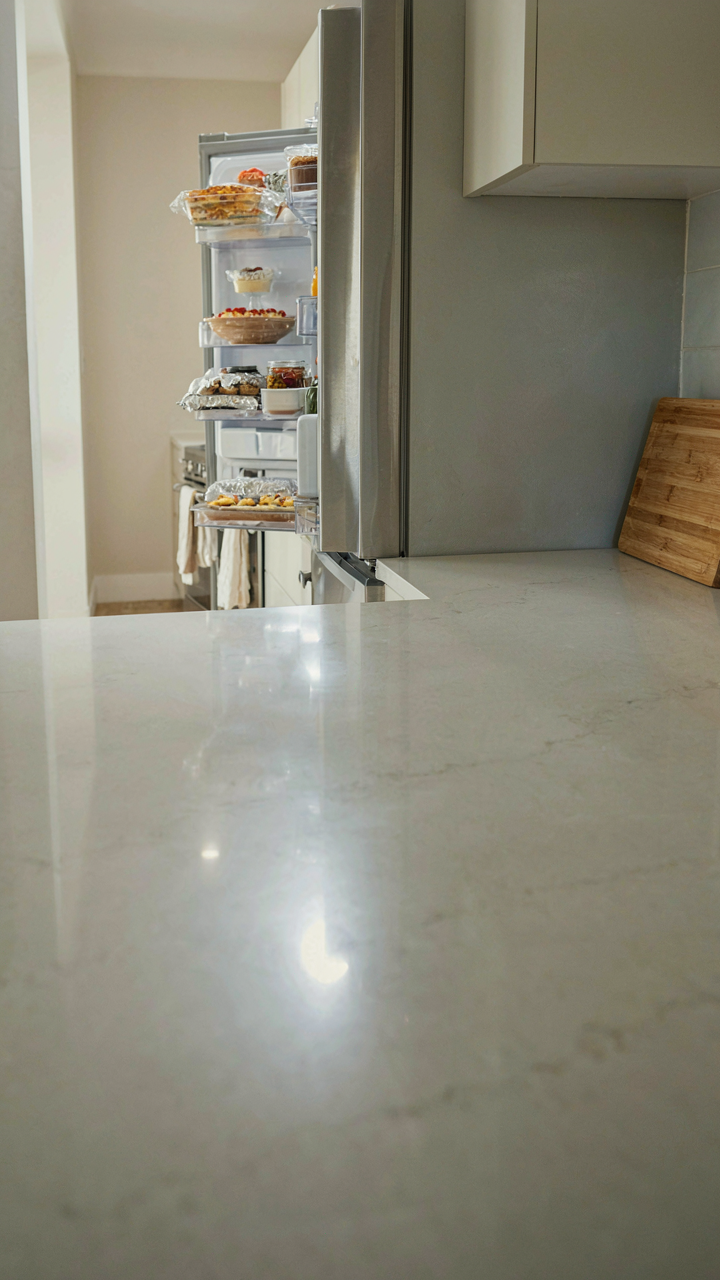
You want people to think you’re calm and organized, not stressed in your kitchen an hour before they arrive. That fear drives the decision, and it’s valid. The mechanism is simple: pick dishes where the work happens before guests arrive, but the final presentation happens in front of them. This creates the illusion of effort without the actual burden. Cold appetizers that require assembly, not cooking, deliver maximum impact with minimum risk. A charcuterie board, bruschetta with toppings separated, shrimp cocktail with sauce on the side, deviled eggs, and marinated vegetables all follow this pattern.
The real trap is cooking everything ahead and reheating it. That’s where most hosts fail because temperature control becomes a wild variable. You lose texture, flavor integrity, and the ability to adjust for timing. Instead, prepare components: cook the protein, make the sauce, cut the vegetables, toast the bread. Then assemble thirty minutes before people eat. This transforms a stressful event into a controlled sequence where each element is already dialed in and you’re just moving pieces around.
Strategic Assembly, Not Full Pre Cooking
Most advice tells you to make appetizers completely ahead of time. That’s incomplete. The real strategy borrows from manufacturing: separate your prep into stages that preserve quality until the final assembly window. Some components should be made days ahead because they actually improve with time, like marinated items, spreads, and cured elements. Others should be prepped but not combined until shortly before service. Raw vegetables, bread, and assembled items with moisture or temperature sensitivity need that timing window.
Here’s what actually works: make your base components three to four days out. Assemble individual pieces one to two hours before guests arrive. This timing prevents sogginess, maintains crunch, and keeps flavors sharp. For example, make pesto or herb cream cheese five days ahead. Prep vegetables two days ahead in airtight containers. Toast bread the morning of. Then build each appetizer in that final hour. The constraint isn’t making everything early, it’s knowing which components benefit from advance prep and which components degrade over time.
The Art Of Delegation: Outsourcing Party Food Without Guilt

Potluck Optimization: Guiding Guest Contributions

You want the credit for hosting without doing all the work. That’s not laziness, it’s resource allocation. Potlucks fail because hosts treat them like accidents instead of systems. The mechanism is constraint: people need specific boundaries to produce usable food, not conflicting dishes that leave you scrambling at 6 PM.
The common advice is “just ask people to bring something.” That doesn’t work. Vague requests generate duplicates, desserts-only lineups, and store-bought frozen items that don’t integrate. Instead, assign categories and quantities before inviting anyone. Tell Sarah to bring a vegetable side for eight people, Mark to handle chips and dip, Jennifer to bring rolls. Specificity eliminates negotiation and guesswork. You control the final menu shape without cooking it yourself.
Communication happens once, in writing. Use email or a group message to list exactly what you need, serving size, and dietary considerations. Include a deadline for responses. This prevents last-minute changes and gives you time to fill gaps with store-bought backups. The goal isn’t fairness or equal effort, it’s a coherent meal that requires minimal assembly from you.
Pre Made Heroes: Elevating Store Bought Components
Most hosts think buying anything signals failure. They don’t. The real mechanism is assembly versus creation. You’re not cheating if you buy quality rotisserie chicken and build something around it, rather than roasting your own. The difference in final output is negligible, but your workload drops 60%.
Strategic store-bought components are time investments with high returns. Deli platters, bakery bread, rotisserie proteins, and pre-cut produce let you focus on the one or two dishes that actually justify homemade effort. If you make a stellar dip or sauce, pair it with store-bought vegetables and crackers. Nobody tastes the vegetables and thinks about the grocery store. They taste the dip. Buy the parts that don’t carry emotional weight, make the parts that do. Execute this protocol three days before the party so you know exactly what gaps remain and have time to fix them.

Easy Make Ahead Appetizers: Flavor Hacks, Not Fancy Techniques
Umami Bombs: Quick Flavor Layering
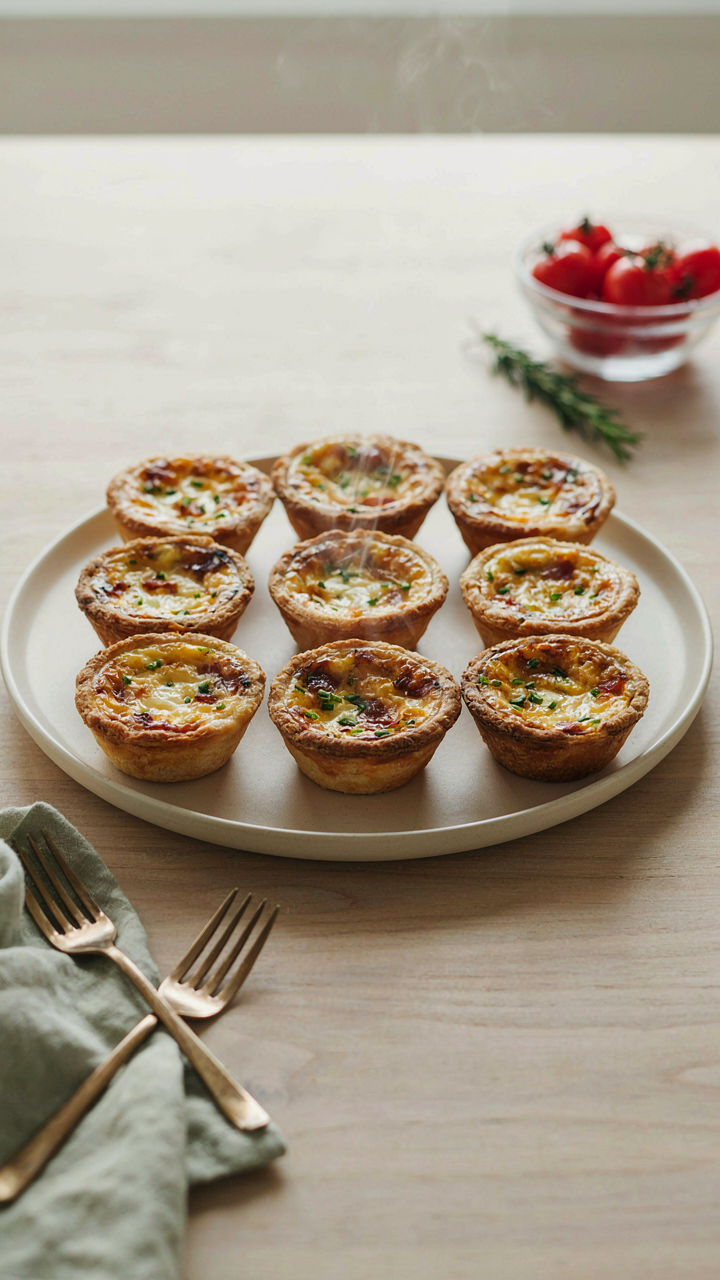
You want people to think you spent hours in the kitchen. The mechanism is simple: umami, borrowed from sensory science, is the fifth taste that triggers satiation and satisfaction faster than salt or sugar alone. One umami hit makes guests believe complexity exists where efficiency actually lives.
Build umami depth by stacking fermented, aged, or glutamate-rich ingredients. Combine anchovy paste with cream cheese. Layer aged Parmesan into breadcrumb coatings. Mix miso into sour cream dips. These aren’t techniques requiring skill. They’re ingredient combinations that compound flavor without requiring heat, timing, or attention during the party. Prepare them three days ahead and refrigerate. The flavors intensify in storage, not diminish.
Texture Contrasts: Simple Ingredient Combinations
Most people obsess over flavor matching and ignore texture. Wrong priority. Texture creates the eating experience. Pair crispy with creamy, soft with crunchy, smooth with grainy. This contrast registers faster on the palate than subtle flavor notes and makes boring ingredients feel intentional.
Toast nuts and breadcrumbs to anchor creamy bases like ricotta or whipped feta. Add crispy caramelized onions to soft cheese spreads. Mix toasted seeds into spreads hours before serving so they stay crunchy but absorb enough moisture to stay bound. The prep step is toasting. Everything else is stirring. Do the toasting two days before, store in airtight containers, then combine with soft elements the morning of the party.

Logistics Of Laissez Faire Hosting: Military Strategy For Party Flow
The Ingredient Staging System
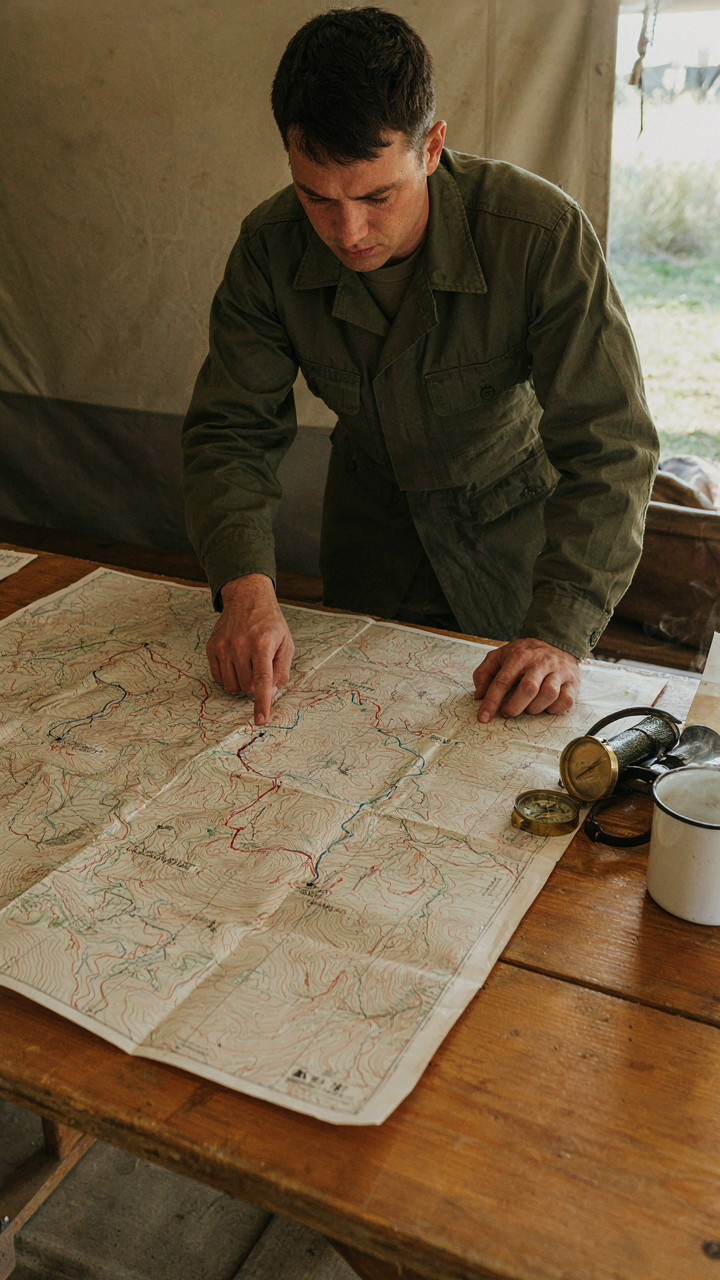
You want to look unrushed while your guests arrive. That’s the real reason you care about this. The mechanism is supply chain management borrowed from military logistics: frontline troops need ammunition staged at checkpoints, not scattered across three warehouses. Your kitchen needs the same architecture.
Stage ingredients by dish and by time. Non-perishables go out first—oils, vinegars, spices, serving utensils. Cold items arrive next, organized by their final assembly order. This eliminates the scramble where you’re hunting for paprika while guests walk through the door. Print a single sheet listing what goes where and when. Tape it to your fridge. Execute it.
Backup Dishes And Failure Points
The common advice here is weak: just make extra of everything. Wrong. You don’t need surplus volume. You need dishes that fail differently. If your refrigerated dip breaks or separates, a room-temperature nut mix doesn’t save you. One fails cold, the other fails hot.
Map your primary dishes to their failure modes. Cream-based items curdle. Bread-based items stale. Cheese hardens. Then build backup dishes that cannot fail the same way. A shelf-stable cracker with shelf-stable spreads covers you if your queso breaks. Keep one backup dish prepped and frozen that needs zero refrigeration before serving. When the unexpected hits, you deploy the item that survives that specific failure, not just more volume of the same thing.

Appetizers For A Crowd: Scaling Smart, Not Stretching Thin
The Base Recipe Approach
You want people to think you didn’t stress about this. That’s the real reason you’re reading this section. The mechanism is borrowed from manufacturing: economies of scale. You don’t make 20 different appetizers. You make three base recipes, then multiply them.
- Marinated Cheese and Vegetable Board: Combine cubed feta, mozzarella, olives, and seasonal vegetables in a vinaigrette 24 hours ahead. The acid softens everything and flavors meld. Serve cold, add fresh herbs before guests arrive.
- Deviled Eggs with Variations: Hard boil eggs, split, and prepare the filling base 2 days early. Store yolks and whites separately. Pipe and top with paprika, bacon, or herbs the morning of. One recipe scales to 24 pieces easily.
- Meatballs in Sauce: Brown seasoned ground beef or turkey, simmer in tomato or teriyaki sauce, then refrigerate. Reheat gently in a slow cooker for 2 hours. Serves 30 from one batch. Toothpicks, done.
- Dips and Spreads Base: Cream cheese forms the foundation for spinach artichoke, French onion, or buffalo chicken dips. Make the day before, bake for 20 minutes before serving. One recipe fills multiple bowls with different toppings.
- Crudités with Strategic Cutting: Prep vegetables 24 hours ahead in ice water to crisp them. Cut into uniform sizes and arrange by color density. Store in sealed containers. Arrange 30 minutes before guests arrive.
The math here is violent in your favor. A single base recipe becomes four serving platters. You’re not cooking more. You’re repeating what works. Prep one marinated cheese board today. Make it again with different vegetables tomorrow. The muscle memory cuts your mental load in half.
The Perceived Abundance Trick
Common advice says fill plates with food. Wrong. Spacing and height create fullness perception. That’s a design principle, and you use it to win the room without doubling your quantities.
Arrange appetizers on boards and platters that leave deliberate gaps between items. Stack height with tiered platters or cake stands. Use small serving utensils and individual small plates instead of one shared platter. Guests take less per trip when portions feel curated. White space on a board reads as intentional elegance, not empty. Refill a half-empty tray instead of setting out three overflowing ones. The illusion of scarcity drives repeat visits and makes your offering feel premium, not desperate.

Frozen Appetizers: Your Secret Weapon Against Last Minute Panic
Freezer Friendly Finger Foods That Don’t Compromise
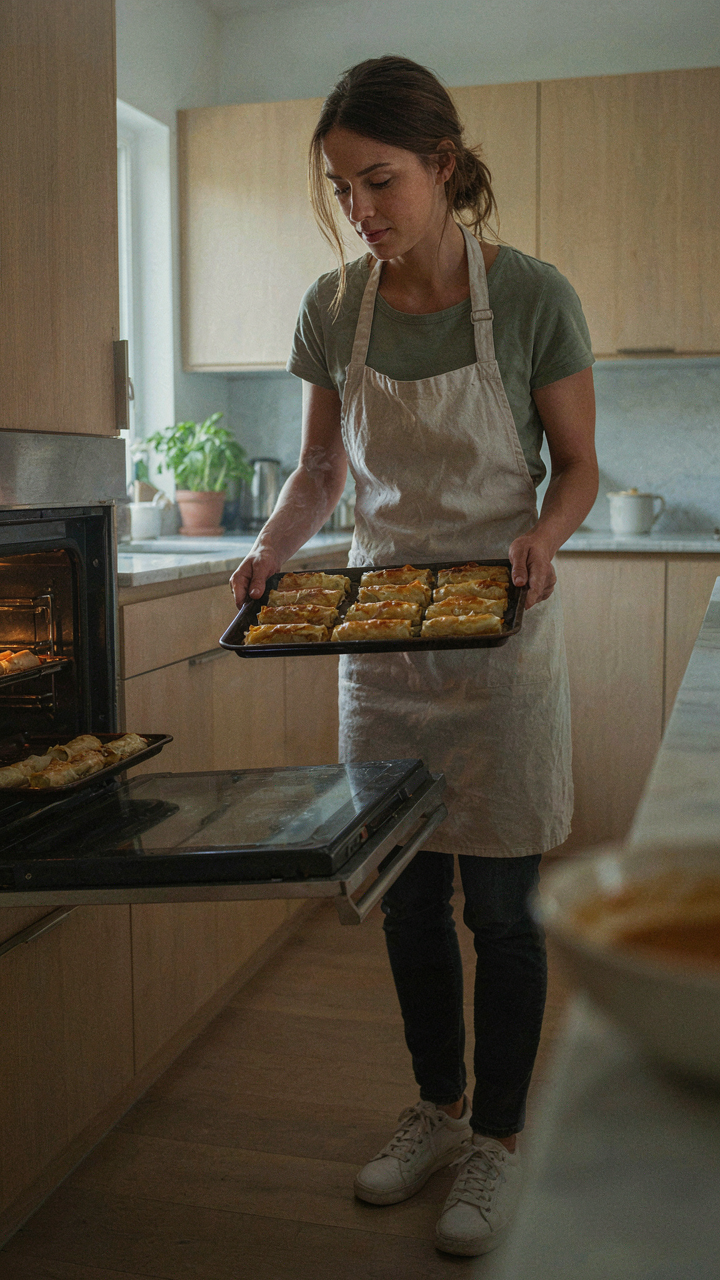
You want people to think you spent hours in the kitchen when you actually spent two. That’s the real driver here. The mechanism is this: certain foods freeze without texture degradation because their structure relies on starch or fat suspension rather than cell integrity. When water freezes in vegetables, it ruptures cell walls. But in breaded items, cheese-based appetizers, and fat-forward preparations, the freezing process becomes irrelevant to the final product’s quality.
The common advice says “just freeze everything.” That’s incomplete. Freezing works for foods where the frozen state doesn’t introduce new problems. Mozzarella sticks, homemade spring rolls, and cheese-stuffed mushrooms freeze flawlessly because the exterior protection and internal fat content prevent moisture loss. Bruschetta, raw vegetable platters, and anything mayo-based will fail. Know the difference before you spend a weekend prepping the wrong items.
Thaw And Serve Minimal Effort Maximum Impact
Thawing strategy determines whether your frozen prep becomes a tactical advantage or a timing nightmare. Most people thaw at room temperature and cross their fingers. The better protocol uses the refrigerator’s consistent 40-degree environment. Move your frozen appetizers to the fridge the morning of your party, ideally eight to twelve hours before guests arrive. This controlled thaw eliminates the moisture pooling that happens with fast defrosting and stabilizes the food’s texture.
Some items skip thawing entirely. Frozen meatballs, pot stickers, and breaded shrimp go directly from freezer to oven or fryer without losing quality. Build your frozen appetizer list around items that either improve with gentle thawing or require no thawing at all. This removes the variable entirely and guarantees your appetizers hit the table in the state you designed them to be.

Beyond The Bites: The Psychological Advantage Of Prep Ahead Party Food

When You Stop Cooking And Start Conducting
You want people to think you’re relaxed. That’s the real motive here. But here’s what actually happens: when you cook during the party, you’re absent. You’re in the kitchen while guests form their first impressions without you. Prep ahead flips this. You shift from chef to conductor. Conducting requires presence, timing, and orchestration—not execution. The mechanism is simple: a prepared kitchen removes the friction that forces you into isolation. You greet people at the door. You circulate. You read the room and adjust the pace of food service based on actual energy, not a timer.
The psychological shift matters more than the logistics. Most hosts frame make ahead prep as a burden they must endure. Wrong frame. You’re not prepping to survive the party. You’re prepping to own it. The host who’s present, engaged, and moving through the crowd is the one people remember. The host who emerges from the kitchen flustered at minute 47 is forgotten. Prep ahead party food isn’t about the food being ready. It’s about you being available when it matters most.
The Reciprocity Mechanism In Group Dynamics
Economics calls it reciprocity. A guest who brings something feels obligated to contribute beyond showing up. Prep ahead party food creates the conditions for this. When your spread is already abundant and visibly effortless, guests don’t feel pressure to rescue you. They feel free to add something because the party doesn’t depend on it. This changes what they bring and how they behave.
The protocol: make your core food so solid that guest contributions feel optional, not necessary. A strong foundation of make ahead apps, sides, and proteins removes the desperation from the invitation. Guests respond by bringing better offerings—something they actually want to share rather than something to fill a gap. Tell people explicitly what would pair well with what you’re serving. This removes guesswork and encourages thoughtful contributions. The reciprocity loop completes when guests feel their addition enhanced something already good, not saved something failing. That’s when they become advocates for your hosting.

Holiday Appetizers & Everyday Party Food: Consistent Simplicity

Build Your Recurring Rotation
You want to look competent without actually having to think. That’s the real reason this matters. The mechanism is simple: mastery kills anxiety. When you stop experimenting at party time and start executing a known formula, your nervous system stays calm enough to actually host.
The common advice here is garbage. People tell you to “try new recipes” or “keep things fresh.” Wrong. You need three to five dishes you’ve made at least twice before. Pick foods that survive temperature swings, taste better cold or room temperature, and require minimal last-minute assembly.
- Marinated white beans with herbs: Holds for days, improves with time, works hot or cold. Olive oil, lemon, garlic, thyme. Scale up easily.
- Deviled eggs: Make 48 hours ahead. Store covered. No assembly at party time except paprika dust. Protein density keeps guests satisfied.
- Baked cheese dip with breadcrumbs: Bake morning of. Reheat 15 minutes before guests arrive. Cream cheese, sharp cheddar, sour cream base holds temperature well.
- Cured meat and cheese board components: Buy quality, arrange four hours ahead, cover. Humans eat these without thinking. Low stress to maintain.
- Roasted vegetable skewers: Toss with oil and salt, roast day before, serve room temperature. Eggplant, zucchini, peppers hold texture without getting soggy.
Repeat these dishes across every gathering you host. Guests remember patterns, not novelty. You reduce shopping decisions, eliminate recipe-reading stress, and build actual skill that compounds.
The Math Of Doing One Thing Well
Most hosts confuse variety with quality. They chase ten different recipes and execute none of them properly. This is a resources allocation problem, and you’re the resource. Limited attention plus high stakes equals mediocre output across the board.
Pick your four standby dishes. Make them flawlessly. Let guests see consistency. They’ll trust your food. They’ll remember the experience as smooth and intentional, not scattered. This is what separates competent hosts from exhausted ones struggling to plate five different apps while their guests arrive early. When you know exactly how long each dish takes to prepare, what temperature it needs, and how to hold it without degradation, you stop being reactive and start being in control.
The Real Secret Isn’t Making Ahead; It’s Strategically Under-delivering Without Anyone Noticing

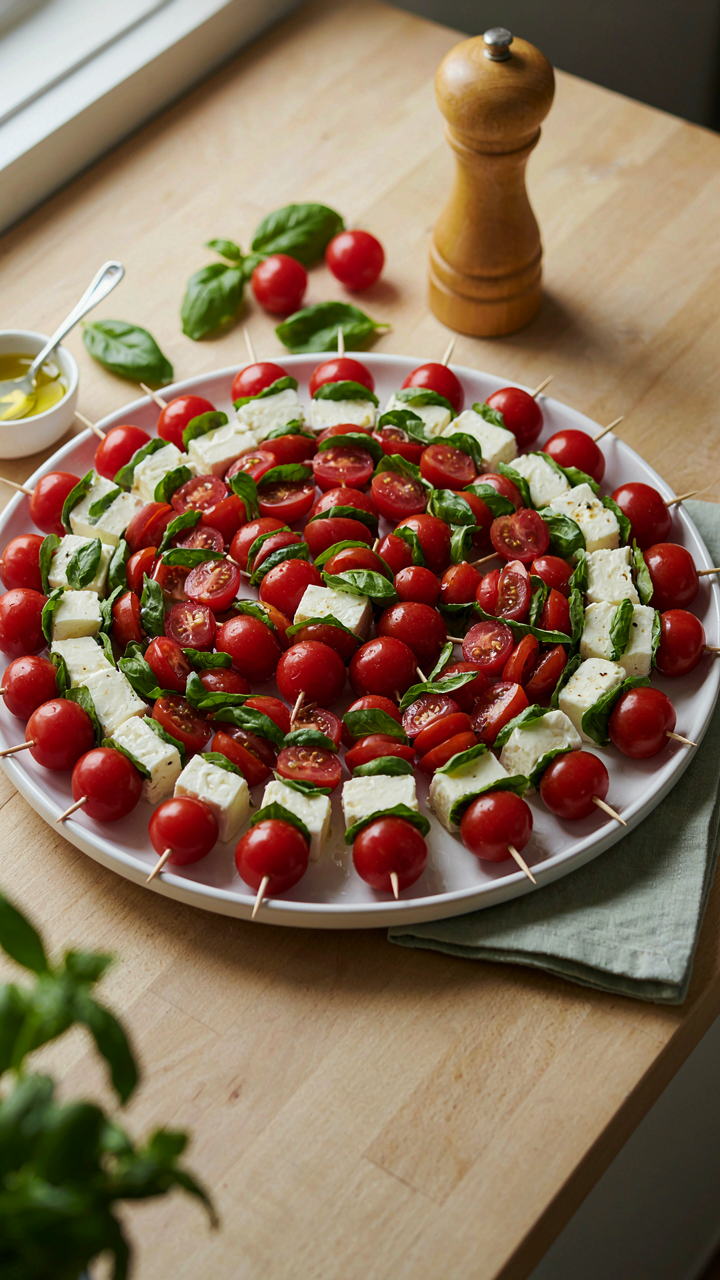
People don’t remember the third appetizer. They remember whether you were present or panicking. Make ahead party food wins because it removes you from the kitchen at 7 PM. Skip the elaborate dishes nobody asked for. Make what disappears first: chili, pulled pork, caprese skewers. Your guests came for connection, not a five course meal. Pick one make ahead item today and commit to it completely. Obsessing over volume is how hosts become invisible at their own parties.